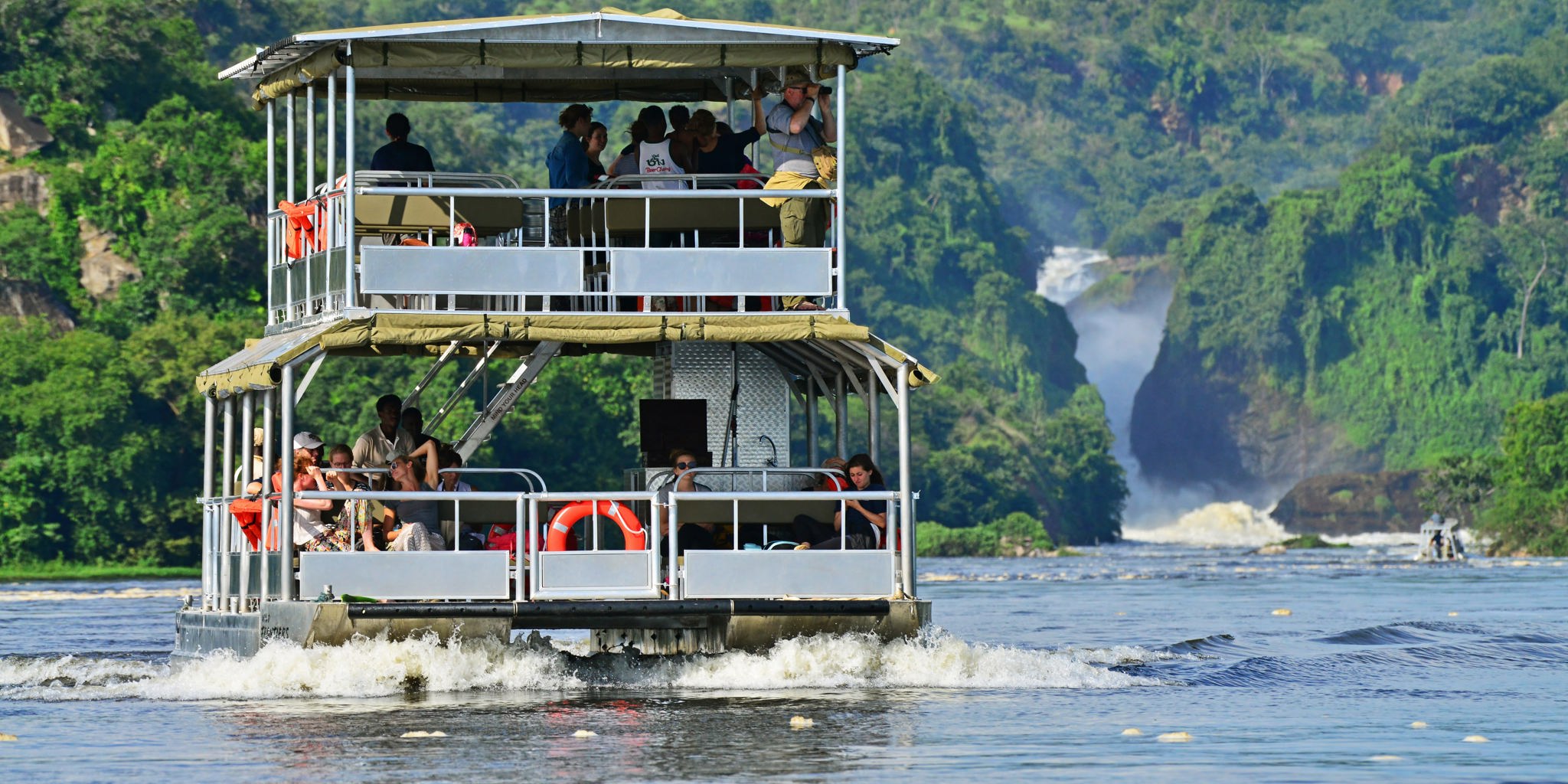
Yes, Uganda is a premier African safari destination, frequently called the "Pearl of Africa" for its incredible biodiversity, lush landscapes, and unique, intimate wildlife encounters. It is the world’s top destination for mountain gorilla trekking and chimpanzee tracking, offering an affordable, less crowded alternative to East African savannah safaris while still providing Big Five game viewing.
20-days-complete-rwanda-uganda-safari-tour-combo
13-days-best-rwanda-uganda-wildlife-safari-and-primate-experience
12-days-rwanda-primate-safari-vacation-and-akagera-national-park
9-days-best-africa-big-five-safari-and-rwanda-gorilla-trekking-tour-package
8-days-ultimate-gorilla-and-uganda-safari-tour-from-kigali-rwanda
7-days-best-gorilla-trekking-and-other-highlights-of-rwanda-tour
6-days-classic-uganda-rwanda-safari-tour-package-holiday
Why Uganda is a Great Africa Safari Destination
Gorilla & Chimpanzee Capital
Uganda has earned its reputation as the "Gorilla & Chimpanzee Capital" of the world, housing over half of the remaining mountain gorilla population, primarily in Bwindi Impenetrable National Park and Mgahinga Gorilla National Park. These rich habitats not only provide opportunities for unforgettable trekking experiences but also emphasize Uganda's commitment to conservation efforts surrounding these magnificent creatures.
Bwindi, a UNESCO World Heritage site, offers lush scenery where trekkers navigate through dense forests to encounter the endangered mountain gorillas closely. These intimate encounters in their natural habitat offer a profound emotional connection, making it a highlight of any safari experience.
In addition to gorillas, Uganda is a premier destination for chimpanzee tracking, particularly in Kibale Forest National Park, which boasts the highest primate density in Africa. The park is home to over 1,500 chimpanzees, offering visitors a thrilling experience as they observe these lively and intelligent creatures interacting in the wild. Engaging with both gorillas and chimpanzees allows tourists to connect deeply with the unique biodiversity that Uganda has to offer.
As conservation efforts continue, the positive impact of ecotourism is evident in local communities, where proceeds from trekking permits contribute directly to habitat protection and community development. Overall, Uganda presents an unparalleled opportunity for wildlife enthusiasts and adventure seekers to engage with some of Earth's most extraordinary primate species in a breathtaking environment.
Diverse Wildlife & Big Five
Uganda is celebrated for its impressive diversity of wildlife, making it an excellent destination for those hoping to see the famed Big Five: lions, leopards, elephants, buffalo, and rhinos. Uganda's varied ecosystems, which include savannahs, wetlands, and forests, provide numerous habitats that support abundant wildlife, creating exceptional opportunities for safari experiences.
Notably, Queen Elizabeth National Park is an iconic location for spotting elephants, buffalo, and even tree-climbing lions, which are a unique phenomenon where lions are frequently seen lounging on the branches of fig trees. This distinctive behavior adds an exciting twist to traditional wildlife viewing.
Additionally, the park's diverse terrain allows for rich birdwatching experiences, with over 600 bird species recorded, including the majestic African fish eagle and numerous migratory birds. Birdwatchers will find Uganda to be a paradise, with abundant avian life found in various environments.
While Uganda is known for its vibrant wildlife, its conservation efforts are commendable. The establishment of the Ziwa Rhino Sanctuary has committed resources to rhino reintroduction, enhancing the potential for Big Five sighting experiences. As one of the more off-the-beaten-path safari destinations, Uganda offers a more tranquil and intimate experience compared to the crowded parks of Kenya or Tanzania. Overall, Uganda's diverse wildlife and rich ecosystems provide an unforgettable backdrop for adventure and exploration.
Unique Landscapes
One of the defining features of Uganda as an Africa safari destination is its stunning and varied landscapes. Known for its dramatic beauty, Uganda boasts unique geographical formations that enrich the safari experience. From the powerful Murchison Falls, where the Nile River forces its way through a narrow gap, creating a breathtaking waterfall, to the majestic Rwenzori Mountains, often referred to as the "Mountains of the Moon," the scenery is eye-catching and diverse.
Murchison Falls National Park not only provides opportunities for a thrilling boat safari along the Nile River but also showcases the incredible biodiversity found in the region. Cruising the Nile allows visitors to see hippos grazing and crocodiles basking in the sun while enjoying the stunning vistas of the surrounding landscape.
The Rwenzori Mountains offer unique hiking experiences, with trails leading through lush forests, alpine meadows, and glacial lakes. Known for its rich flora and fauna, this area is a haven for nature enthusiasts, providing an awe-inspiring backdrop for challenging treks.
Additionally, the rolling hills and fertile landscapes of the Uganda countryside add to the beauty. The juxtaposition of mountains, rivers, and vibrant green hills creates a captivating panorama that enhances any safari experience. Uganda's diverse landscapes not only provide thrilling activities but also contribute to the richness of its flora and fauna, making it a compelling choice for adventure seekers and nature lovers alike.
Off-the-Beaten-Path & Affordable
Uganda offers a unique opportunity for travelers seeking an off-the-beaten-path safari experience without compromising on quality or diversity. Unlike the more crowded parks in neighboring countries like Kenya and Tanzania, Uganda presents a more intimate setting, allowing visitors to truly connect with nature and enjoy the beauty of its landscapes and wildlife without the overwhelming crowds.
This exclusivity often translates to a more personal safari experience. With fewer tourists around, wildlife encounters can feel more special and immersive, leading to more meaningful connections with the scenery and animals. The slower pace of exploration allows for thorough enjoyment and appreciation of the environment, wildlife, and local culture.
Moreover, Uganda is known for being a more cost-effective safari destination. The price of accommodations, permits, and guided tours is often lower than in more established safari markets. This affordability allows visitors to experience all the thrilling adventures that the country has to offer without straining their budget. Trekking permits for gorillas and chimpanzees are priced competitively, making these once-in-a-lifetime experiences more accessible.
As more travelers discover Uganda’s hidden gems, it continues to grow in popularity, yet it manages to maintain a sense of authenticity and tranquility. Ultimately, Uganda provides an exceptional blend of rich experiences, stunning landscapes, and affordability, making it a compelling choice for savvy travelers looking for a unique African safari.
Variety of Activities
Uganda is a treasure trove of wildlife activities beyond traditional game drives, making it an exceptional safari destination. The country offers a wealth of varied options, ensuring that every traveler finds something to suit their interests and preferences.
One of the standout activities is boat safaris along the Kazinga Channel, which connects Lake Edward and Lake George in Queen Elizabeth National Park. This serene experience allows visitors to see a multitude of wildlife, including hippos, elephants, and an array of bird species, from the comfort of their boats. The calm waters provide unique photographic opportunities while offering insights into the ecosystems along the water.
Birdwatching is another highlight in Uganda, with over 1,000 species recorded across the country. From the vibrant shoebill stork in the wetlands of Murchison Falls to the colorful sunbirds in forested areas, avid birders will find endless opportunities for observation.
For adventure seekers, hiking in the Rwenzori Mountains or participation in community village visits adds layers of cultural and natural exploration. Hiking trails vary from leisurely walks to challenging climbs, offering something for every fitness level.
Additionally, dining experiences showcasing local cuisine and traditional music and dance performances allow travelers to engage with Ugandan culture actively. This blend of activities culminates in a holistic experience that captures the essence of Uganda’s rich biodiversity and vibrant heritage. Overall, the variety of activities available makes Uganda a fascinating destination for anyone seeking an enriching safari experience.
Is Uganda a Great Africa Safari Destination for First-Timers?
Yes, Uganda is an excellent choice for first-time safari-goers. Its diverse offerings provide a compelling introduction to Africa’s rich wildlife and natural beauty. One of the key attractions is the unique combination of savannah wildlife and primate experiences available in one location. This blend means that visitors can partake in thrilling game drives alongside opportunities to see mountain gorillas and chimpanzees, offering a variety of exciting encounters.
The accessibility of Uganda’s national parks is another advantage for first-timers. Major parks, such as Queen Elizabeth National Park, Murchison Falls National Park, and Bwindi Impenetrable National Park, are relatively easy to reach from the capital, Kampala. Well-maintained roads and guided tours ensure that navigating the landscape is manageable, reducing the stress often associated with travel in unfamiliar territories.
Safety is also a significant factor. Uganda is considered one of the safer destinations in Africa for tourists, particularly within its national parks and organized safari circuits. The hospitality of the local people further enhances the experience, making visitors feel welcomed and cared for. Educational tours led by experienced guides help newcomers learn about the local ecology and conservation efforts, making the experience both entertaining and informative.
Overall, with its extraordinary mix of wildlife, stunning landscapes, and welcoming atmosphere, Uganda emerges as a fantastic starting point for anyone embarking on their first African safari adventure.
What Makes Uganda Unique Among African Safari Destinations?
Uganda stands out among African safari destinations for several compelling reasons, making it a one-of-a-kind travel experience. One of its most remarkable features is its status as home to over half of the world's remaining mountain gorillas. Bwindi Impenetrable National Park and Mgahinga Gorilla National Park offer some of the best gorilla trekking opportunities globally, providing visitors with intimate encounters that few places can match.
In addition to its gorillas, Uganda is recognized as the source of the Nile River, the world’s longest river. This geographical distinction adds an element of adventure, as visitors can engage in activities like white-water rafting along the Nile or enjoy serene boat trips that showcase the river’s beauty.
Uganda is also exceptional in its birding diversity, boasting over 1,000 species, which include unique and rare birds like the shoebill stork. Birdwatching enthusiasts will find themselves in paradise, with various ecosystems ranging from wetlands to rainforests providing ideal habitats for numerous species.
The country's varied landscapes—ranging from lush rainforests and savannahs to dramatic mountains and lakes—further enhance its uniqueness. This diversity not only supports a wide range of wildlife but also provides varied opportunities for adventure activities and scenic exploration.
In summary, Uganda's combination of gorilla encounters, its status as the Nile’s source, and extraordinary birding opportunities make it a distinctive and enriching destination for any safari itinerary.
Is Gorilla Trekking Better in Uganda or Rwanda?
When it comes to gorilla trekking, Uganda often offers certain advantages over neighboring Rwanda, making it a preferred choice for many travelers. Uganda is home to over half of the world's remaining mountain gorilla population, primarily found in Bwindi Impenetrable National Park and Mgahinga Gorilla National Park. This abundance means that visitors have access to more gorilla families, with multiple trekking options available each day.
In addition to the number of families, the permits for gorilla trekking in Uganda are generally more affordable than in Rwanda. As of now, a trekking permit in Uganda costs approximately $700, while permits in Rwanda can be significantly more expensive. This financial flexibility allows travelers to experience gorilla trekking without straining their budgets.
The trekking experiences in Uganda also provide opportunities to explore less crowded trails compared to Rwanda, often leading to a more intimate encounter with the gorillas. The journey through Uganda’s diverse landscapes can be an adventure in itself, as trekkers pass through lush forests and diverse ecosystems to reach the gorilla families.
Overall, while both destinations provide remarkable experiences, Uganda's combination of increased accessibility to gorilla families and cost-effective permits may make it a more appealing choice for many travelers interested in hiking to see these magnificent creatures in their natural habitat.
Is Uganda a Great Africa Safari Destination for Chimpanzee Tracking?
Yes, Uganda is an exceptional destination for chimpanzee tracking, with Kibale Forest National Park recognized as one of the best locations in Africa for this activity. The park is home to a substantial population of wild chimpanzees, alongside other primate species, making it a hotspot for biodiversity. Travelers can eagerly join guided treks into the ancient rainforest, where the chances of encountering playful chimpanzees in their natural habitat are high.
Kibale’s lush environment not only enhances the tracking experience but also allows visitors to witness the chimps' social interactions, grooming behaviors, and playful antics, which are both entertaining and educational. The park's stunning natural beauty, featuring dense forests and tropical vegetation, adds to the overall experience, creating a magical atmosphere for visitors.
Additionally, the knowledgeable guides play an essential role in the tracking experience. They offer insights into chimpanzee behavior, the ecology of the forest, and the local conservation efforts aimed at protecting these incredible primates. This educational aspect deepens the visitor's understanding and appreciation for the species and its habitat.
Beyond chimpanzee tracking, Kibale Forest is rich in biodiversity, providing opportunities to spot other primates, birds, and various plant species. This diversity makes Uganda an ideal location for both wildlife enthusiasts and those interested in immersive ecological experiences. Overall, Uganda’s reputation for chimpanzee tracking sets it apart as a premier destination for those eager to engage with these remarkable creatures.
Is Uganda Good for a Traditional Big Five Safari?
Yes, Uganda is indeed a strong contender for a traditional Big Five safari, offering opportunities to see lion, leopard, elephant, buffalo, and rhino across its national parks. Queen Elizabeth National Park and Murchison Falls National Park are two of the best places to experience this remarkable wildlife diversity.
Queen Elizabeth National Park is known for its diverse ecosystems, including savannahs, forests, and wetlands, which support a variety of wildlife. The park is particularly famous for its unique population of tree-climbing lions, which can often be seen lounging in the branches of fig trees, creating a distinctive safari experience.
Murchison Falls National Park offers another thrilling opportunity to view the Big Five, along with stunning landscapes and the spectacular waterfall from which the park derives its name. The park's vast expanses make it excellent for traditional game drives, with elephants and buffalo frequently spotted roaming the plains.
Conservation efforts in Uganda are also noteworthy. The Ziwa Rhino Sanctuary plays a crucial role in the country's rhino reintroduction program, ensuring that this iconic member of the Big Five is accessible to visitors.
In addition to the Big Five, Uganda's national parks are home to a myriad of other wildlife species, including antelopes, hippos, and a rich array of birdlife, making the safari experience even more rewarding. Overall, Uganda effectively combines traditional game viewing with its unique environments and conservation efforts, making it an excellent option for those interested in a complete Big Five safari experience.
Are Uganda Safaris Cheaper than Kenya or Tanzania?
Generally, yes, Uganda is considered a more affordable option for safaris compared to neighboring East African countries like Kenya and Tanzania. Various factors contribute to this cost-effectiveness, making Uganda an attractive destination for travelers on a budget.
One significant aspect is the price of permits for gorilla trekking, which is often lower in Uganda than in Rwanda or Tanzania. Gorilla trekking permits in Uganda typically cost around $700, while in Rwanda, they can reach as high as $1,500. The affordability of these permits allows more travelers to enjoy the remarkable experience of observing mountain gorillas in their natural habitat.
Accommodation options in Uganda are diverse, ranging from luxurious lodges to budget-friendly guesthouses. This variety means travelers can find lodging that fits their budget without sacrificing the quality of their experience. Additionally, the cost of food, transportation, and guided tours in Uganda is often lower than in Kenya and Tanzania, allowing visitors to explore multiple parks and attractions without overspending.
Moreover, Uganda's safari experiences tend to be less crowded than those in more popular destinations, creating a more intimate atmosphere for wildlife viewing and exploration. This combination of affordability, accessibility, and quality makes Uganda an appealing choice for budget-conscious travelers seeking a fulfilling safari experience.
Overall, Uganda's affordability without sacrificing quality offers an enticing option for those looking to explore the wonders of African wildlife on a reasonable budget.
Is Uganda a Great Africa Safari Destination for Boat Safaris?
Yes, Uganda is a fantastic destination for boat safaris, offering unique experiences that showcase its rich wildlife and stunning landscapes from the water. Notable locations for these activities include the Kazinga Channel and Murchison Falls National Park, both of which provide exceptional opportunities to observe wildlife in their natural habitats.
The Kazinga Channel, connecting Lake Edward and Lake George in Queen Elizabeth National Park, is particularly famous for its boat safaris. Here, passengers can witness a plethora of wildlife, including hippos, elephants, and a fascinating variety of bird species from the comfort of their boats. The calm waters and picturesque scenery create an ideal setting for photography and relaxation, offering a different perspective of the park’s rich biodiversity.
In Murchison Falls National Park, boat safaris navigate the Nile River, presenting visitors with the chance to see crocodiles basking on the shoreline and numerous bird species soaring overhead. The journey culminates at the base of the iconic Murchison Falls, where travelers can experience the stunning power of the water as it cascades through a narrow gorge.
Boat safaris in Uganda also lend themselves to unique fishing experiences, with opportunities to catch Nile perch and other local fish species. The variety of activities available makes boat safaris not just about relaxation but also about adventure and exploration.
Overall, Uganda's combination of breathtaking water bodies, diverse wildlife, and thrilling boat activities makes it a top destination for those seeking an unforgettable safari experience from the water.
When is the Best Time to Visit Uganda for a Safari?
The best time to visit Uganda for a safari largely coincides with the dry seasons, which occur from June to October and from December to February. These months are optimal for wildlife viewing and tracking activities, as the drier conditions make it easier to navigate the national parks and access prime wildlife habitats.
During the dry season, animals tend to congregate around water sources, making sightings more likely during game drives. This season also leads to less dense foliage, improving visibility for spotting wildlife. For example, gorilla trekking in Bwindi and Mgahinga is particularly rewarding during these months, as the trails are less muddy and arduous, allowing for a more enjoyable track to find gorilla families.
The dry periods are also favorable for birdwatching, as many migratory species are present and more active. Visitors can witness the incredible array of birdlife that Uganda is famous for, including rare sightings of species such as the shoebill stork.
While these dry seasons are the most popular times for tourists, it's worth noting that Uganda's climate can be unpredictable. The wet seasons (March to May and November) can also offer advantages, such as fewer crowds and lush landscapes. However, travelers should be prepared for muddy conditions and occasional rain.
In summary, for an optimal safari experience in Uganda, visiting during the dry seasons from June to October and December to February is recommended, allowing for better wildlife sightings and more enjoyable trekking conditions.
Is Uganda a Great Africa Safari Destination for Families?
Yes, Uganda is an excellent destination for families, particularly those with older children who have an interest in wildlife, birding, and outdoor adventures. The unique offerings of Uganda's national parks and various activities make it an engaging experience for family members of all ages.
Safari experiences in Uganda can be tailored to accommodate family needs, ensuring that everyone has a rewarding adventure. For instance, gorilla trekking can be an awe-inspiring experience, bringing families closer together as they share the encounter of observing mountain gorillas in their natural habitat. However, it’s important to note that gorilla trekking is recommended for children aged 15 and older due to safety regulations.
In addition to gorilla trekking, families can explore other adventures such as chimpanzee tracking in Kibale Forest, where all family members can learn about primate conservation while observing their behaviors in the wild. The opportunity to participate in cultural experiences, like visiting local villages or engaging in traditional dance performances, also enriches the family trip, fostering a deeper understanding of Rwandan and Ugandan heritage.
Furthermore, activities like boat safaris along the Kazinga Channel provide a fun and relaxing way for families to explore Uganda's diverse ecosystems while observing wildlife from the water.
Families can choose from a range of accommodations, including family-friendly lodges and camps that cater to different budget levels. Overall, Uganda presents an exciting and educational safari experience that can be cherished by families, making it a great choice for those looking to bond over shared adventures in the wild.
Can I See Tree-Climbing Lions in Uganda?
Yes, Uganda is one of the few places in the world where you can see tree-climbing lions, primarily found in the Ishasha sector of Queen Elizabeth National Park. These remarkable lions are known for their unique behavior of climbing and lounging in the branches of fig trees, an adaptation believed to help them escape the heat and avoid the attention of flies while providing them a vantage point to spot prey.
The Ishasha sector offers a more tranquil safari experience compared to the bustling game drives found in other areas. Visitors can take guided excursions to explore the area, where the chances of witnessing tree-climbing lions in their natural habitat are quite high, especially during the warmer hours of the day.
This unusual behavior has made the tree-climbing lions of Uganda a significant draw for travelers and wildlife enthusiasts alike. Observing these majestic creatures lounging in the trees adds a distinctive element to what may otherwise be a standard safari experience of encountering lions on the ground.
In addition to the tree-climbing lions, Queen Elizabeth National Park is home to a rich diversity of wildlife, including elephants, buffalo, and numerous bird species. This makes it an overall fantastic destination for those eager to see a variety of wildlife, including the fascinating tree-climbing lions. Therefore, Uganda not only offers a thrilling adventure but also a chance to witness a truly unique phenomenon in the animal kingdom.
Is Uganda Safe for Tourists?
Uganda is generally considered a safe destination for tourists, particularly within its national parks and established safari circuits. The government has prioritized tourism safety, leading to effective measures and policies designed to ensure the security and well-being of visitors.
Within the national parks, some areas are well patrolled and offer organized guided tours led by experienced professionals who are familiar with the local terrain and wildlife. These guides are trained to prioritize tourist safety while providing educational insights, making the safari experience both secure and enriching.
The capital city, Kampala, is largely safe for tourists and has made significant strides in cleanliness and infrastructure development in recent years. While petty crimes can occur in urban areas, they are infrequent and can be mitigated with standard safety precautions, such as avoiding poorly lit areas at night and safeguarding personal belongings.
Additionally, the friendly and welcoming nature of the Ugandan people further enhances the sense of security for tourists. The positive interactions with locals often help travelers feel at ease when exploring the country.
As with any travel destination, it is essential for visitors to stay informed about any travel advisories or specific safety tips related to their itinerary. However, overall, Uganda provides a generally safe and enriching environment where tourists can enjoy its spectacular wildlife and landscapes with peace of mind.
Is Uganda a Great Africa Safari Destination for Bird Watchers?
Absolutely, Uganda is considered one of the top destinations in Africa for bird watchers, boasting an impressive avifauna that includes over half of the continent's bird species. With more than 1,000 recorded species, Uganda offers a diverse range of ecosystems—from wetlands and savannahs to rainforests and mountains—providing ideal habitats for countless bird species.
The country is home to several key birding hotspots, including Queen Elizabeth National Park, Murchison Falls National Park, and Kibale Forest National Park. Each location offers unique opportunities for birdwatching, ranging from waterbirds in the wetlands to forest species in the rainforest. Birders can expect to spot species like the majestic African fish eagle, the colorful Great Blue Turaco, and even the elusive shoebill stork, which is highly sought after by bird enthusiasts.
The variety of habitats contributes to the richness of Uganda's birdlife. Whether it’s catching a glimpse of migratory birds or observing endemic species, birdwatchers are likely to encounter a colorful tapestry of avian life during their visit.
Guided birding tours are widely available, often led by experienced local guides who possess a wealth of knowledge about the bird species and their behaviors. These tours significantly enhance the birdwatching experience by helping visitors locate and identify various species.
Overall, Uganda's remarkable biodiversity and commitment to conservation make it an ideal destination for bird watchers seeking both quantity and quality in their avian encounters. Whether you're a seasoned birder or a casual enthusiast, Uganda guarantees a fulfilling and unforgettable avian adventure.
Do I Need Special Vaccinations for a Uganda Safari?
Yes, travelers planning to visit Uganda for a safari are generally advised to receive specific vaccinations, with the yellow fever vaccination being a key requirement. This vaccine is essential for entry into the country and is a standard health precaution to protect both visitors and local populations from the yellow fever virus. Ensure you have proof of vaccination, as it may be requested upon arrival.
In addition to yellow fever, the Centers for Disease Control and Prevention (CDC) and other health organizations recommend other vaccinations, such as those for hepatitis A and B, typhoid, and rabies, especially for travelers who may work with animals or traverse rural areas.
Malaria is also a concern in Uganda, so taking preventive measures is highly recommended. This may include taking antimalarial medication before, during, and after your trip, along with implementing measures like using insect repellent, wearing long sleeves during twilight hours, and sleeping under mosquito nets.
Consulting with a healthcare provider or a travel medicine specialist prior to your trip is essential to determine which vaccinations and health precautions are most appropriate for your itinerary and individual health history.
By staying informed and prepared, travelers can significantly reduce health risks and ensure a safer and more enjoyable safari experience in Uganda, allowing them to focus on the incredible wildlife and natural beauty the country has to offer.
How Does the Landscape Differ in a Ugandan Safari?
The landscape in Uganda presents a stark contrast to many typical safari destinations, offering lush, green environments that are often characterized by dense rainforests, rolling hills, and dramatic waterfalls. Unlike the arid savannahs frequently seen in countries like Kenya or Tanzania, Uganda's topography showcases a diverse array of ecosystems, each contributing to its rich biodiversity.
One of the most iconic landscapes is found in Bwindi Impenetrable National Park, where hikers navigate through thick, ancient forests. This verdant setting creates an atmospheric backdrop for gorilla trekking, enhancing the allure of spotting these majestic animals in their natural habitat.
Murchison Falls National Park is another example, featuring the powerful Murchison Falls, where the Nile River crashes through a narrow gorge, creating stunning landscapes that are both captivating and dramatic. Boat safaris along the river provide a unique perspective of the park's wildlife as you soak in the panoramic views of the surrounding hills and plains.
Queen Elizabeth National Park further exemplifies Uganda's landscape diversity, with its combination of savannahs, crater lakes, and wetlands. This variety supports a wide range of wildlife and avian species, making it an ideal spot for both game drives and birdwatching.
Overall, the rich and varied landscapes of Uganda not only offer beautiful vistas but also contribute to its thriving ecosystems. This unique topography enhances the safari experience, allowing travelers to explore different environments and enjoy a multifaceted adventure amid Uganda's natural beauty.
Booking Africa safari in Uganda with us Roads of Adventure safaris
Book your unforgettable Uganda safari with Roads of Adventure Safaris for tailored, secure, and expert-led experiences, including gorilla trekking, wildlife tours, and cultural experiences. As a reputable tour operator, they handle all logistics—permits, transport, and 2026 accommodations—ensuring a seamless journey. Contact their team at info@roadsofadventuresafaris.com or +256 701041637 to customize your itinerary and book 9–12 months in advance for the best experience. Their packages, covering top national parks, offer exceptional service for your trip in the "Pearl of Africa".
