Yes, Kenya is an excellent African safari destination to visit in 2026, offering world-class wildlife viewing, particularly with the Great Migration in the Maasai Mara from July to October, which is considered one of the best times for a visit. It provides a complete experience, including the Big Five, diverse landscapes, and a strong tourism infrastructure suitable for various budgets
6-days-kenya-wildlife-safari-and-uganda-gorilla-tracking-safari-tour
6-days-maasai-mara-nakuru-amboseli-affordable-budget-kenya-safari
6-days-circuit-kenya-safari-to-masai-mara-lake-nakuru-and-amboseli-park
6-days-luxury-kenya-safari-round-trip-starting-from-masai-mara
6-days-mid-range-kenya-wildlife-safari-all-inclusive-tour-package
6-days-mid-range-kenya-wildlife-safari-all-inclusive-tour-package
6-days-kenya-safari-and-gorilla-tracking-vacation-in-rwanda
5-days-best-northern-circuit-kenya-wildlife-safari-less-explored-destinations
10-days-samburu-amboseli-nakuru-naivasha-maasai-mara-safari-tour
8-days-ol-pejeta-lake-nakuru-masai-mara-lake-naivasha-and-amboselib
8-days-samburu-special-five-ol-pejeta-and-masai-mara-safari-tour
21-days-kenya-photography-safari-kenya-parks-diani-beach-and-malindi
20-days-uganda-kenya-tanzania-and-zanzibar-beach-holidays
15-days-luxury-kenya-safari-holiday-and-zanzibar-beach-holiday-combined-itinerary
14-days-ultimate-kenya-tanzania-safari-to-zanzibar-beach-beach-holidays
13-days-samburu-ol-pejeta-lake-nakuru-masai-mara-lake-naivasha-and-amboseli-kenya-safari
Key Reasons to Visit Kenya for a Africa Safari This Year
Unmatched Wildlife & The Migration
One of the most compelling reasons to visit Kenya for an African safari is its unrivaled wildlife experiences, particularly the Great Migration that takes place in the Maasai Mara National Reserve. From late July to October, millions of wildebeests, zebras, and other grazing animals undertake a breathtaking journey in search of fresh pasture, crossing the Mara River with its perilous waters and waiting predators—creating one of nature's most spectacular events.
The Maasai Mara is home to a high density of predators, including lions, leopards, and cheetahs, making the reserve an ideal location for observing the dramatic interactions between these species and their prey. This vibrant wildlife is not confined to the migration; the Maasai Mara is rich in biodiversity year-round, providing excellent game-viewing opportunities outside the migration period as well.
Photographers and wildlife enthusiasts alike flock to this region to capture the stunning visuals of the migration, where the movement of herds across the savannah is both a breathtaking spectacle and a powerful reminder of nature's cyclical rhythms. Guided game drives, often conducted during the golden hours of dawn and dusk, enhance the experience, allowing visitors to see wildlife in their most active hours.
Moreover, the Maasai people, who inhabit the region, add a unique cultural dimension to the safari experience. Visitors can engage with local communities, learning about their traditions and lifestyles, enriching the overall experience. Overall, Kenya offers an unparalleled opportunity to witness wildlife in one of its most dramatic forms, making it a must-visit destination for safari enthusiasts.
Year-Round Destination
Kenya stands out as a reliable, year-round safari destination, thanks to its diverse ecosystems and abundant wildlife that can be observed throughout the calendar year. While the Maasai Mara is famous for the Great Migration, other parks like Samburu National Reserve and Amboseli National Park provide exceptional game viewing regardless of the season.
Samburu is known for its unique wildlife, hosting several species that are not typically found in other regions, such as the endangered Grevy’s zebra and the Somali ostrich. Visitors can revel in the experience of spotting these rare animals while enjoying the stunning landscapes of the semi-arid northern regions. The park is especially vibrant during the dry season when animals congregate around water sources.
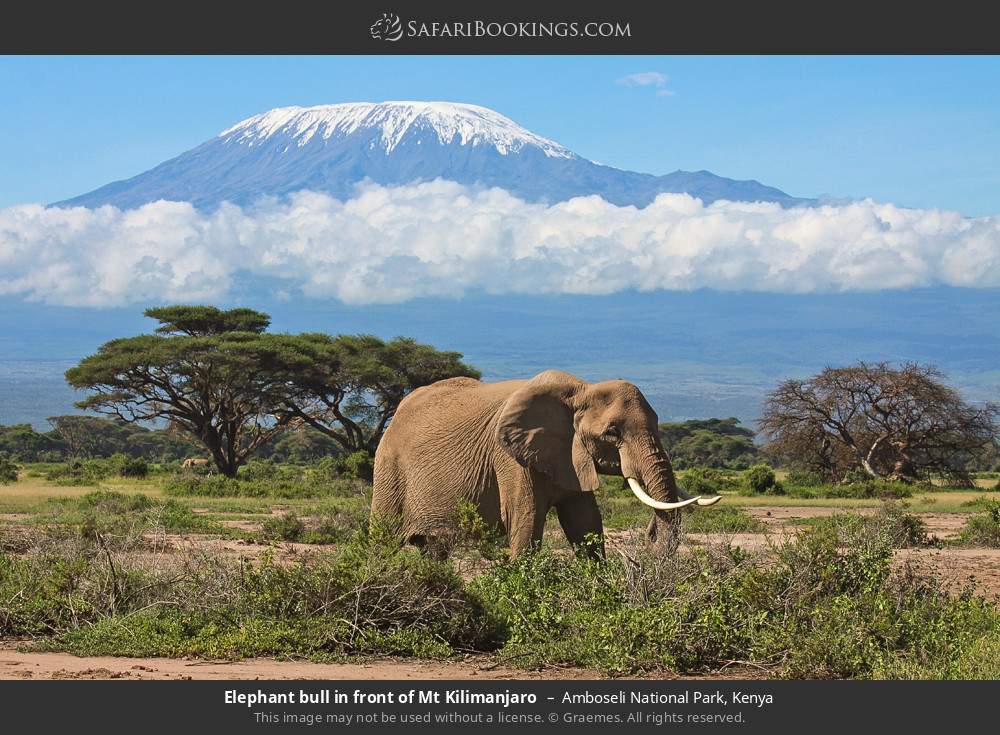
Amboseli National Park is famed for its breathtaking views of Mount Kilimanjaro and large herds of elephants. Year-round, the park offers numerous opportunities for visitors to observe elephants up close, making for unforgettable safari experiences. The park's diverse habitats support a variety of wildlife, including buffalo, lions, and numerous bird species, ensuring that visitors will encounter abundant wildlife regardless of when they arrive.
Moreover, the reliable infrastructure and well-established safari circuits make it easy for travelers to plan their itineraries, moving seamlessly between parks and enjoying a variety of experiences. In summary, Kenya’s exceptional year-round game viewing, combined with unique regional wildlife, solidifies its status as a premier safari destination.
Diverse Experiences
Kenya’s appeal as a safari destination lies not only in its incredible wildlife but also in the diverse array of experiences it offers to travelers. This diversity allows visitors to customize their itineraries, creating unforgettable adventures that incorporate various elements of Kenya’s rich culture and stunning landscapes.
Beyond the wildlife, travelers can enjoy the pristine white-sand beaches along the coastal regions of resorts like Diani Beach and Watamu. These idyllic beach destinations provide a perfect escape for those looking to unwind after a thrilling safari. Visitors can indulge in activities such as snorkeling, scuba diving, and fishing, experiencing the vibrant marine life of the Indian Ocean.
Cultural experiences are another significant aspect of Kenya's diverse offerings. The Maasai people, with their rich traditions and colorful attire, provide a unique opportunity for travelers to engage with local communities. Visitors can partake in cultural visits, learning about Maasai customs, music, and dance, fostering a deeper understanding of their way of life.
Kenya also offers opportunities for adventure beyond the usual safari experience. Activities such as hot air balloon rides over the savannah, guided nature walks, and horseback safaris provide different perspectives on the landscapes and wildlife.
This combination of safari adventures, cultural interactions, and coastal relaxation makes Kenya a versatile destination, appealing to all types of travelers—from those seeking thrill and adventure to those looking for relaxation and cultural enrichment.
Best Time to Visit
The best time to visit Kenya for a safari largely depends on the traveler’s goals, but the long dry season from June to October is generally considered optimal. During these months, animals tend to congregate around water sources, making wildlife spotting easier and more rewarding. The dry weather improves visibility, and the reduced foliage allows for better photography opportunities.
June is considered the start of the safari season, as the migration begins to heat up with wildebeests and zebras starting to arrive in the Maasai Mara. July to October is the peak period for witnessing the Great Migration, with river crossings providing dramatic scenes as herds brave the challenges posed by rushing waters and lurking predators.
For those looking for different adventures, the shorter dry season in January and February also offers good wildlife viewing. During these months, the parks are less crowded, allowing for a more intimate safari experience. Visitors can enjoy the sights while encountering a range of wildlife, including newborn animals as many species give birth during this period.
In addition to wildlife viewing, the weather during the dry seasons is typically pleasant, making outdoor activities enjoyable. However, it's worth noting that the wet seasons, occurring from March to May and November to December, can also have advantages, such as lush landscapes and fewer tourists. Ultimately, the ideal time to visit Kenya will depend on individual preferences for wildlife sightings, environmental conditions, and crowd levels.
Accessible & Affordable
Kenya is known for its excellent accessibility and infrastructure, making it a top choice for both first-time visitors and seasoned safari-goers. The country's well-developed tourism network comprises a range of options, including domestic flights, road access, and well-maintained lodges and safari camps. Major national parks and reserves are easily reachable from the capital city, Nairobi, allowing for seamless travel across the region.
Kenya's international airports, particularly Jomo Kenyatta International Airport, serve as a gateway for travelers arriving from various parts of the world. From Nairobi, visitors can access numerous parks via short flights or scenic drives, making it convenient to experience different ecosystems and wildlife encounters within a single trip.
Affordability is another aspect that sets Kenya apart from other safari destinations. The country offers a range of accommodations, from budget-friendly campsites to luxurious lodges, allowing travelers to select options that align with their financial plans. Safari packages often provide good value for money, accommodating different budgets while maintaining high-quality service and experiences.
Guided tours also tend to be more competitively priced than in some neighboring countries, making it possible for visitors to explore multiple parks and activities without overspending. Seasonally, travelers can find deals and promotions, especially during the green season when fewer tourists are present.
Ultimately, the combination of easy accessibility and affordable options makes Kenya an appealing destination, ensuring that adventure-seekers and wildlife enthusiasts can enjoy a remarkable safari experience without financial strain.
Why Is Kenya a Good Africa Safari Destination to Visit for First-Timers?
Kenya serves as an ideal "soft landing" for first-time safari travelers due to its robust tourism infrastructure and welcoming environment. The country’s well-developed roads, organized tour operators, and accessibility to national parks greatly enhance the travel experience. Travelers can easily navigate from one breathtaking location to another, making it convenient to explore diverse ecosystems without the overwhelming logistics often encountered in more remote destinations.
Furthermore, Kenya ranks among the top safari countries due to its professional guiding standards. Experienced guides provide valuable insights, not only about the wildlife but also about the culture and geography. These knowledgeable individuals create a bridge between the visitors and the incredible experiences that await in the wild, ensuring safety and enhancing understanding of the complexities of nature.
English is one of the official languages spoken in Kenya, making communication much easier for international visitors. This linguistic advantage decreases the barriers that might exist when interacting with locals, facilitating a more immersive and engaging journey.
Additionally, many of Kenya's iconic parks, such as the Maasai Mara National Reserve and Amboseli National Park, are situated relatively close to one another, allowing for efficient travel itineraries that encompass various wildlife experiences. This feature is particularly appealing for families or groups, as it maximizes the time spent enjoying wildlife rather than struggling with transportation logistics.
Overall, Kenya combines safety, accessibility, and exceptional wildlife opportunities, making it an excellent choice for first-time visitors eager to experience the wonders of African safaris.
What Makes the Masai Mara a Top Safari Highlight?
The Maasai Mara National Reserve is widely regarded as the "crown jewel" of Kenyan safaris, primarily for its extraordinary wildlife density, particularly among predators like lions, leopards, and cheetahs. This iconic reserve is also the center stage for the Great Wildebeest Migration, where millions of wildebeests and zebras traverse the plains in search of greener pastures, creating one of nature’s most dramatic spectacles.
The sheer abundance of wildlife in the Maasai Mara allows for some of the most exhilarating game-viewing experiences. Visitors have the opportunity to observe lions hunting in their natural habitat, watch elephant herds grazing peacefully, and even spot a glimpse of elusive leopards lounging in trees. This variety adds excitement and unpredictability to safari experiences, making every game drive unique.
Moreover, the landscape of the Maasai Mara is breathtaking, characterized by vast savannahs dotted with acacia trees, riverine forests, and the iconic Mara River, which serves as a dramatic setting for famous river crossings during the migration. The scenery creates an enchanting backdrop that enhances the overall experience.
Cultural interaction with the Maasai people also enriches a visit to the reserve. Travelers can engage in meaningful cultural exchanges, learning about the Maasai's traditions, lifestyles, and connection to the land.
Whether it’s witnessing the Great Migration, engaging in thrilling predator sightings, or experiencing the rich culture of the Maasai, the Maasai Mara offers an unforgettable safari adventure that solidifies its status as a premier destination for wildlife enthusiasts.
When is the Best Time for the Great Migration?
To witness the Great Migration—one of nature's most remarkable spectacles—travelers should plan their visit to Kenya between July and October. During this period, over 1.5 million wildebeests, along with thousands of zebras, embark on a perilous journey from the Serengeti in Tanzania to the lush grazing fields of the Maasai Mara, making it the ideal time for safari enthusiasts.
The migration takes place in a highly dynamic and captivating manner, with dramatic river crossings marking the peak of the action. August and September are particularly thrilling months, as herds face the treacherous Mara River, navigating not only swift currents but also lurking crocodiles. These river crossings create intense and exhilarating moments for both wildlife and observers, offering unique photography opportunities.
Even outside the peak months, the Maasai Mara remains a vibrant wildlife destination. For instance, during June, travelers can catch the early signs of migration as herds start to arrive in the reserve. Later in October, the herds begin their return journey to the Serengeti as the grasslands start to dry up, offering an additional chance to observe a different phase of the migration.
For those looking for a quieter yet equally rewarding experience, visiting in the months before or after the migration can also be beneficial. Lush landscapes, newborn animals, and fewer tourists make these times appealing as well. Overall, planning the trip between July and October ensures the most thrilling encounters with the Great Migration, making for an unforgettable safari experience.
Can I See the "Big Five" in Kenya?
Yes, Kenya is one of the premier destinations in Africa for observing the "Big Five"—lion, leopard, elephant, buffalo, and rhinoceros—often within the same trip. Several national parks and reserves in Kenya offer incredible opportunities to encounter these iconic species, each contributing to a unique wildlife experience.
The Maasai Mara National Reserve is renowned for its high densities of lions and leopards, making it an ideal location for sightings of these magnificent predators. Here, visitors can watch lions hunt or look for leopards lounging in trees, creating memorable encounters that are often featured in wildlife documentaries.
Amboseli National Park is another must-visit location, offering stunning views of Mount Kilimanjaro and large herds of elephants. The park is well-known for its successful conservation efforts that support a thriving elephant population, making it an excellent environment for close encounters with these gentle giants.
For rhino sightings, Ol Pejeta Conservancy is a standout destination; it is dedicated to rhino conservation and holds a significant population of both black and white rhinos. Lake Nakuru National Park also provides opportunities to see these magnificent creatures amidst stunning scenery, including the park's picturesque lake, home to a variety of bird species.
This wide array of ecosystems, from savannahs to wetlands, guarantees a comprehensive safari experience. Kenya’s commitment to conservation further enhances the likelihood of successfully seeing the Big Five, making it an unforgettable destination for wildlife enthusiasts and newcomers alike.
Is Kenya a Good Africa Safari Destination to Visit for Families?
Absolutely, Kenya is a fantastic safari destination for families, offering a range of activities and accommodations that cater to travelers of all ages. Many lodges and safari camps have family suites designed to provide comfort and convenience for families traveling together.
Family-friendly lodges often provide unique experiences tailored for children, such as “bush school” activities where kids learn about wildlife and conservation through engaging sessions led by experienced guides. These interactive sessions can include tracking animals, identifying different species, and understanding ecosystems, ensuring that children not only enjoy their time but also gain valuable knowledge about nature.
Private vehicle options give families flexibility to customize their safari schedules, allowing for breaks as needed and focusing on their specific interests. This personalized approach helps accommodate younger children’s needs while maximizing the safari experience for the whole family.
Kenya’s diverse itinerary also means that families can combine educational wildlife experiences with opportunities for relaxation and fun. For example, after a thrilling safari, families can visit the beautiful beaches of the Kenyan coast, such as Diani Beach or Watamu, for swimming and water sports, providing a well-rounded holiday.
The warmth and hospitality of the Kenyan people further enrich the family experience, creating lasting memories for all ages. Overall, combined with the abundance of wildlife and engaging activities, Kenya emerges as an ideal safari destination for families looking for adventure, education, and fun.
Are There Unique Animals Only Found in Kenya?
Yes, Kenya is home to several unique animals, particularly in regions like the Samburu National Reserve, which features the "Samburu Special Five." This exclusive group includes the Grevy’s zebra, Somali ostrich, reticulated giraffe, gerenuk, and Beisa oryx, all of which are not prevalent in other parts of Africa, making them special sightings for nature enthusiasts.
The Grevy’s zebra is distinguished by its large body and narrow stripes, differing from the common plains zebra. This striking species is particularly vulnerable and represents a significant conservation success story within Kenya. Observing them in their natural habitat in Samburu is a unique experience that few other regions can offer.
Similarly, the Somali ostrich, with its distinctive blue neck and larger size, showcases the region's ecological diversity. The reticulated giraffe, notable for its unique geometric patterns, thrives in northern Kenya’s arid environments. Gerenuks, known for their elongated necks and ability to stand on their hind legs to reach foliage, add to the uniqueness of the area.
The Beisa oryx, adapted to desert environments, earns its place in the Samburu Special Five. Its striking appearance and behaviors provide a fascinating opportunity to observe this antelope in a unique ecosystem.
Encountering these unique animals not only enriches the safari experience but also highlights Kenya's commitment to preserving its diverse wildlife. Whether you are an avid photographer or simply an animal lover, the chance to see these distinctive species in their natural habitat is an essential aspect of visiting Kenya.
What Scenery Can I Expect Beyond the Savannah?
Kenya offers an incredibly diverse array of landscapes that extend far beyond the iconic savannahs. From snow-capped mountains to lush forests and dramatic geological formations, the scenery presents a range of breathtaking vistas that enhance the safari experience.
One of the most striking features is Mount Kenya, Africa’s second-highest peak, providing a spectacular backdrop for those seeking adventure. The mountain’s forests teem with wildlife, including numerous bird species and endemic flora, making it an excellent destination for hiking, climbing, and exploration.
The Great Rift Valley is another breathtaking landscape that showcases dramatic escarpments and stunning volcanic lakes such as Lake Nakuru and Lake Naivasha. These bodies of water are not only scenic but are also rich in biodiversity, serving as vital habitats for countless bird species and supporting various wildlife.
Adding further diversity, the coastal region along the Indian Ocean boasts pristine beaches, coral reefs, and vibrant marine life. Destinations like Diani Beach and Watamu offer opportunities for relaxation, water sports, and exploration of marine ecosystems through activities like snorkeling and diving.
From the lush forests of Kakamega to the semi-arid landscapes of the northern regions, each ecological zone offers unique flora and fauna, enriching the overall safari experience. This breathtaking variety allows travelers to engage with nature's myriad forms, ensuring that a visit to Kenya is filled with diverse scenery and unforgettable experiences.
Is It Safe to Go on a Safari in Kenya?
Yes, going on a safari in Kenya is generally very safe, especially when booked through reputable tour operators and guided by experienced professionals. National parks and reserves are well-managed and carefully patrolled, providing a secure environment for tourists.
Wildlife encounters are managed with strict safety protocols; guides are extensively trained to handle various situations that may arise while exploring in the wild. They equip visitors with the necessary knowledge on how to behave around animals, significantly reducing risks and ensuring safe interactions with wildlife.
While major tourist areas are secure, it is still advisable for travelers to remain vigilant and adhere to common-sense safety practices. This includes avoiding poorly lit areas at night, securing valuables, and following the guidance of local operators.
Moreover, Kenya’s commitment to conservation and community tourism has bolstered the safety and well-being of both visitors and local populations. Interaction with the local communities often serves to foster mutual understanding and respect for wildlife, further enhancing the safari experience.
In summary, when planned correctly, Kenya offers a safe and enriching safari environment where visitors can explore its extraordinary wildlife and landscapes with peace of mind. The combination of trained guides, secure locations, and an emphasis on sustainable tourism contributes to a positive experience for adventurers and wildlife enthusiasts alike.
What Are the Best Months for a "Green Season" Safari?
The best months for a "Green Season" safari in Kenya typically fall during the rainy seasons, specifically from March to May and November to December. While this time of year is less popular among traditional travelers due to the perception of rain, it offers unique advantages that can greatly enhance the safari experience.
During the green season, the landscapes transform into lush, vibrant greenery, creating stunning backdrops for wildlife photography. The rains also lead to an influx of newborn animals, making it an excellent time for observing young wildlife as they take their first steps and learn to navigate their surroundings. The sight of playful calves, kittens, and cubs adds a heartwarming touch to the safari adventure.
Birdwatching peaks during the green season, with migratory birds arriving and resident species becoming more active. This rich avifauna provides bird watchers with exciting opportunities to observe and identify numerous species, including some that are not commonly seen during drier months.
Additionally, the green season generally sees fewer tourists, allowing for a more intimate experience in national parks and reserves. Visitors can enjoy the beauty of nature without the crowds, enhancing their connection to the environment.
Moreover, many safari lodges offer discounted rates during the green season, making it a more budget-friendly option for travelers. While rain can limit some activities, the unique opportunities for wildlife viewing, photography, and solitude in the lush environment create a rewarding and memorable baby boomer safari experience.
Can I Combine a Safari with a Beach Holiday?
Yes, Kenya is well-suited for a "bush and beach" holiday, providing travelers with the opportunity to seamlessly blend thrilling safari adventures with relaxation along the stunning coastline. This combination makes it easy for visitors to experience the best of both worlds, ensuring a well-rounded and enriching vacation.
After exhilarating wildlife encounters in renowned parks like the Maasai Mara or Amboseli, travelers can easily fly from their morning game drive to the idyllic beaches of Diani, Watamu, or Malindi. The short domestic flights and efficient transport options allow for smooth transitions from the wild to the tranquil ocean, maximizing the enjoyment of the trip.
Kenya's coastal regions offer a multitude of activities, including swimming, snorkeling, scuba diving, and kite surfing—providing ways to unwind and explore vibrant coral reefs and marine life. Luxurious beach resorts and charming lodges provide comfortable accommodations, ensuring families and couples alike have all they need for relaxation after an action-packed safari.
Cultural experiences can also enrich the holiday experience along the coast. Visitors can explore coastal towns, take guided tours to learn about local histories, and experience traditional music and dance performances.
Overall, combining a safari and beach holiday in Kenya not only maximizes the diversity of experiences available but also allows travelers to enjoy both thrilling wildlife adventures and serene moments by the sea, creating unforgettable memories in one remarkable destination.
What Cultural Experiences Are Available?
Kenya offers a wealth of cultural experiences that allow travelers to engage meaningfully with local communities, particularly the Maasai and Samburu peoples. These interactions provide insight into the rich traditions, histories, and ways of life that define these vibrant cultures.
Visitors can participate in cultural exchanges that include traditional ceremonies, singing, and dancing. Such experiences often take place within local villages, where travelers can observe daily life and witness firsthand the age-old practices that define the communities. The Maasai, known for their colorful attire and traditional customs, often welcome visitors to learn about their livelihoods, beliefs, and dances, fostering mutual respect and understanding.
Craftsmanship also plays a significant role in the cultural experience. Visitors may have the opportunity to watch or participate in beadwork, basket weaving, and pottery-making, practices that hold both artistic and economic importance for local artisans. Travelers can purchase handmade crafts, ensuring that their purchases support local communities and preserve traditional skills.
The narrative of community conservation is another vital aspect of cultural experiences. Many tribal communities are involved in conservation efforts to protect their lands and wildlife, offering visitors a unique perspective on the intersection of culture and conservation.
Overall, the rich cultural experiences available in Kenya allow travelers to connect deeply with the local people, creating unforgettable memories while fostering appreciation for the country’s diverse heritage. Through these meaningful exchanges, visitors gain a greater understanding of the cultural landscapes that define this extraordinary destination.
Are There Active Safari Options Like Hiking or Biking?
Yes, Kenya offers several active safari opportunities, allowing adventurous travelers to engage directly with the stunning landscapes and wildlife through hiking and biking adventures. Many parks and reserves offer activities beyond traditional game drives, enriching the safari experience for those looking to remain active.
Hell’s Gate National Park is a prime example of an active safari destination. Here, visitors can hike or cycle among wildlife, exploring the remarkable scenery of gorges, cliffs, and geothermal features. This park is unique in that it allows guests to experience wildlife in a more intimate way, often getting up close to animals such as zebras, giraffes, and various antelopes while traversing on foot or by bicycle.
In addition to Hell’s Gate, several national parks offer guided walking safaris, providing an opportunity for participants to explore trails led by knowledgeable guides. Walking safaris allow for a deeper connection with nature, as guests can learn about the local flora and fauna, animal tracks, and the broader ecosystem.
For those seeking more of a challenge, options like camel treks in northern Kenya offer an adventurous way to explore arid landscapes while experiencing traditional modes of transport used by the local Samburu and Rendille communities. Climbing Mount Kenya also presents a rewarding adventure, with various trekking routes appealing to different skill levels, offering stunning views and a chance to witness diverse ecosystems.
By participating in these active safari options, adventurers not only experience Kenya’s beautiful landscapes but also gain a deeper understanding of wildlife and conservation efforts, making their journey more interactive and fulfilling.
What Health Precautions Should I Take?
Before embarking on a safari in Kenya, it’s essential to take specific health precautions to ensure a safe and enjoyable visit. The yellow fever vaccination is often a requirement for entry, particularly for travelers coming from regions where the disease is prevalent. Even if yellow fever isn’t a risk in your home country, having proof of vaccination can be crucial for seamless travel across borders.
Malaria is widespread in many parts of Kenya, so taking malaria prophylaxis is strongly recommended. Travelers should begin taking medication prior to their arrival and continue after returning home, as advised by a healthcare professional. Additionally, implementing protective measures such as using anti-mosquito sprays, sleeping under insecticide-treated mosquito nets, and wearing long-sleeved clothing can further reduce the risk of mosquito bites.
Staying hydrated is also key, particularly in the warm climates of safari regions. It is vital to drink only bottled or filtered water, as tap water can pose health risks. Check the seals on bottled water to ensure the integrity of the product.
Travelers should consider carrying a first aid kit with common medications for nausea, headaches, or digestive issues, along with any personal prescription medications they may require.
Before traveling, consulting with a healthcare provider or travel medicine specialist offers tailored health advice and vaccinations appropriate for individual travel itineraries. By taking these necessary health precautions, visitors can focus on enjoying their remarkable safari experience in Kenya while minimizing health-related concerns.
What Should I Pack for a Kenya Safari?
Packing for a Kenya safari requires careful consideration to ensure comfort and practicality during your wildlife adventures. Neutral-colored clothing is recommended—khaki, beige, and olive are preferred shades that blend in with the natural environment. This helps to avoid startling wildlife and enhances the safari experience.
Lightweight, breathable layers are essential since temperatures can vary significantly between morning and evening. Mornings can be chilly, while afternoons can be quite warm. A warm fleece or jacket, coupled with short-sleeved shirts and long pants, creates an adaptable wardrobe.
A wide-brimmed hat is also beneficial for keeping the sun at bay, along with high-SPF sunscreen to protect against UV rays during game drives. Comfortable walking shoes or sturdy sandals are a must for both game drives and any potential hikes or nature walks on the itinerary.
Binoculars are a valuable tool for wildlife spotting, as they allow for close-up views of distant animals without disturbing them. A good camera with a zoom lens is crucial for capturing the stunning visuals of wildlife and landscapes throughout your journey.
It’s important to note that plastic bags are strictly prohibited in Kenya, so travelers should consider using reusable bags instead. Additionally, bring
Booking Africa safari in Kenya with us Roads of Adventure safaris
Book your unforgettable Kenya safari with Roads of Adventure Safaris for tailored, seamless adventures featuring Big Five game drives, Maasai Mara migrations, and luxury or budget camping. We specialize in personalized itineraries, including cultural visits, birding, and coastal beach getaways. As local experts, we handle all logistics, securing top lodges and experienced guides for a safe, thrilling experience. Whether it’s a 3-day Maasai Mara trip or a comprehensive 9-day journey, we ensure breathtaking wildlife viewing. Contact us to plan your perfect East African adventure today.
