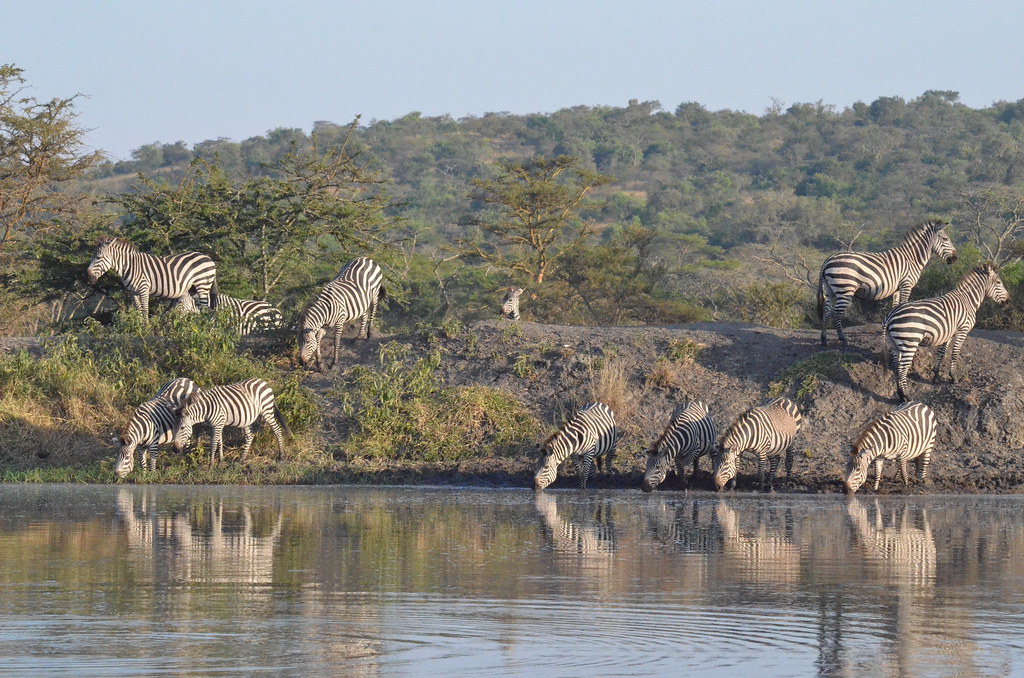
Yes, including Lake Mburo National Park is highly worth it, especially as a relaxing stopover between Kampala and Bwindi Impenetrable National Park. As Uganda’s smallest savannah park, it offers unique experiences not found elsewhere in the country, such as horseback safaris, walking safaris, and specialized night game drives. It is the only place in Uganda to see impala and has high concentrations of zebra, eland, and buffalo.
3-days-queen-elizabeth-national-park-and-lake-mburo-national-park-safari
3-days-lake-mburo-national-park-cycling-game-drive-and-horseback-riding
4-days-queen-elizabeth-park-and-lake-mburo-uganda-safari-tour
7-days-safari-to-uganda-queen-elizabeth-park-gorillas-trekking-and-lake-mburo
10-days-best-photography-uganda-wildlife-safari-holiday-and-gorilla-trekking
16-days-classic-uganda-wildlife-safari-and-gorilla-trekking-tour
Unique Activities
Lake Mburo National Park offers a variety of unique activities that enhance the safari experience beyond traditional game drives. One of the standout offerings is the opportunity to embark on walking safaris. These allow visitors to experience the African wilderness on foot, providing an intimate encounter with nature that a vehicle simply cannot offer. Guided by knowledgeable rangers, walking safaris enable guests to see animal tracks, learn about local flora and fauna, and observe wildlife from a new perspective.
In addition to walking safaris, the park is perfect for cycling and horseback riding adventures. Biking through the savannah and forests affords a unique opportunity to cover more ground, spotting wildlife up close while enjoying the fresh air. Horseback riding is particularly exhilarating, as it allows you to interact with nature while experiencing the thrill of being part of the landscape—a truly immersive way to explore the park.
For those who appreciate water-based activities, boat trips on Lake Mburo are a must-do. These excursions provide a fantastic vantage point to see large hippos frolicking in the water and crocodiles basking in the sun along the shores. The tranquil setting of the lake also offers scenic views of the surrounding hills, making it a great way to wind down after a day of adventure. Altogether, these diverse activities promise to create unforgettable memories, catering to different interests and preferences throughout your safari journey.
Unique Wildlife
Lake Mburo National Park is renowned for its unique wildlife, making it a valuable addition to any Ugandan safari itinerary. The park is particularly noted for its populations of species that are less commonly found in other Ugandan parks. Among these, the impala stands out as one of the park's signature species. With their graceful leaps and striking coats, these elegant antelopes are a delight to observe in their natural habitat.
Lake Mburo is also the best place in Uganda to see Burchell’s zebra. Their striking black-and-white stripes make them a photographic highlight for visitors. Zebras are social creatures, often found in herds, which adds to the spectacle as they interact with one another. Additionally, giant eland antelopes, known for their impressive size and twisted horns, also inhabit the park. Spotting these gentle giants can be a thrilling experience, elevating the uniqueness of wildlife encounters in Lake Mburo.
The park features a diverse range of habitats, including savannahs, wetlands, and lakes, which together support an impressive variety of wildlife. With about 68 mammal species present, from the familiar giraffes to the elusive side-striped jackal, Lake Mburo is a treasure trove for wildlife enthusiasts. Each sighting contributes to a more comprehensive understanding of Uganda's ecological diversity and the essential conservation efforts needed to protect these species.
Birding
Lake Mburo National Park is a premier destination for birding enthusiasts, renowned for its impressive diversity and rich avifauna. Home to over 350 bird species, the park presents an opportunity to witness both common and rare birds in a variety of habitats, from open grasslands to wetlands and forests. This diverse array of environments supports a wide range of birdlife, making every visit a potential adventure for bird watchers.
Among the highlights are the rare red-faced barbet and several species associated with papyrus, such as the papyrus gonolek and the vulnerable sitatunga. These species are often difficult to spot elsewhere, which makes Lake Mburo a top choice for avid birders seeking unique sightings. Additionally, the park is home to vibrant species like the African fish eagle, which can often be seen perched majestically near water bodies or swooping over the lakes in search of fish.
Birding at Lake Mburo is not just about rarity; it's also about the sheer joy of observing different species in their natural habitats. Whether it's spotting a crested crane dancing in the grassland or identifying a yellow-billed duck among the reeds, every moment in the park is filled with excitement. Guided birding walks can enhance the experience, as knowledgeable guides share insights about the birds’ behaviors, habits, and the ecology of the park. The birding experience here captivates both novice bird watchers and seasoned ornithologists alike, making it a highlight of any safari itinerary.
Convenience
One of the practical reasons to include Lake Mburo National Park in your Uganda safari itinerary is its strategic location. Situated conveniently between Kampala and the southwestern gorilla parks of Bwindi and Mgahinga, Lake Mburo serves as a relaxing stopover on long drives. When traveling from Uganda’s bustling capital to the scenic gorilla trekking destinations, spending a night or two at Lake Mburo makes perfect sense.
This convenience allows travelers to break up extensive travel times without compromising wildlife-viewing opportunities. Visitors can enjoy the park’s unique activities and wildlife while ensuring they don’t feel rushed or fatigued from the journey. This is particularly beneficial for families or those who prefer leisurely travel, offering an enriching experience without the stress of continuous driving.
Moreover, the park itself is easily accessible via well-maintained roads, making it a hassle-free addition to any itinerary. Proximity to Kampala means that tourists can easily fit in a visit to Lake Mburo without having to venture far off the main routes. It’s also an excellent opportunity to prepare for the true adventure that awaits in the gorilla parks, allowing for some relaxation and exploration before diving into the more intense trekking experiences.
In summary, Lake Mburo not only enriches the safari experience in terms of wildlife and activities, but its convenient location makes it an ideal stopping point, providing travelers with a well-rounded and enjoyable journey across Uganda.
Predator Sightings
Increasing opportunities for predator sightings add an exciting dimension to a visit to Lake Mburo National Park. Though primarily known for its populations of herbivores like impalas and zebras, the park is becoming a noteworthy site for observing predatory wildlife, including leopards and spotted hyenas.
Leopard sightings, in particular, have been on the rise. Known for their elusive nature, leopards generally prefer to remain hidden, making any encounter a thrilling experience. Their unique spots and grace in movement add to their already mystical presence. The combination of the park's varied habitats, including rocky outcrops and wooded areas, provides ample opportunities for leopards to hunt while staying concealed.
Spotted hyenas, another highlight, are increasingly being spotted both during the day and night. Often misunderstood as scavengers, these cunning predators display social behavior and intelligence that make them intriguing to observe. Their nighttime calls can echo throughout the park, creating an atmospheric ambiance that adds to the allure of an evening safari.
The rise in predator sightings at Lake Mburo underscores the park's ecological balance and its role in conservation efforts. As predators begin to reclaim their place in the ecosystem, it reassures wildlife enthusiasts that the park is thriving. Moreover, the thrill of spotting a predator opens up new dimensions for wildlife photography and creates memorable experiences for safari-goers.
Ultimately, the potential for exciting predator encounters at Lake Mburo enriches the overall safari experience, making it a worthy addition to any trip in Uganda, fostering a deeper appreciation for the intricate food webs and ecological dynamics of the region.
1. Why should I include Lake Mburo National Park on my Uganda wildlife safari?
Lake Mburo National Park is the smallest savannah park in Uganda, located just a 3 to 4-hour drive from Kampala, making it the most accessible national park for wildlife enthusiasts. Its proximity serves as an ideal "transition park," allowing visitors to break up long journeys to western destinations like Bwindi Impenetrable National Park. This facilitates a more enjoyable travel experience without the fatigue of continuous driving.
Additionally, Lake Mburo protects unique wildlife species not commonly found in other Ugandan parks, including the only significant populations of impalas and Burchell’s zebras. The park's diverse ecosystems, including wetlands, savannahs, and woodlands, support a variety of wildlife and plant species. Without the presence of elephants, which can dominate other parks, Lake Mburo's lush vegetation thrives, creating a distinct environment perfect for nature walks and bicycle tours.
Moreover, the park offers a variety of activities beyond conventional game drives, such as horseback riding, boat cruises, and guided walking safaris. These experiences allow tourists to engage more intimately with the wildlife and the stunning landscapes. Overall, including Lake Mburo in your itinerary presents an excellent opportunity to explore a unique aspect of Uganda’s biodiversity while enjoying a more laid-back atmosphere.
2. What makes Lake Mburo National Park unique compared to other parks?
What sets Lake Mburo National Park apart from other Ugandan parks is its unique wildlife and habitat. Notably, it is the sole park in Uganda where you can observe impalas in their natural habitat. Furthermore, Lake Mburo is one of only two locations in the country where Burchell’s zebras can be found, creating a unique opportunity for safari-goers to see these striking animals.
The absence of elephants contributes to the park's distinctive ecosystem. Instead of the vast open plains typical of larger Ugandan parks like Murchison Falls, Lake Mburo features lush woodlands and thick vegetation that supports smaller wildlife. This environment fosters a more intimate experience for visitors, allowing them to approach various animals closely, especially during walking and cycling safaris.
Additionally, Lake Mburo boasts a rich avifauna, making it an ideal spot for birdwatching enthusiasts. With over 350 recorded bird species, including the rare shoebill and African finfoot, the park offers incredible opportunities for birders. The combination of diverse wildlife, unique species, and accessible ecosystems creates an enriching and memorable experience, making Lake Mburo National Park a must-visit destination on any Ugandan safari.
3. Can I do a walking safari in Lake Mburo National Park?
Absolutely! Lake Mburo National Park is renowned for its exceptional walking safari opportunities. The absence of elephants and the limited presence of large predators make this park one of the safest locations in Uganda for guided walks. With knowledgeable rangers providing insights on wildlife, flora, and the ecosystems, walking safaris allow visitors to connect more intimately with the natural environment.
These guided walks enable participants to get much closer to animals, such as zebras, giraffes, and various antelope species. Walking through the landscape offers a sensory experience that a vehicle cannot replicate, allowing you to hear the sounds of the savannah and observe wildlife behaviors up close.
During the walk, you might also encounter a wide variety of birds and learn about local plant life. The opportunity to explore on foot adds a deeper dimension to your safari, making it memorable and enriching. For nature lovers and adventure seekers alike, walking safaris in Lake Mburo National Park create a truly engaging way to experience Uganda's stunning wildlife.
4. Is Lake Mburo National Park good for birdwatching?
Lake Mburo National Park is indeed a "birding paradise," attracting birdwatching enthusiasts from around the world. With over 350 recorded bird species, it stands out as one of Uganda's premier birding destinations. Notably, the park is home to rare and sought-after species such as the African finfoot, the red-faced barbet, and the elusive shoebill stork, which resides in its papyrus swamps.
The diversity of habitats within the park, including woodlands, wetlands, and grasslands, provides a unique setting for various bird species. Visitors can embark on guided birdwatching tours, allowing them to spot a wide array of indigenous and migratory birds while learning about their behaviors and ecosystems.
Apart from the well-known species, birdwatchers have opportunities to observe stunning waterbirds, including kingfishers, pelicans, and herons. The different environments within the park allow for a rich tapestry of avian life, making it attractive for both seasoned birdwatchers and casual enthusiasts alike. Overall, Lake Mburo offers an exceptional birdwatching experience, promising memorable sightings and a chance to delve deep into Uganda's diverse avifauna.
5. What wildlife can I expect to see?
Lake Mburo National Park offers a rich variety of wildlife, making it a prime destination for safari enthusiasts. Key animal sightings include iconic species such as zebras, impalas, and giraffes, along with large herds of buffaloes and hippos that can often be seen wallowing in the lakes. The park is noted for its diverse antelope populations, which include waterbucks, elands, and topis.
While elephants and lions are absent, the park still boasts a vibrant ecosystem where smaller predators like leopards and spotted hyenas can be spotted—especially during guided night drives. This unique aspect adds an exciting twist to the safari experience, as these nocturnal animals offer a different perspective on the wildlife in the park.
Birdwatchers will also be pleased, as the park is home to over 350 bird species, including the rare shoebill and the striking African finfoot. The diverse wildlife experiences in Lake Mburo ensure that every visitor has the opportunity to enjoy the beauty of Uganda’s ecosystems, whether through game drives, boat cruises, or walking safaris.
6. Are there lions or elephants in Lake Mburo?
Lions are extremely rare in Lake Mburo National Park, with only an occasional transient or a single resident lion spotted. The absence of elephants is a defining characteristic of this park, which allows a different kind of ecosystem to flourish compared to other Ugandan national parks.
Without these "Big Five" members, Lake Mburo offers a unique and safe experience for visitors. The lack of lions means that activities such as walking and cycling safaris are not only possible but highly enjoyable. These activities allow tourists to interact more closely with wildlife like zebras, giraffes, and various antelope species.
This different wildlife dynamic enhances the enjoyment of the park, allowing it to thrive as a unique alternative to larger national parks in Uganda. Fortunately, visitors can still encounter an array of interesting and beautiful animals, making it a worthwhile addition to any wildlife safari itinerary.
7. Is a boat cruise on Lake Mburo worth it?
Yes, a boat cruise on Lake Mburo is highly recommended and considered a major highlight of any visit to the national park. This 2-hour trip provides a unique vantage point for observing hippos and crocodiles up close. The serene waters of the lake create an ideal setting for wildlife viewing while offering fantastic photographic opportunities.
In addition to large mammals, the boat cruise allows birdwatchers to spot a rich variety of waterbirds, including the majestic African fish eagle, kingfishers, and pelicans. The combination of wildlife and stunning views of the surrounding landscapes makes this activity not only enjoyable but also relaxing.
The boat rides typically operate from a jetty located near the main campsite, providing easy access for visitors. Overall, the experience of gliding across the tranquil waters adds depth to a safari in Lake Mburo and is an adventure not to be missed.
8. Can I go horseback riding or cycling there?
Absolutely! Lake Mburo National Park is renowned for its unique horseback safaris and cycling tours, offering visitors exciting ways to explore the park. The horseback riding experience, organized through facilities like Mihingo Lodge, allows travelers to get closer to wildlife like zebras and buffaloes in a relaxed and intimate environment.
Horseback safaris provide a thrilling atmosphere where riders can feel a part of nature, with the gentle pace of the horses allowing for quieter encounters with animals. This is particularly appealing to those looking for a unique perspective on wildlife viewing.
Additionally, the park offers mountain biking tours through its scenic landscapes. Cycling through Lake Mburo allows visitors to experience the lush surroundings while getting physically active, making it a great choice for those who enjoy outdoor adventure. These biking tours are tailored to meet different skill levels and can enhance your wildlife safari experience by allowing for a more personal connection with the park's ecosystems.
9. When is the best time for a Uganda wildlife safari in this park?
The best times to visit Lake Mburo National Park for wildlife viewing are during the dry seasons, which run from June to August and December to February. During these months, animals tend to gather around the lakes, making them easier to spot. The drier conditions also improve accessibility on the park's trails, enhancing the overall safari experience.
Conversely, the rainy seasons from March to May and September to November present excellent opportunities for birdwatching. During these months, the park is lush and green, making it ideal for photography. Many birds migrate during this time, and the dense foliage often attracts various wildlife.
Travelers seeking a vibrant natural environment may find that visiting during the wet season offers unique rewards, such as discounted rates and fewer tourists. Overall, both seasons have their advantages, depending on your priorities—whether it’s general wildlife viewing or a focus on birdwatching.
10. Is the park suitable for families with children?
Yes, Lake Mburo National Park is very family-friendly, making it an ideal destination for travelers with children. The relatively shorter drive from Kampala makes it easy to reach, minimizing travel fatigue. Additionally, the park offers a wide range of activities that engage children, including walking safaris, boat rides, and horseback riding, which are often more interactive and memorable than traditional game drives.
These experiences foster a sense of adventure and help keep children engaged, providing opportunities for family bonding in the great outdoors. Moreover, the absence of elephants and lions makes the environment safer, allowing families to enjoy close encounters with wildlife without the worries that come with larger predators.
Overall, Lake Mburo's diverse activities and family-friendly atmosphere make it a great choice for a memorable Ugandan safari experience for visitors of all ages.
11. How much time should I spend in Lake Mburo National Park?
A typical visit to Lake Mburo National Park lasts between 1 to 3 days, depending on your travel itinerary and interests. For those looking for a quick getaway, a 1-day visit can be fulfilling, allowing you to experience game drives, a boat cruise, and perhaps even a walking safari.
For travelers wishing to immerse themselves more fully in the park's offerings, spending 2 to 3 days allows for a more leisurely exploration, including options for night game drives, horseback riding, or cultural tours. This timeframe also gives visitors the opportunity to witness a broader range of wildlife and engage in various activities that enhance the overall experience.
Additionally, Lake Mburo can serve as a strategic stopover when traveling to other Ugandan destinations like Bwindi or Queen Elizabeth National Park, allowing you to break the journey while enjoying the unique wildlife and experiences the park has to offer.
12. Are night game drives available?
Yes, night game drives are available in Lake Mburo National Park, making it one of the few parks in Uganda that permits this thrilling experience. Guided night drives provide a unique opportunity to see nocturnal wildlife that is rarely visible during the day, offering a completely different perspective on the park's ecosystems.
During these drives, knowledgeable guides will lead you through the darkened park, equipped with spotlights to catch the eye-shine of animals. Visitors often encounter elusive predators such as leopards, spotted hyenas, and bushbabies, enriching the wildlife experience and adding an element of excitement.
This night safari adds depth to any visit, making it a highlight for those seeking to maximize their wildlife viewing opportunities in Lake Mburo. With a chance to see different species and behaviors, night drives enhance the overall adventure of exploring this beautiful park.
13. What cultural experiences are available nearby?
Lake Mburo National Park is rich in cultural experiences that allow visitors to delve into the local lifestyles and traditions of the surrounding communities, particularly the Bahima pastoralists. A visit to the Ankole Cultural Centre offers an excellent opportunity to learn about the cultural heritage of the Ankole region, especially their famous long-horned cattle.
Visitors can engage in cultural tours that provide insights into traditional cattle rearing practices, milk processing, and the daily lives of the local community. Interactions with the locals can include activities like trying your hand at milking the Ankole cattle, learning about making traditional ghee, and tasting local dairy products.
Additionally, the Igongo Cultural Centre, located just a short distance from the park, serves as a historical site showcasing the rich cultural tapestry of the Banyakitara people, including the Bakiga, Banyankole, Batooro, and Banyoro tribes. Participants in these cultural experiences leave with a deeper understanding of Uganda's cultural diversity, making their safari more enriching and multi-dimensional.
14. What are the accommodation options?
Lake Mburo National Park offers a range of accommodation options to suit various budgets and preferences, ensuring that every visitor can find a comfortable place to stay. For those seeking luxury experiences, establishments like Mihingo Lodge and Lake Mburo Safari Lodge provide upscale amenities and breathtaking views of the park.
Mid-range options include Rwakobo Rock Lodge, Mantana Tented Camp, and Arcadia Cottages, which offer a balance between comfort and value. These lodges often feature personalized services and easy access to various safari activities.
For budget travelers, choices like Eagle’s Nest and Rwonyo Rest Camp offer affordable accommodations that still capture the essence of the park experience. These facilities cater to travelers looking to enjoy the beauty of Lake Mburo without breaking the bank.
Regardless of your budget, the range of accommodations near Lake Mburo ensures a pleasant stay, providing a solid base for exploring the incredible wildlife and activities within the park.
15. How do I get to Lake Mburo?
Getting to Lake Mburo National Park is quite convenient due to its proximity to the capital city of Kampala. The park is located off the main Kampala-Mbarara highway and can be accessed via road transport. The most common route is to drive from Kampala, which typically takes about 3 to 4 hours, covering a distance of approximately 240 kilometers.
If you're coming from Entebbe, the drive to Lake Mburo takes about 4 hours and covers a distance of around 290 kilometers. For travelers seeking a faster option, there are domestic flights available from Entebbe to Mbarara Airstrip, which take less than an hour and can save significant travel time.
Moreover, the park's two entrances—Nshara Gate and Sanga Gate—facilitate easy access depending on your travel direction. Overall, the accessibility of Lake Mburo makes it an attractive option for wildlife safaris and cultural experiences in Uganda.
Booking Uganda safari with us Roads of Adventure safaris
Book your unforgettable Uganda safari with Roads of Adventure Safaris, specializing in tailored, mid-range to luxury adventures, including thrilling gorilla trekking in Bwindi and game drives in Queen Elizabeth National Park. Our expert, passionate guides ensure a seamless experience, handling all logistics, permits, and comfortable, eco-friendly accommodation, offering customized, safe, and memorable journeys for families and couples. Contact us via email, phone, or our website for a personalized itinerary that brings you close to Uganda's breathtaking landscapes and wildlife. Experience the best of Uganda with a trusted partner today.
