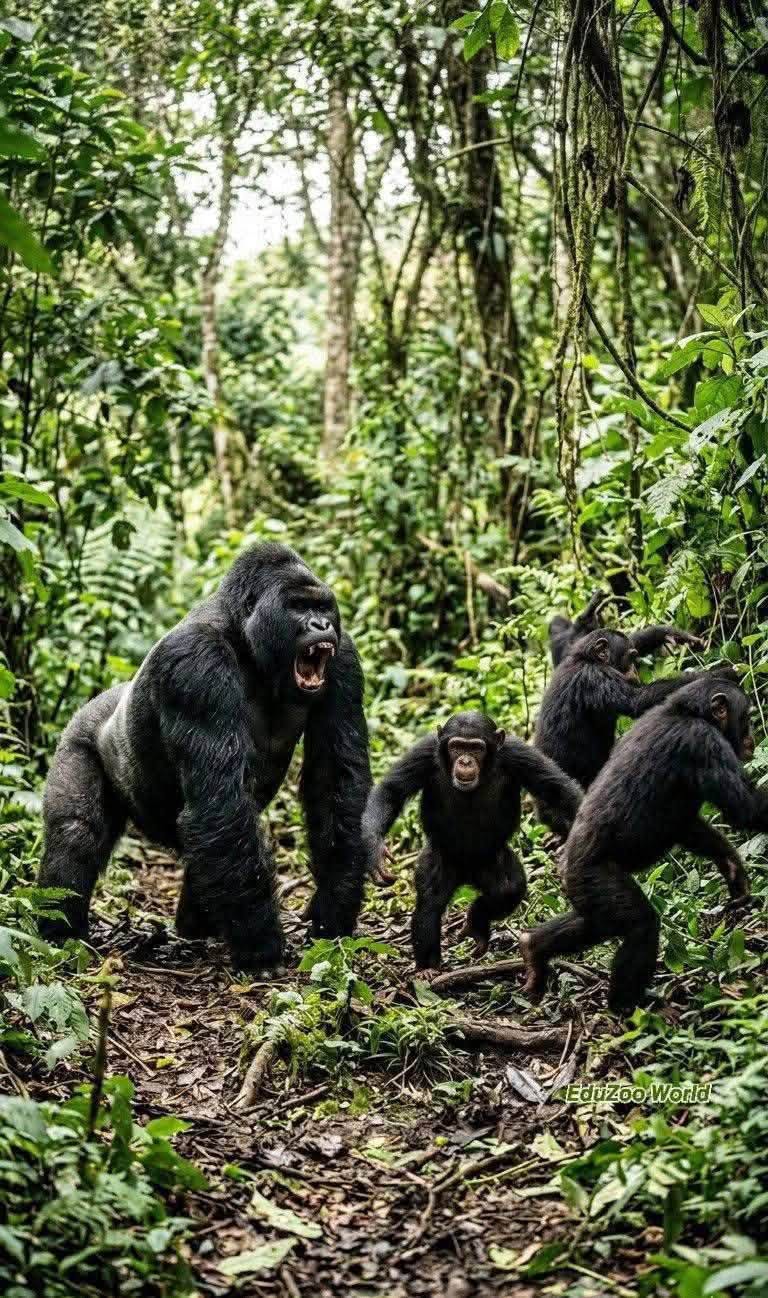
Yes, a combined Uganda and Rwanda safari tour is possible during the rainy season, as parks and gorilla trekking run year-round in both countries. In Uganda and Rwanda, the main rainy seasons occur from March to May (long rains) and October to November (short rains), with current late-November conditions transitioning toward the drier December–February window.
Popular Uganda Rwanda safari tours
2-days-best-gorilla-trekking-safari-tour-via-kigali-to-bwindi-impenetrable-forest-park
3-days-gorilla-trekking-safari-and-lake-bunyonyi-relaxation-itinerary
3-days-affordable-uganda-budget-gorilla-trekking-via-kigali
4-days-ultimate-gorilla-and-uganda-safari-and-chimpanzee-tracking
4-days-ultimate-gorilla-and-uganda-safari-and-chimpanzee-tracking
4-days-uganda-gorilla-safari-with-golden-monkey-tracking-from-rwanda
4-days-luxury-gorilla-trekking-safari-in-bwindi-fly-in-all-inclusive-tour
5-days-gorilla-and-uganda-safari-and-golden-monkey-trekking-tour-from-kigali
5-days-un-matched-uganda-gorilla-safari-and-chimpanzee-tour-itinerary
7-days-safari-to-uganda-queen-elizabeth-park-gorillas-trekking-and-lake-mburo
7-days-perfect-uganda-primate-safari-itinerary
7-days-uganda-tour-to-murchison-falls-via-ziwa-kibale-and-queen-elizabeth-national-park
7-day-ultimate-uganda-primate-safari-chimpanzees-and-game-drives
7-days-best-uganda-safari-tour-to-popular-safari-parks
7-days-perfect-road-trip-uganda-safari-tour
7-days-best-uganda-birding-safari-tour
7-day-uganda-safari-to-kidepo-valley-via-jinja-and-sipi-falls
7-days-murchison-falls-uganda-safari-trip-via-ziwa-rhinos-kidepo-valley-and-jinja
10-days-uganda-rwanda-primate-safari-vacation-and-game-drive-safari
10-days-best-uganda-big-five-safaris-and-primate-experience
10-days-best-uganda-birding-safari-and-wildlife-experience
10-days-best-of-uganda-and-rwanda-all-big-five-animal-and-gorilla-trekking
10-days-uganda-safari-all-big-five-gorilla-and-chimpanzee-tracking-adventure
10-days-budget-uganda-safari-holiday-vacation-tour-road-trip
Current & Seasonal Weather Outlook
· Current Conditions (Late Nov – Early Dec 2026): Expect scattered showers, humid spells, and occasional thunderstorms in Kampala (highs around 24°C–30°C / 75°F–90°F) and Kigali (highs around 23°C–28°C / 74°F–82°F), while Bwindi typically sees rainfall easing as December approaches (highs around 27°C–30°C / 80°F–86°F).
· Seasonal Rainfall: Uganda’s seasonal outlook indicates near-normal to above-normal rainfall during the September–December period, meaning forest trails and rural roads can still get wet unexpectedly.
What to Expect on a Wet-Season Safari
· Advantages: Fewer crowds in parks, easier permit availability, lower lodge or low-season rates, lush green scenery, and prime birdwatching (including migratory birds). Primates often stay closer to abundant food sources during shorter rains, and cultural experiences operate year-round.
· Challenges: Muddy, slippery forest trails during gorilla or golden monkey treks, denser vegetation that can make wildlife spotting harder, and slick or delayed unpaved roads between parks.
Practical Tips for Going in the Rain
· Transport & Timing: Use a 4x4 vehicle with an experienced driver, and build buffer time into cross-border road transfers between Uganda and Rwanda.
· Gear: Pack waterproof hiking boots with strong grip, a breathable rain jacket or poncho, quick-dry layers, gaiters or trekking poles, and dry bags for cameras and electronics.
F
When are the rainy seasons in Uganda and Rwanda?
Uganda and Rwanda experience two distinct rainy seasons each year due to their equatorial climates. The primary, heavier rainy season—often referred to as the "long rains"—runs from March through May, with April typically seeing the highest rainfall. The secondary rainy season, known as the "short rains," takes place from October through November, occasionally stretching into early December. During these months, weather patterns generally bring brief, intense afternoon downpours or overnight storms rather than continuous, all-day drizzle. Because both countries feature tropical rainforests, particularly in mountain gorilla habitats like Bwindi Impenetrable National Park and Volcanoes National Park, localized showers can happen during any month. However, knowing these two wet windows helps travelers plan expectations, pack appropriate waterproof gear, and take advantage of off-peak benefits while understanding that morning skies often clear up nicely for scheduled park activities.
Are national parks and gorilla trekking open during the rainy season?
Yes, every national park, wildlife reserve, and primate sanctuary in both Uganda and Rwanda remains open year-round, including throughout the peak rainy months. Neither the Uganda Wildlife Authority (UWA) nor the Rwanda Development Board (RDB) closes parks due to seasonal rainfall. Gorilla trekking, chimpanzee tracking, golden monkey hikes, and traditional savannah game drives operate daily without interruption. In fact, mountain gorillas live in tropical rainforests where wet conditions are completely normal for them. Rangers and trackers still head into the forest early each morning to locate gorilla families before guiding visitors along the trails. While heavy rain might delay a morning briefing by a few minutes or require rangers to choose slightly more accessible routes, scheduled treks are rarely canceled. Travelers can confidently book a wet-season itinerary knowing that all core wildlife experiences remain fully accessible.
What are the biggest advantages of visiting during the rainy season?
Traveling to Uganda and Rwanda during the rainy season offers several compelling advantages for budget-conscious and crowd-averse visitors. First, accommodation rates drop significantly, as many luxury lodges and mid-range camps offer generous low-season discounts. Second, gorilla and chimpanzee trekking permits are much easier to secure, even on relatively short notice, compared to peak dry-season months when permits sell out a year in advance. Third, national parks are remarkably peaceful, meaning fewer safari vehicles at wildlife sightings and smaller, more intimate trekking groups. Beyond logistics, the landscapes transform into vibrant, emerald-green paradises, making scenic photography truly dramatic. Finally, the wet season coincides with peak birdwatching months, as migratory species arrive from Europe and North Africa, while resident birds display their brightest breeding plumage across forests and wetlands.
What challenges should travelers expect on a wet-season safari?
While a rainy-season safari is completely doable, travelers must prepare for specific logistical and physical challenges. The primary hurdle is trail conditions during primate treks; steep slopes in Bwindi, Mgahinga, and Volcanoes National Park become muddy, slick, and physically demanding, requiring extra stamina and careful footing. On savannah game drives in parks like Queen Elizabeth, Murchison Falls, or Akagera, dense green vegetation and tall grasses can make spotting camouflaged predators like lions and leopards slightly trickier than in dry months. Additionally, unpaved rural roads and park tracks can become rutted or waterlogged, occasionally slowing down overland transfers between destinations. Brief downpours may also interrupt photography sessions or require quick shelter inside safari vehicles. However, with realistic expectations, proper rain gear, and flexible scheduling, these challenges rarely diminish the overall magic of the trip.
Is gorilla trekking harder when it rains?
Gorilla trekking is noticeably more strenuous during the rainy season, though still very achievable for anyone with moderate fitness. Rain saturates the dense jungle floor, turning steep inclines and narrow footpaths into slippery mud tracks covered with wet leaves and tangled roots. Hikers need good balance and patience, as treks can last anywhere from two to six hours depending on where the gorilla family nested the night before. On the positive side, mountain gorillas often stay at lower, warmer altitudes during rainy spells because fresh bamboo shoots and lush vegetation grow abundantly closer to the forest edges, which can sometimes shorten the hike. Hiring a local porter at the trailhead is strongly recommended during wet months; porters carry your daypack and offer a steady hand across slick patches while directly supporting the local community.
How are road conditions between Uganda and Rwanda in the wet season?
Major highways connecting key hubs—such as the paved routes from Kigali to the Cyanika or Katuna border crossings, and main corridors toward Kabale, Kisoro, and Kampala—remain in good, paved condition year-round. However, the final stretches leading into remote national parks, forest trailheads, and wilderness lodges often rely on unpaved murram (dirt) roads. During heavy rains in March–May or October–November, these dirt tracks can develop deep ruts, potholes, and muddy patches that slow down travel speeds. For this reason, traveling in a well-maintained 4x4 safari vehicle with high ground clearance and an experienced local driver-guide is essential. Tours should also include generous buffer time on transfer days, especially when crossing the Uganda–Rwanda border, so unexpected weather delays never jeopardize strict morning check-in times for gorilla trekking.
Are gorilla permits cheaper during the rainy season?
Currently, neither Uganda nor Rwanda offers seasonal discounts on standard mountain gorilla trekking permits. In Uganda, a standard foreign non-resident gorilla permit costs $800 year-round, while Rwanda charges $1,500 per person regardless of the month. Both countries discontinued their previous low-season promotional permit rates several years ago to maintain consistent conservation funding. However, travelers still save substantial money during the rainy season on almost every other aspect of their trip. Safari lodges, boutique eco-camps, and tour operators frequently reduce accommodation and vehicle rates by 20% to 40% during April, May, October, and November. Additionally, permit availability is vastly better during wet months, allowing travelers to choose preferred trekking sectors in Bwindi or book last-minute trips without paying extra to middlemen or scrambling for scarce dry-season slots.
How is wildlife viewing on savannah game drives during the rain?
Savannah game drives in parks like Akagera (Rwanda) and Murchison Falls, Queen Elizabeth, or Lake Mburo (Uganda) remain productive during the rainy season, though the experience differs slightly from dry months. Because water is plentiful everywhere, animals disperse across the plains rather than congregating around a few shrinking rivers and waterholes. Tall, lush grass can occasionally obscure smaller predators, meaning guides rely more heavily on tracking skills and keen observation. On the other hand, herbivores such as elephants, buffaloes, giraffes, zebras, and antelopes thrive on fresh grazing, and many species give birth during the rains, offering wonderful sightings of young calves and foals. Dramatic storm clouds over vibrant green plains also create stunning backdrops for wildlife photography, especially during golden hour breaks right after an afternoon shower clears.
Is the rainy season good for birdwatching in Uganda and Rwanda?
The rainy season is widely considered the premier time for birdwatching across both Uganda and Rwanda. Between November and April, thousands of Palearctic and intra-African migratory birds arrive to escape northern winters, joining an already extraordinary roster of over 1,000 resident species in Uganda and roughly 700 in Rwanda. During wet months, abundant insects and flowering plants trigger breeding season for many local birds, meaning species like shoebills, turacos, sunbirds, and Albertine Rift endemics display vibrant plumage and active courtship behaviors. Prime birding destinations such as Mabamba Swamp, Kibale Forest, Bwindi’s Ruhija sector, and Nyungwe Forest come alive with dawn choruses. Even when brief showers pass through, bird activity surges immediately afterward as flocks emerge to feed, giving enthusiasts unforgettable sightings with far fewer crowds along forest trails.
What should I pack for a rainy-season Uganda and Rwanda safari?
Packing smartly is the secret to enjoying a wet-season safari in East Africa. Your top priority should be sturdy, broken-in waterproof hiking boots with deep treads for muddy forest slopes, paired with wool or moisture-wicking socks. Bring a lightweight, breathable waterproof rain jacket or poncho that fits comfortably over a fleece or light sweater, as mountain forests can feel chilly at elevation. Quick-drying long trousers and long-sleeved shirts protect against stinging nettles, thorns, and biting insects, while ankle gaiters keep mud and safari ants out of your boots. Gardening gloves are surprisingly helpful for gripping wet branches during steep climbs. Finally, pack a waterproof daypack cover, dry bags or zip-lock pouches to protect cameras and smartphones from moisture, insect repellent, and a microfiber cloth to keep camera lenses dry.
How should I protect my camera gear during wet-season safaris?
Protecting camera equipment from moisture and humidity is crucial when photographing gorillas and wildlife in rainy conditions. Invest in a fitted rain sleeve or waterproof cover for your camera body and telephoto lens so you can keep shooting safely during light rain or misty forest conditions. Always carry your gear inside a weather-sealed camera backpack equipped with a pull-out rain cover, and place silica gel packets inside the bag to absorb excess humidity overnight. Bring multiple microfiber lens cloths and lens cleaning wipes to clear raindrops or condensation caused by moving between cool, damp forests and warm vehicles. If you use multiple lenses, avoid changing them outdoors while rain is falling. Having a waterproof smartphone pouch as a backup ensures you can still capture great shots even during heavier downpours.
Are domestic flights between parks affected by rainy weather?
Domestic bush flights operated by carriers like AeroLink Uganda and Akagera Aviation continue running throughout the rainy season, connecting Entebbe with airstrips near Bwindi, Queen Elizabeth, and Murchison Falls, or Kigali with Akagera. However, small Cessna Caravan aircraft operate under visual flight rules, meaning heavy storms, thick fog, or low cloud cover in mountainous areas like Kisoro or Kihihi can occasionally cause flight delays or diversions to alternative airstrips. Airstrips with grass or gravel runways may also become temporarily soft after intense overnight rain. To minimize stress, travelers flying during wet months should avoid scheduling tight international connections on the same day as a bush flight, and work with a tour operator that seamlessly coordinates backup ground transfers whenever mountain weather shifts unexpectedly.
Can you combine gorilla trekking with chimpanzee tracking in the wet season?
Combining mountain gorilla trekking in Bwindi or Volcanoes National Park with chimpanzee tracking in Kibale Forest or Nyungwe National Park works exceptionally well during the rainy season. In fact, wet months often enhance chimpanzee tracking experiences. When rain brings abundant ripening fruit across the forest canopy, chimpanzees tend to spend more time feeding at lower canopy levels or foraging together in larger, noisy groups rather than scattering high into distant trees. Trails in Kibale and Nyungwe are relatively well-maintained, though waterproof boots remain essential for muddy dips and stream crossings. Because chimpanzee permits are also easier to obtain during April, May, October, and November, travelers can even upgrade to a full-day Chimpanzee Habituation Experience in Kibale without facing peak-season booking bottlenecks.
How is the weather in late November and early December?
Late November and early December mark the transitional tail end of the short rainy season in both Uganda and Rwanda. During this period, rainfall gradually tapers off as East Africa shifts toward the drier December-to-February window. Travelers visiting in late November can typically expect pleasant, warm mornings with sunny intervals, followed by brief, localized afternoon showers or evening thunderstorms. Daytime highs generally range between 23°C and 30°C (73°F to 86°F) in lower-lying savannahs and cities like Kampala and Kigali, while higher-altitude regions like Bwindi and Volcanoes National Park stay cooler and misty. Because the landscape is freshly green from autumn rains yet skies are increasingly clear, late November and early December offer a wonderful sweet spot combining lush scenery, strong wildlife viewing, and moderate visitor numbers.
Is the rainy season suitable for families or older travelers?
A rainy-season safari can certainly work for families and older travelers, provided the itinerary is paced thoughtfully and expectations are tailored to comfort levels. For older travelers or families with teenagers (the minimum age for gorilla trekking is 15 in both countries), choosing Rwanda’s Volcanoes National Park or Uganda’s southern Bwindi sectors with slightly gentler terrain—and requesting easier gorilla families during morning briefings—makes trekking much more manageable. Hiring two porters per person provides extra stability on slippery trails. Furthermore, staying at comfortable, well-heated lodges with cozy fireplaces, hot showers, and laundry service ensures everyone dries off and warms up quickly after excursions. Including boat safaris on the Kazinga Channel or Nile River also gives families effortless, covered wildlife viewing without any muddy hiking.
How do I choose between Uganda and Rwanda for a rainy-season tour?
Choosing between Uganda and Rwanda—or combining both—during the rainy season depends largely on your budget, travel time, and preferred safari style. Rwanda offers shorter, fully paved driving distances from Kigali to Volcanoes National Park (about 2.5 hours), making it ideal for travelers with limited time who want minimal exposure to muddy rural roads. Uganda, while requiring longer overland drives between parks, delivers unmatched biodiversity, more affordable $800 gorilla permits, and classic Big Five savannah parks alongside lush primate forests. Combining both countries lets you fly into Kigali, drive quickly across the border to trek gorillas in Uganda’s Bwindi, and continue into Rwanda or western Uganda, giving you the best of both worlds while enjoying low-season lodge savings.
Booking Uganda Rwanda safari tour with us Roads of Adventure safaris
You can book a Uganda–Rwanda safari tour directly through Roads of Adventure Safaris, an operator based on Kampala - Entebbe Rd in Kampala, Uganda. They specialize in cross-border primate trekking, wildlife game drives, and birding itineraries ranging from short multi-day trips to extended combo tours