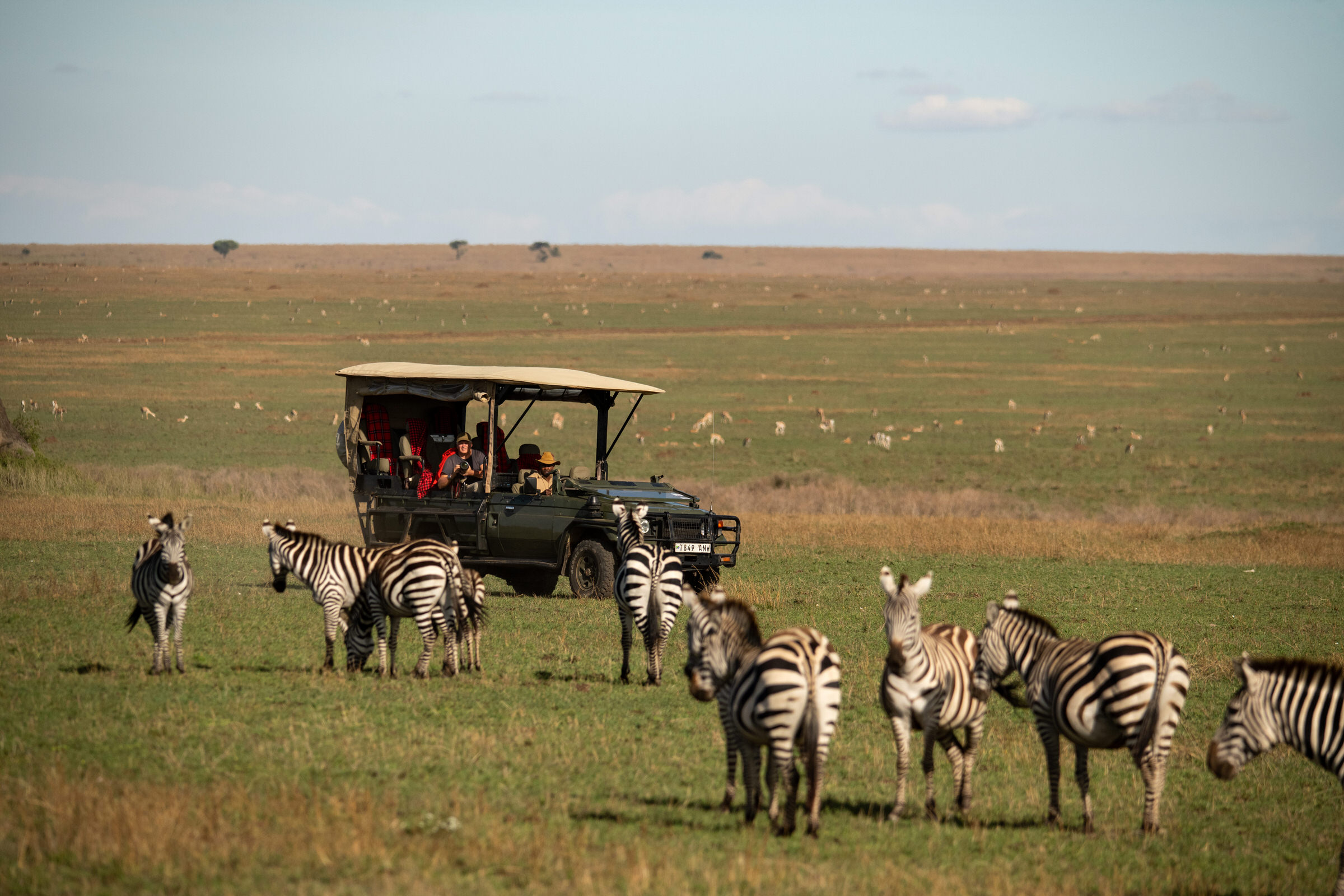
A 3-day Masai Mara safari is definitely worth it and is considered the perfect duration for a first-time visitor to experience the highlights, offering enough time to spot the Big Five and explore different ecosystems without feeling overly rushed. It provides a well-balanced, rewarding experience featuring prime game viewing, especially if planned around the July-October migration season.
3-days-budget-masai-mara-safari-tour-package-itinerary
3-days-masai-mara-national-reserve-kenya-safari-tour-package
3-days-fly-in-masai-mara-safari-tour-package
3-days-luxury-masai-mara-kenya-honeymoon-safari-vacation
Why a 3-Day Safari is the Ultimate Value Choice
Optimal Timing
The 3-day, 2-night itinerary is widely considered the "sweet spot" for a Masai Mara expedition. It strikes a perfect balance between immersive exploration and logistical efficiency. For many travelers, especially those on a tight schedule or a multi-country tour, a week-long safari can become physically exhausting and financially draining. The constant movement, early wake-up calls, and hours spent in a vehicle can lead to "safari fatigue," where sightings that felt miraculous on Day 1 start to feel routine by Day 6.
By limiting the trip to three days, you maintain a high level of excitement and energy throughout the journey. Furthermore, this timeframe significantly reduces your overall expenditure. Since park fees in 2026 are priced per 24-hour period, a 3-day trip allows you to utilize exactly two or three "tickets" while still seeing the vast majority of the reserve's geographical highlights. It is long enough to leave the "transit" mindset of Nairobi behind and fully sink into the rhythms of the bush, but short enough that every game drive feels like a high-stakes, high-reward adventure.
High Probability of Game Viewing
One of the most compelling reasons a 3-day trip is "worth it" is the sheer density of wildlife in the Masai Mara. Unlike larger, more dispersed parks where you might drive for hours without a sighting, the Mara is a target-rich environment. Even within a 72-hour window, your statistical probability of spotting the "Big Five"—lion, leopard, elephant, Cape buffalo, and rhino—is among the highest in Africa.
The reserve's ecosystem supports a resident population of predators that do not migrate, meaning that even outside the Great Migration months, the action is constant. A 3-day itinerary usually includes at least four distinct game-viewing sessions. With the assistance of an expert driver-guide who uses radio communication to track animal movements, you can cover a surprising amount of ground. Most travelers find that by the morning of Day 3, they have not only seen the Big Five but have also witnessed complex behaviors, such as a pride of lions on a kill or a cheetah scanning the plains from a termite mound. The compact nature of the Mara ensures that you spend more time watching animals and less time searching for them.
Perfect for First-Timers
For those who have never experienced an African safari, three days provides a comprehensive and manageable introduction to the wilderness. It acts as a "taster menu" of the African savannah experience. Within this window, you aren't just looking at animals through binoculars; you are experiencing the full sensory landscape of Kenya. You feel the cool breeze of a sunrise drive, smell the distinct scent of wild sage on the plains, and hear the rhythmic chanting of the Maasai people.
This duration also allows for a meaningful cultural encounter without feeling rushed. Most 3-day packages include an afternoon visit to a Maasai Manyatta (village). This provides a vital context to the wildlife conservation efforts in the region, explaining how the local community lives alongside these powerful predators. For a first-timer, this combination of world-class wildlife and deep-rooted human history creates a well-rounded narrative. It provides enough depth to feel like a life-changing journey, but it isn't so long that the logistical challenges of life in the bush (like limited electricity or rugged roads) become overwhelming.
Variety of Drives
The structure of a 3-day safari is designed to maximize your exposure to different animal behaviors by varying the timing of your drives. Because predators are most active during the "golden hours," your itinerary will typically include early morning and late afternoon sessions. A morning drive at 6:00 AM captures the savannah as it wakes up, offering the best chance to see lions or leopards returning from a night hunt. Conversely, an afternoon drive provides that iconic "Lion King" lighting as the sun sets over the horizon.
Perhaps the most valuable component of a 3-day trip is the full-day game drive on Day 2. With a picnic lunch packed, you can head deep into the heart of the reserve, reaching areas like the Mara River. This is where you escape the crowds of the gate-adjacent areas and find the true, vast wilderness. By having these three distinct types of drives—morning, afternoon, and full-day—you experience the Mara in all its moods. This variety ensures that even in a short stay, your experience is diverse, covering everything from the dense riverine forests to the endless open plains, ensuring no two hours of your safari feel the same.
Things to Consider for 3 days Masai Mara safari
- Travel Time: A 3-day trip from Nairobi by road involves a roughly 5-6 hour drive each way, making the first and last days shorter for game viewing.
- Best Time to Visit: July to October is ideal for the Great Migration, while December offers good weather and fewer crowds. It is recommended to avoid heavy rains in April and May.
- Option for Flying: To maximize time, consider a "fly-in" safari which reduces travel to a 1-hour flight from Nairobi, though this is more expensive
3 days Masai Mara safari
Experience the quintessential African wilderness on a premier 3-day safari to the Masai Mara National Reserve. This carefully curated journey is designed for those seeking a high-impact wildlife encounter within a concise timeframe. The Masai Mara is a world-renowned theatre of nature, famed for its sweeping savannahs, iconic acacia trees, and the highest concentration of predators in East Africa. Whether you are witnessing the vast herds of the Great Migration or tracking the "Big Five" across the golden plains, every moment offers a glimpse into an untamed world. Over three days, you will transition from the bustling energy of Nairobi to the serene, rhythmic heartbeat of the bush. This adventure combines expert-led game drives with the opportunity for authentic cultural engagement with the Maasai people, providing a profound connection to the land. Perfect for first-time visitors and seasoned photographers alike, this safari delivers the ultimate "Big Five" experience in one of the most celebrated ecosystems on Earth.
Day 1: Arrival and First Glimpse of the Plains
Your journey begins with a scenic drive from Nairobi, descending into the Great Rift Valley for breathtaking views before arriving at the Masai Mara in time for a warm lodge lunch. As the afternoon shadows lengthen, you set out for your inaugural game drive. This is the "golden hour," when the savannah comes alive. You may encounter massive herds of elephants or a pride of lions shaking off the midday heat. Your expert guide will navigate the rolling grasslands, introducing you to the reserve's staggering biodiversity. As the sun dips below the horizon, painting the sky in fiery oranges and deep purples, you’ll realize why the Mara is considered the crown jewel of Kenyan tourism. The evening concludes with dinner at your camp, where the distant calls of the wild provide a natural soundtrack to your first night under the stars.
Day 2: Full-Day Exploration of the Mara Ecosystem
Today is dedicated to deep immersion in the wild with a full-day game drive and a picnic lunch overlooking the Mara River. This extended exploration allows you to venture into the heart of the reserve, where wildlife is most abundant. You will track the "Big Five" and witness the dramatic interactions between predators and prey. Near the river, keep an eye out for pods of hippos and massive Nile crocodiles basking on the banks. The vastness of the plains offers a sense of total seclusion and wonder. In the late afternoon, you have the option to visit a traditional Maasai village. This cultural exchange provides a rare opportunity to learn about the ancient customs, vibrant beadwork, and jumping dances of the Maasai warriors, adding a rich human dimension to your wildlife-focused itinerary before returning for dinner.
Day 3: Dawn Patrol and Return to Nairobi
The final day starts at the break of dawn, the most active time for the Mara’s elusive big cats. An early morning game drive offers the best chance to see leopards or cheetahs on a hunt before the sun becomes too intense. The soft morning light is perfect for photography, illuminating the dew-covered grass and the vibrant birdlife. Alternatively, you might choose to soar above the plains in a hot air balloon for a bird’s-eye view of the sunrise. After a final "bush breakfast," you will begin your steady drive back to Nairobi. As you ascend the escarpment, you’ll have one last chance to admire the sprawling landscape that has hosted your adventure. You arrive back in the capital by late afternoon, carrying unforgettable memories and a stunning gallery of photos from your 3-day Mara odyssey.
1. Is 3 days enough time for a Masai Mara safari?
For the vast majority of travelers, three days is considered the ideal duration to experience the core magic of the Masai Mara. Because the reserve has one of the highest wildlife densities on the planet, you do not need a lengthy stay to witness the "Big Five" or the sweeping landscapes often seen in documentaries. A 3-day itinerary allows for approximately four distinct game-viewing sessions, which is statistically sufficient to cover the primary habitats of the Mara.
This timeframe is particularly effective for those who want a high-impact experience without the logistical exhaustion or the compounding costs of a week-long expedition. It provides enough "buffer time" to account for the travel from Nairobi while still leaving two solid mornings and two afternoons for tracking predators. While you won't explore every square inch of the reserve’s 1,510 square kilometers, you will certainly visit the most productive wildlife areas. Most visitors find that by the end of the third day, they have achieved their primary viewing goals and feel a deep sense of satisfaction with their encounter with the wild.
2. Is a 3-day safari worth the long drive from Nairobi?
While the drive from Nairobi to the Masai Mara typically takes 5 to 6 hours each way, the consensus among travelers is that it is absolutely worth the effort. The journey is not merely a transfer; it is a scenic transit through some of Kenya’s most iconic geography. As you descend the escarpment of the Great Rift Valley, you are treated to panoramic views that are among the most photographed in Africa.
The road trip also provides a window into Kenyan daily life, passing through bustling market towns like Narok, where you can see the vibrant colors of Maasai shukas and local trade. While flying is undeniably faster, driving is significantly more cost-effective and allows for a gradual transition into the wilderness. For a 3-day trip, the drive effectively uses Day 1 and Day 3 for travel combined with game drives, ensuring that Day 2 is entirely dedicated to the reserve. The contrast between the urban energy of the capital and the pristine silence of the Mara makes the arrival all the more rewarding.
3. Will I see the Big Five in 3 days?
The probability of seeing the "Big Five" (lion, leopard, elephant, buffalo, and rhino) in a 3-day window is exceptionally high, though never guaranteed in a wild ecosystem. The Masai Mara is world-famous for its "Big Cat" sightings; lions are so abundant that you are almost certain to encounter multiple prides. Elephants and buffaloes are also omnipresent, often seen in large herds across the plains.
The leopard and the rhino are the more elusive members of the group. Leopards are masters of camouflage and are often found draped over the limbs of acacia trees, while the black rhino population is smaller and more localized. However, because your 3-day itinerary includes multiple game drives, your guide has several opportunities to check known territories for these rarer species. Guides also use radio networks to share sightings, which drastically increases your chances. Even if one member of the five remains hidden, the sheer volume of other wildlife—including giraffes, zebras, cheetahs, and hippos—ensures that your 3-day experience feels incredibly "full."
4. When is the best time for a 3-day safari?
The "best" time depends on your priorities, but the Peak Season (July to October) is the most famous window because it coincides with the Great Migration. During these months, over two million wildebeest and zebras move into the Mara from the Serengeti, creating a wildlife spectacle unlike any other on Earth. For a 3-day safari during this time, the focus is often on the dramatic river crossings at the Mara River.
However, the Mara is a year-round destination. The "Green Season" (November to June) offers its own advantages. The landscape is lush and vibrant, providing a stunning backdrop for photography. Furthermore, this period is excellent for birdwatching and coincides with the calving season, where you can see many young animals. Traveling outside the peak months also means fewer vehicles around sightings and lower accommodation rates. Whether you want the high-octane drama of the migration or the tranquil, emerald beauty of the low season, a 3-day window will always provide exceptional wildlife viewing.
5. What is the typical 3-day itinerary?
A standard 3-day itinerary is strategically designed to maximize game-viewing time despite the travel requirements. Day 1 typically begins with an early morning departure from Nairobi. You arrive at your camp or lodge in time for lunch and a brief rest before heading out for your first late-afternoon game drive. This "introductory" drive is perfect for spotting elephants and giraffes as the sun begins to set.
Day 2 is the heart of the safari. Most operators recommend a full-day game drive with a picnic lunch. This allows you to travel deep into the reserve, perhaps reaching the Mara River or the border of the Serengeti. This is your best chance to find the more elusive predators. Day 3 starts with a final "dawn patrol" game drive at 6:00 AM, the best time to see cats on a hunt. After a hearty bush breakfast, you begin the journey back to Nairobi, arriving in the late afternoon. This structure ensures you have four distinct opportunities to explore different sectors of the park.
6. Can I witness the Great Migration in only 3 days?
Yes, it is entirely possible to witness the Great Migration within a 3-day timeframe, provided you visit between July and October. The key to success on such a short trip is strategic positioning. You should ensure your tour operator selects a camp located near the Talek or Mara Rivers, as these are the primary zones where the massive herds congregate for the famous river crossings.
On a 3-day trip, your Day 2 full-day game drive will be almost entirely dedicated to the migration route. While a river crossing is a matter of luck and patience—sometimes herds wait for hours on the bank before jumping—the sheer scale of the herds on the plains is a sight in itself. You will see thousands of wildebeest and zebras stretching to the horizon. Even if you don't witness a dramatic crocodile-infested crossing, the energy of the migration, the sound of the lowing herds, and the increased predator activity that follows the migration make a 3-day visit during this window truly spectacular.
7. Is a 3-day budget/group safari worth it?
A 3-day group joining safari is perhaps the best value-for-money experience in African travel. These tours are highly organized and designed to provide a comprehensive experience at a fraction of the cost of a private tour. By sharing the costs of the vehicle, fuel, and the professional guide, you can access the same world-class wildlife as those staying in $1,000-a-night lodges.
Group safaris are also a fantastic social experience, allowing you to meet fellow travelers from across the globe. Despite the lower price point, reputable operators ensure comfort by using specialized safari minivans or 4x4s with pop-up roofs, guaranteeing everyone a window seat. For a 3-day trip, the "budget" nature of the tour doesn't mean you sacrifice the quality of the wildlife; the animals don't know the price of your vehicle. You still get the same expert tracking and the same breathtaking sunrises, making it an incredibly worthwhile investment for solo travelers and those on a budget.
8. What type of accommodation is available for 3-day tours?
The Masai Mara offers a diverse range of accommodations tailored to every budget, even for short 3-day stays. At the budget level, you will find "tented camps" located just outside the reserve gates. These are not traditional camping tents; they feature solid floors, proper beds, and en-suite bathrooms with hot water. They offer an authentic "bush" feel at a very low price point.
Mid-range options often include lodges or more permanent luxury tents located either just inside or just outside the park. these offer amenities like swimming pools, buffet dining, and more polished service. For those seeking high-end luxury, there are exclusive camps situated in private conservancies or deep within the reserve. These feature gourmet dining, "glamping" style tents with private decks, and often include additional perks like sundowners or night game drives. Regardless of the price point, most 3-day packages are "full board," meaning all your meals are included, allowing you to focus entirely on the wildlife.
9. Are game drives included in the 3 days?
Yes, game drives are the core component of any 3-day safari package. Typically, a standard itinerary includes four game drives. On Day 1, you will have an afternoon game drive (usually from 3:30 PM to sunset). On Day 2, you usually have the choice of a full-day game drive with a picnic lunch or a split schedule consisting of a morning drive and an afternoon drive. Day 3 concludes with a final early morning game drive before you depart for Nairobi.
These drives are conducted in specialized vehicles with pop-up roofs, allowing you to stand up and get a 360-degree view of the savannah. The drives are led by professional guides who are experts at spotting movement in the tall grass and identifying bird species. The cost of the vehicle and the guide’s expertise are almost always built into the package price. It is worth noting that while the drives are included, the park entry fees (charged per 24 hours) may be listed as an extra cost, so always clarify this with your operator before booking.
10. What is a "fly-in" 3-day safari?
A "fly-in" safari is the ultimate way to maximize your time in the Masai Mara, especially on a short 3-day trip. Instead of a 6-hour drive from Nairobi, you take a 45-minute light aircraft flight from Wilson Airport directly to one of the Mara’s airstrips. This effectively adds nearly half a day of game viewing to your itinerary. On Day 1, you could be on a game drive by 10:00 AM instead of 4:00 PM.
Fly-in safaris are more expensive due to the cost of the flights, but they offer unparalleled views of the Great Rift Valley from above. Once you land, you are met by a vehicle from your lodge or camp, which then handles all your game drives. This option is ideal for travelers who have a limited amount of time but a larger budget, or for those who want to avoid the occasionally bumpy Kenyan roads. It transforms the 3-day trip from a road adventure into a seamless, high-end "bush" experience where every possible hour is spent in the presence of wildlife.
11. Is a 3-day safari safe?
The Masai Mara is one of the safest and most well-regulated tourist destinations in Africa. The reserve is managed by professional rangers who ensure that park rules are followed and that wildlife is respected. Tour operators prioritize guest safety above all else; vehicles are designed to keep you at a safe distance from animals, and guides are trained to read animal behavior to prevent any stressful encounters.
Within the camps and lodges, safety is also a top priority. Most camps are either fenced or have 24-hour security provided by Maasai "askaris" (guards), who are experts at navigating the terrain and ensuring that wild animals do not enter guest areas. In terms of health, while the Mara is a malarial zone, most travelers find that with the use of repellent and proper clothing, the risk is manageable. Following the "safari code"—such as never getting out of the vehicle and keeping noise to a minimum—ensures that a 3-day safari remains a safe, exhilarating, and stress-free experience.
12. Do I need to book a private jeep or a group tour?
The choice between a private 4x4 Land Cruiser and a group tour depends on your budget and your desire for flexibility. A private tour gives you total control over the itinerary. If you want to spend three hours watching a single pride of lions or if you prefer to start your drives later in the morning, a private vehicle is the way to go. It is also the most comfortable option for families or photography enthusiasts who need space for gear.
A group tour, usually in a customized safari minivan, is the budget-friendly alternative. You share the vehicle with other travelers, which significantly lowers the cost per person. While you lose some flexibility in the schedule, a group tour is a great way to meet people and often results in a very lively and fun atmosphere. Most reputable operators ensure that even in a group tour, the vehicle is not overcrowded, so everyone still has a clear view of the wildlife. For a 3-day trip, both options are effective; it simply comes down to whether you prioritize personalization or cost-savings.
13. What should I bring on a 3-day safari?
Packing correctly for a 3-day safari can significantly enhance your comfort. The most important rule is to layer your clothing. The Mara can be surprisingly cold at dawn (around 10–12°C) but becomes quite hot (25–28°C) by midday. You will need a warm fleece or light jacket for the early morning drives and lightweight, breathable clothing for the afternoon. Neutral colors like khaki, tan, or olive are recommended to blend in with the environment and avoid attracting insects.
Essential gear includes a pair of high-quality binoculars, as some of the most exciting action (like a leopard in a tree) may be at a distance. A camera with a good zoom lens is a must, along with extra memory cards and a power bank. Don't forget high-SPF sunscreen, a wide-brimmed hat, and insect repellent. Lastly, bring some small-denomination cash (Kenyan Shillings or US Dollars) for tipping your guide and camp staff, as well as for purchasing any Maasai crafts you might find at the village or along the road.
14. Are there opportunities to visit the Maasai village?
Yes, visiting a Maasai Manyatta (village) is a highlight of many 3-day itineraries and is usually scheduled for the afternoon of Day 2. This cultural excursion offers a fascinating glimpse into the lives of the pastoralist people who have coexisted with the Mara’s wildlife for centuries. You will be welcomed with traditional songs and dances, and you’ll have the chance to see inside their unique homes made of mud, sticks, and cow dung.
The visit is also an educational experience. Maasai warriors often demonstrate how to start a fire using only two sticks and share insights into their rites of passage and cattle-herding traditions. While there is usually a small entry fee (approx. $20–$30 per person), which goes directly to the community for school fees and healthcare, it is a deeply rewarding experience that adds a "human soul" to the wildlife adventure. It’s also the perfect place to buy authentic, handmade beadwork directly from the women who created it.
15. Is it possible to do a hot air balloon safari in 3 days?
Absolutely. A hot air balloon safari is often considered the "ultimate" Masai Mara experience and can easily be integrated into a 3-day trip, typically on the morning of Day 2 or Day 3. The activity begins before dawn, with a transfer to the launch site. As the balloon rises silently with the sun, you get a breathtaking bird’s-eye view of the herds moving across the plains and predators returning from their hunts.
The flight usually lasts about an hour and is followed by a traditional "Champagne Bush Breakfast" set up in the middle of the savannah. While the cost is significant (approx. $450–$500 per person), most travelers who choose to do it describe it as the highlight of their entire Kenyan journey. If you plan to do this on a 3-day trip, it’s best to book it in advance to ensure availability. It adds a touch of serene luxury and a unique perspective that you simply cannot get from a vehicle on the ground.
Booking 3 days Masai Mara safari with us Roads of Adventure safaris
Book a 3-day Masai Mara safari with Roads of Adventure Safaris to experience the "Big Five" (lions, elephants, buffalo, leopards, and rhinoceroses) in Kenya's premier wildlife destination. Based on their 3-day tour offerings, this package includes guided game drives, transport in a 4x4 Land Cruiser, and accommodation.
