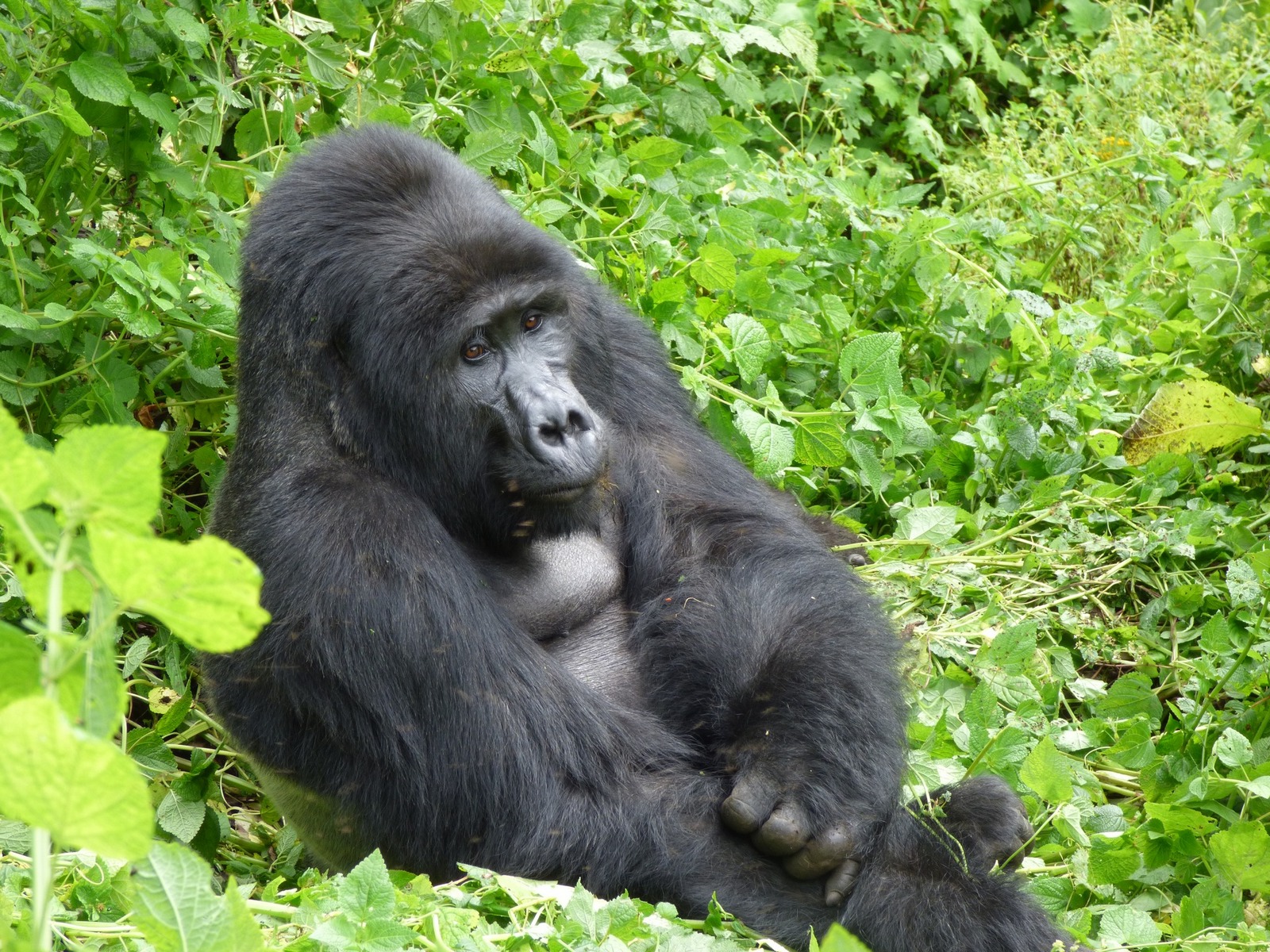
Yes, a 3-day Uganda gorilla trekking tour is considered highly worthwhile, with 99% of travelers recommending it as a life-changing, "bucket list" experience. It provides a fast, efficient way to see endangered mountain gorillas in Bwindi Impenetrable National Park, offering a safe, close-up, and emotional encounter with wild primates
3-days-affordable-uganda-budget-gorilla-trekking-via-kigali
3-day-budget-gorilla-trekking-safari-in-uganda
3-days-gorilla-trekking-safari-and-lake-bunyonyi-relaxation-itinerary
3-days-gorilla-habituation-in-bwindi-impenetrable-forest-park
3-days-fly-in-uganda-gorilla-habituation-africa-safari-tour-package
Why a 3-Day Tour is Worth It
1. Unmatched Wildlife Experience
The primary reason a 3-day tour is considered "worth it" is the sheer, raw intensity of the one hour spent in the presence of mountain gorillas. Unlike a traditional savannah safari where animals are often viewed from a distance through binoculars, gorilla trekking in Bwindi is an intimate, face-to-face encounter. Within that sixty-minute window, you are transported into the heart of a primate family’s social structure. You might witness a 400-pound silverback—a mountain of muscle and fur—exerting quiet authority over his troop, or a mother gently grooming her infant with a tenderness that feels remarkably human.
The "unmatched" nature of the experience also stems from the setting. You aren't in a zoo or a fenced enclosure; you are a guest in a prehistoric, high-altitude rainforest that has survived for over 25,000 years. Observing playful juveniles swinging from vines or wrestling in the undergrowth provides a dynamic look at their daily routines that photos simply cannot capture. The sounds of the forest—the snapping of bamboo, the grunts of communication between family members, and the rustle of the canopy—create a multi-sensory immersion. This hour is the culmination of years of habituation work by rangers, and it often leaves travelers with a profound sense of connection to nature. For many, it is the single most impactful wildlife encounter of their lives, making the effort and expense of the three-day journey feel like a small price to pay for a memory that lasts a lifetime.
2. Convenience & Timing
The 3-day itinerary is the "gold standard" for gorilla trekking because it is perfectly balanced to fit into a tight travel schedule without sacrificing the quality of the experience. Uganda is a large country with diverse landscapes, but for those specifically focused on primates, this compact timeline is highly efficient. Day 1 is dedicated to the journey from the urban hub of Entebbe or Kampala to the southwestern highlands. While the drive is long (roughly 8 to 10 hours), it serves as a scenic introduction to the "Pearl of Africa," crossing the Equator and winding through the terraced Kigezi hills.
Day 2 is the centerpiece of the tour: the trek itself. By dedicating the entire middle day to the forest, you ensure you are well-rested for the 7:30 AM briefing and have the maximum amount of daylight to locate the gorillas, regardless of how deep they have moved into the bush. Day 3 then provides a structured return path, allowing for a morning of relaxation or a brief community visit before heading back to the airport for an evening flight. This structure eliminates the logistical stress of self-planning and ensures that every hour is optimized. For business travelers, expatriates, or those on a multi-country African circuit, the 3-day tour offers a high-impact "bucket list" experience that can be completed over a long weekend, making the most elusive wildlife on earth surprisingly accessible.
3. Conservation Support
While the permit price (currently $800 USD for foreign non-residents in 2026) can seem like a significant financial hurdle, understanding where that money goes is key to realizing the tour's value. Every permit purchased is a direct investment in the survival of a species that was once on the brink of extinction. A substantial portion of the fee funds the 24-hour protection of the gorilla families. This includes the salaries of the dedicated rangers and trackers who patrol the forest daily to remove illegal snares and deter poachers. Without this constant human presence, the mountain gorilla population would likely have plummeted rather than becoming the only great ape species currently increasing in number.
Furthermore, the "conservation" aspect extends to the human communities surrounding Bwindi Impenetrable National Park. Under Uganda’s revenue-sharing policy, 20% of park entry fees are channeled back into local community projects. This money builds schools, funds health clinics, and supports clean water initiatives. By making the gorillas more valuable "alive and protected" than as victims of bushmeat trade or habitat loss, the tourism industry has turned former poachers into passionate conservationists. When you pay for a 3-day tour, you are effectively paying for the continued existence of the forest itself. Your visit provides the economic incentive for the government and local residents to preserve this critical habitat, making your trek a meaningful act of global environmental stewardship.
4. Expert Guidance
The success of a 3-day gorilla safari is almost entirely dependent on the expertise of the guides and trackers provided by the Uganda Wildlife Authority. Navigating the "Impenetrable" forest is not something a traveler could—or should—attempt alone. The dense jungle is a vertical labyrinth of vines, stinging nettles, and steep ridges. The expert guides included in your tour are much more than just navigators; they are highly trained naturalists who understand the subtle language of the forest. They can identify a gorilla's presence through discarded food husks, fresh dung, or the specific way a branch has been bent, ensuring a success rate of over 98%.
These guides also act as the essential bridge between two species. During your hour with the gorillas, the lead ranger monitors the silverback’s mood and body language, giving you instructions on when to move, when to stay still, and how to behave to keep the encounter peaceful. Their presence provides a vital layer of safety and education, as they share insights into gorilla family dynamics, individual histories, and forest ecology that you won't find in any guidebook. Additionally, the inclusion of armed rangers ensures your safety from other forest inhabitants, such as wild elephants. The peace of mind that comes with this level of professional support allows you to focus entirely on the magic of the moment, knowing that you are in the most capable hands possible.
3-Day Uganda Gorilla Trekking Tour: A Journey into the Mist
The 3-day Uganda gorilla trekking tour is a profound pilgrimage into the heart of Bwindi Impenetrable National Park, a prehistoric rainforest that harbors half of the world's remaining mountain gorillas. This itinerary is meticulously crafted for those seeking a high-impact wildlife encounter within a compact timeframe. Your journey begins with a scenic traverse across the equator, winding through the "Switzerland of Africa," where terraced emerald hills meet the clouds. The pinnacle of the expedition is a guided trek through dense, ancient foliage to stand mere meters away from a majestic silverback and his family. Beyond the primates, this tour offers a deep dive into the soul of Uganda, from its vibrant local markets to the ancestral stories of the Batwa people. By participating in this trek, you aren't just a spectator; you become a vital contributor to one of the most successful conservation stories in modern history.
Day 1: Entebbe/Kampala to Bwindi Impenetrable Forest
Your adventure commences with an early morning departure from the capital, heading southwest toward the edge of the Albertine Rift. The drive is a visual feast, featuring a primary stop at the Uganda Equator in Mpambire for photos and a demonstration of the Coriolis effect. After a traditional lunch in Mbarara, the landscape shifts dramatically into the steep, terraced ridges of the Kigezi Highlands. As you ascend toward Bwindi, the air becomes cooler and the vegetation more lush. You will reach your lodge in the late afternoon, nestled right on the fringe of the ancient forest. This evening is dedicated to a pre-trek briefing and a hearty dinner, as you prepare for the physical challenge of the following day. The sounds of the jungle—the calls of turacos and the rustle of the canopy—provide a hauntingly beautiful soundtrack to your first night in the wild.
Day 2: The Gorilla Trekking Experience
Today is the centerpiece of your safari. After an early breakfast, you head to the park headquarters for a 7:30 AM briefing where you are assigned to a habituated gorilla family. Led by expert rangers and armed trackers, you will plunge into the "Impenetrable" forest. The hike can last between two to seven hours, navigating steep slopes and tangled vines. Once the family is located, the forest falls silent as you spend one unforgettable hour observing the gorillas. Witnessing a silverback’s quiet power or the playful antics of juveniles is a life-altering experience. In the afternoon, once you have returned from the forest, you can opt for a Batwa Cultural Walk. This visit offers a glimpse into the lives of the forest's original inhabitants, showcasing their ancient hunter-gatherer survival skills, traditional songs, and deep spiritual connection to the Bwindi ecosystem.
Day 3: Return Journey to Kampala or Entebbe
On your final day, you enjoy a leisurely breakfast overlooking the mist-covered forest before beginning the scenic drive back to central Uganda. The return leg offers a different perspective of the countryside, passing through the lush wetlands of the Lake Mburo ecosystem and the bustling agricultural towns of the central region. You will stop for a final lunch in Masaka before making a second brief stop at the Equator for any last-minute souvenir shopping, such as hand-carved gorilla figurines or local textiles. This journey provides time to reflect on the profound connection made with the mountain gorillas and the impact of your visit on their continued survival. You will arrive back in Kampala or Entebbe in the late evening, just in time for your departure flight or an overnight stay, concluding an extraordinary three-day journey into the heart of Africa.
1. When is the best time to book a 3-day gorilla tour?
Booking your tour 2–6 months in advance is the "golden rule" of gorilla trekking. The primary bottleneck is the gorilla permit itself. The Uganda Wildlife Authority (UWA) issues a strictly limited number of permits per day—only eight people can visit a specific gorilla family for one hour. During peak seasons (June–September and December–February), these permits often sell out half a year in advance.
Beyond the permit, a 3-day tour is logistically tight. Because you are likely traveling from Entebbe or Kampala to Bwindi (an 8–10 hour drive), you need to secure accommodation in the specific sector (Buhoma, Ruhija, Rushaga, or Nkuringo) where your permit is assigned. Booking early ensures you get a lodge close to the briefing point, saving you from a 4:00 AM wake-up call just to drive to the start of the trek. If you are opting for a flight-in safari, bush planes have limited seating, making early reservations essential to synchronize your flight with your trekking date.
2. How much does a gorilla permit cost in Uganda?
As of the 2024–2026 cycle, the cost of a gorilla permit is tiered based on residency status. Foreign Non-Residents (tourists visiting from outside Africa) pay $800. Foreign Residents (those with a valid work permit in an East African country) pay $700. For African citizens outside East Africa, the cost is $500, while East African Community (EAC) citizens pay 300,000 UGX.
It is important to understand what this fee covers. The permit is more than just an entry pass; it includes the services of armed park rangers and professional trackers who head into the forest at dawn to locate the gorillas. It also covers park entrance fees for that specific day and contributes significantly to the conservation of the mountain gorilla population and the development of local communities. Without this revenue, the protection of the Bwindi and Mgahinga ecosystems would be impossible. Note that the permit fee is non-refundable (except in cases of illness, where a partial refund or rescheduling may be offered at UWA’s discretion), and it does not include transport, accommodation, or tips for porters.
3. What is the best time of year to visit Uganda for gorillas?
Uganda is a year-round destination, but the dry seasons—June to September and December to February—are widely considered the best times. During these months, the forest floor is less slippery, and the dense undergrowth is slightly thinner, making the hike easier and photography clearer. While it can still rain (it is a rainforest, after all), the downpours are usually short-lived.
The "low seasons" or wet seasons (March–May and October–November) offer a different experience. The trails can be extremely muddy and challenging, requiring a higher level of physical endurance. However, there are perks: lodges often offer discounted rates, and the parks are less crowded, providing a more intimate experience. Furthermore, gorillas often descend to lower altitudes during the rainy season because food (bamboo shoots and fruit) is more abundant there, which can actually result in shorter trekking times. If you are a seasoned hiker who doesn't mind getting wet, the rainy season can be a budget-friendly and rewarding alternative.
4. Can I book a 3-day tour myself or do I need a tour operator?
While it is technically possible to book your own permit via the UWA and hire a car, using a licensed local tour operator is highly recommended for a 3-day itinerary. The logistics of a short trip are unforgiving. Bwindi is divided into four distinct sectors, and your permit is valid only for the sector printed on it. If you book a lodge in Buhoma but your permit is for Rushaga, you face a grueling 3-hour mountain drive on unpaved roads in the middle of the night to reach the briefing point on time.
Tour operators handle this synchronization seamlessly. They provide a 4x4 safari vehicle (essential for the terrain) and a professional driver-guide who understands the road conditions and local culture. If a vehicle breaks down or a road is blocked by a landslide—both common occurrences—an operator has the network to arrange a backup quickly. For a 3-day trip where every hour counts, the peace of mind provided by an operator far outweighs the small savings of a DIY approach.
5. Which parks in Uganda offer 3-day trekking?
Uganda has two primary locations: Bwindi Impenetrable National Park and Mgahinga Gorilla National Park. Bwindi is the heavy hitter, containing nearly half of the world's remaining mountain gorillas and over 20 habituated families across its four sectors. Most 3-day tours head here because of the sheer variety of accommodation and permit availability.
Mgahinga is part of the Virunga Massif (shared with Rwanda and DR Congo). It has only one habituated gorilla family (the Nyakagezi group). While Bwindi is famous for its ancient, dense forest, Mgahinga offers a different aesthetic, dominated by three extinct volcanoes. Trekking in Mgahinga is often considered "easier" in terms of navigation but "harder" in terms of altitude. A 3-day tour to Mgahinga is often combined with a golden monkey trek or a hike to the Batwa cultural trail, making it a great alternative if Bwindi permits are sold out.
6. Do I need a visa to travel to Uganda?
Yes, most international travelers require a visa. Uganda has moved almost entirely to an Electronic Visa (e-Visa) system. You should apply at least two weeks before departure via the official government portal. You will need to upload a passport-sized photo, a copy of your passport bio-data page, and a Yellow Fever vaccination certificate, which is a mandatory entry requirement for Uganda.
For those planning to visit neighboring countries, the East Africa Tourist Visa is an excellent option. For $100, this visa allows multi-entry travel between Uganda, Rwanda, and Kenya for 90 days. This is particularly useful if you are flying into Kigali (Rwanda) and driving across the border to Bwindi—a popular 3-day route that cuts the driving time from 9 hours (Entebbe) to just 4 hours (Kigali). Always ensure your passport is valid for at least six months beyond your stay.
7. What is the minimum age for gorilla trekking?
The minimum age for gorilla trekking in Uganda is 15 years. This rule is strictly enforced by the UWA, and you will be required to present your passport during the pre-trek briefing to verify your age. There are two primary reasons for this limit: safety and health.
From a safety perspective, children may be more prone to panic or making sudden loud noises if a gorilla makes a "mock charge," which could trigger a defensive reaction from the silverback. Logistically, the trek can be physically exhausting, involving hours of steep climbing that might be too much for younger children. From a health perspective, younger children are more susceptible to common childhood diseases (like mumps or chickenpox) which could be fatal if transmitted to the gorilla population. In very rare cases, an exception may be made if a child is nearing 15 and is physically fit, but this requires written permission from the UWA authorities well in advance.
8. Do I need to be fit for the 3-day trek?
You do not need to be an elite athlete, but a moderate level of fitness is necessary. Bwindi lives up to its name; it is a "place of darkness" with steep ridges and deep valleys. There are no paved trails; you will be walking through thick vines, over fallen logs, and up slippery slopes. The altitude also plays a factor, as you will be trekking between 1,160m and 2,607m above sea level, where the air is thinner.
The duration of the trek is unpredictable. Some groups find their assigned gorilla family within 45 minutes, while others may hike for 6 hours. When you arrive at the park headquarters, the rangers usually group people based on their physical ability—older or less fit travelers are often assigned "nearer" gorilla families. Regardless of your fitness level, it is highly recommended to do some hill walking or stair climbing in the weeks leading up to your trip to prepare your legs for the vertical gain.
9. What should I pack for the 3-day trek?
Packing correctly can make or break your experience. The most important item is a pair of sturdy, waterproof hiking boots with good ankle support. The terrain is uneven and often muddy. You should wear long trousers and long-sleeved shirts (moisture-wicking fabric is best) to protect yourself from stinging nettles, thorny branches, and "safari ants." Tucking your trousers into your socks is a classic pro-tip to keep bugs out.
Other essentials include gardening gloves; these might seem odd, but you will constantly be grabbing onto trees and roots for balance, and many of them have thorns. A lightweight rain jacket or poncho is a must, as it can rain at any moment. Bring a small waterproof backpack for your lunch, water, and camera gear. Don't forget a hat, sunblock, and insect repellent. Lastly, carry enough cash (USD or UGX) for tipping your guide and hiring a porter.
10. How long is the actual gorilla interaction?
The actual time spent with the gorillas is strictly limited to one hour. This "Golden Hour" begins the moment the lead ranger locates the family and signals the group to move in. This time limit is a conservation measure designed to minimize the stress on the animals and to reduce the risk of disease transmission from humans.
During this hour, you are allowed to observe the gorillas as they eat, play, groom each other, and sleep. You can take photos and videos (without flash). The experience is incredibly intense; often, the gorillas will go about their business just a few meters away from you, seemingly indifferent to your presence. The rangers will keep time and will gently signal when the 60 minutes are up. While an hour sounds short, the intimacy of the encounter makes it feel significantly longer, and most travelers find it to be a profound, life-changing experience.
11. Are the gorillas guaranteed?
In the world of wildlife, there are no 100% guarantees, but gorilla trekking in Uganda comes very close—historically boasting a 95–99% success rate. This high success rate is due to the "advance trackers." Every morning, before tourists even finish breakfast, a team of professional trackers heads into the forest to find the spot where the gorillas spent the previous night. From there, they follow the trail of broken branches and dung until they find the family’s current location.
The trackers then communicate via radio with your group's lead ranger. This ensures that you aren't just wandering aimlessly; you are walking toward a known location. The only reasons you might miss them are if the family moves into an inaccessible gorge, crosses a cliff that humans cannot descend, or if the trekking group is physically unable to reach the location before dark. If you do not see a gorilla, the UWA typically offers a 50% refund or a second chance to trek the next day (subject to permit availability).
12. How close can I get to the gorillas?
Official regulations require you to maintain a distance of at least 7–10 meters (22–30 feet). This rule is primarily for the health of the gorillas; the closer you are, the higher the risk of transmitting human respiratory infections. It also respects the "personal space" of the silverback, who is the protector of the family.
In reality, the gorillas don't know the rules. Because they are habituated (accustomed to human presence), young juveniles might curiously approach you, or a mother might lead her infant across the path you are standing on. If a gorilla moves toward you, the rangers will instruct you to slowly and calmly step back to maintain the gap. You should never attempt to touch a gorilla, even if it comes within reach. Despite their gentle appearance, they are immensely powerful wild animals.
13. Can I trek if I have a cold or flu?
No. This is perhaps the most strictly enforced health rule. Mountain gorillas share about 98% of our DNA, making them highly susceptible to human diseases. Because they have not built up the same immunities as humans, a common cold, a bout of flu, or even a cough can be fatal to an entire gorilla family.
Before the trek begins, you will be briefed on health etiquette. If you feel unwell or have a contagious illness, you are expected to volunteer this information. If the rangers notice you are visibly sick (frequent coughing or sneezing), they have the authority to refuse you entry to the forest. In such cases, if you have self-reported, the UWA often allows for a partial refund or the chance to reschedule your permit once you are healthy. This rule is the cornerstone of responsible gorilla tourism and ensures the long-term survival of the species.
14. Is it better to fly or drive to the park?
This depends on your budget and your tolerance for long travel days. Driving from Entebbe/Kampala takes 8 to 10 hours. While long, the drive is a "safari" in itself, taking you through the rolling hills of Mbarara, the Equator, and the stunning "Switzerland of Africa" (Kabale). It is much cheaper than flying and allows you to see the Ugandan countryside.
Flying involves a 1.5-hour scheduled flight from Entebbe to Kisoro or Kihihi airstrip, followed by a short drive to the lodge. For a 3-day tour, flying is highly recommended because it saves you two full days of sitting in a vehicle. On Day 1, you can be at your lodge by lunch, and on Day 3, you can be back in Entebbe in time for an evening international flight. If your budget allows (domestic flights cost around $250–$500 round trip), flying turns a grueling transit into a comfortable, scenic journey.
15. What is the difference between a 3-day tour and a 4-day tour?
A 3-day tour is the "express" version. It is perfect for travelers with limited time or those adding a trek onto a business trip. It is high-intensity: Day 1 is for travel, Day 2 is for trekking, and Day 3 is for immediate departure. If you are driving, this means roughly 18–20 hours in a car over three days, which can be exhausting.
A 4-day tour adds a much-needed "buffer" day. This allows you to either travel at a more relaxed pace or enjoy an extra activity. With four days, you can include a visit to the Batwa Pygmies, take a guided nature walk, go bird watching, or simply rest your muscles after the trek. It also provides a safety net; if there is a flight delay or a road closure on Day 1, you don't risk missing your trek on Day 2. If you have the extra day, the 4-day option significantly enhances the overall enjoyment of the trip.
Booking 3 Days Uganda gorilla trekking tour with us Roads of Adventure safaris
Book a 3-day Uganda gorilla trekking tour with Roads of Adventure Safaris for a tailored, 3-day/2-night experience from Kampala to Bwindi Impenetrable National Park. Packages include expert guidance, secured permits, 4x4 transportation, and optional Batwa cultural tours. Contact them at info@roadsofadventure.com
