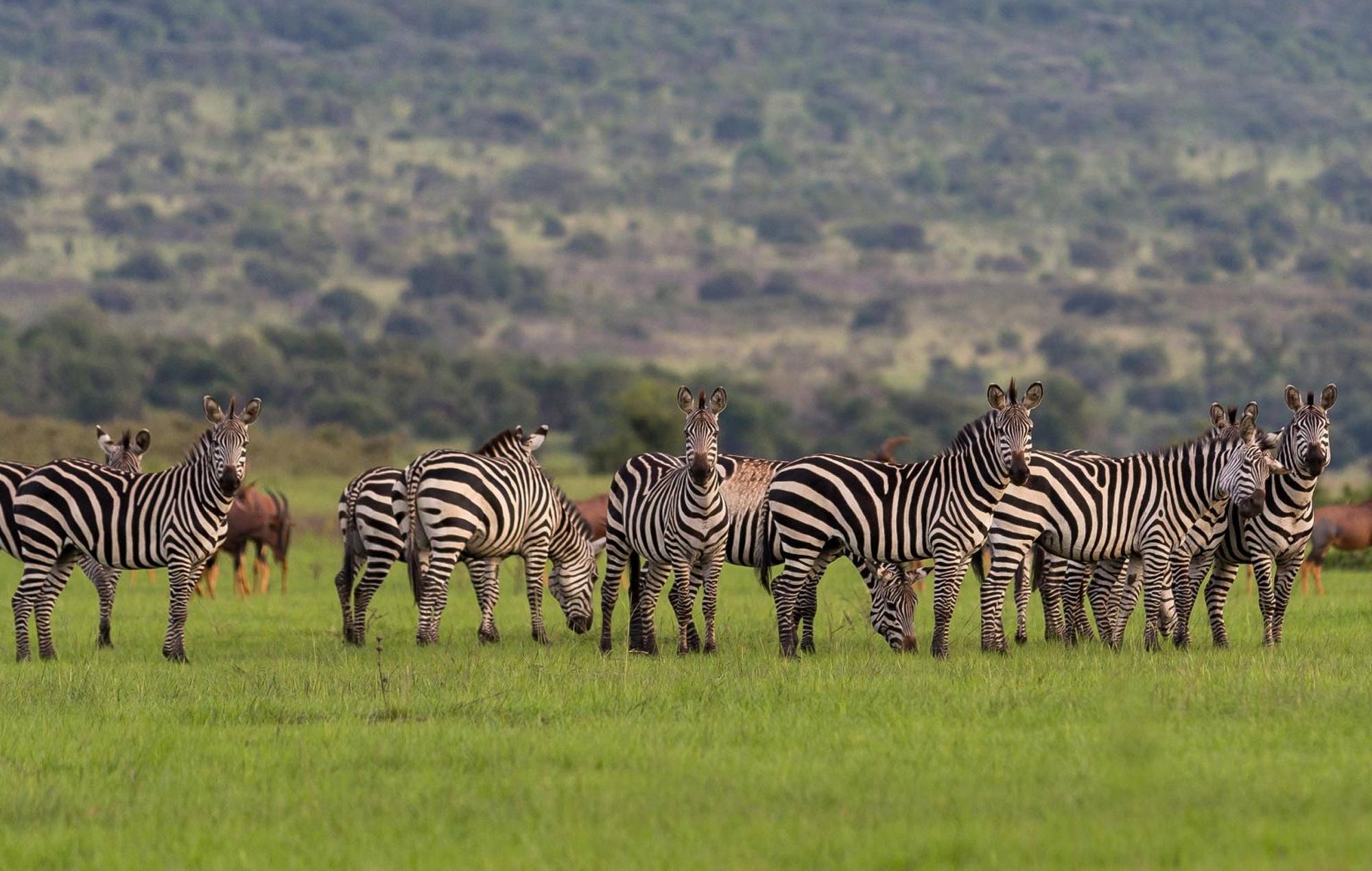
A 3-day Akagera safari is highly recommended, offering a rewarding, compact, and accessible "Big Five" experience without the intense crowds of larger East African parks. It is ideal for wildlife viewing—including lions, rhinos, elephants, buffaloes, and leopards—plus scenic boat rides on Lake Ihema and stunning savanna landscapes, making it a perfect addition to a Rwandan itinerary
4-days-akagera-safari-and-chimpanzee-tracking-rwanda-safari
4-days-volcanoes-national-park-and-akagera-rwanda-wildlife-safari
3-days-rwanda-safari-to-akagera-national-park-combined-with-lake-ihema-boat-cruise
3-day-africa-big-five-safari-in-akagera-national-park-with-kigali-city-tour
3-days-safari-in-rwanda-akagera-national-park-game-drive-and-lake-ihema-boat-trip
4-days-akagera-safari-and-chimpanzee-tracking-rwanda-safari
4-days-volcanoes-national-park-and-akagera-rwanda-wildlife-safari
9-days-rwanda-gorilla-trekking-and-adventure-activities-and-relaxation
6-days-rwanda-safari-to-akagera-and-nyungwe-chimpanzee-tracking
Key Reasons It’s Worth It
Big Five & Biodiversity
Akagera National Park stands as a symbol of conservation resilience, having transformed from a depleted landscape into a thriving Big Five destination. It is Rwanda's only savannah park, offering a unique contrast to the country’s more famous high-altitude rainforests. Today, the park is home to a balanced ecosystem featuring over 13,000 large mammals, including thriving populations of lions and black rhinos that were successfully reintroduced over the last decade. Beyond the headline predators, you will encounter vast herds of Cape buffalo, elephants, Masai giraffes, and Burchell’s zebras. For bird enthusiasts, the park’s diverse habitats—ranging from open plains to papyrus swamps—host over 500 bird species, including the iconic Shoebill stork and the Great Blue Turaco. This rich biodiversity ensures that every game drive feels like a new discovery, with sightings that represent the very best of East African wildlife.
Ideal Duration
While some parks require weeks to explore, a 3-day itinerary is the "sweet spot" for Akagera. This timeframe allows you to transition from the hilly southern sector to the expansive northern plains without rushing. Day one typically focuses on the journey from Kigali and an initial afternoon game drive or a boat safari on Lake Ihema to witness pods of hippos and Nile crocodiles at close range. Day two is often reserved for a "North-to-South" traverse, a full-day adventure that moves through various vegetation zones where you are most likely to spot the Big Five. Finally, the inclusion of a night game drive provides the necessary time to seek out elusive nocturnal hunters like leopards and hyenas. This 72-hour window ensures a comprehensive experience that balances high-intensity wildlife viewing with moments of serene relaxation by the lakes.
Accessibility
One of Akagera’s greatest strengths is its proximity to Rwanda’s capital. Located just 2.5 to 3 hours from Kigali, the park is remarkably accessible for both international travelers and those on short business trips. The road from the city to the southern gate is well-paved, winding through the beautiful scenic landscapes of eastern Rwanda. This short transit time means you aren't wasting a full day of your vacation sitting in a vehicle; you can realistically leave Kigali after breakfast and be at your lodge in time for a gourmet lunch and an afternoon activity. Its location also makes it an easy "add-on" to a gorilla trekking expedition in the northwest, allowing travelers to experience both the African jungle and the savannah in a single, efficient trip.
Less Crowded
In an era where many major African parks suffer from "safari traffic jams," Akagera offers a refreshing, intimate alternative. It remains largely "off-the-beaten-path" compared to the high-volume corridors of the Serengeti or Masai Mara. Here, it is common to spend an entire morning exploring the northern plains without encountering another vehicle. This lack of crowds creates a more authentic and personal connection with nature; when you find a pride of lions or a herd of elephants, you often have the sighting all to yourself. This tranquility not only benefits the animals, who behave more naturally without the stress of multiple vehicles, but also provides photographers and nature lovers with a silent, undisturbed environment to appreciate the raw beauty of the Rwandan wilderness.
Quality Accommodations
The hospitality landscape in Akagera has seen significant investment, ensuring that your stay is as comfortable as it is adventurous. The park features a curated selection of lodges that blend seamlessly into the environment. The Mantis Akagera Game Lodge stands as a landmark of comfort, perched on a hill with a swimming pool and panoramic views of Lake Ihema. For those seeking a more immersive, eco-conscious luxury, Ruzizi Tented Lodge offers an intimate lakeside experience with boardwalks and solar-powered tents. In the north, Magashi Camp provides high-end, exclusive safari luxury in a private concession. These accommodations prioritize sustainability and community involvement, ensuring that your stay contributes directly to the park's management. Whether you are looking for a rustic bush camp under the stars or a sophisticated lodge with modern amenities, Akagera’s lodging options consistently deliver world-class service in a stunning wild setting.
3 Days Akagera safari in Rwanda
Embark on an unforgettable 3-day adventure to Akagera National Park, Rwanda's only savanna sanctuary, offering a premier wildlife experience just three hours from Kigali. This compact yet action-packed safari takes you into the heart of a remarkable conservation success story, where the reintroduction of lions and black rhinos has restored the park to its former glory. Covering over 2,500 square kilometers, Akagera boasts a diverse landscape of rolling hills, papyrus swamps, forest-fringed lakes, and savannah plains teeming with wildlife, including elephants, buffaloes, giraffes, zebras, and numerous antelope species.
This itinerary promises an immersive escape into untamed nature, featuring thrilling game drives across the Kilala Plains, boat safaris on Lake Ihema, and exceptional birding opportunities with over 500 species. Whether you are exploring the southern lakes or northern grasslands, this 3-day safari is designed to showcase the best of Rwanda’s biodiversity, offering scenic photography moments and the chance to spot the "Big Five" in a tranquil, low-crowd environment, perfect for nature lovers and photographers alike.
Day 1: Arrival, Scenic Transfer, and Lake Ihema Boat Cruise
Upon arrival at Kigali International Airport, your guide will pick you up for an exciting 3-day safari, driving through the picturesque eastern province of Rwanda. You will arrive at Akagera National Park in time for check-in and lunch at your lodge, likely seeing some wildlife upon entry. In the afternoon, you will embark on an unforgettable boat ride on Lake Ihema, the largest water body in the park. This hour-long safari offers close-up views of massive hippopotamus pods wallowing in the water, large Nile crocodiles basking on the shores, and abundant water birds like the rare shoebill stork. The lake’s shores are a haven for photographers, particularly during the sunset hour as animals come to drink. Afterward, you may take a short evening game drive on the way back to the lodge for dinner and an overnight stay, immersed in the sounds of the African wild.
Day 2: Full-Day Game Drive – Exploring North to South
After an early breakfast, set out on a thrilling full-day game drive, traversing Akagera from the southern lakes to the northern savanna plains, specifically targeting the Kilala Plains. This area is known as the best spot for wildlife viewing, with wide-open grasslands providing excellent visibility. You will spend the day searching for the Big Five—elephants, buffaloes, lions, rhinos, and leopards—along with giraffes, zebras, and various antelopes like the topis and impalas. A picnic lunch will be enjoyed in the middle of the savannah, offering a truly authentic, wild dining experience. The diverse habitat of woodlands and wetlands ensures constant surprises, with your guide providing expert insights into the park's successful conservation recovery. Return to the lodge in the late afternoon to relax by the pool or enjoy a sunset drink on the deck overlooking the park before dinner.
Day 3: Sunrise Game Drive and Departure
Rise early on your final day for a sunrise game drive, catching the wildlife at its most active hour. Predators like lions and hyenas are often still active after night hunts, providing a chance for dramatic wildlife encounters. After a morning of tracking, return to the lodge for a hearty breakfast and check-out, proceeding with one last slow game drive as you exit the park towards the south. The drive back to Kigali offers one final opportunity to take in the stunning rolling hills of Rwanda's landscape. You will arrive in Kigali by afternoon, where you can choose a quick visit to the Kigali Genocide Memorial to learn about the country’s history before being dropped at your hotel or the airport for your onward flight, concluding a truly memorable Rwanda safari.
1. Is Akagera worth visiting compared to Serengeti?
The Serengeti is world-famous for its scale and the Great Migration, but that fame brings thousands of vehicles and a "commercial" feel. Akagera offers the "Old Africa" experience. Because it is Rwanda’s only savannah park, it feels like a hidden gem. You won’t find 20 jeeps surrounding a single lion here. Instead, you get a sense of true wilderness and exclusivity. Furthermore, the topography of Akagera is far more diverse; while the Serengeti is largely flat grassland, Akagera transitions from high rocky hills in the west to vast papyrus swamps and a string of lakes in the east, ending in open acacia plains in the north. This variety of scenery in a compact area makes it a more visually dynamic 3-day experience.
2. Can I see the Big Five in 3 days?
Ten years ago, the answer would have been no. However, thanks to the conservation efforts of African Parks, lions were reintroduced in 2015 and black rhinos in 2017 (followed by white rhinos later). Today, Akagera is a fully-fledged Big Five destination. Three days is the "magic number" because it allows you to transit from the south (where most lodges are) to the far north (the Kilala Plains). The north is where the lions and rhinos most frequently roam. A single day trip rarely leaves enough time to reach these northern plains and return, but a 3-day trip gives you two sunrise drives—the peak time for predators—massively increasing your success rate.
3. Is a boat trip on Lake Ihema worth it?
Many safaris are limited to the dusty interior of a Land Cruiser, but Akagera’s water systems are its heartbeat. A boat trip on Lake Ihema offers a refreshing perspective that you simply cannot get from the road. You glide past massive pods of hippos and some of Africa’s largest Nile crocodiles basking on the banks. It is also the best way to see the park’s water birds, including the African Fish Eagle and the elusive Shoebill Stork. The "Sunset Cruise" is particularly recommended; watching the sun dip behind the hills while surrounded by aquatic wildlife is often cited as the highlight of the entire 3-day safari.
4. Are night game drives worth it?
The African bush changes entirely after dark. A night drive (usually lasting 2–3 hours) uses powerful spotlights to catch the "eye-shine" of creatures you would never see by day. This is your best chance to spot a leopard on the hunt, as they are notoriously shy during daylight. You’ll also see wide-eyed bushbabies jumping through the trees, serval cats, hyenas, and various owls. In a 3-day itinerary, doing a night drive on your first or second evening adds a layer of mystery and excitement that rounds out the wildlife experience beyond the standard "daytime" animals.
5. Is 3 days enough for the whole park?
Yes, 3 days is the perfect "Goldilocks" duration—not too short, not too long. On a 1-day trip, you are confined to the southern loop. On a 2-day trip, you are rushing. With 3 days, you can do a "South-to-North Transit." You enter through the southern gate, spend time on the lakes, and gradually move north through the woodland, ending in the open savannah. This allows you to see every ecosystem the park has to offer. You finish your third day by exiting through the North Gate, which is actually a more efficient way to head back to Kigali or continue toward the volcanoes.
6. Is a guided safari better than self-drive?
While Akagera is one of the few parks where you can drive yourself, hiring a guide is highly recommended. The rangers and local guides are in constant radio contact and know exactly where the lions were spotted that morning. They understand animal behavior and can "read" the bush—identifying alarm calls from birds or monkeys that signal a predator is nearby. For a 3-day trip, having a guide means you spend your time looking at animals rather than looking at a map or worrying about navigation on the dirt tracks.
7. What is the best time to visit?
The dry season (June to September) is the gold standard for game viewing. During these months, the vegetation thins out, making it much easier to spot animals hidden in the brush. More importantly, water becomes scarce, forcing animals to congregate around the lakes, leading to high-density viewing. However, the "short dry season" (January to February) is also excellent. If you are a birdwatcher, the rainy season (October to December) is actually preferred, as migratory birds arrive and the park turns a stunning, vibrant green that looks incredible in photos.
8. Is accommodation available inside the park?
Staying inside the park is essential for the full experience. Akagera Game Lodge offers a traditional hotel feel with a pool and great views over Lake Ihema. For those wanting more intimacy, Ruzizi Tented Camp is an eco-luxury retreat tucked into the forest fringe along the water. If you want the ultimate "Out of Africa" experience, Magashi Camp in the far north offers high-end luxury in the heart of rhino territory. There are also several fenced campsites for those who want to sleep under the stars and listen to the sounds of hyenas at night.
9. Are the roads in Akagera good?
The park's main arteries are well-maintained gravel roads, but the side loops—where the best wildlife often hides—can be rugged. During the rainy season, these tracks turn into thick mud that can trap a standard car. A 4x4 is not just a recommendation; it is a necessity for safety and access. Even in the dry season, the high clearance of a 4x4 allows you to navigate rocky inclines and provides a better vantage point for spotting animals over the tall grass.
10. How far is it from Kigali?
One of Akagera’s biggest selling points is its accessibility. It is only about 2.5 to 3 hours from the capital city. This means you don’t waste two days of your holiday just traveling to the destination. You can leave Kigali at 6:00 AM and be on your first game drive by 9:30 AM. For a 3-day trip, this proximity ensures that almost every hour is spent in the wilderness rather than on a highway.
11. Is the park safe?
Akagera is a conservation success story. It is managed by a partnership between the Rwanda Development Board and African Parks, resulting in world-class security. The park is fully fenced to prevent human-wildlife conflict, and a highly trained anti-poaching canine unit patrols the area. For tourists, the park is very safe. The animals are respected and monitored, and the staff are professional. As long as you follow the "stay in your vehicle" rules, there is very little risk.
12. Can I combine this with gorilla trekking?
Absolutely. Most travelers use Akagera as the "savannah chapter" of their Rwanda story. A common 7-10 day itinerary starts with the culture of Kigali, moves to the wildlife of Akagera, and finishes with the mountain gorillas in Volcanoes National Park. Because Rwanda is small (roughly the size of Maryland or Albania), the transit between the lions of Akagera and the gorillas of the north is only about 5-6 hours, making it one of the easiest "multi-ecosystem" trips in Africa.
13. Are there many birds?
Akagera is a world-class birding destination. Because it sits at the confluence of the East African savannah and the Central African tropical forests, it hosts over 480 species. You can see everything from giant kingfishers and papyrus gonoleks to various vultures and eagles. The variety of water birds around the lakes is staggering. Even if you aren't a dedicated "birder," the sheer colors and sounds of the birdlife in Akagera are impossible to ignore and add a rich texture to the safari.
14. Is it suitable for families?
Yes, it is arguably the best park in Rwanda for children. Unlike the grueling physical demands of gorilla or chimpanzee trekking (which have age limits), a safari in Akagera is done from the comfort of a vehicle. Kids love the "treasure hunt" aspect of spotting animals. Many of the lodges have swimming pools and family rooms, and the relatively short drive from Kigali means children don't get "car-sick" or bored on long transit days. It’s an educational and thrilling experience for all ages.
15. Is it value for money?
When compared to the $1,500 price tag of a gorilla permit or the high-cost concessions in Botswana, Akagera offers incredible value. The entrance fees are reasonable, the lodging options cater to various budgets, and the wildlife density has improved so much that you get a "Big Five" experience for a fraction of the price found elsewhere. When you factor in the low crowds and the high quality of the infrastructure, it is consistently rated as one of the best "bang-for-your-buck" safaris in East Africa.
Booking 3 Day Akagera safari with us Roads of Adventure safaris
To book your 3-day Akagera safari with Roads of Adventure Safaris, you can contact their team directly via their website or the contact details below. They offer several tailored versions of this tour, including budget, mid-range, and luxury packages
