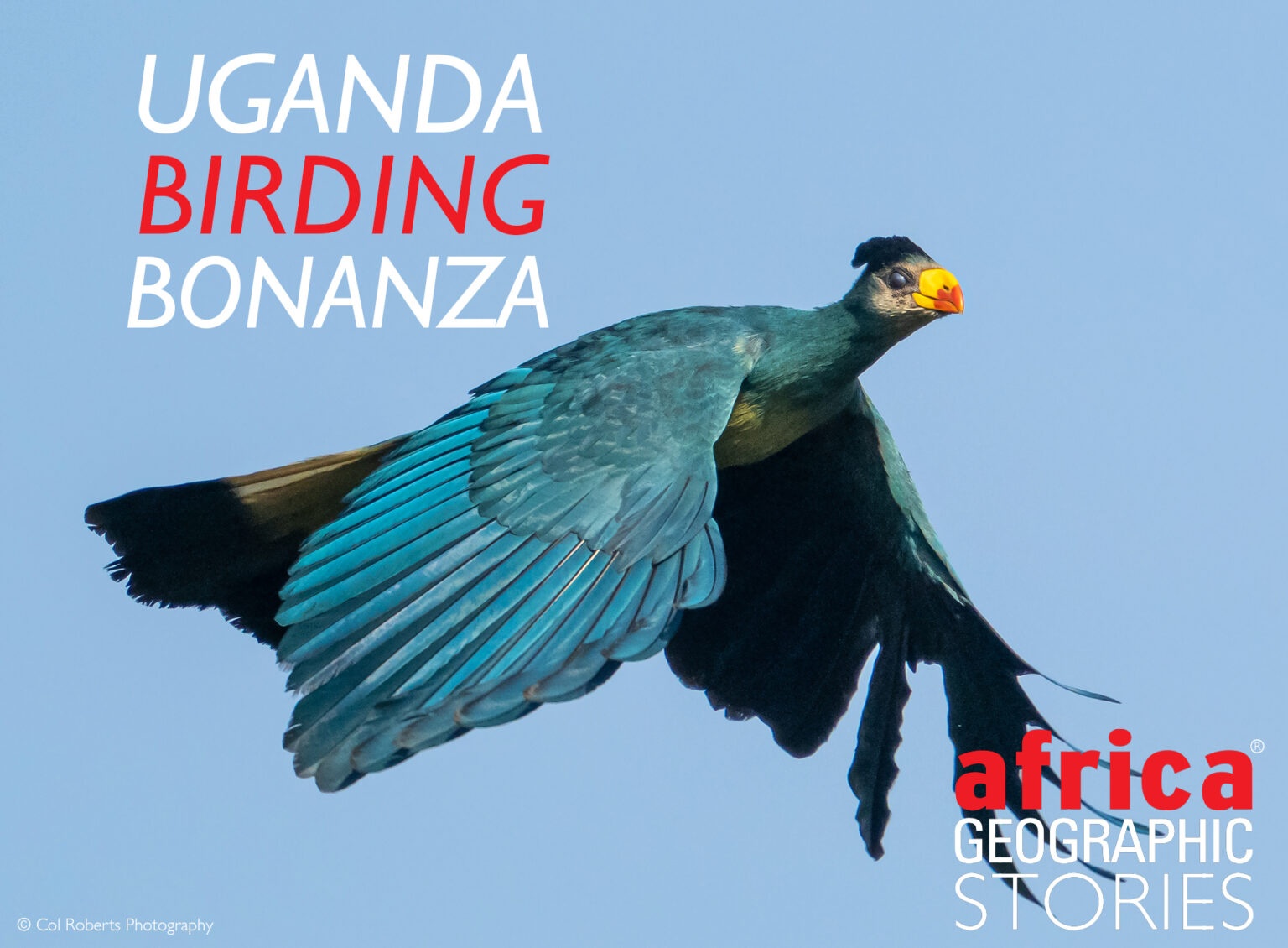
Yes, 16 days birding Uganda safari is ideal and highly recommended for an avid birder. Given that Uganda hosts over 1,070 bird species (about 50% of Africa's total), this duration provides the perfect sweet spot to cover diverse ecosystems without feeling rushed. It allows you to traverse deep into Albertine Rift endemics, wetlands, and savannahs.
16-days-best-of-uganda-birding-safari-holiday-extravaganza
15-days-best-uganda-birding-safari-and-wildlife-adventure
17-days-uganda-birding-safari-itinerary
16 days birding Uganda safari
A 16 days birding Uganda safari is the ultimate expedition for any passionate birder looking to conquer Africa’s most diverse avian landscape. Uganda packs an incredible punch, hosting over 1,070 bird species within a relatively compact geographical area. This carefully structured itinerary bridges vast geographic zones, moving from the shores of Lake Victoria to the northern savannahs, and down into the dense Albertine Rift rainforests. By committing to a 16 days birding Uganda safari, you grant yourself the necessary time to track down highly sought-after regional specialists, rare endemics, and iconic mega-aviation targets like the Shoebill and the Green-breasted Pitta. Navigating these varied ecosystems at a calculated pace ensures maximum trail time, optimal morning starts, and the highest possible checklist tally. Prepare for an intensive, rewarding journey through Africa's premier birding destination.
Day 1: Arrival in Entebbe and Botanical Gardens
Your 16 days birding Uganda safari begins with your arrival at Entebbe International Airport, situated on the shores of Lake Victoria. After settling into your accommodation, you will head straight to the historic Entebbe Botanical Gardens for an introductory birding session. This lush lakeside habitat features a superb mix of mature canopy trees, rainforest patches, and water margins. It offers an excellent relaxed environment to start ticking off classic East African species. Keep your eyes on the treetops for the spectacular Great Blue Turaco, Ross's Turaco, and the neon-bright Double-collared Sunbird. Along the lake shore, you will likely encounter the African Openbilled Stork, Eastern Grey Plantain-eater, and Black-headed Gonolek. Overhead, Pied Kingfishers hover over the water while superb Palm-nut Vultures glide between the fronds, delivering an exceptional first afternoon on Ugandan soil.
Day 2: Shoebill Tracking in Mabamba Swamp
Today marks a major highlight of the 16 days birding Uganda safari as you hunt for the prehistoric Shoebill. You will take a traditional motorized wooden canoe into the vast papyrus maze of the Mabamba Wetland Sanctuary. Silently paddling through the narrow water channels allows for close encounters with this massive, rare bird as it stalks lungfish. Mabamba is also a critical stronghold for highly localized papyrus specialists. You will actively search the reeds for the striking Papyrus Gonolek, White-winged Warbler, and the elusive Lesser Jacana. The open water and floating vegetation host African Pygmy-geese, Squacco Herons, Malachite Kingfishers, and Blue-breasted Bee-eaters. The sky is often filled with circling Swamp Flycatchers and African Marsh Harriers. Securing the Shoebill early on provides a massive boost to your growing checklist.
Day 3: Transfer to Murchison Falls via Ziwa
Leaving the lakeside behind, your 16 days birding Uganda safari journeys north toward Uganda’s largest protected area. En route, you will make a strategic birding stop at the Ziwa Rhino Sanctuary. While famous for its white rhinos, the surrounding woodlands and marshes are fantastic for avian life. You will scan the dry bush for the White-crested Turaco, Bruce's Green Pigeon, and the spectacular Silverbird. Moving further north into the savannah transition zone, the landscape opens up dramatically. Along the roadside and fence lines, look out for the prehistoric-looking Abyssinian Ground Hornbill and various raptors like the Lizard Buzzard and Dark Chanting Goshawk. You will arrive at the gates of Murchison Falls National Park by late afternoon, just as the evening bird chorus begins to echo through the dry riverine woodlands.
Day 4: Northern Savannah and Nile Delta Boat Cruise
An early morning ferry crossing kicks off a spectacular day of savannah birding on your 16 days birding Uganda safari. The northern plains of Murchison Falls are dominated by Borassus palm forests and open grassland, hosting a completely different suite of species. You will search for the localized Denham's Bustard, Black-billed Barbet, and the beautiful Swallow-tailed Bee-eater. In the afternoon, a private boat cruise takes you downstream toward the Victoria Nile delta. The vertical sandy banks along the river provide a breathtaking canvas, packed with nesting colonies of the brilliant Red-throated Bee-eater. Along the muddy water edges, look for Goliath Herons, Saddle-billed Storks, Senegal Thick-knees, and Rock Pratincoles. If you stay out for a night game drive, you have a high chance of spotting the bizarre Standard-winged Nightjar.
Day 5: Murchison Falls Top of the Falls and Budongo Forest
You begin the morning by visiting the dramatic top of Murchison Falls, where the entire Nile squeezes through a tiny canyon. The misty, rocky environment is a great spot to look for the nimble Rock Pratincole and various swifts. Following this, your 16 days birding Uganda safari targets the dense undergrowth of the adjacent Budongo Forest Reserve. Budongo holds one of the largest tracts of pristine mahogany forest in East Africa. You will bird along the famous "Royal Mile," a wide forest track with an open canopy ideal for viewing forest interior species. The primary targets here are the rare Chocolate-backed Kingfisher, African Dwarf Kingfisher, and the elusive Ituri Batis. The mid-story and canopy host a rich variety of illadopsises, flycatchers, and the musical Western Black-headed Oriole.
Day 6: Transfer to Kibale Forest National Park
This day is primarily a travel day on your 16 days birding Uganda safari, but it doubles as a scenic rural birding drive. You will travel southwards along the Albertine Rift escarpment, passing through lush tea plantations, rolling hills, and traditional homesteads. Regular stops along the way will target roadside marshes and forest patches. These stops offer chances to spot the Western Citril, Augur Buzzard, and various sunbirds feeding on wild flowers. As you approach Fort Portal and enter the fringes of the Kibale Forest ecosystem, the avian composition changes toward mid-altitude rainforest specialists. You will scan the forest edges for the Joyful Greenbul, Olive-bellied Sunbird, and the noisy Great Blue Turaco flying across the road, arriving at your lodge in time to hear the evening forest owls.
Day 7: Green-breasted Pitta Tracking in Kibale
Today requires an intensive, pre-dawn start into the damp interior of Kibale Forest, a critical apex day of the 16 days birding Uganda safari. Your singular mission is to locate the highly enigmatic Green-breasted Pitta before the sun breaks the canopy. This brilliantly camouflaged bird performs a brief, mechanical wing-clapping display on the dark forest floor at first light. Finding it demands patience, silence, and expert local tracking. Once the sun rises, the forest comes alive with other incredible species. You will spend the afternoon tracking mixed feeding flocks through the understory. Key species to find include the African Shrike-flycatcher, Chestnut-wasted Wattle-eye, and the Masked Apalis. The forest edges and boardwalks also provide views of the Scaly-breasted Illadopsis and the massive Black-and-white-casqued Hornbill.
Day 8: Bigodi Wetland and Transfer to Semuliki
The morning of your 16 days birding Uganda safari features a guided walk through the community-managed Bigodi Wetland Sanctuary. This papyrus swamp is rich in primates and specialized swamp edge birds. Bigodi is famous for incredibly close views of the Great Blue Turaco, along with the Papyrus Gonolek, White-spotted Flufftail, and the Hairy-breasted Barbet. In the afternoon, you will drive down the winding rift valley floor to Semuliki National Park. Semuliki represents the unique easternmost extension of the vast Congo Basin Guinea-Savannah biome. This means you will immediately start looking for central African forest species found nowhere else in East Africa. The hot springs trail introduces you to a steaming, prehistoric landscape where strange hornbills and forest weavers dominate the dense, humid lowlands.
Day 9: Lowland Forest Birding in Semuliki
A dedicated full day in Semuliki National Park on your 16 days birding Uganda safari provides unparalleled access to rare West African specialists. You will hike the Kirumia Trail, a deep-forest track renowned for exceptional hornbill diversity. You will actively search for the massive Black-casqued Wattled Hornbill, Piping Hornbill, and the tiny Red-billed Dwarf Hornbill. The tangled undergrowth hides difficult species like the Nkulengu Rail, Lyre-tailed Honeyguide, and the Fiery-breasted Bush-shrike. Semuliki requires slow, methodical birding as many species live in dense thickets. You will listen carefully for the calls of the African Piculet and various leaf-love species. By late afternoon, you will emerge from this dense Congo-style jungle with a highly unique list of birds that cannot be achieved anywhere else in the country.
Day 10: Transfer to Queen Elizabeth National Park
Your 16 days birding Uganda safari shifts southward toward the open savannahs and crater lakes of Queen Elizabeth National Park. The drive takes you beneath the dramatic, snow-capped peaks of the Rwenzori Mountains. You will stop at various swampy crossings and crater lakes along the way to tick off specialized water birds like the Lesser Flamingo, Cape Teal, and Pied-winged Swallow. As you enter the park, the open grasslands provide an immediate change in bird life. You will scan the open plains for the African Crake, Martial Eagle, and the striking Black-bellied Bustard. The park’s unique volcanic topography creates a patchwork of micro-habitats, ensuring that even a simple drive to your lodge yields a high volume of new raptor and grassland species.
Day 11: Kazinga Channel Cruise and Savannah Plains
The morning begins with a game drive across the Kasenyi plains on your 16 days birding Uganda safari. This area is excellent for scanning the acacia perches for the striking Black Bee-eater, Rüppell's Griffon Vulture, and the Flappet Lark. In the afternoon, you will board a boat for the legendary cruise along the Kazinga Channel. This natural waterway connects Lake Edward and Lake George and boasts an incredible density of avian life. The ultimate target here is the African Skimmer, often seen in large flocks gracefully plowing the water surface with their lower mandibles. You will also get incredibly close views of the African Fish Eagle, Pink-backed Pelican, Yellow-billed Stork, and a massive variety of plovers, sandpipers, and kingfishers lining the banks.
Day 12: Ishasha Sector to Bwindi Impenetrable Forest
Today you journey through the southern Ishasha sector of the park on your 16 days birding Uganda safari. While Ishasha is globally famous for tree-climbing lions, it is also a fantastic habitat for woodland birds. You will search the large fig trees for the Blue-throated Roller, Broad-billed Roller, and Greater Honeyguide. Leaving the savannah flatlands behind, the road begins a steep, winding ascent into the ancient, mist-shrouded mountains of Bwindi Impenetrable Forest. You will head straight to the high-altitude Ruhija sector, which sits at over 2,300 meters above sea level. The air turns cool and crisp, and the surrounding vegetation transitions into dense Afro-montane forest. This evening, you will listen for the nocturnal calls of the Rwenzori Nightjar echoing across the mountain ridges.
Day 13: Albertine Rift Endemics in Ruhija Sector
This is an absolute pinnacle day of your 16 days birding Uganda safari, dedicated entirely to tracking rare Albertine Rift endemics. You will hike down the steep trails toward the isolated Mubwindi Swamp. Your ultimate target is the critically endangered African Green Broadbill, a tiny bird that builds its nests in the deep, quiet valleys of the forest. The dense, mossy canopy is alive with color if you can spot the spectacular Rwenzori Turaco flashing its bright red wings. You will also look for the Handsome Francolin, Regal Sunbird, Archer's Robin-Chat, and the Strange Weaver. Birding in Bwindi requires great stamina due to the steep terrain, but the reward is ticking off restricted-range species that exist nowhere else on Earth.
Day 14: Birding the "The Neck" to Lake Bunyonyi
Your 16 days birding Uganda safari moves through a beautiful riverine forest river crossing known locally as "The Neck," which connects the high-altitude Ruhija sector to the lower forests. This mid-elevation pocket is famous for unique species like the Black Bee-eater, Cassin's Flycatcher, and the rare Chapin's Flycatcher. You will walk along the riverbanks searching the overhanging vegetation for the Mountain Wagtail and the African Black Duck. In the afternoon, you will continue your drive to the breathtaking Lake Bunyonyi, one of the deepest crater lakes in Africa. The terraced hillsides and calm waters provide a serene backdrop to look for the African Harrier Hawk, Fan-tailed Widowbird, and various sunbirds feeding in the community gardens.
Day 15: Transfer to Lake Mburo National Park
The pen-ultimate day of your 16 days birding Uganda safari brings you to Lake Mburo National Park, a small but diverse jewel of acacia woodland and wetlands. This park is the only place in southern Uganda to reliably find specific southern-affinity bird species. After checking in, you will embark on a peaceful afternoon boat ride on the lake. Your primary mission is to spot the secretive African Finfoot swimming quietly along the grassy, overhanging riverbanks. You will also look for the rare White-backed Nightjar hiding in the lakeside thickets. The surrounding papyrus fringes host the Rufous-bellied Heron and the Lesser Kingfisher. The quiet, predator-free environment allows for a highly relaxed water safari as your epic journey nears its conclusion.
Day 16: Walking Safari, Equator Crossing, and Departure
The final day of your 16 days birding Uganda safari capitalizes on Lake Mburo's unique lack of large predators. You will conduct a guided morning walking safari, which offers a brilliant chance to study subtle field marks on the ground. You will search the dry acacia savannah for the highly localized Red-faced Barbet, Coqui Francolin, and Tabora Cisticola. Following the walk, you will begin the drive back to Entebbe. You will make a classic celebratory stop at the Equator crossing for photos and souvenir shopping, while keeping an eye out for any final roadside raptors. You will arrive at Entebbe International Airport in the evening for your departure flight, officially concluding a highly successful and deeply comprehensive Ugandan birding checklist.
Birding safari destination to consider on this 16-days birding Uganda safari
Entebbe & Mabamba Swamp
A 16 Day birding Uganda safari typically kicks off in the lakeside town of Entebbe, serving as the perfect launching pad for Mabamba Swamp. Located on the shores of Lake Victoria, this extensive papyrus wetland is world-renowned as the premier site for spotting the prehistoric Shoebill. Navigating the narrow water channels by local wooden motorized canoe provides an intimate and quiet approach to these giant, rare birds as they stalk lungfish in the reeds.
Beyond the legendary Shoebill, the swamp is a haven for highly localized papyrus specialists. Avid birders can easily tick off the Papyrus Gonolek, White-winged Warbler, Blue-swallow, and Northern Brown-throated Weaver. The muddy edges and open water support Lesser Jacana, African Pygmy-goose, Squacco Heron, and Malachite Kingfisher. Overhead, you might spot the Swamp Flycatcher or the African Marsh Harrier patrolling the reeds.
Entebbe's botanical gardens add excellent forest edge birding to the first leg of your 16 Day birding Uganda safari, offering easy views of the Great Blue Turaco, Ross's Turaco, and various sunbirds. This initial stop sets a high standard for the rest of your trip, ensuring major target species are secured within the first 48 hours of arrival.
Murchison Falls National Park
As you head north on your 16 Day birding Uganda safari, Murchison Falls National Park introduces a massive shift into savannah, Borassus palm forest, and riverine woodlands. Divided by the Victoria Nile, this vast park boasts over 450 recorded bird species. The iconic target here is the massive Abyssinian Ground Hornbill, often seen striding across the open plains in pairs or small family groups.
A boat cruise along the Nile toward the delta is a mandatory highlight for any serious birder. The vertical sandy banks along the river are honeycombed with the nesting burrows of the dazzling Red-throated Bee-eater, creating a spectacular wall of color. The riverbanks also provide reliable sightings of the Goliath Heron, Saddle-billed Stork, Senegal Thick-knee, and Rock Pratincole.
For those looking for nocturnal species, night game drives on a 16 Day birding Uganda safari frequently yield views of the Pennant-winged Nightjar and Standard-winged Nightjar during their breeding seasons. The surrounding woodland stretches also hold the Silverbird, White-crested Turaco, and Bruce's Green Pigeon, making Murchison a diverse powerhouse for both big game and distinct savannah avian life.
Kibale Forest & Semuliki National Park
Moving into the western Albertine Rift, the combination of Kibale Forest and Semuliki National Park represents the dense jungle heart of your 16 Day birding Uganda safari. Kibale is a moist evergreen rainforest famous for its primates, but for birders, it is the ultimate destination to search for the enigmatic Green-breasted Pitta. Spotting this brilliantly colored, elusive bird requires a very early morning venture into the dark forest floor before it begins its short, distinct display calls.
Just a short drive away lies Semuliki National Park, which represents the easternmost extension of the vast Congo Basin Guinea-Savannah biome. This unique overlap brings over 40 Central African bird species found nowhere else in East Africa.
While Kibale delivers forest canopy highlights like the African Green Broadbill in its higher ridges, Semuliki offers rare lowland specialists. Birders tracking through Semuliki can look for the Lyre-tailed Honeyguide, Nkulengu Rail, Piping Hornbill, and Red-billed Dwarf Hornbill. The dense undergrowth of these two parks requires patience and sharp hearing, making this segment the most rewarding challenge of the entire itinerary.
Queen Elizabeth National Park
Positioned against the backdrop of the Rwenzori Mountains, Queen Elizabeth National Park features an incredible variety of habitats, including open savannah, crater lakes, humid forests, and expansive swamps. This ecological diversity allows it to host an astonishing 600+ bird species, which is one of the highest totals for any protected area in Africa. For a 16 Day birding Uganda safari, this park bridges the gap between deep forest birding and specialized water species.
The highlight of this park is the Kazinga Channel boat safari. This natural waterway connects Lake Edward and Lake George, offering front-row seats to large flocks of the African Skimmer as they plow their lower mandibles through the water surface.
The surrounding savannah and acacia thickets are excellent for finding the striking Black Bee-eater, Blue-breasted Kingfisher, and Broad-billed Roller. Raptors are also highly visible here; you can easily log Martial Eagles, African Fish Eagles, and Bateleurs soaring over the plains. The nearby Maramagambo Forest adds another layer to the checklist, hiding the rare Forest Flycatcher and various illadopsises.
Bwindi Impenetrable Forest (Ruhija Sector)
No serious birding itinerary is complete without tackling the steep, mist-covered ridges of Bwindi Impenetrable Forest. The high-altitude Ruhija sector is globally recognized as a premier birding hotspot, holding the vast majority of Uganda’s Albertine Rift endemics. The ultimate holy grail for any 16 Day birding Uganda safari in Bwindi is the highly endangered African Green Broadbill, which nests in the deep valleys of the Mubwindi Swamp.
Trekking through the dense, tangled canopy requires stamina but rewards you with breathtaking mixed-species feeding flocks. Here, the vibrant Rwenzori Turaco flashes its crimson wings against the green foliage.
Ground-dwelling rarities like the critically endangered Shelley's Crimsonwing demand intense focus and local tracking expertise. Other key endemics regularly sought after include the Handsome Francolin, Regal Sunbird, Archer's Robin-Chat, and the Strange Weaver. The sheer volume of restricted-range species packed into this ancient forest makes Bwindi the absolute crown jewel of a Ugandan birding expedition.
Lake Mburo National Park
As your 16 Day birding Uganda safari nears its conclusion, Lake Mburo National Park provides a perfect contrast with its quiet acacia woodlands, sculptured hills, and tranquil wetlands. This park is the only place in southern Uganda to reliably find specific woodland and southern-affinity species. The primary target on the lake itself is the secretive African Finfoot, which can be found swimming quietly under the overhanging branches of the riverine trees.
The surrounding dry acacia savannah is the exclusive home of the rare Red-faced Barbet, alongside other localized species like the Tabora Cisticola, Green-capped Eremomela, and Coqui Francolin.
Because Lake Mburo lacks large predators like lions, birders have the unique opportunity to conduct guided walking safaris. Walking allows for a much slower pace to appreciate subtle identification markers on various pipits, larks, and cisticolas. Spotting a Rufous-bellied Heron or a White-backed Nightjar along the swampy fringes offers a spectacular and relaxed finale to a highly productive safari.
You said: Is 16 days birding Uganda safari enough for a n avid birder

Yes, 16 days is ideal and highly recommended for an avid birder. Given that Uganda hosts over 1,070 bird species (about 50% of Africa's total), this duration provides the perfect sweet spot to cover diverse ecosystems without feeling rushed. It allows you to traverse deep into Albertine Rift endemics, wetlands, and savannahs. [1, 2, 3, 4]
A typical 16-day itinerary is custom-tailored to maximize your "lifer" count, allowing you to hit major birding hotspots across the country: [1]
- Entebbe & Mabamba Swamp: Half-day boat excursions to spot the elusive Shoebill along with various papyrus specialists. [1, 2, 3]
- Murchison Falls National Park: Excellent for savannah and woodland species like the Abyssinian Ground Hornbill and Red-throated Bee-eater. [1, 2]
- Kibale Forest & Semuliki National Park: The best chance to spot the highly sought-after Green-breasted Pitta, African Green Broadbill, and rare lowland forest species. [1, 2]
- Queen Elizabeth National Park: Famous for its 600+ recorded species, including the African Skimmer and Black Bee-eater. [1, 2]
- Bwindi Impenetrable Forest (Ruhija Sector): The ultimate haven for Albertine Rift endemics like the Rwenzori Turaco and Shelley's Crimsonwing. [1, 2, 3, 4, 5]
- Lake Mburo National Park: Unique acacia woodland habitats that support the African Finfoot and Red-faced Barbet. [1]
If you'd like, I can:
- Detail the ideal months to plan this trip based on migratory patterns and breeding seasons.
- Provide a day-by-day route focused strictly on maximizing your bird count.
- Suggest local specialized birding guides and operators suited for a seasoned birder. [1, 2, 3]
Let me know how you'd like to proceed with your safari planning.


11 sites
- Uganda Birding Tours (Best) Bird Watching Trips & Holidays
Best time for birding trips in Uganda Generally, the best time for bird watching in Uganda is during the months of late May to Sep...


Acacia Safaris Uganda
- Quick Guide points on birding Safari in Uganda
Best spots for birding Safari in Uganda. The best places for birding in Uganda include Bwindi Forest, Murchison Falls National Par...

Acacia Safaris Uganda
- Premier Uganda Birding Tours & Safaris
Bird watching safaris in Uganda are possible year-round, but the best conditions occur during the dry seasons from June to August ...


www.queenelizabethnationalparkuganda.com
Show all
You said: Entebbe & Mabamba Swamp: Half-day boat excursions to spot the elusive Shoebill along with various papyrus specialists.Murchison Falls National Park: Excellent for savannah and woodland species like the Abyssinian Ground Hornbill and Red-throated Bee-eater.Kibale Forest & Semuliki National Park: The best chance to spot the highly sought-after Green-breasted Pitta, African Green Broadbill, and rare lowland forest species.Queen Elizabeth National Park: Famous for its 600+ recorded species, including the African Skimmer and Black Bee-eater.Bwindi Impenetrable Forest (Ruhija Sector): The ultimate haven for Albertine Rift endemics like the Rwenzori Turaco and Shelley's Crimsonwing.Lake Mburo National Park: Unique acacia woodland habitats that support the African Finfoot and Red-faced Barbet, write on each in 300 words, use key word as 16 Day birding Uganda safari
Entebbe & Mabamba Swamp
A 16 Day birding Uganda safari typically kicks off in the lakeside town of Entebbe, serving as the perfect launching pad for Mabamba Swamp. Located on the shores of Lake Victoria, this extensive papyrus wetland is world-renowned as the premier site for spotting the prehistoric Shoebill. Navigating the narrow water channels by local wooden motorized canoe provides an intimate and quiet approach to these giant, rare birds as they stalk lungfish in the reeds.
Beyond the legendary Shoebill, the swamp is a haven for highly localized papyrus specialists. Avid birders can easily tick off the Papyrus Gonolek, White-winged Warbler, Blue-swallow, and Northern Brown-throated Weaver. The muddy edges and open water support Lesser Jacana, African Pygmy-goose, Squacco Heron, and Malachite Kingfisher. Overhead, you might spot the Swamp Flycatcher or the African Marsh Harrier patrolling the reeds.
Entebbe's botanical gardens add excellent forest edge birding to the first leg of your 16 Day birding Uganda safari, offering easy views of the Great Blue Turaco, Ross's Turaco, and various sunbirds. This initial stop sets a high standard for the rest of your trip, ensuring major target species are secured within the first 48 hours of arrival.
Murchison Falls National Park
As you head north on your 16 Day birding Uganda safari, Murchison Falls National Park introduces a massive shift into savannah, Borassus palm forest, and riverine woodlands. Divided by the Victoria Nile, this vast park boasts over 450 recorded bird species. The iconic target here is the massive Abyssinian Ground Hornbill, often seen striding across the open plains in pairs or small family groups.
A boat cruise along the Nile toward the delta is a mandatory highlight for any serious birder. The vertical sandy banks along the river are honeycombed with the nesting burrows of the dazzling Red-throated Bee-eater, creating a spectacular wall of color. The riverbanks also provide reliable sightings of the Goliath Heron, Saddle-billed Stork, Senegal Thick-knee, and Rock Pratincole.
For those looking for nocturnal species, night game drives on a 16 Day birding Uganda safari frequently yield views of the Pennant-winged Nightjar and Standard-winged Nightjar during their breeding seasons. The surrounding woodland stretches also hold the Silverbird, White-crested Turaco, and Bruce's Green Pigeon, making Murchison a diverse powerhouse for both big game and distinct savannah avian life.
Kibale Forest & Semuliki National Park
Moving into the western Albertine Rift, the combination of Kibale Forest and Semuliki National Park represents the dense jungle heart of your 16 Day birding Uganda safari. Kibale is a moist evergreen rainforest famous for its primates, but for birders, it is the ultimate destination to search for the enigmatic Green-breasted Pitta. Spotting this brilliantly colored, elusive bird requires a very early morning venture into the dark forest floor before it begins its short, distinct display calls.
Just a short drive away lies Semuliki National Park, which represents the easternmost extension of the vast Congo Basin Guinea-Savannah biome. This unique overlap brings over 40 Central African bird species found nowhere else in East Africa.
While Kibale delivers forest canopy highlights like the African Green Broadbill in its higher ridges, Semuliki offers rare lowland specialists. Birders tracking through Semuliki can look for the Lyre-tailed Honeyguide, Nkulengu Rail, Piping Hornbill, and Red-billed Dwarf Hornbill. The dense undergrowth of these two parks requires patience and sharp hearing, making this segment the most rewarding challenge of the entire itinerary.
Queen Elizabeth National Park
Positioned against the backdrop of the Rwenzori Mountains, Queen Elizabeth National Park features an incredible variety of habitats, including open savannah, crater lakes, humid forests, and expansive swamps. This ecological diversity allows it to host an astonishing 600+ bird species, which is one of the highest totals for any protected area in Africa. For a 16 Day birding Uganda safari, this park bridges the gap between deep forest birding and specialized water species.
The highlight of this park is the Kazinga Channel boat safari. This natural waterway connects Lake Edward and Lake George, offering front-row seats to large flocks of the African Skimmer as they plow their lower mandibles through the water surface.
The surrounding savannah and acacia thickets are excellent for finding the striking Black Bee-eater, Blue-breasted Kingfisher, and Broad-billed Roller. Raptors are also highly visible here; you can easily log Martial Eagles, African Fish Eagles, and Bateleurs soaring over the plains. The nearby Maramagambo Forest adds another layer to the checklist, hiding the rare Forest Flycatcher and various illadopsises.
Bwindi Impenetrable Forest (Ruhija Sector)
No serious birding itinerary is complete without tackling the steep, mist-covered ridges of Bwindi Impenetrable Forest. The high-altitude Ruhija sector is globally recognized as a premier birding hotspot, holding the vast majority of Uganda’s Albertine Rift endemics. The ultimate holy grail for any 16 Day birding Uganda safari in Bwindi is the highly endangered African Green Broadbill, which nests in the deep valleys of the Mubwindi Swamp.
Trekking through the dense, tangled canopy requires stamina but rewards you with breathtaking mixed-species feeding flocks. Here, the vibrant Rwenzori Turaco flashes its crimson wings against the green foliage.
Ground-dwelling rarities like the critically endangered Shelley's Crimsonwing demand intense focus and local tracking expertise. Other key endemics regularly sought after include the Handsome Francolin, Regal Sunbird, Archer's Robin-Chat, and the Strange Weaver. The sheer volume of restricted-range species packed into this ancient forest makes Bwindi the absolute crown jewel of a Ugandan birding expedition.
Lake Mburo National Park
As your 16 Day birding Uganda safari nears its conclusion, Lake Mburo National Park provides a perfect contrast with its quiet acacia woodlands, sculptured hills, and tranquil wetlands. This park is the only place in southern Uganda to reliably find specific woodland and southern-affinity species. The primary target on the lake itself is the secretive African Finfoot, which can be found swimming quietly under the overhanging branches of the riverine trees.
The surrounding dry acacia savannah is the exclusive home of the rare Red-faced Barbet, alongside other localized species like the Tabora Cisticola, Green-capped Eremomela, and Coqui Francolin.
Because Lake Mburo lacks large predators like lions, birders have the unique opportunity to conduct guided walking safaris. Walking allows for a much slower pace to appreciate subtle identification markers on various pipits, larks, and cisticolas. Spotting a Rufous-bellied Heron or a White-backed Nightjar along the swampy fringes offers a spectacular and relaxed finale to a highly productive safari.
If you are ready to take the next step, I can help you look into:
- The best seasonal windows (such as looking for migratory species vs. the dry season).
- A calculated mileage and travel time breakdown between these specific parks.
- The packing essentials required for both swamp boat trips and dense jungle trekking.
Let me know what you would like to explore next!
You said: 16 days birding Uganda safari,use key word as 16 days birding Uganda safari, write intro in 160 words, write on ech day in 150 words
Introduction
A 16 days birding Uganda safari is the ultimate expedition for any passionate birder looking to conquer Africa’s most diverse avian landscape. Uganda packs an incredible punch, hosting over 1,070 bird species within a relatively compact geographical area. This carefully structured itinerary bridges vast geographic zones, moving from the shores of Lake Victoria to the northern savannahs, and down into the dense Albertine Rift rainforests. By committing to a 16 days birding Uganda safari, you grant yourself the necessary time to track down highly sought-after regional specialists, rare endemics, and iconic mega-aviation targets like the Shoebill and the Green-breasted Pitta. Navigating these varied ecosystems at a calculated pace ensures maximum trail time, optimal morning starts, and the highest possible checklist tally. Prepare for an intensive, rewarding journey through Africa's premier birding destination.
Day 1: Arrival in Entebbe and Botanical Gardens
Your 16 days birding Uganda safari begins with your arrival at Entebbe International Airport, situated on the shores of Lake Victoria. After settling into your accommodation, you will head straight to the historic Entebbe Botanical Gardens for an introductory birding session. This lush lakeside habitat features a superb mix of mature canopy trees, rainforest patches, and water margins. It offers an excellent relaxed environment to start ticking off classic East African species. Keep your eyes on the treetops for the spectacular Great Blue Turaco, Ross's Turaco, and the neon-bright Double-collared Sunbird. Along the lake shore, you will likely encounter the African Openbilled Stork, Eastern Grey Plantain-eater, and Black-headed Gonolek. Overhead, Pied Kingfishers hover over the water while superb Palm-nut Vultures glide between the fronds, delivering an exceptional first afternoon on Ugandan soil.
Day 2: Shoebill Tracking in Mabamba Swamp
Today marks a major highlight of the 16 days birding Uganda safari as you hunt for the prehistoric Shoebill. You will take a traditional motorized wooden canoe into the vast papyrus maze of the Mabamba Wetland Sanctuary. Silently paddling through the narrow water channels allows for close encounters with this massive, rare bird as it stalks lungfish. Mabamba is also a critical stronghold for highly localized papyrus specialists. You will actively search the reeds for the striking Papyrus Gonolek, White-winged Warbler, and the elusive Lesser Jacana. The open water and floating vegetation host African Pygmy-geese, Squacco Herons, Malachite Kingfishers, and Blue-breasted Bee-eaters. The sky is often filled with circling Swamp Flycatchers and African Marsh Harriers. Securing the Shoebill early on provides a massive boost to your growing checklist.
Day 3: Transfer to Murchison Falls via Ziwa
Leaving the lakeside behind, your 16 days birding Uganda safari journeys north toward Uganda’s largest protected area. En route, you will make a strategic birding stop at the Ziwa Rhino Sanctuary. While famous for its white rhinos, the surrounding woodlands and marshes are fantastic for avian life. You will scan the dry bush for the White-crested Turaco, Bruce's Green Pigeon, and the spectacular Silverbird. Moving further north into the savannah transition zone, the landscape opens up dramatically. Along the roadside and fence lines, look out for the prehistoric-looking Abyssinian Ground Hornbill and various raptors like the Lizard Buzzard and Dark Chanting Goshawk. You will arrive at the gates of Murchison Falls National Park by late afternoon, just as the evening bird chorus begins to echo through the dry riverine woodlands.
Day 4: Northern Savannah and Nile Delta Boat Cruise
An early morning ferry crossing kicks off a spectacular day of savannah birding on your 16 days birding Uganda safari. The northern plains of Murchison Falls are dominated by Borassus palm forests and open grassland, hosting a completely different suite of species. You will search for the localized Denham's Bustard, Black-billed Barbet, and the beautiful Swallow-tailed Bee-eater. In the afternoon, a private boat cruise takes you downstream toward the Victoria Nile delta. The vertical sandy banks along the river provide a breathtaking canvas, packed with nesting colonies of the brilliant Red-throated Bee-eater. Along the muddy water edges, look for Goliath Herons, Saddle-billed Storks, Senegal Thick-knees, and Rock Pratincoles. If you stay out for a night game drive, you have a high chance of spotting the bizarre Standard-winged Nightjar.
Day 5: Murchison Falls Top of the Falls and Budongo Forest
You begin the morning by visiting the dramatic top of Murchison Falls, where the entire Nile squeezes through a tiny canyon. The misty, rocky environment is a great spot to look for the nimble Rock Pratincole and various swifts. Following this, your 16 days birding Uganda safari targets the dense undergrowth of the adjacent Budongo Forest Reserve. Budongo holds one of the largest tracts of pristine mahogany forest in East Africa. You will bird along the famous "Royal Mile," a wide forest track with an open canopy ideal for viewing forest interior species. The primary targets here are the rare Chocolate-backed Kingfisher, African Dwarf Kingfisher, and the elusive Ituri Batis. The mid-story and canopy host a rich variety of illadopsises, flycatchers, and the musical Western Black-headed Oriole.
Day 6: Transfer to Kibale Forest National Park
This day is primarily a travel day on your 16 days birding Uganda safari, but it doubles as a scenic rural birding drive. You will travel southwards along the Albertine Rift escarpment, passing through lush tea plantations, rolling hills, and traditional homesteads. Regular stops along the way will target roadside marshes and forest patches. These stops offer chances to spot the Western Citril, Augur Buzzard, and various sunbirds feeding on wild flowers. As you approach Fort Portal and enter the fringes of the Kibale Forest ecosystem, the avian composition changes toward mid-altitude rainforest specialists. You will scan the forest edges for the Joyful Greenbul, Olive-bellied Sunbird, and the noisy Great Blue Turaco flying across the road, arriving at your lodge in time to hear the evening forest owls.
Day 7: Green-breasted Pitta Tracking in Kibale
Today requires an intensive, pre-dawn start into the damp interior of Kibale Forest, a critical apex day of the 16 days birding Uganda safari. Your singular mission is to locate the highly enigmatic Green-breasted Pitta before the sun breaks the canopy. This brilliantly camouflaged bird performs a brief, mechanical wing-clapping display on the dark forest floor at first light. Finding it demands patience, silence, and expert local tracking. Once the sun rises, the forest comes alive with other incredible species. You will spend the afternoon tracking mixed feeding flocks through the understory. Key species to find include the African Shrike-flycatcher, Chestnut-wasted Wattle-eye, and the Masked Apalis. The forest edges and boardwalks also provide views of the Scaly-breasted Illadopsis and the massive Black-and-white-casqued Hornbill.
Day 8: Bigodi Wetland and Transfer to Semuliki
The morning of your 16 days birding Uganda safari features a guided walk through the community-managed Bigodi Wetland Sanctuary. This papyrus swamp is rich in primates and specialized swamp edge birds. Bigodi is famous for incredibly close views of the Great Blue Turaco, along with the Papyrus Gonolek, White-spotted Flufftail, and the Hairy-breasted Barbet. In the afternoon, you will drive down the winding rift valley floor to Semuliki National Park. Semuliki represents the unique easternmost extension of the vast Congo Basin Guinea-Savannah biome. This means you will immediately start looking for central African forest species found nowhere else in East Africa. The hot springs trail introduces you to a steaming, prehistoric landscape where strange hornbills and forest weavers dominate the dense, humid lowlands.
Day 9: Lowland Forest Birding in Semuliki
A dedicated full day in Semuliki National Park on your 16 days birding Uganda safari provides unparalleled access to rare West African specialists. You will hike the Kirumia Trail, a deep-forest track renowned for exceptional hornbill diversity. You will actively search for the massive Black-casqued Wattled Hornbill, Piping Hornbill, and the tiny Red-billed Dwarf Hornbill. The tangled undergrowth hides difficult species like the Nkulengu Rail, Lyre-tailed Honeyguide, and the Fiery-breasted Bush-shrike. Semuliki requires slow, methodical birding as many species live in dense thickets. You will listen carefully for the calls of the African Piculet and various leaf-love species. By late afternoon, you will emerge from this dense Congo-style jungle with a highly unique list of birds that cannot be achieved anywhere else in the country.
Day 10: Transfer to Queen Elizabeth National Park
Your 16 days birding Uganda safari shifts southward toward the open savannahs and crater lakes of Queen Elizabeth National Park. The drive takes you beneath the dramatic, snow-capped peaks of the Rwenzori Mountains. You will stop at various swampy crossings and crater lakes along the way to tick off specialized water birds like the Lesser Flamingo, Cape Teal, and Pied-winged Swallow. As you enter the park, the open grasslands provide an immediate change in bird life. You will scan the open plains for the African Crake, Martial Eagle, and the striking Black-bellied Bustard. The park’s unique volcanic topography creates a patchwork of micro-habitats, ensuring that even a simple drive to your lodge yields a high volume of new raptor and grassland species.
Day 11: Kazinga Channel Cruise and Savannah Plains
The morning begins with a game drive across the Kasenyi plains on your 16 days birding Uganda safari. This area is excellent for scanning the acacia perches for the striking Black Bee-eater, Rüppell's Griffon Vulture, and the Flappet Lark. In the afternoon, you will board a boat for the legendary cruise along the Kazinga Channel. This natural waterway connects Lake Edward and Lake George and boasts an incredible density of avian life. The ultimate target here is the African Skimmer, often seen in large flocks gracefully plowing the water surface with their lower mandibles. You will also get incredibly close views of the African Fish Eagle, Pink-backed Pelican, Yellow-billed Stork, and a massive variety of plovers, sandpipers, and kingfishers lining the banks.
Day 12: Ishasha Sector to Bwindi Impenetrable Forest
Today you journey through the southern Ishasha sector of the park on your 16 days birding Uganda safari. While Ishasha is globally famous for tree-climbing lions, it is also a fantastic habitat for woodland birds. You will search the large fig trees for the Blue-throated Roller, Broad-billed Roller, and Greater Honeyguide. Leaving the savannah flatlands behind, the road begins a steep, winding ascent into the ancient, mist-shrouded mountains of Bwindi Impenetrable Forest. You will head straight to the high-altitude Ruhija sector, which sits at over 2,300 meters above sea level. The air turns cool and crisp, and the surrounding vegetation transitions into dense Afro-montane forest. This evening, you will listen for the nocturnal calls of the Rwenzori Nightjar echoing across the mountain ridges.
Day 13: Albertine Rift Endemics in Ruhija Sector
This is an absolute pinnacle day of your 16 days birding Uganda safari, dedicated entirely to tracking rare Albertine Rift endemics. You will hike down the steep trails toward the isolated Mubwindi Swamp. Your ultimate target is the critically endangered African Green Broadbill, a tiny bird that builds its nests in the deep, quiet valleys of the forest. The dense, mossy canopy is alive with color if you can spot the spectacular Rwenzori Turaco flashing its bright red wings. You will also look for the Handsome Francolin, Regal Sunbird, Archer's Robin-Chat, and the Strange Weaver. Birding in Bwindi requires great stamina due to the steep terrain, but the reward is ticking off restricted-range species that exist nowhere else on Earth.
Day 14: Birding the "The Neck" to Lake Bunyonyi
Your 16 days birding Uganda safari moves through a beautiful riverine forest river crossing known locally as "The Neck," which connects the high-altitude Ruhija sector to the lower forests. This mid-elevation pocket is famous for unique species like the Black Bee-eater, Cassin's Flycatcher, and the rare Chapin's Flycatcher. You will walk along the riverbanks searching the overhanging vegetation for the Mountain Wagtail and the African Black Duck. In the afternoon, you will continue your drive to the breathtaking Lake Bunyonyi, one of the deepest crater lakes in Africa. The terraced hillsides and calm waters provide a serene backdrop to look for the African Harrier Hawk, Fan-tailed Widowbird, and various sunbirds feeding in the community gardens.
Day 15: Transfer to Lake Mburo National Park
The pen-ultimate day of your 16 days birding Uganda safari brings you to Lake Mburo National Park, a small but diverse jewel of acacia woodland and wetlands. This park is the only place in southern Uganda to reliably find specific southern-affinity bird species. After checking in, you will embark on a peaceful afternoon boat ride on the lake. Your primary mission is to spot the secretive African Finfoot swimming quietly along the grassy, overhanging riverbanks. You will also look for the rare White-backed Nightjar hiding in the lakeside thickets. The surrounding papyrus fringes host the Rufous-bellied Heron and the Lesser Kingfisher. The quiet, predator-free environment allows for a highly relaxed water safari as your epic journey nears its conclusion.
Day 16: Walking Safari, Equator Crossing, and Departure
The final day of your 16 days birding Uganda safari capitalizes on Lake Mburo's unique lack of large predators. You will conduct a guided morning walking safari, which offers a brilliant chance to study subtle field marks on the ground. You will search the dry acacia savannah for the highly localized Red-faced Barbet, Coqui Francolin, and Tabora Cisticola. Following the walk, you will begin the drive back to Entebbe. You will make a classic celebratory stop at the Equator crossing for photos and souvenir shopping, while keeping an eye out for any final roadside raptors. You will arrive at Entebbe International Airport in the evening for your departure flight, officially concluding a highly successful and deeply comprehensive Ugandan birding checklist.
Best Time for a 16 Days Birding Uganda Safari
Choosing the right season is crucial for maximizing your species checklist on a 16 days birding Uganda safari. Uganda is an equatorial country, meaning it does not experience traditional winter or summer seasons. Instead, its climate is divided into distinct rainy and dry periods. For an avid birder, the absolute best time to visit is during the short dry season from late December to February, closely followed by the primary dry window from June to August.
During these dry months, forest trails in Bwindi Impenetrable Forest and Kibale are much easier to navigate. This is a critical factor when you are spending hours tracking ground-dwellers like the Green-breasted Pitta or hiking down steep ravines to the Mubwindi Swamp for the African Green Broadbill. Furthermore, the grass in savannah parks like Murchison Falls and Queen Elizabeth is shorter, which drastically improves visibility for spotting large ground birds like Denham’s Bustards and Abyssinian Ground Hornbills.
If your primary goal is to maximize your total species count by including Palearctic and Intra-African migratory birds, planning your 16 days birding Uganda safari between late October and November is highly rewarding. During this period, the wetlands and savannahs swell with migratory waders, terns, and raptors fleeing the northern hemisphere winter. However, this coincides with the heavier rains, meaning forest birding becomes physically tougher, and the tracks can be muddy.
For the absolute best balance of heavy bird activity and excellent song choruses, March to May brings the avian breeding season. During these months, many species display their most vibrant breeding plumage and call constantly to defend territories, making them much easier to locate. However, you must be prepared for daily downpours. [
Where to Stay on a 16 Days Birding Uganda Safari
Accommodation choices can make or break your experience, as your lodges must double as active birding sites. A well-planned itinerary features properties with native gardens and forest-edge habitats, allowing you to log new species directly from your veranda.
- Entebbe & Mabamba: Start your journey at a tranquil lakeside property like The Boma Hotel or Karibu Guest House in Entebbe. Their mature gardens are excellent for an introduction to common residents. Near Mabamba Swamp, staying at Nkima Forest Lodge places you directly inside a secondary forest teeming with hornbills and turacos.
- Murchison Falls National Park: On the northern savannah banks, Paraa Safari Lodge or Pakuba Safari Lodge offer immediate access to the early morning river crossings. For a more eco-centric woodland experience on the southern bank, Murchison River Lodge or Nile Safari Lodge feature excellent riverine bush sections right on site.
- Kibale Forest & Semuliki: For tracking the Pitta, Primate Lodge sits directly inside the national park, saving you valuable pre-dawn driving time. In Semuliki, staying at the rustic Bumaga Campsite or nearby Kyaninga Lodge in Fort Portal provides a great base to tackle the humid lowland forests.
- Queen Elizabeth & Bwindi: In Queen Elizabeth, Mweya Safari Lodge overlooks the Kazinga Channel, offering views of water birds from your room. For the rugged heights of Bwindi's Ruhija sector, Bakiga Lodge or Ruhija Gorilla Safari Lodge place you right on the mist-shrouded ridge, minutes from the trailheads.
- Lake Mburo National Park: To finish your tour, look at Rwakobo Rock or Mihingo Lodge. These lodges are built into rocky outcrops and acacia woodlands, making them the perfect places to spot the rare Red-faced Barbet directly from the dining area.
What to Pack for a 16 Days Birding Uganda Safari
Packing for this expedition requires a balance between lightweight tropical gear and rugged, weather-proof protection. Because you will be transitioning from hot, open savannahs to cold, high-altitude rainforests, layering is your best strategy.
- Optics and Camera Gear: Your most critical gear includes a high-quality pair of 8x42 or 10x42 binoculars with good low-light performance for dark forest interiors. A spotting scope with a lightweight tripod is indispensable for open wetlands like Mabamba and the savannah plains of Murchison. Bring a camera with at least a 400mm telephoto lens, a rain cover for your gear, plenty of spare batteries, and extra memory cards.
- Clothing and Footwear: Pack lightweight, moisture-wicking clothing in neutral safari colors (greens, browns, and khakis). Avoid bright colors and strict blue or black clothing, which actively attracts tsetse flies in woodland areas. You will need sturdy, waterproof hiking boots with deep tread for Bwindi and Semuliki. Pair these with breathable gaiters to keep ants and mud out of your boots. Lightweight, long-sleeved shirts and trousers protect against stinging nettles and insects.
- Weather and Protection Gear: A durable, packable waterproof rain jacket is non-negotiable, as tropical downpours can happen at any time. Pack a wide-brimmed hat, polarized sunglasses, and a high-SPF sunscreen for open boat cruises.
- Health and Comfort: Bring a high-concentration DEET or Picaridin insect repellent. A lightweight, comfortable daypack with a built-in hydration bladder or water bottle holder is essential for long forest treks. Finally, pack a compact headlamp or flashlight for pre-dawn starts and nocturnal nightjar drives, along with a universal power adapter to keep all your electronics charged.
Booking a 16 Days Birding Uganda Safari with Us (Roads of Adventure Safaris)
When you choose to book your expedition with Roads of Adventure Safaris, you are partnering with local logistics experts who understand the precise needs of an avid birder. We recognize that a serious birding trip cannot be run like a standard leisure safari. Our itineraries are intentionally designed to prioritize early morning departures, extended field hours, and a highly deliberate pace that favors a deep species count over rushed driving.
Our greatest asset is our team of specialized, site-guided birding experts. Our guides possess an encyclopedic knowledge of Uganda’s avian species, distinct vocalizations, and specific micro-habitats. They are experts at detecting the faintest calls in dense forest canopies and using ethical playback techniques to give you the best possible look at rare endemics. Whether you are searching for the mechanical wing-clap of the Green-breasted Pitta or scanning the papyrus for the Shoebill, our guides possess the patience and tracking skills to help you secure your target lifers.
We manage all of your ground logistics using customized 4x4 safari land cruisers equipped with pop-up roofs for unobstructed 360-degree viewing and photography. Our vehicles feature charging ports at every seat to ensure your camera batteries never die in the field, alongside built-in cooler boxes to keep your drinks cold during hot savannah drives.
From securing hard-to-get permits for restricted-access forest sectors to booking lodges that maximize your trail time, Roads of Adventure Safaris handles every detail. We tailor the pace of the trip directly to your physical comfort and target list. Contact us today to customize your ultimate Ugandan checklist and turn this dream itinerary into a reality
