A 14-day Uganda safari is highly recommended and worth it for first-time visitors, offering a comprehensive, diverse, and well-paced "best of" experience. It perfectly combines iconic gorilla/chimpanzee trekking with savanna game drives, providing a deeper understanding of the "Pearl of Africa" than shorter trips.
14-days-family-uganda-safari-holiday-vacation-escape
14-days-uganda-and-rwanda-safari-tour-itinerary
14-days-classic-uganda-birding-safari-expedition
14-days-complete-uganda-safari-tour-and-primate-safari-experience
14-days-uganda-primate-safari-and-jinja-white-water-rafting
14-days-best-africa-big-five-safari-in-uganda-and-best-gorilla-trekking-adventure
14-days-luxury-uganda-primate-safari-holiday
Ultimate Combination: Primates and the Big Five
The most compelling reason for a two-week itinerary is the ability to combine Africa’s two most iconic wildlife experiences: mountain gorilla trekking and Big Five savanna drives. In a 14-day window, you don't have to choose between the misty heights of Bwindi Impenetrable National Park and the thundering plains of Murchison Falls. You have the dedicated time required to trek the world’s most endangered great apes—the Mountain Gorillas—and the space to track habituated chimpanzees in Kibale Forest, the primate capital of the world. By integrating these forest encounters with traditional safaris in Queen Elizabeth and Murchison Falls National Parks, you achieve a "biological sweep" of the continent. You witness the raw power of lions and elephants on the savanna one day, and the profound, silent connection of a silverback gorilla the next. This ultimate combination ensures that no major bucket-list item is left unchecked, providing a holistic view of Uganda’s status as a "Medley of Wonders."
Relaxed Pace: Immersion Over Transit
Uganda’s terrain is diverse, and while the distances between parks may look modest on a map, the winding rift valley roads and rural tracks require time to navigate comfortably. A 14-day pace is a strategic gift to the traveler; it eliminates the "marathon" feel of shorter 5 or 7-day trips where you are constantly packing and unpacking. With two weeks, you can afford multi-night stays in each location. This allows for "slow travel"—giving you time to enjoy a sunrise coffee overlooking the Nile, engage in community walks in Bigodi, or simply relax on your lodge balcony. A relaxed pace also provides a logistical safety net; if a particular game drive is quiet or a trek is delayed, you aren't rushed to the next destination. You leave the country feeling rejuvenated by the landscapes rather than exhausted by the vehicle, allowing the culture and the quiet moments of the bush to actually resonate.
Diverse Highlights: Beyond the Standard Safari
While the "Big Five" are a massive draw, a 14-day itinerary allows for the inclusion of diverse "niche" highlights that define Uganda’s unique character. You aren't just looking through a window at lions; you are taking a boat cruise to the base of Murchison Falls to feel the spray of the Nile, or navigating the Kazinga Channel to see the world's highest concentration of hippos. Two weeks provide the "detour time" necessary to visit the Ishasha Sector specifically to search for tree-climbing lions, a phenomenon found in only two places globally. Furthermore, it allows for a transition to Lake Bunyonyi, the deepest lake in Uganda, where you can canoe between 29 islands and relax in a temperate, malaria-free environment after the intensity of gorilla trekking. This diversity—from volcanic crater lakes to the "Devil's Cauldron"—ensures the itinerary remains high-energy and visually stimulating from the first day to the last.
Comprehensive Experience: Maximum Value for the Journey
For many first-timers, a trip to East Africa involves a significant investment in long-haul flights and specialized permits. A 14-day trip offers the best value for the journey, amortizing the cost and effort of travel over a deeper, more meaningful experience. When you commit to two weeks, the "per-day" value of your park permits and guide fees increases because you are seeing a wider variety of ecosystems, from the "Mountains of the Moon" to the Albertine Rift. You move beyond being a mere spectator and become a participant in the Ugandan story, witnessing the subtle changes in birdlife, vegetation, and local customs as you move from the north to the south. This comprehensive approach ensures that you aren't just "visiting" Uganda; you are truly discovering it. By the time you return to Entebbe, the long journey is justified by a profound, multi-layered understanding of the "Pearl of Africa" that a shorter trip simply cannot provide.
14-Day Uganda Safari Tour
The 14-Day Uganda Safari Tour is the ultimate "Grand Circuit" expedition, meticulously designed to showcase the full spectrum of the "Pearl of Africa." This comprehensive journey bridges the gap between the thundering savannas of the north and the ancient, misty rainforests of the south. Over two weeks, you will experience the visceral power of Murchison Falls, the primate-rich corridors of Kibale Forest, and the iconic savanna plains of Queen Elizabeth National Park. The itinerary culminates in the profound encounter with mountain gorillas in Bwindi Impenetrable Forest and a restorative retreat at Lake Bunyonyi. This is not just a wildlife viewing trip; it is a deep immersion into diverse ecosystems, featuring the "Big Five," habituated chimpanzees, tree-climbing lions, and over 600 bird species. Guided by experts and staying in hand-picked lodges, travelers will discover why Uganda is Africa’s most diverse destination, offering a seamless narrative of conservation, community, and untamed natural beauty.
Day 1: Arrival and Entebbe Exploration
Your Ugandan odyssey begins at Entebbe International Airport, situated on the lush shores of Lake Victoria. Upon arrival, you will be met by your professional driver-guide and transferred to your hotel. Depending on your arrival time, the afternoon offers an opportunity to visit the Entebbe Botanical Gardens, a sanctuary for birdlife and black-and-white colobus monkeys, or the Uganda Wildlife Conservation Education Centre. These sites provide an excellent introduction to the flora and fauna you will encounter over the next two weeks. Dinner is a relaxed affair at your lodge, where you will receive a comprehensive briefing on the journey ahead. The cool breeze from the lake and the tropical atmosphere set a serene tone for your first night in Africa, allowing you to recover from your international flight before the adventure officially kicks off the following morning.
Day 2: Journey to Ziwa Rhino Sanctuary
After an early breakfast, you head north toward Murchison Falls National Park. The primary highlight of today is a stop at the Ziwa Rhino Sanctuary in Nakasongola. This is the only place in Uganda where you can see southern white rhinos in the wild. Accompanied by an expert ranger, you will track these prehistoric giants on foot, an intimate experience that allows for incredible photography and educational insights into rhino conservation. After the trek, you will enjoy a relaxed lunch at the sanctuary. In the afternoon, you continue the drive toward the park, crossing the historic Luwero Triangle. You will check into your lodge located near the park boundaries, where the transition from central agricultural lands to the wild savanna becomes apparent, marking your official entry into the legendary "Big Five" territory of Northern Uganda.
Day 3: Murchison Falls Savanna and Boat Cruise
The day starts at sunrise with a game drive across the Buligi Circuit, the most wildlife-dense area of Murchison Falls. The golden morning light is perfect for spotting lions, leopards, and hyenas before they retreat from the heat. You will encounter "towers" of Rothschild’s giraffes, massive elephant herds, and Cape buffaloes grazing among the Borassus palms. In the afternoon, you board a launch cruise upstream toward the base of the falls. This three-hour boat safari offers a liquid stage for viewing hundreds of hippos, giant Nile crocodiles, and diverse water birds like the Goliath heron. The cruise culminates at the "Devil’s Cauldron," where you witness the Nile exploding through a narrow seven-meter gorge. The sheer hydraulic power and the permanent rainbows create a breathtaking spectacle, defining the raw energy of the world’s longest river.
Day 4: Top of the Falls and Transit to Hoima
You begin the morning with a visit to the Top of the Falls for a different perspective of the geological marvel seen the previous day. Standing at the summit, you can feel the vibration of the earth as the Nile surges through the narrow rock gap. Following this, you begin a scenic southward drive toward Hoima. This leg of the journey takes you through the "Albertine Rift" escarpment, offering stunning views of Lake Albert and the blue mountains of the Democratic Republic of Congo in the distance. The route passes through vibrant rural villages and vast tobacco and sugarcane plantations, providing a window into the daily lives of the local communities. You will arrive in Hoima town by late afternoon, a strategic stopover that breaks up the journey to the primate capital, ensuring a relaxed pace.
Day 5: The Primate Capital – Kibale Forest
Leaving Hoima, you continue the drive toward Kibale Forest National Park, passing through the picturesque tea estates of Fort Portal. This region, known as the "Garden City," is characterized by rolling green hills and crater lakes. Upon reaching Kibale, you enter a world of dense tropical rainforest, home to the highest density and diversity of primates in Africa. After checking into your forest lodge, you may opt for a late afternoon walk in the Bigodi Wetland Sanctuary. This community-run project is a haven for birders, with chances to see the Great Blue Turaco, and is home to eight species of primates, including Red Colobus and L'Hoest's monkeys. The evening is spent listening to the vocalizations of the forest, preparing you for the highly anticipated chimpanzee tracking experience scheduled for the following morning.
Day 6: Chimpanzee Tracking and Crater Lakes
Today is dedicated to Chimpanzee Tracking in Kibale Forest. After a briefing from the Uganda Wildlife Authority rangers, you head into the forest to locate a habituated community of chimps. Witnessing our closest living relatives swinging through the canopy, grooming, and communicating is a profound experience. The forest is also alive with rare butterflies and exotic birds, making the trek a multi-sensory journey. In the afternoon, you will explore the Kasenda Crater Lakes region. This area features dozens of ancient volcanic craters, some filled with turquoise water and others covered in lush vegetation. A hike to the "Top of the World" viewpoint offers a 360-degree panorama of the Rwenzori Mountains and the forest canopy. It is a day of striking contrasts, moving from the humid forest floor to the breezy, scenic heights of the rift valley.
Day 7: Queen Elizabeth National Park Savanna
You depart the forest for Queen Elizabeth National Park, driving along the base of the majestic Rwenzori Mountains. As you cross the Equator, you drop into the classic savanna landscapes of the Kasenyi Plains. The afternoon is dedicated to a game drive in this prime predator territory. The plains are the main breeding grounds for Uganda kobs, which naturally attracts prides of lions. You will also see massive herds of Cape buffalo and elephants against the backdrop of the "Mountains of the Moon." The ecosystem here is strikingly different from Murchison Falls, characterized by candelabra euphorbia trees and a network of volcanic crater explosions. You will check into your lodge overlooking the Kazinga Channel, where the evening air is often filled with the distant calls of hyenas and the grunts of hippos.
Day 8: Kazinga Channel and Salt Lakes
The morning starts with another game drive to catch any elusive predators missed the previous day. In the afternoon, you embark on the famous Kazinga Channel boat cruise. This 2-hour aquatic safari links Lake Edward and Lake George and hosts the world’s highest concentration of hippos. You will see elephants and buffaloes cooling off at the water’s edge, while Nile crocodiles bask on the banks. The birdlife is equally spectacular, with thousands of pelicans, skimmers, and kingfishers lining the shore. Following the cruise, you will visit the Lake Katwe Salt Works, where traditional salt mining has been practiced for centuries. Learning about the grueling process of salt evaporation provides a deep cultural insight into the resilience of the local communities living within the park boundaries, concluding a day of rich natural and human history.
Day 10: Into the Bwindi Impenetrable Forest
Leaving the savannas behind, you begin the ascent into the Kigezi Highlands, often called the "Switzerland of Africa." The landscape shifts dramatically from open plains to steep, terraced hillsides and deep valleys. As you approach Bwindi Impenetrable National Park, the air becomes cooler and the vegetation more dense. This ancient forest is a UNESCO World Heritage site and home to half of the world's remaining mountain gorillas. The drive itself is spectacular, providing views of the Virunga Volcanoes on clear days. After checking into your lodge, which often clings to the edge of the forest, you can relax and soak in the misty atmosphere. The evening is spent in quiet anticipation, as your guide provides a final briefing for the gorilla trek—the undisputed emotional and biological climax of your 14-day Ugandan odyssey.
Day 11: The Gorilla Trekking Experience
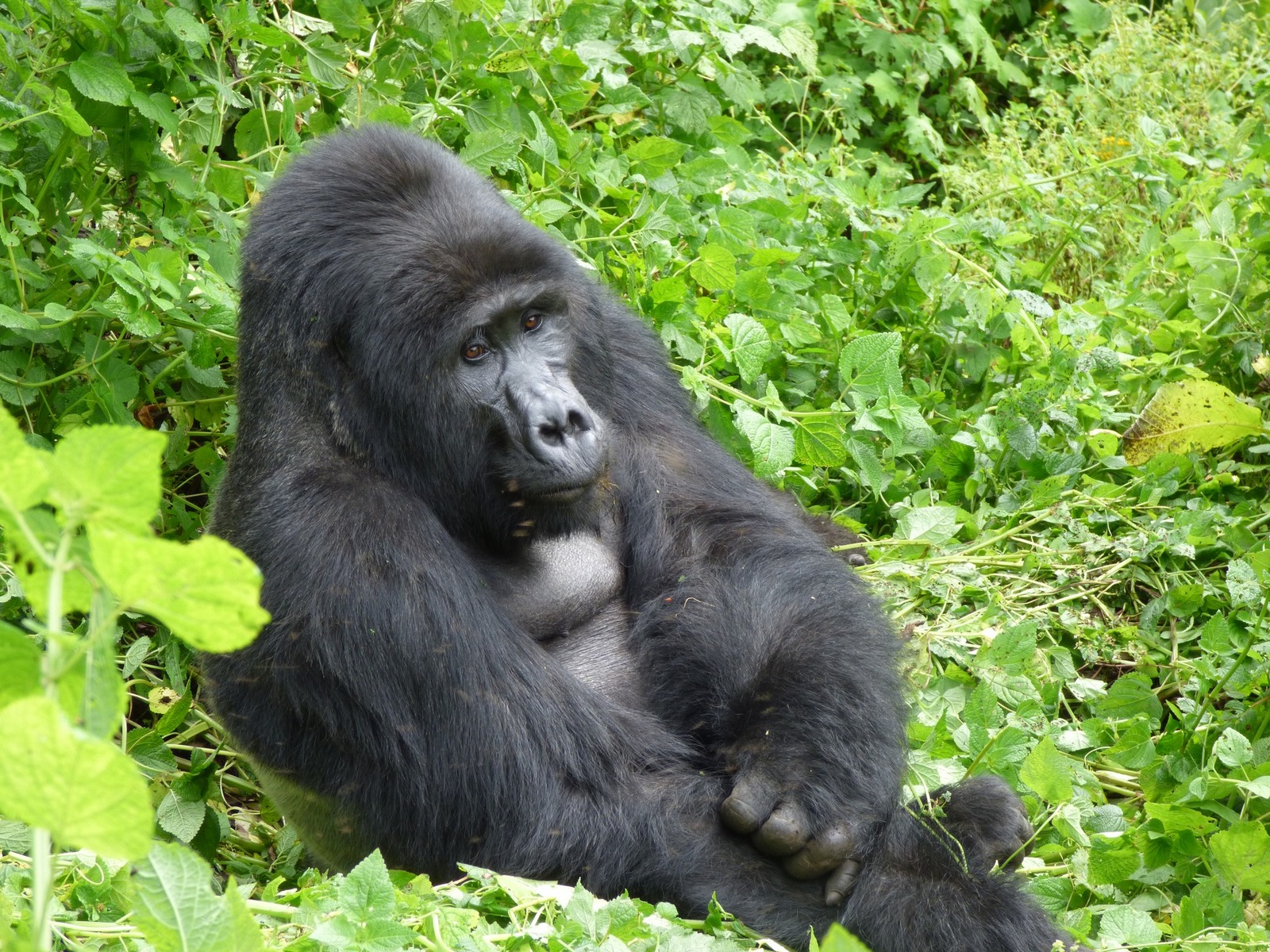
This is the day you have traveled across the world for: Mountain Gorilla Trekking. After a morning briefing on etiquette and safety, you enter the "Impenetrable" forest with an expert team of trackers and rangers. The trek can range from two to six hours, depending on the movement of the gorilla family. When you finally encounter the silverback and his troop, you are allowed one hour of silent observation. Watching the gentle giants eat, play, and interact just meters away is a life-altering experience that defies description. The profound connection felt in the presence of these great apes is the heart of Ugandan tourism. After the trek, you will return to the lodge for a "Gorilla Ceremony" to receive your trekking certificate, spending the evening reflecting on a successful encounter that few people on earth ever experience.
Day 12: Lake Bunyonyi – The Place of Little Birds
Following the physical demands of gorilla trekking, you head to Lake Bunyonyi for a well-deserved period of relaxation. Bunyonyi is the deepest lake in Uganda and is famously dotted with 29 islands of varying sizes. The name translates to "the place of little birds," and the scenery is nothing short of magical. After checking into your lakeside retreat, you can spend the afternoon canoeing in a traditional dugout, visiting the "Punishment Island," or swimming in the bilharzia-free waters. The lake is surrounded by steep terraced hills that reflect in the calm water, creating a tranquil environment perfect for unwinding. It is a day of soft adventure and scenic beauty, allowing you to decompress and process the intense wildlife encounters of the previous days while enjoying the hospitality of the Kigezi region.
Day 13: Cultural Immersion and Transit to Lake Mburo
After a slow morning at Lake Bunyonyi, you begin the drive toward Lake Mburo National Park, Uganda's smallest savanna park. En route, you pass through Mbarara town, the heartland of the Ankole culture. You will notice the distinctive long-horned Ankole cattle grazing in the fields. Lake Mburo is unique because it is the only park in southern Uganda where you can see plains zebras and impalas. Upon arrival, you will go for an evening game drive or a boat trip on the lake to see hippos and the rare African Finfoot. The park's smaller size allows for intimate wildlife viewing, and it is one of the few places where you can take a guided nature walk or a horseback safari. It serves as a perfect "gentle" finale to your safari before the return to the city.
Day 14: Equator Crossing and Departure
On your final day, you enjoy a morning nature walk or a short game drive in Lake Mburo, catching a last glimpse of the elands and zebras. You then begin the final leg of the journey back to Entebbe. A highlight of the return trip is a stop at the Equator Crossing in Kayabwe for some last-minute souvenir shopping and the classic "two hemispheres" photo opportunity. You will continue to Entebbe, arriving in time for a farewell lunch or to prepare for your evening flight. As you are transferred to the airport, the 14-day loop is complete. You leave with a profound understanding of Uganda's diverse landscapes, from the thundering Nile to the silent silverbacks, carrying home memories of a journey that truly earned the title of the "Pearl of Africa."
1. Is 14 days Uganda safari too long for a first-timer?
No, 14 days is widely regarded as the ideal duration for a first-timer. Uganda is a geographically diverse country with distinct ecosystems—ranging from the semi-arid savannas of the north to the alpine rainforests of the south. A shorter trip often forces travelers to choose between primates and the Big Five, but a two-week window allows for a comprehensive narrative. It ensures you have enough time to decompress at each location, allowing the experience to become a restorative vacation rather than a frantic commute. This timeframe also respects the reality of Ugandan roads; by spreading out the transit days, you avoid the "transit fatigue" that can dampen the excitement of a shorter expedition.
2. What is the best way to spend a 14-day Uganda safari tour?
The best way to structure this time is by following the "Western Circuit," which creates a logical loop from Entebbe. The itinerary should start in the north at Murchison Falls for savanna giants, move to Kibale Forest for chimpanzees, and continue to Queen Elizabeth National Park for lions and boat cruises. The climax is typically reserved for the south: Bwindi Impenetrable Forest for gorilla trekking, followed by a wind-down at Lake Bunyonyi. This structure builds in intensity, moving from vehicle-based game viewing to the profound, on-foot emotional connection of primate trekking.
3. Will I see the Big Five on a 14-day Uganda safari tour?
Yes, a 14-day tour is the most reliable way to secure a "Full Big Five" checklist. While Murchison Falls and Queen Elizabeth National Parks are home to lions, leopards, elephants, and buffaloes, rhinos are only found at the Ziwa Rhino Sanctuary. Shorter trips often skip this stop to save time, but a 14-day itinerary always includes a visit to Ziwa for on-foot rhino tracking. Because you have multiple game drives across two different national parks, your probability of seeing the more elusive members—like the leopard—increases significantly compared to a 3 or 5-day trip.
4. Are gorillas included in a 14-day tour?
Absolutely. Mountain gorilla trekking is the undisputed centerpiece of a 14-day comprehensive tour. These itineraries are built around the availability of trekking permits in either Bwindi Impenetrable National Park or Mgahinga Gorilla National Park. A 14-day trip is superior for this activity because it allows you to arrive in the Kigezi highlands a day early, helping you acclimate to the higher altitude and misty climate before the physical demands of the trek. This ensures you are well-rested and fully present for your hour-long encounter with the silverback and his family.
5. Is a 14-day Uganda safari tour better than a shorter one?
For a first-timer, yes. A shorter tour (such as 3 to 7 days) usually limits you to one specific region. You either see the savannas or the gorillas, but rarely both in a way that feels meaningful. A 14-day tour captures the "Pearl of Africa" in its entirety. Furthermore, it significantly reduces the amount of "windscreen time" per day. In a shorter tour, you might spend 8 hours driving to reach a park for a single activity. In a 14-day tour, those long drives are broken up with cultural stops, crater lake hikes, and mid-way rests, making the journey as enjoyable as the destination.
6. What unique activities are in a 14-day Uganda safari tour?
Beyond the standard game drives, a 14-day tour opens the door to specialized adventure and conservation activities. You can engage in white-water rafting on the Nile in Jinja, take a launch cruise to the base of Murchison Falls, and explore the "underground" forest of Kyambura Gorge. It also allows for niche birding opportunities to find the rare Shoebill stork. Because time is on your side, you can also participate in the "Lion Tracking Experience" or a "Chimpanzee Habituation" session, where you spend a full day with researchers rather than just a standard hour with the animals.
7. Is it easy to see tree-climbing lions on 14 days Uganda safari?
Yes, because a 14-day itinerary provides the logistical space to visit the Ishasha Sector of Queen Elizabeth National Park. This remote southern sector is world-famous for its lions that lounge in ancient fig trees. On shorter trips, Ishasha is often bypassed due to its distance from the main tourist hubs. However, the 14-day "Grand Circuit" uses Ishasha as a strategic bridge between the savannas and the gorilla forests. This increases your chances of witnessing this rare feline behavior, which is found in only a few prides globally.
8. How much does a 14-day Uganda safari tour cost?
Costs are typically categorized as mid-range or luxury, reflecting the high value of the permits and logistics involved. For 2026, you can expect prices to range from $4,500 to $7,500 per person, depending on the level of accommodation. This price includes the $800 gorilla permit and $250 chimpanzee permit, which are non-negotiable costs. While the initial price seems high, it is all-inclusive: covering 14 days of transport in a 4x4, professional guiding, all meals, park fees, and high-quality lodging. When broken down per day, it offers significant value for a life-changing, high-security expedition.
9. Are chimpanzees included in a 14-day Uganda safari tour?
Yes, Kibale Forest National Park, the "Primate Capital of the World," is a mandatory stop on a 14-day tour. While gorillas get the most fame, many travelers find the chimpanzee tracking experience to be equally thrilling due to the chimps' high energy and vocalizations. A 14-day itinerary allows you to experience both, providing a fascinating comparison between the quiet, gentle silverbacks and the loud, active, and highly social chimpanzees. It rounds out the primate narrative, making Uganda's nickname as a "Primate Paradise" a lived reality.
10. What is the best time for a 14-day Uganda safari tour?
The Dry Seasons (June to August and December to February) are the gold standard for a two-week trip. During these months, the dirt roads between parks are in the best condition, and the forest trails are less slippery for trekking. Wildlife viewing is also at its peak as animals congregate around permanent water sources like the Nile and the Kazinga Channel. However, if you are looking for better rates on luxury lodges, the "shoulder seasons" (late May or early September) can provide a beautiful, lush landscape with slightly fewer crowds while still being manageable for travel.
11. What kind of accommodation is available?
Uganda has seen a massive investment in "eco-luxury" lodging. On a 14-day tour, you will experience a variety of stays: from luxury canvas tents that let you hear the lions at night to high-end stone lodges overlooking the misty Bwindi canopy. Most mid-range to luxury 14-day packages prioritize lodges that are deeply integrated into the environment, offering private decks, "bush showers," and gourmet meals. These lodges aren't just a place to sleep; they are designed to be an extension of the safari experience itself.
12. Is a 14-day tour safe?
Yes, Uganda is one of the safest safari destinations in Africa. National parks are managed by the Uganda Wildlife Authority (UWA) and are patrolled by dedicated tourist police and rangers. On a 14-day tour, you are accompanied by a professional guide who handles all navigation and security protocols. The "Grand Circuit" stays within well-traveled, safe corridors that have hosted international tourists for decades. Whether you are walking through a forest or driving through a savanna, you are in a highly managed environment designed to protect both the wildlife and the visitors.
13. Will I experience local culture?
One of the greatest benefits of a longer tour is the ability to include community-based tourism. A 14-day trip often features visits to the Batwa pygmy communities near Bwindi or women's coffee cooperatives in the foothills of the Rwenzori Mountains. These interactions provide a vital human context to the wildlife you see. You learn about local medicinal plants, traditional dances, and the complex relationship between the people and the parks. This cultural layering transforms a "safari" into a deep, empathetic understanding of Ugandan life.
14. Is it suitable for elderly people?
Yes, a 14-day itinerary is actually more suitable for seniors than a shorter one because it can be customized for a slower, more comfortable pace. While gorilla trekking can be physically demanding, Bwindi offers a "sedan chair" service (locally known as the "helicopter") where a team of porters carries guests who have mobility challenges. Furthermore, the 14-day tour can be "flight-linked," using domestic bush planes to skip the long road sections, ensuring that the adventure is accessible to those who prefer to avoid bumpy drives.
15. How does it differ from a Kenya/Tanzania safari?
While Kenya and Tanzania are world-famous for their vast, open savannas and the Great Migration, a 14-day Uganda tour offers greater ecological variety. Uganda is the meeting point of the East African savanna and the West African rainforest. In a single two-week trip, you get the classic "Lion King" savanna experience and the dense, primate-rich jungles of the Congo Basin. This "two-in-one" experience—where you can see a lion in the morning and a chimpanzee in the afternoon—is something that the flatter, more uniform landscapes of Kenya and Tanzania cannot match.
Booking 14 days Uganda safari tour with us Roads of Adventure safaris
Book a 14-day Uganda safari with Roads of Adventure Safaris to explore Kidepo Valley, Murchison Falls, Kibale (chimpanzees), and Bwindi (gorillas). This comprehensive trip includes 4x4 transport, permits, and accommodation, offering a tailored experience for wildlife and primate viewing. Packages focus on sustainability and personalized service.
