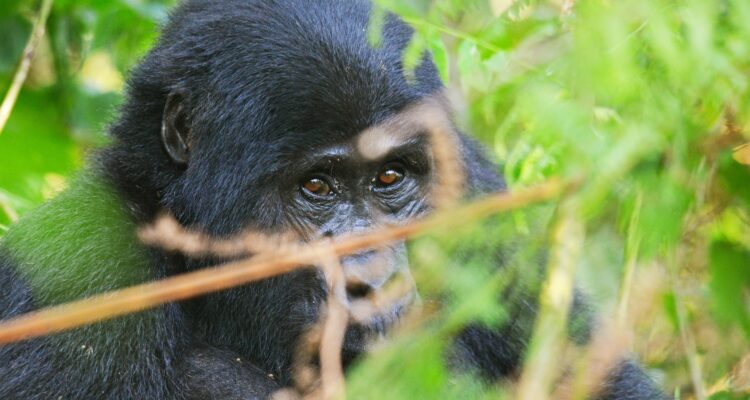
A 12-day Uganda safari combining gorilla trekking, chimpanzees, and wildlife is highly worthwhile, especially during the dry seasons of June–September or December–February. It offers a well-paced, immersive experience to see the Big Five, chimpanzees in Kibale, and gorillas in Bwindi without rushing, providing excellent value for a comprehensive primate and savanna encounter.
12-days-luxury-safari-in-uganda-parks
12-days-perfect-rwanda-uganda-gorilla-trekking-safari-holiday-vacation
12-days-uganda-wildlife-primate-experience-and-lake-mutanda-vacation
12-days-all-inclusive-uganda-wildlife-and-primate-safari
12-days-uganda-birding-tour-looking-for-rift-valley-endemic-birds-west-circuit
12-days-best-uganda-rwanda-primate-safaris-and-akagera-big-five-safaris
12-days-best-uganda-safari-big-five-and-uganda-primate-safari
12-days-uganda-safari-and-tours-combined-with-zanzibar-beach-vacation
Why a 12-Day Trip is Worth It This Season
Optimal Timing (Dry Seasons)
While Uganda is a year-round destination due to its equatorial climate, the "Optimal Timing" windows—June to September and December to February—are considered the gold standard for a reason. During these months, the country experiences its lowest rainfall, which fundamentally alters the safari experience in two ways: accessibility and visibility. In the rainforests of Bwindi and Kibale, the ground becomes firmer. For those tracking mountain gorillas, this means fewer slips on steep muddy slopes and a more manageable trek through the dense undergrowth.
In the savannah parks like Murchison Falls and Queen Elizabeth, the dry season acts as a natural spotlight. As seasonal water holes dry up, wildlife is forced to congregate around permanent water sources like the Victoria Nile and the Kazinga Channel. This predictability allows guides to locate large herds of elephants, buffaloes, and thirsty predators with much higher frequency. Furthermore, the savannah grasses are shorter and less golden-dense, meaning that elusive leopards or lions camouflaged in the brush are far easier to spot. Clearer skies also provide the best light for photography, ensuring those once-in-a-lifetime shots of a silverback or a tree-climbing lion are crisp and vibrant. While the "Green Season" has its lush beauty, the dry months offer the most reliable conditions for those ticking off a bucket list.
Comprehensive Experience
The magic of a 12-day itinerary lies in its ability to showcase Uganda’s geographical and biological diversity without leaving out its most iconic corners. Shorter trips often force travelers to choose between "The Savannah" (North) or "The Primates" (Southwest). A 12-day window eliminates this compromise. You begin with the raw power of the North at Murchison Falls, where the world’s longest river explodes through a tiny cleft in the Rift Valley escarpment. Here, you get the classic "Big Game" experience among Borassus palms and giraffes.
As you transition south, the scenery shifts dramatically into the tropical heart of Kibale National Park, the primate capital of the world. Here, the focus moves from the wide-open plains to the high-canopy forests in search of chimpanzees. From there, you descend into the crater-pocked landscapes of Queen Elizabeth National Park, famous for its volcanic history and the peculiar tree-climbing lions of Ishasha. The journey culminates in the ancient, mist-shrouded Bwindi Impenetrable Forest. By the end of the twelve days, you haven't just "seen animals"; you have traversed an entire spectrum of African ecosystems—from semi-arid savannah and wetlands to mountain rainforests—providing a complete narrative of the continent's natural heritage.
Immersive Pace
One of the most common mistakes travelers make in East Africa is "drive-by" tourism—spending more time in a Land Cruiser than with the wildlife. A 12-day safari corrects this by introducing an "Immersive Pace." In a 3-day or 5-day rush, you are constantly on the move, often arriving at a lodge after dark only to depart at dawn. In contrast, a 12-day trip allows for "double nights" in key locations, giving you the luxury of a slow morning or a sundowner that isn't rushed by the need to reach the next park.
This pace is best exemplified by the inclusion of Lake Bunyonyi. After the physical exertion of gorilla trekking—which can be exhausting—the itinerary pauses. Instead of immediately driving back toward the airport, you spend time at one of the most beautiful lakes in Africa. You can paddle a dugout canoe, visit local island communities, or simply sit on a terrace and process the emotional impact of the primate encounters. This "breathing room" is essential for true relaxation. It allows you to engage with the culture, taste the local food, and enjoy the hospitality of the Ugandan people, ensuring you return home feeling rejuvenated rather than drained by a frantic schedule.
High Value
"Value" on a safari isn't just about the price tag; it’s about the density of experience per mile traveled. A 12-day Uganda safari offers arguably the highest wildlife "ROI" (Return on Investment) in Africa. In most destinations, you are lucky to see the Big Five. In Uganda, you see the Big Five plus the "Great Two" (Gorillas and Chimpanzees). This itinerary frequently includes the Ziwa Rhino Sanctuary for on-foot rhino tracking, ensuring you tick off the full Big Five list—lions, leopards, elephants, buffaloes, and rhinos.
Beyond the giants, the value is extended through niche experiences like Golden Monkey tracking in the bamboo forests of the Virunga Massif. These striking, orange-tinted primates are endemic to this region and offer a completely different photographic aesthetic compared to their larger cousins. When you factor in the boat safaris on the Nile and the Kazinga Channel—which act as "floating game drives"—you realize you are experiencing three or four different types of safaris (savannah, forest, water, and mountain) within a single 12-day window. For the modern traveler, this concentration of rare, high-impact wildlife encounters in a single country represents the pinnacle of African travel value.
12 Days Uganda gorilla trekking, Chimpanzee and wildlife
12 Days Uganda gorilla trekking, Chimpanzee and wildlife is the definitive odyssey through "The Pearl of Africa," offering a seamless blend of high-octane primate encounters and classic savannah game viewing. This comprehensive journey is designed to transition you through the country’s most diverse ecosystems, from the thunderous cascades of the Nile in the north to the mist-shrouded volcanic peaks of the southwest. You will walk in the footsteps of prehistoric giants at the Ziwa Rhino Sanctuary, come face-to-face with our closest relatives in Kibale’s tropical canopy, and witness the awe-inspiring presence of mountain gorillas in the Bwindi Impenetrable Forest. Beyond the wildlife, the itinerary provides ample time for cultural immersion with the Batwa people and serene relaxation on the shores of Lake Bunyonyi. This is a journey of contrasts—where the roar of lions in the Ishasha sector meets the gentle rustle of leaves in the rainforest—guaranteeing a profound connection to the natural world and the vibrant hospitality of the Ugandan people.
Day 1: Arrival and Welcome to Entebbe
Your 12 Days Uganda gorilla trekking, Chimpanzee and wildlife begins at Entebbe International Airport, situated on a lush peninsula of Lake Victoria. Upon arrival, you will be greeted by your professional guide, who will provide a warm introduction to the days ahead. A short transfer takes you to your hotel, where you can shake off the jet lag and soak in the tropical air. Depending on your arrival time, you might explore the Entebbe Botanical Gardens—a haven for birdlife and colobus monkeys—or take a sunset boat cruise on the lake. The evening is dedicated to a welcome dinner and a detailed briefing on the road trip ahead. Entebbe serves as the perfect, tranquil entry point, allowing you to acclimatize to the pace of "African time" before the adventure officially kicks off in the morning.
Day 2: Ziwa Rhino Tracking and Murchison Falls
Leaving the lakeside behind, you head north toward Murchison Falls National Park. The first major stop is the Ziwa Rhino Sanctuary, the only place in Uganda where you can see rhinos in the wild. Accompanied by expert rangers, you will track these magnificent southern white rhinos on foot, getting a visceral sense of their power from a safe distance. After lunch, you continue the drive into Murchison Falls National Park, entering through the southern gates. The day concludes with a visit to the "Top of the Falls." Here, the entire Nile River is squeezed through a narrow 7-meter gorge before plunging 43 meters below. The thunderous roar and the permanent rainbows created by the mist offer a dramatic welcome to Uganda's oldest and largest national park.
Day 3: Game Drives and the Nile Boat Cruise
The morning begins with a dawn game drive on the northern banks of the Nile. This is the prime time to spot predators like lions and leopards as they return from their nocturnal hunts. You will also see massive herds of Rothschild’s giraffes, elephants, and the endemic Uganda kob against a backdrop of rolling savannah. In the afternoon, the safari shifts to the water with a three-hour boat cruise upstream toward the base of the falls. The riverbanks are a theater of wildlife; you’ll pass pods of hippos, massive Nile crocodiles, and thirsty buffaloes. The boat brings you close to the "Devil’s Cauldron," where the river's force is most intense. For the energetic, an optional hike from the boat landing back to the top of the falls provides breathtaking bird’s-eye views of the churning water.
Day 4: Journey to the Primate Capital, Kibale
Today is a scenic "window safari" as you travel from the savannahs of the north to the lush forests of the west. The drive to Kibale National Park takes roughly 6 to 8 hours, winding through vibrant trading centers, local villages, and expansive tea plantations that carpet the hills in brilliant green. Along the way, the fabled "Mountains of the Moon"—the Rwenzori Range—emerge on the horizon. Your guide will provide insights into the local cultures and the agricultural backbone of the region. Upon reaching the town of Fort Portal, you are just a short distance from the edge of the rainforest. You’ll arrive at your lodge in the late afternoon, greeted by the cacophony of birds and primates, marking your official entry into the world’s primate capital.
Day 5: Chimpanzee Tracking and Bigodi Wetland
Kibale Forest is home to 13 primate species, and today you go in search of its most famous resident: the chimpanzee. After a briefing from park rangers, you enter the dense canopy. The forest floor is a tangle of roots, but the vocal "pant-hoots" of the chimps usually lead the way. Once located, you spend an hour observing their complex social interactions, from grooming and playing to swinging through the high branches. It is a high-energy, immersive experience that feels like stepping into a documentary. In the afternoon, you visit the Bigodi Wetland Sanctuary for a guided walk. This community-run project is a birdwatcher's paradise and offers chances to see eight more primate species, including the Red Colobus and Gray-cheeked Mangabey, while supporting local development.
Day 6: Crater Lakes and Queen Elizabeth National Park
After breakfast, you depart for Queen Elizabeth National Park, a journey of about 3 hours that takes you through the stunning "Explosion Crater" region. These deep, emerald-green lakes are surrounded by steep forested rims and offer some of the most spectacular landscape photography in Uganda. Upon entering the park, you will enjoy a short game drive en route to your lodge. Queen Elizabeth is framed by the Rwenzori Mountains to the north and Lake Edward to the west. The afternoon is dedicated to a boat cruise on the Kazinga Channel, a natural waterway connecting two lakes. The channel banks host one of the world's highest concentrations of hippos, along with elephants and buffaloes that come to the water’s edge to cool off as the sun begins to set.
Day 7: Lion Tracking and Savannah Exploration
The day begins in the Kasenyi Plains, the park’s primary mating ground for Uganda kob and, consequently, the best place to find lions. You may participate in a lion-tracking research session, using radio telemetry to locate prides for conservation monitoring—a rare chance to get closer to the predators than a standard game drive allows. The plains are also home to giant forest hogs, warthogs, and a variety of raptors. After lunch, the afternoon can be spent on a traditional game drive or exploring the salt-mining history at Lake Katwe. The day is designed to showcase the park’s diverse habitats, from open savannah to swampy wetlands and volcanic craters, providing a comprehensive look at how these varied ecosystems support such a massive array of bird and mammal life.
Day 8: Ishasha’s Tree-Climbing Lions
Leaving the northern sector of the park, you drive south toward the remote Ishasha sector. This area is world-renowned for its "tree-climbing lions," a behavior seen in very few places across Africa. These lions spend the heat of the day draped over the massive branches of ancient fig trees to escape insects and catch a breeze. Finding a 400-pound cat lounging ten meters above the ground is a highlight for any photographer. The landscape here is distinct—characterized by open woodland and a sense of wild isolation. You will spend the day searching the trees and the riverbanks, where you might also spot topis and herds of buffalo. The night is spent at a lodge within or near the sector, allowing you to soak in the raw, untamed atmosphere of southern Queen Elizabeth.
Day 9: Into the Bwindi Impenetrable Forest
The journey continues toward the southwestern corner of Uganda, ascending into the Kigezi Highlands. Often called the "Switzerland of Africa," this region is defined by steep, terraced hills and cool mountain air. The road winds higher until you reach the edge of Bwindi Impenetrable National Park, a UNESCO World Heritage site and home to roughly half the world's mountain gorillas. The transition from savannah to ancient, mist-laden rainforest is profound. After checking into your lodge—perched on a ridge with views over the canopy—the rest of the day is for preparation. You may take a walk to a nearby village or simply relax, listening to the sounds of the forest. The evening is filled with anticipation for the life-changing encounter with the silverbacks scheduled for the following morning.
Day 10: Gorilla Trekking – The Ultimate Encounter
This is the pinnacle of your safari. After an early briefing on trekking etiquette, you are assigned to a gorilla family and set off into the forest. The trek can be physically demanding, lasting between two and six hours as you navigate steep slopes and thick vegetation. However, the moment you find the gorillas, all fatigue vanishes. You are allowed exactly one hour to sit quietly in their presence. Watching a silverback protect his family while infants tumble through the vines is a deeply emotional, almost spiritual experience. There are no fences or barriers—just you and the giants of the forest. You return to the trailhead to receive your "Gorilla Graduation" certificate, carrying memories of an encounter that few people on earth will ever have the privilege to experience.
Day 11: Relaxation at Lake Bunyonyi
Following the intensity of the gorilla trek, the itinerary takes a slower pace at Lake Bunyonyi. Known as the "Lake of a Thousand Islands," Bunyonyi is one of the deepest and most beautiful lakes in Africa. Its calm, bilharzia-free waters are safe for swimming and surrounded by hills terraced to the very top. You will spend the day decompressing—perhaps exploring the lake by traditional dugout canoe, visiting "Punishment Island," or birdwatching from the shore. The lake’s name translates to "Place of Little Birds," and the tranquility here is the perfect antidote to the rugged adventures of the previous week. It is a time for reflection, allowing you to sort through your photos and memories before the final leg of the journey begins tomorrow.
Day 12: The Equator and Departure
On your final day, you begin the drive back toward Entebbe. The journey offers one last iconic stop: the Equator crossing in Kayabwe. Here, you can stand with one foot in each hemisphere, participate in the "Coriolis effect" water demonstration, and pick up some last-minute handcrafted souvenirs. After a farewell lunch, you continue to Entebbe. Depending on your flight schedule, you may have time for a final cup of Ugandan coffee overlooking Lake Victoria. As you are transferred to the airport, the 12-day loop is complete. You leave not just with a full camera roll, but with a deep appreciation for the complex beauty of the Ugandan landscape, the resilience of its wildlife, and the undeniable warmth of its people.
Determining the logistics and expectations for a 12-day safari in Uganda is essential for ensuring a successful trip. Here is a detailed breakdown based on the most frequent inquiries for the 2026 season.
1. Is a 12-day Uganda safari worth the time and money?
A 12-day safari is widely regarded as the "sweet spot" for East African travel because it moves beyond a simple vacation into a transformative life experience. While the financial investment is significant—largely due to conservation permits—the value returned is a comprehensive "primate and predator" circuit that few other places on Earth can replicate. In under two weeks, you traverse landscapes ranging from the semi-arid savannahs of the north to the ancient, high-altitude rainforests of the southwest.
This duration allows you to see the "Big Five" alongside the "Great Two" (gorillas and chimpanzees). By visiting multiple parks like Murchison Falls, Kibale, Queen Elizabeth, and Bwindi, you aren't just checking animals off a list; you are witnessing the complex interplay of diverse ecosystems. The "life-altering" aspect often comes from the intimate nature of the encounters—standing meters away from a 400-pound silverback or watching a lion lounge in a fig tree. When you consider that your permit fees directly fund the protection of endangered species and the livelihoods of surrounding communities, the "cost" becomes an investment in global conservation.
2. When is the best time to do this safari in 2026?
Timing is everything when navigating the equatorial tropics. For 2026, the peak windows remain the dry seasons: June to August and December to February. During these months, the forest trails in Bwindi and Kibale are significantly drier and less slippery, making the physical demand of trekking more manageable. Additionally, the savannah grass in parks like Queen Elizabeth is shorter, which improves visibility for spotting predators like leopards and lions. Wildlife also tends to congregate around permanent water sources, making boat safaris exceptionally productive.
However, the "Wet Season" (March–May and October–November) should not be overlooked by everyone. While trekking is more difficult due to mud, this is the best time for birdwatchers, as migratory species are present and the landscape is a vibrant, photogenic green. Furthermore, because this is the low season, many luxury lodges offer discounted rates, and the popular trekking sectors are far less crowded, providing a more "private" feel to your wildlife encounters.
3. What is the "Primate Double" in a 12-day trip?
The "Primate Double" refers to the iconic combination of tracking Chimpanzees and Mountain Gorillas in a single journey. This is a core pillar of the 12-day itinerary because of the stark, fascinating contrast between the two experiences. Chimpanzee tracking, usually done in Kibale National Park, is a high-energy, fast-paced adventure. Chimps are vocal and highly mobile; you’ll often follow their "pant-hoot" calls through the canopy, watching them swing with incredible agility or interact in complex social hierarchies on the forest floor.
In contrast, mountain gorilla tracking in Bwindi is a more somber, awe-inspiring encounter. Gorillas are ground-dwelling and move with a quiet, powerful dignity. The encounter is hushed and stationary once the family is found. While chimps share roughly 98.7% of our DNA and exhibit chaotic, human-like behavior, gorillas offer a mirror into a more peaceful, communal way of life. Experiencing both within the same week provides a profound education on evolutionary biology and the sheer diversity of the primate kingdom.
4. How hard is the gorilla trekking?
Gorilla trekking is classified as a moderate-to-challenging activity, primarily because of the terrain rather than the distance. Bwindi is a "mountain" rainforest; you will be hiking at altitudes between 1,160m and 2,607m. The "Impenetrable" forest lives up to its name, requiring you to navigate steep ridges, tangled vines, and slippery slopes. A trek can last anywhere from 2 to 7 hours depending on where the gorillas nested the previous night.
However, the Uganda Wildlife Authority (UWA) is excellent at managing various fitness levels. During the morning briefing, trekkers are assigned to gorilla families based on their physical ability. Fitter, younger hikers are often given families that have moved deeper into the forest, while elderly travelers or those with lower fitness levels are assigned families known to stay closer to the park headquarters. Regardless of the difficulty, the adrenaline of the search and the eventual sight of the gorillas usually makes the physical exertion feel secondary.
5. Can I see gorillas if I have limited mobility?
One of the most heartwarming aspects of Ugandan tourism is its inclusivity. If you have limited mobility, are elderly, or have a physical disability, you can still participate via the "sedan chair" service. Often jokingly referred to as the "helicopter" or "Ebhekyera" by local porters, this involves a specially designed chair with handles that is carried by a team of eight to twelve professional porters.
These porters are incredibly skilled at navigating the uneven terrain of Bwindi, ensuring the passenger remains level and safe throughout the journey. This service has allowed people in their 90s and those with permanent mobility issues to reach the gorillas. It is an additional cost (usually around $300–$500 to pay the team of porters), but it ensures that this life-changing experience is not restricted only to the physically elite. It also creates significant employment for the local community.
6. Do I need to hire a porter for trekking?
While the park rangers lead the way, hiring a personal porter is highly recommended for every trekker. For a fee of $15–$20 (plus a tip), a porter will carry your backpack, which usually contains your lunch, several liters of water, and heavy camera gear. More importantly, they provide a steady hand on slippery descents and a "push" on steep climbs. Many travelers find that having a porter allows them to focus on the scenery and the experience rather than struggling with their footing.
Beyond the personal benefit, hiring a porter is a vital act of responsible tourism. Most porters are residents of the villages bordering the park, and many are former poachers who have turned to conservation-based employment. By hiring them, you provide a direct financial incentive for the local community to protect the gorillas and the forest. The bond formed between a trekker and their porter over the course of a 5-hour hike is often one of the most cherished memories of the trip.
7. What is the difference between gorilla trekking and habituation?
In Uganda, you have two distinct ways to see the gorillas. Standard Trekking ($800) is the most common. It involves finding a family that is already fully "habituated"—meaning they are comfortable with human presence. Once you find them, you are allowed exactly one hour to observe and photograph them. This is usually sufficient for most tourists to get incredible photos and feel the "magic" of the encounter.
Gorilla Habituation ($1,500) is a more niche, in-depth experience available in the Rushaga sector of Bwindi. This allows you to spend four hours with a family that is still in the process of becoming accustomed to humans. You are accompanied by researchers and trackers, and the experience is less about "observation" and more about "study." The gorillas may be more shy or active, and you get to learn about the specific techniques used to win their trust. For photographers or wildlife enthusiasts who want a longer, more raw encounter, habituation is the preferred choice.
8. Will I definitely see the gorillas?
The success rate for spotting mountain gorillas in Uganda is over 95%. This high probability is due to the sophisticated tracking system used by the UWA. Every morning, long before you even finish your breakfast, a team of "advance trackers" enters the forest. They go to the exact location where the gorilla family spent the previous night (their "nests") and follow the trail of broken vegetation and dung from there.
The advance trackers stay with the gorillas and communicate their GPS coordinates via radio to your lead ranger. This means that when you start your hike, the rangers already know exactly where the gorillas are; your trek is simply the journey to reach that moving target. While they are wild animals and can occasionally move into inaccessible areas or "ghost" the trackers in extreme weather, a "no-show" is incredibly rare. If it does happen, the park authorities usually offer a second trek the following day if permits allow.
9. What other wildlife will I see besides primates?
While primates are the headline, the "Savannah" portions of a 12-day safari provide a classic Big Game experience. In Murchison Falls, you will see massive herds of Rothschild’s giraffes, elephants, and Cape buffaloes. The Nile River here is thick with pods of hippos and some of the largest Nile crocodiles in Africa. Queen Elizabeth National Park is famous for its tree-climbing lions in the Ishasha sector and the abundant Uganda kob.
You will also have the chance to see leopards, though they remain the most elusive of the predators. Beyond the mammals, Uganda is a world-class birding destination with over 1,000 species. During boat cruises on the Kazinga Channel, you will see African Fish Eagles, Kingfishers, and Pelicans in staggering numbers. If your itinerary includes Lake Mburo, you will also see zebras and the massive Eland antelope, which are not found in the other western parks.
10. How far apart are the national parks?
Uganda is roughly the size of the United Kingdom, but its terrain and road conditions mean that travel takes time. The parks are spread across the western "Albertine Rift" corridor. A 12-day itinerary is designed to minimize exhaustion by breaking up the transit. For example, the drive from Murchison Falls to Kibale is about 7–8 hours, which is the longest leg of the trip. However, subsequent moves—like Kibale to Queen Elizabeth (3 hours) or Queen Elizabeth to Bwindi (4–5 hours)—are much shorter.
A 12-day trip is "perfect" because it avoids the "constant transit" trap. It allows for "double nights" at most lodges, meaning you can unpack your bags and truly relax. You get to see the landscape change from the flat palm-savannahs of the north to the rolling tea plantations of the west and finally the steep, terraced volcanic mountains of the south. This "slow travel" approach ensures you aren't just seeing the parks, but the beautiful country in between them.
11. Is it safe to be around gorillas?
Yes, it is remarkably safe, provided you adhere to the UWA safety protocols. The gorillas you visit have undergone a multi-year habituation process, meaning they view humans as a neutral part of their environment—neither a threat nor a source of food. They generally ignore tourists and continue their daily routine of eating, grooming, and napping.
The lead ranger will instruct you to maintain a 10-meter distance and to keep your voice low. If a silverback makes a "bluff charge" (a rare show of dominance), the rule is simple: stay still, look down, and follow the ranger's lead. You are never allowed to touch them, and you must not visit if you are sick, as gorillas are highly susceptible to human respiratory diseases. The presence of armed rangers is primarily to protect against other wild animals (like forest elephants) or illegal poachers, not to protect you from the gorillas.
12. Do I need to take malaria medication?
Uganda is a high-risk malaria zone, and taking precautions is a non-negotiable part of safari preparation. You should consult a travel clinic or your doctor at least a month before departure to discuss prophylactics. Common options include Atovaquone/Proguanil (Malarone), Doxycycline, or Lariam. Each has different side effects and schedules, so professional medical advice is essential.
In addition to medication, "environmental" protection is your best defense. Mosquitoes that carry malaria are most active at dawn and dusk. You should wear long sleeves and trousers during these times and apply a high-DEET insect repellent to exposed skin. Most safari lodges provide mosquito nets over the beds and "togo" (insect spray) in the rooms. By combining medication with these physical barriers, the risk of contracting the disease is significantly minimized.
13. How far in advance should I book?
For a 12-day safari in 2026, the "Golden Rule" is to book 6 to 12 months in advance. The primary bottleneck is the availability of gorilla permits. To ensure the animals are not overstressed, the UWA limits permits to only eight people per gorilla family per day. During the peak dry seasons (June–August), these permits sell out almost a year in advance.
Booking early also ensures you get your first choice of accommodation. Many of the best mid-range and luxury eco-lodges have fewer than 10 rooms, and they fill up quickly with tour groups. If you wait until the last minute, you may find yourself staying in a lodge far from the park gates, necessitating even earlier wake-up calls. Secure your permits first, and the rest of the itinerary will fall into place.
14. What are the best places for photos on a 12-day trip?
Uganda is a photographer's paradise, but three spots stand out. Murchison Falls offers the most "raw power" shots—the view from the "Top of the Falls" as the Nile surges through the gap is iconic. The boat cruise here also provides great angles for hippos and crocodiles against the white foam of the river. Queen Elizabeth’s Kazinga Channel is perhaps the best place in Africa for "water-level" wildlife photography; elephants and buffaloes often drink just meters from the boat.
Finally, Bwindi offers the most evocative "atmospheric" shots. The "Mist in the Mountains" at sunrise is breathtaking. For the gorillas themselves, a lens with a wide aperture (like an f/2.8) is helpful because the forest canopy can be quite dark. A mid-range zoom (70-200mm) is usually better than a massive prime lens, as you are often quite close to the primates and need the flexibility to frame them as they move through the foliage.
15. What should I pack for the 12-day safari?
Packing for Uganda is about functionality over fashion. Your most important item is sturdy, waterproof hiking boots with good ankle support—sneakers will not suffice in the slippery Bwindi forest. You need long-sleeved shirts and trousers in neutral colors (tan, khaki, green) to protect against stinging nettles and insects. Avoid bright blue and black, as these colors attract tsetse flies in certain areas.
A pair of gardening gloves is a "pro-tip" for gorilla trekking; they allow you to grab onto thorny vines or branches for balance without hurting your hands. You also need a high-quality, lightweight rain jacket, a wide-brimmed hat, and a daypack with a waterproof cover. For your camera, bring extra batteries and memory cards, as the humidity and the sheer number of photos you'll take can drain your resources quickly. Finally, pack a "tuck-in" strategy: tucking your trousers into your socks is the best way to prevent safari ants from crawling up your legs during forest walks.
Booking 12 Days Uganda safari with us Roads of Adventure safaris
Book a 12-day all-inclusive Uganda wildlife and primate safari with Roads of Adventure Safaris to explore Bwindi Impenetrable National Park, Kibale Forest, and Queen Elizabeth National Park. The itinerary features gorilla/chimpanzee trekking, game drives, and boat safaris, catering to luxury and mid-range travelers
