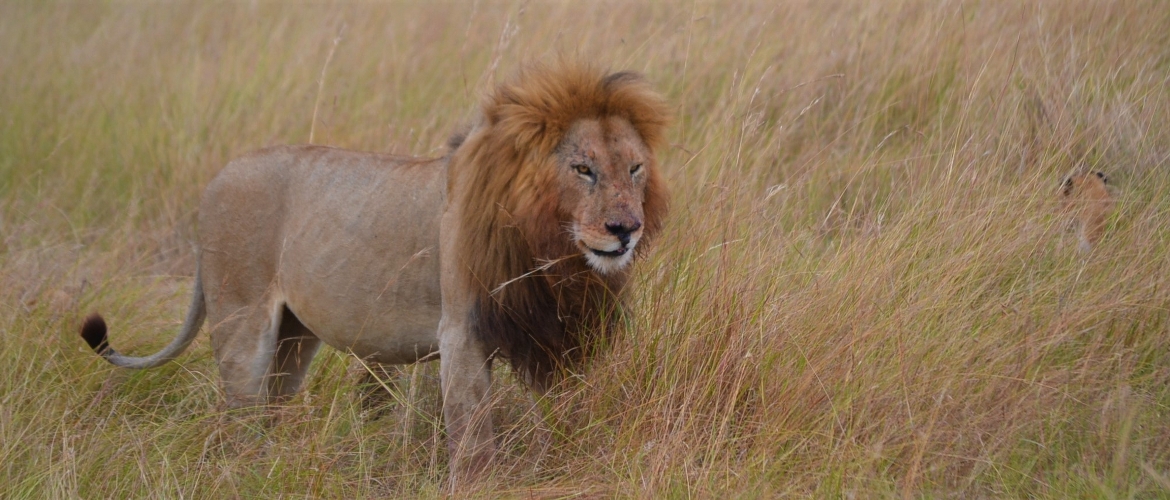
A 10-day Tanzania safari is absolutely worth it, widely considered the ideal duration to explore premier parks like the Serengeti, Ngorongoro Crater, and Tarangire without feeling rushed. This timeframe allows for deep immersion into the stunning landscapes and wildlife, offering a much more relaxed experience than shorter trips
10-days-perfect-tanzania-safari-itinerary
10-days-luxury-kenya-tanzania-safari-holiday-high-end-tour-package
10-days-tanzania-wildlife-safari-and-optional-visit-to-masai-tribe-or-hadzabe
10-days-luxury-gorilla-trekking-masai-mara-serengeti-and-ngorongoro-crater
14-days-best-tanzania-honeymoon-safari-and-zanzibar-for-couples
3-days-fly-in-and-out-tanzania-wildlife-safari-itinerary-to-nyerere-from-zanzibar
3-days-serengeti-safari-fly-in-ngorongoro-big-five-safari-from-zanzibar-island
10-days-best-tanzania-safari-tour-and-zanzibar-beach-holiday-itinerary
8-days-best-tanzania-wildlife-safari-to-zanzibar-beach-holiday-combined
7-day-best-zanzibar-beach-holidays-combo-to-ruaha-and-mikumi-safari-parks
Comprehensive Coverage
A well‑planned 10‑day Northern Circuit itinerary gives you genuine, restful coverage of the Serengeti, Ngorongoro Crater, Tarangire, and Lake Manyara—parks that together deliver a rounded East African safari experience. In the Serengeti you gain time to follow animal movements and increase your chances of seeing major events: predator hunts, large herds of wildebeest and zebra, and, depending on timing, migration crossings. Two- or three-night stays remove the “one drive and leave” feeling and allow morning and late‑afternoon game drives when animal activity is highest, plus midday breaks to avoid the heat. Ngorongoro’s caldera, a compact wildlife haven, rewards unhurried exploration: with time you can visit multiple caldera zones and track shy species that may be missed on a brief stop. Tarangire and Lake Manyara offer different habitats—Tarangire’s ancient baobabs and elephant concentrations contrast with Lake Manyara’s tree‑climbing lions and lush groundwater forest—so a 10‑day circuit ensures habitat variety rather than repetition. The extra days also permit contingency for weather‑ or logistics‑related delays, reducing stress and increasing the odds of high‑quality photographic encounters. Crucially, the extended timeframe supports conservation‑minded travel: guides can schedule less intrusive viewing, and travelers can include park education sessions or ranger visits that deepen understanding. In short, 10 days is long enough to move beyond snapshot sightings into a richer sequence of encounters that build with familiarity—knowing where to look, seeing animal routines, and leaving with a nuanced sense of ecosystem dynamics rather than a checklist of species seen in passing.
Optimal Pace
A 10‑day safari achieves a balance between immersive wildlife time and comfortable travel—eliminating the frenetic pace of back‑to‑back morning drives and long, tiring transfers that a shorter trip often demands. With two nights in key locations, mornings can be dedicated to prime‑time game drives when predators and grazers are most active, while afternoons can be used for rest, lodge activities, or brief cultural visits without the pressure of immediate departure. This rhythm respects both wildlife behavior and human needs: safari drives take place during cooler, more active hours for animals, and midday downtime prevents fatigue and improves enjoyment of early and late sessions. By reducing daily transit stress—fewer long drives crammed into a short span—travellers are less likely to miss sightings because of travel delays or exhaustion. The measured pace also enhances photography; relaxed schedules let photographers return to scenes at different light angles, capture animal behavior over time, and work with guides to position vehicles discreetly. For families and older travellers, the gentler tempo makes longer looks possible and increases overall accessibility. Additionally, the optimal pace allows space for meaningful extras: visits to Maasai communities, an afternoon with a wildlife ranger, a conservation talk at a park center, or a leisurely sundowner. Those experiences add cultural and ecological context, transforming the trip from wildlife ticking to a deeper, multi‑layered journey. Ultimately, a 10‑day pace respects both the ecosystems you visit and the people experiencing them, producing richer memories and more sustainable tourism impacts.
Diverse Experiences
Ten days on Tanzania’s Northern Circuit lets you layer different kinds of experiences—intense game drives, scenic crater visits, cultural exchanges, and unique activities like hot‑air ballooning—into one cohesive trip. The Serengeti offers classic, wide‑open savanna drives and, seasonally, parts of the Great Migration; Ngorongoro blends dramatic geology with concentrated wildlife viewing inside a volcanic caldera; Tarangire showcases dense elephant populations among baobabs; Lake Manyara’s floodplain and forest create opportunities to spot species that favor closed habitats, including tree‑climbing lions and abundant birdlife. Adding cultural visits—such as a Maasai village walk or a market visit—gives social context to the landscapes and supports local communities directly. Unique activities that require extra time, like a sunrise hot‑air balloon over the Serengeti, add a once‑in‑a‑lifetime perspective: from above you see herd patterns, rivers and kopjes in ways ground vehicles cannot replicate, and the balloon experience itself is unhurried and ceremonious. Wildlife‑focused extras—guided bush walks where permitted, nocturnal drives in parks that allow them, or ranger‑led conservation talks—are more feasible within a 10‑day window. The additional days also enable seasonal flexibility: you can include a longer stay in whichever park promises the most activity during your travel dates (for example longer in the Serengeti during migration peaks). This diversity avoids monotony and creates a layered travel narrative where each day brings a different mood and ecological lesson—rivers and floodplains, crater interiors, open plains and cultural encounters—so that your memories are varied, surprising and complete.
Best Time to Go
Timing is central to maximizing a 10‑day safari. The classic dry season (June to October) is widely recommended because reduced vegetation improves visibility and water concentrates wildlife around remaining sources, boosting sighting rates. Those months also typically provide clearer skies and more predictable road conditions—important for comfortable transfers between parks and for aerial activities like hot‑air ballooning, which prefer calm weather. However, the “best” time depends on priorities: if you aim to witness the Great Migration’s river crossings, consult migration tracking for the year you travel—this event often peaks around June to August in northern Serengeti sectors but can vary. The short rains (November–December) and long rains (March–May) bring vibrant landscapes, breeding seasons for many species, and plentiful birdlife—excellent for birdwatchers and photographers who favor lush scenes and newborn animals, though the rainier roads may slow travel. Shoulder seasons (May–June and October–November) can be excellent compromises—less crowded than the high season but with reasonable animal visibility and good weather windows. A 10‑day itinerary gives you scheduling flexibility to place core park days during the predicted best windows (for migration, caldera activity, or local wildlife concentrations), and to adapt in‑country if local rangers advise alternate routes or timings. Importantly, weather patterns and animal movements shift year to year; using a reputable operator or local guides who track recent trends ensures your 10 days are spent where wildlife is most active. In short, plan for the dry season if you want consistently high sighting odds, but use the full 10‑day span to tailor park priorities to seasonal highlights you most want to experience.
Costs & Value
Safaris are costly, but a 10‑day Northern Circuit often represents strong value because it concentrates high‑impact wildlife viewing within a manageable time and budget. Costs vary widely by travel style: budget options (basic lodges and public or budget‑class transport) can dramatically reduce daily rates but still include park fees and guide charges; mid‑range packages balance comfort and cost, with better lodges, private transfers and expert guides; luxury safaris—private vehicles, high‑end lodges or tented camps, balloon safaris and concierge services—significantly increase per‑person expenses. Crucial cost drivers include park entrance fees (notably Ngorongoro and Serengeti), vehicle and guide rates, lodging quality, and optional extras like balloon rides that can be several hundred dollars per person. Many travellers find the expense justified because protected‑area fees directly fund conservation and community projects, and experienced guides maximize sighting chances and safety. To manage costs while preserving experience quality: travel in shoulder seasons, choose a mix of mid‑range and a few splurge nights, or join small group departures rather than fully private trips. Look for operators that transparently allocate fees to conservation and local communities—this increases the trip’s ethical return on investment. Also factor non‑negotiables: international flights, travel insurance, gratuities and visa or vaccination costs. When calculated per day, a well‑run 10‑day safari often offers more concentrated wildlife exposure and fewer wasted transit days compared with longer, cheaper trips, meaning you “buy” more quality time with animals per dollar. In summary, while the sticker price can be high, the combination of frequent game encounters, expert guiding, and conservation impact makes a 10‑day Northern Circuit a cost‑effective option for travellers seeking an unforgettable, efficient safari experience.
Is 10 Days Africa safari in Tanzania too long?
A 10 Days Africa safari in Tanzania is rarely too long for travelers seeking a complete, relaxed wildlife experience. Ten days permits visits to three to four national parks—typically Tarangire, Lake Manyara, Ngorongoro Crater and the Serengeti—allowing multiple nights in each destination so you can time morning and late‑afternoon game drives to coincide with peak animal activity. This pace reduces travel fatigue and gives flexibility for contingencies such as weather or road delays that might otherwise erode crucial wildlife days. Importantly, a 10 Days Africa safari in Tanzania enables more meaningful encounters: instead of a single hurried drive, you can watch animal behavior unfold across hours—lion hunting strategies, elephant family interactions, or migration herd movements—leading to deeper photographic and interpretive opportunities. Families and older travelers especially benefit from the moderate tempo, as it balances activity and rest. The extra days also allow for conservation‑focused experiences—ranger talks, community visits, or educational sessions—that enrich understanding beyond species lists. For photographers, the schedule supports revisiting scenes at different light angles and waiting out brief absences of animals. The only time ten days might feel long is if you try to cram additional major objectives—like a Kilimanjaro climb or extensive visits to widely separated southern parks—into the same trip. But for a focused Northern Circuit itinerary that prioritizes quality over quantity, a 10 Days Africa safari in Tanzania is the ideal sweet spot: immersive, manageable and conducive to memorable wildlife encounters.
What is the best time for a 10 Days Africa safari in Tanzania?
Selecting the best window for a 10 Days Africa safari in Tanzania depends on priorities, but broadly the dry season, June through October, is the most dependable for excellent game viewing. During this period vegetation thins and water sources contract, concentrating wildlife around rivers and pans and making animals easier to find. Road conditions are generally better, transfers more predictable, and activities such as hot‑air balloon safaris are more reliably scheduled. If your primary aim on a 10 Days Africa safari in Tanzania is to witness the Great Migration’s dramatic river crossings, target dates around June to August and work with migration‑aware operators who can route your Serengeti days to the crossing hotspots. For calving season and predator action among newborns, January–February in the southern Serengeti is outstanding. Shoulder seasons (May–June and October–November) offer fewer crowds and moderate conditions, while the long rains (March–May) produce lush landscapes, abundant birdlife and newborn ungulates—excellent for birders and landscape photographers but possibly slowing travel due to muddy tracks. A 10 Days Africa safari in Tanzania has enough flexibility to concentrate park nights where seasonal peaks occur; use the itinerary to prioritize Serengeti days during migration windows or extend time in Tarangire during drought years when elephants congregate densely. Always consult recent migration maps and local guides when booking; year‑to‑year variation matters. In summary, the dry season maximizes overall sighting odds for a 10 Days Africa safari in Tanzania, but the “best” time should be chosen according to whether you prize migration spectacle, calving drama, birding, or green‑season ambiance.
Will I see the Big Five on a 10 Days Africa safari in Tanzania?
While wildlife sightings can never be guaranteed, a carefully planned 10 Days Africa safari in Tanzania that includes Tarangire, Ngorongoro Crater and the Serengeti offers excellent odds of encountering the Big Five—lion, leopard, elephant, buffalo and rhinoceros. Ngorongoro Crater is particularly important: its compact caldera concentrates species into a relatively small area, increasing chances of seeing buffalo and both black and white rhino where protected populations exist. Tarangire is famous for large elephant aggregations and provides consistent opportunities for observing large herbivores. The Serengeti’s vast plains and predator dynamics favor lion and elephant sightings and, when timed with migration periods, offer spectacular herd encounters. Leopard sightings are inherently less predictable because leopards are solitary, cryptic and often nocturnal; however, skilled guides with recent sighting knowledge can target known leopard territories and increase the likelihood of an encounter. A 10 Days Africa safari in Tanzania should allocate multiple nights in leopard‑friendly zones and schedule early‑morning and late‑afternoon drives when leopards are more active. Rhino sightings are most reliable in areas with sustained protection (Ngorongoro and some reserves), so including those in your 10 Days Africa safari in Tanzania is prudent. Working with experienced local guides who read animal behavior, use ranger networks, and adapt daily plans based on real‑time intelligence will significantly boost your chances. In short, a well‑structured 10 Days Africa safari in Tanzania yields a strong statistical likelihood of ticking off all Big Five species for most travelers.
Is a 10 Days Africa safari in Tanzania worth the high cost?
Many travelers regard a 10 Days Africa safari in Tanzania as worth the expense because it concentrates high‑impact wildlife experiences into a manageable timeframe and directly supports conservation. The costs reflect essential components: park entrance fees (notably in Serengeti and Ngorongoro), professional guides and drivers, 4x4 vehicle operations, fuel, and accommodation standards—especially if you choose luxury lodges or tented camps. Crucially, park fees and responsible operator models often fund anti‑poaching units, community projects and ranger salaries, so a portion of your expenditure contributes to long‑term conservation. A 10 Days Africa safari in Tanzania maximizes “value per day” by reducing wasted transit time and increasing high‑quality observation days—more morning and evening drives, opportunities for balloon safaris, and the ability to linger at compelling sightings. Those richer encounters, professional interpretation, and conservation contributions make the trip feel worth the cost for many travelers. To manage budgets while maintaining quality, consider mixing mid‑range accommodations with one or two splurge nights, traveling in shoulder seasons, or joining small group departures rather than private vehicle hire. Research operators for transparency about how fees are used and for ethical practices regarding wildlife viewing and community engagement. Ultimately, while sticker prices can be high, the concentrated wildlife access, expert guidance, and conservation impact of a 10 Days Africa safari in Tanzania often justify the investment as a deeply memorable and responsible travel choice.
What is the best 10 Days Africa safari in Tanzania itinerary?
A highly effective 10 Days Africa safari in Tanzania route commonly starts in Arusha and follows a classic Northern Circuit: Tarangire, Lake Manyara, Ngorongoro Crater, and the Serengeti—allocating three to four nights in the Serengeti to capture migration or core predator activity. Begin with an arrival day and a transfer to Tarangire for a late afternoon game drive among baobabs and elephants. Continue to Lake Manyara for forest and floodplain diversity (and the possibility of tree‑climbing lions), then descend into Ngorongoro Crater for a full day of concentrated wildlife viewing inside the caldera, where rhino viewing is more probable. From Ngorongoro, move to the Serengeti and spend several days across the sector that best matches migration timing—central, western or northern—allowing you to follow herds and predators with daily flexibility. Optional activities include a sunrise hot‑air balloon and champagne breakfast in the Serengeti or guided walking safaris where permitted. To reduce road time, employ domestic flights between Arusha and the Serengeti or between Serengeti airstrips. Finish with an optional beach extension to Zanzibar if you want relaxation after intense wildlife days. The best 10 Days Africa safari in Tanzania aligns park nights with seasonal animal movements and uses flexible routing and local expertise to maximize sighting opportunities and minimize transit stress.
Is 10 Days Africa safari in Tanzania sufficient to see the Great Migration?
Yes—a 10 Days Africa safari in Tanzania can be sufficient to witness significant and dramatic elements of the Great Migration, provided you time and route your Serengeti days to where the herds are moving during that specific year. The Great Migration is driven by rainfall patterns and shifts across sectors of the Serengeti‑Mara ecosystem; as a result, herd locations vary annually. A successful migration‑focused 10 Days Africa safari in Tanzania concentrates at least three to five full days in the Serengeti and preserves flexibility to move between sectors—southern, central, western or northern—based on up‑to‑date migration maps and ranger reports. Using domestic flights between Serengeti airstrips can dramatically reduce transit time and place you near river crossings or dense herds quickly. Travel during migration peak months (often June–August for northern crossings, January–March for calving in the south) increases the probability of seeing large herds and river crossings. Partnering with operators who track migration in real time and who can adapt day‑to‑day routes will substantially improve success rates. While no itinerary can guarantee a specific crossing on a fixed date, a well‑planned 10 Days Africa safari in Tanzania offers a high likelihood of encountering significant migration scenes—especially if you prioritize flexibility, use expert guides, and align travel dates with known seasonal movement windows.
Can I add a beach holiday to a 10 Days Africa safari in Tanzania?
Absolutely—adding a beach holiday to a 10 Days Africa safari in Tanzania is a popular and practical option. Many travelers combine a 6–7 day Northern Circuit safari with a 3–4 day stay in Zanzibar or another coastal destination, creating a balanced itinerary that pairs intense wildlife experiences with restorative beach time. Stone Town on Zanzibar offers rich cultural immersion—markets, historical sites and spice tours—while the island’s northern and eastern beaches (Nungwi, Kendwa, Matemwe) provide excellent snorkeling, diving and pure relaxation. Logistics are straightforward: domestic flights connect Kilimanjaro or Arusha (via a hub) to Zanzibar, and operators can arrange transfers to minimize downtime. Be mindful of domestic flight schedules and baggage limits on small aircraft; soft bags and light packing are often required. A beach extension can also be cost‑effective: beach hotels are frequently less expensive per night than luxury safari lodges, allowing you to reallocate budget toward higher‑end camps during your wildlife days. For honeymooners, photographers, or travelers seeking downtime after early mornings and drives, the beach segment rounds out the 10 Days Africa safari in Tanzania perfectly—sensory contrast, relaxation, and opportunities for coral reef exploration before departing home.
Is 10 Days Africa safari in Tanzania too tiring with all the driving?
Driving distances can be substantial on a 10 Days Africa safari in Tanzania, but careful itinerary design mitigates fatigue and makes the trip thoroughly enjoyable. Operators typically structure routes to avoid consecutive long transfer days—allocating at least two nights per lodge so that game drives are short, focused loops and longer drives fall on travel days with scenic stops en route. If you prefer less overland time, domestic flights between Arusha and Serengeti airstrips cut hours of driving and maximize park hours; they cost more but save energy and increase wildlife viewing opportunities. Vehicle quality matters: comfortable 4x4s with good suspension, reclining seats, shade and cooler storage reduce discomfort during bumpy tracks. Experienced drivers choose routes to smooth out travel and use radio networks to find sightings, ensuring drives are broken up into rewarding observational stops rather than monotonous transit. For families or older travelers, private vehicles provide flexibility for frequent breaks, naps and tailored pacing. In short, while a 10 Days Africa safari in Tanzania involves travel, it need not be exhausting—smart routing, optional domestic flights, and quality vehicles make the pace immersive rather than an endurance test.
Are 10 Days Africa safari in Tanzania good for a first‑time visitor?
Yes—a 10 Days Africa safari in Tanzania is an excellent choice for first‑time visitors because it provides a comprehensive introduction to the Northern Circuit without being overwhelming. Ten days allow you to experience distinct habitats—Tarangire’s baobab‑dotted plains, Lake Manyara’s forested floodplains, Ngorongoro’s caldera, and the vast Serengeti—so you gain a layered understanding of East African ecosystems and animal behavior. Multiple nights in each park give beginners repeated opportunities to spot key species and learn tracking cues, while guides explain ecological dynamics, identification, and ethical viewing practices that enrich the trip beyond mere list‑checking. The moderate tempo of a 10 Days Africa safari in Tanzania offers rest between drives and buffer time for flight delays or weather changes, making logistics more forgiving for new travelers. Additionally, the itinerary can include cultural visits—Maasai village encounters, market stops, or museum visits—that broaden perspective and context. For photographers, a 10 Days Africa safari in Tanzania provides varied lighting conditions and several chances to revisit scenes; for families, the schedule can be adjusted for age‑appropriate pacing. Overall, this duration balances depth and accessibility, producing memorable first impressions and a solid foundation for future African travel.
What type of accommodation can I expect on a 10 Days Africa safari in Tanzania?
On a 10 Days Africa safari in Tanzania you can expect a mix of accommodation styles tailored to location, comfort level and budget: mid‑range lodges, luxury permanent lodges, and elevated tented camps are the most common. Mid‑range lodges often have en‑suite rooms, communal dining areas and reliable service, offering good value and family‑friendliness. Luxury lodges provide larger rooms or suites, gourmet meals, spa services, and highly personalized service—often perched with dramatic views, such as on the Ngorongoro rim or overlooking Serengeti plains. Tented camps, especially in the Serengeti, combine authenticity with comfort: spacious canvas tents on raised platforms, comfortable beds, en‑suite facilities and direct views into wildlife areas. Some conservation‑focused or community‑run eco‑lodges provide authentic cultural engagement and direct community benefits. Practical notes for a 10 Days Africa safari in Tanzania: check what’s included (meals, park fees, transfers), confirm child age policies (some camps limit children under certain ages), and note Wi‑Fi and power availability—remote camps might have limited connectivity. For reduced driving, choose lodges with nearby airstrips. Many operators blend accommodation types across the 10 Days Africa safari in Tanzania to balance cost and experiential highlights—one or two luxury nights amid comfortable mid‑range stays is a common approach.
Do I need a private guide for a 10 Days Africa safari in Tanzania?
Having a private guide is highly recommended for a 10 Days Africa safari in Tanzania because it substantially enhances wildlife sightings, safety and personalization. Private guides tailor each day to your interests—focusing on photography, specific species, or particular habitats—and can adapt routes in real time based on tracker and ranger reports. They read animal behavior, know the best vantage points, and often have relationships with park ranger networks that provide immediate intelligence on recent sightings, increasing the likelihood of finding elusive species like leopards or cheetahs. Private vehicles allow flexibility: linger at prime sightings, adjust the schedule for better light, or change plans mid‑day without coordinating with other guests. For families, a private guide offers child‑sensitive pacing and stops. However, private guiding is costlier; if budget is a constraint, small group departures with experienced guides still deliver high quality. Also evaluate guide credentials and language skills—local, experienced guides add ecological context and conservation interpretation, enriching the 10 Days Africa safari in Tanzania beyond mere viewing. In short, while not mandatory, a private guide is a valuable investment that turns a good safari into an excellent one.
Is 10 Days Africa safari in Tanzania enough time to visit Serengeti and Kilimanjaro?
Generally no—a single 10 Days Africa safari in Tanzania is not sufficient to combine a meaningful Serengeti safari and a full Kilimanjaro climb. Kilimanjaro ascents require dedicated time for proper acclimatization—most routes take five to nine days—so attempting both activities in ten days would either compromise safety on the mountain or shorten safari time to an unsatisfying level. For a safe and enjoyable experience, plan at least 15–18 days if you want to climb Kilimanjaro and complete a substantive Northern Circuit safari: five to nine days for the mountain and six to eight days for the parks and transfers. Alternatively, prioritize one experience now and schedule the other on a future trip to ensure full enjoyment and safety. If you must squeeze both into ten days (not recommended), choose faster but more strenuous climb routes and a very condensed safari—but be aware this reduces chances of summit success and diminishes wildlife immersion. The better approach is to allow proper time for each: a 10 Days Africa safari in Tanzania is ideal for wildlife, while Kilimanjaro deserves its own dedicated itinerary.
Can I bring kids on a 10 Days Africa safari in Tanzania?
Yes—families frequently take a 10 Days Africa safari in Tanzania, but success depends on careful planning to ensure comfort and engagement for children. Choose family‑friendly lodges with child amenities and confirm age restrictions—some camps set minimum ages for game drives or certain activities. Opt for private vehicles to control pace, stop for frequent breaks, and accommodate naps. Structure the itinerary with fewer long transfer days and include varied activities: shorter game drives, guided nature walks, cultural village visits, or lodge‑led educational programs to keep younger travelers interested. Bring entertainment, snacks, layered clothing and health essentials (medications, sun protection, malaria prophylaxis if recommended). Communicate with your operator about child‑oriented options—many offer family tents, interconnecting rooms, and tailored game drives. For teenagers, a 10 Days Africa safari in Tanzania often feels thrilling and immersive; for very young children, consider a shorter safari or include more downtime. With thoughtful lodging choices, private guiding and age‑appropriate pacing, a 10 Days Africa safari in Tanzania can be a transformative family adventure that introduces children to wildlife and conservation.
What are the essential items to pack for a 10 Days Africa safari in Tanzania?
Packing smartly for a 10 Days Africa safari in Tanzania makes the trip more comfortable and efficient. Key clothing: neutral, lightweight layers—long‑sleeved shirts and trousers for sun and insect protection, a warm fleece for cool mornings and evenings, and a waterproof shell for rain. Neutral colors (khaki, olive, brown) are recommended to avoid startling wildlife. Footwear: sturdy walking shoes or hiking boots plus sandals for lodge use. Sun protection is essential—wide‑brim hat, high‑SPF sunscreen and sunglasses. Optics and electronics: binoculars (8x42 recommended), a camera with spare batteries and memory cards, and a small cleaning kit; consider a power bank for remote camps. Health and safety: personal medications, insect repellent with DEET, basic first‑aid items, and vaccination certificates (Yellow Fever may be required). Travel docs: passport, visas, travel insurance details (including medevac cover), e‑tickets and printed confirmations. Practical extras: a reusable water bottle, headlamp/flashlight, travel adaptor, and soft duffel bags for light‑aircraft transfers (rigid suitcases are often restricted). If extending to the beach, add swimwear and reef‑safe sunscreen. Finally, pack lightly to meet small‑aircraft baggage limits and bring patience and curiosity—intangibles that enhance every 10 Days Africa safari in Tanzania.
Is 10 Days Africa safari in Tanzania enough to explore remote parks like Ruaha?
Yes—a 10 Days Africa safari in Tanzania can provide a meaningful visit to remote parks such as Ruaha or Nyerere, but planning and prioritization are key. These southern parks are vast and less visited, offering dramatic landscapes, large predators and a wilderness feel, yet they require additional travel time to reach. To experience Ruaha properly within ten days, focus the itinerary on the southern region and allocate multiple nights there (three to five nights recommended) to absorb the park’s scale and wildlife rhythms. Using domestic flights from Dar es Salaam or Kilimanjaro shortens transit and preserves more on‑ground time. Attempting to combine Ruaha with the Northern Circuit within a single 10 Days Africa safari in Tanzania usually entails multiple internal flights and reduced time in each park, which diminishes depth. If a remote southern experience is your priority, tailor a 10 Days Africa safari in Tanzania to fewer regions and accept less variety but deeper immersion; conversely, if you prefer the classic Northern Circuit, reserve Ruaha for a dedicated trip. Work with operators experienced in southern logistics to optimize flight schedules, lodge placements, and park access so your ten days yield meaningful wildlife encounters in remote Tanzanian wilderness.
Is 10 Days Africa safari in Tanzania too long? (alternate perspective)
Viewed differently, a 10 Days Africa safari in Tanzania is the practical minimum for travelers who want to know the country’s major ecosystems well without rushing. Rather than being too long, ten days enables immersive experiences, multiple park nights and optional specialized activities—balloon safaris, guided walks, or conservation project visits—that shorter trips can’t accommodate. This duration also offers contingency buffers for weather and travel delays, reducing stress and improving sighting odds. For those who prefer slow travel or want to add beach time or cultural immersion, ten days is perfectly balanced; longer trips remain appealing for deeper exploration of remote parks or combined mountain climbs, but for a focused wildlife holiday the 10 Days Africa safari in Tanzania strikes an excellent compromise between intensity and leisure. If you prefer a more relaxed holiday with additional regions, extend your trip; if you want concentrated wildlife exposure in a manageable window, ten days is ideal.
How should I plan internal travel for a 10 Days Africa safari in Tanzania?
Efficient internal travel planning optimizes wildlife time on a 10 Days Africa safari in Tanzania by balancing overland drives with domestic flights. Overland transfers are scenic and cost‑effective but can eat into game‑viewing hours; schedule longer drives on travel days and stay multiple nights at each lodge to minimize daily transit. Domestic flights—Arusha or Kilimanjaro to Serengeti airstrips and back—save hours and let you spend more time in the parks, though they come with luggage limits and higher costs. Coordinate flight times with your operator to avoid tight connections and allow buffers for international arrival delays. For migration viewing, use local guides who can route you to the Serengeti sector where herds are currently concentrated, and consider flying to specific airstrips to reach northern or western blocks quickly. Choose lodges with nearby airstrips to reduce road transfers and remember weight restrictions for small aircraft—soft duffels are often required. Good communication with your operator and flexible routing based on in‑country conditions will make your 10 Days Africa safari in Tanzania efficient and wildlife‑rich.
Should I travel with travel insurance for a 10 Days Africa safari in Tanzania?
Yes—comprehensive travel insurance is essential for any 10 Days Africa safari in Tanzania. Safaris involve remote locations, potential health risks, and possible disruptions such as domestic flight cancellations or weather‑related itinerary changes. Your insurance should include emergency medical coverage, medical evacuation (medevac), trip cancellation and interruption, lost or delayed baggage, and coverage for activity‑specific risks (balloon safaris, guided walking safaris). Medevac coverage is especially important because serious medical issues in remote areas may require urgent evacuation to major hospitals. Verify that the policy covers pre‑existing medical conditions if applicable, and ensure it includes COVID‑related contingencies if relevant. Keep digital and printed copies of policy numbers, emergency contacts and your operator’s details accessible. Purchasing insurance as soon as you make significant trip payments protects you against pre‑departure cancellations. Some travelers also supplement standard insurance with evacuation membership services offered by medevac providers for extra peace of mind. In short, travel insurance is a relatively small cost that provides vital protection and reassurance for a 10 Days Africa safari in Tanzania.
Booking 10 Days Africa safari in Tanzania with us Roads of Adventure safaris
Book a 10-day Tanzania safari with Roads of Adventure Safaris to explore the Serengeti, Ngorongoro Crater, and Tarangire in tailored luxury or mid-range comfort. Enjoy expert-guided game drives, witness the Great Migration, and visit Maasai villages. This immersive, sustainable itinerary promises unforgettable wildlife encounters and cultural experiences.
