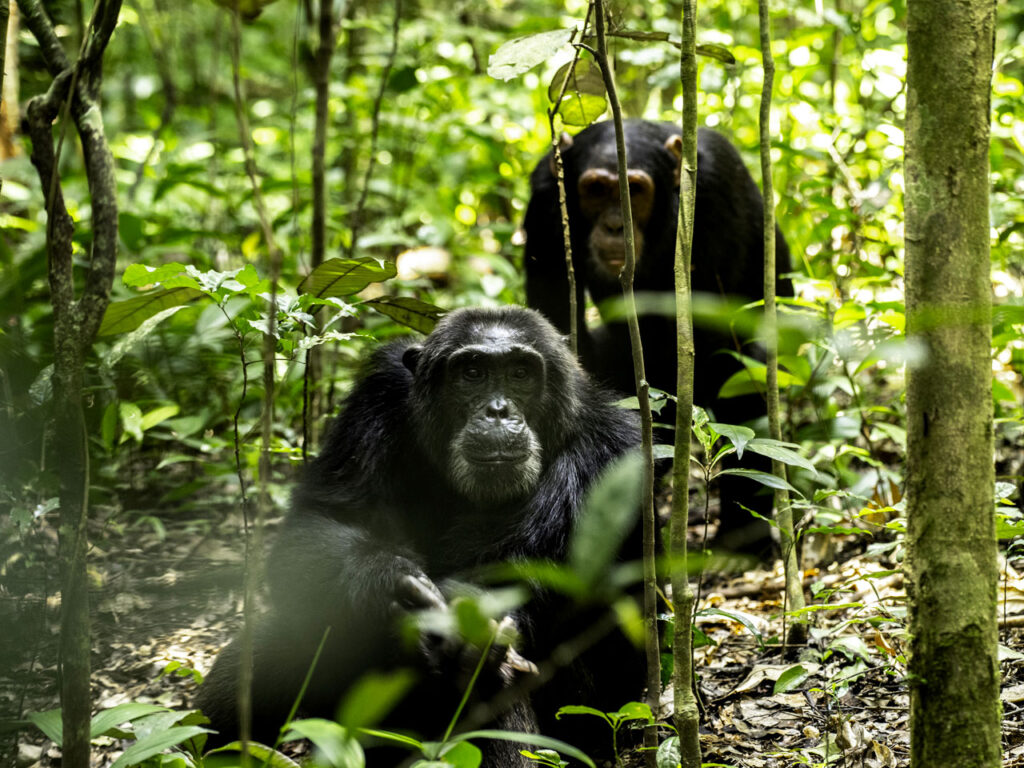
A 3-day budget trip to Kibale National Park for chimpanzee tracking involves securing a ($200) permit (non-residents), booking budget eco-lodges near Bigodi or Fort Portal, and taking group tours to share transport costs. Travel via public transport to Fort Portal, then hire local boda-bodas, or hire a budget 4x4 from Kampala.
3-days-chimpanzee-tracking-to-kibale-forest-national-park
3-days-chimpanzee-habituation-in-kibale-forest-park
3-days-chimpanzee-tracking-in-kibale-forest-park-from-kigali
3 Days Budget Chimpanzee tracking in Kibale Forest Park
3-Day Budget Chimpanzee Tracking: Kibale Forest
Exploring the "Primate Capital of the World" on a budget is an exhilarating way to connect with Uganda’s rich biodiversity without the luxury price tag. Kibale Forest National Park is home to over 1,500 chimpanzees, offering the highest encounter success rate in East Africa. A budget-conscious 3-day trip focuses on smart logistics: utilizing public transport from Kampala, staying in community-run eco-camps, and securing permits directly. While the $250 permit is the largest fixed cost, travelers can save significantly by choosing shared local transport and exploring the surrounding crater lakes and Bigodi Wetlands on foot. This 3 days itinerary balances the high-adrenaline excitement of chimpanzee tracking with authentic cultural immersion in the Fort Portal region. By prioritizing local experiences and sustainable lodges, you not only reduce your expenses but also contribute directly to the conservation efforts and communities that protect these incredible primates and their lush, ancient rainforest habitat.
Day 1: Journey to the Primate Capital
Your adventure begins with an early morning departure from Kampala’s bustling taxi park or bus terminal. Boarding a public bus to Fort Portal is the most cost-effective method, costing roughly UGX 30,000 to 40,000. The 5-hour journey winds through lush tea plantations and vibrant trading centers. Upon reaching Fort Portal, grab a quick local meal—perhaps a "Rolex"—before taking a shared taxi or "boda-boda" to your budget lodge near the park, such as Kibale Forest Camp or Lake Nkuruba. In the afternoon, enjoy a self-guided walk around the stunning Nkuruba Crater Lake, where you can spot Black-and-white Colobus monkeys for free. The evening is spent deep in the forest atmosphere, briefing for the next day's trek over a communal dinner. The sounds of the jungle provide a natural soundtrack as you settle into your budget-friendly tent or cottage.
Day 2: The Chimpanzee Encounter & Bigodi Walk
After an early breakfast, head to the Kanyanchu Visitor Center for a 7:30 AM briefing. Guided by expert Uganda Wildlife Authority (UWA) rangers, you will head into the dense canopy. The thrill of hearing distant hoots and screams builds until you find a habituated community. You are granted one hour to observe their strikingly human-like behaviors—grooming, swinging, and social squabbles. Following a packed lunch, head to the Bigodi Wetland Sanctuary. This community-run project costs significantly less than park activities and is a birder’s paradise, famous for the Great Blue Turaco. A 3-hour guided walk here often yields sightings of five to seven other primate species, including Red Colobus and Grey-cheeked Mangabeys. Supporting Bigodi ensures your budget spend directly funds local schools and women’s groups, rounding off a day of incredible wildlife and meaningful impact.
Day 3: Crater Lakes and Return to Kampala
On your final morning, take advantage of the spectacular landscape before heading back. A short hike to the "Top of the World" viewpoint offers a panoramic vista of multiple crater lakes set against the backdrop of the Rwenzori Mountains. It is a breathtaking, low-cost photo opportunity that captures the essence of Western Uganda. Afterward, travel back to Fort Portal town to catch a mid-morning bus to Kampala. This return leg allows you to reflect on the encounter with our closest relatives while watching the Ugandan countryside roll by. You will arrive back in the capital by late afternoon, having successfully navigated one of Africa’s premier wildlife experiences on a shoestring. The total cost, excluding the permit, can be kept under $150 by sticking to local transport, budget dorms or tents, and prioritizing community-led tours over high-end private alternatives.
What is the cheapest way to get from Kampala to Kibale?
The most cost-effective way to travel is by using the Link Bus service, which operates frequently from the Qualicel Bus Terminal in Kampala to Fort Portal. As of 2026, a one-way ticket typically costs between UGX 30,000 and UGX 45,000 ($8–$12). The journey takes approximately 5 hours and offers a front-row seat to the changing Ugandan landscape. Once you arrive in Fort Portal, the most affordable way to reach the park or your lodge is via a shared taxi (matatu) heading toward Kamwenge, which costs about UGX 5,000–10,000. Alternatively, a boda-boda (motorcycle taxi) is faster and can take you directly to your lodge for roughly UGX 15,000–25,000, though it’s wise to negotiate the price beforehand. This public route is significantly cheaper than hiring a private safari vehicle, which can easily cost $150 per day plus fuel.
How much does a chimpanzee trekking permit cost?
For 2026, the Uganda Wildlife Authority (UWA) has set the chimpanzee trekking permit for Foreign Non-Residents at $250. Foreign Residents with a valid work permit or residency ID pay $200, while East African Citizens (Uganda, Kenya, Tanzania, Rwanda, Burundi, South Sudan, and DR Congo) pay UGX 180,000. These fees are a significant portion of your budget, but they include the services of an armed ranger guide and the park entrance fee for that specific day. It is crucial to note that permits often sell out months in advance, especially for the peak months of June–August and December–February. Buying your permit directly from the UWA headquarters in Kampala or through their online portal avoids the additional commissions or "service fees" often added by tour operators.
When is the best time to visit for a budget trip?
While the dry seasons offer the best trekking conditions, the "Low Seasons" (March–May and October–November) are the goldmine for budget travelers. During these months, many lodges offer discounted rates to attract guests, sometimes slashing prices by 20–40%. Furthermore, UWA has occasionally introduced seasonal discounts on permits during these periods in the past, so checking their official 2026 tariff releases for any "off-peak" incentives is highly recommended. While the rain can make the forest trails slippery and muddy, the chimpanzees are often found at lower elevations or closer to the main trails during the wet season because fruit is more abundant. This can actually lead to shorter, less physically demanding treks, provided you have a good rain jacket and waterproof boots.
Are there affordable accommodation options near the park?
Absolutely. Avoiding the high-end luxury lodges that charge $400+ per night is the key to a budget trip. Little Monkey Camp and Kanyanchu River Camp offer basic but clean facilities right near the park headquarters. If you are comfortable with camping, bringing your own gear can bring your nightly cost down to about $10–$15 for a pitch. For those preferring a bed, Crater Valley Kibale Lakeside Resort or community-owned guesthouses near the Bigodi area offer rooms for $30–$50 per night. Staying in Fort Portal town is even cheaper, with numerous guest houses available for under $20, though you will have to factor in the daily transport cost of reaching the park by 7:30 AM for the morning briefing.
Is it cheaper to do a self-drive or hire a guide?
If you are an experienced driver, renting a small Toyota RAV4 from a local rental agency in Kampala can cost around $45–$55 per day (excluding fuel). This is generally cheaper than a fully guided safari tour. However, keep in mind that for the actual chimpanzee trek inside the forest, you are legally required to have a UWA ranger guide, which is already included in your permit fee. You do not need to hire an independent private guide for the whole 3 days if your primary goal is the chimps. A self-drive gives you the flexibility to visit the Crater Lakes or Amabere Caves at your own pace without paying daily "waiting fees" to a driver, but you must be comfortable navigating Ugandan traffic and occasionally rough dirt roads.
What should I pack to avoid unnecessary expenses?
Proper preparation prevents "emergency" purchases at high tourist prices. Essential items include a high-quality rain jacket, as Kibale is a rainforest and downpours happen year-round. Sturdy, waterproof hiking boots are a must; renting boots on-site—if even available—is often expensive and uncomfortable. Pack long-sleeved shirts and trousers to protect against stinging nettles and insects, and bring your own DEET-based insect repellent. Buying these items in a "safari shop" in a tourist hub like Entebbe or Fort Portal will cost double what they do at home or in a local Kampala supermarket. Also, bring a reusable water bottle and a portable power bank, as budget lodges sometimes have limited hours for electricity or charging stations.
Do I need a private guide for the whole 3 days?
No, and skipping the private guide is one of the easiest ways to save. For the chimpanzee trekking itself, your permit pays for the UWA rangers who are the real experts at tracking the primates. For the rest of your itinerary, you can easily navigate. For example, at the Bigodi Wetland Sanctuary, you pay a local community guide a fixed fee (around $25) at the office upon arrival. Most crater lake hikes can be done with a local boy hired from the nearby village for a small tip (approx. UGX 20,000), or even self-guided if you use an app like Maps.me. By managing your own logistics, you save on the $30–$50 daily fee a private guide would charge.
How can I save on food during the trip?
Food costs at luxury lodges are notoriously high, often reaching $30 for a single lunch. To save, shop at the Mpanga Market or a supermarket in Fort Portal before heading to the forest. Stock up on energy-dense snacks like nuts, dried fruit, and local "dindis" (sweet bananas). For main meals, eat at local "bush clinics" (small eateries) where a plate of Matooke (steamed green bananas), beans, and rice costs about UGX 5,000–10,000 ($1.50–$3). Many budget lodges also have "community kitchens" where you can cook your own food if you bring supplies. Always buy bottled water in bulk (5-liter jugs) in town rather than buying small bottles at the lodge to save money and reduce plastic waste.
How can I reduce the cost of my 3-day itinerary?
Focus on the "Big One"—the chimp trek—and fill the rest of your time with low-cost activities. A walk through the Bigodi Community is a great way to see 7–8 other species of monkeys and rare birds for a fraction of the park fee. Exploring the Crater Lakes (like Lake Nyinabulitwa or Lake Nkuruba) often costs nothing more than the transport to get there. Avoid "cultural performances" organized by lodges, which are often expensive; instead, visit a local market or take a walk through a vanilla or coffee plantation, which offers a more authentic and affordable cultural connection. Combining your transport moves (e.g., stopping at the Amabere Caves on your way back to the bus station) also saves on backtracking costs.
Is the Chimpanzee Habituation Experience worth the extra money?
The Chimpanzee Habituation Experience (CHEX) costs $300, which is $50 more than the standard trek. While this sounds like a lot for a budget traveler, the value lies in the time spent. A standard trek gives you 1 hour with the chimps once they are located. The Habituation Experience allows you to spend 4 hours with them. If you are a photography enthusiast or a die-hard primate fan, the extra $50 is a steal compared to the $1,500 habituation fees for gorillas. However, if your budget is razor-thin, the standard 1-hour trek is usually more than enough to see the chimps' social interactions, grooming, and play, leaving you with $50 to cover nearly all your food and transport for the 3 days.
Are trackers/porters expensive?
Hiring a porter is not mandatory but is a great way to support the local community directly. A porter will carry your backpack, help you navigate steep or slippery sections of the trail, and allow you to focus entirely on the wildlife. The standard rate is about $10–$15 (UGX 40,000–60,000) plus a small tip. While this is an added cost, it can be a lifesaver if the forest is particularly wet or if you are carrying heavy camera gear. If you are fit and traveling light, you can easily skip this expense. Note that the trackers (the people who go out early to find the chimps) are UWA staff and their service is included in your permit fee.
Are there any hidden costs I should know about?
The most common "hidden" cost is the daily park entrance fee. While the chimpanzee permit usually includes the park fee for the day of the trek, if you decide to go back into the park on Day 3 for a bird walk or a different nature trail, you will have to pay an additional $40 per person per day. Another often-overlooked cost is tips. It is customary (though not mandatory) to tip your UWA ranger guide and any community guides at Bigodi. A tip of $5–$10 per group is standard. Also, be aware of the "boda-boda surcharge"—if you arrive at a lodge late at night or during a rainstorm, drivers will often double their price. Always agree on the fare before the engine starts.
Can I combine chimpanzee trekking with other activities?
Yes, and doing so can actually save you money on transport. Most travelers do the chimp trek in the morning and the Bigodi Wetland Sanctuary in the afternoon. Since they are only about 5km apart, you can often hitch a ride with other travelers or take a very cheap boda-boda between the two. You can also visit the Amabere Ga Nyina Mwiru Caves and the nearby Hike to the Clouds (crater lake viewpoints) on your way in or out of Fort Portal town. By grouping these activities together, you minimize the "per-trip" transport costs and get the most value out of your 3-day stay in the region.
Is it cheaper to pay in USD or Shillings?
For large expenses like the Chimpanzee Permit, UWA and many lodges quote prices in US Dollars. Paying in USD is often cleaner, provided your bills are post-2013, clean, and un-torn (banks in Uganda are very picky). However, for everything else—buses, boda-bodas, local meals, and market shopping—Ugandan Shillings (UGX) are essential. Using USD for small transactions often leads to a "tourist exchange rate" that works against you. Use an ATM in Fort Portal town (like Stanbic or ABSA) to withdraw Shillings; they offer the best mid-market rates. Always keep a stash of small-denomination Shilling notes (1,000, 2,000, and 5,000) for tips and transport.
What is the age limit for trekking, and does it affect costs?
The minimum age for chimpanzee trekking in Kibale is 12 years old (previously 15, but recently updated for certain habituated groups). There is no "child discount" for the permit itself; if a child meets the age requirement to trek, they must pay the full $250 permit fee. However, children under 12 can often enter the park for a lower entrance fee ($20) for general nature walks that don't involve tracking. For a budget family trip, this is a crucial distinction. If your children are under the age limit, you might need to factor in the cost of a "sitter" or childcare at the lodge while the adults are in the forest, which usually costs about $10–$20 for the morning.
Booking 3 Days Budget Chimpanzee tracking, with us Roads of Adventure safaris
Book a 3-Day Budget Chimpanzee Tracking safari with Roads of Adventure Safaris for a 2026 trip targeting Kibale Forest National Park or Kyambura Gorge. Packages typically cost $450–$750 per person, including 4x4 transport, basic lodging, and guide fees, with chimpanzee permits roughly $100–$250
