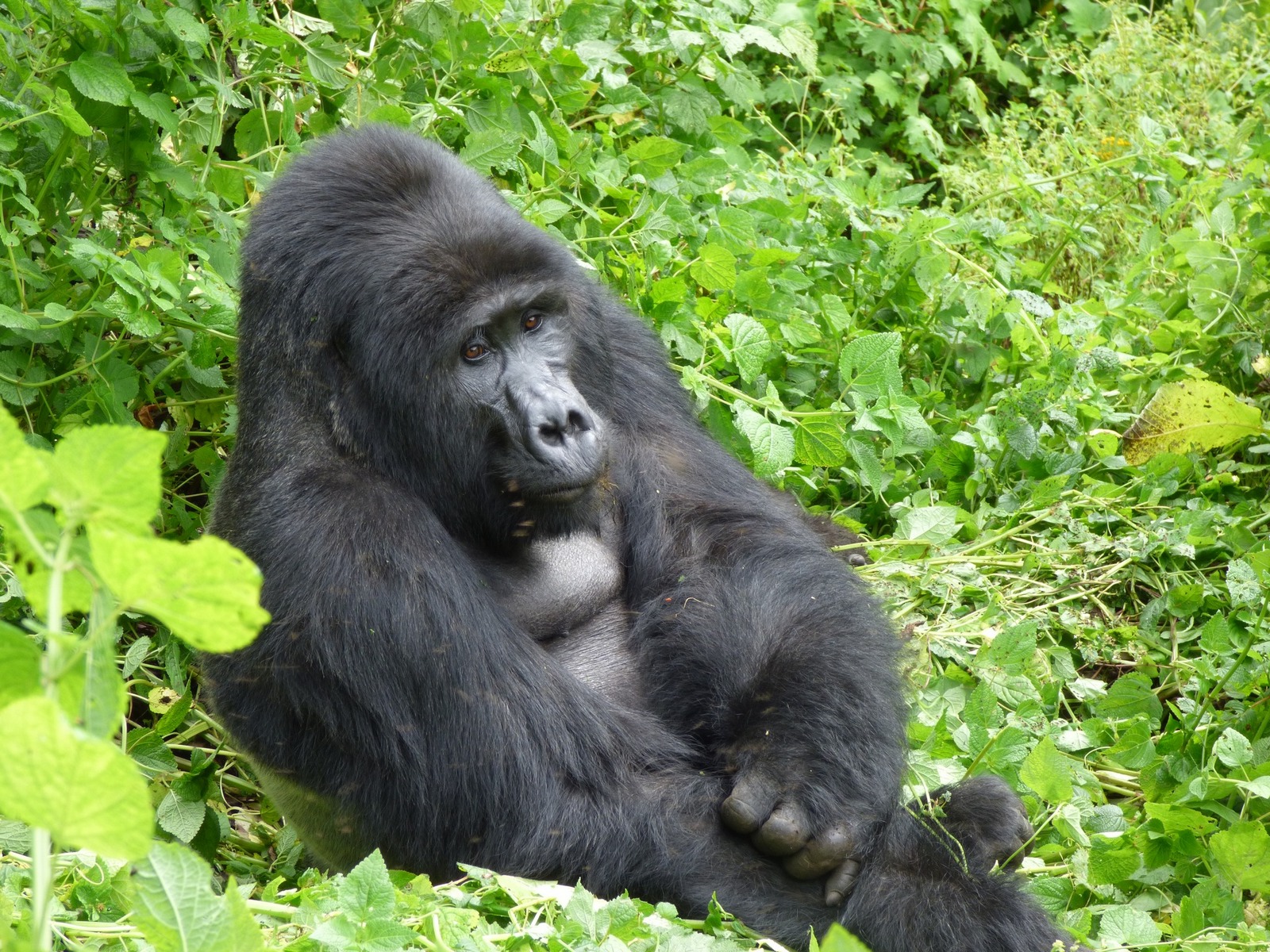
A 7-day Rwanda safari typically combines gorilla trekking in Volcanoes National Park, chimpanzee tracking in Nyungwe Forest, and wildlife viewing in Akagera National Park. The best way to travel is by booking a private guided tour starting and ending in Kigali, offering a scenic route through the "land of a thousand hills"
7-days-best-rwanda-honeymoon-safari-gorilla-trekking-and-lake-kivu-relaxation
7-days-rwanda-birding-safari-chimps-and-gorilla-trekking
7-day-perfect-rwanda-gorilla-tour-and-wildlife-safari-itinerary
7-days-best-gorilla-trekking-and-other-highlights-of-rwanda-tour
7-days-rwanda-safari-tour-gorilla-trekking-and-bisokey-hike-tour-package
hhy7-days-6-nights-midrange-rwanda-gorilla-trekking-holiday
7-Day Rwanda Safari Itinerary
This 7-Day Rwanda Safari Itinerary is a comprehensive expedition through a nation defined by its breathtaking topography and remarkable ecological restoration. Known as the "Land of a Thousand Hills," Rwanda offers a unique circuit that transitions seamlessly from the low-lying savannahs of the east to the high-altitude volcanic rainforests of the north. This journey is meticulously designed to showcase Rwanda’s diverse wildlife portfolio, featuring the "Big Five" in Akagera National Park and the "Primate Double Bill" of chimpanzees in Nyungwe and mountain gorillas in the Virunga Massif. Beyond the wildlife, the itinerary emphasizes Rwanda’s cultural resilience and scenic beauty, including the tranquil waters of Lake Kivu and the reflective streets of Kigali. Whether you are navigating ancient forest canopies or standing meters away from a Silverback, these seven days provide a profound, life-changing immersion into one of Africa’s most inspiring and biodiverse destinations.
Day 1: Arrival in Kigali & Transfer
Your Rwandan odyssey begins at Kigali International Airport, where the city’s legendary cleanliness and organized hills provide an immediate welcome. Before heading into the wild, you will take a brief but essential city tour, including a visit to the Kigali Genocide Memorial. This site offers a powerful perspective on the nation’s journey toward peace and unity. Following the tour, you begin the 2.5-hour drive east toward Akagera National Park. The route winds through vibrant local markets and sprawling farmlands, offering a first glimpse of the rural life that defines the countryside. You will arrive at your lodge in the late afternoon, perfectly timed to watch the sun set over the distant hills of the savannah, signaling the start of your "Big Five" adventure in Rwanda’s premier wetland-savannah ecosystem.
Day 2: Akagera National Park
The day begins at dawn for a morning game drive across the northern plains of Akagera. With the help of your expert guide, you will track lions, leopards, and the recently reintroduced black rhinos. The park’s diverse terrain also hosts massive herds of elephants and Cape buffaloes grazing amidst acacia woodlands. In the afternoon, the safari shifts to the water with a boat cruise on Lake Ihema. From the safety of the vessel, you will glide past enormous Nile crocodiles basking on the banks and pods of hippos surfacing in the shallows. The lake is a haven for waterbirds, including the rare Shoebill stork and vibrant kingfishers. This day offers a classic African safari experience, showcasing the incredible success of Rwanda’s conservation efforts in restoring its wildlife populations.
Day 3: Transfer to Nyungwe National Park
Today involves a scenic cross-country journey as you transition from the eastern savannah to the ancient rainforests of the southwest. The drive is a beautiful visual narrative of Rwanda’s geography, passing through the central highlands and the historic town of Nyanza. You may stop to visit the King’s Palace Museum to learn about Rwanda's royal heritage and see the majestic long-horned Inyambo cattle. As you climb toward Nyungwe National Park, the air becomes cool and mist-heavy, and the vegetation turns into a dense, prehistoric canopy. Nyungwe is one of the oldest rainforests in Africa, serving as a vital catchment area for the Nile and Congo rivers. You will arrive at your forest lodge in the late afternoon, nestled at the edge of this lush, high-altitude biodiversity hotspot.
Day 4: Chimpanzee Tracking & Canopy Walk
Day four is dedicated to the high-energy world of primates. After an early morning briefing, you will head into the deep forest to track a habituated troop of chimpanzees. Following their echoing "pant-hoots" through the undergrowth is an exhilarating challenge that rewards you with an intimate look at their social rituals and playful acrobatics. In the afternoon, the pace shifts as you embark on the Nyungwe Canopy Walkway. Suspended 50 meters above the forest floor, this 160-meter-long bridge offers a breathtaking aerial perspective of the ancient treetops and rolling green ridges. It is a premier spot for observing rare birds and monkeys from a bird’s-eye view. This day provides a multi-dimensional immersion into the forest, balancing raw forest adrenaline with the serene beauty of the African canopy.
Day 5: Lake Kivu Transfer
Leaving the rainforest behind, you head toward the shores of Lake Kivu, one of Africa’s Great Lakes. The drive along the Congo-Nile Trail offers stunning vistas of emerald waters dotted with islands and surrounded by steep, terraced hills. Upon arrival in a lakeside town like Rubavu or Karongi, the afternoon is dedicated to relaxation. You can enjoy a peaceful boat ride to explore the lake’s many islands, visit local coffee plantations to learn about Rwanda’s world-class beans, or simply unwind on a sandy beach. As the sun sets, you may see the "singing fishermen" in their traditional three-hulled wooden boats heading out for the night. This day provides a perfect "safari break," allowing you to rejuvenate before the final mountain trekking adventure in the north.
Day 6: Volcanoes National Park
Today you drive north toward the dramatic silhouettes of the Virunga Volcanoes. The journey continues through the "Land of a Thousand Hills," offering spectacular views of the jagged peaks that border Uganda and the Democratic Republic of Congo. As you reach the outskirts of Volcanoes National Park, the atmosphere changes to one of prehistoric mystery. This park was the base for Dian Fossey’s pioneering research and remains the primary sanctuary for the endangered mountain gorilla. After checking into your lodge, you can spend the afternoon on a gentle nature walk or visit the nearby twin lakes, Burera and Ruhondo. The evening is spent in anticipation of the following day’s trek, listening to the sounds of the mountain forest as the mist settles over the volcanic ridges.
Day 7: Gorilla Trekking & Departure
This is the soul-stirring pinnacle of your safari. After a morning briefing, you will enter the bamboo forests in search of a mountain gorilla family. The trek involves steep slopes and thick brush, but the moment you find them, the world goes silent. You are granted one sacred hour to observe these gentle giants from just a few meters away. Watching a 400-pound Silverback calmly oversee his troop is a profound experience that defies description. Following the trek, you can opt for a visit to the Iby'iwacu Cultural Village to witness traditional dancing and learn about local traditions. Finally, you will transfer back to Kigali for your departure flight, carrying with you the wild spirit of the rainforest and the memory of Rwanda’s magnificent landscapes and primates.
Planning a 7-day Rwanda safari in 2026 is an immersion into a land of incredible resilience and natural splendor. Rwanda has positioned itself as a premier high-value, low-impact destination, ensuring that tourism directly supports both the local communities and the conservation of some of the world’s most endangered species.
1. What is the best time for a 7-day Rwanda safari?
The ideal windows for a Rwandan safari are the two dry seasons: June to September and December to February. During these months, the weather is more predictable, and the trails in Volcanoes and Nyungwe National Parks are significantly less muddy, making the steep climbs for gorilla and chimpanzee trekking much more manageable. While the "long rains" (March to May) offer lush, green scenery and better opportunities for birdwatching, the dry season ensures that wildlife sightings—particularly in the savannah of Akagera—are more frequent as animals congregate around permanent water sources.
2. How much does a 7-day Rwanda safari cost?
In 2026, a 7-day safari typically ranges from $4,000 to $8,000+ per person. The primary cost driver is the $1,500 gorilla permit, a non-negotiable fee that funds 24/7 protection for the primates. Mid-range tours usually land around $4,500, covering comfortable lodges, transport, and additional permits for chimps ($150) and golden monkeys ($100). Luxury itineraries featuring world-class lodges like Singita or One&Only often exceed $10,000, offering private guides and premium amenities. Traveling in a group can help reduce the per-person cost of vehicle hire and fuel.
3. Do I need a visa for Rwanda?
Rwanda maintains a remarkably welcoming "Visa on Arrival" policy for all nationalities. As of 2026, visitors from all countries can obtain a 30-day tourist visa upon arrival at Kigali International Airport or any land border for approximately $50. If your 7-day journey also includes visits to Uganda or Kenya, the East Africa Tourist Visa ($100) is the most cost-effective option, allowing multiple entries between the three nations. It is always recommended to check the latest updates from the Rwanda Directorate General of Immigration and Emigration before travel.
4. How do I get to the national parks?
The most common and efficient way to traverse Rwanda is via 4WD safari vehicles (typically Land Cruisers) provided by local tour operators. The drives are scenic but involve winding, hilly roads; Kigali to Volcanoes NP takes about 2.5 hours, while the drive to Nyungwe can take up to 6 hours. For those looking to maximize their 7 days and avoid long drives, Akagera Aviation offers helicopter transfers between Kigali and the major parks, reducing hours of driving to 30-minute flights over the spectacular "Thousand Hills."
5. What should I pack for a Rwanda safari?
The terrain requires specialized gear. Essential items include sturdy, waterproof hiking boots with good grip and long-sleeved shirts and trousers to protect against stinging nettles and insects. A pair of tough gardening gloves is highly recommended for gorilla trekking, as you will often need to grab onto branches or vines for support. Don't forget high-quality rain gear (a lightweight poncho or jacket), as tropical showers can occur even in the dry season, and a camera with a good zoom lens (remember: no flash photography is allowed with primates).
6. How far in advance should I book gorilla permits?
Because Rwanda limits the number of visitors to 96 permits per day (8 people per habituated family), you should book at least 4 to 6 months in advance, especially if you plan to travel during the peak dry seasons. Permits are issued on a first-come, first-served basis by the Rwanda Development Board. Booking through a local tour operator is the most reliable method, as they can handle the administrative logistics and ensure your permit is secured for the specific date of your trek.
7. How difficult is gorilla trekking?
Gorilla trekking is a physically demanding activity that involves hiking through dense, untamed jungle at high altitudes (2,500m+). Depending on where the gorillas are located, a trek can last anywhere from 2 to 7 hours. The terrain is often steep and can be slippery. While you don't need to be an elite athlete, a baseline level of fitness is necessary. For those worried about the climb, porters are available at the park gates for roughly $20; they are invaluable for carrying bags and providing a steadying hand on difficult sections.
8. Can I see both gorillas and chimpanzees in one trip?
Absolutely. A 7-day itinerary is the perfect length to combine Volcanoes National Park (for mountain gorillas) and Nyungwe Forest National Park (for chimpanzees). This "Primate Double Bill" is a highlight of Rwandan tourism. While the gorillas are found in the volcanic northern highlands, the chimps reside in the ancient montane rainforest of the southwest. Most tours connect these two parks via a scenic drive along the shores of Lake Kivu, providing a diverse overview of Rwanda’s two most important forest ecosystems.
9. What is the minimum age for trekking?
The strict minimum age for both gorilla and chimpanzee trekking in Rwanda is 15 years old. This rule is strictly enforced to protect the primates from childhood diseases (to which they have no immunity) and to ensure that all trekkers have the physical and emotional maturity to handle the trek and follow the safety instructions provided by the rangers. For families traveling with younger children, many lodges offer supervised activities or cultural tours while the adults are in the forest.
10. What is a "Golden Monkey" track?
Golden monkey tracking is a unique, less strenuous alternative or addition to gorilla trekking in Volcanoes National Park. These endangered, vibrant primates live in the bamboo forests at the base of the volcanoes, meaning the hike is usually shorter (2–4 hours) and involves less elevation gain. The monkeys are highly active and playful, often leaping through the canopy and providing excellent photography opportunities. At $100 per permit, it is an affordable way to experience the park’s biodiversity without the intensity of a full gorilla trek.
11. What can I see in Akagera National Park?
Akagera is Rwanda’s only savannah park and has seen a massive conservation turnaround. It is now a "Big Five" destination, home to lions, leopards, elephants, buffaloes, and both black and white rhinos. The park’s unique geography—a mixture of open plains, acacia woodlands, and a chain of lakes—supports a vast array of wildlife, including giraffes, zebras, and hippos. The northern plains offer the best game viewing, while the southern lakes are world-renowned for their birdlife and massive crocodile populations.
12. What is the canopy walk in Nyungwe?
The Nyungwe Canopy Walkway is a 160-meter-long suspension bridge hanging 70 meters (230 feet) above the forest floor. It is the only one of its kind in East Africa. The walk offers a spectacular bird’s-eye view of the ancient rainforest canopy, allowing you to see rare birds and monkeys that rarely descend to the ground. The walk is part of a 2-hour guided hike along the Igishigishigi trail. While the bridge sways slightly, it is perfectly safe and provides one of the most exhilarating views in the country.
13. What is the Iby'Iwacu Cultural Village?
Located just outside Volcanoes National Park, the Iby’Iwacu Cultural Village (also known as the Gorilla Guardians Village) is a community project where former poachers now share their heritage with visitors. The experience includes traditional Intore dancing, demonstrations of ancient medicine, and a glimpse into a mock "King’s Palace." This cultural stop is vital for understanding how Rwanda has successfully integrated local communities into conservation, turning those who once hunted the gorillas into their most dedicated protectors.
14. What does the Kigali City Tour include?
Kigali is widely considered Africa’s most organized and innovative city. A standard tour includes the Kigali Genocide Memorial, a profound site of remembrance and education. Other highlights include the Kimironko Market, where you can bargain for colorful "kitenge" fabrics and fresh produce, and the Nyamirambo Women’s Center, which offers walking tours and cooking classes. The city tour provides essential context to Rwanda’s history and showcases its modern transformation into a thriving, forward-thinking hub of art and commerce.
15. Is Lake Kivu safe for relaxation?
Yes, Lake Kivu is one of the safest Great Lakes in Africa. It is free of hippos and crocodiles, and there is no risk of Bilharzia, making it ideal for swimming, kayaking, and paddleboarding. Cities like Gisenyi (Rubavu) and Kibuye (Karongi) offer beautiful lakeside resorts where you can relax between treks. A popular activity is taking a boat trip to explore the lake’s many islands or watching the "singing fishermen" paddle their traditional three-hulled boats into the mist at sunset.
Booking Rwanda safari with us Roads of Adventure safaris
Roads of Adventure Safaris offers tailored mid-range to luxury Rwanda and Uganda safari packages, specializing in gorilla trekking, chimpanzee tracking, and wildlife adventures. Bookings can be initiated by contacting them directly at info@roadsofadventuresafaris.com or +256 773 796644, with options ranging from 3-day luxury trips to extensive 30-day itineraries.
