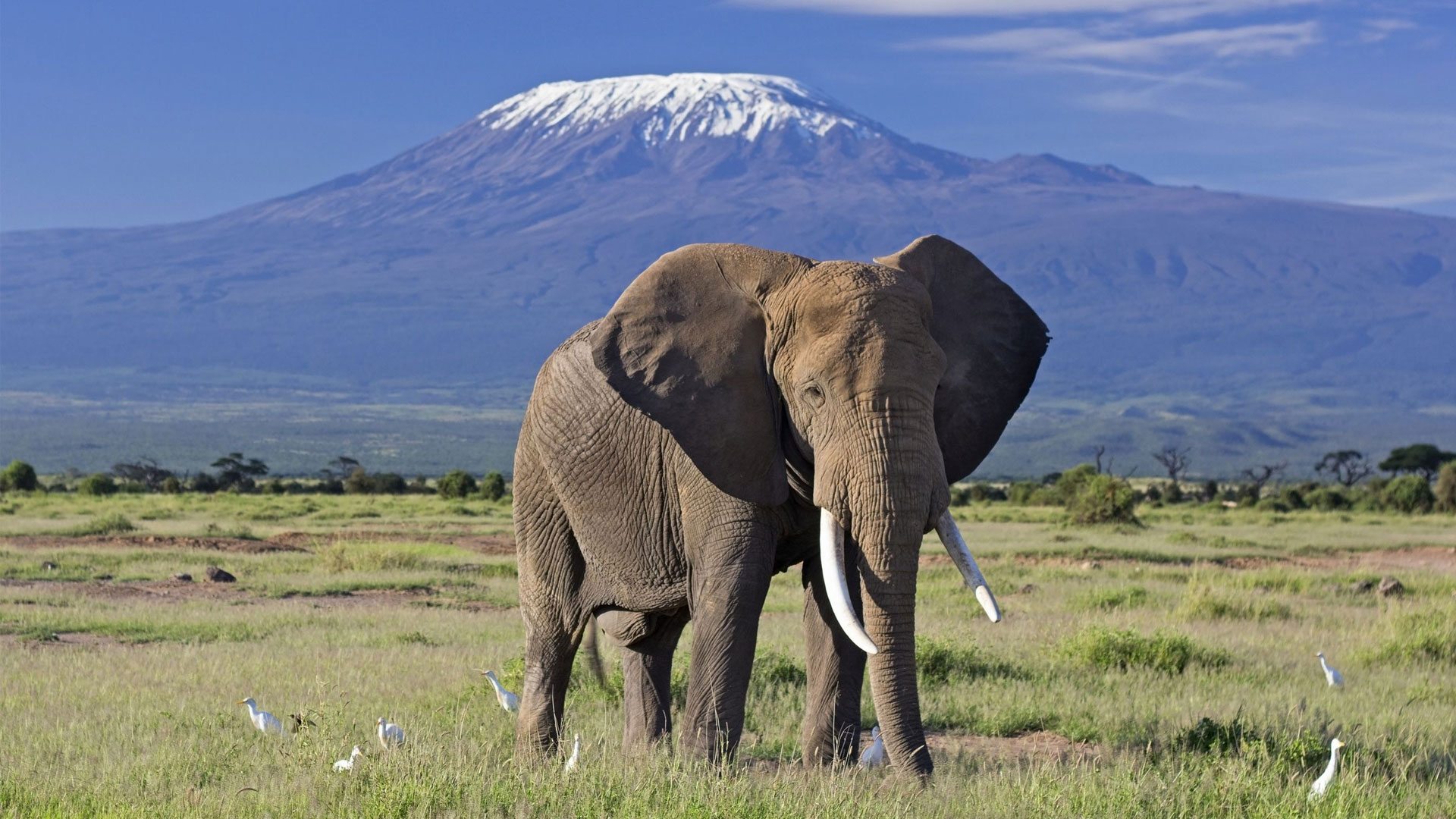
An 8-day Kenya safari is best spent combining the iconic Maasai Mara, the scenic Rift Valley lakes, and the elephant-filled Amboseli, typically starting in Nairobi. Focus on a blend of big cat sightings, birdwatching, boat rides, and cultural experiences, using a private 4x4 jeep for comfort and accessibility.
Popular 8-day Kenya safari tour packages
8-days-honeymoon-kenya-safari-tour-bush-to-beach-vacation
8-days-affordable-budget-kenya-safari
8-days-kenya-photography-safari-expedition
8-days-masai-mara-lake-nakuru-amboseli-tsavo-west-taita-sanctuary-tsavo-east-kenya-wildlife-safari
8-days-ol-pejeta-lake-nakuru-masai-mara-lake-naivasha-and-amboseli
8-days-masai-mara-lake-nakuru-amboseli-and-mombasa-beach-holidays
8-days-kenya-family-safari-vacation-and-wildlife-viewing
8-days-budget-kenya-tanzania-safari-with-serval-wildlife-and-zanzibar-beach-holiday
8-day-best-kenya-tanzania-safari-vacation
8-days-samburu-special-five-ol-pejeta-and-masai-mara-safari-tour
8-day-africa-safari-tour-to-masai-mara-safari-tour-serengeti-ngorongoro
8-days-honeymoon-kenya-tanzania-safari-and-optional-hot-air-balloon-safari-for-couples
8 Days Africa Safari Itinerary in Kenya
An 8-day African safari in Kenya offers a rich opportunity to see diverse wildlife and beautiful national parks. Start in Nairobi, where you can spot animals like giraffes and zebras in local attractions. Then, head to Amboseli National Park, famous for its large herds of elephants and impressive views of Mount Kilimanjaro. The rich wildlife includes lions, buffalos, cheetahs, wildebeests, and the shy leopard.
Next, visit Lake Naivasha, a fresh-water lake home to hippos and numerous bird species, including pelicans and kingfishers. Lake Nakuru National Park follows, where you can see rhinos and flamingos feeding along the shores. Finish your safari in the renowned Masai Mara, the ultimate destination for the Big Five: lions, leopards, elephants, buffalos, and rhinos. This itinerary also allows for optional hot-air balloon rides for a unique perspective of the wildlife below. In total, you will see over ten unique species and remarkable natural wonders during your safari in Kenya.
Day 1: Arrival in Nairobi
Upon arrival at Jomo Kenyatta International Airport, the adventure begins in Nairobi, the vibrant capital of Kenya. Check into your hotel and take some time to unwind after your travels. Nairobi offers a variety of attractions, including the Giraffe Centre, where you can feed the endangered Rothschild giraffes, and the David Sheldrick Wildlife Trust, dedicated to orphaned elephants.
Consider exploring local markets for handcrafted goods and souvenirs. In the evening, you can dine at a local restaurant offering traditional Kenyan cuisine. Enjoy the city’s lively atmosphere while planning the days ahead.
This first day sets the stage for your safari, introducing you to some wildlife and local culture while getting you settled before heading into the heart of Kenya’s national parks.
Day 2: Nairobi to Amboseli National Park
After breakfast, depart Nairobi for Amboseli National Park, a journey of about 4 hours by road or a short flight. Amboseli is famous for its large herds of elephants and exceptional views of Mount Kilimanjaro. Upon arrival, settle into your lodge and prepare for your first afternoon game drive.
During your drive, keep an eye out for elephants, lions, cheetahs, and various antelope species including gazelles and impalas. The park's diverse environments, from wetlands to savannahs, make it a prime location for wildlife viewing. You may also spot hippos in the swamps and diverse bird species, such as ostriches and herons.
As the sun sets, return to your lodge for dinner and share your wildlife sightings with fellow travelers. The evening in Amboseli provides an ideal backdrop for relaxing and preparing for the next day's adventures.
Day 3: Full Day in Amboseli
On Day 3, enjoy a full exploration of Amboseli National Park. Start the day with an early morning game drive, when wildlife is most active. You may encounter elephants roaming freely, as well as lions resting near their kills. Keep an eye out for the park's leopards, which are often elusive and favor the trees for rest.
After returning to the lodge for breakfast, consider optional activities like visiting a nearby Maasai village to learn about their culture and way of life. The villagers often perform traditional dances, providing an enriching cultural insight.
In the afternoon, venture out again for another game drive, this time focusing on different areas of the park. You might spot better views of hippos or encounters with buffalo. After a rewarding day observing the wildlife, return for a relaxing dinner at your lodge.
Day 4: Amboseli to Lake Naivasha
Depart Amboseli after breakfast for Lake Naivasha, located about 5 hours away. As you drive through the Rift Valley, enjoy the scenic views and watch for wildlife along the road. Upon arrival, check into your lodge and prepare for an afternoon boat ride on Lake Naivasha.
During the boat ride, keep your eyes peeled for hippos lounging lazily in the water, as well as various bird species like pelicans, herons, and cormorants. After the boat ride, enjoy a guided walk on Crescent Island, where you can get closer to wildlife. Common sights include zebras, giraffes, and gazelles that roam freely within the island.
The day culminates with dinner at your lodge, where you can share stories about your encounters. Lake Naivasha offers a tranquil atmosphere, perfect for unwinding after a day of wildlife exploration.
Day 5: Lake Naivasha to Lake Nakuru National Park
On Day 5, depart Lake Naivasha and head to Lake Nakuru National Park, a drive of about 1-2 hours. Known for its striking scenery and abundant wildlife, Lake Nakuru is particularly famous for its flamingo population. After arriving, enjoy a packed lunch before setting out for an afternoon game drive.
During your drive, look for rhinos in the park's sanctuaries, where both white and black rhinos can be found. Spotting the elusive leopard is also a highlight, as the park offers excellent opportunities for viewing these big cats. Additionally, observe various bird species, including thousands of flamingos and pelicans.
Be on the lookout for other animals like buffalos, giraffes, and various antelopes. Return to your lodge in the late afternoon for dinner and share your day's wildlife sightings with your group. Each visit to the park offers a fresh perspective on its vibrant habitats and diverse species.
Day 6: Lake Nakuru to Maasai Mara
Leave Lake Nakuru in the morning for the Maasai Mara National Reserve, a drive that usually lasts around 5-6 hours. Upon arrival, check into your lodge and prepare for your first game drive in this incredible wildlife haven.
The Maasai Mara is renowned for its rich wildlife, including the Big Five: lions, leopards, elephants, buffalos, and rhinos. During your afternoon drive, take note of the diverse fauna, including cheetahs, zebras, wildebeests, and more. The expansive savannahs allow for excellent visibility of wildlife in their natural habitats.
As the sun sets, return to your lodge for dinner, reflecting on the exciting encounters of your first day in the Mara. The atmosphere is vibrant, with the sounds of the wild serving as a perfect backdrop for conversation and relaxation.
Day 7: Full Day in Maasai Mara
Day 7 is dedicated to exploring more of the Maasai Mara. Start the day with a morning game drive, when wildlife is particularly active. Observe lions during their morning hunts and search for leopards resting in trees.
After breakfast at your lodge, you can choose between a second game drive or an optional hot-air balloon ride at dawn. This ride offers a unique perspective of the park and typically concludes with a champagne breakfast in the bush.
In the afternoon, another game drive provides more opportunities to spot wildlife. You may encounter elephants and various antelope species while meandering through different areas of the reserve. The Maasai Mara’s rich wildlife will keep you engaged and excited throughout the day. After dinner at your lodge, recount the day’s thrilling wildlife encounters before winding down for the evening.
Day 8: Maasai Mara to Nairobi & Departure
On your final day, enjoy a last morning game drive in the Maasai Mara, capturing any final wildlife sightings. Keep an eye out for the Big Five and other animals. After returning to your lodge for breakfast, prepare for departure.
Depart the Maasai Mara and journey back to Nairobi, a drive that usually takes about 5-6 hours. Depending on your flight schedule, you will have some time to shop for souvenirs or relax in Nairobi before heading to the airport.
As you reflect on your 8-day safari, you'll carry with your unforgettable memories of Kenya’s wildlife and landscapes. This trip encapsulates the essence of African wildlife through diverse parks, incredible animal encounters, and beautiful scenery.
1. Is 8 Days Enough Time for a Safari in Kenya?
Yes, 8 days is an ideal duration for a safari in Kenya. It provides ample time to explore the main highlights without feeling rushed. With this timeframe, you can comfortably visit several renowned parks, including the Masai Mara, Lake Nakuru, and Amboseli National Park. Each of these locations showcases distinct wildlife and environments, allowing you to witness a range of animals and experiences.
In the Masai Mara, you can observe the famous Big Five—lions, elephants, leopards, buffaloes, and rhinos, among others. This park is particularly great for wildlife sightings due to its dense populations. Moving to Lake Nakuru, you can see a variety of birds, flamingos, and rhinos in their sanctuary. Amboseli offers impressive elephant herds and views of Mount Kilimanjaro, providing stunning photographic opportunities.
An 8-day itinerary also allows enough time for leisure and travel between parks, ensuring you are not overly fatigued. You can enjoy game drives and cultural experiences while having time for relaxation, culminating in a well-rounded Kenyan safari.
2. What Is the Best 8-Day Kenya Itinerary?
A well-structured 8-day Kenya safari itinerary typically encompasses several iconic destinations that offer diverse wildlife experiences. A popular choice includes spending 1 night in Nairobi, followed by 2 nights in Amboseli, 1 night in Lake Nakuru, and 3 nights in the Masai Mara.
Starting in Nairobi, you can acclimate and explore local attractions. This city serves as the entry point to your safari adventure. Moving to Amboseli, you can observe large elephant herds and enjoy views of Mount Kilimanjaro.
Following Amboseli, Lake Nakuru offers opportunities to see rhinos and a spectacular array of birds, including flamingos. After one night here, the itinerary progresses to the Masai Mara, where you will spend three nights immersed in wildlife and culture. This segment allows for extensive game drives, potentially including opportunities to witness the Great Migration in peak season.
Returning to Nairobi at the end wraps up the journey, providing time for any last-minute shopping or sightseeing before departure. Overall, this itinerary ensures a balanced adventure filled with wildlife, culture, and relaxation.
3. What Is the Best Time for an 8-Day Africa Safari in Kenya?
The best time for an 8-day safari in Kenya largely depends on your wildlife viewing expectations. July to October is ideal for observing the Great Migration when millions of wildebeests and zebras cross the Serengeti into the Masai Mara. This phenomenon attracts predators, creating exceptional viewing opportunities. The weather is also generally dry and pleasant, which enhances the overall safari experience.
Alternatively, January to February is another prime time for safaris. This period typically offers dry conditions and fewer crowds compared to peak migration months. Wildlife remains active, and the visibility of animals increases as they gather around water sources. You'll likely spot elephants, lions, and various migratory bird species during this time.
For those interested in bird watching, the rainy season from March to May brings migratory birds and a lush environment, although wildlife visibility may be more challenging due to dense vegetation. Each season offers unique opportunities, but for the best all-around experience focusing on wildlife, July to October and January to February remain the top recommendations.
4. How Much Does an 8-Day Africa Safari in Kenya Cost?
The cost of an 8-day Kenya safari varies widely based on the type of safari, level of accommodation, and included services. For mid-range safaris, prices generally start around $200 to $300 per person per day, leading to a total cost in the range of $1,600 to $2,400 per person for the week. This includes reasonable lodges, meals, guided game drives, and park fees.
For more luxurious experiences, the price can easily rise to $500 to $1,000 per day, culminating in costs of $4,000 to $8,000 per person. Luxury safaris typically include high-end accommodation in exclusive camps, gourmet dining, personalized guides, and additional activities like hot-air balloon rides.
Budget options are also available, with prices starting as low as $150 per day, totaling around $1,200 per person. These typically involve shared accommodations and fewer amenities.
Be sure to factor in additional expenses like tips, optional activities, and any souvenirs when planning your safari budget, ensuring a good understanding of the full financial scope of your adventure.
5. What Is the Best Way to Travel Between Parks?
Traveling between parks during your Kenya safari can be accomplished in a couple of ways, each with its pros and cons. The most common method is road safaris, which offer scenic views of Kenyan landscapes and wildlife along the way. This mode of transportation allows for stops to observe animals and enjoy the environment, providing a richer experience of the journey.
For instance, traveling by road from Nairobi to Amboseli or from Lake Nakuru to the Maasai Mara provides opportunities to spot animals such as zebras or giraffes while on the journey. These drives typically last between 4 to 6 hours, making for a full day of travel.
Alternatively, flying between parks can save significant time for those with tighter schedules. Domestic flights are available from Nairobi to Amboseli, from Amboseli to the Maasai Mara, and from the Mara back to Nairobi, reducing travel times to mere hours. While this option is often pricier, it frees up hours that could be spent game driving.
Ultimately, the choice between road and air travel depends on your budget and desire for scenic encounters or time saved.
6. Can I Combine an 8-Day Safari with a Beach Trip?
Yes, you can absolutely combine an 8-day safari with a beach trip in Kenya. Many travelers particularly enjoy extending their adventures to coastal areas, such as Diani Beach or Mombasa, after a thrilling safari.
One common itinerary is to spend 5 days on safari, allowing ample time to visit key parks like Amboseli, Lake Nakuru, and the Maasai Mara. After experiencing the rich wildlife and cultural heritage in these regions, you can transition to a coastal destination for a 3-day retreat.
The beaches along the Kenyan coast offer relaxation and various water activities, including snorkeling, diving, and sunbathing. These beautiful spots provide a perfect contrast to the wildlife encounters on safari, allowing you to unwind and enjoy the warm Indian Ocean.
To make logistics easier, many travel agencies offer packages that seamlessly integrate both safari and beach components, ensuring that you can book your entire holiday in a single transaction without hassle.
7. What Are the Best 8-Day Africa Safari in Kenya Destinations for Big Five?
For those focused on spotting the Big Five—lions, leopards, buffaloes, elephants, and rhinos—specific Kenyan destinations offer the best chances. The Masai Mara National Reserve is the ultimate location for witnessing these iconic animals. Known for its abundant wildlife, the Mara is famous for its large lion prides and the opportunity to see leopards resting in trees.
Lake Nakuru is recognized for its rhino sanctuary, making it an excellent stop if you want to observe both black and white rhinos in their natural habitats. The lake is also teeming with birdlife, rounded out by the presence of buffalo and other grazers.
Amboseli National Park is renowned for its large elephant herds, often seen against the backdrop of Mount Kilimanjaro. Here, you can observe elephants in their natural settings, along with lions and cheetahs.
In summary, your best odds for encountering the Big Five during an 8-day safari lie in visiting the Masai Mara, Lake Nakuru, and Amboseli during your travels across Kenya.
8. Is an 8-Day Africa Safari in Kenya Suitable for Families?
Yes, an 8-day safari in Kenya is suitable for families, offering a range of activities and accommodations tailored to ensure kid-friendly adventures. Many safari camps, such as Maji Moto Cultural Camp, provide family-oriented experiences and dedicated programs for children.
Families can participate in educational activities that are not only fun but also engage children with wildlife and local cultures. Programs may include traditional Maasai dances, visiting local villages, and interactive lessons about wildlife conservation.
Game drives can also be adapted for younger scouts, with trained guides ensuring both safety and engagement. Many lodges and camps offer family rooms or interconnected tents, ensuring comfort for each family member.
While planning, you might want to account for travel times and choose activities that match your children’s interests. Families can enjoy both the excitement of game drives and the opportunity to learn about conservation, making this safari an enriching experience for all ages.
9. How Many Game Drives Do I Get in 8 Days?
During an 8-day safari, you'll typically experience multiple game drives each day, maximizing your exposure to wildlife and learning opportunities. Most itineraries include two game drives daily: one early in the morning and another in the late afternoon.
Morning drives, commencing around sunrise, are ideal for spotting predators that are more active during cooler temperatures. This time is also excellent for observing various animal behaviors, including hunting and grazing.
The late afternoon drives allow you to see animals as they become more active again, often leading to sightings of elephants, lions, and other wildlife. Some tours may also offer full-day game drives with packed lunches, particularly in places like the Masai Mara, where interactions with wildlife can feel more immersive over extended periods.
With this schedule, you will have the flexibility to maximize your wildlife sightings and enrich your understanding of the habitats you visit, making the most of your 8-day adventure.
10. What Should I Pack for My 8 Days Africa Safari in Kenya?
Packing appropriately for an 8-day Kenya safari is crucial in ensuring comfort while maximizing enjoyment. Essential items include neutral-colored clothing that provides camouflage and helps you blend into the surroundings. Opt for light fabrics that are breathable for daytime warmth, along with layers for cooler early mornings and evenings.
A good camera is highly recommended to capture wildlife and scenery. Be sure to bring extra batteries and a storage card to avoid running out of space. Sunscreen is vital, as the sun can be intense even on cloudy days, and don’t forget a wide-brimmed hat for additional protection.
Binoculars are a must for wildlife observation, allowing you to see animals up close from a safe distance. Bring a small backpack for day trips and laundry bags for dirty clothes. Lastly, personal health items like any prescribed medications and insect repellent can enhance your comfort during the trip. Thoughtful packing ensures an enjoyable and hassle-free safari experience.
11. Do I Need Malaria Medication?
Yes, when planning an 8-day safari in Kenya, it is essential to consider malaria prophylaxis, as malaria is prevalent in most low-lying safari areas. Consult your healthcare provider ahead of your trip to determine the appropriate medication for your health needs.
Start your malaria medication a few days before your arrival and continue taking it for a period after you return home, as advised by your doctor. While preventive medication is crucial, also wearing long-sleeved clothing during evening hours and using insect repellent can further help reduce the risk of mosquito bites.
It’s important to schedule an appointment with your healthcare provider or a travel clinic to discuss your plans well in advance, ideally several weeks before your trip. Taking these precautions will allow you to navigate your safari confidently without health concerns looming over your adventure.
12. What Is the Difference Between a National Park and a Reserve?
Understanding the difference between a National Park and a National Reserve in Kenya is crucial for planning your safari. National Parks are managed by the government and are typically more restricted in terms of human activities. They focus primarily on conservation and wildlife protection, allowing limited access to tourists to minimize impact on the environment.
In contrast, National Reserves are often managed by local communities or private entities, allowing more flexibility in activities. For example, in reserves like the Masai Mara, there are often opportunities for cultural visits to local villages, guided walks, and night drives, which are not permitted in most national parks.
The differences in management often result in varied wildlife experiences. National Reserves can have higher vehicle densities due to their accessibility, while parks may offer a more controlled environment for wildlife. Both options have their benefits, and choosing between them depends on personal preferences for wildlife viewing and engagement with local cultures.
13. Are There Options for Walking Safaris?
Yes, there are several wonderful options for walking safaris in Kenya, allowing you to experience wildlife and nature on foot. One popular location for guided walking safaris is Crescent Island on Lake Naivasha. This area is safe and provides opportunities to walk among giraffes, zebras, and various antelope species without the need for vehicles.
Walking safaris are typically led by knowledgeable guides who share their expertise in wildlife tracking, plant identification, and the local ecosystem. The slower pace of walking allows for a more intimate connection with nature, offering a chance to observe details that can be missed during faster game drives.
While not all parks allow walking safaris, areas designated for such activities provide unique perspectives on the environment. Be sure to inquire about these options when planning your itinerary, as they can add a layer of depth to your overall safari experience.
14. What Kind of Accommodation Is Available?
Kenya offers a diverse range of accommodation options for your safari, catering to various budgets and preferences. For those looking for a more affordable experience, budget camping is available in several parks. This type of accommodation usually includes basic amenities and communal facilities, providing a more rustic feel.
For mid-range travelers, there are numerous lodges that offer comfortable rooms with varying levels of luxury. Many of these lodges feature private baths, dining options, and convenient access to nearby wildlife. They provide a relaxing atmosphere after days spent exploring.
For visitors seeking a higher-end experience, luxury tented camps or lodges are available, offering exceptional amenities, personalized services, and often exclusive wildlife viewing opportunities. These accommodations enhance your safari adventure, providing high comfort while showcasing the natural environment.
Overall, you can find an accommodation type that suits your style and budget while ensuring that you can rest comfortably after your daily explorations.
15. Can I See the Wildebeest Migration in 8 Days?
Yes, you can witness the wildebeest migration during an 8-day safari in Kenya, provided your itinerary includes time in the Masai Mara between the months of July and October. This period marks the peak of the migration when millions of wildebeests and zebras cross from the Serengeti in search of greener pastures.
To optimize your chances of seeing this incredible spectacle, consider prioritizing days in the Masai Mara. Your itinerary can focus on multiple game drives specifically aimed at tracking the movements of the herds and their interactions with predators. The river crossings, where herds navigate treacherous waters, often provide dramatic wildlife viewing moments.
By strategically planning your safari in sync with the migration, you can enrich your trip with one of nature's most spectacular events. This ensures that your 8-day adventure lasts long in your memory, filled with dynamic wildlife encounters and astonishing moments in the wild.
Booking 8 Days Africa safari in Kenya with us Roads of Adventure safaris
Book your 8-day Kenya safari with Roads of Adventure Safaris for an unforgettable journey through iconic parks like Maasai Mara, Lake Nakuru, and Amboseli. Our expert-led tours offer thrilling Big Five game drives, cultural experiences, and comfortable, budget-friendly accommodation. Witness the Great Migration, enjoy scenic landscapes, and receive personalized service, including 4x4 transport and knowledgeable guides. Experience the best of Kenya’s wildlife and culture in a secure, well-organized trip. Contact us to start your adventure.
