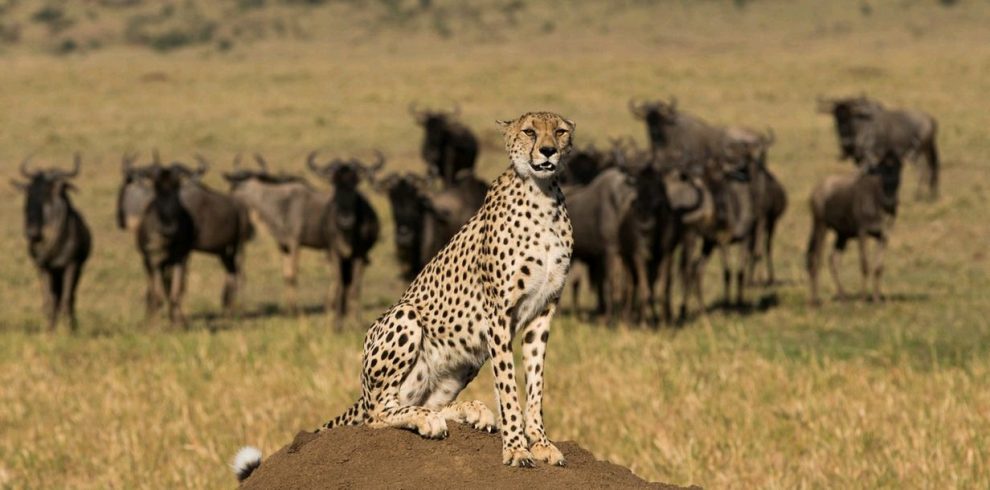
A 7-day Kenya safari is best spent focusing on the "Southern Circuit," combining the vast plains of the Masai Mara, elephant-filled Amboseli, and scenic Rift Valley lakes (Nakuru/Naivasha). This route offers a mix of the Big Five, birdlife, and cultural experiences, typically starting and ending in Nairobi.
Popular tour packages
7-days-amboseli-kenya-and-serengeti-fly-in-tanzania-safari
7-days-best-of-kenya-wildlife-safaris-itinerary
7-days-luxury-kenya-safari-holiday-vacation
7-days-perfect-kenya-wildlife-safari-and-optional-hot-air-balloon-safari
7-days-ultimate-budget-kenya-tanzania-safari-holiday-vacation
7-days-samburu-ol-pejeta-lake-nakuru-and-masai-mara-safari-tour
7 Days Africa Safari Trip in Kenya
Kenya offers a remarkable opportunity to see a wide variety of wildlife across its many national parks. Over the course of this 7-day safari, you may encounter elephants, lions, leopards, rhinoceroses, cheetahs, buffalos, zebras, hippos, giraffes, wildebeests, and many species of birds, such as ostriches and flamingos. Starting in Nairobi, the adventure introduces you to local attractions, followed by visits to Amboseli National Park—famous for its elephant herds against the backdrop of Mount Kilimanjaro—and the Great Rift Valley lakes like Naivasha and Nakuru. Each location presents unique wildlife and activities, including game drives and boat safaris. Finally, the trip concludes in the Masai Mara National Reserve, renowned as a top safari destination, known for its rich wildlife diversity and the exceptional chance to see the Big Five. This7 Day Africa safari itinerary balances wildlife observation with opportunities to engage with the stunning environments found in Kenya.
Day 1: Arrival in Nairobi
Upon arrival at Jomo Kenyatta International Airport (JKIA), you will check into your accommodation in Nairobi. Spend some time resting from your travels or visit local attractions to enhance your first day. The Giraffe Centre is a great option, where you can interact with the endangered Rothschild giraffes. Alternatively, you can venture to Nairobi National Park, where you may spot animals such as lions, zebras, buffaloes, and various rhinos, all within proximity to the urban center. Observing birds like the African fish eagle and secretary bird can also add to your day. After a brief introduction to Kenya's wildlife, return to your hotel for dinner and prepare for the adventures that lie ahead in the national parks.
Day 2: Nairobi to Amboseli National Park
Following breakfast, you will travel to Amboseli National Park, a drive that will take approximately 5 hours. Upon arrival, settle into your lodge and prepare for an afternoon game drive. In Amboseli, you will have the chance to see large herds of elephants as they roam freely, often set against the backdrop of Mount Kilimanjaro. Keep your eyes open for other wildlife as well, such as lions, cheetahs, and hippos in the wetlands. Various bird species, including the African spoonbill and greater flamingo, add color to the scenery. The afternoon drive allows for wonderful photo opportunities and unforgettable moments as you witness animals in their natural habitat. Return to your accommodation for dinner and reflect on the wildlife sightings of the day.
Day 3: Amboseli National Park
Today is dedicated to exploring Amboseli National Park, with a full day of game drives. This park is well-known for its diverse wildlife, providing an excellent chance to observe elephants, lions, and the elusive leopards. Keep an eye out for hippos lounging in the swamps and buffalos grazing nearby. Throughout the day, you may also encounter cheetahs, zebras, wildebeests, and numerous birds, such as the lilac-breasted roller and the African hawk eagle. The early morning game drive often provides optimal viewing conditions, as many animals are more active during the cooler hours. Enjoy lunch in the midst of nature before heading out again for an afternoon drive, continuing the search for the unique wildlife that defines Amboseli.
Day 4: Amboseli to Lake Naivasha/Nakuru
After breakfast, you will drive to the Great Rift Valley lakes, with a travel time of around 6 hours. Upon arrival, you can opt for a boat safari on Lake Naivasha or visit Lake Nakuru, each offering unique wildlife viewing opportunities. At Lake Naivasha, look for hippos and a vibrant array of bird species, including pelicans and various herons. Alternatively, if you choose to visit Lake Nakuru, you’ll have the chance to see rhinos, flamingos, and other beautiful wildlife such as giraffes, warthogs, and impalas. Both locations provide opportunities for relaxation and wildlife observation, making for an enjoyable afternoon before settling into your accommodation for the night.
Day 5: Lake Naivasha/Nakuru to Masai Mara
Following breakfast, the group will travel to the Masai Mara National Reserve, which typically takes around 5 hours. Once you arrive, you will launch into an afternoon game drive, entering one of the most celebrated wildlife reserves in Africa. The Masai Mara is famous for being home to the Big Five—lions, leopards, elephants, buffalos, and rhinos. Other animals you might spot include cheetahs, topis, and jackals. Be sure to watch for migrating wildebeests if you visit during the migration season. The Mara River is an additional highlight, often frequented by animals gathering for water. Enjoy your evening at the lodge, discussing the day’s sightings and preparing for a full day of exploration tomorrow.
Day 6: Masai Mara National Reserve
Your sixth day is a full day of game drives in the Masai Mara National Reserve. Begin early to maximize your wildlife sightings. The park is home to a rich variety of animals; during the day, you may spot lions lounging in the grass, elephants at play, and leopards resting on tree branches. Look out for other species, such as giraffes, zebras, and hyenas. Unique birds, including the crowned crane and the secretary bird, may also be spotted throughout your drives. The knowledgeable guides will help direct you to areas with high wildlife activity. Enjoy a packed lunch in the park before continuing your search for the incredible creatures that inhabit this remarkable reserve.
Day 7: Masai Mara to Nairobi
On your final day, you will set out for an early morning game drive in the Masai Mara. This last safari offers one more chance to see any wildlife you may have missed, such as lions or leopards during their morning activities. After the morning drive, return to your accommodation for breakfast and prepare for your journey back to Nairobi. The drive will take approximately 5 to 6 hours. Once in Nairobi, you can relax before your departure, reflecting on the wonderful wildlife encounters you had during your week in Kenya. This safari provides not only unforgettable memories but also a deeper appreciation for Africa’s incredible wildlife diversity.
Typical Itinerary for a 7-Day Africa Safari Trip in Kenya
A classic 7-day safari trip in Kenya typically starts in Nairobi, where travelers arrive at Jomo Kenyatta International Airport. From there, the adventure begins with a drive or flight to Amboseli National Park, known for its stunning views of Mount Kilimanjaro and large elephant herds. Day 1 often includes an afternoon game drive, allowing visitors to witness wildlife such as lions, giraffes, and more.
After spending two days in Amboseli, the itinerary usually moves to the Great Rift Valley lakes, particularly Lake Naivasha or Lake Nakuru. This region is noted for its bird populations, including flamingos, and offers unique activities like boat rides or bicycle safaris. Typically, spend one or two days here exploring the parks and enjoying the rich biodiversity.
The final destination in this 7-day itinerary is the Masai Mara National Reserve. Three days are generally dedicated to this world-renowned park, famous for its dramatic wildlife and the annual Great Migration. Expect to see the “Big Five”—lion, leopard, elephant, buffalo, and rhino—along with cheetahs, zebras, and various bird species.
This well-rounded safari experience combines breathtaking landscapes, incredible wildlife sightings, and opportunities to learn about local cultures, ensuring an enriching adventure in Kenya.
How Much Does a 7-Day Kenya Safari Cost in 2026?
The cost of a 7-day Kenya safari in 2026 varies widely based on the type of accommodation and level of service provided. For budget travelers, prices generally range from $800 to $1,800 per person. This option typically includes basic lodgings, shared game drives, and fewer meal options. Budget safaris often provide great value while still offering wildlife experiences, although amenities may be limited.
For those seeking a mid-range experience, expect costs between $2,000 and $3,500 per person. This level offers comfortable lodgings, often with central dining and activities. Travelers choosing mid-range options usually enjoy private game drives and more personalized services, enhancing their overall safari quality.
Luxury safaris, which can range from $5,000 to over $7,000 per person, provide top-notch accommodations in premium lodges or tented camps. This option typically includes gourmet meals, private guides, exclusive game experiences, and high-end amenities. Luxury safaris are tailored to deliver a more personalized experience, including additional unique activities such as hot air balloon rides.
Regardless of budget, these costs generally cover park fees, accommodations, meals, and guided game drives, allowing a comprehensive experience of Kenya's natural beauty and wildlife.
When Is the Best Time for a 7-Day Safari in 2026?
The best time for a 7-day safari in Kenya in 2026 primarily falls during the dry seasons, which are June to October and January to February. These months provide optimal wildlife viewing conditions, as animals congregate around permanent water sources and the bush thins out, making wildlife easier to spot.
For those interested in witnessing the Great Migration, specifically in the Masai Mara, the peak viewing time is from July to October. During this period, millions of wildebeests migrate from the Serengeti in search of greener pastures, leading to dramatic river crossings that attract predators. Observing these natural events is both thrilling and memorable.
In contrast, the wet season, particularly from late March to May, may present challenges such as muddy conditions and heavy rains that can impede travel and visibility. However, this period also has its charm, offering lush scenery and fewer tourists.
Thus, for wildlife enthusiasts and photographers alike, planning your 7-day safari in line with these dry periods will significantly enhance the potential for exciting wildlife encounters and enjoyable conditions.
How Far in Advance Should I Book My 2026 Safari?
Booking your 2026 safari in Kenya well in advance is highly recommended, especially for peak season travel (July to October). Ideally, travelers should aim to secure their reservations 9 to 12 months prior to their trip. This advance booking allows you to select preferred lodges and camps, ensuring you have the accommodation that suits your needs.
During peak season, accommodations can fill up quickly, as many travelers are eager to experience the wildlife and natural beauty of Kenya during this time. Early booking not only guarantees your spot but can also lead to more favorable pricing.
For off-peak travel (March to June or November to early December), while you may find greater availability and lower prices, it’s still wise to book in advance to secure the best options. Flexibility with travel dates and accommodation choices can also improve your chances of getting the experience you desire.
Overall, planning ahead and booking your 7-day safari well in advance will provide peace of mind and ensure a smoother experience during your Kenyan adventure.
Do I Need a Visa to Enter Kenya for a Safari?
As of 2026, most visitors to Kenya require an Electronic Travel Authorization (eTA) for entry, which is a streamlined process that allows travelers to apply online. Obtaining an eTA is quick and relatively simple but requires you to apply at least a month before your intended travel date to avoid any last-minute issues.
The eTA system covers various purposes, including tourism, business, and transit. Familiarizing yourself with the requirements is essential, as regulations may change based on international relations or health situations.
Travelers from certain countries may have different requirements, so it is advisable to check the latest government guidelines before planning your trip. If you’re unsure about the visa process or any other entry requirements, consulting your travel agency or the Kenyan embassy can provide clarity.
Obtaining the necessary documentation ahead of time ensures a smooth entry into Kenya, allowing you to focus on enjoying your 7-day safari experience without unnecessary stress.
Which "Big Five" Animals Will I See?
On a 7-day safari focusing on Masai Mara, Amboseli, and Lake Nakuru, you have high chances of encountering all of the Big Five: lion, leopard, elephant, buffalo, and rhinoceros.
Amboseli National Park is particularly renowned for its large elephant herds, set against the backdrop of Mount Kilimanjaro. During your game drives here, it’s common to see elephants foraging and interacting. It’s also a prime location for spotting lions and cheetahs in action.
In the Masai Mara, the abundance of wildlife increases your chances of observing lions and leopards, especially during the Great Migration when they hunt. This region is also a wonderful spot for seeing buffalo and, at times, both black and white rhinos in Lake Nakuru National Park.
Accompanying these large mammals are countless other species, such as giraffes, zebras, and wildebeests, making each game drive uniquely fascinating. This diversity adds depth to the overall safari experience, ensuring that wildlife enthusiasts have ample opportunities for observation and photography throughout the trip.
What Is the Difference Between a National Reserve and a Private Conservancy?
A significant distinction exists between a National Reserve and a Private Conservancy in Kenya. National Reserves, like the Masai Mara, are open to the public and can be busy, especially during peak tourist seasons. They are managed by the government, and while they provide excellent wildlife viewing opportunities, high vehicle density can sometimes diminish the intimacy of the experience.
Conversely, Private Conservancies are typically located adjacent to national parks but operate under different regulations. These conservancies often have restricted access, allowing a lower density of vehicles. This arrangement enhances the exclusivity of wildlife sightings, as visitors can frequently experience more opportunities for private encounters with animals.
In addition, many private conservancies allow activities not permitted within national parks, such as night drives and guided walking safaris. These additional experiences can create a more enriching understanding of the environment and wildlife behaviors.
Choosing between a National Reserve and a Private Conservancy largely depends on your preferences for wildlife viewing, level of exclusivity, and desired experiences while on your 7-day safari.
Can I Take a Hot Air Balloon Ride During My 7-Day Trip?
Yes, participating in a hot air balloon ride during your 7-day safari in Kenya is a popular and unforgettable activity, especially in the Masai Mara. Early morning balloon safaris provide a unique aerial perspective of the famous savannah landscape and the wildlife that inhabits it.
Typically, these balloon rides cost approximately $450 to $500 per person and include a champagne bush breakfast upon landing, allowing you to celebrate the experience in style. The pre-dawn lifts provide scenic views of the Mara during sunrise, which adds an extra layer of beauty to the activity.
As you soar above the plains, watch for herds of elephants, graceful giraffes, and maybe even predators like lions or leopards from your peaceful vantage point. This serene experience not only offers fantastic photography opportunities but also allows you to appreciate the vastness of the wilderness in a magical way.
Adding a hot air balloon ride to your itinerary can enhance your 7-day safari, providing memories that will last a lifetime.
Are Cultural Visits Included in a 7-Day Itinerary?
Most 7-day safari itineraries in Kenya offer an optional visit to a Maasai village to provide travelers with insight into local traditions and cultures. These visits usually incur an additional charge of around $25 to $30 per person and offer a unique opportunity to interact with the Maasai people.
During your visit, you’ll learn about their daily lives, customs, and community practices. It often includes traditional dance performances that showcase the vibrant culture and storytelling of the Maasai. The experience enhances your understanding of how the local population coexists with wildlife and preserves their traditions amidst modernization.
Such cultural visits enrich the overall safari experience, as they allow travelers to appreciate the human side of the Kenyan wilderness. Engaging with local communities fosters meaningful connections and a deeper understanding of the region's cultural heritage.
Incorporating cultural visits into your 7-day schedule not only provides enjoyment but also contributes to responsible tourism by supporting local families and communities.
What Activities Are Available at Lake Naivasha and Hell’s Gate?
Lake Naivasha is a popular destination for travelers in Kenya, famous for its boat safaris that provide excellent opportunities to see hippos up close while enjoying the stunning scenery. The lake is teeming with birdlife, making it a birdwatcher’s haven. You might spot pelicans, herons, and even the African Fish Eagle soaring overhead.
Nearby, Hell’s Gate National Park offers a different kind of adventure. One of the few parks where you can enjoy bicycle safaris, it allows you to pedal alongside grazing wildlife, including zebras and giraffes. Alternatively, guided walking tours provide a unique way to experience the park's stunning topography and wildlife, with knowledgeable guides pointing out interesting flora and fauna.
Both Lake Naivasha and Hell's Gate provide diverse activities that can be tailored to your interests, whether it’s engaging with nature on foot or by bike, or taking leisurely boat trips to observe aquatic wildlife. These activities add enriching elements to your 7-day safari, ensuring a balanced experience of both wildlife and the serene beauty of the lakes.
What Should I Pack for a 7-Day Kenya Safari?
When packing for a 7-day Kenya safari, it’s essential to consider both comfort and practicality. Opt for light, neutral-colored clothing such as khaki, olive, and beige to blend into the surroundings. This choice not only contributes to the aesthetic but also helps in avoiding attracting insects, especially during game drives.
Include a warm jacket or fleece for early morning drives, as temperatures can be chilly before sunrise. Sun protection is crucial, so pack a wide-brimmed hat, sunglasses, high-SPF sunscreen, and plenty of lip balm to shield against sunburn.
Insect repellent is also necessary to protect against mosquitoes, particularly in more humid areas. Don’t forget to pack a pair of sturdy binoculars for wildlife viewing, as these will significantly enhance your safari experience.
Lastly, consider bringing a good camera or smartphone for capturing the incredible sights and moments. Packing these essentials ensures that you are both prepared and comfortable during your memorable 7-day safari adventure in Kenya.
What Vaccinations Are Required for Kenya in 2026?
As of 2026, several vaccines and health precautions are recommended for travelers planning a safari in Kenya. Yellow Fever vaccination is often mandatory for entry, especially if you are traveling from a country where the disease is prevalent. Carry your immunization certificate, as you may need to show it upon arrival.
Other vaccinations commonly suggested include Hepatitis A and B, and Typhoid, which can be contracted through food and water in certain areas. Encounters with wildlife also make it advisable to have rabies vaccinations, especially if you plan on interacting closely with animals.
Malaria prophylaxis is strongly recommended since most safari parks are in malarial zones. Consult your healthcare provider for advice tailored to your specific health needs and travel plans to ensure you receive the appropriate vaccinations.
Ensuring that you are adequately vaccinated and informed about health precautions not only enhances your safety but allows you to fully enjoy your 7-day safari without health concerns.
Is It Safe to Go on a Safari in the Masai Mara?
Yes, going on a safari in the Masai Mara is generally safe, especially when traveling with reputable tour operators. These operators employ professional guides who are trained in wildlife behavior and adhere to strict safety protocols, ensuring that your safari experience is both enjoyable and secure.
The guides are knowledgeable about the best practices for approaching animals, minimizing risks associated with wildlife encounters. Furthermore, safaris are typically conducted in well-equipped 4x4 vehicles designed for safety and comfort on rugged terrains.
While in the Masai Mara, guests should always follow their guides' instructions and maintain a respectful distance from wildlife. The established rules for viewing animals contribute to both personal safety and ethical wildlife tourism practices.
Overall, with the right preparations and adherence to safety guidelines, visitors can feel confident enjoying all that the Masai Mara has to offer while experiencing the incredible wildlife and natural beauty of Kenya.
What Kind of Vehicles Are Used for Game Drives?
Most safari tours in Kenya utilize either 4x4 Land Cruisers or specially designed safari vans for game drives. These vehicles are equipped with pop-up roofs that allow for optimal 360-degree wildlife viewing and photography from your seat, enhancing the overall safari experience.
4x4 Land Cruisers are the preferred choice for many operators due to their robustness and adaptability to the rough terrain commonly found in game reserves. They often feature comfortable seating and plenty of space to ensure a comfortable ride, especially during longer drives.
Safari vans also offer similar advantages in terms of viewing capability but may be less rugged compared to Land Cruisers. Both types of vehicles aim to provide a memorable experience while ensuring the safety and comfort of all passengers.
Whichever vehicle is used, having a knowledgeable guide who can communicate with the group regarding wildlife sightings and share interesting facts will make your game drives all the more rewarding during your 7-day safari.
Is Tipping Customary on a Kenyan Safari?
Yes, tipping is customary during a Kenyan safari, and it is an essential practice to show appreciation for the services provided. The standard tipping rate is typically around $10 to $15 per person, per day for your safari guide. This amount may vary depending on the level of service, quality of the experience, and personal satisfaction.
In addition to your main guide, consider leaving small tips for lodge staff, such as housekeeping and cooking teams. Generally, a few dollars per day per staff member is appreciated.
Some safaris also include a tipping box or envelope at the lodge, where guests can leave collective tips. It’s crucial to check the guidelines or hints provided by your tour operator to ensure that your contributions are appropriate and meet expectations.
Booking 7 Days Africa safari trip in Kenya parks with us Roads of Adventure
Book your 7-day Kenya safari with Roads of Adventure for an unforgettable journey through East Africa’s premier wildlife destinations, featuring a meticulously planned itinerary that typically begins in Nairobi and covers the iconic Amboseli National Park for spectacular views of Mt. Kilimanjaro, the rhino-rich shores of Lake Nakuru, and the breathtaking plains of the Maasai Mara. This immersive 7-day road-based experience allows you to witness the "Big Five"—lion, leopard, elephant, rhino, and buffalo—along with diverse birdlife, cultural interactions with the Maasai community, and, depending on the season, the Great Wildebeest Migration. Expertly guided in a comfortable 4x4 Land Cruiser, this adventure balances thrilling daily game drives with relaxing stays in carefully selected lodges and camps, offering a comprehensive, high-value, and flexible exploration of Kenya’s natural wonders.
