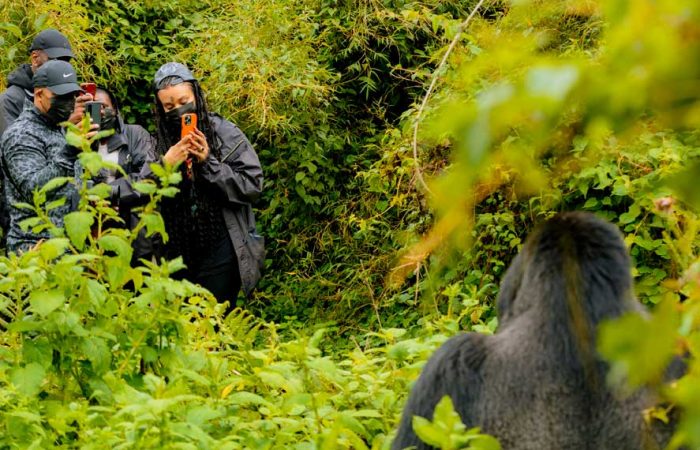
A 20-day Uganda safari for first-timers should blend primate trekking with savanna game drives, encompassing Bwindi Impenetrable Forest, Kibale Forest, and Murchison Falls. Spend this extended time covering western, southwestern, and eastern Uganda, including Jinja (adventure), Kidepo Valley (remote wilderness), and Lake Mburo
20-days-uganda-birding-safari-wildlife-gorilla-and-chimpanzee-tracking
20-days-uganda-birding-safari-to-uganda-national-park
20-days-uganda-safari-holiday-tour-package-itinerary
21-days-uganda-birding-safari-extravaganza-to-best-uganda-safari-parks
20 Days Uganda safari
This 20-day Uganda safari is crafted for first-time visitors who want a comprehensive, immersive experience of the country’s diverse landscapes, wildlife, cultures, and adventures. Beginning at Entebbe and winding through lush rainforests, volcanic highlands, sweeping savannahs, and crater lakes, the itinerary blends active pursuits—hiking, boat cruises, and game drives—with slower cultural encounters like coffee tours and community visits. Highlights include chimpanzee trekking in Kibale, gorilla tracking in Bwindi, dramatic river and waterfall scenery at the Nile and Murchison Falls, and remote wilderness in Kidepo Valley. The route balances travel time with well-placed rest days and comfortable lodge stays, offering both classic wildlife viewing and unique Uganda-only experiences such as the source of the Nile, the Batwa cultural interaction near Bwindi, and walking safaris at Lake Mburo. This plan is flexible: it can be adjusted for fitness levels, accommodation preferences, or added activities like hot-air ballooning, making it ideal for an unforgettable first visit to Uganda.
Day 1 (Arrival & Entebbe
Arrive at Entebbe International Airport where your driver-guide will meet you and transfer you to your hotel. Settle in and recover from the flight; enjoy views over Lake Victoria if time permits. Depending on arrival time, explore nearby Entebbe attractions: the enchanting Entebbe Botanical Gardens for a relaxed stroll, the Wildlife Education Centre to get acquainted with rescued animals, or the Uganda Reptile Village. Enjoy dinner at your lodge and a briefing with your guide about the safari schedule, health precautions, and practical tips. Early nights are recommended to adjust to local time and prepare for a full day tomorrow. Accommodations close to Entebbe make onward travel easy and comfortable.
Day 2 (Mabira Forest & Transfer to Jinja
After breakfast, depart Entebbe for Mabira Forest, one of Uganda’s largest lowland rainforests. Enjoy a guided nature walk on well-maintained trails looking for forest birds, butterflies, and maybe Long‑tailed Blue monkeys. The canopy offers cool shade and an introduction to Uganda’s biodiversity. Continue east to Jinja—Uganda’s adventure and river hub—arriving by mid‑afternoon. Stretch your legs with a casual walk along the Nile’s banks or visit local craft markets. Optional late-afternoon activities include a short boat trip on the Nile or a sunset riverside drink at a café. Overnight in Jinja, where you can rest before tomorrow’s source of the Nile excursions and adventure options.
Day 3 (Source of the Nile & Adventure Activities
Spend the day exploring Jinja and the source of the Nile. Begin with a boat cruise to the Nile’s spring—a scenic, photographic moment where Lake Victoria feeds Africa’s great river. Choose from optional adrenaline activities like white-water rafting, kayaking, quad biking, or bungee jumping (seasonal and subject to safety briefings). For a gentler day, visit local communities, ride bicycles along the river, or tour the Owen Falls Dam to learn about the region’s hydroelectric history. Enjoy fresh river fish for lunch at a riverside restaurant. In the evening, relax at your lodge and discuss the onward transfer to the Mt. Elgon/Sipi region. This day blends natural wonder, adrenaline, and cultural interaction.
Day 4 (Transfer to Sipi Falls & Coffee Tour
Depart Jinja after breakfast for the eastern highlands and the Sipi Falls area at the foothills of Mount Elgon. The drive offers rolling landscape views and rural villages. On arrival, check into a lodge with views over the waterfalls and valleys. In the afternoon take a guided coffee tour—learn about local coffee farming, processing, and tasting at a smallholder farm, gaining insight into a key Ugandan livelihood. Finish with a short walk to one of the Sipi waterfalls to enjoy impressive cascades and dramatic viewpoints. Evening at leisure to enjoy the cool mountain air and stargazing. Accommodation in Sipi is typically cozy, eco-friendly, and well suited for early‑morning hikes tomorrow.
Day 5 (Hiking Sipi Falls & Local Culture
Today is dedicated to hiking the Sipi Falls trails and deeper cultural immersion. Set out on a scenic walk that links several waterfall viewpoints—each offers opportunities for photography and close-up appreciation of Mount Elgon’s escarpment. Local guides explain geology, flora, and the history of the area. After the hike, visit nearby villages for cultural exchange: meet farmers, observe traditional crafts, and learn about local customs. Lunch might include locally grown produce and freshly brewed Sipi coffee. If time allows, a gentle afternoon walk or horseback riding can be arranged. Travel preparations are made this evening for the long drive north toward Kidepo; ensure permits, visas, and gear are in order for the more remote leg ahead.
Day 6 (Transfer North toward Kidepo Valley
Begin an early, scenic overland transfer north to the remote Kidepo Valley National Park, traversing changing landscapes from highlands to dry savannah. Expect long stretches on good and some rough roads; stops en route offer rest, refreshments, and local interaction. Arrive at Kidepo by late afternoon, where the sense of remoteness and the broad horizons are immediate. Settle into your lodge or camp near the park boundary, enjoy sundowner views, and meet your local ranger. Briefings cover upcoming game drives and safety protocols in this rugged park. The night sky here is spectacular—perfect for stargazing—and an early sleep prepares you for a full day of exploration tomorrow in one of Uganda’s most untouched wilderness areas.
Day 7 (Kidepo Valley — Narus Valley Game Drive
Spend the day exploring Narus Valley, Kidepo’s principal game area. Morning and afternoon game drives target large savannah species—elephants, giraffes, cheetahs, lions, leopards, and unique browsers adapted to the arid environment. Birding is excellent here, with raptors and dry-country specialities on show. Midday you’ll enjoy a relaxed lunch and perhaps a short guided walk to appreciate the smaller fauna and flora. Rangers’ deep local knowledge increases chances of spotting predators and rare species such as ostrich and bat-eared fox. Return to camp for dinner; guides often share stories of Kidepo’s cultural communities and the park’s ecology. The remote setting makes wildlife encounters intimate and rewarding.
Day 8 (Kidepo — Kanangorok Hot Springs & Cultural Visit
On your second day in Kidepo, begin with an early drive to the Kanangorok Hot Springs area, a scenic corridor where animals gather and the landscape changes dramatically. Hot springs and riverine spots attract wildlife year-round—ideal for photography and close encounters. Spend time with your ranger observing watering herds, track prints, and birds. Afterwards, visit local Karamojong villages (respectfully and with a guide) to learn about pastoralist life, beadwork, and cultural traditions—ensuring interactions are arranged through community-approved programs. Return to camp mid‑afternoon for a siesta or optional guided nature walk near camp. The combination of wildlife and culture offers a nuanced view of life in northeastern Uganda before your transfer to the west.
Day 9 (Transfer to Murchison Falls National Park — via Ziwa Rhino Sanctuary
Depart Kidepo and head southwest toward Murchison Falls. En route stop at Ziwa Rhino Sanctuary for a guided walking safari to see white rhinos—Uganda’s landmark reintroduction success. The sanctuary allows closer, educational encounters with rhinos and provides an excellent photo opportunity and conservation briefing. Continue your drive to Murchison Falls National Park, arriving by late afternoon. Check into your lodge near the Nile and enjoy river views. Evening briefings will outline the next day’s activities: safari drives and the iconic Nile boat cruise to the base of Murchison Falls. Prepare cameras and light clothing for a warm, wildlife-rich itinerary.
Day 10 (Murchison Falls — Game Drive & Sunset Boat Cruise
Start early with a morning game drive in Murchison Falls’ northern or southern sectors depending on your camp location. Expect sightings of elephants, buffalo, Uganda kob, lions, and giraffes; birdlife is prolific along floodplains. Return to the lodge for lunch and mid-day rest from the heat. In the late afternoon take a classic Nile boat cruise from Paraa to the Delta—this is prime time for hippos, crocodiles, and water birds congregating along the banks. The cruise culminates at the dramatic base of Murchison Falls where the Nile squeezes through a narrow gorge; the powerful spray and thunderous sound are unforgettable. Sunset views from the boat are spectacular; afterwards enjoy dinner and an evening debrief.
Day 11 (Top of Murchison Falls & Transfer to Fort Portal/Kibale Area
Rise early to drive to the top of Murchison Falls, where a short hike or guided walk leads to the viewpoint overlooking the Nile plunging into the gorge. The dramatic panorama rewards the effort and offers unique photo angles. Afterward, begin the long but scenic drive towards western Uganda and the Kibale Forest region—home to one of Africa’s best chimpanzee-tracking sites. En route, pass rolling tea estates and picture‑postcard highlands; plan stops for lunch and stretch breaks. Arrive in the Fort Portal/Kibale area late afternoon and check in to your lodge. Evening at leisure with a briefing on tomorrow’s chimp tracking and Bigodi Wetland visit.
Day 12 (Kibale Forest — Chimpanzee Trekking
Today’s highlight is chimpanzee trekking in Kibale National Park, widely regarded as one of the best primate-watching sites. After an early briefing at the park headquarters with trackers and rangers, hike into tropical forest in search of habituated chimp troops. Tracking time can range from short to several hours depending on where the chimps are feeding. On finding a troop, you’ll spend the allocated viewing time observing acrobatic chimps in their element—feeding, socializing, and grooming. Return to the lodge for lunch and a relaxed afternoon visit to Bigodi Wetland Sanctuary for a guided nature walk, excellent birding, and the chance to spot primates such as red colobus and various forest species. Overnight in the Kibale area.
Day 13 (Bigodi Wetland & Transfer to Queen Elizabeth National Park
After breakfast, spend additional time in Bigodi Wetland Sanctuary if desired—morning is prime for birds and active primates. Then transfer south to Queen Elizabeth National Park, crossing scenic tea and farmland scenery. Arrive by mid-afternoon and settle into park accommodation near the Kasenyi or Mweya areas. If time permits enjoy a late-evening game drive or a cultural visit to nearby communities. Prepare for tomorrow’s Kazinga Channel boat cruise and game drives; Queen Elizabeth is famous for its high density of wildlife, including elephants, lions, buffalo, Uganda kob, and a rich bird population. Evening at the lodge beside the rift valley highlands with views across the savannah.
Day 14 (Queen Elizabeth — Kazinga Channel Boat Safari
Start the day with a relaxing early morning game drive in the Kasenyi plains where predators and large herds congregate, offering excellent photographic opportunities. After a midday break, take the famed Kazinga Channel boat cruise—one of Africa’s most productive wildlife waterways—where hippos, crocodiles, and dozens of water birds gather densely on the banks. The cruise often delivers close views of elephants drinking at the water’s edge and waterbirds such as kingfishers and herons. The channel links Lake George and Lake Edward and provides a spectacular wildlife perspective. Return to the lodge for sundowners and dinner, and consider an optional evening spotlight drive to glimpse nocturnal species.
Day 15 (Queen Elizabeth — Kyambura Gorge & Game Drive
Today explore Kyambura Gorge—often called the “Valley of Apes”—where habituated chimpanzees live in an intact forest within the savannah. Take a guided walk into the gorge for the chance to find and observe chimps in a dramatic setting, though sighting success varies. Afterwards enjoy an extended game drive through Queen Elizabeth’s diverse habitats—riverine, woodland, and open plains—searching for elephants, buffalo, Uganda kob, and, with luck, lions lounging on termite mounds. Picnic lunch can be arranged in the park. Late afternoon, return to camp and relax; this mix of canyon forest primates and classic savannah game makes Queen Elizabeth uniquely varied.
Day 16 (Transfer to Bwindi — via Ishasha Tree-climbing Lions if desired
Depart Queen Elizabeth and head south towards Bwindi Impenetrable National Park. If you choose, detour via the Ishasha sector in the southern part of Queen Elizabeth to try spotting the famed tree‑climbing lions—an iconic and rare sight. Continue the scenic drive into the Kigezi highlands, with their steep terraces and patchwork farms, arriving near Bwindi by late afternoon. Check into your lodge close to the Bwindi sector where your gorilla trek is scheduled. Spend the evening preparing for gorilla tracking: confirm permits, pack essential day gear, and attend any ranger briefings. Sleep early to be rested for the demanding but extraordinary gorilla trek ahead.
Day 17 (Bwindi — Gorilla Trekking in Rushaga/Buhoma/Nkuringo
Today is the highlight: mountain gorilla trekking in Bwindi Impenetrable National Park. After a mandatory briefing, you’ll be grouped with a ranger and porter and trek into the ancient rainforest towards a habituated gorilla family. Trek duration varies from short to several hours depending on gorilla movements and terrain. On finding the family, you’ll have the allocated viewing hour—observe their social behaviors, infants, and the commanding silverback while following strict ranger instructions for safety and minimal disturbance. Return to camp exhilarated; many lodges offer cultural visits to Batwa communities or restorative walks. Overnight in Bwindi with options to debrief with guides about gorilla behavior and conservation.
Day 18 (Second Day in Bwindi — Optional Habituation Experience or Community Visit
Use this day to extend your Bwindi experience: book a Gorilla Habituation Experience (if available and pre‑booked) for a longer, more intimate four‑hour encounter with semi‑habituated gorillas, or opt for a relaxed day of hiking, birding, and cultural engagement. Visit nearby villages or the Batwa community for a respectful cultural performance and learn traditional forest skills. Alternatively, take a nature walk on nearby trails to look for endemic birds and primates or simply rest at your lodge and enjoy the mountain scenery. This buffer day reduces pressure on travel and offers a second chance to see gorillas if you want to trek a different family. Enjoy the local hospitality before heading to Lake Bunyonyi tomorrow.
Day 19 (Lake Bunyonyi — Relaxation & Canoe Excursion
Head to Lake Bunyonyi, a serene crater lake famed for its many islands and picturesque scenery. Spend the day relaxing by the water, taking a traditional dugout canoe (ombobo) tour to visit select islands, birdwatch, and learn about local island communities. For active travelers, options include trekking to viewpoints, cycling on rolling ridges, or ziplining across the lake. Meals at lakeside guesthouses showcase local produce and are a restful contrast after the intensity of gorilla trekking. Late afternoon enjoy a calm sunset over the islands and reflect on the trip highlights. Prepare for a final brief wildlife stop en route to Entebbe tomorrow.
Day 20 (Lake Mburo Day Trip & Return to Entebbe — Departure Prep
On your final day, travel north towards Lake Mburo National Park for a short walking safari—one of Uganda’s best places for guided walks among wildlife like impala, zebra, topi, and numerous birds. The walking safari delivers an up-close, low-impact wildlife experience, with trained guides emphasizing minimal disturbance and safety. After the walk, enjoy lunch and a brief game drive if time allows, before commencing the return drive to Entebbe (or a domestic flight where arranged). Arrive in Entebbe in the evening for your final night or head to the airport for outward flights depending on schedule. Your guide will ensure smooth transfer, handle luggage, and assist with any last-minute needs—leaving you with memories of an epic, varied Ugandan adventure.
What is the best route for a 20-day Uganda safari?
A popular, well-balanced 20-day Uganda safari route begins in Entebbe and loops through the country’s highlights to maximize primate encounters, savanna wildlife, birding and varied landscapes while minimizing backtracking. A typical itinerary: Entebbe (arrival and Lake Victoria relaxation) → Lake Mburo (first game drives, horseback or boat safaris) → Bwindi Impenetrable NP (multiple days for gorilla trekking or habituation) → Queen Elizabeth NP (game drives, Kazinga Channel boat cruise, Kyambura Gorge chimp/primates) → Kibale Forest (chimpanzee trekking and Bigodi wetland birding) → Fort Portal/Crater Lakes (scenic stop and cultural visits) → Murchison Falls (boat cruise to base of falls, top-of-falls hike, Buligi drives) → Budongo/Kaniyo Pabidi (forest walks and chimp habituation if desired) → Kidepo Valley (remote wilderness game drives to finish) → return to Kampala/Entebbe (flight home or onward travel). This routing balances travel times: western loop (Bwindi–Queen–Kibale) keeps forest days clustered; northern Murchison–Kidepo leg adds classic savanna and remote-wilderness contrast. Build in rest and contingency days (at least one buffer day in the plan) for internal flights or road delays; consider a domestic flight to/from Kidepo or Murchison to save long drives. Accommodation pacing matters: alternate midrange and luxury nights with simpler camps to rest between strenuous treks. Permit-sensitive activities (gorilla and chimp permits, hot-air balloon slots) require booking months ahead—gorilla permits in particular (often 6–12 months early in peak season). Travel logistics: use a 4x4 safari vehicle with an experienced driver-guide who knows animal patterns and best photo positions; for photographers, ask for private launches or early-entry game drives. Finally, include cultural stops—Batwa community experiences near Bwindi, crater-lake villages near Fort Portal—to round the safari with human stories. With thoughtful pacing and booked permits, a 20-day loop delivers diverse wildlife, primates, landscapes and memorable photography opportunities.
Is a 20-day Uganda safari too long for beginners?
No—20 days is often ideal for beginners because it provides time, flexibility and rest. For someone new to African safaris, the span reduces travel fatigue, allows gradual acclimatization to days with early starts and rugged trails, and turns single “boxed” experiences into relaxed explorations. A 20-day trip allows pacing: you can spend multiple days in high-value areas (for example, two gorilla-trekking days in Bwindi to increase your chance of excellent encounters and to rest between tough treks), add a chimp habituation day in Kibale for a deeper experience, and include both boat-based and vehicle-based wildlife experiences (Kazinga/Kazinga-like cruises, Murchison launch, Buligi game drives). This length also means more buffer days for weather or permit changes; if a flight or road leg is delayed you won’t have to rush the rest of your tour. For beginners, the emotional and physical transitions of safari—early mornings, varied accommodations, and the physicality of tracking primates—are less stressful when spread out. Practical considerations: ensure you plan a balanced mix of active (treks, walks) and gentler (boat cruises, cultural visits) days; this preserves energy and keeps enthusiasm high. Ensure pre-trip health preparations (vaccinations, malaria prophylaxis, travel insurance) and pick a tour operator who offers clear support, local guides, and comfortable transport. If motion or long drives worry you, request internal flight options between distant parks (e.g., Entebbe–Murchison, Murchison–Kidepo) to reduce road time. For photographers, the extra days let you wait for light and behavior, shoot at different times of day, and build a coherent visual story. In sum, 20 days is beginner-friendly: long enough to experience Uganda’s depth without being rushed, provided you pace activities and choose reliable logistics.
What is the best time to book a 20-day Uganda safari?
Book as early as you can—especially for a 20-day safari that includes gorilla trekking and other permit-limited activities. The best lead time is 6–12 months for peak seasons (June–September and December–February) because gorilla permits sell out quickly; some operators recommend booking a full year in advance for top lodges or private departures. For the best combination of weather and wildlife visibility, target the dry windows: June–September (long dry season) and December–February (short dry season). These months offer firm roads, easier trekking conditions, clearer skies, and concentrated wildlife along rivers and water points—important for game drives, boat cruises and birding. That said, green/wet season bookings (March–May and October–November) can be rewarding: lush landscapes, fewer tourists, dramatic waterfalls and lower lodge rates. If your 20-day plan spans a wet-to-dry transition, consider flexible routing (e.g., scheduling forest treks during drier pockets) and a vehicle with good ground clearance. Practical booking priorities: secure gorilla permits first (they’re non-transferable and limited), then chimp permits (Kibale and Kyambura), followed by hot-air balloon slots, internal flights, and private vehicle or boat requests. Ask your operator about cancellation, rescheduling and refund policies—pandemic-era flexibility remains useful. If you need to synchronize with international flights, aim to confirm international tickets only after key permits and internal flights are secured. For photographers seeking specific bird migrations or breeding displays, consult a guide about micro-seasonal windows. In short, book early—six months minimum in shoulder season, 9–12 months for peak season, and plan permits and internal logistics first to lock the best dates and accommodations.
How much does a 20-day Uganda safari cost?
Cost depends heavily on accommodation level, transport choices, and included activities. Major drivers of price for a 20-day Uganda safari are gorilla permits (currently around US$800 per person per trek in Uganda), chimpanzee permits, park entry fees, private vehicles or guides, domestic flights, and the standard of lodges. A rough range: budget travelers combining basic guesthouses and road travel might manage from US$2,500–US$4,000 per person (sharing), excluding international flights; mid-range, comfortable safaris with good lodges and most activities included typically fall between US$4,500–US$8,000 per person; luxury/private safaris, with private vehicles, premium lodges, domestic flights and exclusive experiences, often start at US$8,000 and can exceed US$12,000 per person. Breakdown considerations: gorilla permits are a fixed high-cost item (~US$800 each in Uganda), chimp permits cost less (often ~US$150–200), park fees and boat launches vary by park (Kazinga Channel, Murchison launches), and internal flights (if used to reach Kidepo or Murchison) add several hundred dollars each. Additional costs: visa(s) (East Africa visa if covering Uganda + Rwanda), travel insurance, tipping, drinks, optional activities (balloon flights, guided habituation experiences), and single-room supplements. For photographers, add potential costs for private boat or vehicle hire and logistics assistance. Ways to manage cost: travel in shoulder seasons for lower lodge rates, accept road transfers instead of domestic flights, and mix accommodation grades (splurge on key nights—e.g., near Bwindi—and economize elsewhere). Always request a detailed quote listing permits, park fees and what’s included to avoid surprises. Working with a reputable local operator (like the site you referenced) helps ensure correct permit handling and clearer cost estimates—ask for a full breakdown when you request a quote.
What are the must-see attractions on a 20-day Uganda safari?
A 20-day Uganda safari should focus on the country’s signature experiences: gorilla trekking in Bwindi (or Mgahinga) for close encounters with mountain gorillas; chimpanzee trekking or habituation in Kibale Forest and Kyambura Gorge for intimate primate behavior; boat cruises on the Kazinga Channel (Queen Elizabeth NP) and the Nile (Murchison Falls) for wildlife concentrations and birdlife; and the remote savanna spectacle of Kidepo Valley for big-game viewing in dramatic wilderness. Complement these with the Top-of-the-Falls hike at Murchison for raw landscape drama, Ziwa Rhino Sanctuary for rhino tracking, and Lake Mburo for horseback safaris and unique zebra sightings. Birders will prize papyrus swamps and the chance to find the Shoebill in the Albert Delta; the crater lakes and Rwenzori views near Fort Portal add scenic cultural variation. Cultural must-sees include Batwa community visits near Bwindi, crater-lake cultural walks, and Karamojong visits around Kidepo for traditional pastoralist culture. For photographers and nature lovers, include early-morning hot-air balloon flights over Queen Elizabeth’s Ishasha/ plains or over Murchison (if available), and forest night-walks in Budongo/Kaniyo Pabidi to catch nocturnal species. Structuring the 20 days to allocate multiple days at each marquee destination—two or more days for Bwindi gorilla trekking (to account for permit timing and increase quality), two days for Kibale chimp trekking or habituation, several days for Queen Elizabeth and Murchison launches, and three-plus days in Kidepo—gives depth and a higher chance of exceptional sightings. With good pacing, these must-sees combine primate close-ups, classic African savanna panoramas, riverine wildlife concentrations and cultural encounters—producing a varied and deeply rewarding 20-day Uganda safari.
Can I combine a 20-day Uganda safari with Rwanda?
Yes—combining Uganda and Rwanda within a 20-day itinerary is entirely feasible and rewarding, especially if gorilla trekking is a core goal. Many travelers pair Uganda’s Bwindi gorilla experience with Rwanda’s Volcanoes National Park to increase gorilla permit availability, add variety (different trekking landscapes and habituated groups), and include cultural or relaxation stops at Lake Kivu. Typical combination routing: begin in Entebbe, move west to Bwindi (gorillas), drive or fly to Kigali and Volcanoes NP for a second gorilla or Golden Monkey trekking option, relax at Lake Kivu, then return to Uganda for Kibale chimps, Queen Elizabeth NP, and Murchison/Kidepo. Logistics: border transfers (Kigali–Bunagana/Gatuna crossing) are common and straightforward with a tour operator handling permits, road transfers, and customs. Internal flights (e.g., Entebbe–Kigali or Entebbe–Gisenyi) speed up transfers and reduce long road legs; alternatively, a well-planned road loop can work but allow extra travel time. Permit strategy: some travellers book one gorilla permit in Uganda and one in Rwanda to experience different habituated groups and compare trekking conditions—Rwanda’s permits are generally slightly more expensive but gorilla encounters there can be shorter hikes depending on group ranges. Visa and paperwork: an East African Tourist Visa can simplify cross-border movement (covers Uganda, Rwanda, Kenya), but check entry rules and confirm with authorities. Consider seasonality and guide expertise: coordinate peak seasons and book permits early (6–12 months out) to secure desired dates. Combining both countries enriches the safari—two distinct conservation models, different accommodation styles, and complementary cultural experiences—while delivering double the chance to spend precious time with mountain gorillas.
What fitness level is needed for a 20-day Uganda safari?
Moderate fitness is recommended for a 20-day Uganda safari. Many of the highlight activities—gorilla trekking in Bwindi or Mgahinga and chimpanzee tracking in Kibale or Kyambura—require walking on uneven, sometimes steep, muddy trails for several hours, often at altitude and through dense forest. A typical gorilla trek can be anywhere from 1 to 6+ hours depending on the family’s location that day; chimp treks can also vary in duration and terrain. For savanna game drives and boat cruises the physical demands are low, but multi-day travel can be tiring—long driving days, early starts (pre-dawn departures), and variable accommodations mean you should be comfortable with basic outdoor living. Preparatory steps: build cardiovascular stamina (walking, hiking, cycling) and lower-body strength (stairs, hill walks) in the weeks before travel; practice carrying a daypack (5–8kg) to mimic gear you’ll bring—water, camera, light rain jacket, snacks. Flexibility and balance help on slick forest slopes; consider short hikes on uneven ground in advance. If you have health conditions, consult your doctor about travel fitness and altitude tolerance. Tour flexibility: many operators offer gorilla habituation experiences (which are longer but often slower-paced) or use porters to carry heavy gear and take pressure off trekkers—porters are available in Bwindi for a small fee and can make treks accessible to those less fit. If long walks are problematic, split your 20-day itinerary to include more vehicle and boat-based activities, add rest days, or choose lower-intensity chimp-tracking options that are shorter and closer to trailheads. In short, moderate fitness and preparation will let you enjoy the full range of activities; with operator support (porters, tailored pacing) less-fit travellers can still have superb, safe experiences.
Is it safe to do a 20-day Uganda safari?
Yes—a 20-day Uganda safari is generally safe when you travel with reputable operators, follow local guidance, and take sensible precautions. Uganda’s national parks are managed by the Uganda Wildlife Authority (UWA) and park activities such as gorilla trekking, chimp tracking, game drives and boat launches are supervised by trained guides and rangers. Gorilla and chimp treks are regulated (permit systems, group sizes, health rules) to protect both visitors and wildlife; many walking safaris are accompanied by armed rangers or experienced trackers in sensitive zones to ensure safety. Practical safety steps: use licensed operators that provide experienced driver-guides, ensure your travel insurance covers safari activities (including gorilla trekking), follow guides’ instructions at all times (distance rules, noise control, no flash photography where prohibited), and carry necessary health preparations (vaccinations, malaria prophylaxis). Road safety: many roads outside major cities are unpaved and can be rough, especially in rainy season—drive with an experienced 4x4 driver and allow flexible travel time. Security: tourist areas are generally secure, but petty crime can occur—use hotel safes, avoid displaying expensive gear in towns, and keep copies of important documents. Health precautions: Uganda requires certain vaccinations (e.g., yellow fever for many arrivals) and malaria is present—consult travel clinics for up-to-date advice. COVID and other public-health rules can change—check latest policies and have contingency plans. Wildlife safety: always remain in vehicles on game drives unless your guide says otherwise; for gorilla or chimp encounters follow distance and hygiene rules to prevent disease transmission. Finally, book with operators who prioritize responsible tourism and have clear emergency protocols, evacuation plans, and local contacts; with these safeguards, a 20-day safari is both safe and deeply rewarding.
What should I pack for a 20-day Uganda safari?
Pack light, practical gear focused on comfort, protection from sun and rain, and readiness for forest and savanna conditions. Essentials: sturdy, broken-in hiking boots (waterproof if possible) and comfortable trail shoes; neutral-coloured quick-dry clothing (long-sleeve shirts and long trousers to reduce insects and sun exposure); a lightweight, waterproof jacket and rain cover (trails and river spray can be wet); a warm layer for cool mornings and evenings; a wide-brim hat, sunglasses and high-SPF sunscreen. For primate treks bring gaiters (to protect legs from brambles and leeches), thin gloves (if you’ll use hands for scrambling), and a small, comfortable daypack for water, snacks, camera, spare batteries and permits. Camera kit: at least one telephoto lens (100–400mm or 300mm), a mid-zoom (24–70mm) or wide-angle for landscapes, extra memory cards, spare batteries and a compact microfiber cloth to handle mist especially near waterfalls; consider a rain sleeve for your camera. Health and safety: insect repellent with DEET, basic first-aid kit, personal medications, water purification tablets (optional), and malaria prophylaxis as advised by your doctor. Documents and money: passport, printed copies of permits and confirmations, travel insurance, visas, and a mix of local currency and credit cards (many remote lodges are cash-only). Other useful items: headlamp or torch with spare batteries, binoculars for game and birding, travel towel, quick-dry underwear, and zip-lock bags to keep electronics dry. For comfort: earplugs, a reusable water bottle, and snacks for long drives. Respectful extras: small gifts for local communities (school supplies) if you plan community visits—coordinate this with your guide to ensure cultural appropriateness. Finally, keep your kit compact and ready to change—long overland transfers and domestic flights have luggage limits; discuss limits with your operator in advance so you can pack accordingly.
What is the accommodation like on a 20-day Uganda safari?
Accommodation on a 20-day Uganda safari spans budget guesthouses, comfortable mid-range lodges, eco-lodges, and high-end luxury camps—often chosen to match location, travel time and desired comfort during strenuous days. In popular safari hubs such as Bwindi and Kibale you’ll find a range: basic bandas and community-run guesthouses for budget travelers; mid-range forest lodges offering private bathrooms and hot showers; and luxury lodges with excellent views, all-inclusive meals and guided services. In national parks like Queen Elizabeth and Murchison, riverfront lodges and tented camps provide close wildlife access—some offer bush-style luxury with en-suite tents and game-view decks. Kidepo Valley, being remote, features rustic-to-comfortable lodges and seasonal camps, where solar power and limited connectivity are common; this remoteness is part of the experience. Many lodges prioritize eco-friendly practices and community partnerships—stay choices often benefit local conservation and communities. Expect differences in amenities across the route: remote parks may have simpler lodgings (limited hot water, power by generator or solar) while larger towns and some luxury properties have consistent hot water, Wi-Fi and laundry. Bedding and food are usually hearty and lodge chefs cater to dietary needs—inform operators ahead about allergies. For photographers and early risers, request early breakfasts and packed lunches to match game-drive schedules. Single travelers should expect single-room supplements; group sharers can reduce costs. For authentic experiences, include at least one night in a community-run lodge or cultural homestay; they provide insight into local life and keep tourism benefits local. Book well in advance for peak seasons and gorilla-trekking nights—near Bwindi and Volcanoes lodges fill quickly. Overall, accommodation on a 20-day safari ranges widely but is generally comfortable, with options to match budget and desired luxury.
Do I need visas for a 20-day Uganda safari?
Yes—visas are required for most nationalities entering Uganda, and if your 20-day safari crosses into neighboring countries (for example, Rwanda), you should arrange appropriate visas or the East African Tourist Visa. Uganda issues visas online (e-visa) and the East African Tourist Visa (EATV) covers entry to Uganda, Rwanda and Kenya under a single visa—convenient for cross-border safari itineraries. Visa requirements and costs vary by nationality, so check your government’s travel advisory and the Uganda immigration website for the latest rules. For cross-border travel into Rwanda during a combined itinerary, confirm whether you need a separate Rwanda visa or whether the EATV will cover the entry—Rwanda also offers e-visas and visa-on-arrival for many nationalities. Practical tips: apply online before travel and carry printed copies of visa approval and safari permits; some border posts may ask for proof of accommodation or return flight. If you plan internal flights, check whether your passport validity meets airline and country entry requirements (many require six months remaining). For longer stays or multi-country circuits, verify whether multiple-entry visas are needed—some single-entry visas can complicate re-entry to a country. For gorilla trekking and protected-area permits, bring the same passport used in permit bookings—permits are linked to passport numbers. Finally, if you’re uncertain, your tour operator can often advise and assist with visa guidance or local entry processes, ensuring your 20-day safari proceeds without administrative surprises.
What wildlife will I see on a 20-day Uganda safari?
A 20-day Uganda safari covers a sweeping variety of habitats—rainforest, riverine, savanna and wetlands—so you’ll encounter primates, big mammals, and rich avifauna. Expect mountain gorillas (Bwindi or Mgahinga) and habituated chimpanzees (Kibale, Kyambura, Budongo forests) as headline species; gorilla trekking is the defining Ugandan wildlife experience. Savanna parks (Queen Elizabeth, Murchison, Kidepo) deliver elephants, lions, buffaloes, spotted hyenas, giraffes (including Rothschild’s in Murchison), Uganda kobs, hartebeest, warthogs, and smaller antelopes. Rhinos are seen at Ziwa Rhino Sanctuary (outside parks) for close rhino-tracking. Kidepo is notable for open plains populations and rare sightings—leopards, cheetahs (less common), striped hyenas and large elephant herds in a remote setting. River and delta areas host abundant hippos and Nile crocodiles, especially along Murchison’s Nile and Kazinga Channel’s waterlines. Birdlife is outstanding: expect species like the Shoebill (in Albert delta/papyrus), African fish eagle, grey crowned crane, papyrus gonolek, and dozens of Albertine Rift endemics in forested areas. Night walks and forest camps add nocturnal species—galagos, pottos, civets. Behaviorally rich encounters—tree-climbing lions in Ishasha (Queen Elizabeth), hippo schools at Paara (Murchison), and flocking waterbirds in the delta—make for varied photography. Seasonal presence affects some species—migrations and breeding seasons alter visibility—so timing matters. Guides and trackers dramatically increase sighting odds by following animal ranges and recent sightings, so travel with experienced operators. With multiple days per destination, you’ll likely see a wide cross-section of Uganda’s fauna: great apes, classic African megafauna, and exceptional bird diversity.
Are cultural experiences included in a 20-day Uganda safari?
Yes—most well-rounded 20-day Uganda safaris incorporate cultural visits alongside wildlife activities to give insight into local life, traditional practices, and community conservation initiatives. Typical cultural elements: Batwa (Pygmy) community visits near Bwindi, where you can learn about forest lifeways, traditional music, dance and crafts; village walks and homestays around Fort Portal and the crater-lake communities that reveal farming and tea/coffee production; Busoga and fishing-village visits near Queen Elizabeth for fishing culture and salt-harvesting demonstrations; and Karamojong village visits in the Kidepo region to observe pastoralist lifestyles, beadwork and traditional ceremonies. Many lodges and community projects host cultural evenings—music, dance and storytelling—that are ethical and revenue-generating when managed responsibly. Community-run projects such as Bigodi Wetland Sanctuary (near Kibale) offer guided cultural and conservation tours where entrance fees support local development. When booking, choose operators who partner with local communities, ensure fair compensation for guides and performers, and follow respectful practices (ask before photographing people, offer small donations through official channels rather than direct cash handouts). Cultural experiences can be tailored by interest: agricultural tours, coffee and tea processing visits, craft workshops, and school visits for educational exchanges (coordinate ahead and follow operator guidance). These visits enrich the safari by linking wildlife conservation to the livelihoods and traditions of the people who live alongside protected areas—giving context to conservation challenges and successes.
How do I travel between destinations on a 20-day Uganda safari?
Most travel between parks is by 4x4 safari vehicle, which provides flexibility and the ability to stop for sightings, photos and local interactions. Vehicles are generally sturdy Toyota Land Cruisers or similar with roof hatches for game viewing and photography; choose operators offering comfortable seating, experienced driver-guides, and sufficient luggage space. Road distances in Uganda can be long—expect full-day drives on some legs—so itineraries often cluster nearby parks (e.g., Bwindi–Queen Elizabeth–Kibale) to reduce transit stress. For long legs (e.g., Entebbe–Murchison, or Murchison–Kidepo), internal charter flights or scheduled domestic services are common to save time and reduce road fatigue; domestic flights can be costlier but significantly increase comfort and time-on-site for wildlife. Boat transfers are essential for river experiences—Paraa launches to the base of Murchison Falls, and Kazinga Channel cruises in Queen Elizabeth are primary travel/activity elements. For cross-border itineraries (Rwanda–Uganda), guided road transfers via official border posts or short regional flights to Kigali are standard; ensure your visas and permits align. When planning, account for road conditions (unpaved or rough tracks in rainy season), ferry crossings (Paara), and the need for buffer days for delays. Operators often handle permits, road permits, and vehicle fueling; discuss luggage limits (especially for flights) and add contingency days. For photographers, request pre-arranged private launches, early access drives, and support gear-carrying assistance. In short, a mix of reliable 4x4 road travel, selective domestic flights for long transits, and boat transfers for river sections provides the optimal transport model for a comfortable, efficient 20-day Uganda safari.
Booking Uganda safari with us Roads of Adventure safaris
Book your unforgettable Uganda safari with Roads of Adventure Safaris, specialists in tailored, mid-range to luxury adventures. Experience thrilling gorilla trekking in Bwindi, chimpanzee tracking in Kibale, and game drives in Queen Elizabeth National Park with expert guides. We handle all logistics, including permits, comfortable accommodation, and transport for a seamless experience. Contact us to customize your journey—from 3-day gorilla trips to 15-day circuits—and secure your dream African adventure through a trusted, highly-rated local operator
