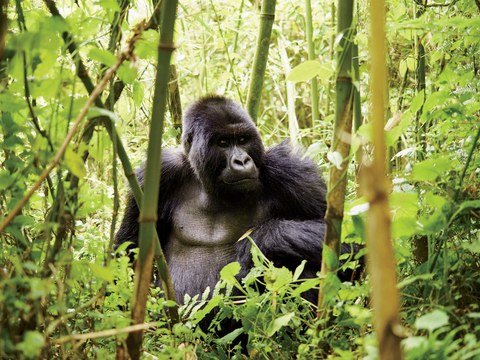
A 15-day Rwanda-Uganda gorilla trekking tour combines primate tracking in Nyungwe and Volcanoes National Parks with Uganda’s Bwindi Impenetrable Forest, Kibale chimpanzees, and savanna game drives in Queen Elizabeth and Murchison Falls. This itinerary offers a comprehensive, and diverse East African wildlife adventure covering both countries.
15 Days Rwanda Uganda gorilla trekking tour package itinerary
A 15-day itinerary through Rwanda and Uganda promises an unforgettable adventure, presenting opportunities to observe a diverse range of wildlife, including mountain gorillas, chimpanzees, golden monkeys, lions, elephants, hippos, buffaloes, leopards, various antelope species, and a vibrant array of birdlife such as the shoebill and African grey parrot. This trip starts in Kigali, where you'll visit the Kigali Genocide Memorial, then travel to Nyungwe Forest National Park, renowned for its rich primate populations and lush forests. The journey continues to Volcanoes National Park for gorilla trekking, a highlight for many visitors. Following this, you'll cross into Uganda for more gorilla trekking in Bwindi Impenetrable National Park. Uganda's Queen Elizabeth National Park offers exciting game drives and boat cruises teeming with hippos and crocodiles, while Kibale National Park presents the chance to track chimpanzees. End your safari at Murchison Falls National Park and Ziwa Rhino Sanctuary, where you will encounter the iconic rhinos. Each destination adds unique wildlife sightings that enhance this captivating safari itinerary.
Day 1: Arrival in Kigali, Rwanda
Arriving in Kigali, the capital of Rwanda, you will be welcomed by your knowledgeable guide. After a brief orientation, you will embark on a city tour that includes a visit to the Kigali Genocide Memorial, a significant site that honors the victims and educates visitors about Rwandan history. Here, you can gain insights into the country's journey toward recovery and unity. Your guide will provide information on the memorial and its importance. Following the tour, you'll transfer to your hotel in Kigali for an overnight stay. The evening allows you to settle in and relax, with the option to explore local cuisine at nearby restaurants. Keep an eye out for local wildlife in the urban setting, such as various bird species. Expect a restful night before undertaking the adventure ahead in the beautiful landscapes of Rwanda.
Day 2: Transfer to Nyungwe Forest National Park
On Day 2, you'll begin your day with breakfast before departing for Nyungwe Forest National Park. The scenic drive takes approximately 5 to 6 hours, passing through rolling hills and lush tea plantations, setting the stage for the diverse wildlife you will encounter. As you travel, keep an eye out for wildlife such as monkeys, various birds, and even the occasional antelope. Once you arrive at the park, settle into your accommodation for the night. Nyungwe is renowned for its rich biodiversity, housing several primate species and a variety of birds. The lush surroundings and unique flora make this a prime location for nature enthusiasts. Your guide will prepare you for the activities ahead and provide insights into the fascinating wildlife dynamics that exist within the forest.
Day 3: Chimpanzee Tracking & Canopy Walk
Day 3 kicks off with an early morning trek in Nyungwe Forest, where you will search for chimpanzees. Accompanied by experienced guides, you will navigate the forest trails in search of these endangered primates. The higher concentration of chimpanzees in Nyungwe means you have a great chance of encountering them, along with other wildlife such as blue monkeys, red-tailed monkeys, and grey-cheeked mangabeys. After an exhilarating trek, you will return to the lodge for lunch before heading out on the canopy walk. This suspended walk offers a unique perspective of the forest, allowing you to observe diverse birds and small mammals among the tree branches. The day concludes with more opportunities for wildlife viewing and reflection on your encounters, setting an exciting tone for the next leg of your trip.
Day 4: Drive to Volcanoes National Park
On Day 4, you will depart Nyungwe on a drive to Volcanoes National Park, which takes about 5 to 6 hours. The journey through the scenic hills of Rwanda allows you to appreciate the country’s beautiful terrain, showcasing tea plantations and rural villages. As you travel, look out for local wildlife, including various bird species and perhaps even small mammals. Once you arrive at Volcanoes National Park, check into your lodge and prepare for the thrilling experiences that lie ahead. The park is home to the renowned mountain gorillas and offers breathtaking views of the Virunga Mountains. In the evening, relax and gather with fellow travelers to discuss the upcoming gorilla trekking adventures. Your guide will provide you with important information regarding the permits and preparation required for the trek.
Day 5: Gorilla Trekking in Rwanda
Day 5 is dedicated to gorilla trekking in Volcanoes National Park. After an early breakfast, you'll be driven to the park headquarters for a briefing about the trekking experience. Accompanied by expert guides, you will be divided into small groups and head into the forest in search of a specific gorilla family. The trek can vary in length, but the thrill of encountering these magnificent primates up close is unparalleled. Expect to see not only the gorillas but also other wildlife like bushbucks, golden monkeys, and a variety of birds. After an enriching encounter with the gorillas, you will return to the lodge in the afternoon. To deepen your cultural experience, visit the Iby’iwacu Village, where you can engage with local communities and learn about their way of life. The day ends with the excitement of sharing stories about the gorilla trek.
Day 6: Golden Monkey Trekking or Dian Fossey Hike
On Day 6, you’ll have the option to partake in either golden monkey trekking or a hike to Dian Fossey’s grave. If you choose golden monkey trekking, this activity takes you into the bamboo forests where you can observe these playful primates in their natural habitat. Their lively behavior and stunning golden fur provide fantastic photo opportunities. Alternatively, if you choose the Dian Fossey hike, you'll journey to the site where this legendary conservationist is buried, learning about her significant contributions to gorilla conservation. Whichever option you select, both activities provide unique chances to view animals, including various other primate species and diverse birdlife. After the adventure, return to your lodge to prepare for the next leg of your safari, cherishing the memories made in this remarkable corner of Rwanda.
Day 7: Cross to Uganda (Bwindi)
On Day 7, you will cross the border into Uganda, specifically to Bwindi Impenetrable National Park. The border crossing takes approximately an hour and is generally smooth, facilitated by your guide. Once across, the scenic drives lead you through the hilly terrain of southwestern Uganda, renowned for its diverse wildlife. Keep your eyes peeled for various animals along the way, including elephants, monkeys, and a variety of birds unique to the region. You will arrive in Bwindi in the afternoon, where you'll check into your accommodations. Bwindi is renowned for its dense forests and rich biodiversity, particularly the mountain gorilla populations. Spend the evening reflecting on the upcoming gorilla trekking adventure, preparing your gear, and enjoying the cool mountain air while surrounded by breathtaking scenery.
Day 8: Gorilla Trekking in Bwindi
Day 8 is dedicated to another incredible gorilla trekking experience, this time in Bwindi Impenetrable National Park. After breakfast, you will head to the park headquarters for a briefing session. Armed with your trekking gear, join your group of fellow trekkers and knowledgeable rangers to search for a specific gorilla family. As you walk through the dense forest, observe the unique flora and fauna that surround you, including various butterflies, birds, and even small mammals. The thrill increases as you approach the gorilla family, where you can witness their interactions and behaviors for a full hour. Afterward, you'll return to your lodge with a heart full of memorable encounters. Spend the evening relaxing and sharing stories with other travelers about your respective treks through the lush beauty of Bwindi.
Day 9: Transfer to Queen Elizabeth National Park via Ishasha
On Day 9, you will begin your transfer to Queen Elizabeth National Park, which takes around 2 to 3 hours. The drive to the park includes passing through the scenic Ishasha region, famous for its tree-climbing lions. Upon arrival in Ishasha, you'll have the opportunity to embark on a brief game drive, searching for these unique lions that often can be seen resting on tree branches. In addition to lion sightings, look for other wildlife, including elephants, hippos, and various antelopes native to the region. After observing these majestic creatures, continue your journey to Queen Elizabeth National Park, where you will check in to your accommodation. The evening allows for relaxation and preparation for the following day's adventures, which include more wildlife exploration in this diverse national park.
Day 10: Game Drive & Boat Cruise
Day 10 promises excitement in Queen Elizabeth National Park. Begin with an early morning game drive, where you will search for a wide array of wildlife, including elephants, buffaloes, warthogs, and different species of antelope. This park is also home to notable predators, so keep an eye out for lions and leopards. You'll have ample opportunity to capture stunning photographs of the wildlife in their natural habitats. In the afternoon, enjoy a boat cruise along the Kazinga Channel, which connects Lake Edward and Lake George. This relaxing cruise provides the chance to see hippos, crocodiles, and a variety of bird species, including African fish eagles and pelicans. The day concludes with a return to your lodge for dinner and stories about the remarkable wildlife observed throughout the day.
Day 11: Transfer to Kibale National Park
On Day 11, you will transfer to Kibale National Park, a drive of approximately 2 to 3 hours. As you wind through the Ugandan countryside, take in the scenic views, which include lush landscapes and vibrant local communities. Kibale is often referred to as the "Primates Capital" of the world due to its diverse primate populations, including green monkeys, red-tailed monkeys, and countless bird species. Arriving at Kibale, check into your accommodation before preparing for the thrilling activities ahead. After settling in, enjoy some free time to relax or explore the surrounding area. Your guide will brief you on the chimpanzee trekking the following day, ensuring you are ready for an encounter with the fascinating primates that call this park home.
Day 12: Chimpanzee Trekking in Kibale
Day 12 centers around an exciting chimpanzee trekking adventure in Kibale National Park. After an early breakfast, you will meet with your guide and other trekkers for a briefing before setting off into the forest. Kibale is home to one of the largest populations of chimpanzees in Africa, giving you a high chance of spotting these intelligent primates. As you hike through the forest, you may also encounter other wildlife, such as red-tailed monkeys, baboons, and various bird species, including the elusive green-breasted pitta. Once you locate a chimpanzee family, enjoy observing their social behavior during your allotted hour. After the trek, you’ll return to your lodge to relax and enjoy lunch. In the afternoon, embark on a guided walk through the Bigodi Wetland, where you can spot more wildlife and native bird species, enriching your overall understanding of this vibrant area.
Day 13: Drive to Murchison Falls National Park
On Day 13, you will start the day with breakfast before departing for Murchison Falls National Park, which takes around 6 to 7 hours. Enjoy the scenic drive through the Ugandan countryside, passing through picturesque landscapes and small villages. During your journey, you may catch glimpses of various wildlife, including grazing cattle, goats, and even the occasional roadside monkey. Once you arrive at Murchison Falls National Park, you will check into your accommodation and prepare for the adventures that await you. The park is famous for its dramatic waterfall, where the Nile River cascades through a narrow gorge. As evening approaches, relax at your lodge, listening to the sounds of nature and anticipating the wildlife activities that you will engage in the following day.
Day 14: Murchison Falls Activities
Day 14 is filled with exciting activities at Murchison Falls National Park. Start your day with a morning game drive, where you will explore the park’s vast ecosystems, searching for elephants, lions, giraffes, and various antelope species. The abundance of wildlife provides excellent opportunities for photography and observing animal behavior. After the game drive, return to your lodge for lunch before preparing for the afternoon boat cruise on the Nile River. This cruise will take you to the base of Murchison Falls, providing a unique perspective of the waterfall and its surrounding wildlife. As you glide along the river, watch for hippos, crocodiles, and many bird species that inhabit the area. Conclude the day with a return to your lodge, reflecting on the incredible wildlife encounters you've enjoyed during your time in Murchison Falls.
Day 15: Ziwa Rhino Tracking & Departure
On your final day, Day 15, you will set off for Ziwa Rhino Sanctuary, located about 2 hours from Murchison Falls. After a quick breakfast, head to the sanctuary for a rhino tracking adventure. Here, you can observe the southern white rhinos in their natural habitat and learn about ongoing conservation efforts to protect these magnificent animals. A knowledgeable ranger will lead you on the trek, providing insights into the rhinos’ behavior and the challenges they face. After your tracking experience, travel to Entebbe for your departure. Depending on your flight schedule, you may have some time to relax or explore the area. Reflect on the incredible wildlife encounters and diverse experiences you've had throughout your 15 days in Rwanda and Uganda, taking home cherished memories of this extraordinary safari.
1. What is the Best Time for a 15-Day Rwanda-Uganda Gorilla Trekking Tour?
The best time for a 15-day Rwanda-Uganda gorilla trekking tour occurs during the dry seasons, from June to September and December to February. During these months, both countries experience reduced rainfall, making trekking conditions more manageable and enhancing wildlife viewing opportunities. The drier trails facilitate easier navigation through the forests, which can be particularly challenging during wet seasons when the paths may be muddy and slippery.
Opting for a safari during these dry months also increases the likelihood of spotting wildlife as animals congregate around water sources. For travelers interested in both gorillas and other animals, the dry months provide the best chances for successful sightings. Additionally, these periods align with peak tourist seasons, presenting opportunities to connect with fellow travelers and engage in vibrant local communities.
Booking permits for gorilla trekking during these dry months is highly recommended, as they tend to sell out quickly. This consideration can help ensure your dream of observing mountain gorillas in their natural habitat becomes a reality. Ultimately, choosing to visit during the dry season maximizes comfort and enjoyment during this incredible wildlife adventure.
2. Do I Need a Visa for Both Rwanda and Uganda on This Tour?
For a seamless 15-day safari that includes both Rwanda and Uganda, an East African Tourist Visa is highly recommended. This visa simplifies travel between the two countries by allowing multiple entries into Rwanda, Uganda, and Kenya for a single fee of $100 USD. Rather than applying for individual visas for each country, the East African Tourist Visa provides a cost-effective and convenient solution, enhancing your travel experience.
Application for the visa can be completed online prior to your trip or at the airport upon arrival. It is advisable to have all necessary documentation on hand, including your passport and any required health certifications. Having the East African Tourist Visa is beneficial not only for smoother transit across borders but also in reducing the time spent on administrative tasks during your tour.
Overall, acquiring this visa facilitates exploration of both nations and their rich cultures and wildlife without the hassle of separate visa applications. Thus, ensuring that your focus remains on the unforgettable experiences and encounters awaiting you in both Uganda and Rwanda.
3. Is It Better to Start in Rwanda or Uganda for This Itinerary?
Starting your 15-day gorilla trekking itinerary in Kigali, Rwanda and concluding in Entebbe, Uganda is generally regarded as the most efficient option. This arrangement minimizes travel time between key destinations, allowing for an optimal flow of activities throughout your safari.
Beginning in Kigali also enables you to kick off your adventure with a city tour that includes significant historical sites, such as the Kigali Genocide Memorial. Following this, you can smoothly transition to Nyungwe Forest National Park for chimpanzee tracking before heading to Volcanoes National Park for gorilla trekking.
After exploring the attractions in Rwanda, crossing into Uganda allows you to continue your safari in Bwindi Impenetrable National Park, where you will have the opportunity to trek for gorillas again. This sequential route not only saves time but also enriches your overall experience by allowing you to absorb the cultural and natural beauty of both countries without backtracking. By strategically planning your itinerary, you can maximize the wildlife encounters and diverse activities, ensuring a fulfilling adventure during your 15-day tour.
4. How Much Do Gorilla Permits Cost in Rwanda Compared to Uganda?
When planning a gorilla trekking itinerary, understanding the cost of permits is crucial. In Rwanda, a single gorilla permit costs $1,500 USD, which reflects the country's commitment to conservation and the management of its mountain gorillas. The higher price point also includes professional guidance and a more concentrated experience, as Rwanda is known for its well-maintained trekking trails and high success rates in finding gorillas.
Conversely, Uganda offers a more budget-friendly option, with permits typically ranging from $600 to $800 USD. This lower cost makes Uganda an appealing choice for many travelers. While trekking conditions in Uganda can be more rugged, the experience often allows for visits to multiple habituated gorilla families, providing broader wildlife interactions.
It is essential to consider these costs when planning your safari, as permits are in high demand and generally should be booked well in advance. Both countries offer unique advantages in their gorilla trekking experiences, and understanding the financial implications helps in making informed decisions for your 15-day tour.
5. Can I Trek Gorillas Twice in Both Countries on This 15-Day Trip?
Yes, your 15-day Rwanda-Uganda gorilla trekking tour allows for the exciting opportunity to trek gorillas in both countries. This itinerary is designed to include gorilla trekking in Volcanoes National Park in Rwanda and Bwindi Impenetrable National Park in Uganda. Not only do you get to observe these magnificent creatures in two different habitats, but trekking in both locations also provides varying experiences due to the distinct geographical features and conservation efforts present in each country.
Trekking in Rwanda generally involves easier hikes through shorter trails and more established paths, whereas Uganda offers a more rugged experience that may involve more challenging terrain. This allows travelers to appreciate the unique characteristics of the gorillas in their respective environments. Trekking in both countries allows visitors to connect with different gorilla families, enhancing the understanding of their behavior and social structures.
Booking permits for both treks is essential, as they tend to sell out quickly due to high demand. This dual trekking opportunity makes the 15-day safari not only more enriching but also an unforgettable wildlife experience centered around these incredible primates.
6. What is the Minimum Age for Trekking Gorillas in Uganda and Rwanda?
For both Uganda and Rwanda, the minimum age requirement for trekking gorillas is set at 15 years old. This regulation ensures that younger trekkers possess the physical ability, understanding, and maturity to participate safely in gorilla trekking activities. The nature of trekking often involves challenging terrain, potentially long hikes, and interactions with powerful wildlife, necessitating a level of physical fitness and emotional maturity.
Both countries enforce this age restriction to prioritize the safety of the trekkers and the well-being of the gorillas. Travelers under 15 years old may find alternative activities available, such as cultural tours or visits to local communities, which allow them to engage in the unique cultures of Rwanda and Uganda.
Parents planning a family safari should consider these age requirements while making arrangements. Proper planning helps ensure a smooth and enjoyable experience while also respecting the regulations put in place to protect both guests and gorilla populations. Achieving this balance allows everyone to benefit from the breathtaking wildlife and culture found throughout the safari.
7. What Should I Pack for the 15-Day Primate and Wildlife Safari?
Packing appropriately for your 15-day primate and wildlife safari in Uganda and Rwanda is essential for both comfort and safety. Start with sturdy hiking boots, as rugged terrain can be challenging during gorilla and chimpanzee trekking. Waterproof gear is also crucial due to unpredictable weather, particularly in forested areas where rain is common.
Long trousers and long sleeves provide protection against insects and thorny vegetation while hiking through the dense forests. Insect repellent is vital to ward off mosquitoes and minimize the risk of diseases such as malaria. It is advisable to bring a wide-brimmed hat and sunscreen to protect against sun exposure during the day.
Also, consider packing binoculars for birdwatching and a good camera to capture the memorable wildlife encounters. A refillable water bottle will help you stay hydrated during long treks, while a small daypack can carry essentials like snacks and a first-aid kit. By preparing carefully, you’ll be well-equipped to enjoy each aspect of this incredible safari adventure.
8. How Strenuous is the Gorilla Trekking Activity in Bwindi or Volcanoes?
Gorilla trekking can vary in difficulty, often depending on your chosen destination and the specific gorilla family you are tracking. Both Bwindi Impenetrable National Park and Volcanoes National Park typically involve challenging hikes that can last anywhere from 2 to 8 hours. The trekking conditions can include steep, muddy trails, which may require physical stamina and proper hiking attire.
While some treks may be more accessible with well-maintained paths, others can lead through dense vegetation, requiring trekkers to navigate through thick underbrush. The trek may also involve elevation changes, adding to the overall challenge.
It's important for all trekkers to communicate their physical fitness levels with the guides, allowing them to tailor the trek for your group. For those who may find the trek particularly strenuous, there are opportunities for slower-paced treks when available, ensuring that everyone can participate in this unforgettable wildlife endeavor safely.
9. Are the Mountain Gorillas Safe to Visit in Their Natural Habitats?
Yes, visiting mountain gorillas in their natural habitats is safe when done under the guidance of experienced rangers. Both Rwanda and Uganda have established strict protocols to ensure the safety of both visitors and the gorillas themselves. The rangers accompanying trekkers are highly trained professionals who know the gorilla families and their behaviors, prioritizing the well-being of both the animals and guests.
The maximum group size allowed during trekking is limited, with a maximum of eight visitors per gorilla family. This regulation helps to minimize stress on the animals and reduce the risks of disease transmission. Rangers provide a thorough briefing before the trek, covering safety guidelines, appropriate behaviors, and the importance of maintaining a respectful distance from the gorillas.
By following these guidelines and the expertise of your guiding team, travelers can safely enjoy the opportunity to observe these incredible creatures without endangering their health or habitats. The commitment to gorilla conservation in both countries further underscores the responsible tourism practices enforced during your safari.
10. What is Included in a 15-Day Rwanda-Uganda Safari Package?
A standard 15-day Rwanda-Uganda safari package is comprehensive, ensuring a well-rounded experience for travelers. The package typically includes gorilla and chimpanzee trekking permits, which are essential for access to the gorillas in both Volcanoes National Park and Bwindi Impenetrable National Park, as well as chimpanzee tracking in Kibale or Nyungwe.
Accommodation is included and ranges from budget to luxury options, allowing guests to choose according to their preferences. Transportation is provided via a comfortable 4x4 vehicle, allowing for seamless travel between various parks and activities while ensuring safety and comfort.
Your package also covers the services of a qualified tour guide who leads the activities, shares insights about the wildlife and culture, and ensures an enjoyable journey. Park fees are generally included in the package, covering entry to each wildlife reserve. Meals are often included, giving you the chance to savor local cuisine while fueling your adventure. Overall, the inclusivity of this package supports an enriching travel experience, maximizing enjoyment and minimizing logistical concerns.
11. Do I Need to Be Physically Fit for This 15-Day Tour?
While good physical fitness is not a strict requirement for participating in a 15-day Rwanda-Uganda safari, being in decent shape is advantageous, particularly for the trekking activities involved. Trekking for gorillas and chimps can range in difficulty, with hikes that last from a couple of hours to as long as eight hours, often involving steep and rugged terrain.
That said, both Rwanda and Uganda provide options for slower-paced treks when available. Travelers who may not be as physically fit can still enjoy much of the tour by discussing their abilities with their guides, who can help tailor the trekking experience accordingly.
Overall, being prepared for some exertion during the trekking portions of the tour enhances the adventure, making it more enjoyable. Regular physical activity in the months leading up to your trip can help ensure you are well-prepared for the varied hiking activities, although accommodations and alternatives are present to make the safari accessible to a broader range of fitness levels.
12. Can I See Chimpanzees During This 15-Day Rwanda and Uganda Safari?
Yes, chimpanzee tracking is a key highlight included in this 15-day Rwanda-Uganda safari itinerary. Opportunities to see chimpanzees exist in both countries, predominantly in Kibale National Park and Nyungwe Forest National Park. These parks are renowned for their high concentrations of chimpanzees and diverse primate species.
In Nyungwe, you will have the chance to participate in chimpanzee tracking in lush forests, where experienced guides will assist you in locating these fascinating primates. Similarly, Kibale National Park offers engaging tracking excursions, known for its dense populations of various primates, including chimpanzees, red-tailed monkeys, and the elusive mangabey.
Each tracking activity typically allows for an hour of observation once the chimps are located, offering an unforgettable opportunity to witness their social interactions and behaviors. The chance to encounter both chimps and gorillas during the safari enriches the overall wildlife experience, affirming Uganda and Rwanda’s reputations as premier destinations for primate enthusiasts.
13. What Happens if I Cannot Trek Due to Health Reasons?
If you find yourself unable to participate in gorilla trekking due to health reasons, the process generally depends on the situation and the specific policies in place. Gorilla trekking permits are typically non-refundable; however, in some cases, it may be possible to receive a refund or change the permit details if you can provide valid medical documentation, such as a medical certificate that confirms your inability to participate.
Travelers are strongly encouraged to discuss health concerns with their tour operators prior to the trip. This communication can facilitate planning and offer alternative options, such as engaging in cultural activities or visiting local communities while others are trekking.
Ultimately, it is crucial to prioritize your health and safety during this adventure. Ensuring that you are in good physical condition before the trek is advised, alongside having open discussions with your tour company regarding potential medical needs during your safari.
14. Is it Possible to Visit the Kigali Genocide Memorial on This Tour?
Yes, visiting the Kigali Genocide Memorial is a common and highly recommended part of this 15-day Rwanda-Uganda safari. Typically, this visit occurs on the first day of the trip while you are in Kigali. The memorial serves as a significant reminder of Rwanda's history, honoring the victims of the 1994 genocide and educating visitors about the nation’s journey toward healing and reconciliation.
During your visit, your guide will provide in-depth insights into the events surrounding the genocide, the memorial's purpose, and the resilience of the Rwandan people. It’s a moving experience that encourages reflection on the impact of violence and the importance of peace.
Including this visit in the itinerary enriches your overall understanding of Rwandan culture and history, making it a meaningful addition to your wildlife safari. Visiting the memorial fosters a deeper appreciation for the country you are exploring and sets the stage for your adventure into the beautiful natural landscapes of Rwanda and Uganda.
15. What is the Maximum Time Spent with Gorillas in the Forest?
During gorilla trekking, visitors are permitted to spend a maximum of one hour with the gorillas once they are located. This time frame is crucial for the well-being of the gorillas, allowing them to maintain their natural behaviors without too much disturbance or stress from human interaction.
Guides explain the importance of this one-hour limit during briefings prior to trekking, emphasizing the significance of minimizing human impact on these endangered creatures. The hour spent observing the gorillas allows trekkers to witness their interactions, foraging behavior, and social structures while still prioritizing conservation efforts.
During this hour, visitors can take photographs and appreciate these magnificent animals up close, savoring the unique opportunity to connect with one of the world's most remarkable species. The time constraint is part of a broader effort to ensure sustainable tourism practices, facilitating gorilla conservation and protecting their habitats for future generations.
Booking Rwanda Uganda gorilla trekking tour with us Roads of Adventure safaris
Book your unforgettable Rwanda-Uganda gorilla trekking safari with Roads of Adventure Safaris for expertly crafted, personalized itineraries. We manage all logistics, including securing competitive gorilla permits for Bwindi, Mgahinga, or Volcanoes National Park. Experience breathtaking, intimate wildlife encounters with expert guides while enjoying comfortable lodging and sustainable, local-focused tours. With our transparent pricing and dedicated, professional service, your dream African adventure is effortless. Contact us today to secure your, once-in-a-lifetime, mountain gorilla trekking experience and explore both Rwanda and Uganda's rich, diverse cultures and landscapes.
