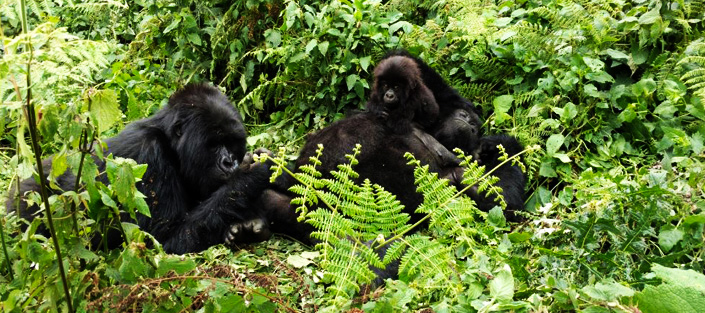
An 11-day Uganda gorilla trekking and Kenya wildebeest migration safari combines the dense jungles of Bwindi with the vast Maasai Mara plains, best achieved by flying between destinations to maximize time. Key highlights include tracking endangered mountain gorillas in Bwindi Impenetrable National Park and witnessing the Mara River crossing (typically July-October)
Related combined tour packages
18-days-exclusive-kenya-tanzania-safari-to-uganda-primate-safari
17-days-east-africa-safari-to-uganda-rwanda-kenya-tanzania-and-zanzibar-beach-holidays
13-days-kenya-tanzania-safari-and-uganda-gorilla-trekking
11-days-gorilla-trekking-and-kenya-safari-in-masai-mara-to-zanzibar-beach-holiday
10-days-kenya-wildlife-safari-and-gorilla-safari-in-uganda
11 Days on Uganda Gorilla Trekking and Kenya Wildebeest Migration
This 11-day safari combines unforgettable wildlife encounters in Uganda and Kenya, perfect for nature enthusiasts. Kenya's Masai Mara National Reserve is known for the Great Migration, where over two million wildebeest, zebras, and gazelles traverse the plains in search of greener pastures. During this migration, predators such as lions, cheetahs, and hyenas take advantage of the abundant prey. Additionally, elephants and giraffes dot the savannah, while hippos and crocodiles lurk in the rivers. Uganda offers its own unique offerings, including the chance to see mountain gorillas in Bwindi Impenetrable National Park. This park is home to diverse wildlife such as chimpanzees, forest elephants, and various monkey species. The tour also covers cultural experiences with local communities and tranquil landscapes like the Nile River. This combination of destinations allows for varied wildlife sightings, making it an incredible adventure for those seeking to connect with nature and observe its magnificent inhabitants.
Day 1: Arrival in Nairobi, Kenya
Upon arrival at Nairobi's Jomo Kenyatta International Airport, you will be welcomed by your tour representative and transferred to your hotel. This city serves as a bustling gateway to East Africa's wildlife wonders. After settling in, spend the day exploring Nairobi’s attractions, such as the Giraffe Centre or the David Sheldrick Wildlife Trust, where you can see orphaned elephants. Nairobi is brimming with wildlife, including various birds and monkeys. Delight in the local cuisine at nearby restaurants, which offer a taste of Kenyan culture. Prepare for an exciting adventure ahead as you unwind for the evening. Reflect on the incredible wildlife experiences that await in the Masai Mara, where large herds of wildebeest, elephants, and majestic lions thrive.
Day 2-4: Transfer to Masai Mara National Reserve
On Day 2, you will travel to Masai Mara National Reserve, a journey of about five hours from Nairobi. Once you arrive, begin a three-day period filled with game drives. The Masai Mara is famous for its part in the Great Migration, where millions of wildebeest and zebras cross the Mara River. This spectacle attracts various predators like lions, leopards, and hyenas, which you can observe during your drives. During these days, focus on the interactions among these magnificent animals, witnessing the drama of nature unfold. In addition to the Big Five, look for cheetahs, jackals, and a plethora of bird species. Enjoy sunset drives and bush meals that allow for unforgettable views of the Mara’s vast plains. Your time in the Mara will be rich in iconic wildlife scenes, as the region is abundant with life and diverse species interacting in their natural habitat.
Day 5: Morning Game Drive and Fly to Entebbe
On your final morning in Masai Mara, enjoy an early game drive to catch any last-minute wildlife sightings before you fly to Entebbe, Uganda. Return to your lodge for breakfast and check out. You will then fly from Masai Mara to Nairobi, where you’ll connect to a flight to Entebbe. This travel day takes approximately five hours in total, including flight times. Upon arrival in Entebbe, you'll be greeted and transferred to your accommodation. As you settle in, reflect on your memorable days in the Mara, filled with awe-inspiring encounters like seeing crocodiles on the riverbanks and the elegant flight of various birds, including the African fish eagle. Dinner at the lodge will prepare you for the next day’s adventure in Uganda, as you gear up for gorilla trekking in Bwindi Impenetrable National Park.
Day 6: Travel to Bwindi Impenetrable National Park
On Day 6, set out early for Bwindi Impenetrable National Park, a journey that can take five to eight hours by road, or opt for a domestic flight to Kihihi/Kisoro for quicker access. The scenic drive provides views of traditional villages, terraced farmland, and rolling hills. You may encounter wildlife along the way, including olive baboons, monkeys, and various bird species. Guided by your knowledgeable driver, you’ll learn about the area’s rich cultural and natural heritage. On arrival in Bwindi, check into your lodge and take some time to relax in your serene surroundings. The lush forest canopy is often alive with the sounds of wildlife, including bird calls and the distant calls of other primates. Prepare for the highlight of your trip: gorilla trekking the following day, as you get ready to encounter one of nature's most remarkable species.
Day 7: Gorilla Trekking in Bwindi Forest
Day 7 is dedicated to one of the world's most extraordinary wildlife encounters: gorilla trekking in Bwindi Impenetrable National Park. After an early breakfast, you will be briefed by park rangers about the trek and the gorilla families you’ll seek. The trek can last from two to six hours, requiring a moderate level of fitness. As you navigate through the dense foliage, remain alert for various wildlife, including bushbucks, duikers, and numerous endemic bird species. The moment you spot a mountain gorilla is unforgettable. Observing these incredible animals in their natural habitat allows a unique insight into their behavior and social structures. Following the trek, you have the optional opportunity to visit the Batwa community, learning about their traditional lifestyle as forest dwellers. After a fulfilling day, return to your lodge for a well-deserved meal and the chance to reflect on this remarkable experience.
Day 8: Transfer Back to Kampala or Queen Elizabeth National Park
On Day 8, after breakfast, you can choose to either transfer back to Kampala or continue your adventure to Queen Elizabeth National Park. If heading to Queen Elizabeth, the journey can take around two to three hours, offering beautiful views of the Albertine Rift. Upon arrival, check into your accommodation and enjoy lunch. If you’re returning to Kampala, the trip will take approximately eight hours. During your travels, you may spot wildlife such as elephants and various antelope. In Queen Elizabeth, be ready for an array of activities, including game drives where you can see lions, hippos, and the rare shoebill stork in the wetlands. Settle in for the evening, reflecting on the breathtaking gorilla trekking experience and anticipating the upcoming wildlife adventures awaiting in the next exciting days.
Day 9: Optional Chimpanzee Tracking or Relaxation
Day 9 offers the option for chimpanzee tracking in Kibale Forest, one of Uganda's top primate destinations. This forest is home to an incredible diversity of wildlife, including over 1,500 chimpanzees and numerous other primate species like red-tailed monkeys and vervet monkeys. The tracking experience usually lasts 2-3 hours and provides opportunities to observe the chimps' social interactions. If you prefer to relax, spend the day enjoying your lodge’s amenities or taking a nature walk. Regardless of your choice, prepare to encounter diverse bird species, butterflies, and unique flora throughout Kibale Forest or your current location. Enjoying the variety of wildlife and natural beauty will remain a highlight of your Ugandan adventure. In the evening, gather for a group meal at your lodge and share stories from the trek, building camaraderie with fellow travelers over memorable experiences.
Day 10: Explore Kampala or Jinja
On Day 10, you’ll have the chance to explore the vibrant city of Kampala or visit Jinja, known as the source of the Nile River. If you choose Kampala, visit key attractions such as the Uganda Museum, the bustling Owino Market, and the historical landmarks that showcase Uganda’s rich heritage. Alternatively, Jinja offers adventure activities like white-water rafting or a relaxing boat cruise on the Nile. As you explore, you may encounter local wildlife, including various bird species and monkeys, enriching your understanding of Uganda’s natural history. Sample delicious Ugandan cuisine at local eateries, and don't miss the opportunity to taste traditional dishes like matoke and rolex. This day allows you to connect with Ugandan culture and witness the vibrant life that thrives in this beautiful country, making it an enriching addition to your wildlife adventures.
Day 11: Departure from Entebbe International Airport
On the final day of your adventure, enjoy breakfast at your lodge before preparing for your departure from Entebbe International Airport. Depending on your flight schedule, you may have some time for last-minute shopping or sightseeing. Visit local markets to find unique souvenirs, such as handwoven baskets or crafts, that capture the essence of Uganda. Take this time to reflect on the incredible memories made during the tour—witnessing the Great Migration, trekking mountain gorillas, and exploring the diverse wildlife and culture. As you depart, make sure to keep your camera handy for one last glimpse of Uganda’s landscapes and creatures before leaving. The experiences logged throughout your adventure will stay with you long after returning home, fueling your passion for wildlife and conservation.
1. What is Included in an 11-Day Uganda Gorilla Trekking and Kenya Wildebeest Migration Package?
An 11-day package combining gorilla trekking in Uganda and witnessing the wildebeest migration in Kenya typically covers a range of essential elements that ensure a memorable experience. One of the key inclusions is the gorilla trekking permit, which grants you access to view mountain gorillas in their natural habitat. These permits are strictly regulated, allowing only a limited number of visitors each day to ensure the conservation of these endangered animals.
Accommodation is another critical component of the tour, with options ranging from comfortable lodges to luxury tented camps in both Uganda and Kenya. Transport between parks is usually provided, often featuring well-maintained vehicles designed for safari travel that ensure a smooth journey across varying terrains.
Additionally, park entry fees for both Bwindi Impenetrable National Park and Masai Mara National Reserve are included in the package. Guided game drives are also a highlight, giving you the opportunity to spot diverse wildlife such as elephants, lions, cheetahs, and, of course, the remarkable wildebeest.
Other services may include meals, cultural experiences, and expert guides to enrich your understanding of the wildlife and local cultures. Combining these elements creates a well-rounded safari package that maximizes your chances of seeing some of Africa's most iconic wildlife in two of its most spectacular settings.
2. When is the Best Time for This 11-Day Uganda Gorilla Trekking and Kenya Wildebeest Migration Safari?
The best time to undertake an 11-day safari that encompasses both gorilla trekking in Uganda and the wildebeest migration in Kenya is during the peak season, which runs from July to September. This timeframe aligns with the dry seasons in both countries, providing optimal conditions for a range of wildlife activities.
During the dry months, the trails for gorilla treks become more accessible, making it easier to hike through Bwindi Impenetrable National Park. The drier conditions also enhance visibility and animal behavior, allowing trekkers to have a more enjoyable experience while searching for the mountain gorillas. Rain can make the already challenging trek even more strenuous, so heading out during these months alleviates that concern.
Simultaneously, this period is also when the Great Migration reaches its peak. Millions of wildebeest, accompanied by zebras and other herbivores, cross the Mara River in search of greener pastures. This annual event attracts numerous predators, including lions, leopard, and crocodiles, providing exceptional game-viewing opportunities.
Visitors in this period will not only have a better chance of seeing gorillas in Uganda but will also witness the excitement of animal interactions during the migration, creating a rich tapestry of wildlife experiences across two countries.
3. Do I Need to Book My 11-Day Uganda Gorilla Trekking and Kenya Wildebeest Migration in Advance?
Yes, booking your 11-day Uganda gorilla trekking and Kenya wildebeest migration package in advance is crucial to secure your gorilla permits and accommodation. Gorilla trekking permits are particularly limited because only eight individuals are allowed to visit each gorilla family per day. Due to this restriction, it is common for these permits to sell out six to twelve months ahead of the travel dates.
Additionally, reputable tour operators often recommend early bookings not only for gorilla permits but for accommodation as well, especially during peak season from July to September. Established lodges and camps in both Bwindi Impenetrable National Park and the Masai Mara National Reserve receive high demand during this time.
Advance booking allows you to tailor your itinerary to your preferences, including selecting specific lodgings or special activities like cultural visits. It also ensures a smoother travel experience, as last-minute arrangements may lead to unavailability or reduced options.
Thus, if you're planning this once-in-a-lifetime adventure, begin coordinating with a reliable tour operator as early as possible to lock in the best experience and take advantage of this unique combination of wildlife encounters in Uganda and Kenya.
4. How Much Does an 11-Day Uganda Gorilla Trekking and Kenya Wildebeest Migration Permit Cost?
As of 2023, the cost of a gorilla trekking permit in Uganda is a significant aspect of the overall budget for an 11-day safari. For foreign non-residents, the permit price is set at $700. For residents of Uganda, the cost is lower at $600, while East African citizens pay UGX 250,000. These fees contribute to the conservation efforts aimed at protecting the endangered mountain gorillas and their habitats.
When planning your safari budget, it’s important to note that these permits must be obtained in advance due to their limited availability. In addition to the gorilla trekking permits, you may also incur costs associated with park entry fees for both Uganda and Kenya, accommodation, transport, and guided services.
Travelers should not overlook the importance of comprehensive travel insurance, which can cover unexpected events that may arise during the trip, including medical emergencies or cancellations. Including this in your budget ensures a worry-free adventure.
By considering all these elements and setting aside sufficient funds for permits and other associated costs, you can fully engage in the remarkable wildlife experiences that this combined safari has to offer.
5. What is the Minimum Age for Gorilla Trekking?
The minimum age requirement for gorilla trekking in Uganda is set at 15 years. This age stipulation is instituted primarily to ensure the safety of both the trekkers and the mountain gorillas. Observing the behaviors and interactions of these magnificent animals in the wild is a delicate experience, and a level of maturity is required to handle such encounters responsibly.
Younger children may not have the physical stamina or understanding of the importance of maintaining a respectful distance from the gorillas. The treks can be physically demanding, requiring participants to hike through dense jungle terrain that can be steep and challenging.
For families planning to participate in the trekking activities, alternative experiences can be arranged for younger children. Cultural visits or wildlife tours can offer engaging educational opportunities without the age limitations of gorilla trekking.
If teenagers aged 15 and above wish to partake, it’s advisable for parents or guardians to discuss the trek’s challenges and ensure they are adequately prepared for the physical activity involved. This age policy helps maintain the integrity of both the wildlife experience and the conservation efforts surrounding the mountain gorillas.
6. Is 11 Days Enough to See Both the Gorillas and the Migration?
Yes, an 11-day itinerary is generally sufficient to provide a well-paced adventure that allows you to witness both gorillas in Uganda and the wildebeest migration in Kenya. This duration typically allows for 3-4 days dedicated to wildlife activities in Uganda, followed by 5-6 days exploring Kenya’s captivating landscapes and animal interactions.
The itinerary allows adequate time for gorilla trekking in Bwindi Impenetrable National Park, where the treks can range from a couple of hours to a full day, depending on the gorilla family you visit. Having a few days gives you flexibility in case of varying trekking conditions, ensuring that you can still meet your wildlife viewing goals.
Following your time in Uganda, you can then travel to Kenya, often via a short flight to Nairobi and a connection directly to the Masai Mara. The six days spent in Kenya can be heavily focused on game drives to experience the Great Migration in full swing, particularly during the Mara River crossings where wildebeest and zebras face the challenges of predators.
This well-structured itinerary optimizes travel time and wildlife viewing opportunities, resulting in a fulfilling safari experience that encapsulates the best of both destinations.
7. Can I Request a Specific Gorilla Family for the 11 Days on Uganda Gorilla Trekking and Kenya Wildebeest Migration?
While it is possible to request a specific gorilla family when planning your 11-day Uganda gorilla trekking and Kenya wildebeest migration package, the final allocation of gorilla groups ultimately lies with the Uganda Wildlife Authority. Due to the limited number of permits available each day (eight trekkers per gorilla family), your preference may not always be guaranteed.
If you have a particular family in mind—based on characteristics, proximity, or behavior—inform your tour operator at the time of booking. They can liaise with authorities to maximize your chances of being assigned to your desired group. However, it’s essential to remain flexible since factors like the physical fitness of trekkers and the current location of the gorilla families may influence the decision.
Each gorilla family offers a unique dynamic and characteristics, so regardless of which one you end up with, you are likely to have a remarkable encounter with these endangered animals. The experience of trekking through the forest and ultimately spotting the gorillas remains impactful regardless of the specific family assigned.
Ultimately, as requests are considered based on availability and safety concerns, your operator will focus on ensuring an unforgettable gorilla trekking experience aligned with your interests.
8. How Difficult is the Gorilla Trek During This 11 Days on Uganda Gorilla Trekking and Kenya Wildebeest Migration?
Gorilla trekking can be physically demanding, as it usually requires hiking through dense, steep jungle terrain. The duration of the trek can vary significantly, ranging from a couple of hours to up to six hours, depending on the movements of the gorilla family you are visiting. This means trekkers should have a moderate level of fitness and stamina to navigate the challenges presented by the environment effectively.
The difficulty of the trek can also be contingent upon weather conditions, as muddy or wet trails can make navigating even more strenuous. However, for those concerned about their physical capabilities, it is possible to request lighter or shorter treks, which may be arranged according to individual fitness levels.
Additionally, porters are available for hire to assist trekkers who may need help carrying supplies or navigating tricky areas. Utilizing a porter not only eases the trek but also supports local communities.
In summary, while the gorilla trek can be challenging, it is manageable for those who prepare adequately. Consulting with your tour operator prior to departure can help you evaluate your fitness level and choose the best trek option to ensure a rewarding experience with the gorillas.
9. What Should I Pack for 11 Days on Uganda Gorilla Trekking and Kenya Wildebeest Migration?
Packing appropriately for an 11-day safari combining gorilla trekking in Uganda and wildlife viewing in Kenya is essential for comfort and utility. Start with waterproof hiking boots, which are crucial for traversing the muddy and uneven trails in Bwindi Impenetrable National Park. Choose durable, long-sleeved shirts and lightweight trousers to protect against insect bites and sunlight while in the wilderness.
Windproof or waterproof jackets for rain protection are necessary, as weather conditions can be unpredictable in both countries. Additionally, a hat and sunglasses will provide further protection from the African sun during game drives and outdoor activities.
A high-quality camera or binoculars should be included for capturing stunning wildlife moments and scenic views. Don’t forget personal essentials such as sunscreen, insect repellent, and a refillable water bottle to stay hydrated during both trekking and game drives.
Lastly, pack a small daypack to carry your essentials while trekking and exploring the parks. Thorough packing not only enhances your comfort but also ensures you are well-prepared for the variety of experiences within this diverse and exciting itinerary.
10. What is the Chance of Seeing a Wildebeest River Crossing?
Witnessing the wildebeest river crossings during the Great Migration is one of the most exhilarating experiences a safari enthusiast can have. While the Migration is a year-round phenomenon, the chances of seeing the dramatic crossings, particularly at the Mara River, peak between July and September. This is when the wildebeest herds attempt to cross the river in search of fresh grazing grounds, a dangerous endeavor that often attracts formidable predators like crocodiles and lions.
However, timing can be tricky, as the actual crossings depend on various factors such as the animals’ migration patterns, weather conditions, and food availability. Therefore, seeing these crossings requires both patience and good fortune, as they do not follow a set schedule.
While it’s essential to remain optimistic about wildlife sightings, understanding the dynamics of the migration can help set realistic expectations. Your knowledgeable guides will have a good sense of where the herds are likely to be at any given time, enhancing your chances of witnessing this astounding natural spectacle.
In any case, the time spent in the Masai Mara during the migration offers ample opportunities to observe numerous wildlife interactions, making it a worthwhile endeavor regardless of whether you see a river crossing.
11. Are the Camps in the 11 Days on Uganda Gorilla Trekking and Kenya Wildebeest Migration Safe?
Yes, the accommodations included in an 11-day Uganda gorilla trekking and Kenya wildebeest migration package are typically safe and secure. The itinerary usually consists of established lodges, permanent tented camps, and luxury accommodations that prioritize guest safety and comfort. These camps are often located inside or near national parks, allowing easy access to wildlife activities while providing a pleasant retreat after long days spent in the field.
Safety measures at these accommodations include secure fencing, trained staff on-site, and established protocols for ensuring the well-being of guests. Many lodges and camps also have experienced guides who are knowledgeable not only about wildlife but also about safety procedures during excursions.
While the environments can present unique challenges, such as wildlife presence, well-planned accommodations focus on minimizing risks and maximizing your comfort. When booking, it's advisable to choose recognized operators with a history of providing safe, high-quality lodging and services to ensure a rewarding and secure stay throughout your African adventure.
12. Do I Need a Visa for Both Uganda and Kenya?
Yes, travelers planning to participate in the 11-day Uganda gorilla trekking and Kenya wildebeest migration itinerary will typically require visas for both countries. Visitors can obtain individual visas for Uganda and Kenya or apply for the East African Tourist Visa, which covers travel to Kenya, Uganda, and Rwanda under a single permit.
The process for acquiring visas has been made relatively straightforward, with options available for online application. It’s important to complete this step prior to your travel dates to avoid any complications upon arrival. Plus, since visa processing times may vary, early application is recommended.
In addition to visas, travelers must also provide a Yellow Fever vaccination certificate upon entering these countries, a requirement aimed at keeping public health and safety in check.
Confirm the specific visa requirements well ahead of your planned departure to ensure all documentation is in order. By preparing your travel documents in advance, you can minimize potential delays and enjoy a more seamless entry into both Uganda and Kenya on your wildlife safari.
13. What is the 11 Days on Uganda Gorilla Trekking and Kenya Wildebeest Migration Route?
The typical route for an 11-day Uganda gorilla trekking and Kenya wildebeest migration itinerary generally commences in Entebbe, Uganda. After arrival, the tour often starts with the gorilla trekking experience in Bwindi Impenetrable National Park, where trekkers can observe magnificent mountain gorillas in their natural habitat.
Following your gorilla encounters, you will usually fly back to Nairobi, Kenya, before proceeding to the Masai Mara National Reserve, an essential destination for experiencing the Great Migration. The journey to the Masai Mara allows for ample game drive opportunities along the way.
While in the Masai Mara, the itinerary typically spans 3-4 days, focusing on wildlife viewing and witnessing the migration. The final leg of the trip often involves returning to Nairobi for your outbound flight after experiencing the richness of both Uganda and Kenya.
In summary, this route encompasses multiple incredible wildlife experiences within two diverse countries, maximizing the opportunities for spotting various species and enjoying the beauty of Africa's natural wonders.
14. Are Porters Available for the Gorilla Trek?
Yes, porters are available for hire during your gorilla trekking experience in Uganda. Engaging a porter can significantly enhance your trek, particularly for those who may need assistance with carrying bags or navigating through challenging terrain. Porters bring valuable support to trekkers, and hiring one not only aids in managing your trek but also contributes positively to the local economy.
The fee for hiring a porter is generally reasonable and can be arranged through your tour operator. They offer assistance in carrying personal items, allowing trekkers to focus on the experience without the added burden of heavy packs. This is especially beneficial in Bwindi Impenetrable National Park, where trails can be steep and rugged.
Moreover, hiring a porter fosters local community involvement in the tourism sector, providing them with meaningful employment opportunities. Therefore, utilizing a porter is encouraged, as it offers a dual benefit: enhancing your trekking experience while supporting local livelihoods.
15. How Long Do I Spend with the Gorillas?
When trekking to see the mountain gorillas in Uganda, visitors are allowed a maximum of one hour to observe and interact with them after they have been located. This one-hour allocation is carefully regulated by the Uganda Wildlife Authority to balance the need for visitor experiences with the necessity of protecting the gorillas' habitat and well-being.
During this hour, you will have the chance to take photographs and observe the gorillas as they feed, groom, and interact with one another. It is a truly unique and valuable opportunity to witness these incredible creatures up close. While the hour may seem brief, the anticipation leading up to the encounter, combined with the opportunity for such close observation, often leaves a lasting impression.
Guides will be present to ensure that you maintain a safe distance, which is crucial for both your safety and the gorillas’ health. The fleeting hour spent in the company of these magnificent animals becomes a cherished memory, making any trekking challenges worthwhile.
Booking 11 Days on Uganda gorilla trekking and Kenya wildebeest migration with us Roads of Adventure safaris
Book an unforgettable 11-day East African safari with Roads of Adventure Safaris, expertly combining Uganda’s gorilla trekking with Kenya’s wildebeest migration. Starting in Uganda, you will trek endangered mountain gorillas in the dense Bwindi Impenetrable Forest. Next, fly to Kenya for thrilling game drives in the Masai Mara to witness the dramatic Great Migration River crossings. This curated, high-adventure package includes expert local guides, tailored logistics, and top-tier lodges. Experience the best of both countries, from the lush, misty jungles of Uganda to the vast, wildlife-rich plains of Kenya, promising a truly life-changing, seamless, and comfortable African journey.
