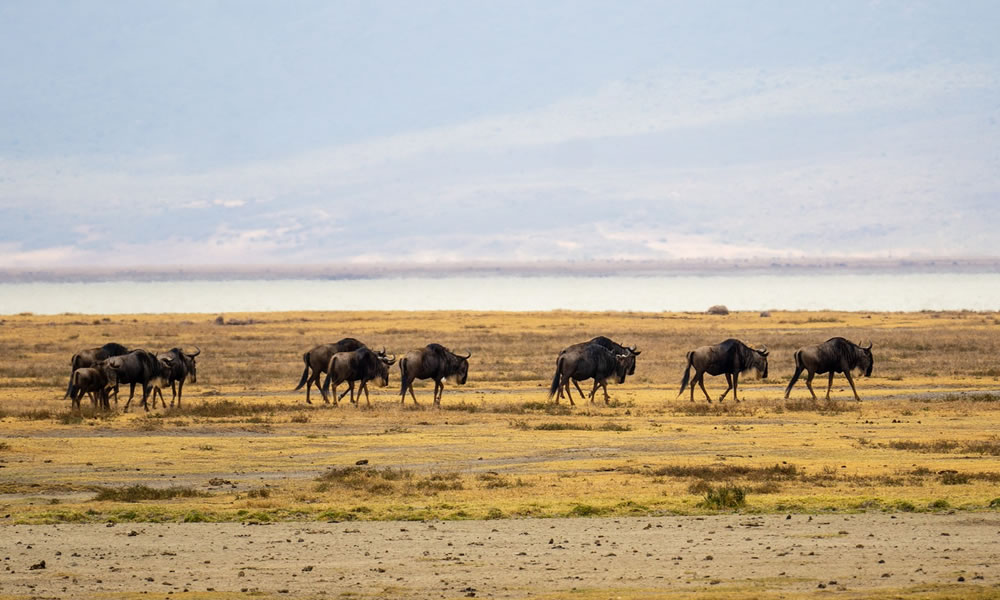
Planning a 3-day family safari in the Serengeti requires focusing on Central Serengeti (Seronera) for high-density, year-round wildlife viewing and choosing family-friendly lodges or luxury tented camps. A private, fly-in, or guided driving tour starting from Arusha is ideal to maximize time, covering thrilling game drives to see the Big Five.
Popular 3 days Serengeti safari tour packages
3-days-serengeti-safari-fly-in-ngorongoro-big-five-safari-from-zanzibar-island
3-days-best-of-central-serengeti-safari-begive-spotting-and-game-watching
3-days-ndutu-and-ngorongoro-crater-safari-in-tanzania
3-budget-tanzania-to-safari-serengeti-and-ngorongoro
3-days-southern-serengeti-safari-tour-and-ngorongoro-crater-calving-season-package
3-days-amazing-serengeti-safari-to-ngorongoro-crater-tanzania-tour
3 Days Family Tanzania Safari in Serengeti National Park
A 3 Days family Tanzania safari in Serengeti National Park offers an incredible adventure filled with captivating wildlife encounters. The Serengeti is home to an impressive array of animals, including lions, leopards, elephants, zebras, giraffes, cheetahs,hippos, buffaloes, wildebeests, and a variety of bird species. Families will find plenty of activities to engage in, from exciting game drives to cultural encounters with local tribes like the Maasai.
The itinerary includes flying from Arusha to maximize time in the park, or taking a scenic drive through the Ngorongoro Conservation Area, enhancing the experience. Families will explore the Seronera Valley, known for its rich wildlife, and have the opportunity to witness predators and herbivores in their natural habitat. This safari allows not just for the enjoyment of wildlife but also for bonding opportunities that will create lasting memories for both parents and children while exploring one of Africa's most iconic national parks.
Day 1: Arusha to Serengeti & Evening Game Drive
On Day 1 of your 3 Days family Tanzania safari in Serengeti National Park, you will travel from Arusha to the Serengeti. You can choose to fly from Arusha to Seronera Airstrip, which allows for more time in the park, or take a scenic drive through the Ngorongoro Conservation Area. If you opt for the drive, make sure to stop at a Maasai village for a cultural experience and to learn about their traditions and way of life. After arriving at the Serengeti, settle into your accommodation before heading out for an evening game drive in the Seronera Valley. This area is known for its high concentration of wildlife, particularly lions and leopards, making it a fantastic spot for families to see these magnificent big cats. During the game drive, look for other wildlife such as elephants, buffaloes, and various antelope species. After a thrilling first day, return to your lodge for dinner and relaxation as you prepare for the next day’s adventures.
Day 2: Full Day Safari in Central Serengeti
Day 2 is packed with an exciting full-day safari in Central Serengeti, focusing on early morning game drives. You'll set out at dawn to spot active predators, like lions and cheetahs, as they hunt and roam in search of prey. Watching these majestic animals in action is a highlight of the safari for families. After a few hours, return to the lodge for lunch and some rest to avoid the heat of the midday sun. Later in the afternoon, head back out for another game drive, this time looking to see giraffes, elephants, and hippos in the park’s rivers and lakes. The diverse habitats in this part of the Serengeti provide excellent opportunities for wildlife photography and observation. Throughout the day, keep your binoculars ready to spot unique bird species as well. After a fulfilling day of exploration, return to your lodge for dinner, sharing stories about the day's wildlife findings.
Day 3: Sunrise Drive & Return to Arusha
On the final day of your 3 Days family Tanzania safari in Serengeti National Park, rise early for a memorable sunrise game drive. Witnessing the sun rise over the Serengeti is a magical experience that families should not miss. During this time, you may encounter various animals waking up, providing excellent opportunities to spot elephants, buffaloes, and perhaps a pride of lions as they begin their day. This last drive is a great way to soak up the beauty of the Serengeti while capturing last-minute wildlife moments. After your morning adventure, return to the lodge for breakfast. Following your meal, prepare for your return trip to Arusha. Depending on your preference, you can fly back or take a scenic drive, reflecting on the memorable experiences shared during your family safari. The stories, photos, and learning moments will stay with you long after leaving the park, ensuring that this trip is etched in your family’s memories for years to come.
Key Planning Tips for Families
Accommodation
When planning a family safari in the Serengeti, choosing the right accommodation is crucial for maximizing your experience. Staying inside the park, particularly in the Central Serengeti (Seronera), minimizes driving time and enhances game viewing opportunities. This prime location allows families to be close to the action, reducing travel stress, especially for young children who may tire easily.
Tented camps are highly recommended for families, as they offer an authentic and immersive experience that adds excitement to the adventure. Children often find the idea of sleeping in a tent, surrounded by nature, thrilling. These camps usually provide comfortable amenities while keeping a close connection to the environment. Many offer family-sized tents or interconnected tents, ensuring both comfort and safety.
Moreover, staying in the park allows families to enjoy activities like night game drives and early morning safaris, times when wildlife is particularly active. Facilities in these tented camps are often designed with families in mind, providing meals that cater to various dietary needs. Staff members are usually trained to engage with children, making them feel welcome and involved. Prioritizing your accommodation choice will ensure a relaxed and enjoyable experience, allowing families to focus on the thrill of wildlife viewing and bonding time.
Transportation
Transportation plays a vital role in ensuring a smooth and enjoyable family safari experience in the Serengeti. Hiring a private  safari vehicle with a professional guide is an essential step for families. This option not only provides comfort and flexibility but also accommodates the unique needs of children, who may require frequent stops for food, bathroom breaks, or simply to stretch their legs.
Having your own vehicle allows families to dictate their schedule. You can spend more time watching a pride of lions or an elephant herd without the constraints of a larger group tour. A knowledgeable guide enhances the experience, offering insights into the wildlife, vegetation, and overall ecosystem, making the trip educational as well as fun.
Safety is another crucial factor; a private vehicle allows you to keep your family together and minimizes risks. Additionally, the specialized vehicles often feature pop-up roofs for optimal wildlife viewing and photography, ensuring everyone gets a chance to see the animals up close. Comfortable seating and ample storage for snacks, water, and other essentials make the journey more enjoyable for kids and adults alike. Planning your transportation carefully will contribute to a memorable and stress-free family safari experience.
Best Time to Visit
The timing of your Serengeti safari is key to maximizing wildlife sightings, especially for families. The best period to visit is from June to October during the dry season. During these months, animals congregate around water sources, making them easier to spot, which is perfect for families hoping to witness exciting wildlife interactions. The dry conditions also mean more predictable weather, allowing for comfortable exploration.
Alternatively, January to February is another wonderful time for a family safari, particularly for those eager to see young animals. This period coincides with the calving season for wildebeest, offering families the opportunity to witness the miraculous birth of new life and the playful antics of young animals. Such experiences can captivate children's interest and ignite their passion for wildlife.
Ultimately, the choice of when to go can also be influenced by children's schedules (like school holidays) and family preferences for climate. Being aware of peak seasons helps in planning accommodations and activities, ensuring a more enjoyable experience. Each season offers its unique charm, so understanding the dynamics of wildlife behavior throughout the year can enrich the family’s safari adventure.
Packing Essentials
Packing the right essentials for your family safari in the Serengeti is crucial for ensuring comfort and safety. Begin with binoculars; they are a must for spotting wildlife from a distance, making the experience more engaging and educational for children. Sun hats and sunscreen are essential to protect from the strong Tanzanian sun, especially during daytime activities.
Comfortable, closed-toe shoes are important for both in-vehicle travel and any walking excursions you may undertake. Lightweight jackets are also advisable for chilly mornings and evenings, as temperatures can drop significantly, even in the warmer months. Don't forget malaria prophylactics and insect repellent; these precautions are vital for ensuring your family's health.
Keeping snacks and hydration in mind is also important; kids can become restless when they're hungry or thirsty, so having a variety of snacks on hand is a lifesaver. Consider lightweight, easy-to-carry options that can be easily consumed during game drives.
Moreover, involving kids in the packing process allows them to feel empowered and excited about the trip. This engagement can contribute to their enthusiasm for the adventure ahead. An organized packing strategy ensures that your family is well-prepared and allows you to focus on creating lasting memories during your amazing Serengeti safari.
Activities
Incorporating engaging activities will enhance your family safari experience in the Serengeti. One of the most thrilling options is a hot air balloon safari, which provides a unique bird’s-eye view of the breathtaking landscapes and wildlife below. Families should confirm age and height requirements beforehand to ensure that all members can participate. The serene ascent at dawn is often accompanied by breathtaking sunrises, setting the tone for a magical day.
Another excellent family-friendly option is guided nature walks with trained rangers, who can educate children about the local flora and fauna. These walking safaris foster a closer connection to nature and spark curiosity about the ecosystem. Kids will especially enjoy the chance to see animal tracks, listen to birds, and learn about the intricate relationships between species.
Additionally, interactive educational programs offered by some lodges can engage children in conservation efforts, allowing them to learn about and appreciate wildlife not just as spectators but as active participants in preserving it.
Incorporating a variety of activities keeps children entertained and helps create an inclusive environment for all ages. Planning these activities in advance, while being flexible to accommodate children's energy levels, will ensure that your family safari is a delightful and enriching adventure.
Cost
Budgeting is a crucial aspect of planning a family safari in the Serengeti. Expect to allocate approximately US$500 or more per person per day for a mid-range, private family safari. This budget typically covers accommodations, meals, transportation, park entrance fees, and the services of a professional guide.
When budgeting, consider the additional costs of activities such as balloon safaris, guided walks, and cultural experiences. Each of these can enhance your trip but may require separate fees. Families looking to manage costs may wish to balance their itinerary with a mix of budget-friendly and premium activities.
While a fly-in safari to the Serengeti saves time and is more convenient, it often comes at a premium compared to driving from Arusha, which takes about 7-8 hours. Families should weigh the cost of their time against the expense of flying when making their plans.
Also, be mindful of potential unexpected costs, such as tips for the guides or additional excursions that may arise during the trip. Advanced planning and transparent communication about costs can prevent surprises and enable families to enjoy their safari adventure without financial stress.
Safety
Safety is a paramount concern when planning a family safari in the Serengeti, and the park is generally a secure environment for visitors. However, it is essential to adhere to park regulations and follow the guidance of professional guides, particularly when staying in tented camps where wildlife might roam freely.
Educating children about safety protocols enhances their enjoyment and reduces potential risks. For instance, stressing the importance of staying inside the vehicle during game drives keeps everyone safe. Guides are trained to manage encounters with wildlife effectively, ensuring a safe and informed experience.
Parents should also assess the accommodations; reputable lodges and tented camps prioritize guest safety and employ trained staff to manage security. Many camps are located strategically to minimize close encounters with roaming wildlife, providing added peace of mind.
Making sure to listen to and follow your guide’s instructions during nature walks or excursions is essential. While the Serengeti is safe for family adventures, responsible behavior ensures that the safari is both exhilarating and secure, allowing families to focus on the magnificence of their surroundings without unnecessary concern.
What is the Best Time for a 3-Day Family Tanzania Safari in Serengeti National Park?
The best times for a 3-day family safari in Serengeti National Park are during the dry seasons, specifically from June to October and January to February. The dry season from June to October is ideal for wildlife viewing because animals congregate around water sources, making them easier to spot. Additionally, this period aligns with the Great Migration, when millions of wildebeest, zebras, and other species traverse the plains, offering a spectacular natural spectacle.
Alternatively, the calving season in January and February presents another unique opportunity, as many wildebeest and other animals give birth during this time. Observing young animals and their protective behaviors can be a thrilling experience for families, especially for children eager to see wildlife close up.
Visiting during these peak times not only increases your chances of witnessing exciting wildlife interactions but also helps to minimize encounters with mosquitoes, which can be bothersome during wetter months. Overall, planning your safari during these optimal periods enhances your family's safari experience, providing unforgettable memories while ensuring comfort and safety.
How Do We Get to the Serengeti for a 3-Day Trip?
Most trips to Serengeti National Park for a 3-day safari begin in Arusha, a central city that serves as a hub for safari tours. There are two main options for reaching the Serengeti. The first is a scenic, albeit lengthy, 8-hour drive from Arusha. This route allows families to enjoy the picturesque landscapes of Tanzania, but it can be exhausting, especially for young children. However, it offers a chance to see local villages and life along the way.
The second, more convenient option is a 1-hour flight to Seronera Airstrip, which is centrally located within the Serengeti. This option significantly reduces travel time and enables families to maximize their time in the park. Many tour operators combine flights with guided tours, making the transition seamless. Families can choose the travel option that best fits their schedule, budget, and the age of their children. Regardless of the method, reaching the Serengeti is an essential part of the adventure and sets the stage for an unforgettable safari experience.
Is a 3-Day Safari Too Short for the Serengeti?
While a 3-day safari may seem brief, it is actually sufficient to see many of the highlights of Serengeti National Park. Focusing mainly on the central Seronera area is advantageous since it boasts a high concentration of wildlife year-round. This region offers abundant opportunities for spotting the "Big Five"—lions, leopards, elephants, rhinos, and buffalo—along with a variety of other species such as cheetahs, zebras, and wildebeests.
By prioritizing your itinerary, you can cover significant ground and enjoy various wildlife experiences. The typical structure includes an evening game drive upon arrival, followed by a full day dedicated to game viewing and exploration, and concluding with a morning drive before returning to Arusha. While longer safaris are certainly ideal for those wanting a more in-depth experience, families can enjoy a fulfilling 3-day trip that provides an introduction to the park's magnificence.
Ultimately, planning efficiently can ensure that your family maximizes their time in the Serengeti, creating lasting memories while still accommodating the needs of younger children.
What is the Typical Itinerary for a 3-Day Family Tanzania Safari in Serengeti National Park?
A typical itinerary for a 3-day family safari in Serengeti National Park is designed to balance wildlife viewing and travel efficiency. On Day 1, you would start with an early morning departure from Arusha. The drive or flight to the Serengeti is usually followed by an afternoon/evening game drive, giving families their first glimpse of the park’s rich wildlife.
Day 2 is dedicated to a full-day game drive, allowing families to explore various habitats and maximize wildlife sightings. Guided by a knowledgeable safari guide, you can customize your day based on your interests, whether that’s searching for the Big Five or enjoying the timeless Migratory route.
On Day 3, an early morning game drive allows you to capture any last-minute wildlife encounters before returning to Arusha. Depending on flight schedules, families might have time for a relaxed breakfast and reflections on their adventure. This compact itinerary ensures that you experience the thrill of the Serengeti without feeling rushed, offering an exciting, educational experience designed for all members of the family.
What Wildlife Can We Expect to See?
A safari in Serengeti National Park promises an abundance of wildlife experiences for families. Expect to encounter the "Big Five": lions, leopards, elephants, rhinos, and buffalo. Seeing these iconic animals in their natural habitats can be exhilarating, particularly for children who may be experiencing a safari for the first time.
In addition to the Big Five, you might also spot cheetahs resting in the grass, herds of wildebeest and zebras, and playful hyenas and gazelles. The sheer diversity of species in the Serengeti makes it a remarkable destination for wildlife enthusiasts. Birds are also abundant; the park is home to over 500 species, including ostriches and colorful lilac-breasted rollers.
Seasonal patterns may influence wildlife visibility, especially during migrations and calving periods. Families should be prepared for exciting surprises at every turn, making the safari a captivating educational opportunity. Each game drive presents a new adventure filled with learning about animal behaviors and ecosystems. Engaging children in discussions about the animals they see can enrich their experience and foster a lasting love for nature.
Are 3-Day Safaris Suitable for Young Children?
Yes, 3-day safaris can be suitable for young children, although certain considerations must be made. While the itinerary may involve long drives, private game drives allow for flexibility, enabling families to adjust their schedule according to the children's needs. Shorter, more focused game drives will be more enjoyable than lengthy group tours that can become exhausting.
Selecting accommodations that are family-friendly, such as tented camps that provide comfort and safety, enhances the experience. These camps often cater to families and offer child-friendly facilities, which can make the stay more enjoyable for younger guests.
Parents should prepare children for potential challenges, such as long travel times and changing weather conditions. The excitement of seeing wildlife and spending time in nature often outweighs these inconveniences, offering enriching experiences. Overall, with proper planning and accommodations, a 3-day safari can be both enriching and enjoyable for families with young children.
What Type of Accommodation is Best for Families?
When choosing accommodations for your family safari in Serengeti National Park, prioritize family-friendly tented camps or lodges within the park. These options provide a rustic yet comfortable experience that allows families to immerse themselves in the great outdoors while minimizing driving time during safari excursions.
Family tented camps often offer spacious accommodations, including family-sized tents that can comfortably house parents and children. The ambiance of a tented camp generally enhances the safari experience, offering an authentic feel that excites children. Many camps also provide essential amenities such as en-suite bathrooms, electricity, and dining facilities.
Staying within the park reduces daily travel time and allows families to take full advantage of early morning and late evening game drives, when animal activity is at its peak. Lodges, on the other hand, might provide additional amenities and services, such as swimming pools and child-friendly meal options, enhancing the overall experience.
Ultimately, the right accommodation can greatly influence your family's safari adventure, ensuring comfort, safety, and an enjoyable experience for everyone. Engaging with camp staff, who often have experience catering to families, will help create a special safari experience tailored to your family's needs.
What Should We Pack for a 3-Day Family Safari?
Packing wisely for a 3-day family safari in Serengeti National Park is essential for comfort, safety, and enjoyment. Start with lightweight, neutral-colored clothing that can provide sun protection and blend in with the natural environment. Avoid dark blue or black clothing, as these colors tend to attract tsetse flies.
Essential items should include sun hats and sunscreen to protect against the strong sun, particularly during outdoor activities. Comfortable, closed-toe shoes ensure safety during game drives and any walking excursions. Lightweight jackets are advisable for the cooler mornings and evenings.
It's also essential to pack binoculars and cameras for wildlife spotting and capturing memories throughout the safari. Staying hydrated is crucial, so bring reusable water bottles that can be easily filled at your accommodations.
Insect repellent is vital for deterring mosquitoes, especially in the evenings. Snacks can provide extra energy for children during long game drives, ensuring they remain engaged and entertained. Planning a thoughtful packing strategy helps ensure your family is well-prepared and ready to fully enjoy your unforgettable safari adventure.
Do We Need Visas for Tanzania?
Yes, most nationalities require a tourist visa to enter Tanzania, making it a critical step in planning your family safari. The visa process can typically be completed online in advance through the official Tanzanian government website, a convenient option that allows you to secure your travel documents before departure.
Alternatively, visas can also be obtained upon arrival at the airport, but this process may involve longer wait times and can be less convenient, especially when traveling with children. It is advisable to check the specific visa requirements based on your nationality, as regulations may vary.
Families should ensure that passports are valid for at least six months beyond the expected departure date and include sufficient blank pages for entry and exit stamps. Securing visas well in advance can alleviate travel stress and ensure a smoother start to your safari adventure.
Planning ahead is essential for ensuring that every detail is in place, allowing families to focus on enjoying their journey without unexpected complications.
What is Included in a 3-Day Safari Package?
A typical 3-day safari package in Serengeti National Park often includes a host of essential services designed to create a seamless family experience. Standard offerings usually comprise a private vehicle, allowing your family to enjoy personal space and flexibility while on game drives.
Additionally, the package typically incorporates professional guiding services, providing families with insights into wildlife, ecosystems, and the natural environment, enriching the overall experience. Park fees and accommodations are usually included as well, ensuring that essential expenses are covered upfront.
Meals are generally part of the package, with lodges or camps offering varied menu options tailored to suit family preferences, including options for children. Drinking water is also typically provided, keeping families hydrated throughout their adventures.
When selecting a safari operator or package, it’s essential to confirm the inclusions to avoid surprises during your trip. Understanding what is provided helps families plan better and allows more focus on enjoying the stunning landscapes, wildlife encounters, and creating unforgettable memories together.
How Much Does a 3-Day Family Tanzania Safari in Serengeti National Park Cost?
The cost of a 3-day family safari in Serengeti National Park can vary significantly based on several factors, including the choice of accommodation, the level of luxury, and the specific services included in the package. On average, families should budget approximately US$500 or more per person per day, depending on whether they prefer mid-range or luxury options.
Costs generally include park fees, accommodations, meals, a private safari vehicle, and professional guides. Luxury packages may encompass additional amenities, such as upgraded lodgings, gourmet meals, and enhanced safari experiences, which can also contribute to a higher price.
Planning your trip at least 6 months in advance can often provide better options and potentially lower costs, as last-minute bookings may lead to inflated prices and limited availability.
Families should also consider extra expenses like tips for guides, optional activities (such as hot air balloon rides), and travel insurance. Understanding the full cost breakdown allows families to plan effectively and ensures a safari adapted to their budget while maximizing enjoyment and comfort.
Can We Do a Walking Safari?
While walking safaris can provide a unique and enriching experience, typical 3-day itineraries in Serengeti National Park predominantly focus on game drives to maximize wildlife viewing opportunities. Walking safaris are often limited to certain areas of the park where it is permitted and are usually guided by trained professionals.
If your family is particularly interested in exploring the wilderness on foot, it’s essential to inquire about specific walking safari options available either as an add-on or as part of a customized itinerary. Guided walks allow families to observe wildlife from a different perspective, focusing on tracks, plants, and smaller creatures that might be overlooked during game drives.
However, for a brief 3-day trip, the emphasis typically remains on maximizing the time spent observing larger wildlife. Parents should weigh the interests of their children when considering walking safaris, as the experience may not be appealing to everyone in the family.
Ultimately, while walking safaris can be an exciting aspect of Tanzanian adventures, ensuring that your family maximizes their time in the park usually lends itself towards more focus on the exhilarating experiences delivered through game drives.
Is it Safe to Go on Safari with a Family?
Yes, it is generally safe for families to go on safari in Serengeti National Park, thanks to professional guides who prioritize safety throughout the experience. These trained experts provide essential instructions, particularly regarding the importance of remaining inside the vehicle during game drives and keeping noise levels low to avoid disturbing wildlife.
Selecting reputable tour operators with experienced guides enhances safety and comfort during the adventure. Additionally, family-friendly accommodations often focus on ensuring safety and security for guests, giving parents peace of mind.
Parents should educate their children on park etiquette and safety guidelines, such as avoiding direct contact with wildlife and following their guide's instructions at all times.
Despite the thrilling nature of a safari, maintaining respect for wildlife is key to ensuring safety. When proper precautions are taken, families can enjoy the beauty of Tanzania safely, creating unforgettable experiences without undue concern.
What is the Difference Between a Budget and Luxury 3-Day Safari?
The primary difference between a budget and luxury 3-day safari lies in the type of accommodations, vehicles, and services included in the package. Budget safaris typically involve camping in basic tented facilities or mobile camps, offering a more rustic experience. While this option is usually more affordable, it may not come with many amenities or comforts needed for families, such as private bathrooms or electricity.
In contrast, luxury safaris provide accommodations in high-end lodges or upscale tented camps, which offer more comfort and additional services. Luxury safari packages often include private vehicles with high-quality amenities, better dining options, and personal attention from staff.
Families may find luxury options more accommodating, particularly those traveling with young children who might benefit from additional comforts and services. However, budget options can still offer a rewarding experience for families willing to adapt to a more basic setting.
Ultimately, the choice between these two types of safaris should align with your family’s preferences and budget, considering how important factors like comfort and amenities are to your safari adventure.
What Happens if it Rains During the Trip?
Rainy seasons in the Serengeti, typically from April to May, can lead to challenges in planning a 3-day trip. During these months, heavy rains can make some roads impassable, impacting both accessibility and the overall safari experience.
While the rains can also bring lush landscapes and abundant wildlife, traveling during this time requires flexibility. Many families opt to schedule their safaris around the dry seasons to avoid the complications that can arise with wet weather. Dry months offer better wildlife viewing conditions and more stable travel options.
If rain does occur during your trip, it’s essential to remain patient and flexible. Experienced guides will adjust itineraries based on current conditions, ensuring that you can still make the most of your safari experience.
Booking Family Tanzania safari with us Roads of Adventure safaris
Book your unforgettable family Tanzania safari with Roads of Adventure Safaris, offering tailored, child-friendly itineraries in the Serengeti, Tarangire, and Ngorongoro Crater. Enjoy safe, private tours with expert guides, comfortable lodges with pools, and immersive cultural experiences. Specializing in 5–10-day trips, they blend thrilling wildlife viewing with relaxation, ensuring a seamless, memorable adventure. Packages can be fully customized, often including educational activities for children. Contact them through their website to begin your journey to the heart of Africa.
