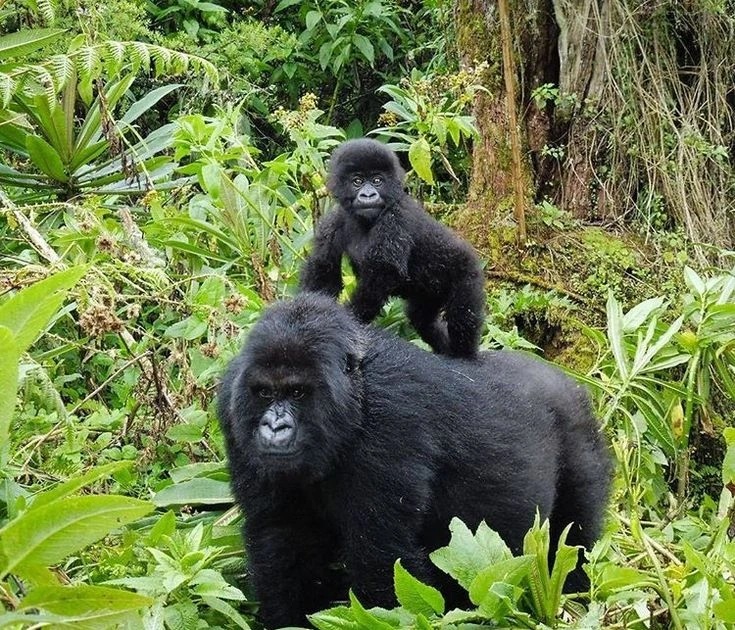
To lower the budget on a 7-day Rwanda safari, travel in a group, visit during the low season (March-May/Oct-Nov) for discounted accommodation, and prioritize self-driving or choosing budget guesthouses. Reduce costs by focusing on one or two parks, opting for shorter trekking experiences, or substituting high-cost activities with cultural visits
7-days-best-rwanda-honeymoon-safari-gorilla-trekking-and-lake-kivu-relaxation
7-days-rwanda-birding-safari-chimps-and-gorilla-trekking
7-day-perfect-rwanda-gorilla-tour-and-wildlife-safari-itinerary
7-days-best-gorilla-trekking-and-other-highlights-of-rwanda-tour
7-days-rwanda-safari-tour-gorilla-trekking-and-bisokey-hike-tour-package
hhy7-days-6-nights-midrange-rwanda-gorilla-trekking-holiday
Group Travel
Traveling in a group is arguably the most effective way to slash the per-person cost of a Rwandan safari. For a 7-day trip, the daily expenses for a 4x4 vehicle and fuel remain roughly the same whether there is one passenger or four. By splitting the $100–$150 daily cost of a reliable safari vehicle and the $30–$50 daily fee for a professional guide, you can save hundreds of dollars. Furthermore, many budget lodges offer family rooms or "quad" configurations that are significantly cheaper than booking separate singles or doubles. Beyond the financial perks, group travel adds a layer of safety on the road and allows you to share the emotional high of a gorilla encounter with friends or family.
Choose Low Season
Timing is everything. Traveling during Rwanda’s rainy seasons—March to May and October to November—unlocks substantial savings. During these months, many mid-range and luxury lodges offer "low season rates" that can be 25% to 40% lower than peak season prices. Most importantly, the Rwanda Development Board often provides a promotional discount on gorilla permits (historically reducing them to $1,050 from $1,500) if you spend at least two nights in Akagera or Nyungwe. While you should expect daily tropical showers, they are often short-lived, leaving the landscape a lush, vibrant green that is perfect for photography and creates a more intimate, crowd-free experience in the parks.
Accommodation Options
To keep your budget under control, look beyond the high-end lodges. Rwanda has a thriving network of budget guesthouses and hostels, particularly in Kigali and Ruhengeri (near Volcanoes NP), with prices starting as low as $15–$30 per night. For the truly adventurous, camping is a game-changer. In Akagera National Park, a basic campsite costs approximately $25 per person per night. If you rent a vehicle with a rooftop tent, you combine your transport and lodging into one cost-effective package. Staying in "non-self-contained" bandas (cabins with shared bathrooms) is another excellent middle ground, offering a solid roof and a comfortable bed at a fraction of the cost of a luxury tented camp.
Self-Driving
Self-driving is an increasingly popular choice for independent travelers looking to cut costs. Renting a rugged 4x4 like a Toyota RAV4 or a Land Cruiser typically costs between $60 and $110 per day. This eliminates the need for a private driver-guide and gives you total flexibility over your schedule. Rwanda’s main roads are among the best-paved in Africa, and the small size of the country makes navigation relatively straightforward. However, remember that you will still need to hire a UWA park ranger (approx. $25 for a half-day) once you reach the national parks to help you spot wildlife and ensure safety. Self-driving allows you to move at your own pace and discover hidden gems off the main tourist trail.
Focus on Key Destinations
A common budget mistake is trying to "see it all," which results in massive fuel costs and repetitive park entrance fees. Instead, pick one or two anchor destinations for your 7 days. If your goal is primates, focus on Volcanoes National Park and combine it with a low-cost stop at Lake Kivu. If you want a traditional safari, head to Akagera National Park, where the entry fee covers 24 hours of game viewing. By staying longer in one location, you often qualify for "long stay" discounts at lodges and significantly reduce the time spent in the car. This approach ensures a more relaxed, immersive experience while keeping your logistical expenses to a minimum.
Book in Advance
In Rwanda, the early bird truly gets the worm (and the permit). Gorilla permits are strictly limited and can sell out months in advance, especially during the low-season discount windows. By securing your permits and accommodations 6 to 9 months ahead, you lock in current prices and avoid the stress of "last-minute" premium rates. Early booking also allows you to snag the most popular budget accommodations, which tend to fill up first because they offer the best value. Many operators also offer "early bird" discounts on their safari packages if you pay a deposit well in advance, helping you spread the cost of the trip over several months.
Combine with Uganda
If the $1,500 Rwandan permit is the main hurdle, a popular "budget hack" is to land in Kigali but cross the border into Uganda's Bwindi Impenetrable Forest. A gorilla permit in Uganda is $800, representing a $700 saving per person. Since Bwindi is only a 4-hour drive from Kigali (much closer than the 9-hour drive from Uganda's own Entebbe airport), you can enjoy Rwanda's clean infrastructure and Kigali's city tours before crossing into Uganda for the trek. This cross-border strategy allows you to enjoy the best of both worlds—Rwanda's efficiency and Uganda's affordability—while significantly lowering the total cost of your 7-day primate holiday.
Use Local Operators
While international agencies are convenient, they often add a 20% commission to your trip. Booking directly with a local Rwandan tour operator like Roads of Adventure safaris is almost always cheaper. Local guides have direct, long-standing relationships with lodge owners and can often negotiate "resident" or "contract" rates that aren't available on public booking sites. They are also experts at customizing itineraries to fit specific budgets, such as suggesting a cheaper but equally beautiful forest walk in place of a high-cost activity. Engaging with a local company ensures that a larger portion of your travel spend stays within the Rwandan economy, supporting the very communities that protect the wildlife you’ve come to see.
Embarking on a 7-day budget Rwanda safari in 2026 is a masterclass in strategic travel, allowing you to witness the "Land of a Thousand Hills" without the high-altitude price tag. While Rwanda is often associated with ultra-luxury lodges, a budget approach focuses on authentic community-run guesthouses, shared transport, and timing your visit to the low season (March–May or October–November). This itinerary is a dense, high-value circuit that balances the sun-drenched savannahs of the east with the misty, primate-rich rainforests of the west and north. You will track the "Big Five," witness the prehistoric grace of chimpanzees, and face the legendary mountain gorillas, all while staying in clean, comfortable, and soul-filled local accommodations. By choosing local eateries and group-style transport, you transform a potentially expensive trip into a deeply immersive cultural odyssey that proves Rwanda’s magic is accessible to every traveler with a sense of adventure and a plan.
Day 1: Arrival in Kigali & Transfer to Akagera
Your budget journey begins at Kigali International Airport. To save, you’ll start with a self-guided or local-led city tour, visiting the Kigali Genocide Memorial (entry is free, though donations are encouraged). Afterward, avoid expensive private transfers by joining a shared safari van heading east to Akagera National Park. The 2.5-hour drive winds through vibrant local markets where you can stock up on snacks and fruit. You’ll check into a budget-friendly eco-lodge like Akagera Rhino Lodge or a community campsite. These spots offer breathtaking views of Lake Ihema and the savannah at a fraction of the cost of luxury camps. Falling asleep to the sound of distant hippos, you’ll realize that the wild air of the savannah feels just as prestigious from a tent as it does from a five-star suite.
Day 2: Akagera Game Drive & Lake Ihema Boat Trip
Rise early to maximize your $100 park entry fee. A morning game drive in a shared vehicle is the most cost-effective way to spot lions, leopards, elephants, and rhinos. The northern plains are teeming with giraffes and zebras, providing world-class sightings for a modest price. In the afternoon, skip the expensive private tours and join a scheduled boat trip on Lake Ihema. For roughly $45, you’ll get within meters of massive pods of hippos and prehistoric Nile crocodiles. This "Big Five" experience, combined with the park’s stunning aquatic scenery, provides a classic safari thrill without the "private concession" premiums. Dinner at your lodge will likely feature local Rwandan "brochettes" (skewers), a delicious and affordable staple that keeps your food budget in check while providing an authentic taste of the region.
Day 3: Transfer to Nyungwe Forest via Huye
Today involves a longer but scenic cross-country drive toward the southwest. Traveling through the central highlands, you’ll pass through Huye, where a stop at the Ethnographic Museum offers a deep dive into Rwanda’s cultural history for a very small entry fee. To keep costs low, many budget travelers use the reliable national bus system for this leg or share a vehicle with other travelers. As the landscape shifts from dry savannah to the lush, emerald tea plantations surrounding Nyungwe National Park, the air turns cool. You’ll check into a modest guesthouse like Gisakura Guest House, located just outside the forest. Surrounded by tea fields and the calls of L'Hoest's monkeys, these guesthouses provide clean beds, hot showers, and hearty local meals that fuel you for the trekking days ahead.
Day 4: Chimpanzee Tracking & Canopy Walk
Nyungwe Forest is a primate paradise that offers high-value adventure. Your morning starts with chimpanzee tracking; the $90 permit (2026 rate) is a steal compared to gorilla permits. Following the vocal "pant-hoots" of the chimps through the ancient mahogany trees is a raw, unscripted experience. In the afternoon, take the Canopy Walkway for approximately $60. Suspended 70 meters above the forest floor, this suspension bridge offers a bird’s-eye view of the Rift Valley that usually costs a fortune in other countries. By choosing these forest activities over multiple gorilla treks, you experience Rwanda’s biodiversity at a much lower price point. The evening is spent back at the guesthouse, sharing stories with fellow backpackers and hikers over a local Primus beer, embodying the true spirit of budget-friendly, social travel.
Day 5: Lake Kivu Relaxation in Kibuye
After the intensity of the rainforest, a 3-hour transfer brings you to the shores of Lake Kivu. For budget travelers, Kibuye (Karongi) is the preferred stop over the pricier Gisenyi. You’ll stay in an eco-lodge or a lakeside hostel like Inzu Lodge, where you can opt for a safari tent or a simple room with a view of the emerald water. Lake Kivu is free from hippos and crocodiles, making swimming and kayaking free and safe activities. You can hike along the Congo-Nile Trail for spectacular vistas at zero cost or hire a local fisherman for a small fee to take you to Napoleon Island to see the fruit bat colony. This day is a "budget luxury" break, offering the same stunning sunsets and tranquil waters as the five-star resorts for the price of a standard dinner.
Day 6: Transfer to Volcanoes National Park
Today you head north toward the mist-shrouded peaks of the Virunga Volcanoes. The drive is one of the most scenic in Africa, winding through the "Land of a Thousand Hills." To save on accommodation, you’ll stay in Musanze, a bustling town just outside the park, rather than the expensive lodges on the park boundary. Places like Muhabura Hotel offer historic charm and comfort at a budget price. In the afternoon, you can explore the Musanze Caves or take a walk to the Twin Lakes (Burera and Ruhondo). These lakes offer spectacular photography opportunities and local boat rides that are significantly cheaper than the official park activities. This day allows you to soak in the atmosphere of the gorilla highlands and prepare for the final, most iconic trek of your 7-day Rwandan circuit.
Day 7: Gorilla Trekking & Return to Kigali
The final day features the most significant expense: the $1,500 gorilla permit. To justify this in a budget itinerary, many travelers use the 30% low-season discount ($1,050) by having visited Akagera and Nyungwe earlier in the week. After an early briefing, you’ll trek into the bamboo forests for a life-changing hour with a gorilla family. To save $20, you might opt to carry your own bag rather than hiring a porter, though hiring one is a great way to support the local community. After the trek, enjoy a quick lunch in Musanze before the 2.5-hour drive back to Kigali. You’ll have time for some last-minute souvenir shopping at the Kimironko Market before your departure flight, concluding a week that proved Rwanda’s greatest treasures are worth every saved penny.
1. When is the best time for a budget Rwanda safari?
The peak dry seasons (June–August) command the highest prices. For a budget safari in 2026, target the low season (March–May) or the shoulder season (October–November). During these rainy months, many lodges drop their rates by 20% to 30% to fill empty rooms. While you should expect daily tropical showers, they are often brief, leaving the landscape lush and photogenic. Additionally, the Rwanda Development Board frequently offers a 30% discount on gorilla permits during these months (reducing the price from $1,500 to $1,050) if you spend at least two nights in Akagera or Nyungwe National Park.
2. How can I save on gorilla permits?
The $1,500 permit is the biggest expense. Beyond the $1,050 low-season discount mentioned above, the most effective way to save is to land in Kigali and cross the border to Uganda's Bwindi Impenetrable Forest. In 2026, a Ugandan permit costs $800, saving you $700 per person. Since Bwindi is only a 4-hour drive from Kigali—much closer than the 9-hour drive from Entebbe—this "cross-border" strategy is the ultimate budget hack for primate lovers.
3. Are there discounts for residents/nationals?
Yes, Rwanda offers significant tiered pricing. In 2026, East African Community (EAC) citizens pay only $200 for a gorilla permit, while Foreign Residents (expats with a valid residency permit) and other African citizens pay $500. This makes Rwanda one of the most affordable destinations in the world for locals and residents to see mountain gorillas, provided you have the proper identification (ID or Passport) at the time of booking and trekking.
4. Which national parks should I focus on to save money?
To keep transport costs low, focus on Volcanoes National Park and Akagera National Park. Volcanoes is only 2.5 hours from Kigali, and Akagera is roughly 2.5 hours east. Combining these two gives you a "Primates and Big Five" experience with minimal fuel consumption. Far-flung parks like Nyungwe Forest (6+ hours away) are beautiful but require significant driving time and fuel, making them more expensive for a short 7-day budget trip.
5. How can I save on accommodation?
Skip the luxury eco-lodges and stay in community-run guesthouses, hostels, or campsites. In Musanze, Red Rocks Rwanda is a top choice for budget travelers, offering camping and simple rooms focused on cultural exchange. On Lake Kivu, Inzu Lodge offers eco-tents from $40–$60, and Ruhondo Beach Resort provides affordable tranquility. Camping in Akagera costs roughly $25 per person, which is the cheapest way to stay inside a national park while surrounded by wildlife.
6. Is it cheaper to travel in a group?
Absolutely. The fixed costs of a safari—vehicle rental ($60–$100/day) and a driver-guide ($30–$50/day)—are split among the passengers. A group of four can reduce their individual transport and guide expenses by 75% compared to a solo traveler. Group travel also allows you to negotiate better "group rates" at budget lodges, which are often more willing to offer a discount for multiple room bookings.
7. How can I save on transport?
For the highest savings, consider self-driving. In 2026, a 4x4 Toyota RAV4 can be rented for as low as $50–$65 per day, while a larger Land Cruiser is roughly $100. This is significantly cheaper than hiring a private driver for the week. If you aren't comfortable driving, use a local tour operator to join a "scheduled group departure," where you share a safari van with other travelers, effectively turning a private expense into a shared one.
8. What are the cheapest activities besides trekking?
Primates are expensive, but Rwanda's culture is accessible. Community village visits (like the Nyamirambo Women’s Center) usually cost $20–$30. Guided nature walks in the foothills of the volcanoes or around the Twin Lakes are affordable alternatives to the $1,500 gorilla trek. Hiking Mount Bisoke is also a great value activity; for $75, you get a challenging day-long hike to a stunning crater lake, often seeing spectacular views of the Virunga range.
9. Should I hire a local tour operator or self-drive?
While self-driving saves on daily fees, a local operator often has access to "operator-only" rates at lodges that can be 20% lower than public prices. They also handle the logistics of permit booking, which can be tricky to navigate alone. For a first-time budget traveler, a local operator provides the best balance of safety and hidden savings, as they know which roads to avoid and where the best cheap local meals are found.
10. How can I save on food during my trip?
Lodges often charge $20–$40 for a single meal. To save, buy staples at Kimironko Market in Kigali before you head to the parks—think bread, fruit, nuts, and plenty of water. When you aren't in the parks, eat at local Rwandan restaurants (tonnyas), where a hearty plate of "Melange" (buffet-style local food) costs about $3–$5. Always carry a reusable water bottle; most budget lodges provide filtered water, saving you $2 a day on plastic bottles.
11. Are city tours in Kigali expensive?
Not at all. Kigali is one of Africa’s most walkable and safe cities. You can visit the Kigali Genocide Memorial for free (donations are highly encouraged) and explore the Kigali Car-Free Zone or local markets on foot. For longer distances, use the "Moto" (motorcycle taxis), which cost less than $1–$2 for most city trips. A self-guided walking tour of the Nyamirambo neighborhood is a vibrant, zero-cost way to soak in the local atmosphere.
12. Can I use my own drone or camera?
Photography is free, but drones require strict permits. In 2026, you must register your drone with the Rwanda Civil Aviation Authority (RCAA) at least 2–4 weeks in advance, and fees are approximately $150. Attempting to fly without a permit can result in heavy fines or equipment confiscation. To save money, stick to traditional photography; the viewpoints from the "Thousand Hills" are so spectacular that you rarely need an aerial drone to capture the magic.
13. Is Akagera National Park worth it for budget travelers?
Yes, because it offers a Big Five experience for a $100 entry fee. To keep it budget-friendly, opt for a half-day game drive rather than multiple days. You can stay just outside the park in a town like Kayonza to avoid "park-concession" lodge prices. If you have your own vehicle, a self-drive through Akagera is one of the most affordable high-quality safari experiences in East Africa.
14. How much should I budget for tips?
Tipping is not mandatory but is culturally expected for good service. For a budget trip, plan for $5–$10 per day for your driver-guide and $2–$5 for lodge staff (often via a communal tip box). For trackers and rangers, $5–$10 per trek is appropriate. Budgeting for these amounts prevents the "guilt-spending" that often happens when travelers are unprepared for tipping etiquette at the end of their journey.
15. How far in advance should I book to get better rates?
For budget travel, book 6–12 months in advance. While luxury lodges often have last-minute availability, the best budget guesthouses and hostels fill up quickly because of their high value-to-price ratio. Booking early also ensures you can secure your gorilla permit for your preferred date, allowing you to build the rest of your low-cost itinerary around that anchor event without having to pay for expensive "emergency" logistical changes.
Booking 7 days budget Rwanda safari with us Roads of Adventure safaris
Roads of Adventure Safaris is a reputable Uganda-based operator offering customized, budget-friendly safaris in East Africa, including Rwanda. A 7-day budget Rwanda safari typically focuses on combining primate trekking with wildlife viewing in national parks like Akagera and Volcanoes National Park while utilizing cost-effective accommodation
