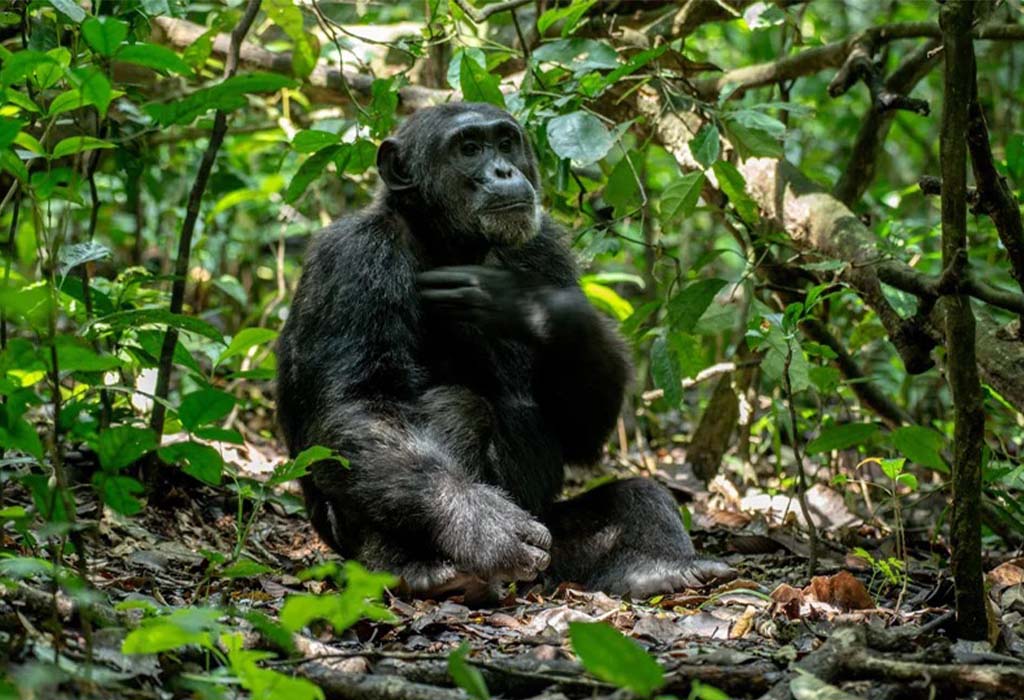
Planning a safari to Nyungwe National Park is an absolute dream, but diving into this vast, ancient equatorial rainforest without a game plan can quickly turn your adventure into a logistical headache. To ensure your Rwandan trek is smooth and deeply rewarding, a little strategic preparation goes a long way. This means securing your highly sought-after chimpanzee and canopy walk permits months in advance, and swapping out single-use plastic bags for eco-friendly alternatives to respect Rwanda’s strict environmental laws. Smart lodging choices near the Gisakura or Uwinka reception centers will save you from grueling, two-hour early-morning drives, while packing the right rugged gear protects you from the dense terrain. By dodging these common pitfalls, you’ll be fully prepared to immerse yourself in the magic of Nyungwe—from tracking primates safely to walking fifty meters high above the breathtaking forest canopy.
2-days-nyungwe-luxury-fly-in-to-trek-with-chimpanzee
2-days-nyungwe-chimpanzee-tracking-and-canopy-walk
3-days-luxury-honeymoon-chimpanzee-tracking-and-canopy-walk-in-nyungweb
3-days-budget-chimpanzee-tracking-in-nyungwe-forest-park
3-days-nyungwe-chimpanzee-tracking-and-lake-kivu-relaxation
3-days-best-rwanda-canopy-walk-and-nyungwe-chimpanzee-tracking-adventure
3-day-chimpanzee-trekking-tour-package-canopy-and-lake-kivu
4-days-nyungwe-chimpanzee-trekking-canopy-walk-and-lake-kivu-relaxation
Strategic Permit Planning
Securing your chimpanzee trekking and canopy walk permits through the Rwanda Development Board (RDB) months in advance is the single most critical step of your safari prep. Given that permit availability is strictly limited to protect the ecosystem, showing up without reservations is a recipe for disappointment. A chimpanzee permit allows you to spend exactly 1 hour with a habituated troop once they are located. Because Nyungwe and the adjacent Cyamudongo forest are home to just 2 main habituated groups (roughly 60 and 30 individuals respectively), the park caps the number of daily visitors to minimize stress on the primates. Booking 3 to 6 months ahead ensures you won't miss out on this intimate encounter with our closest evolutionary relatives.
Smart Lodging Selection
Nyungwe is massive, spanning over 1,019 square kilometers, and navigating its winding mountain roads takes time. Booking accommodation in the wrong location can trap you in a grueling 2-hour drive before dawn, as chimpanzee briefings kick off exceptionally early—typically at 4:30 AM or 5:00 AM. To avoid this, select a lodge based on your assigned briefing gate. For activities near the Gisakura entrance, the ultra-luxury One&Only Nyungwe House provides seamless proximity to the park. For a highly rated mid-range option, the Nyungwe Top View Hill Hotel offers stunning vistas and places you just minutes from the trailheads, ensuring you get extra sleep before your trek.
Essential Gear Prep
The park is a high-altitude, equatorial rainforest with elevations ranging from 1,600 to 2,950 meters above sea level. This terrain demands specialized gear. You must wear sturdy, ankle-high hiking boots to navigate slick mud, steep ridges, and uneven roots. Protect yourself from stinging nettles and biting ants by wearing long trousers—always tucked securely into your socks—and a breathable, long-sleeved shirt. Because it can rain at any moment, pack a high-quality, waterproof rain jacket. Finally, bring a pair of thick, durable gardening gloves; you will frequently need to grab onto branches and vines for balance on the rugged trails.
The Canopy Walk Experience
Many travelers focus solely on primate trekking and mistakenly skip the spectacular Nyungwe Canopy Walkway. Located along the Igishigishigi trail, this engineering marvel is a 160-meter-long suspended metallic bridge divided into 3 distinct segments: 25 meters, 45 meters, and a thrilling 90-meter span. Suspended up to 70 meters above a deep, forested ravine, it offers a dramatic, panoramic eye-level view of East Africa’s oldest montane rainforest. The entire guided excursion takes roughly 2 hours from the Uwinka Visitors Center and costs $60 USD per person, providing unmatched opportunities to spot rare birds and canopy-dwelling monkeys.
Eradicating Plastic Bags
Rwanda takes its environmental preservation seriously and enforces a strict, nationwide ban on all single-use plastic bags. Border officials and airport security at Kigali International Airport will thoroughly check your luggage and confiscate them on arrival. To ensure smooth passage and prevent delays, leave all standard plastic bags, Ziploc bags, and plastic retail wrapping at home. Instead, organize your clothes, toiletries, and camera gear using reusable fabric bags, transparent mesh pouches, or eco-friendly packing cubes. This not only keeps you compliant with local laws but also directly respects the delicate ecosystem of the park.
Primate Health and Photography
Chimpanzees share roughly 98.7% of our DNA, making them highly susceptible to human airborne illnesses and common viruses. If you are feeling unwell, experiencing a cold, or coughing on the morning of your trek, you must act responsibly and stay behind to protect the troop. Furthermore, when you finally encounter the chimpanzees, you must ensure your camera’s flash is completely turned off before taking any photos. Sudden flashes of light can startle, agitate, or provoke aggressive behavior from the primates, disrupting their natural habits and creating an unsafe environment for both the animals and your group.
Why is booking Nyungwe permits late a major mistake?
Waiting until the last minute to book your chimpanzee and canopy walk permits is a massive gamble that rarely pays off. The Rwanda Development Board strictly limits daily visitor numbers to protect the rainforest's fragile ecosystem and ensure the primates don’t get stressed out. Because Nyungwe only has two main habituated chimp groups, spots fill up incredibly fast—especially during the peak dry seasons from June to August and December to January.
If you show up at the park gates hoping to buy a permit on a whim, you are highly likely to face total disappointment and find yourself turned away. This is a bucket-list experience for travelers worldwide, meaning permit availability evaporates months in advance. Missing out because of a lack of planning turns what should be a trip of a lifetime into a major regret. To safeguard your itinerary, you should treat permit booking as your absolute first priority, securing them three to six months before you even pack a bag. It guarantees your spot on the trail and gives you total peace of mind as your African adventure approaches.
How does choosing the wrong lodge ruin your morning?
Nyungwe National Park is absolutely massive, covering over 1,000 square kilometers of dense, mountainous terrain. A very common blunder is booking a lodge based solely on photos without checking its physical distance from your designated morning briefing point. Because chimpanzee treks kick off exceptionally early—with briefings starting at 4:30 AM or 5:00 AM—staying in the wrong area can easily trap you in a grueling, two-hour drive along winding, pitch-black mountain roads before your day even begins.
Waking up at 2:30 AM just to commute to a trailhead completely drains your energy before you even step foot into the rainforest. You will start an intense, physically demanding hike already exhausted. To prevent this, always align your accommodation with your trek's starting gate. Booking spots near the Gisakura entrance, like the luxury One&Only Nyungwe House or the mid-range Nyungwe Top View Hill Hotel, ensures you are just minutes away from the action. It buys you invaluable extra sleep, keeps your energy high, and transforms a frantic, stressful morning into a smooth, relaxed start to an unforgettable day.
What happens if you pack single-use plastic bags?
Bringing single-use plastic bags into Rwanda is a guaranteed way to hit a frustrating roadblock right at the border. The country is a global leader in environmental conservation and has enforced a strict, nationwide ban on all single-use plastics for years. When you land at Kigali International Airport or cross any land border, security officials thoroughly check your luggage. If they find standard shopping bags, plastic retail wrapping, or even everyday Ziploc bags, they will promptly confiscate them.
Getting your belongings pulled apart at customs is an incredibly stressful way to kick off a vacation. Beyond the personal inconvenience, violating this law goes completely against the eco-conscious ethos of Rwanda and its pristine national parks. To avoid delays and show respect for local conservation efforts, leave the plastic at home entirely. Instead, invest in reusable, transparent mesh pouches, eco-friendly fabric bags, or durable packing cubes to organize your clothes, toiletries, and camera gear. It makes your transit entirely seamless, keeps you compliant with local regulations, and supports the beautiful, litter-free environment that Rwanda is celebrated for worldwide.
Why shouldn’t you wear short socks and trousers?
The floor of an equatorial rainforest is a bustling, chaotic ecosystem filled with biting insects, stinging nettles, and aggressive safari ants. A major mistake rookie hikers make is wearing regular trousers loose at the ankle or pairing them with short ankle socks. When you are trekking through thick undergrowth, safari ants can easily march up your boots and find a direct pathway right up your legs. Their bites are incredibly painful and can instantly turn a magical hike into a chaotic, stinging nightmare.
To protect yourself from these tiny ground invaders, you need to use a simple but crucial safari hack: wear long, thick socks and tuck your trousers securely into them. It might look a bit goofy in photos, but creating this physical barrier is an absolute lifesaver on the trails. Additionally, always wear long-sleeved shirts to shield your arms from sharp branches and leaves that can cause nasty rashes. Dressing defensively ensures you can focus entirely on spotting magnificent primates in the canopy rather than constantly swatting away bugs and nursing painful bites on your skin.
Is skipping the Canopy Walk a regrettable decision?
Many travelers get so laser-focused on chimpanzee trekking that they completely overlook the Nyungwe Canopy Walkway, which is a massive missed opportunity. Skipping this experience means missing out on one of the most spectacular, adrenaline-pumping vantage points in all of East Africa. Suspended up to 70 meters above a deep, lush valley, this 160-meter-long metallic suspension bridge gives you a literal bird's-eye view of a pristine, ancient forest canopy that has thrived for thousands of years.
Walking among the treetops offers a completely different perspective than hiking on the forest floor. Up there, you are eye-to-eye with rare bird species, beautiful butterflies, and unique canopy-dwelling monkeys that you would never spot from below. The entire guided excursion takes just about two hours along the scenic Igishigishigi trail and is incredibly accessible. It adds a thrilling layer of adventure to your safari that perfectly complements your primate tracking. Leaving Nyungwe without experiencing this engineering marvel means leaving a huge piece of the park’s magic behind, so make sure to write it into your itinerary.
What risk does hiking in regular sneakers pose?
Attempting to tackle Nyungwe’s wild trails in basic running shoes or casual sneakers is an invitation for a sprained ankle or a nasty fall. This park is a high-altitude rainforest, meaning the terrain is inherently steep, rugged, and almost always slick with mud or covered in exposed, slippery tree roots. Everyday sneakers completely lack the specialized tread and structural support required to grip this unpredictable surface safely.
Sliding around on a muddy ridge not only drains your physical energy rapidly but also puts you at a high risk of injury far away from medical facilities. To navigate the forest safely and comfortably, you absolutely need a pair of sturdy, broken-in, ankle-high hiking boots with deep rubber lugs. The ankle support protects you from twisting a joint on uneven ground, while the waterproof exterior keeps your feet dry when crossing shallow streams or muddy patches. Investing in proper footwear ensures you can hike with total confidence, keeping your balance steady so you can keep your eyes up, scanning the trees for incredible wildlife.
Why is keeping camera flash on a mistake?
When you finally encounter a troop of chimpanzees swinging through the trees, the excitement is palpable, but forgetting to turn off your camera’s flash is a critical error. Primates are highly sensitive, intelligent creatures, and sudden, bursting flashes of artificial light can deeply startle and agitate them. A bright flash can provoke defensive, aggressive behavior, cause the troop to scatter in panic, or permanently disrupt their natural feeding and socializing habits.
To maintain a safe and respectful environment, you must double-check and disable your automatic flash settings before you even step onto the trail. Rainforest photography can be challenging due to the dense canopy shade, but you should adapt by boosting your camera's ISO settings or widening your aperture to let in more natural light. Respecting this rule protects the well-being of these incredible animals and ensures your group can enjoy the full hour of your permit in a peaceful, natural setting. Observing chimps behaving naturally, without human-induced stress, is infinitely more rewarding than capturing a washed-out, flash-lit photo.
Why must you avoid trekking while feeling sick?
Chimpanzees are our incredibly close evolutionary relatives, sharing roughly 98.7% of our DNA. Because of this profound genetic connection, they are highly vulnerable to human airborne illnesses, respiratory infections, and common viruses. What feels like a minor, annoying head cold or a slight cough to you could potentially be devastating or even fatal to an entire wild chimp population that lacks the immunity to fight off human pathogens.
If you wake up on the morning of your trek feeling unwell, the most responsible, ethical choice you can make is to stay behind at your lodge. It is undoubtedly a heartbreaking decision after months of anticipation, but safeguarding the health of these endangered primates must always come first. The park rangers monitor the health of the troops diligently, and enforcing strict health boundaries ensures these animals thrive for generations to come. True conservation means prioritizing the animals' safety over our own travel goals, making health awareness a vital responsibility for every single safari guest.
Why should you pack heavy gardening gloves?
Leaving durable gardening gloves out of your packing list is a small omission that can lead to a lot of physical pain on the trail. Nyungwe’s rainforest isn't a manicured park path; it is a dense, untamed jungle. As you navigate steep, muddy inclines and slippery descents, your natural instinct will be to reach out and grab nearby vegetation, vines, and branches to steady your balance.
Without hand protection, you will quickly discover that many of these forest plants are covered in sharp thorns, stinging hairs, or abrasive bark that can slice your palms open or leave you with incredibly painful rashes. A pair of thick, leather gardening gloves allows you to confidently grab onto whatever you need to stay upright without a second thought. They keep your hands completely safe from cuts and blisters throughout hours of intense hiking. It is a cheap, lightweight item that takes up virtually no space in your luggage but completely transforms your comfort level on the rugged terrain, proving that the smallest gear items often make the biggest difference.
Why is ignoring the rainy weather a problem?
Assuming you can skip packing heavy-duty rain gear because you are traveling during the "dry season" is a classic logistical mistake in Nyungwe. This is an equatorial montane rainforest, which means weather patterns are highly unpredictable and rain can pour down at a moment's notice, regardless of what the calendar says. If you get caught in a sudden, heavy downpour without proper protection, you will be soaked to the bone within minutes.
Getting completely drenched at high altitudes leads to a rapid drop in body temperature, leaving you shivering, miserable, and vulnerable to hypothermia for the remainder of your multi-hour trek. To stay warm and dry, always carry a high-quality, breathable, waterproof rain jacket in your daypack, no matter how clear the sky looks when you set out in the morning. Additionally, using waterproof covers or dry bags for your expensive camera equipment and phones is essential to prevent water damage. Being prepared for wet weather ensures that a sudden storm becomes just a fun part of the jungle adventure rather than a trip-ruining disaster.
Booking Rwanda safari in Nyungwe with us Roads of Adventure safaris
To book your Nyungwe adventure with Roads of Adventure Safaris, just drop a line to info@roadsofadventuresafaris.com or head to their enquiry page. They’ll help you pull together an incredible 3-to-4-day journey starting straight from Kigali. You’ll cruise in a comfortable 4WD vehicle with a friendly, English-speaking driver-guide, making cool cultural stops at the King's Palace or Ethnographic Museum along the way. They take care of all the heavy lifting, including securing those hard-to-get chimp permits, so you can focus entirely on tracking primates, conquering the suspension canopy walk, and exploring stunning rainforest waterfalls hassle-free.
