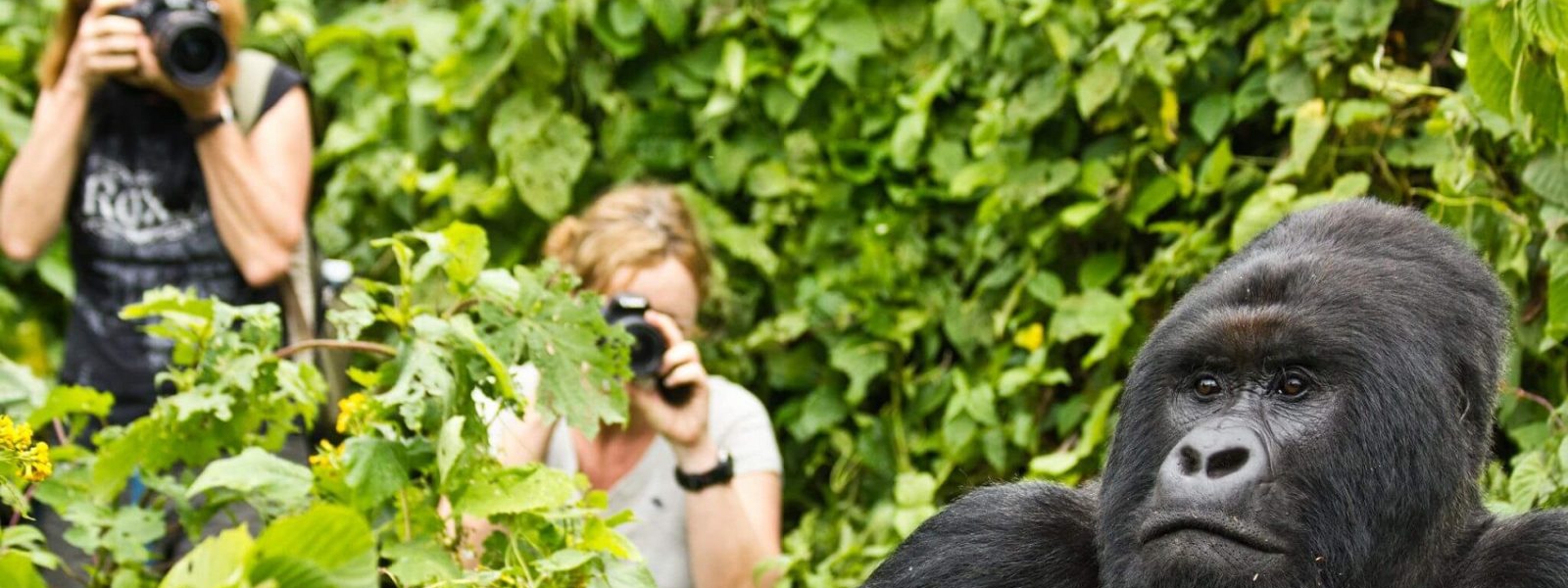
Uganda offers the premier, affordable gorilla trekking experience in Bwindi Impenetrable and Mgahinga National Parks, housing over half the world's remaining mountain gorillas. Trekking through dense forests allows visitors to spend one hour with habituated families. Permits cost ($800) for foreign non-residents, with best sightings from June–August and December–February. Beyond gorillas, Safaris include chimpanzee tracking, scenic boat trips, and wildlife viewing in Queen Elizabeth National Park, making it a diverse, high-value primate adventure.
8-days-best-uganda-rwanda-safari-holiday-ending-in-kigali
8-day-africa-big-five-safari-in-uganda-and-mabamba-swamp-shoebill
9-days-luxury-gorilla-and-uganda-safari-tour-package
7-day-uganda-gorilla-trekking-chimpanzee-wildlife-safari-tour-and-culture
7-days-best-family-uganda-safari-with-primates-and-big-five
10-days-best-uganda-big-five-safaris-and-primate-experience
14-days-family-uganda-safari-holiday-vacation-escape
18-days-ultimate-uganda-safari-with-gorilla-trekking-experience
8-days-best-uganda-rwanda-safari-holiday-ending-in-kigali
8-day-africa-big-five-safari-in-uganda-and-mabamba-swamp-shoebill
9-days-luxury-gorilla-and-uganda-safari-tour-package
7-day-uganda-gorilla-trekking-chimpanzee-wildlife-safari-tour-and-culture
7-days-best-family-uganda-safari-with-primates-and-big-five
10-days-best-uganda-big-five-safaris-and-primate-experience
14-days-family-uganda-safari-holiday-vacation-escape
18-days-ultimate-uganda-safari-with-gorilla-trekking-experience
What is the Best Time for Gorilla Trekking and Safari in Uganda?
The best time for gorilla trekking and safari in Uganda aligns with the dry seasons, which occur from June to September and December to February. These months are characterized by less rain, resulting in drier trails that are easier to navigate and better visibility for spotting wildlife. During these periods, the likelihood of experiencing uninterrupted trekking and clear weather significantly increases, providing optimal conditions for observing the magnificent mountain gorillas in their natural habitat.
The dry season not only makes trekking easier but also enhances the overall safari experience. Wildlife tends to gather around watering holes and open areas, making it easier for visitors to spot various species, including elephants, lions, and numerous birds. In contrast, the wet months can lead to muddy and challenging trails that may limit accessibility to certain areas of the parks, including Bwindi Impenetrable National Park and Mgahinga Gorilla National Park, where gorilla trekking occurs.
It's worth noting that the busiest trekking times typically coincide with these dry seasons, leading to higher permit demand. Therefore, planning your trek during these months necessitates booking permits well in advance (3 to 6 months) to ensure availability.
In summary, for the best gorilla trekking and safari experience in Uganda, the optimal travel months are during the dry seasons. Not only will you encounter more favorable weather conditions, but you'll also enjoy a more comfortable trekking experience, a greater chance to observe various wildlife species, and an overall enhanced enjoyment of the stunning Ugandan landscape.
How Much Does a Gorilla Trekking Permit Cost in Uganda?
As of 2024/2025, the cost of a gorilla trekking permit in Uganda varies based on the residency status of the visitor. For foreign non-residents, the permit costs USD 800; for foreign residents, it's priced at USD 700; and for East African citizens, the fee is UGX 250,000. The fee is set by the Ugandan Wildlife Authority, and this pricing structure reflects the value of the unique experience participants receive.
This permit fee includes a range of essential services aimed at enriching your trekking experience. It covers the costs associated with ranger guiding, ensuring that you are accompanied by knowledgeable guides who are trained in tracking and understanding gorilla behavior. This is critical for both safety and maximized viewing opportunities. Additionally, the permit fee incorporates security escorts, which enhance safety during your adventure.
The permit also grants you access to the national park, allowing you to engage in one thrilling hour of interaction with a habituated gorilla family. This one hour is a cherished highlight of the trek, where you can observe these incredible creatures up close in their natural environment.
Due to the popularity of gorilla trekking, permits are limited, and they can sell out quickly, especially during peak seasons. Therefore, travelers are highly encouraged to book their permits in advance—preferably 3 to 6 months ahead of arrival. This ensures that you secure your spot for an unforgettable experience in Uganda's lush rainforests, where your investment contributes not only to your adventure but also to the conservation of these magnificent creatures.
Where Exactly Can I Do Gorilla Trekking and Safari in Uganda?
Gorilla trekking in Uganda primarily occurs in Bwindi Impenetrable National Park and Mgahinga Gorilla National Park. Bwindi, a UNESCO World Heritage site, is famous for its exceptional biodiversity and is home to nearly half of the world's remaining mountain gorillas. The park is divided into four sectors: Buhoma, Rushaga, Nkuringo, and Ruhija. Each of these sectors offers unique trekking experiences, with gorilla families habituated to human presence, providing exceptional opportunities to observe these gentle giants.
Mgahinga Gorilla National Park, though smaller, is equally significant. It is part of the larger Virunga Conservation Area and serves as a refuge for the endangered mountain gorillas. Trekking in Mgahinga might offer views of the stunning Virunga volcanic mountains, enhancing your safari allure. This park also focuses on gorilla habituation, allowing trekkers interactions with the gorillas while enjoying the beautiful hiking trails amidst highland forests.
Both parks are situated in southwestern Uganda and are rich in wildlife, including golden monkeys, various bird species, and diverse flora. Guided treks in these parks are a essential part of the 10 Days Tanzania wildlife safari and optional visit to Masai tribe or Hadzabe.
Visitors are encouraged to take their time and choose a sector that suits their fitness levels and interests. Regardless of the chosen location, both parks offer an unparalleled chance to connect with Uganda’s iconic wildlife and engage with their conservation efforts, while enjoying the vibrant culture of the surrounding communities.
How Long Does a Gorilla Trek Take?
The duration of a gorilla trek can vary widely, typically ranging from 1 to 6 hours. This variability depends on several factors, including the movement patterns of the gorilla family that day and the terrain you will encounter. Some groups of gorillas may be located relatively close to the trailhead, resulting in shorter trek times, while others may require more hiking to reach them.
At the beginning of the trek, your group will gather at the designated starting point, where park rangers will brief you on safety protocols and what to expect. Afterward, skilled trackers will lead the way into the dense forest, navigating the sometimes rugged and steep terrain. Along the trek, you may encounter various wildlife, lush vegetation, and often breathtaking scenery, adding richness to the hiking experience.
Once you reach the gorillas, you are allowed one hour of interaction. This hour is cherished, as it provides a rare opportunity to observe the gorillas in their natural habitat—watching them feed, play, and interact with each other.
It's essential to be physically prepared for the trek, as conditions can range from mildly challenging to strenuous, depending on the location of the gorilla family. Having a moderate to high level of fitness will enhance your ability to enjoy this unforgettable experience. Ensure you are well-equipped with good hiking boots, enough water, and suitable clothing for the varying weather conditions of the rainforest.
Is It Guaranteed to See Gorillas During a Gorilla Trekking and Safari in Uganda?
Yes, gorilla trekking in Uganda comes with an impressive 99% chance of seeing the gorillas during your trek. This high success rate is largely due to the expertise of the experienced trackers who are skilled at locating gorilla families. Before the trekking groups set out, these trackers spend time in the field observing the gorillas' movements, understanding their habits, and marking their locations for the day. This meticulous preparation increases the likelihood that you will successfully encounter the gorillas.
While the actual encounter with the gorillas isn't guaranteed due to the unpredictable nature of wildlife, the chance of sighting them is extraordinarily high. Moreover, the attention given to maintaining the health and safety of both the gorillas and visitors is paramount. Only a limited number of permits are issued each day, allowing for controlled visits, which helps minimize stress on these incredible animals.
Once you do find the gorillas, you will have one hour to observe them, during which you can take photographs and watch their natural behaviors. This time is crucial for making lasting memories; it’s often the highlight of the trek.
Overall, the combination of trained trackers, responsible visitor policies, and the natural tendencies of mountain gorillas to remain in particular areas contributes to the exceptionally high rates of successful gorilla sightings in Uganda. Whether you're an avid wildlife enthusiast or a casual traveler, the opportunity to witness these magnificent creatures in their natural habitat is a truly remarkable experience.
What is the Minimum Age for Gorilla Trekking and Safari in Uganda?
The minimum age limit for participating in gorilla trekking in Uganda is set at 15 years old. This age restriction is in place for several important reasons, including ensuring the safety of both the trekkers and the gorillas. Younger children may not possess the physical capability or understanding of guidelines necessary for trekking in sometimes challenging terrain, which could lead to potential dangers.
By implementing an age limit, the Uganda Wildlife Authority aims to maintain the health and wellness of the mountain gorillas, who share approximately 98% of their DNA with humans. Exposure to illnesses from younger trekkers could pose threats to the gorilla populations, making it crucial that all trekkers are of an age where they can comprehend health guidelines and the importance of protecting these endangered species.
This minimum age policy means that families who wish to experience gorilla trekking must plan their visits accordingly. Parents and guardians should also ensure that travelers aged 15 and older are prepared for the physical demands of the trek, as varying levels of fitness can affect enjoyment and safety.
Visitors are encouraged to prepare mentally and physically for their trek by reviewing guidelines and health recommendations before the trip. The interaction with the gorillas is impactful and often life-changing for many, adding to the significance of age-appropriate participation in this remarkable experience.
What is Included in the Permit Fee for a Gorilla Trekking and Safari in Uganda?
The gorilla trekking permit fee in Uganda comprises several critical elements designed to facilitate a safe and enriching experience. The permit covers a range of essential services, ensuring that visitors can fully engage in this unique opportunity to see mountain gorillas in their natural habitat.
Firstly, the fee includes ranger guiding services. These seasoned guides have extensive training in tracking gorillas, enhancing your chances of successful sightings while ensuring your safety throughout the trek. Their knowledge of gorilla behavior and the dense forest environment adds tremendous value to your experience, as they share insights along the way.
Moreover, the permit includes security escorts, further enhancing safety during your excursion. The presence of rangers helps protect trekkers from potential dangers while ensuring a respectful distance from the gorillas.
Crucially, the permit grants you one hour of interaction with a habituated gorilla family, allowing for a profound connection with these amazing animals. This hour is an unforgettable highlight, representing the core purpose of the trek.
Additionally, the permit covers park entrance fees, helping to support wildlife conservation efforts. The revenues generated from permit sales are funneled back into maintaining the national parks, protecting the gorillas, and supporting local communities.
With each permit, travelers invest not only in their personal adventure but also in the future of gorilla conservation efforts and the integrity of Uganda's natural resources. This multifaceted support structure reinforces the importance of scheduling your trek and understanding the valuable components included in the permit fee.
How Many People Are Allowed to Visit One Gorilla Family Per Day?
To minimize stress on the fragile mountain gorilla populations, a strict limit is enforced regarding the number of visitors allowed to interact with a single gorilla family. A maximum of eight people are permitted to visit each habituated gorilla family per day. This limitation is a crucial component of sustainable tourism practices aimed at protecting these endangered animals while offering memorable wildlife experiences.
Restricting visitor numbers helps reduce the potential for human interference in the gorillas' behavior and daily routines. It creates a more intimate interaction, allowing trekkers to connect meaningfully with the animals while minimizing stress and disruption. The limited group size also facilitates a better experience, as guests can enjoy an unobstructed view of the gorillas and observe their interactions without overcrowding.
Reservations for gorilla trekking permits need to be made well in advance—ideally, three to six months ahead of your visit—to secure your spot in one of these small groups. Once you have confirmed your permit, you can prepare for an unforgettable hour with the gorillas.
The ethos behind small-group visits emphasizes conservation, showcasing Uganda's commitment to preserving its unique wildlife and ensuring that both visitors and wildlife benefit from responsible tourism practices. This careful balance allows for lasting memories while safeguarding the future of these incredible creatures.
Do I Need to Book My Gorilla Trekking and Safari in Uganda in Advance?
Yes, it is highly advisable to book your gorilla trekking permits in advance, ideally between 3 to 6 months prior to your planned visit. This advance booking is crucial, especially during peak travel seasons—typically from June to September and December to February—when demand for permits surges. Given the limited number of permits available, early reservations are essential to secure your chance to see these incredible animals.
The gorilla trekking experience is immensely popular among both local and international tourists, leading to permits selling out quickly. Failure to book early could result in disappointment, as the opportunity to see mountain gorillas in their natural habitat is a unique experience that many travelers wish to include in their itineraries.
When securing a permit, it is also beneficial to plan your overall itinerary around your trekking dates to maximize your time in Uganda. Booking early allows you to coordinate your travel plans, including accommodations, transportation, and any additional activities or visits to nearby national parks.
Moreover, booking in advance often means lower stress during your trip, as you will have ensured your opportunity to trek. Planning ahead enhances your ability to focus on enjoying the incredible wildlife and cultural experiences that Uganda has to offer. Be proactive in obtaining your gorilla trekking permit, and prepare for an unforgettable adventure in one of Africa’s most remarkable landscapes.
What is the Difference Between Gorilla Trekking and Gorilla Habituation?
Gorilla trekking and gorilla habituation are two distinct experiences offered in Uganda, each providing unique opportunities to observe these magnificent creatures in their natural habitats. The primary difference lies in the duration of interaction with the gorillas and the types of families encountered during each activity.
Gorilla trekking allows participants to spend one hour with a fully habituated gorilla family. This hour is typically reserved for observing the gorillas in their natural setting, watching their behaviors, and taking photographs. This activity is designed for those wishing for a shorter encounter with the already accustomed gorilla groups.
In contrast, gorilla habituation is a more immersive experience, available only in Bwindi Impenetrable National Park. Participants on a habituation trek have the opportunity to spend four hours with a semi-habituated gorilla family. This extended interaction allows trekkers to observe gorilla behavior in more depth, facilitating a deeper connection with the animals. However, gorilla habituation costs more, priced at USD 1,500, compared to the typical trekking fee.
This process of habituation involves ongoing efforts by researchers and trackers to acclimate the gorillas to human presence, gradually introducing the animals to visitors. The cost and commitment to habituation reflect the work involved in ensuring that the gorillas can comfortably engage with humans while maintaining their natural behaviors.
Ultimately, whether you choose gorilla trekking or gorilla habituation, both experiences offer outstanding opportunities to observe and learn about these endangered primates while contributing to their conservation efforts.
How Difficult is Gorilla Trekking and Safari in Uganda?
Gorilla trekking in Uganda can range from moderately challenging to physically demanding, requiring a certain level of fitness and mobility. The trekking terrain is often steep, rugged, and can be wet and muddy, particularly during or just after the rainy seasons. These factors can make the trekking experience quite challenging for some, and moderating your expectations based on the physical demands is essential.
Typically, treks can last anywhere from 1 to 6 hours, depending on the distance to the gorillas on that particular day. Trekkers may find themselves climbing, navigating through dense bushes, or walking on uneven ground, making sturdy hiking boots and appropriate clothing essential for comfort and safety.
To aid those who may find the trek particularly challenging, it is possible to hire porters. Porters can assist in carrying personal items and provide support on the trails, making the trek more manageable. Opting for a porter not only enhances your trekking experience but also supports the local economy, providing income for community members.
Those planning to participate in gorilla trekking should prepare adequately by maintaining physical fitness before the trek. Engaging in activities like walking, hiking, or cardio exercises can help prepare your body for the physical demands of the trek. By being well-prepared, you can enhance your enjoyment of this incredible opportunity to observe Uganda’s majestic mountain gorillas in their natural habitat, despite the challenges that may arise on the trek.
What Should I Wear for a Gorilla Trekking and Safari in Uganda?
When preparing for a gorilla trekking and safari in Uganda, it's essential to dress appropriately to ensure comfort, safety, and protection from the elements. Here are some recommended clothing items and accessories to consider:
- Long Trousers: Opt for durable, lightweight fabrics that protect your legs from stinging nettles and brambles commonly found in the rainforest. Trousers should be breathable to help you stay comfortable during the trek.
- Long-Sleeved Shirts: A good long-sleeved shirt not only protects your arms from scratches and insects but also helps shield you from sun exposure. Choose fabrics that wick moisture and provide comfort in humid conditions.
- Sturdy Hiking Boots: Footwear is crucial for trekking. Invest in supportive, comfortable trekking boots with good traction to navigate muddy and uneven terrains. Waterproof boots are also advantageous, especially in wetter months.
- Gloves: Wearing gloves can assist with protection against thorns and prickly vegetation during the hike. They provide added grip when climbing or navigating rough paths.
- Hat and Sunglasses: A wide-brimmed hat provides extra sun protection, while sunglasses help shield your eyes from glare. Both items contribute to your overall comfort while trekking.
- Rain Gear: The weather can be unpredictable, and a lightweight, packable rain jacket is useful in case of sudden downpours. Look for water-resistant materials to keep dry.
By dressing appropriately for your trek, you will enhance your comfort and enjoyment while observing the remarkable mountain gorillas in Uganda. Being well-prepared with the right clothing can significantly improve your gorilla trekking experience, allowing you to focus on the thrill of this once-in-a-lifetime adventure.
Can I Do Gorilla Trekking and Safari in Uganda If I Have a Cold or Flu?
No, individuals with colds, flu, or any communicable illness are not permitted to participate in gorilla trekking in Uganda. This policy is in place primarily to protect the health of the mountain gorillas, who share about 98% of their DNA with humans. The close genetic relationship makes them susceptible to human diseases, which could have devastating effects on their populations.
The guidelines set by the Uganda Wildlife Authority prioritize the well-being of both visitors and the gorillas. If a trekker is exhibiting symptoms of any communicable illness, they will be asked to refrain from trekking. This policy emphasizes the significance of health and safety protocols in ecotourism endeavors.
Travelers are encouraged to conduct a self-assessment for any symptoms before participating in trekking activities. The main objective is to eliminate the risk of transmitting illnesses to these endangered animals during encounters.
If a participant is unable to trek due to illness, it is advisable to contact the trekking operator as early as possible to discuss options, which may include rescheduling or possible refunds depending on policy.
Is It Safe to Go for a Gorilla Trekking and Safari in Uganda?
Yes, gorilla trekking in Uganda is considered a safe activity, thanks to the organized measures put in place to protect both tourists and the mountain gorillas. Visitors are always accompanied by experienced rangers who are trained in wildlife conservation and management. These armed rangers prioritize the safety of trekkers by providing necessary security throughout the trekking experience. They also offer insights about the gorillas and their habitat, enhancing your understanding of these incredible creatures.
While trekking, the rangers guide you through the dense jungles of Bwindi Impenetrable National Park or Mgahinga Gorilla National Park, ensuring that established protocols are followed to minimize risks. The rangers' expertise helps navigate through potentially challenging terrain and identifies safe pathways. Furthermore, these trained professionals know how to respond to wildlife encounters, including any unexpected interactions with wild animals.
In addition, park regulations dictate that visitors maintain a minimum distance from the gorillas—usually between 7 to 10 meters—to minimize the risk of transmitting diseases. These precautions contribute to the overall safety of the trekking experience. Visitors are briefed on rules and guidelines prior to setting off, further ensuring that safety measures are understood and adhered to.
In summary, with adequate guidance, safety protocols, and experienced ranger support, gorilla trekking in Uganda is both an exhilarating and secure venture. It provides not only the chance to experience wildlife up close but also offers assurance that proper measures are in place to protect both visitors and the remarkable mountain gorillas of Uganda.
What Happens If I Don’t See the Gorillas?
While it is rare, there may be instances where trekkers do not manage to see the mountain gorillas during their outing. Since the gorillas roam freely in their natural habitat, and conditions can vary daily based on weather, food availability, or their movement patterns, sightings are not guaranteed. However, to address this uncertainty, Uganda has implemented a policy designed to offer recourse to those unfortunate enough not to encounter the gorillas.
If you fail to see the gorillas during your trek, you are entitled to a 50% refund of your permit fee. Alternatively, you may also have the opportunity to undertake another trek the following day at no additional cost. This provision is intended to alleviate disappointment and ensure that visitors leave with a satisfying experience whenever possible. It underscores the commitment of the Ugandan Wildlife Authority to provide a valuable wildlife encounter while acknowledging the unpredictable nature of wildlife observations.
To further increase the chances of sighting a gorilla family, trekkers are encouraged to be in good shape and prepared for the trek. Paying attention to the guidelines set by the rangers and being part of a well-organized group also enhances the likelihood of a successful encounter. While it's important to understand that seeing gorillas can never be guaranteed, the refund or re-trekking option offers a safety net to mitigate the challenge of missing out on this extraordinary wildlife opportunity.
How Far Should I Stay from the Gorillas?
During gorilla trekking and safari in Uganda, it is essential to adhere to strict guidelines that dictate the minimum distance you must maintain from the mountain gorillas. Visitors are required to keep a distance of 7 to 10 meters from the gorillas at all times. This distance is vital for several reasons, all aimed at ensuring the health and safety of both the gorillas and the visitors.
First and foremost, maintaining a safe distance helps protect the gorillas from potential transmission of human diseases. They share approximately 98% of their DNA with humans, making them vulnerable to illnesses such as colds or flu. A higher risk of disease transmission can occur when humans come too close, hence the established distance limit.
In addition to health considerations, keeping a respectful distance is critical to minimizing stress on the gorilla family during your visit. As intelligent and sensitive animals, gorillas can display stress-related behaviors if they feel threatened or cornered by human presence. By observing the distance guidelines, trekkers contribute to the well-being of these magnificent creatures, allowing them to engage in their natural behaviors without disruption.
Rangers will guide your trek, monitoring distance and instructing you on how to behave during your encounter. Striking the right balance allows for a safe and ethical interaction with the gorillas, thereby enriching your experience while safeguarding these endangered animals for future generations.
What Other Activities Can I Combine with a Gorilla Trekking and Safari in Uganda?
When planning a gorilla trekking adventure in Uganda, there are numerous activities that can be seamlessly integrated to enhance your safari experience. Beyond trekking to observe the mountain gorillas, visitors can take part in various other wildlife encounters and cultural experiences.
One popular combination is chimpanzee trekking in Kibale National Park. Just a few hours from Bwindi, Kibale is renowned for its high concentration of primates, particularly chimpanzees. Trekking in this park provides a chance to observe these fascinating creatures as they roam through the forest, often engaging in social interactions.
Another excellent addition is taking game drives in Queen Elizabeth National Park, where you can immerse yourself in the diverse ecosystems while spotting iconic wildlife such as elephants, lions, and hippos. The park boasts a range of activities, including boat cruises on the Kazinga Channel, offering unique perspectives on hippos and various bird species.
For those seeking outdoor adventures, consider hiking in Mgahinga Gorilla National Park. This park is home to the Virunga mountain range and offers stunning trails that challenge trekkers while providing breathtaking views at higher elevations.
Lastly, engaging with local communities, such as the Batwa people, adds depth to your cultural experience. Learning about their traditional lifestyles and forest-dwelling practices enriches your journey.
Combining these activities with your gorilla trekking will create a diverse and memorable safari experience that showcases the best Uganda has to offer in terms of wildlife, adventure, and cultural richness.
Do I Need to Hire a Porter for My Gorilla Trekking and Safari in Uganda?
Hiring a porter during your gorilla trekking and safari in Uganda is not compulsory, but it is highly recommended. Porters can provide valuable assistance, particularly on challenging trails that may involve steep inclines, rugged terrain, and muddy pathways. Their support can make your trekking experience more enjoyable and manageable.
Porters can help carry your bags and other personal belongings, allowing you to focus on enjoying the trek rather than concerning yourself with weight. They can also offer a helpful hand on steep sections, providing a push or pull when needed. This extra support is especially beneficial for those who may be less physically prepared for the hike or who wish to maintain their energy for the actual encounter with the gorillas.
Moreover, hiring porters benefits local communities by providing them with employment opportunities. The fees paid to porters contribute to their livelihoods, enabling them to support their families. This aspect of responsible tourism aligns with the conservation efforts in the region, as a strong local economy can lead to greater commitment to protecting wildlife and natural resources.
Furthermore, having a porter can enhance your overall experience by sharing insights about the flora and fauna you encounter during the trek. Their local knowledge may enrich your understanding of the ecosystem and the challenges faced by both the environment and its inhabitants.
In summary, while hiring a porter is optional, the significant advantages they offer in terms of assistance, local economic support, and enhanced trekking experience make it a worthwhile consideration during your gorilla safari in Uganda.
Can I Use Flash Photography During a Gorilla Trekking and Safari in Uganda?
No, flash photography is strictly forbidden during gorilla trekking and safari in Uganda. This rule is in place for several important reasons, with the primary concern being the well-being of the mountain gorillas. Flash photography can disturb the gorillas and trigger a defensive reaction, especially from dominant males like silverbacks. Such a situation could endanger both the trekkers and the gorillas, making adherence to this guideline crucial.
Instead of flash, visitors are encouraged to use natural light for photography, relying on good camera settings to capture the stunning moments. This may involve adjusting settings for low light conditions, particularly in the dense forest areas where gorillas typically reside. Portable lenses with a larger aperture can also facilitate better image quality without the use of flash.
Before the trek, rangers will brief you on photography guidelines to ensure respectful and safe interactions with the gorillas. Understanding these rules enhances the experience while ensuring the comfort and safety of both visitors and animals.
By following the no-flash rule, you contribute to the conservation efforts aimed at protecting these magnificent creatures. Photographs taken under these guidelines can still capture the majesty and natural beauty of the gorillas, allowing you to create lasting memories without compromising their well-being.
How Do I Get to the Gorilla Parks for My Gorilla Trekking and Safari in Uganda?
Getting to the gorilla parks for your trekking and safari in Uganda can be accomplished through two main transportation options: flying or driving.
For those short on time or looking for a more comfortable option, you can fly from Entebbe International Airport to either Kisoro or Kihihi Airstrip. These flights take about an hour and are often operated by local airlines. Traveling by air enables a swift journey into southwestern Uganda, minimizing travel time and allowing you to maximize your wilderness adventure. From the airstrips, it's a quick drive to the various lodge accommodations near the gorilla parks.
Alternatively, if you prefer road travel, you can opt for a self-drive or hire a vehicle with a driver from Kampala to Bwindi Impenetrable National Park or Mgahinga Gorilla National Park. The drive spans approximately 9 to 10 hours, covering around 480 kilometers. While it requires more time, this option allows you to enjoy the beautiful countryside, including views of local villages, rolling hills, and farmland along the route.
Regardless of how you choose to travel, each option provides unique experiences along the way. Whichever method you select, planning can ensure you arrive at the gorilla trekking location ready for an unforgettable adventure with these incredible creatures.
What is the "Gorilla Rules" Etiquette Regarding Charging Gorillas?
Understanding and adhering to the "Gorilla Rules" etiquette is crucial while trekking to encounter mountain gorillas in Uganda. These rules exist to protect both the trekkers and the gorillas, and following them ensures a safe and respectful interaction.
One critical rule pertains specifically to how to react if a gorilla charges. If a gorilla does charge, visitors must not run. Instead, it's important to remain calm and follow the guide's instructions precisely. The recommended response is to crouch down slowly, avoiding direct eye contact with the gorilla. Looking away can help de-escalate the situation, reducing the perceived threat to the gorilla. Once the gorilla has passed, the guide will instruct you when it is safe to resume watching.
Rangers will cover these safety protocols during the pre-trek briefing, emphasizing the importance of maintaining a safe distance and recognizing gorilla body language. Understanding these behaviors improves your awareness and helps ensure a supportive environment for the gorillas while protecting yourself and your group.
Furthermore, following the "Gorilla Rules" establishes a positive culture around wildlife encounters, encouraging responsible tourism and the well-being of these magnificent creatures. Engaging with gorillas respectfully ensures a safe, memorable adventure while contributing to their conservation and the preservation of their habitat.
What Kind of Vaccination Do I Need for a Gorilla Trekking and Safari in Uganda?
Before embarking on a gorilla trekking and safari in Uganda, obtaining specific vaccinations is crucial for ensuring your health and safety in this unique environment. The primary vaccination required for entry into Uganda is the Yellow Fever vaccination. Upon arrival, travelers must present proof of vaccination through a Yellow Fever card as a precaution against this mosquito-borne virus prevalent in many African countries.
In addition to Yellow Fever, it is strongly advised for travelers to take malaria prophylaxis, as the risk of malaria is present in certain regions of Uganda, particularly in lower-lying areas. Consulting with a healthcare professional well before your trip can help you understand the recommended medications for your specific itinerary and personal health history.
Furthermore, routine vaccinations should also be up to date. This may include vaccines for hepatitis A and B, typhoid, and tetanus, among others. Protecting yourself against common infectious diseases ensures that you can fully enjoy your gorilla trekking adventure without health concerns.
In conclusion, ensuring proper vaccinations and health preparations prior to your gorilla trekking safari not only safeguards your well-being but also underlines responsible travel practices that contribute to the welfare of both visitors and the remarkable wildlife of Uganda.
Is It Possible to Do a Gorilla Trekking and Safari in Uganda Starting from Kigali, Rwanda?
Yes, it is entirely possible to do a gorilla trekking and safari in Uganda starting from Kigali, Rwanda. This route has become increasingly popular among travelers seeking convenience and a faster way to reach the gorilla parks.
Upon landing in Kigali, you can hire a vehicle or join an organized tour that will drive you approximately 3 to 4 hours to the southern sector of Bwindi Impenetrable National Park. This option allows avoidance of the longer 9 to 10-hour drive from Kampala, making it an efficient way to access the gorillas without compromising adventure quality.
Taking this route not only minimizes travel time but also provides an opportunity to explore a different landscape along the way. The drive provides glimpses of Rwandan hills and valleys, seamlessly transitioning into the lush forested regions of Uganda.
Additionally, beginning your safari in Kigali may also lead to cost savings, especially if you choose direct flights to Kigali, which can sometimes be more affordable than flying into Entebbe.
However, travelers should still take the time to plan their itineraries and ensure they have the necessary permits booked for gorilla trekking prior to arriving in either country. Starting from Kigali can offer an excellent balance of convenience and adventure, allowing you to witness the majestic mountain gorillas in Uganda’s stunning natural settings.
How Many Types of Gorilla Trekking and Safari in Uganda Packages Exist?
When it comes to gorilla trekking and safari experiences in Uganda, a wide variety of packages are available to cater to different preferences, budgets, and timelines. Tour operators generally offer packages that range from short 3-day budget tours to 10+ day luxury adventures.
Basic packages are typically centered around gorilla trekking, including necessary permits, guided treks, and accommodation. These budget-friendly options might focus solely on experiencing the mountain gorillas, often appealing to travelers who are primarily interest in the trekking aspect itself.
For those looking for more comprehensive wildlife experiences, several packages incorporate additional activities, such as chimpanzee trekking in Kibale National Park, game drives in Queen Elizabeth National Park, or hikes in Mgahinga Gorilla National Park. These extended itineraries allow visitors to take full advantage of Uganda’s rich biodiversity.
Luxury packages can include high-end lodgings, gourmet meals, and additional excursions, providing a more opulent wildlife experience while maintaining the core elements of gorilla trekking.
No matter the package type, all options emphasize the importance of responsible tourism, contributing to local conservation efforts and enhancing the experience for both visitors and local communities. Ultimately, selecting a package that matches your interests will provide the best opportunity to engage with Uganda's extraordinary wildlife and landscapes.
Is It Ethical to Go on a Gorilla Trekking and Safari in Uganda?
Yes, engaging in gorilla trekking and safari in Uganda is considered ethical, primarily because the fees associated with permits and tours contribute significantly to gorilla conservation efforts and local community development. The revenue generated from trekking permits is invested in protecting the mountain gorillas and their natural habitats, crucial components in the fight against poaching and habitat loss.
By participating in responsible tourism, trekkers play a direct role in supporting conservation initiatives. The funds help pay for ranger salaries, park maintenance, and community projects aimed at improving the well-being of local residents. When tourists visit, they provide a source of income that encourages communities to engage in sustainable practices, reducing the pressures of poaching and other harmful activities.
Furthermore, the limited number of permits issued for trekking ensures that gorillas are not subjected to excessive human interaction, which helps maintain their natural behaviors and habitats. The regulations in place set by the Uganda Wildlife Authority are designed not only for visitor safety but also to prioritize the welfare of these endangered species.
Booking Gorilla Trekking and Safari in Uganda with us Roads of Adventure safaris
Book your unforgettable Uganda gorilla trekking and wildlife safari with Roads of Adventure Safaris for tailor-made, exclusive experiences. We handle all logistics, including securing crucial gorilla permits (roughly \(\$800\) each) from the Uganda Wildlife Authority, comfortable accommodation ranging from luxury to mid-range, and expert guiding through Bwindi or Mgahinga. Our bespoke itineraries, featuring chimpanzee tracking and scenic tours, ensure a seamless journey. Book 3-6 months in advance for the best experience. Contact us for a personalized,, secure, and memorable adventure in the heart of Africa.
