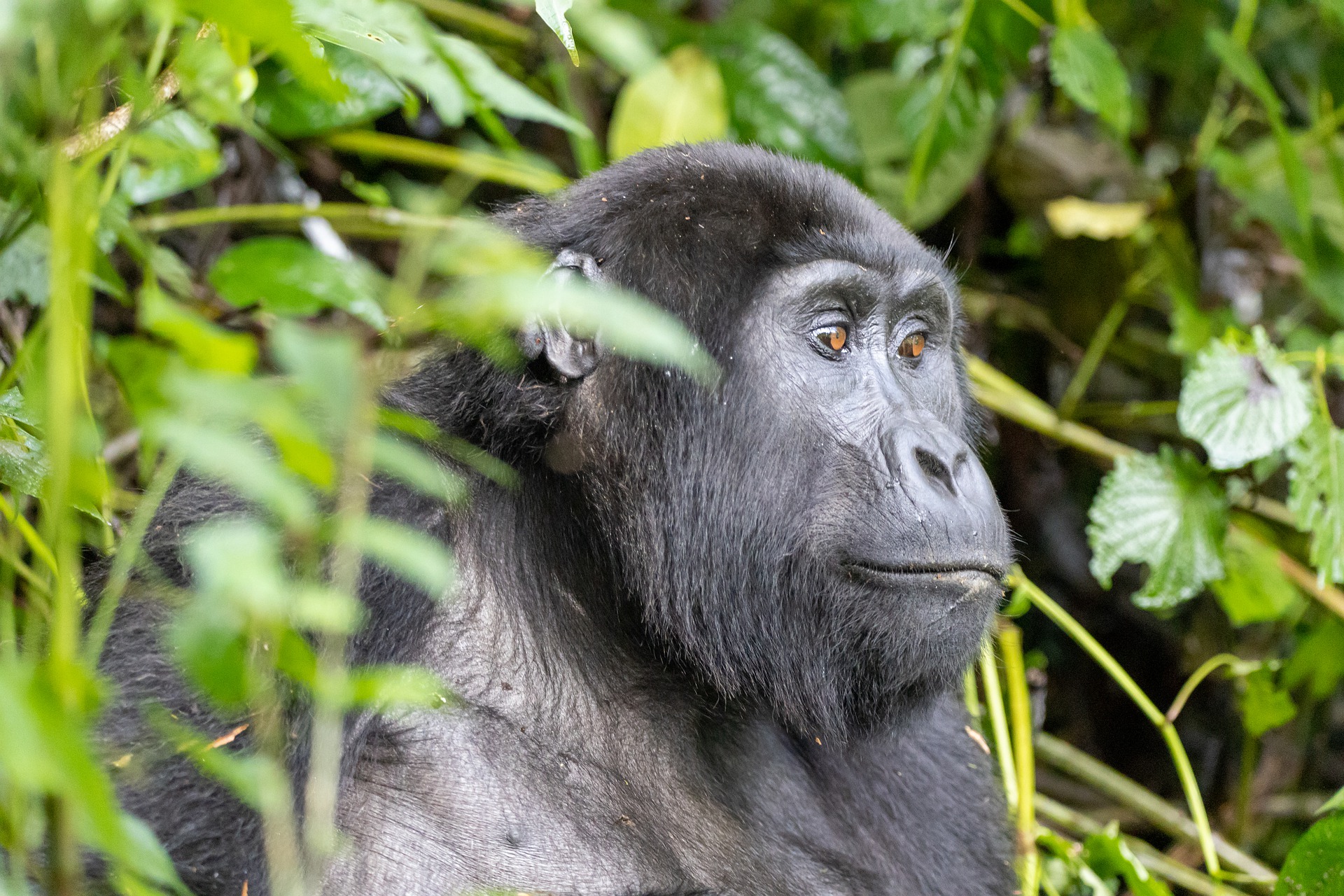
A gorilla safari in Uganda is a premier wildlife experience focused on the misty slopes of Bwindi Impenetrable and Mgahinga National Parks. This adventure involves trekking through dense rainforests alongside expert rangers to locate one of the world’s remaining mountain gorilla families.
Once a group is found, visitors spend a transformative hour observing the gorillas’ social dynamics from a safe distance. The best time for a gorilla safari in Uganda is during the dry months of June to September or December to February, ensuring clearer trails and easier hiking conditions in these high-altitude habitats.
.
3-days-fly-in-uganda-gorilla-habituation-africa-safari-tour-package
2-days-best-gorilla-trekking-safari-tour-via-kigali-to-bwindi-impenetrable-forest-park
3-days-gorilla-trekking-safari-and-lake-bunyonyi-relaxation-itinerary
3-days-affordable-uganda-budget-gorilla-trekking-via-kigali
4-days-ultimate-gorilla-and-uganda-safari-and-chimpanzee-tracking
4-days-ultimate-gorilla-and-uganda-safari-and-chimpanzee-tracking
4-days-uganda-gorilla-safari-with-golden-monkey-tracking-from-rwanda
4-days-luxury-gorilla-trekking-safari-in-bwindi-fly-in-all-inclusive-tour
5-days-gorilla-and-uganda-safari-and-golden-monkey-trekking-tour-from-kigali
5-days-un-matched-uganda-gorilla-safari-and-chimpanzee-tour-itinerary
6-days-gorilla-and-uganda-safari-to-see-big-five
7-day-ultimate-uganda-primate-safari-chimpanzees-and-game-drives
19-days-incredible-uganda-safari-tour-big-five-chimpanzees-and-mountain-gorillas
14-days-uganda-and-rwanda-safari-tour-itinerary
12-days-perfect-rwanda-uganda-gorilla-trekking-safari-holiday-vacation
What is the cost of a gorilla safari in Uganda?
As of 2025–2026, the cost of a gorilla safari in Uganda primarily revolves around the price of the gorilla trekking permit, which is crucial for participating in the experience. Currently, a standard gorilla trekking permit for foreign non-residents is priced at $800 USD. This permit allows one hour of interaction with the mountain gorillas once they are located by the trekking group.
Apart from the permit, the overall cost of a gorilla safari can vary significantly based on several factors. These factors include the type of accommodations you choose (luxury lodges, mid-range hotels, or budget options), transportation (private vehicles or group tours), and any additional activities you wish to include (such as cultural experiences or nature walks).
On average, a complete gorilla safari trip—including the permit, accommodations, food, and transportation—can range from $1,500 to $3,000 USD or more depending on your preferences. Guided tours often include these costs in a package, providing a more convenient budgeting option for travelers.
For travelers seeking a rich experience, some tour operators offer comprehensive packages that include multiple national parks and primate encounters, further enriching your time in Uganda. Therefore, understanding these costs in the context of your travel goals is essential for planning your gorilla safari effectively, ensuring a fulfilling and unforgettable adventure that meets your needs and budget.
When is the best time to book a gorilla safari in Uganda?
The best time to book a gorilla safari in Uganda aligns with the country's dry seasons, which occur from June to September and December to February. These periods are ideal for trekking as the trails become less muddy and conditions are more favorable for hiking through the dense forests of Bwindi Impenetrable National Park and Mgahinga Gorilla National Park.
During the dry season, the likelihood of encountering clear skies enhances your overall experience, leading to better visibility for photography and wildlife spotting. Since the gorillas' habitats are often found in hilly terrains, drier conditions make trekking more manageable, reducing fatigue and allowing tours to be completed more easily.
Booking during these peak times not only optimizes your experience but is crucial for securing a gorilla trekking permit, which can sell out quickly, especially in popular months. Early booking—often three to six months in advance—is advisable to guarantee availability and flexibility in your travel plans.
While the dry seasons attract more visitors, the shoulder seasons (late September to November and March to May) can also provide unique advantages, such as fewer crowds and lush green landscapes. However, trekking can become more challenging due to muddy trails, so this option suits travelers seeking a less commercial experience and willing to face wetter conditions.
Overall, planning your visit during the dry seasons enhances the probability of a successful and enjoyable gorilla safari in Uganda, maximizing wildlife encounters and minimizing trekking difficulties.
Where in Uganda can I go for a gorilla safari?
Gorilla safaris in Uganda primarily take place in two key protected areas: Bwindi Impenetrable National Park and Mgahinga Gorilla National Park. Both parks are renowned for their spectacular biodiversity and are critical habitats for the endangered mountain gorilla.
- Bwindi Impenetrable National Park: This UNESCO World Heritage site is one of the most popular destinations for gorilla trekking in Uganda. It's home to nearly half of the world’s remaining mountain gorilla population, with numerous habituated families. Bwindi’s dense forests and steep terrain make it a prime location for encountering gorillas in their natural habitat. The park features various trekking routes that range in difficulty, accommodating visitors of different fitness levels.
- Mgahinga Gorilla National Park: Located to the south of Bwindi, Mgahinga is smaller but equally significant. This park is part of the larger Virunga Massif, which is shared with Rwanda and the DRC. Mgahinga is distinctive for its three volcanic peaks and provides a unique landscape for trekking. The park is home to the "Nyakagezi" gorilla group, which is known for its frequent movements across borders. Trekking in Mgahinga is often characterized by breathtaking views and diverse wildlife, including golden monkeys.
Both parks offer guided gorilla trekking experiences, but the choice between them often depends on visitor preferences, available permits, and specific trekking interests. Each location presents a unique opportunity to connect with these majestic animals while exploring Uganda's lush and diverse ecosystems.
How long does a gorilla safari in Uganda last?
A typical gorilla safari in Uganda usually lasts about three days, offering travelers a comprehensive experience that includes not just trekking but also exploring the beautiful landscapes and engaging with local cultures. Here’s a breakdown of a common itinerary:
- Day 1: Arrival and Transfer – Travel to your chosen national park, either Bwindi Impenetrable or Mgahinga, often involves a scenic drive from Entebbe or Kampala. Depending on your arrival time, you may have the opportunity to visit nearby attractions, such as local markets or cultural sites.
- Day 2: Gorilla Trekking – This is the primary highlight of your safari. Participants may take anywhere from 30 minutes to 6 hours to find their assigned gorilla family, depending on the location and movements of the gorillas. The actual time spent observing the gorillas is typically limited to one hour, during which trekkers can take photos and enjoy this incredible wildlife encounter.
- Day 3: Departure and Additional Activities – After trekking, the final day often includes options for either heading back or engaging in other activities, such as visiting local communities, exploring other wildlife experiences (like birding or cultural tours), or relaxing at your accommodation.
While a three-day safari is standard for gorilla trekking, many travelers opt for longer itineraries to explore additional parks or engage in cultural experiences, leading to broader wildlife encounters and deeper immersion into Uganda’s rich biodiversity and culture. This flexibility allows for enriching interactions and maximizes one’s exploration of this beautiful country.
Is a gorilla safari in Uganda worth the money?
Yes, a gorilla safari in Uganda is widely regarded as one of the most immersive wildlife experiences in Africa, making it a worthy investment for nature enthusiasts and travelers alike. The opportunity to see these magnificent creatures in their natural habitat offers a profound connection to wildlife and conservation efforts.
- Unique Experience: Gorilla trekking is unparalleled, providing a rare chance to observe mountain gorillas up close—a species that is critically endangered and faces numerous threats. The emotional impact of witnessing these gentle giants interact in their natural setting creates lasting memories and appreciation for wildlife.
- High Success Rate: Uganda boasts a remarkable 99% chance of observing mountain gorillas, making it a dependable destination for this experience. The professional guides and park rangers play an essential role in ensuring successful trips, enhancing safety and visitor engagement.
- Conservation Support: The fees associated with gorilla trekking permits contribute significantly to conservation efforts and local communities. This means that your investment supports not just the protection of mountain gorillas, but also enhances the livelihoods of families living in and around the national parks.
- Complementary Attractions: In addition to gorilla trekking, Uganda is rich in biodiversity, offering opportunities for birding, cultural encounters, and exploring diverse ecosystems. Many travelers find value in combining gorilla trekking with visits to other national parks or wildlife experiences.
While the initial costs may seem high, the unique, impactful, and immersive nature of a gorilla safari in Uganda makes it a worthy endeavor. Travelers seeking meaningful wildlife connections will find their investment rewarding, experiencing the rarity and beauty of mountain gorillas while positively influencing conservation practices in Uganda.
How do I book a gorilla safari in Uganda?
Booking a gorilla safari in Uganda can be achieved through a few different avenues, ensuring a tailored and memorable experience. Here’s a guide on how to secure your safari adventure effectively:
- Licensed Tour Operators: One of the most common and convenient methods is through established tour operators that specialize in Uganda safaris. These operators offer comprehensive packages that include gorilla trekking permits, accommodations, transportation, and guided tours. Opting for a tour operator helps streamline your planning and ensures that all logistics are handled.
- Uganda Wildlife Authority (UWA): Alternatively, you can book gorilla trekking permits directly through the UWA. This option requires you to navigate the booking process independently, but it allows for flexibility in choosing specific dates and can be suitable for travelers who prefer a DIY approach.
- Online Booking: The UWA has an online booking system for gorilla trekking permits. By visiting their official website, you can see available dates, complete necessary forms, and make payments directly. Having the right documentation (passport details, payment methods) ready can make the process smoother.
- Plan in Advance: Regardless of the booking method, it’s advisable to plan and secure your permits 3–6 months ahead of your intended travel date, especially during peak seasons. Gorilla trekking permits are limited, and high demand can lead to sold-out dates.
- Consult local guides: Engaging local guides for your journey can offer insights and assistance with booking and navigating the gorilla trekking experience while ensuring you gain valuable knowledge about the local environment.
In summary, whether booking through a tour operator or the Uganda Wildlife Authority, thorough planning and early confirmation can ensure your gorilla safari in Uganda is a seamless and memorable adventure.
What is the minimum age for a gorilla safari in Uganda?
The minimum age for participating in a gorilla safari in Uganda is 15 years old. This age requirement is strictly enforced to ensure the safety and comfort of both the trekkers and the mountain gorillas.
- Safety Considerations: The decision to set a minimum age for trekking is grounded in safety considerations. Trekking to see gorillas often involves navigating steep, challenging terrain, which may not be suitable for younger children. A certain level of physical fitness and maturity is necessary to ensure that trekkers can respond appropriately in wilderness situations and follow guidelines set by park authorities.
- Focus and Respect: Lower ages may come with challenges such as distraction or inability to adhere to guidelines that are significant for the protection of the gorillas and the safety of visitors. The one-hour interaction with the gorillas requires trekkers to remain calm and respectful, which is more likely to be maintained by older youth and adult participants.
- Alternatives for Families: Families with younger children may consider alternate activities such as local cultural visits, wildlife safaris in other national parks, or engaging with communities. Many accommodations also offer family-friendly alternatives, ensuring that everyone can enjoy Uganda’s rich biodiversity.
- Exemptions: If families have teenagers aged 15 and up, they can enjoy the gorilla trekking experience together, allowing for bonding time while exploring the beauty of Uganda's natural environment.
In summary, adhering to the minimum age requirement ensures a safe, respectful, and enriching experience during gorilla trekking in Uganda while enabling travelers to gain profound insights into the lives of these magnificent creatures.
Are there risks in a gorilla safari in Uganda?
Gorilla trekking in Uganda is considered very safe, thanks to rigorous safety protocols and the presence of trained professionals. However, like any adventure, there are potential risks associated with it, and it’s essential to be informed.
- Guided Treks: All gorilla treks are led by experienced guides and armed rangers for added security. These professionals are trained to navigate challenging terrains and monitor gorilla behavior, ensuring that trekkers stay at a safe distance while observing the animals. Their knowledge and expertise play a crucial role in mitigating risks.
- Health Risks: One of the primary concerns is the transmission of diseases between humans and gorillas. Visitors exhibiting symptoms of respiratory illnesses, such as coughs or colds, are prohibited from trekking to protect the gorillas, who are susceptible to human diseases. Participants may undergo health screenings before embarking on treks, further ensuring safety.
- Physical Challenges: The trekking experience can be physically demanding, involving hiking through steep and often muddy terrains. The risk of slips, falls, or other physical exertion should be considered, so being in moderate physical shape is advisable.
- Wildlife Safety: Encountering wild animals always carries inherent risks. However, guidelines established during trekking help minimize hazards. Visitors are instructed to remain calm and avoid sudden movements or loud noises, as these can provoke stress for the gorillas.
- General Precautions: Proper preparation, including suitable clothing and equipment, can greatly reduce risks. Wearing sturdy hiking boots, long pants, and bringing gear like gloves for brambles can contribute to a safer experience.
In summary, while risks are inherent to any wilderness activity, the structured environment, guided treks, and preparation greatly enhance the safety of gorilla trekking in Uganda, making it a rewarding and largely safe adventure for wildlife enthusiasts.
What should I pack for a gorilla safari in Uganda?
Packing for a gorilla safari in Uganda requires thoughtful consideration to ensure comfort and readiness for the unique trekking experience. Here’s a breakdown of essential items to include:
- Footwear: Sturdy, waterproof hiking boots are crucial for traversing Uganda’s challenging terrain. Make sure your boots are broken in to prevent discomfort during long hikes. It’s beneficial to carry extra pairs of light shoes or sandals for relaxation after trekking.
- Clothing: Wear long-pants and long-sleeved shirts to protect against thorns, insects, and varying weather conditions. Opt for lightweight, breathable fabrics in earthy tones to blend into the environment while avoiding bright colors that may disturb wildlife.
- Rain Gear: Uganda’s weather can be unpredictable, so packing a light rain jacket is essential. A poncho can also provide excellent coverage in case of sudden downpours.
- Gloves: Gardening gloves can be useful when trekking, especially when navigating dense underbrush. They provide protection against scrapes and can help with grip while holding onto branches for support.
- Backpack: A small, comfortable daypack is necessary to carry water, snacks, and other essentials during your trek. Ensure it's easy to access, and consider a waterproof cover in case of rain.
- Personal Items: Don’t forget to pack essential personal items such as sunscreen, insect repellent, and a basic first-aid kit. A reusable water bottle is also helpful for hydration, as well as snacks for energy during treks.
- Photography Gear: A camera with a zoom lens is important for capturing the breathtaking moments with gorillas, so ensure you have sufficient memory cards and batteries. Binoculars can also enhance your wildlife spotting experience.
In summary, a well-thought-out packing list contributes significantly to a comfortable and enjoyable gorilla safari experience. Preparing for varying weather conditions and the physical challenges of trekking ensures a memorable adventure immersed in Uganda’s stunning wildlife and landscapes.
How many people are allowed on a gorilla safari in Uganda?
A gorilla safari in Uganda is limited to eight people per habituated gorilla family for each trekking group. This restriction is enforced by the Uganda Wildlife Authority (UWA) to ensure both the safety of the gorillas and the quality of the experience for participants.
- Group Size: By limiting the number of trekkers to eight, the UWA aims to minimize human impact on the gorillas and their habitat while allowing for a more intimate and personal experience with these incredible animals. Smaller groups also ensure that trekkers can follow guidelines and maintain a respectful distance without overwhelming the gorillas.
- Special Permits: Additional permits can sometimes be arranged for specific gorilla families, but these opportunities are limited. Availability often depends on factors like the popularity and habituation status of specific gorilla groups.
- Safety and Interaction: Keeping group sizes small allows guides to manage interactions effectively, instructing participants about proper behavior around the gorillas and maintaining a safe distance of at least seven meters (22 feet) to safeguard both the primates and trekkers.
- Booking in Advance: Due to the limited number of permits available for each gorilla family, it's wise to book in advance, especially during peak seasons. This advance planning ensures that interested travelers can secure a spot in their preferred trekking group.
- Private Treks: For those seeking a more exclusive experience, some tour operators offer private gorilla trekking options, albeit at a higher cost. This caters well to families or groups wishing to personalize their experience while ensuring adherence to safety protocols.
Overall, the limited number of trekkers allowed per gorilla family enhances the conservation of these magnificent creatures while providing participants with a memorable wildlife experience in Uganda’s pristine natural environments.
How physically fit do I need to be for a gorilla safari in Uganda?
Embarking on a gorilla safari in Uganda requires a moderate level of physical fitness, particularly due to the varying terrain and challenges involved in trekking through dense forests to encounter mountain gorillas.
- Trekking Conditions: The hikes can be strenuous, involving steep inclines, rugged paths, and potentially muddy conditions, especially during the rainy seasons. Participants should be prepared for a trek that can last anywhere from 30 minutes to 6 hours, depending on the location of the gorilla group.
- Health and Endurance: Travelers planning to undertake gorilla trekking should consider their overall health and level of stamina. While trekkers do not need to be elite athletes, a general fitness routine and regular hiking or walking can help prepare one for the activity.
- Age Considerations: As the minimum age for gorilla trekking is 15 years, younger participants should also possess a reasonable level of fitness to manage the trek comfortably. Families planning on bringing teens should ensure they can handle the trek's demands.
- Preparation Strategies: Engaging in physical activities, such as hiking, walking, or brisk jogging in hilly environments, contributes to preparation for the trek. Flexibility and strength training can also enhance overall fitness levels and endurance.
- Hiring Porters: For those who might feel unsure about managing their equipment during the trek, hiring a local porter can be beneficial. Porters are familiar with the terrain and can provide assistance in navigating steep slopes while carrying bags, allowing trekkers to focus on the experience.
In summary, while a moderate level of fitness is recommended for gorilla trekking, adequate preparation—combining conditioning exercises with the option to hire porters—ensures that most travelers can enjoy this remarkable wildlife encounter in Uganda’s lush forests.
Can I hire a porter for my gorilla safari in Uganda?
Yes, you can hire a porter for your gorilla safari in Uganda, and it is often recommended for those who may need assistance navigating the challenging trekking terrain. Hiring a porter not only eases the physical demands of the trek but also supports local communities.
- Porter Services: Porters are local people trained and accustomed to the specific trails used during gorilla trekking. They are knowledgeable about the environment and can carry your backpack and any equipment, which allows trekkers to focus on the experience rather than struggling with heavy loads.
- Cost: The cost for hiring a porter is typically between $15 and $20 per day. This small fee significantly contributes to the local economy and provides income for the communities living around the national parks.
- Benefits of Hiring: Engaging a porter not only alleviates the physical strain of carrying bags across steep slopes but also provides moral support and encouragement during the challenging aspects of the trek. Their familiarity with the terrain enhances safety and overall trekking experience.
What is the difference between a gorilla safari and a habituation experience in Uganda?
The primary distinction between a gorilla safari and a gorilla habituation experience in Uganda lies in the duration of the encounter and the type of gorilla groups involved.
- Gorilla Safari: During a typical gorilla trekking safari, participants are allowed to spend one hour with a habituated gorilla family. These families have become accustomed to human presence and are located through guided treks. The experience focuses on observing gorillas in their natural habitat, with an emphasis on safety and respecting the animals.
- Gorilla Habituation Experience: This experience, unique to Uganda, allows a more intimate connection with a semi-habituated group of gorillas, enabling participants to spend up to four hours in their company. This extended time provides opportunities for deeper observation and understanding of gorilla behavior, allowing trekkers to see them engage in daily activities more closely. The cost of this experience is approximately $1,500, reflecting the length of time and specialized nature of the trek.
- Availability: The habituation experience is limited to designated groups and requires advance booking due to its popularity and the need for proper management of the gorilla groups.
Ultimately, both experiences offer unique, unforgettable encounters with mountain gorillas, but the habituation experience is designed for those wishing for a more immersive and extended observation of these incredible animals.
Is it guaranteed I will see gorillas on a safari in Uganda?
While seeing gorillas on a safari in Uganda is not guaranteed, you can expect a 99% success rate in spotting these magnificent creatures. Mountain gorillas are wild animals, and their movements can be unpredictable due to factors like food availability and environmental conditions.
- Expert Guides: Treks are led by highly trained guides who are well-versed in gorilla behavior and habitat locations. They use their knowledge to track and locate gorilla families effectively. Experienced rangers follow signs of gorilla movement, increasing the chances of successful sightings.
- Permits and Planning: Securing a gorilla trekking permit is crucial, as it dictates group size and planning logistics. Limited permits per day enhance the experience by maintaining smaller groups, allowing for better tracking opportunities without overwhelming the gorillas.
- Trekking Experience: The actual trek can vary significantly in distance and duration, taking anywhere from 30 minutes to several hours to locate a gorilla family. The journey itself offers stunning landscapes and a glimpse into Uganda’s wildlife, making the experience worthwhile, even if gorillas are not located quickly.
- Preparedness: To minimize stress and maximize enjoyment, travelers are encouraged to prepare physically and mentally for the trek. Although sightings are highly likely, the thrill of being in an incredible natural setting remains a significant aspect of any gorilla safari.
How close can I get to the gorillas on a safari in Uganda?
When trekking to see mountain gorillas in Uganda, it is crucial to maintain a safe distance for the protection of both the animals and visitors. The Uganda Wildlife Authority requires trekkers to remain at least 7 meters (23 feet) away from the gorillas during encounters.
- Safety and Protection: This distance is enforced to minimize the risk of disease transmission between humans and gorillas. Mountain gorillas are susceptible to human illnesses, and maintaining distance helps safeguard their health while allowing visitors to observe them safely.
- Wildlife Behavior: Keeping a respectful distance reduces stress for the gorillas, allowing them to engage in their natural behaviors without disturbance. Trekking groups are instructed to follow the lead of their guides, who are trained to manage interactions and monitor the animals' reactions.
- Photography Guidelines: While visitors can take photographs during their time with the gorillas, adhering to the distance rule ensures the safety of both participants and wildlife. Flash photography is strictly prohibited, as flashes can startle the animals.
- Follow Directions: It is essential for trekkers to listen to their guides regarding movement around the gorillas and to adhere to all safety protocols established for gorilla trekking experiences. This ensures a safe and enjoyable wildlife experience while contributing to ongoing conservation efforts.
Can I take photos during my gorilla safari in Uganda?
Yes, you are allowed to take photographs during your gorilla safari in Uganda. The opportunity to capture the majestic mountain gorillas in their natural habitat is a highlight of the trekking experience. However, there are specific guidelines that trekkers must follow to ensure both safety and respect for the animals.
- No Flash Photography: Flash photography is strictly prohibited. Flashes can startle the gorillas, causing them stress and potentially disrupting their natural behaviors. It’s important to use natural light to capture images, which can often yield stunning results, especially in the vibrant settings of Uganda’s lush landscapes.
- Maintain Distance: While taking photos, remember the minimum distance requirement of 7 meters (23 feet) from the gorillas. This distance not only enhances your safety but also provides the gorillas with enough space to feel comfortable and continue their activities without disturbance.
- Respect the Environment: It’s crucial to remain aware of your surroundings and refrain from making loud noises or sudden movements during your photography session. The goal is to observe and capture the beauty of the gorillas while ensuring their well-being.
- Capture the Moment: Many trekkers find that taking photos of gorilla interactions, including family dynamics and playful behaviors, provides lasting memories of their experience. Spending time observing before snapping pictures can lead to more genuine and rewarding photographs.
In summary, while photography is allowed during gorilla safaris in Uganda, adhering to guidelines ensures a respectful, safe, and fulfilling experience when connecting with these incredible creatures.
What happens if I have a cold during my gorilla safari in Uganda?
If you have a cold or any illness during your gorilla safari in Uganda, you will not be allowed to trek to see the gorillas. This strict policy is in place to protect the health of the mountain gorillas, who are highly susceptible to human diseases.
- Health Checks: Before the trekking begins, participants often undergo health screenings to determine their fitness for trekking. Guides assess whether trekkers show any signs of illness, particularly respiratory ailments, which can pose significant risks to the gorillas.
- Conservation Protection: The decision to prohibit ill visitors from trekking is rooted in conservation efforts. Protecting mountain gorillas from diseases, including those common among humans, is critical for their survival and the health of the population.
- Alternative Activities: If you are unable to participate in the trek due to illness, many tour operators offer alternative activities. Visitors may engage in cultural experiences or wildlife-viewing excursions in other areas of Uganda, ensuring that your travel experience remains enriching despite health challenges.
- Cancellation Policies: It’s advisable to review cancellation policies when booking your gorilla trekking permit and accommodations, as it may be possible to reschedule or transfer your booking under specific circumstances.
Overall, maintaining the health of both visitors and gorillas is paramount in Uganda's ecotourism practices, ensuring that both parties can enjoy safe and enriching experiences in the wilderness.
Can I do a gorilla safari in Uganda if I have limited mobility?
Yes, you can enjoy a gorilla safari in Uganda even if you have limited mobility. The Uganda Wildlife Authority, along with many tour operators, has implemented measures to ensure that individuals with mobility challenges can participate in gorilla trekking experiences.
- Sedan Chairs: For visitors who have difficulty walking or navigating uneven terrain, hiring a sedan chair is an available option. These chairs are carried by porters who are trained and familiar with the trekking routes. This service allows you to comfortably access the gorillas without strenuous physical exertion.
- Accessibility Considerations: While the availability of sedan chairs helps make gorilla trekking accessible, it’s important to note that the terrain can still be challenging. The paths can be steep, muddy, and rugged, so prospective trekkers should communicate their specific needs when booking to ensure appropriate accommodations are in place.
- Guided Experiences: Experienced guides understand the challenges faced by those with limited mobility and will assist in navigating the best trails based on your comfort levels. Their local knowledge enhances safety and provides a more enjoyable experience.
- Customized Tours: Many tour operators offer tailored safari packages designed to cater to individuals with mobility limitations. These packages often include additional activities that allow for wildlife viewing and cultural experiences without the physical demands of a typical gorilla trek.
In summary, inclusivity is a priority for gorilla safaris in Uganda. With proper planning and communication regarding mobility needs, individuals can experience the wonders of gorilla trekking without compromising their safety or enjoyment.
What is included in the cost of a gorilla safari in Uganda?
The cost of a gorilla safari in Uganda encompasses several critical components, primarily centering around the trekking permit necessary for the gorilla experience. Here’s a breakdown of what is included:
- Gorilla Trekking Permit: The gorilla permit, currently priced at $800 USD for foreign non-residents, allows you to participate in a guided trek to see a habituated gorilla family. This permit grants access to park entry and the ranger who will lead you during the trek, ensuring a safe and informative experience.
- Ranger Guide Services: The cost covers the essential services of experienced ranger guides who are well-trained in gorilla behavior, park knowledge, and safety protocols. This expertise is invaluable, contributing to a smoother trek and enriching your understanding of the gorillas and their environment.
- One Hour of Viewing: The permit allows for a maximum of one hour of interaction with the gorillas once they are located. This time is significant for observing their behavior, taking photographs, and enjoying the moment.
- Park Entry Fees: The costs include entry fees to the national park where the trekking occurs, covering maintenance efforts, conservation initiatives, and infrastructure development within the protected areas.
- Exclusions: However, it’s important to note that the permit does not cover other expenses such as accommodation, transportation, meals, or additional activities outside of the trekking experience. Travelers should plan for these items separately when budgeting for their gorilla safari.
In summary, the costs associated with a gorilla safari in Uganda focus on the necessary permits and includes experienced guides, with additional arrangements made separately for a seamless and enjoyable adventure in this unique ecosystem.
Should I fly or drive to my gorilla safari in Uganda?
When planning your journey to a gorilla safari in Uganda, the decision to fly or drive depends on several factors, including time, budget, and personal preference.
- Flying: Opting for a flight from Entebbe to Kisoro or Kihihi takes approximately 1.5 hours. This option is efficient, saving time and providing spectacular aerial views of the landscape. For those with limited time or who want to start the adventure quickly, flying is the best choice. Domestic flights are available through local airlines, and booking in advance is advisable to secure seats.
- Driving: Driving from Kampala to Bwindi Impenetrable National Park or Mgahinga Gorilla National Park typically takes 9–11 hours, depending on traffic and road conditions. While this journey allows travelers to experience Uganda’s beautiful scenery and rural lifestyle firsthand, it can be a lengthy and tiring trip. The roads may also be challenging in places, necessitating a reliable vehicle and experienced driver.
- Scenic Route: For some, the drive can be part of the adventure, offering opportunities for stops at cultural sites or other national parks along the way, enriching the overall experience. Tour operators often provide transportation options, which can enhance convenience.
- Personal Preferences: Consider your comfort level, travel style, and any mobility issues when deciding. While flying minimizes travel time, driving offers a deeper insight into the country through its landscapes and communities.
Booking Gorilla safari in Uganda with us Roads of Adventure safaris
Embark on an unforgettable adventure by booking your gorilla safari in Uganda with Roads of Adventure Safaris! We specialize in tailor-made itineraries that ensure you experience the thrill of gorilla trekking in Bwindi Impenetrable and Mgahinga National Parks. Our expert guides will lead you through breathtaking landscapes while prioritizing your comfort and safety. With personalized service and attention to detail, we’ll create a memorable and immersive experience in the heart of Uganda’s wildlife. Contact us today to start planning your dream safari adventure!
