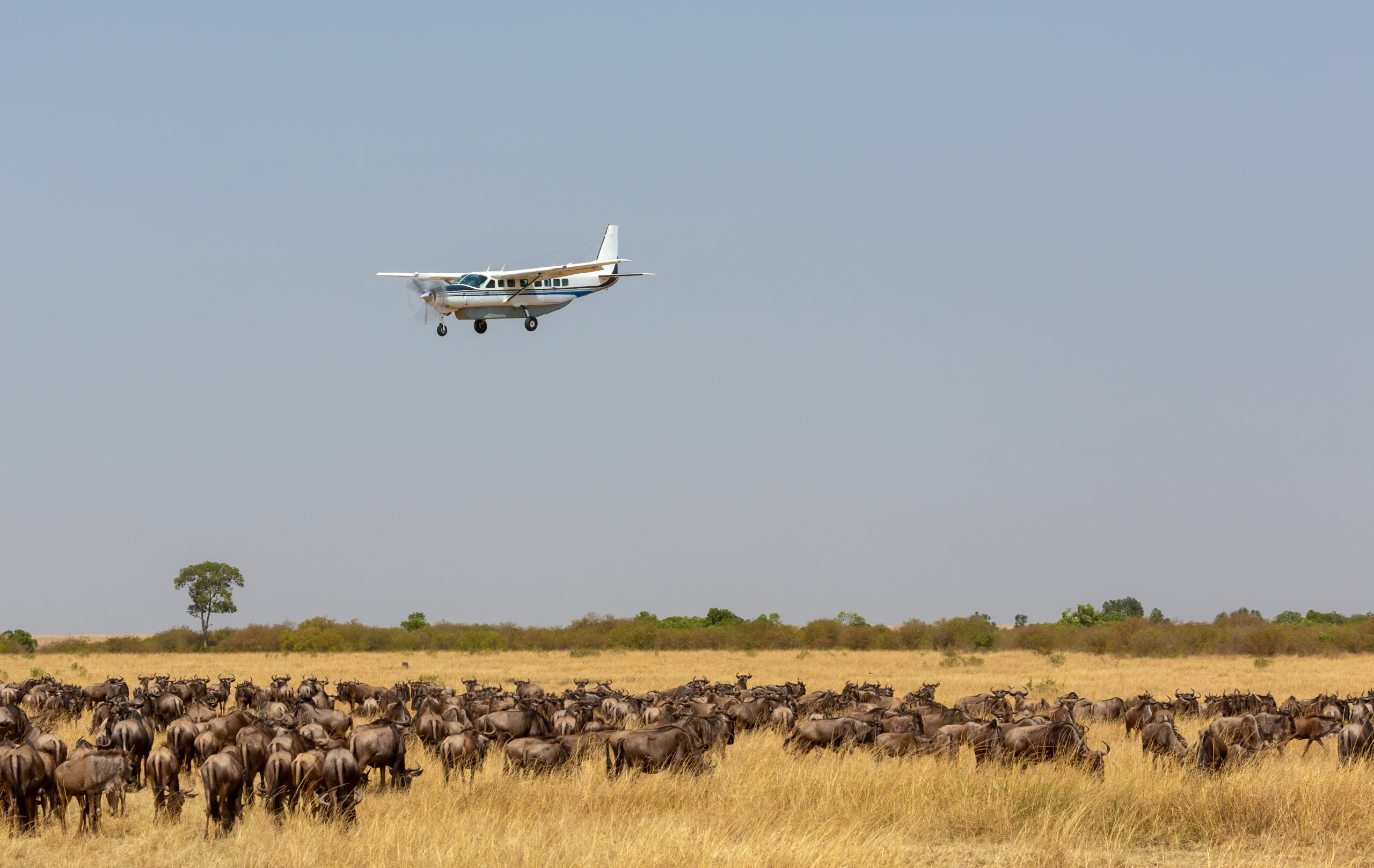
Maximize your Tanzanian wilderness escape with a luxury fly-in safari to the Serengeti. Skip grueling drives by boarding a 45-minute scenic light aircraft flight from Arusha or a 2-hour flight from Zanzibar directly to the Seronera Airstrip.
Upon arrival, transition into an opulent five-star tented camp or luxury lodge. Fly-in safaris place you directly into prime wildlife habitats where you can witness Tanzania’s record-breaking populations of lions and the Great Migration without wasting days on transit.
3-days-amazing-luxury-tanzania-safari-to-nyerere-national-park-selous
4-days-best-beach-to-bush-fly-in-and-fly-out-luxury-tanzania-safari-from-zanzibar
5-days-luxury-africa-safari-in-tanzania-all-inclusive-tour-package
6-days-ndutu-migration-and-tanzania-safari-itinerary
6-days-luxury-safari-in-tanzania-northern-circuit-parks-experience
7-days-best-luxury-tanzania-safari-all-inclusive-tour-package
7-days-epic-africa-big-five-safari-in-tanzania-top-best-parks
8-days-luxury-tanzania-safari-tour-holiday-vacation
10-days-luxury-kenya-tanzania-safari-holiday-high-end-tour-package
What are the best months to book a Fly in Luxury Serengeti safari in Tanzania?
The timing depends on what aspect of the Serengeti ecosystem you wish to witness. The primary dry season, stretching from July through October, stands out as the ultimate period for dramatic wildlife sightings. During these months, the Great Migration herds assemble in the northern Serengeti, risking life and limb to cross the treacherous Mara River. If you prefer witnessing the beginning of life, the calving season unfolds between January and March in the southern Ndutu region. Millions of wildebeest assemble on the short-grass plains, giving birth to thousands of calves daily, which naturally attracts intense predator action from lions, cheetahs, and hyenas. For travelers who prefer lush landscapes, fewer crowds, and lower seasonal rates, the green season from November to April, excluding late March through May when heavy rains arrive, provides sensational bird watching and crystal-clear skies ideal for photography. Flying between bush airstrips ensures seamless transfers, keeping you above mud-soaked tracks during the rainy periods.
Which premium airlines operate the light aircraft flights for a Fly in Luxury Serengeti safari in Tanzania?
Domestic light aircraft transfers in Tanzania are serviced by reputable, safety-focused regional carriers operating well-maintained fleets. Coastal Aviation, often referred to as the Flying Safari Company, is the largest bush flight operator, connecting remote airstrips across the Serengeti with primary hubs like Arusha, Kilimanjaro, and Zanzibar. Another premier choice is Auric Air, known for its modern fleet of Cessna Grand Caravans equipped with state-of-the-art avionics. Regional Air Services and Flightlink also run reliable scheduled and charter routes connecting northern Tanzania's wilderness. For guests seeking maximum privacy and flexible schedules, private charter providers like Sarafina Air or custom private aircraft bookings managed directly by high-end lodge chains deliver private transfers with dedicated flight crews, tailored catering, and non-stop point-to-point flights.
How much baggage weight is typically allowed on a Fly in Luxury Serengeti safari in Tanzania?
Because bush flights utilize light aircraft like Cessna Grand Caravans or Executive Beechcraft, strict weight limitations are enforced to ensure safety during short-runway takeoffs and landings on dirt strips. On scheduled domestic safari flights, the total weight limit per passenger typically ranges between fifteen and twenty kilograms, which equals thirty-three to forty-four pounds. This allowance is inclusive of your camera gear, daypack, and primary duffel. All luggage must be completely soft-sided with no rigid frames, wheels, or hard-shell casing so ground crews can compress and pack the bags tightly into the narrow under-fuselage cargo pods. If you are carrying heavy telephoto camera lenses or prefer not to pack light, you can purchase an additional freight seat on scheduled flights. This extra seat increases your personal luggage capacity by up to seventy-five kilograms, giving you ample space for extra equipment without violating safety regulations.
What is the average price range per person for an all-inclusive Fly in Luxury Serengeti safari in Tanzania?
An all-inclusive fly-in luxury safari in the Serengeti generally costs between twelve hundred and three thousand dollars or more per person per night. The standard luxury level includes high-end permanent lodges or luxurious mobile tented camps, gourmet dining, all beverages, shared open four-by-four game drives, park entry fees, and domestic scheduled flights. The ultra-luxury tier, often found at elite private concessions like Singita Grumeti or exclusive reserves, features private vehicles, dedicated guide-and-tracker teams, private plunge pools, vintage champagne, tailored wellness spas, and private flight charters. For a classic seven-night fly-in itinerary combining multiple sectors of the Serengeti, expect an overall package price between nine thousand and twenty thousand dollars or more per person, depending on travel dates, camp choices, and flight routing.
Are private airstrip transfers included when you Fly in Luxury Serengeti safari in Tanzania?
Personalized private airstrip transfers are standard practice when booking a luxury fly-in safari package. From the moment your light aircraft touches down on a remote red-dirt runway, such as Seronera, Kogatende, Grumeti, or Ndutu, your dedicated private safari guide meets you at the aircraft door. Instead of waiting in terminal lines, ground crews assist with your duffel bags while your guide presents iced towels and chilled beverages. You step directly into a custom-designed, open-sided four-by-four Land Cruiser. Your transfer from the landing strip to the lodge transforms instantly into your very first game drive, allowing you to spot wildlife along the path before even checking into your accommodations.
Which five-star lodges offer the best views of the Great Migration on a Fly in Luxury Serengeti safari in Tanzania?
Selecting the right luxury lodge depends heavily on the time of year and the movement of the herds. For the northern Serengeti from July to October, Sayari Camp by Asilia and Singita Mara River Tented Camp offer prime proximity to the Mara River, allowing guests to watch dramatic river crossings, while Four Seasons Safari Lodge Serengeti features elevated suites overlooking a wildlife watering hole. In the southern Serengeti and Ndutu area from December to March, AndBeyond Serengeti Under Canvas and Sanctuary Kichakani Serengeti Camp shift location dynamically with the herds, positioning guests in the middle of the calving grounds. Across the Western Corridor from May to July, Singita Sasakwa Lodge and Faru Faru River Lodge sit on high ridges overlooking the Grumeti Reserve, offering sprawling views of migrating herds moving across the area.
Do top-tier tented camps provide 24/7 electricity and Wi-Fi on a Fly in Luxury Serengeti safari in Tanzania?
Top-tier tented camps and luxury lodges in the Serengeti feature sophisticated off-grid power systems, providing around-the-clock electricity and reliable Wi-Fi. Modern luxury properties utilize high-capacity solar power arrays paired with lithium battery banks, supported by silent backup generators. Standard UK-style power outlets and USB charging ports are installed directly in guest suites, allowing you to charge camera gear, laptops, and mobile devices at any time. High-speed satellite Wi-Fi, often powered by Starlink, is provided across primary lounge areas and within guest suites. Many ultra-luxury properties allow guests to toggle Wi-Fi on or off in their individual tents, preserving the tranquil atmosphere of the remote bush while keeping guests connected whenever necessary.
How does a scenic charter flight enhance the overall experience of a Fly in Luxury Serengeti safari in Tanzania?
Chartering light aircraft turns travel time into a central highlight of your safari itinerary. Rather than spending eight to ten tedious hours navigating bumpy, dusty dirt roads between Arusha and the Serengeti, a scenic flight glides over the landscape in roughly fifty to sixty minutes. Flying at low altitudes provides bird's-eye views of Tanzania's dramatic geology, where passengers look down over the Great Rift Valley escarpment, the volcanic peaks of Ngorongoro, winding river systems, and massive herds of wildebeest moving across the open savanna. Bypassing rough ground transport saves physical energy, eliminating travel fatigue so you land fresh and ready for an afternoon game drive.
What kind of gourmet cuisine can guests expect at premium bush camps during a Fly in Luxury Serengeti safari in Tanzania?
Dining on a fly-in luxury safari matches the standards of international fine-dining restaurants. Executive chefs create daily-changing menus using fresh, locally sourced ingredients delivered directly to camp airstrips via regular supply flights. Mornings begin with bush breakfasts set up along riverbanks, featuring cooked-to-order omelets, tropical fruit platters, fresh pastries, and aromatic Tanzanian coffee. Midday meals consist of light three-course plated lunches or interactive tapas spreads served on open-air dining decks. Evenings feature multi-course candlelit dinners under the stars, paired with fine international wines. Chefs accommodate complex dietary preferences, including vegan, gluten-free, keto, and kosher-friendly options, with advance notice.
Which areas of the park should I target when planning a Fly in Luxury Serengeti safari in Tanzania?
To maximize your experience, target specific sectors based on seasonal wildlife movements. The Central Serengeti around Seronera offers excellent year-round resident game, high lion and leopard density, and exceptional cat sightings along the river valley. The Northern Serengeti, specifically Kogatende and Lamai, is essential from July to October for dramatic Mara River crossings and rocky kopje landscapes. The Western Corridor along the Grumeti River is ideal from May to July for crocodile-infested river crossings, private conservancy access, and dense primate populations. The Southern Serengeti around Ndutu is essential from December to March for short-grass calving displays and high predator interaction.
Is hot air ballooning over the plains available during a Fly in Luxury Serengeti safari in Tanzania?
Hot air balloon safaris are readily available across all major sectors of the Serengeti, including Seronera in the central region, Kogatende in the north, Kirawira in the west, and Ndutu in the south. The experience begins before dawn with a launch into the quiet morning sky just as the sun rises over the horizon. Floating smoothly above the treetops provides an aerial view of wildlife herds, winding rivers, and predator tracks across the landscape. Upon landing in the open savanna, guests are greeted by flight crews with a traditional champagne toast, followed by a full cooked breakfast served on linen-covered tables beneath an umbrella tree in the middle of the bush.
What exclusive-use vehicles are provided for game drives during a Fly in Luxury Serengeti safari in Tanzania?
Luxury fly-in safaris emphasize private ground arrangements where guests are assigned an exclusive-use four-by-four Toyota Land Cruiser or Land Rover modified specifically for wildlife viewing. These vehicles feature soft leather bucket seats, extended legroom, charging stations, onboard refrigerators stocked with chilled beverages, and open-sided configurations with canvas pop-up roofs for unobstructed three-hundred-and-sixty-degree photography. Having a private vehicle gives you full control over your daily schedule, allowing you to decide when to leave camp, how long to track a single lion pride, and when to return for lunch without compromising with other guests.
How far in advance must I book permits for a Fly in Luxury Serengeti safari in Tanzania during peak season?
Due to strict conservation limits on room capacities within top-tier Serengeti camps, peak season availability fills up rapidly. For the peak months between July and October, as well as the Christmas and New Year holiday period, you should book ten to fourteen months in advance. Premium properties like Singita, AndBeyond, and Asilia contain only six to twelve suites each, and popular dates sell out quickly. For green and shoulder seasons between January and March or in November, booking six to nine months in advance is recommended to secure preferred room categories and optimal flight connections. Park permits and flight slots are secured by your tour operator upon booking confirmation, protecting your travel dates.
What are the differences between northern and southern circuit flights for a Fly in Luxury Serengeti safari in Tanzania?
Tanzania's domestic aviation network is divided into two distinct regional circuits. Northern circuit flights service key destinations like the Serengeti, Ngorongoro through Manyara, Tarangire, Kilimanjaro, and Arusha, featuring high daily flight frequencies with regular scheduled departures connecting paved regional hubs to well-maintained gravel bush strips. Southern circuit flights cover more remote areas like Nyerere, Ruaha, Mahale Mountains, and Katavi, running lower daily flight frequencies that rely heavily on private charters. Northern flights are best suited for visitors seeking iconic migration views, while southern flights cater to travelers searching for deep wilderness and minimal human crowds.
Do the high-end lodges in the Serengeti feature private plunge pools and viewing decks?
Private plunge pools and spacious viewing decks are defining features of five-star accommodations in the Serengeti. Properties like Four Seasons Safari Lodge, Singita Sasakwa, Bushtops Luxury Tented Camp, and Mwiba Lodge feature broad timber decks with temperature-controlled rim-flow plunge pools attached to each suite. These private pools face active wildlife corridors, riverbeds, or natural watering holes. Guests can relax in their private pool while watching elephants, zebras, and giraffes drink at the waterhole below, offering a completely private viewing experience throughout the day.
How does a Fly in Luxury Serengeti safari in Tanzania compare to a traditional driving overland tour?
A fly-in safari prioritizes comfort and efficiency by replacing long transits over unpaved, dusty highways with short flight transfers. An overland drive from Arusha to the northern Serengeti takes eight to ten hours over rough terrain, causing noticeable physical fatigue before you even begin your wildlife viewing. Flying takes roughly one hour, leaving you energized for game drives. While overland drives offer a look at local towns along the highway, fly-in safaris maximize your actual time in the bush, granting direct access to remote sectors that road vehicles struggle to reach efficiently.
What are the specific weight restrictions for small domestic planes on a Fly in Luxury Serengeti safari in Tanzania?
Because domestic flights use small aircraft, luggage rules are strictly enforced for weight distribution and flight safety. The maximum weight allowance is strictly limited to fifteen to twenty kilograms per passenger, which includes all camera equipment and hand luggage. Bags must be made of flexible, soft-sided duffel material without rigid internal frames, pull handles, or hard wheels. Dimensions should not exceed twenty-four inches in length, eighteen inches in width, and thirteen inches in height. Ground crews compress these bags to fit through narrow belly pods under the aircraft fuselage, meaning hard-shell suitcases cannot flex and are not permitted onboard.
Are private butlers and dedicated chefs provided at luxury mobile camps during a Fly in Luxury Serengeti safari in Tanzania?
High-end mobile camps provide dedicated personal attention in the bush. Each private tented suite is assigned a dedicated private butler who manages every aspect of your stay. Your butler coordinates early morning wake-up coffee deliveries, arranges warm bush showers, manages personal laundry, and serves private meals on your tent veranda. At exclusive-use mobile camps or private villas, a dedicated private chef tailors daily menus specifically to your tastes, preparing fine-dining meals over open charcoal fires and serving them in intimate wilderness settings.
What is the optimal duration for a Fly in Luxury Serengeti safari in Tanzania?
The ideal duration for a luxury fly-in Serengeti safari is four to six nights. Because charter flights eliminate long driving transits, a four-night stay provides ample time to explore a targeted sector of the park, such as Kogatende in the north or Ndutu in the south, without feeling rushed. A six-night split itinerary, spending three nights in the central or western sector and three nights in the far north, allows you to experience two distinct ecosystems within the Serengeti, maximizing your exposure to resident predators, varied landscapes, and river crossings while keeping travel friction to a minimum.
Which wildlife species can you spot year-round on a Fly in Luxury Serengeti safari in Tanzania?
While the Great Migration herds move seasonally, the Serengeti supports exceptional non-migratory resident wildlife year-round. Predators include large, stable prides of lions, solitary leopards along riverine trees, cheetahs hunting across open plains, spotted hyenas, jackals, servals, and caracals. Herbivores are equally abundant, with dense populations of elephants, giraffes, hippos, topis, waterbucks, and African buffaloes present across all seasons. Primates like olive baboons and vervet monkeys inhabit the river basins, accompanied by over five hundred recorded bird species, including secretary birds, martial eagles, and lilac-breasted rollers.
Are alcoholic beverages and imported wines usually included in the cost of a Fly in Luxury Serengeti safari in Tanzania?
All-inclusive luxury safaris standardly include alcoholic beverages within their nightly rates. Your stay includes fine South African and international wines, craft beers, house spirits, premium gin varieties, and vintage champagnes. Top-tier properties stock top-shelf liquors and offer custom cocktail menus prepared by lodge mixologists. Specialty reserve wines, rare scotch whiskies, or specific imported champagne brands can be requested prior to arrival, ensuring your preferred vintages are stocked in your room's private mini-bar and available at dinner.
What safety precautions do luxury operators take on a Fly in Luxury Serengeti safari in Tanzania?
Luxury safari operators implement comprehensive safety measures to protect guests throughout their stay. Aviation operations use modern turboprop aircraft flown by seasoned wilderness pilots adhering to strict instrument and visual flight standards. Because camps are unfenced to preserve natural wildlife movement, armed wildlife rangers and experienced Maasai night escorts accompany guests between suites and main areas after dark. Safari vehicles are equipped with satellite tracking, dual-frequency VHF radios, GPS navigation, and emergency first-aid supplies, while guides undergo extensive wilderness first-responder training and defensive driving certifications.
Can you combine a Fly in Luxury Serengeti safari in Tanzania with a beach getaway in Zanzibar?
Combining a Serengeti fly-in safari with a beach retreat in Zanzibar is a classic East African travel combination. Direct bush-to-beach flights operated by airlines like Coastal Aviation and Auric Air depart daily from Serengeti airstrips and touch down at Zanzibar International Airport in roughly two to two and a half hours. This route allows you to finish a morning game drive in the savanna and arrive at a private beachfront villa in Nungwi, Kendwa, or Michamvi by late afternoon, eliminating complex transfers or overnight stops in urban hubs.
What are the luggage size dimensions required for chartered flights on a Fly in Luxury Serengeti safari in Tanzania?
When packing for chartered or scheduled light aircraft flights across Tanzania, you must adhere to precise physical specifications. The maximum dimensions for your bag are twenty-four inches in length, eighteen inches in width, and thirteen inches in height. The bag must be a flexible duffel style without rigid edges, hard plastic bottoms, or external wheel structures. Ground crews must fit all guest bags into small belly pods beneath the cabin, and flexible bags allow baggage handlers to arrange luggage safely within the aircraft's center of gravity.
Which Fly in Luxury Serengeti safari in Tanzania packages include professional photographic guides?
Several specialist luxury operators offer dedicated photographic safari packages. Properties such as Singita, Asilia Africa camps, and Bushtops Luxury Tented Camps supply customized photographic safari vehicles fitted with camera swivels, beanbags, lowered side-panels, and under-seat power points. You can book private trips accompanied by resident professional wildlife photographers who assist with camera settings, lighting angles, positioning the vehicle relative to animal movements, and post-drive photo editing sessions back at camp.
How do private airstrip landings reduce travel fatigue during a Fly in Luxury Serengeti safari in Tanzania?
Private airstrip landings reduce travel fatigue by completely eliminating long transits over rough ground. Standard overland driving routes force travelers to spend six to ten hours per day navigating dirt roads, subjecting the body to constant vibration and dust. Flying reduces transit time down to a smooth fifty-minute air transfer, landing you directly in the middle of the game reserve minutes from your lodge deck. This efficiency preserves your physical energy, allowing you to enjoy your safari relaxed and refreshed.
Are bush dinners and starlit dining experiences standard on a Fly in Luxury Serengeti safari in Tanzania?
Bush dining is a signature feature of fly-in luxury safaris, where operators organize private dining setups in remote wilderness locations away from the main lodge. Guests are driven to a secluded spot, such as a hilltop overlooking the plains, a dry riverbed, or beneath a canopy of acacia trees, where staff set up a complete dining area with white linen tables, hurricane lanterns, and open campfires. Surrounded by the sights and sounds of the night, you enjoy multi-course meals prepared on-site by camp chefs, paired with fine wines under the African night sky.
What are the visa and passport requirements for travelers going on a Fly in Luxury Serengeti safari in Tanzania?
International travelers visiting Tanzania for a luxury safari must fulfill specific entry requirements. Your passport must be valid for at least six months beyond your scheduled departure date, with a minimum of two blank facing pages for entry stamps. Citizens of the US, UK, EU, Canada, and Australia require a tourist visa, which can be applied for online via the official Tanzanian e-Visa portal prior to travel at a cost of one hundred dollars for US citizens or fifty dollars for most other nationalities. Proof of return international travel and Yellow Fever vaccination certificates are also required if entering from or transiting through an endemic Yellow Fever zone.
Which luxury lodges offer family suites during a Fly in Luxury Serengeti safari in Tanzania?
Luxury safari camps welcome family travel by offering expansive, private family suites and villas. Singita Serengeti House in the Grumeti Reserve is an exclusive-use private villa featuring four master suites, dedicated staff, a private pool, and full schedule flexibility for families. Four Seasons Safari Lodge Serengeti offers two-bedroom terrace suites and private villas with full kitchens, plunge pools, and an interactive kids educational club. Mwiba Lodge in the Southern Serengeti features interconnected luxury family suites, dedicated family safari vehicles, and tailored junior ranger programs.
What medical evacuation coverages are mandatory for a Fly in Luxury Serengeti safari in Tanzania?
Due to the remote location of the Serengeti, all premier safari operators require guests to carry comprehensive emergency medical evacuation coverage. This coverage ensures that in the event of a severe illness or injury, a dedicated medical air-ambulance aircraft equipped with advanced life-support systems, such as AMREF Flying Doctors, can land at the nearest bush airstrip to transport you directly to an international-standard hospital in Nairobi or Dar es Salaam. Tour operators typically include this AMREF evacuation cover directly within your luxury package booking.
Can a Fly in Luxury Serengeti safari in Tanzania be fully customized to include private visits to the Maasai villages?
Luxury fly-in safaris can be fully customized to include private, authentic cultural visits to Maasai communities. Rather than stopping at high-traffic commercialized roadside villages, luxury operators partner directly with authentic Maasai bomas located on private conservancies like Grumeti or Mwiba. These private visits are arranged with local community elders, allowing for respectful, unhurried cultural exchanges. Guests learn about traditional pastoral customs, medicinal plant use, tracking techniques, and age-old beadwork directly from community members, ensuring your visit directly supports local conservation and social initiatives.
What clothing colors are recommended for game drives during a Fly in Luxury Serengeti safari in Tanzania?
Neutral and earthy tones such as khaki, olive green, beige, tan, and soft brown are strongly recommended for safari game drives. These subtle shades blend seamlessly into the savanna backdrop, preventing you from startling skittish wildlife or drawing unwanted attention. Dark navy blue and black clothing should be strictly avoided because these darker hues attract tsetse flies, which deliver painful bites. Bright colors like red, yellow, or neon shades stand out sharply against the bush landscape and can deter animals from approaching. White clothing is impractical due to dust kicked up along dirt tracks, while military-style camouflage apparel is legally restricted or forbidden for civilian wear across East Africa. Lightweight, breathable fabrics, brimmed sun hats, and layered garments ensure comfortable morning and afternoon drives.
Do luxury operators supply high-quality binoculars and cameras on a Fly in Luxury Serengeti safari in Tanzania?
Top-tier luxury operators equip their custom safari vehicles with high-grade optical gear for guest use. High-end brands like Leica, Swarovski, or Bushnell high-magnification binoculars are typically mounted directly in the vehicle, ensuring that every seat has access to clear optics for viewing distant predators or birdlife. Regarding camera gear, select photography-focused luxury lodges, such as Bushtops Camps or Asilia Africa's specialist photographic properties, provide guest vehicles outfitted with specialized camera mounts, beanbag stabilizers, and swiveling telephoto lens rigs. Some ultra-luxury mobile camps even lend professional DSLR camera bodies and telephoto lenses upon request, though photography enthusiasts who prefer precise camera body settings usually choose to bring their personal camera equipment and telephoto lenses along for the trip.
Which private concessions offer the most exclusive wildlife sightings during a Fly in Luxury Serengeti safari in Tanzania?
The private concessions bordering Serengeti National Park deliver unmatched exclusivity by restricting visitor vehicles and allowing off-road driving for rare predator sightings. The Singita Grumeti Reserve, spanning 350,000 acres along the park's western corridor, represents the pinnacle of private concessions, offering private lion sightings, night drives, and guided bush walks with virtually no outside vehicle traffic. The Mwiba Wildlife Reserve, situated in the southern ecosystem near Ndutu, provides unhindered off-road tracking and private encounters amidst ancient acacia woodlands. To the north, the Enonkishu and Lamai private conservancies bordering the Mara River deliver private access to Great Migration crossings without the heavy vehicle congestion often found at public river crossing points.
What is the average number of guests per vehicle on a high-end Fly in Luxury Serengeti safari in Tanzania?
High-end fly-in luxury safaris prioritize personal space and unobstructed photography angles by strictly capping guest capacity on game drives. While standard safari vehicles seat six to eight passengers, premier luxury camps limit occupancy to a maximum of four guests per customized 4x4 Land Cruiser. Every guest is guaranteed a window seat alongside open-sided vehicle frames and pop-up canvas roofs, ensuring three-hundred-and-sixty-degree visibility without blocking neighboring passengers. Families, private groups, or luxury travelers who book private vehicle upgrades receive dedicated vehicles exclusively for their party, providing total autonomy over game drive duration, departure times, and specific wildlife tracking preferences.
Are there any hidden park fees to consider when budgeting for a Fly in Luxury Serengeti safari in Tanzania?
Fully inclusive fly-in luxury safari packages directly incorporate all mandatory government and conservation fees into your upfront booking cost, leaving no surprise charges upon arrival. These standard costs include Serengeti National Park daily conservation fees, concession fees charged for staying within private reserves or park boundaries, government value-added tax, and domestic transit departure taxes at bush airstrips. Additional fees apply if you opt for specialized add-on activities that require separate permits, such as hot air balloon safaris over the plains, guided night game drives in private concessions, or specialized walking safari permits accompanied by armed park rangers. Reputable luxury operators outline all inclusive and exclusive fee structures on your initial itinerary breakdown.
How do top-tier camps handle dietary restrictions on a Fly in Luxury Serengeti safari in Tanzania?
Top-tier luxury camps in the Serengeti handle complex dietary requirements with exceptional culinary skill, treating dietary preferences as standard service rather than an inconvenience. Executive chefs consult your pre-arrival dietary profile well before your light aircraft lands, ensuring specialized fresh ingredients are flown directly into the bush airstrip via supply flights. Whether you follow strict vegan, vegetarian, gluten-free, dairy-free, celiac, halal, or kosher-style dining guidelines, camp culinary teams craft daily multi-course menus that mirror the quality of the main dining service. Fine-dining plates are cooked fresh to order in fully equipped bush kitchens, accommodating personal wellness needs seamlessly.
What makes the Great Migration River crossings the highlight of a Fly in Luxury Serengeti safari in Tanzania?
The Great Migration River crossings represent one of nature's most intense spectacles, where hundreds of thousands of wildebeest and zebras throw themselves into the surging waters of the Mara and Grumeti rivers. Driven by instinct to reach green grazing pastures, the massive herds brave strong currents, steep muddy embankments, and lurking Nile crocodiles waiting in the river channels. The sheer scale of sound, dust, and raw primal energy as thousands of animals plunge into the river creates an unforgettable scene. Watching these crossings from an open-sided luxury vehicle or a private low-impact viewing spot allows you to witness survival in its purest form, capturing dynamic wildlife interactions framed by dramatic African landscapes.
Can you see the "Big Five" easily during a Fly in Luxury Serengeti safari in Tanzania?
Seeing the traditional "Big Five"—lion, leopard, elephant, Cape buffalo, and rhinoceros—is highly achievable on a Serengeti safari, though spotting all five depends on your routing. Lions, elephants, and Cape buffaloes inhabit the Central, Western, and Northern Serengeti in high densities, making them frequent sightings on routine game drives. Leopards thrive in high numbers along the Seronera River valley, often draped across the branches of sausage trees or acacia groves. The black rhinoceros remains the rarest and most elusive of the five due to historical poaching and dense thicket habitats. To maximize your chances of spotting a black rhino, your itinerary should include the Moru Kopjes region in the Serengeti or incorporate a descent into the nearby Ngorongoro Crater, where protected black rhinos are regularly monitored.
What are the differences between a lodge and a permanent tented camp on a Fly in Luxury Serengeti safari in Tanzania?
The primary difference lies in architectural structure, ambiance, and immersion in the surrounding environment. Luxury lodges are solid, permanent stone or timber structures featuring expansive glass windows, air-conditioned suites, paved walkways, expansive swimming pools, and solid walls that create a distinct separation from the wilderness. Permanent luxury tented camps consist of heavy-duty canvas structures erected on elevated wooden decks under thatched roofs, blending seamlessly into the savanna landscape. Tented suites feature hardwood floors, leather furnishings, and glass-enclosed en-suite bathrooms, while canvas walls allow you to hear wind rustling through acacias and night calls from lions or hyenas, offering an immersive connection to the bush without sacrificing luxury amenities.
Do high-end operators provide private air transfers from Kilimanjaro International Airport for a Fly in Luxury Serengeti safari in Tanzania?
High-end safari operators provide private air transfers directly from Kilimanjaro International Airport or nearby Arusha Airport to remote Serengeti airstrips. Upon clearing customs and immigration, guests are met on the tarmac by VIP meet-and-greet teams who assist with baggage and escort you directly to a waiting executive charter aircraft, such as a Cessna Grand Caravan or Beechcraft King Air. Choosing a private air charter eliminates long ground road transfers across regional traffic hubs, allowing you to bypass city hotels entirely and fly straight to your luxury camp within an hour of arriving in Tanzania.
How does the wet season affect the pricing of a Fly in Luxury Serengeti safari in Tanzania?
The wet season, spanning the November "short rains" and the April to May "long rains," significantly lowers the cost of a luxury Serengeti safari. During these months, top-tier lodges and mobile tented camps offer "green season" pricing, reducing nightly rack rates by thirty to fifty percent compared to peak dry season pricing. Luxury operators frequently waive single room supplements, offer extended stay discounts such as four nights for the price of three, and lower charter flight rates. Traveling during the wet season provides exceptional value, fewer safari vehicles around sightings, vibrant green landscapes, and incredible newborn animal displays during the southern calving season.
What is the tipping etiquette for guides and camp staff on a Fly in Luxury Serengeti safari in Tanzania?
Tipping on a Tanzanian safari is a customary way to reward exceptional service, and cash in US dollars issued in series 2009 or newer is preferred. For your primary safari driver-guide, a standard tip ranges between fifteen and twenty-five US dollars per guest per day, handed directly to your guide in a sealed envelope at the conclusion of your stay. For general camp staff—including housekeepers, kitchen crews, waiters, and maintenance teams—most luxury lodges provide a central communal tip box at reception, where a contribution of ten to fifteen US dollars per guest per night is pooled and distributed among the back-of-house team. Dedicated personal butlers or spa therapists are typically tipped separately in person at your discretion.
Are spa treatments and wellness centers available at luxury Serengeti lodges?
Spa treatments and wellness centers are widely available at five-star Serengeti lodges and permanent tented camps. Premier properties feature dedicated, full-service spa pavilions, yoga decks, steam rooms, and outdoor treatment areas overlooking active wildlife valleys or granite kopjes. Professional therapists offer a comprehensive menu of holistic treatments, including deep tissue massages, aromatherapy using indigenous African botanicals like marula and baobab oils, reflexology, and hydrating facials. Guests staying at high-end mobile tented camps can arrange in-suite massage sessions conducted directly on their private tent verandas after returning from morning game drives.
How does a Fly in Luxury Serengeti safari in Tanzania maximize actual time spent viewing animals?
A fly-in safari maximizes wildlife viewing time by replacing tedious ground transfers with rapid aerial hops between bush airstrips. Driving from Arusha or Ngorongoro into the Serengeti requires six to ten hours of highway transit over dusty roads, consuming valuable daytime hours. Flying directly between sectors—such as from Seronera in the center to Kogatende in the north—takes less than an hour, allowing you to touch down directly in the heart of prime wildlife territories. You can complete a morning game drive in one region, board a short flight, and arrive at your next camp in time for a afternoon game drive, ensuring almost every daylight hour is dedicated to watching wildlife.
Which luxury properties offer stargazing experiences during a Fly in Luxury Serengeti safari in Tanzania?
Properties situated away from light pollution offer incredible stargazing experiences across the vast African night sky. Camps like Sanctuary Olonana, Singita Sasakwa Lodge, and Asilia's Highlands Camp feature open-air stargazing decks, fireside lounges, and high-powered computerized telescopes guided by trained bush astronomers. Guests can observe the Milky Way, Southern Cross, and distant celestial constellations while enjoying evening digestifs around the campfire. Specialized properties like Nay Palad Bird Nest or open-air skybeds at select luxury concessions offer sleep-outs under the stars, where guests spend the night in outdoor beds protected by mosquito nets, looking up at unclouded night skies.
Are there age restrictions for children on a Fly in Luxury Serengeti safari in Tanzania?
Age restrictions vary depending on camp design and safety policies. Unfenced luxury tented camps usually enforce a minimum age limit of six to eight years old for general stays, and children under twelve may be restricted from participating in open shared game drives or guided bush walks due to safety regulations near wild animals. Family-focused luxury properties, such as Four Seasons Safari Lodge Serengeti or Singita Serengeti House, welcome children of all ages, providing enclosed grounds, supervised junior ranger educational programs, private family vehicles, and dedicated nanny services so parents can enjoy uninterrupted game drives.
What are the best times of day for wildlife photography on a Fly in Luxury Serengeti safari in Tanzania?
The hours surrounding sunrise and sunset provide the finest natural lighting and peak animal activity for wildlife photography. Early morning game drives departing at dawn capture the warm, golden sunlight filtering through rising mist and acacia branches, lighting up lions, leopards, and grazing herds as they hunt or forage in cool morning temperatures. Late afternoon drives leading into dusk offer soft, warm lighting ideal for capturing atmospheric silhouettes against vibrant African sunsets. Midday light can be harsh and overhead, prompting animals to rest deep in shaded thickets, making early morning and late afternoon sessions the most productive periods for photographers.
How do top-tier guides ensure an educational and immersive Fly in Luxury Serengeti safari in Tanzania?
Top-tier luxury safari guides undergo years of rigorous field training, earning professional qualifications in ecology, animal behavior, botany, tracking, and ornithology. Rather than simply pointing out animals, an expert guide interprets complex ecosystem interactions, explaining animal communication, tracking territorial scent marks, and sharing indigenous bush lore. Guides adapt their narrative to your personal interests, taking time to explain bird calls, insect lifecycles, and acacia tree defense mechanisms. By combining real-time animal tracking skills with deep ecological knowledge, your guide transforms a standard game drive into an engaging, educational wilderness masterclass.
What is the booking deposit required to secure a Fly in Luxury Serengeti safari in Tanzania?
Securing a fly-in luxury safari requires a non-refundable booking deposit ranging between twenty and thirty percent of the total package cost at the time of confirmation. This initial deposit reserves your luxury lodge suites, secures private vehicle allocations, and confirms domestic bush flight seats on scheduled regional airlines. Because high-end safari lodges maintain small room counts, peak season dates fill up quickly. The remaining balance payment is typically due sixty to ninety days prior to your scheduled arrival date, after which park entrance permits and flight tickets are issued.
Can private chartered flights be scheduled flexibly during a Fly in Luxury Serengeti safari in Tanzania?
Private air charters offer flexible scheduling tailored directly to your personal travel itinerary. Unlike scheduled regional shuttle flights that run on fixed time tables, a chartered aircraft operates on your timeframe. You can decide your exact departure times between bush airstrips, sleep in late without missing a flight, or extend a morning game drive if tracking a leopard hunt before taking off. Private charters also allow direct point-to-point flights between remote airstrips without making intermediate drop-off stops at other camps, saving valuable travel time.
Which lodges feature in-room massage services during a Fly in Luxury Serengeti safari in Tanzania?
In-room massage services are a signature amenity at five-star Serengeti properties. High-end camps including Singita Faru Faru Lodge, Bushtops Luxury Tented Camp, and Mwiba Lodge offer private, in-suite wellness treatments delivered by professional therapists. Guests can receive deep-tissue massages, aromatherapy treatments, or soothing foot reflexology sessions on their private wooden verandas or within the privacy of their canvas suites. The combination of therapeutic massage, aromatic African oils, and natural savanna sounds provides relaxation between game drives.
What environmental and conservation efforts are supported by operators of a Fly in Luxury Serengeti safari in Tanzania?
Leading luxury safari operators serve as stewards of conservation, funding critical environmental projects through guest bed-night levies and direct lodge revenues. Operators like Singita, Asilia Africa, and AndBeyond fund anti-poaching ranger units, canine tracking teams, wildlife research projects, and predator monitoring initiatives across the Serengeti ecosystem. Lodges operate off-grid solar power arrays, utilize advanced water filtration and recycling systems, and eliminate single-use plastics across their camps. Luxury operators also fund community development programs, supporting local schools, healthcare clinics, and sustainable farming initiatives in surrounding villages.
How do you plan an itinerary that covers both the Serengeti and the Ngorongoro Crater?
Planning a seamless itinerary combining the Serengeti and Ngorongoro Crater involves flying directly into the Serengeti before working your way back toward the crater highlands. A typical itinerary begins with a fly-in transfer from Arusha or Kilimanjaro straight to a Serengeti airstrip (such as Kogatende or Seronera) for three or four nights of wildlife viewing across the plains. From there, you take a short regional flight to Lake Manyara or Manyara Airstrip, followed by a scenic drive up the crater highlands to a rim-side luxury lodge like AndBeyond Ngorongoro Crater Lodge or Sanctuary Crater Camp. This routing minimizes long ground transits while allowing you to explore the Serengeti's expansive plains and the dense wildlife caldera of Ngorongoro in a single journey.
Are complimentary laundry services provided at high-end camps during a Fly in Luxury Serengeti safari in Tanzania?
Complimentary daily laundry service is standard at virtually all all-inclusive luxury safari camps in the Serengeti. Guests can leave their safari garments in designated laundry baskets each morning, and items are washed, ironed, and returned to your suite by late afternoon or the following morning. Because laundry in remote camps is traditionally sun-dried and ironed using charcoal irons, delicate fabrics, synthetic technical gear, or undergarments may require specialized care or hand-washing supplies provided directly in your en-suite bathroom.
What are the typical weather conditions and temperatures during the dry season?
The Serengeti's primary dry season, running from June through October, delivers clear blue skies, minimal rainfall, and low humidity. Daytimes are pleasant, with afternoon temperatures averaging between twenty-three and twenty-eight degrees Celsius (seventy-three to eighty-two degrees Fahrenheit). Because of the high altitude across the Serengeti plateau, mornings and nights are cold, with pre-dawn temperatures dropping down to ten to fourteen degrees Celsius (fifty to fifty-seven degrees Fahrenheit). Layered clothing—including windproof jackets, light sweaters, scarves, and warm hats—is essential for comfortable open-vehicle morning game drives before the sun warms the savanna.
Which luxury camps offer outdoor, open-air bathtubs with savannah views?
Outdoor, open-air bathtubs overlooking the vast savanna are a signature architectural feature at premier Serengeti camps. Properties like Sayari Camp, Bushtops Tented Camp, Sanctuary Kusini, and Faru Faru Lodge feature deep soaking tubs situated on private elevated verandas. These tubs face open plains, riverbanks, or granite kopjes, allowing guests to relax in a warm bath infused with bath salts while watching wildlife graze nearby. Attentive camp staff can draw hot outdoor baths complete with hurricane lanterns and chilled champagne following evening game drives.
How do I choose the most reliable tour operator for a Fly in Luxury Serengeti safari in Tanzania?
Choosing a reliable tour operator involves verifying professional credentials, industry accreditations, and operational track records across East Africa. Look for operators affiliated with recognized international travel associations such as the African Travel and Tourism Association (ATTA) or the Tanzanian Association of Tour Operators (TATO). Experienced local ground operators maintain direct relationships with premier luxury lodge collections, employ certified professional guides, utilize modern four-by-four vehicles, and include comprehensive AMREF emergency medical evacuation coverage. Reviewing verified guest feedback on independent travel platforms ensures your chosen operator delivers high service standards and seamless logistics throughout your journey.
What types of charging facilities are available at remote tented camps?
Modern luxury tented camps feature advanced off-grid solar power systems that supply continuous electricity to guest suites around the clock. Suites are equipped with standard UK-style three-pin power outlets, universal plug adapters, and multi-port USB charging hubs positioned near nightstands and writing desks. Guests can charge camera batteries, smartphones, tablets, and laptops directly in their tents at any time. Higher-wattage personal heating appliances like hair dryers or hair straighteners are managed via dedicated high-output outlets or provided at main lodge dressing areas to maintain solar battery storage. Custom 4x4 safari vehicles also feature onboard inverter chargers and USB ports, allowing you to charge your camera gear directly while on game drives.
What types of charging facilities are available at remote tented camps?
Modern luxury tented camps feature advanced off-grid solar power systems that supply continuous electricity to guest suites around the clock. Suites are equipped with standard UK-style three-pin power outlets, universal plug adapters, and multi-port USB charging hubs positioned near nightstands and writing desks. Guests can charge camera batteries, smartphones, tablets, and laptops directly in their tents at any time. Higher-wattage personal heating appliances like hair dryers or hair straighteners are managed via dedicated high-output outlets or provided at main lodge dressing areas to maintain solar battery storage. Custom 4x4 safari vehicles also feature onboard inverter chargers and USB ports, allowing you to charge your camera gear directly while on game drives.
What is the best way to travel between the Serengeti and Zanzibar after the safari?
The most seamless and time-efficient route is a direct regional light aircraft flight from a bush airstrip directly to Zanzibar International Airport (ZNZ). Premium bush carriers like Coastal Aviation and Auric Air operate scheduled daily flights departing from key Serengeti landing strips such as Seronera, Kogatende, Grumeti, or Ndutu. These direct air transfers take roughly two to two and a half hours, completely bypassing ground road transits and avoiding layovers in urban centers. Boarding a morning flight in the bush allows you to land on the coast in time for an afternoon check-in at a beach resort along Zanzibar's northern or eastern shorelines.
Are guided walking safaris available as an add-on to a Fly in Luxury Serengeti safari in Tanzania?
Guided walking safaris are available as specialized add-on activities, particularly within private concessions bordering the main park or in designated wilderness zones. Led by an experienced professional walking guide alongside an armed national park ranger or Maasai tracker, foot safaris allow you to explore the bush at ground level. Walking on foot shifts focus toward finer ecological details, including tracking animal footprints, identifying bird calls, understanding medicinal plants, and observing insect lifecycles. For safety reasons, walking safaris are strictly regulated, maintaining age minimums (typically 12 to 16 years old depending on the area) and taking place during early morning hours when predator activity slows down.
How do private game drives differ from shared group drives in the Serengeti?
Private game drives assign a dedicated custom 4x4 Land Cruiser and a private professional guide exclusively to your party, offering total control over your daily itinerary. You determine departure times, control how long to remain at a single wildlife sighting, and tailor tracking focus toward personal interests like birding or big cat photography. In contrast, shared group drives pair two to six guests from different bookings in a single vehicle. While shared drives maintain high space standards, daily departure times, meal schedules, and stopping points are managed collectively according to the general consensus of the group.
What are the operating hours for the domestic airstrips in the Serengeti?
Bush airstrips across the Serengeti operate strictly under Visual Flight Rules during daylight hours, generally opening at dawn around six o'clock in the morning and closing at dusk near six o'clock in the evening. Regional air charter aircraft are not permitted to take off or land on unlit dirt runways after dark due to national aviation safety regulations and wildlife hazards on active runways. All scheduled flights and private charter arrivals or departures are planned within this daylight window, ensuring aircraft operate with clear visual conditions over the savanna.
Do premium safari packages include personalized travel insurance?
Comprehensive personalized travel insurance is generally not included in standard base package prices and must be acquired independently by travelers prior to departure. Luxury tour operators do include mandatory emergency medical air-evacuation coverage (such as AMREF Flying Doctors) within package rates to transport guests from remote airstrips to international-grade medical facilities in Nairobi or Dar es Salaam in emergencies. However, comprehensive travel policies covering trip cancellations, flight interruptions, lost camera equipment, baggage delays, and emergency medical treatments abroad must be purchased directly by travelers through licensed insurance providers.
What makes the golden hour lighting so spectacular for photography in the Serengeti?
Golden hour lighting—occurring during the first hour after sunrise and the final hour before sunset—delivers soft, warm directional light due to the sun's low position near the equator. The low sun angle filters light through atmospheric dust and moisture, creating rich golden hues, long dramatic shadows, and soft skin tones without harsh overhead glare. This soft illumination brings out fine details in animal fur, highlights rising dust kick-ups behind moving herds, and transforms sweeping savanna landscapes into vivid, balanced photo compositions.
Which luxury properties feature infinity pools overlooking the Serengeti plains?
Several premier lodges incorporate rim-flow infinity pools designed to blend visually into the surrounding wilderness. Four Seasons Safari Lodge Serengeti features a famous elevated infinity pool situated directly alongside an active elephant watering hole, allowing guests to swim while watching wildlife herds drink. Singita Sasakwa Lodge in the Grumeti Reserve offers private cottage infinity pools overlooking broad plains below. Other notable properties with infinity pools facing active animal corridors include Bushtops Luxury Tented Camp, Mwiba Lodge, and Laba Grumeti Art Lodge.
How do luxury operators coordinate with local conservation authorities?
Luxury operators maintain direct operational partnerships with the Tanzania National Parks Authority (TANAPA), the Ngorongoro Conservation Area Authority (NCAA), and local wildlife management departments. Operators remit daily guest conservation fees and concession levies directly into park management funds, helping finance anti-poaching patrols, boundary fencing, road maintenance, and wildlife census research. In private conservancies, operators collaborate with community leaders and conservation trusts to manage sustainable land use, enforce anti-poaching protocols, and fund community health and education programs in neighboring villages.
Are there any mandatory vaccinations needed before arriving?
Proof of Yellow Fever vaccination is mandatory for travelers arriving from or transiting through countries with risk of Yellow Fever transmission (such as neighboring East African or South American nations). If traveling directly from non-endemic regions like the United States or Western Europe without long layovers in risk zones, the certificate is generally not required, though carrying documentation is recommended. Routine travel vaccinations—including Hepatitis A, Hepatitis B, Typhoid, and Tetanus—are strongly advised, alongside anti-malarial medication prescribed by a travel medicine physician prior to arrival in Tanzania.
What is the cancellation policy typically associated with high-end bookings?
Because high-end Serengeti lodges contain small suite counts (often 6 to 12 tents per property), cancellation policies are strictly enforced to manage limited inventory. The initial booking deposit (typically twenty to thirty percent) is non-refundable upon confirmation. If cancellations occur between ninety and sixty days prior to arrival, operators retain fifty percent of total trip costs. Cancellations made within sixty days of arrival incur a one-hundred percent cancellation fee. Travelers are strongly advised to secure comprehensive travel insurance featuring cancel-for-any-reason coverage to protect their financial investment against unexpected delays or emergencies.
How can I ensure my Fly in Luxury Serengeti safari in Tanzania provides an authentic cultural experience?
To ensure authentic cultural exchanges, choose operators that partner directly with rural Maasai, Datoga, or Hadzabe communities on private conservancies rather than visiting commercialized roadside villages. High-end operators organize private visits led by village elders within working Maasai bomas near areas like Mwiba or Grumeti. These respectful visits allow for genuine conversations about traditional pastoral practices, tracking techniques, medicinal plants, and beadwork without artificial performances, ensuring your visit directly benefits local community conservation funds and educational projects.
Booking Fly in Luxury Serengeti safari in Tanzania with us Roads of Adventure safaris
Booking a Fly-in Luxury Serengeti Safari with Roads of Adventure Safaris bypasses long, bumpy road transfers, maximizing your time viewing wildlife from above and on the ground.
