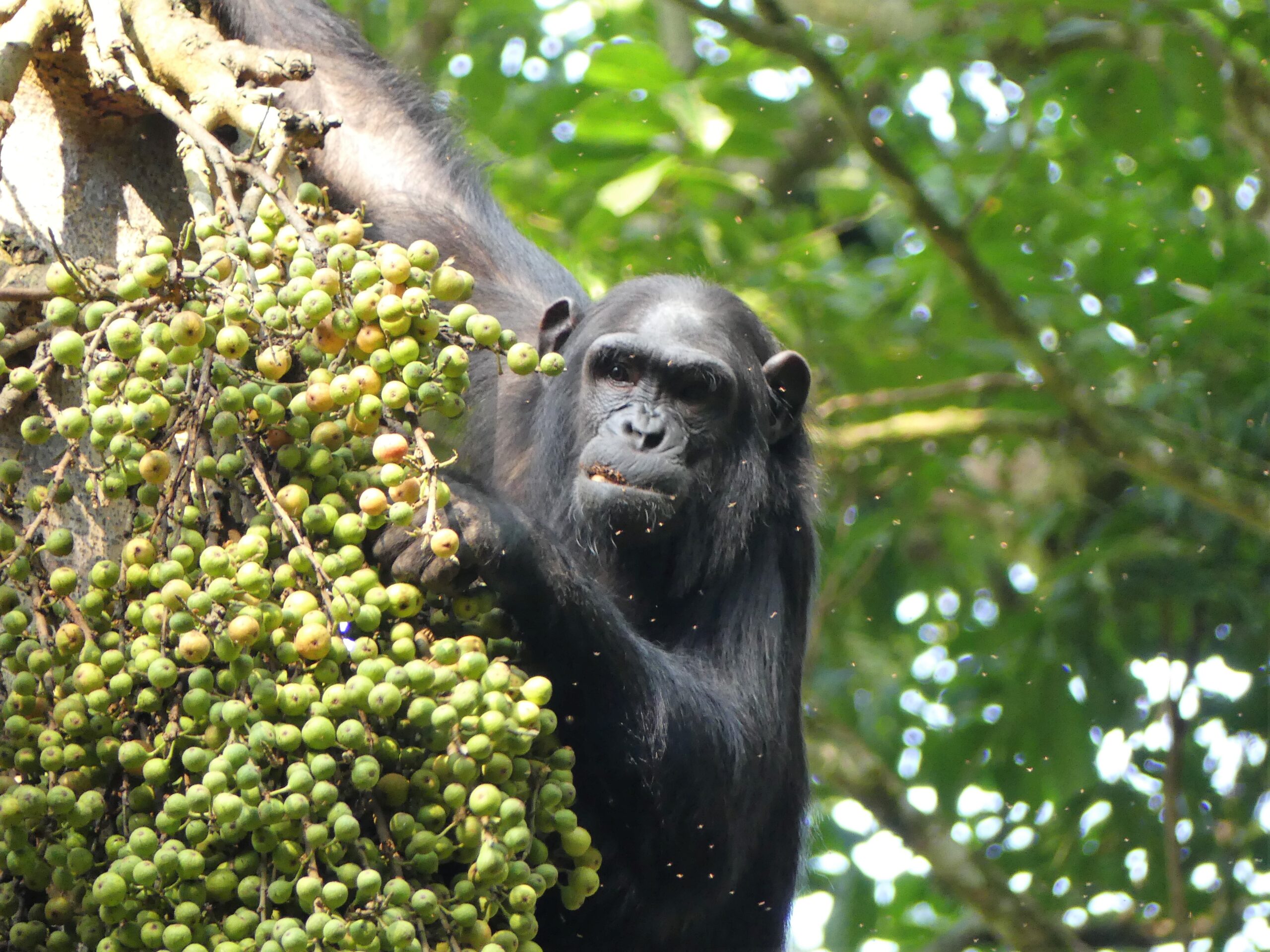
Filming chimpanzees in Nyungwe Forest National Park requires a combination of trekking permits, professional filming licenses, and press accreditation. For a professional production, you should budget at least $1,000 per group per day for the filming fee alone, in addition to individual trekking permits.
16-days-exclusive-rwanda-safari-tour-and-gorilla-trekking-tour-package
12-days-best-rwanda-wildlife-safari-and-rwanda-primate-safari-vacation
10-days-9-nights-midrange-rwanda-gorilla-trekking-wildlife-and-culture
11-days-best-rwanda-safari-tour-holiday-vacation
3-days-budget-chimpanzee-tracking-in-nyungwe-forest-park
3-day-chimpanzee-trekking-tour-package-canopy-and-lake-kivu
What permits are required for filming chimpanzees in Nyungwe Forest?
To film chimpanzees in Nyungwe you must secure both the standard chimpanzee trekking permits and a specialized commercial filming permit from the Rwanda Development Board (RDB). The trekking permit authorizes access to habituated groups for tourism and research purposes; the commercial filming permit is a separate authorization that covers using professional camera equipment, extended crew presence, and public dissemination of footage. The RDB evaluates filming proposals to ensure minimal disturbance to chimpanzees and to protect sensitive ecological and cultural sites. In practice you’ll prepare a formal application package: a production synopsis, final deliverables, proposed shoot dates, daily schedules, an itemized crew list with passport details, and a comprehensive equipment manifest (including serial numbers). If you intend to use drones, night filming, or unusually intrusive setups (close-range rigs, artificial lighting), list those explicitly and include operator qualifications and insurance. The RDB will typically require a risk assessment and mitigation plan that addresses disease transmission (crew health checks, hand/boot hygiene), biosecurity (cleaning protocols), waste management, and how you will avoid revealing den or nest locations. Local guide/ranger accompaniment is usually mandatory; the permit will stipulate maximum crew numbers, approach distances, and time limits with habituated groups. Park reception centers (Uwinka, Kitabi, Gisakura) coordinate daily starts and tracking logistics; your permit will reference which reception center and which habituated group (Uwinka or Cyamudongo). Work with a recognized Rwandan tour operator or fixer to package the application and process payments; they can also advise on current RDB timelines and any inter-agency approvals (e.g., Civil Aviation for drones). Never begin filming until written RDB approval is in hand — unauthorized filming risks fines, equipment seizure, and reputational and conservation consequences.
How much does it cost to obtain a permit for filming chimpanzees in Nyungwe Forest?
Permit costs vary by permit type and intended use. Tourist chimpanzee-tracking permits (visitor permits) in Nyungwe have a published rate (e.g., around USD 150 per person for a trekking permit), but commercial filming fees are higher and usually negotiated directly with the Rwanda Development Board (RDB) or Rwanda Tourism authorities. Commercial rates reflect the increased conservation risk and administrative oversight required for film productions: charges can include a commercial filming fee (often significantly above tourist rates, sometimes calculated per crew member or per shoot day), monitoring fees to cover ranger/monitor escort time, and any special-area fees for exclusive access or after-hours activity. Additional line items commonly included in the total invoice are drone-usage fees (if approved), payment for required ranger escorts and trackers, vehicle or boat access permits where applicable, and any surcharge for protected or sensitive sites. Many productions also need to pay for customs handling or temporary import bonds (ATA Carnet) for high-value equipment, and RDB invoices may require payment in advance or on arrival. Exact commercial filming charges are not always published and can depend on project scale, expected audience/distribution, and whether the production supplies conservation or educational deliverables to RDB. Because costs are negotiable and change over time, the practical approach is to submit a detailed filming proposal to RDB (often via a local fixer or licensed tour operator) and request a formal quotation listing all fees, monitoring charges, and conditional costs. Budget conservatively — assume commercial fees several times higher than tourist trek fees plus ranger/monitor and logistics costs — and allow for contingencies.
Are professional cameras allowed when filming chimpanzees in Nyungwe Forest?
Yes — professional camera equipment is permitted when you have the correct permits, but professional gear usage is regulated. The RDB requires disclosure of equipment (camera bodies, lenses, tripods, lighting, sound rigs) in your filming application; certain items—tripods, large dollies, artificial lighting, and especially drones—usually need explicit pre-approval. The rationale is conservation and safety: bulky tripods and heavy rigs can damage sensitive undergrowth, trip lines, or narrow trails, and bright or sudden lighting can startle chimpanzees or alter their behavior. Many production teams therefore adapt to the forest environment by favoring lens reach (long telephoto lenses), compact gimbal heads, beanbags for vehicle or ground use, and low-impact stabilization methods. The park’s terrain—steep slopes, narrow trails, and dense canopy—also makes heavy gear impractical, so crews planning extensive setups should explain how they will safely transport and secure equipment without harming the habitat. Pre-approved tripods and low-profile supports may be permitted if you demonstrate safe anchoring and minimal footprint. For sound, directional mics and quiet recorders are preferable; booms and large windjammers may be allowed but must be managed to avoid contact with canopy and noise disturbance. Bring backup gear and waterproofing; Nyungwe’s montane climate can be wet and humid. Finally, have all permits, equipment manifests, and customs paperwork (if importing gear temporarily) available on-site. Using an experienced local fixer or operator helps smooth approvals and clarifies current RDB operational restrictions.
How many people can assist in filming chimpanzees in Nyungwe Forest?
RDB and park management aim to minimize disturbance, so permitted crew sizes near habituated chimpanzee groups are generally small. For habituated trekking visits the park already limits tourist group sizes (commonly groups of up to 8 visitors per habituated troop for tourist treks); commercial film crews are typically subject to similar or stricter limits. Many productions therefore plan for a compact core team on the tracking edge: director/producer, camera operator(s), sound operator (or combined roles), and one local guide/ranger/monitor assigned by the park. Additional personnel—assistants, art/lighting techs, large grip teams—are often restricted from entering the tracking group area and may be stationed at base/reception points or used only for peripheral b-roll where permitted. The RDB permit will specify the maximum number of people allowed with the habituated group and may limit vehicle numbers near the site. Small crews reduce noise, lower disease transmission risk, and reduce environmental wear on trails and rest spots. For projects that require multiple cameras, productions commonly use two or three camera operators rotating in shifts to remain within the allowed headcount. If you need extra hands for equipment handling, arrange for UWA/RDB-approved local porters or allow additional personnel to remain at the staging area. Always include a complete crew list in the application and be prepared to justify each role and its necessity for the shoot. Expect the RDB to prioritize animal welfare over production convenience; plan for modular workflows that allow you to capture the required footage with minimal personnel present.
Is flash photography allowed while filming chimpanzees in Nyungwe Forest?
No — flash photography and any sudden bright artificial light are strictly prohibited around habituated chimpanzees. Flash can startle or disorient apes, provoke aggressive displays, or otherwise alter natural behavior, and it also increases the risk of ocular stress in wildlife. In addition to behavioral impacts, flashes and bright lights can make chimpanzees more visible to poachers or other threats in some contexts, which is another conservation concern. Photography rules in chimpanzee and gorilla trekking sites consistently ban flash; your filming permit from RDB will reiterate this and may include clauses prohibiting bright continual lighting, strobe rigs, or any illumination that could affect the animals or other visitors. If you need supplemental light for creative reasons (e.g., controlled interview near the trail or low-light capture), discuss this with RDB in advance; they may permit low-intensity, diffuse lighting positioned well away from primate activity, and only if it is strictly managed and does not point toward the animals. For cinematography in dim canopy conditions, the accepted approach is to use fast lenses and higher-ISO camera bodies, neutral-density workflows, and careful post-production grading rather than artificial on-site illumination. Train crew and camera assistants before entering the field to ensure no sudden flashes occur, disable automatic flash modes on all camera bodies, and enforce a no-flash policy for any accompanying photographers. Penalties for violating lighting restrictions can include permit revocation, fines, and confiscation of material in severe cases.
What is the minimum distance required for filming chimpanzees in Nyungwe Forest?
To protect both chimpanzees and people, maintain a strict minimum distance—commonly 8–10 meters—between crew and chimpanzees during filming. This buffer reduces the risk of disease transmission (a major concern for great apes), lowers stress and behavioral disruption, and helps ensure safety if an ape approaches. The 8–10 meter rule aligns with international primate tourism best practice and is widely enforced at habituated sites. The RDB permit will state the precise required distance and may be stricter depending on troop behavior, presence of infants, or local disease alerts. During filming, use long telephoto lenses (400–600mm) and stabilized supports so you can capture intimate behavior without encroaching on this zone. If a chimpanzee approaches closer than the allowed distance, all crew must freeze or retreat slowly as instructed by the guide; under no circumstances should crew attempt to touch, feed, or otherwise interact with the animals. Also enforce strict health protocols: crew with respiratory symptoms should not participate, vaccination or health declarations may be requested, and hand/boot cleaning stations are commonly required before entry. For small intimate scenes near dens or nests, RDB typically prohibits prolonged presence and may allow only limited viewing time. Adhere to ranger instructions at all times; rangers will monitor compliance and can halt filming if rules are breached. If your production requires closer perspective shots, discuss alternatives such as recorded close-ups from previous permitted archives, remote-operated cameras with long lenses deployed at safe distances, or staged b-roll using actors well away from wildlife.
What time does filming chimpanzees in Nyungwe Forest start?
Filming activities associated with chimpanzee tracking typically start very early—often around 04:30–05:00—because trackers and rangers depart at dawn to locate the habituated groups before they disperse for the day. Nyungwe’s best viewing often occurs in the early morning when chimpanzees are active in the canopy and fig trees may be fruiting; for this reason the park’s reception centers schedule briefings and departures pre-dawn, and trackers use radio communications to lead visitors efficiently to the group. For commercial filming you should build early starts into your schedule and coordinate with the RDB, Uwinka reception, or your tour operator to secure your group’s assigned morning slot. Early starts also maximize golden-hour light and provide cooler field conditions for crew. Be prepared for variable trekking durations: the round-trip hike in Cyamudongo may be about 4.2 km with around 240 m altitude gain, where the walk might take an hour and locating and observing chimps may take up to three more hours. While filming you’ll usually be allowed one hour with the habituated group once they are located; factor in time for staging, mic setup, and contingency if the animals move. Ensure crew are briefed, kitted (waterproofs, boots, headlamps), and at the reception center well before departure times. Early-morning schedules also require logistics support for transport, ranger allocation, and any pre-shoot checks to be completed the night before.
Where can I find the best spots for filming chimpanzees in Nyungwe Forest?
Nyungwe’s two habituated chimpanzee locations—main park areas around the Uwinka research/reception center and the fragmented Cyamudongo forest—are the primary filming hotspots. Uwinka, located centrally within Nyungwe, is the park headquarters and hosts habituated groups and established trail networks; it provides accessible trailheads, support infrastructure, and a broad set of microhabitats for diverse footage (canopy, streams, and hillside scenes). Cyamudongo, a 19 sq. km forest fragment reached by rough track from the Gisakura reception center and often favored by filmmakers, contains a larger, well-habituated chimp group and offers comparatively more open understorey in parts, making it more film-friendly. Cyamudongo’s compact size and predictable fruiting-tree locations can increase the chance of steady sightings and clearer canopy-to-ground compositions. Each site brings trade-offs: Uwinka provides central logistics and more trail options; Cyamudongo requires rough 4x4 access and local trackers but can yield longer continuous observation windows and favorable light corridors. For complementary footage (landscape, canopy walk, birdlife), use Nyungwe’s canopy walk and trails near Kitabi and Gisakura to capture context, habitat, and b-roll. Always coordinate daily with park trackers and rangers who provide the up-to-date location of troops and safe approach corridors; their real-time intelligence is critical to efficient filming. Also verify trail difficulty for your gear and crew and pre-arrange porter support where allowed.
What is the best time of year for filming chimpanzees in Nyungwe Forest?
The best times to film chimpanzees in Nyungwe are the drier months—typically June–September and December–February—when trails are firmer, visibility through the forest is improved, and golden-hour lighting is more reliable. The provided Nyungwe information highlights early-morning sightings (with trackers leaving around 04:30–05:00 in June–August), and dry-season conditions reduce heavy mist, mud, and washouts that can hamper access and equipment safety. That said, chimpanzees are observable year-round; the wet season can present lush, green visuals and increased fruit availability (seasonal fig flushes), which sometimes intensify chimp activity and feeding scenes. For logistical ease, lower equipment risk, and consistent access, schedule principal filming blocks in the dry season while keeping contingency days for unexpected weather. Also consider phenology (fruiting calendars) for target behaviors — if you seek fruit-feeding sequences, coordinate with park staff about fig and fruiting trees' timing. Advance booking is essential for habituated-group slots and accommodation around Uwinka, Gisakura, or nearby lodges; tourist pressure can spike during dry months, so plan permits and guides well in advance.
How long can I spend filming chimpanzees in Nyungwe Forest?
Time with a habituated chimpanzee group is limited and regulated to minimize disturbance. Standard tourist trekking rules grant visitors approximately one hour with a habituated group once located; commercial filming visits generally follow the same time-limited model, though a negotiated filming permit may allow similar hour-long observational windows per visit. The one-hour limit balances visitor experience and the chimpanzees’ welfare, reducing prolonged human presence that can stress animals or alter natural behavior. Productions needing longer capture windows typically allocate multiple permitted visits on separate days (each with its own hour of observation) or plan repeat visits across different mornings to build coverage while remaining within welfare guidelines. For b-roll or peripheral shots (habitat, non-habituated individuals, canopy walkers), you may film outside the one-hour window in designated areas if your permit permits it. Production planning should maximize the permitted hour with a prioritized shot list, pre-rigging where allowed, and a clear division of responsibilities among camera operators to avoid wasting the window. Remember to include setup/breakdown time outside the chimp-encounter zone and to obey all instructions from trackers and monitors during sessions. Finally, document all permitted time limits in your RDB permit and ensure the production schedule reflects the need for multiple days rather than a single prolonged session.
Do I need a drone permit for filming chimpanzees in Nyungwe Forest?
Yes — drone use in Nyungwe is strictly regulated and requires explicit approvals from both the Rwanda Civil Aviation Authority and the Rwanda Development Board (RDB). Drones are of particular concern around habituated primates because noise, shadows, and sudden movement can frighten or stress animals and disrupt natural behaviors. Your drone application should include pilot certifications, proof of insurance, drone specifications (model, weight, serial numbers), and detailed flight plans with altitudes and emergency procedures. RDB may restrict drones over certain zones (habituation sites, den/nesting zones, or research areas) or deny flights during sensitive periods. Expect elongated processing time for aerial approvals and possible stipulations such as mandated minimum altitudes, line-of-sight operation, and a prohibition on flying directly over animals. Where permitted, a designated RDB-approved drone operator will likely be required, and flights will often be accompanied by a RDB monitor. Never deploy a drone in the park without written clearances; unauthorized drone flights can lead to equipment confiscation, fines, and permit revocation.
What should I wear while filming chimpanzees in Nyungwe Forest?
When filming chimpanzees in Nyungwe, dress for safety, comfort, and minimal impact on the animals and the environment. Start with long-sleeved shirts and long trousers (lightweight, quick-drying fabrics are ideal): these protect against scratches from undergrowth, biting insects, and contact with plants, while also reducing exposed skin that can transfer human pathogens to primates. Sturdy hiking boots with good ankle support and grippy soles are essential—trails (and off-trail sections) are steep, muddy, and can be slippery; gumboots may be helpful in very wet conditions. Layering is key: Nyungwe’s montane climate can shift rapidly throughout the day, so pack a lightweight waterproof shell, a mid-layer for warmth, and breathable base layers to manage sweat during strenuous climbs. Neutral, earth-toned clothing (olive, brown, khaki, dark green) is recommended: bright colors can startle wildlife and draw unnecessary attention. Avoid strong perfumes, scented lotions, and aftershave—animals have sensitive olfactory systems and strong scents may disturb them or alter behavior. Gloves (thin, dexterous) help during rough carries and protect hands when moving through vegetation; gaiters can help keep leeches and mud out of boots in wet seasons. Hats and UV protection are useful for open trail sections and for early starts. Bring insect repellent (DEET or picaridin), but apply it sparingly and not on hands that might touch gear or food. For camera-specific needs, use comfortable belts or harnesses for long-lens support, and neoprene straps to prevent gear loss. Finally, ensure all clothing and boots are thoroughly cleaned before entering the park to reduce introduction of seeds, pests, or pathogens—park protocols commonly require clean footwear and biosecurity measures for all visitors and crew. Dressing appropriately reduces risk, increases mobility, and helps the team conduct a lower-impact, more successful shoot.
Is it easy to get clear shots when filming chimpanzees in Nyungwe Forest?
Filming chimpanzees in Nyungwe is rewarding but technically challenging. The forest is a dense Afro-montane environment with thick canopy, variable understorey, steep terrain, and patchy light—conditions that complicate exposure, autofocus performance, and long-distance visibility. Early morning activity and fruiting-tree feeding provide the best behavioral opportunities, but low light and backlit canopy scenes frequently demand fast lenses (wide apertures like f/2.8–f/4) and camera bodies with excellent high-ISO performance to preserve detail while keeping shutter speeds high enough to freeze action. Telephoto reach is crucial: to respect the recommended minimum distance (typically 8–10 meters) and avoid disturbing chimps, plan on 300–600 mm equivalents (or longer with teleconverters) and steady supports (monopods, gimbal heads, or beanbags). Depth-of-field management is tricky under canopy—wide apertures give necessary light but produce shallow DOF; focus stacking isn’t possible with live action, so master focus techniques (back-button AF, continuous AF with subject-tracking) and prefer cameras with reliable AF in low contrast. Dense foliage increases the chance of foreground branches occluding subjects; work with local trackers to position for clear sightlines, and use multiple camera operators to cover different angles. Sound capture is also difficult—dense leaves both muffle and create rustle; use directional microphones with wind protection and consider lavs for interviews staged away from the chimp encounter. Finally, plan for redundancy: extra batteries, fast cards, and duplicate camera bodies reduce downtime in remote conditions where weather and humidity can stress equipment. While clear, cinematic shots are achievable, they require careful lens and sensor choices, practiced low-light techniques, and strong coordination with trackers to maximize the limited observation window.
Are drones allowed to be used for filming chimpanzees in Nyungwe Forest?
Drone use in Nyungwe is tightly controlled and—because of its potential to disturb wildlife—is rarely permitted without explicit, multi-agency approval. Drones create noise, shadows, and sudden movement that can frighten or stress chimpanzees, disrupt natural behaviors, and interfere with researchers’ habituation work; for these reasons the Rwanda Development Board (RDB) and the Rwanda Civil Aviation Authority (CAA) require prior authorization for any aerial filming inside protected areas. If your production plans to use a drone, you must submit a detailed request to RDB and the CAA well in advance. Applications typically require pilot credentials and proof of competence, model and serial numbers of the drone, insurance certificates covering third-party and wildlife risk, and a comprehensive flight plan stating altitudes, flight paths, purpose, and mitigation measures (buffer distances, emergency landing sites, line-of-sight operation). RDB may specify minimum altitudes, prohibit flights directly over habituated troops or research sites (Uwinka or Cyamudongo), and insist on RDB-approved operators and park monitors being present during flights. Expect longer processing times and possible outright denial during sensitive periods (denning, infant presence, or active research). Even when allowed, flights will carry conditions—restricted hours, required observers, and immediate grounding if animals show distress. Unauthorised drone flights are taken seriously: consequences include equipment seizure, fines, permit revocation, and reputational damage. Practically, consider alternatives that achieve similar cinematic results—long telephoto lenses, stabilized remote heads placed at safe distances, or pre-approved high-altitude aerials—before pursuing drone approval. If you proceed, work through a licensed local operator or fixer who can manage RDB/CAA coordination and ensure compliance with all biosecurity and wildlife-protection stipulations.
When is the best time for filming chimpanzees in Nyungwe
The best windows are the drier months—June through September and December through February—when trails are firmer, visibility under the canopy improves, and golden-hour light is more reliable. Early mornings (pre-dawn departures around 04:30–05:00) are prime: chimpanzees are active feeding in fruiting trees and the soft directional light helps expose faces and canopy movement. The wet season can produce lush, dramatic greenery and increased fruiting for feeding shots, but expect mist, mud, and equipment risk; plan extra weather contingency days. Regardless of season, coordinate with park trackers for fruiting/phenology information (fig trees influence chimp movements) and book habituated-group slots well in advance—dry-season demand is higher. Build multi-day coverage for repeat visits rather than relying on a single long day; the park’s one-hour viewing limit per encounter means consistent scheduling and early starts are critical to assemble usable footage.
Where to stay in Nyungwe Forest National Park
Choose lodging based on comfort level, location, and proximity to reception centers. Luxury: One&Only Nyungwe House (near the park perimeter) offers high-end service and fast access to trails. Mid-range: Nyungwe Forest Lodge and Nyungwe Top View Hill Hotel provide comfortable rooms and easier logistics for early departures to Uwinka or Gisakura. Budget/ecotour options: Gisakura Family Hostel, Kitabi Eco-Center, and Nyungwe Nziza Eco-Lodge are practical and closer to reception points. Uwinka Campsite is available for field teams who need immediate park access. For Cyamudongo filming, base at lodges near Gisakura to shorten rough-track transfers. Book early for dry-season shoots, confirm transport (4x4 recommended for rough tracks), and check whether the lodge can accommodate early pre-dawn pickups and store/secure gear overnight.
Booking filming and chimpanzee tracking in Nyungwe with Roads of Adventure Safaris
To book commercial filming plus chimpanzee tracking through Roads of Adventure Safaris, contact their reservations with a detailed production brief: preferred dates, crew list, equipment manifest, targeted habituated group (Uwinka or Cyamudongo), drone requests, and logistics needs (vehicles, porters, ranger escorts). Roads of Adventure will liaise with RDB to secure the required permits (trekking and commercial filming), arrange tracker/ranger accompaniment, and advise on timing and local park rules. Expect to prepay permits and monitoring fees and allow lead time for negotiations on commercial filming rates. Confirm transport (4x4 access to Cyamudongo), suitable accommodation, and contingency days for weather or animal movements. Ask them to include their permit-handling, local operational support, biosecurity protocols, and a shot-priority schedule so the limited one-hour chimp encounter is used efficiently.
