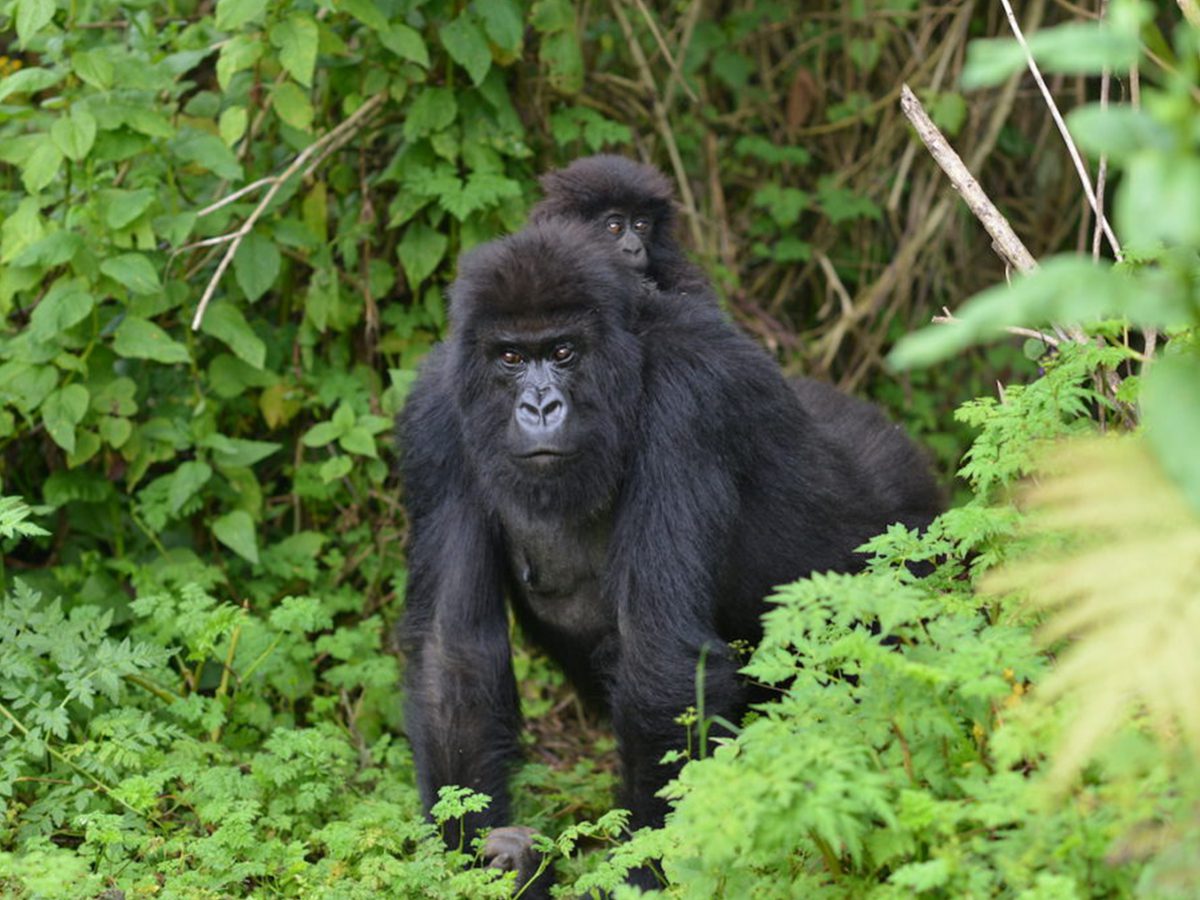
Combining a Kilimanjaro hike with Uganda gorilla trekking offers the ultimate East African adventure, merging high-altitude mountaineering with intimate wildlife encounters. This expert itinerary requires careful planning, usually spanning 12-16 days, to accommodate the physical demands of climbing Africa’s highest peak (5,895m) and trekking through Bwindi’s dense forests. The best time to combine these is during the dry seasons (June-October, December-March), ensuring better trail conditions and visibility. Logistics involve flying between Kilimanjaro International Airport (JRO) and Entebbe (EBB) via regional airlines. Essential tips include securing gorilla permits ($800) months in advance, arranging for a longer 7–8-day climb (e.g., Machame or Lemosho routes) for better acclimatization, and allowing for rest days between activities to manage physical exhaustion.
15-days-best-of-uganda-safari-kenya-and-tanzania-safari-in-africa
12-days-uganda-safari-and-tours-combined-with-zanzibar-beach-vacation
25-days-east-africa-safari-to-uganda-rwanda-kenya-tanzania-safari-and-zanzibar-beach-holidays
15-days-uganda-rwanda-tanzania-safari-and-zanzibar-beach-holidays
8-days-serengeti-ngorongoro-and-bwindi-gorilla-trekking-in-uganda
1. The "Quick Peaks" Express (10 Days) Kilimanjaro and gorilla trekking
Best for: Travelers with limited time who want the highlights.
Days 1–3 (Uganda): Fly to Entebbe; transfer or take a domestic flight to Bwindi Impenetrable National Park. Complete one day of gorilla trekking.
Day 4 (Transit): Flight from Entebbe to Kilimanjaro Airport; transfer to Moshi or Arusha.
Days 5–10 (Tanzania): A 6-day trek on the Marangu Route (hut accommodation) or Machame Route (camping) to reach Uhuru Peak.
The "Quick Peaks" Express offers a perfect opportunity to explore two of East Africa's most remarkable regions: Uganda and Tanzania. This 10-day itinerary combines the unique experience of gorilla trekking in Bwindi Impenetrable National Park with a climb to the summit of Mt. Kilimanjaro.
In Uganda, visitors will have the chance to see the majestic mountain gorilla, alongside other wildlife such as chimpanzees, elephants, bushbucks, and various bird species like the African grey parrot and the Rwenzori turaco. The diversity in Uganda's fauna enriches the trekking activity, as you may also encounter red-tailed monkeys and the elusive golden monkey.
Afterward, the adventure continues to Tanzania, where Mt. Kilimanjaro stands as the highest peak in Africa. Wildlife in this region includes elephants, leopards, blue monkeys, and various birds. Watching wildlife during the trek provides a unique context for understanding the significance of both regions. This carefully crafted itinerary caters to those seeking the best of both worlds within a limited timeframe.
Days 1–3: Uganda (160 words)
Day 1: Arrival in Uganda
Arrive at Entebbe International Airport and transfer to Bwindi Impenetrable National Park. Depending on your choice of transport, you can take a road transfer or a domestic flight. The drive offers glimpses of Uganda's unique wildlife, including elephants and various bird species along the way.
Day 2: Gorilla Trekking
Experience gorilla trekking in Bwindi. Begin with a briefing from park guides before heading into the forest. As you navigate the trails, look for red-tailed monkeys, and the many species of birds that inhabit the park. Spending time with the gorillas provides a rare chance to observe their social behaviors in their natural surroundings.
Day 3: Travel to Tanzania
After breakfast, return to your accommodation for a restful morning. In the afternoon, take a flight to Kilimanjaro Airport. Post-arrival, transfer to either Moshi or Arusha to prepare for the Kilimanjaro climb, with a possibility of spotting local wildlife along the route.
Day 4: Transit (160 words)
Day 4: Travel to Kilimanjaro
This day is centered around transition. After breakfast, take a domestic flight from Entebbe to Kilimanjaro Airport in Tanzania. Upon arrival, you will find an array of options for ground transportation to Moshi or Arusha, both of which serve as launch points for your climb.
Once you arrive in Moshi or Arusha, you’ll have free time to familiarize yourself with the area. This region provides opportunities for wildlife viewing; you might spot small mammals such as bushbuck and various bird species.
As the day concludes, ensure you check your gear and finalize your preparations for the Kilimanjaro trek ahead. Getting a good night’s rest will be essential, as you’ll encounter physical challenges in the days to come.
Days 5–10: Tanzania (160 words)
Days 5–10: Kilimanjaro Trekking
Day 5: Start Kilimanjaro Trek
Begin your 6-day trek on either the Marangu Route or Machame Route. On the initial trek days, as you head up the mountain, keep an eye out for wildlife such as blue monkeys, sunbirds, and various species of butterflies.
Days 6-10: Continue Climb
As you ascend, you’ll progress through different environments. On the way, continue to look for wildlife, including leopards, and mountain antelopes. Each day's trek brings new surroundings and vistas, along with a variety of fauna that includes birds like the Kilimanjaro white-necked raven.
During this time, challenging terrain makes it a fulfilling physical effort as you near Uhuru Peak (5,895 meters).
On your final ascent, reach the summit for a remarkable sense of achievement. Celebrate with your team, knowing you have now completed the climb. As you descend, you can reflect on the diverse wildlife seen during your experience.
2. The Classic "Summit & Safari" (14 Days) Kilimanjaro and gorilla trekking
Best for: A balanced pace with high success rates.
Days 1–8 (Tanzania): Arrive at JRO; complete a 7-day climb via the Lemosho Route for optimal altitude acclimatization.
Day 9 (Transit): Flight from JRO to Entebbe; overnight in Kampala or Entebbe.
Days 10–14 (Uganda): Drive to Bwindi via the Equator; gorilla trekking; relax at the stunning Lake Bunyonyi before departing via Entebbe.
The Classic "Summit & Safari" combines the challenge of climbing Mt. Kilimanjaro and the rare opportunity to observe gorillas in Uganda over a 14-day itinerary. Set against the backdrop of East Africa’s rich wildlife, this journey allows you to encounter a variety of animals, including elephants, buffalos, blue monkeys, and the majestic mountain gorilla. Other creatures to look out for include chimpanzees, the elusive African golden cat, diverse bird species, and various primates like red-tailed monkeys.
During the climb, the Lemosho Route is chosen for its gradual ascent, helping with altitude acclimatization and increasing summit success rates. After reaching Uhuru Peak, travelers will transition to Uganda, where they will drive to Bwindi Impenetrable National Park. Here, you can connect with nature while trekking to see the amazing mountain gorillas. The itinerary includes relaxation time at Lake Bunyonyi, offering a serene way to conclude your adventure before departing.
With a focus on wildlife and cultural encounters, this itinerary provides a well-rounded adventure that highlights the best of both Tanzania and Uganda while ensuring a memorable experience in both regions.
Days 1–8: Tanzania
Day 1: Arrival in Tanzania
Arrive at Kilimanjaro International Airport (JRO) and transfer to your accommodation in Moshi or Arusha. Use this day to adjust to the new environment and prepare for your trek. During this downtime, you might spot local wildlife such as monkeys and various birds that enhance the area’s biodiversity.
Days 2–5: Kilimanjaro Trek (Lemosho Route)
Begin your 7-day climb utilizing the Lemosho Route. Each day involves hiking through diverse terrains, starting in lush rainforests where you may encounter elephants and several bird varieties. Progressing through moorland and alpine desert, keep an eye out for the Kilimanjaro white-necked raven and small mammals unique to the region. The gradual ascent helps your body acclimatize, improving your chances of reaching the summit.
Days 6–8: Summit and Descent
After reaching Uhuru Peak, celebrate your achievement before beginning the descent. As you make your way down, you can enjoy sightings of more wildlife, including bushbucks and vibrant flora. Completing the trek prepares you for the next leg of your adventure in Uganda.
Day 9: Transit
Day 9: Travel to Uganda
After completing your Kilimanjaro trek, enjoy a final breakfast in Tanzania. In the late morning, take a flight from Kilimanjaro International Airport (JRO) to Entebbe, Uganda. Upon arrival, you’ll transfer to your accommodation in Kampala or Entebbe. Use this time to relax and reflect on your Kilimanjaro achievements.
This afternoon, enjoy a chance to explore the local area, where you may see common wildlife such as vervet monkeys and various colorful birds. Be on the lookout for unique flora and fauna as you drive through the vibrant neighborhoods.
In the evening, prepare for tomorrow's road trip to Bwindi Impenetrable National Park. Ensure you have all necessary gear and permits for gorilla trekking. Rest well tonight to prepare for the exciting adventure that awaits in Uganda, where you will soon meet the magnificent mountain gorillas in their natural habitat.
Days 10–14: Uganda
Day 10: Drive to Bwindi
Set out early for a scenic drive to Bwindi, stopping at the Equator for photos and refreshments. As you travel, enjoy the chance to observe local wildlife, possibly including antelopes, various bird species, and small mammals along the way.
Upon arrival in Bwindi, attend a briefing about gorilla trekking. Get acquainted with the rules and expectations to ensure a respectful experience with the endangered species.
Day 11: Gorilla Trekking
Today is dedicated to gorilla trekking in Bwindi Impenetrable National Park. Guided by experienced rangers, you will hike through dense forest to find one of the gorilla families. Keep an eye out for additional wildlife such as bushbabies and the vibrant butterflies that inhabit this rich environment. Observing gorillas in their natural habitat is a remarkable highlight.
Days 12–14: Relax at Lake Bunyonyi
After gorilla trekking, drive to Lake Bunyonyi, known for its beautiful scenery and numerous islands. Spend days relaxing by the lakeshore, with opportunities for kayaking or exploring surrounding trails.
During your time here, look for wildlife like water birds and otters. Finally, conclude your trip with a return to Entebbe for your departure, filled with memories of the captivating wildlife and majestic peaks of East Africa.
3. The Primate & Peak Expedition (15 Days) Kilimanjaro and gorilla trekking
Best for: Wildlife enthusiasts wanting both gorillas and chimpanzees.
Days 1–7 (Tanzania): 6-day Kilimanjaro hike via the Machame Route.
Day 8 (Transit): Fly from JRO to Entebbe; transfer to western Uganda.
Days 9–15 (Uganda): Gorilla trekking in Bwindi; chimpanzee tracking in Kibale Forest; wildlife safari in Queen Elizabeth National Park (tree-climbing lions).
4. The "Hiker’s Ultimate" Challenge (14 Days)
The Primate & Peak Expedition offers an exciting 15-day itinerary that merges the thrill of climbing Mt. Kilimanjaro with unforgettable wildlife encounters in Uganda. This adventure is ideal for those fascinated by the unique wildlife of East Africa, including mountain gorillas, chimpanzees, and an array of other species.
In Tanzania, the trek begins on the Machame Route, famous for its diverse landscapes and wildlife. As you ascend, look for animals such as blue monkeys, bushbucks, and various bird species inhabiting the lower slopes.
Once you transition to Uganda, the real wildlife adventure unfolds. Gorilla trekking in Bwindi Impenetrable National Park provides the chance to see the magnificent mountain gorillas in their natural habitat. Additionally, you will track chimpanzees in Kibale Forest, home to one of the largest populations of these primates. A safari in Queen Elizabeth National Park will introduce you to fascinating wildlife, including elephants, hippos, and the unique tree-climbing lions. This well-rounded expedition guarantees a deep connection to the region's wildlife while balancing adventure with long-lasting memories.
Days 1–7: Tanzania
Days 1–7: Kilimanjaro Trek via the Machame Route
Arrive at Kilimanjaro International Airport (JRO) and transfer to your accommodation in Moshi. Over the next six days, tackle the Machame Route, renowned for its picturesque trails and varied terrain.
Day 2 begins your ascent through lush rainforests, where you might spot blue monkeys, various bird species, and other local wildlife. Each day introduces new environments, from moorland to alpine desert. This gradual ascent is designed to aid acclimatization and enhance summit success.
Day 3 involves hiking to the Shira Plateau, where the scenery transforms, providing opportunities to see the Kilimanjaro white-necked raven and small mammals like bushbucks.
On Days 5 and 6, prepare for your summit attempt on Day 7. As you approach Uhuru Peak, keep watch for unique flora and fauna that characterize the different altitudes.
Upon reaching the summit, celebrate your accomplishment before beginning the descent back to your base camp. Capture memories along the way of the diverse wildlife observed during your trek.
Day 8: Transit
Day 8: Travel to Uganda
After your epic Kilimanjaro trek, enjoy a breakfast reflecting on your achievements. Later, you will transfer to Kilimanjaro International Airport (JRO) for your flight to Entebbe, Uganda.
Once you arrive in Entebbe, prepare for a transfer to western Uganda. The drive provides the opportunity to enjoy views of rural life and possibly spot wildlife along the way, such as vervet monkeys or local birds.
Upon arrival at your accommodation, you can relax and mentally prepare for the thrilling activities planned in Uganda over the next week. Enjoy a leisurely evening in Kampala or Entebbe, where local cuisine offers a taste of Ugandan culture.
This day acts as a crucial transition between your Kilimanjaro achievements and the rich primate encounters awaiting you. Ensure you have your gear in order for the gorilla trekking and chimpanzee tracking experiences ahead. Sleep well tonight to be ready for the wildlife adventures to follow.
Days 9–15: Uganda
Days 9–15: Wildlife Adventures in Uganda
Day 9: Gorilla Trekking in Bwindi
Travel to Bwindi Impenetrable National Park, a UNESCO World Heritage site known for its mountain gorillas. After a briefing, set out for your gorilla trekking adventure. The hike through thick vegetation may reveal wildlife such as bushbabies and various bird species. Observing gorillas in their natural setting offers a once-in-a-lifetime experience.
Days 10–11: Chimpanzee Tracking in Kibale Forest
Next, head to Kibale Forest National Park, renowned for chimpanzee tracking. Spend a day exploring this rich environment, looking for not just chimps but also other primate species like red-tailed monkeys. The park is also home to many bird species, enhancing your tracking experience.
Days 12–15: Wildlife Safari in Queen Elizabeth National Park
Conclude your expedition with a wildlife safari in Queen Elizabeth National Park. Look for elephants, hippos, and the unique tree-climbing lions. Enjoy game drives and boat cruises that allow for more wildlife viewing opportunities. This concluding leg of your expedition combines relaxation with fantastic wildlife observations before returning to Entebbe for departure.
Best for: Serious mountaineers combining Africa's two highest ranges.
Days 1–8 (Tanzania): Summit Kilimanjaro via the Rongai Route (Northern approach).
Day 9 (Transit): Fly to Entebbe; transfer to the foothills of the Rwenzori Mountains.
Days 10–14 (Uganda): A 3-day trek in the Rwenzori "Mountains of the Moon" followed by a final 2-day gorilla trek in Bwindi.
What is the Best Time of Year to Combine a Mt Kilimanjaro Climb with Uganda Gorilla Trekking?
The optimal time for combining a Mt Kilimanjaro climb with Uganda gorilla trekking is during the dry seasons, which run from June to September and December to February. These periods are characterized by clearer skies and less rainfall, making conditions ideal for trekking and climbing.
During these months, the trails on Mt Kilimanjaro are less slippery and easier to navigate, which is especially crucial for climbers aiming to reach the summit. Similarly, the dry spells in Uganda make gorilla trekking more accessible as the muddy terrain becomes manageable, allowing for a more enjoyable experience when tracking the mountain gorillas in the dense rainforests of Bwindi Impenetrable National Park.
Opting to climb Kilimanjaro during these dry months ensures that you can focus on the physical demands of the trek without weather-related challenges. Additionally, these months often see higher tourist traffic, which can provide a vibrant atmosphere. However, if you prefer fewer crowds, consider going at the tail end of these dry seasons.
Ultimately, planning your trip during the dry seasons not only enhances your trekking experience but also maximizes the likelihood of clear views at the summit of Kilimanjaro, as well as a successful gorilla encounter without the hindrance of rain. Careful planning around these seasons will set the foundation for a memorable and rewarding adventure.
Should I Do the Mt Kilimanjaro Hike Before or After Uganda Gorilla Trekking?
Experts widely recommend climbing Mt Kilimanjaro before pursuing gorilla trekking in Uganda. The rationale behind this advice relates to the physical demands of each activity. Climbing Kilimanjaro is a significant challenge—often considered the hardest part of the trip due to the high altitudes and the strenuous nature of the hike.
By tackling this challenge first, you not only achieve the ultimate goal of summiting Africa's highest peak, but you also allow yourself to unwind afterward. Gorilla trekking, while physically demanding, generally takes place at lower altitudes, which means it can serve as a relaxing follow-up to your Kilimanjaro climb. Completing the trek to see the mountain gorillas gives you the opportunity to appreciate the stunning landscapes and wildlife of Uganda while recovering from your earlier exertions.
Another benefit of this sequence is that it helps with acclimatization. The fitter you are from climbing, the easier the gorilla trekking experience will be. Additionally, having achieved a significant milestone such as summiting Kilimanjaro can add a tremendous sense of accomplishment.
This order effectively combines two of East Africa's most iconic adventures, allowing you to enjoy both the thrill of challenging climbs and the beauty of unique wildlife—all while ensuring a rewarding experience in the great outdoors.
How Do I Travel Between Mt Kilimanjaro and the Uganda Gorilla Trekking Start Point?
Traveling between Mt Kilimanjaro and the start point for gorilla trekking in Uganda is optimized by taking a flight from Kilimanjaro International Airport. The most efficient itinerary typically involves flying directly from Kilimanjaro to Entebbe International Airport in Uganda. Various airlines offer these connections, making it relatively straightforward to transition between the two locations.
Upon arriving in Entebbe, you will need to catch a domestic flight to either Kihihi or Kisoro, which are the closest airports to Bwindi Impenetrable National Park, the primary destination for gorilla trekking. This domestic leg of your trip typically takes about an hour. Upon landing, you can arrange ground transportation to your accommodation or the gorilla trekking start point, which usually takes another hour or so.
While flying remains the best method for this route, travelers may also opt for overland transport. However, this option often requires more time and logistical planning, as the drive can take several hours and involves navigating border crossings.
Utilizing flights not only saves time but also ensures that you arrive at your gorilla trekking destination refreshed and ready for the adventure ahead. Clearly planning your travel arrangements will help facilitate a smooth transition between the triumph of climbing Kilimanjaro and the extraordinary experience of observing mountain gorillas in their natural habitat.
Is One Visa Enough for Both Mt Kilimanjaro and Uganda Gorilla Trekking?
No, one visa is not sufficient for traveling between Tanzania and Uganda, especially when engaging in activities like climbing Mt Kilimanjaro and going gorilla trekking. Although the East African Tourist Visa allows entry into multiple countries, it does not cover Tanzania. You will need to apply for a separate visa to enter Tanzania for your Kilimanjaro expedition.
Tanzania requires all foreign travelers to obtain a visa before they arrive, which can be done through the Tanzanian embassy, consulate, or electronically via their e-visa portal. The application process is generally straightforward, and once obtained, the visa will allow you to freely enter Tanzania for the duration of your Kilimanjaro climb.
On the other hand, for entering Uganda, the East African Tourist Visa or a single-entry Uganda visa will suffice for gorilla trekking and any other activities in the country. The East African Tourist Visa can be particularly advantageous if you are planning to visit Kenya, as it covers travel to Kenya, Uganda, and Rwanda over a 90-day period. However, ensure that you meet all visa requirements and have the necessary documentation available upon entry to streamline your travel experience.
Careful planning around visa applications is crucial for ensuring a seamless journey during your quest to conquer Kilimanjaro and experience the beauty of Uganda’s gorillas.
What is the Minimum Number of Days Needed for a Combined Mt Kilimanjaro and Uganda Gorilla Trekking Trip?
To combine a climb of Mt Kilimanjaro with a gorilla trekking adventure in Uganda, travelers should plan for a minimum of 12 to 14 days. This timeframe allows for a comprehensive itinerary that incorporates all the necessary elements of both excursions without feeling rushed.
Typically, a standard Mt Kilimanjaro climb lasts between 6 to 7 days, depending on the chosen route and your pace. It's crucial to allocate enough time for acclimatization to help minimize the risks associated with altitude sickness. After completing the climb, travelers will need additional travel days to transition from Kilimanjaro to Uganda.
Once in Uganda, planning for at least 3 days is essential to thoroughly enjoy the gorilla trekking experience. This includes one day dedicated to the trek itself, as well as additional days for travel, rest, and exploration of nearby attractions. This flexible schedule enhances the enjoyment of the trip, allowing for a more immersive experience in nature, wildlife observation, and local culture.
Ultimately, budgeting for 12 to 14 days not only ensures a well-paced and relaxed adventure but also maximizes your opportunities to experience both the majestic summit of Kilimanjaro and the awe-inspiring mountain gorillas of Uganda, creating memories that will last a lifetime.
How Far in Advance Must I Book My Uganda Gorilla Trekking Permit When Climbing Mt Kilimanjaro?
When planning a combined trip that includes climbing Mt Kilimanjaro and trekking to see gorillas in Uganda, it's crucial to secure your gorilla trekking permits well in advance. Due to their popularity, permits for Uganda gorilla trekking often sell out six months prior to peak seasons. This is especially true during the climbing seasons for Mt Kilimanjaro, which are typically in July and August.
Advance booking allows you to ensure your spot for this once-in-a-lifetime experience in Bwindi Impenetrable National Park, where seeing mountain gorillas in their natural habitat is an unforgettable highlight. Gorilla trekking permits are limited to 88 per day, which means that if you’re traveling during peak tourist seasons, competition for permits can be intense.
To enhance your chances of securing a permit, consider working with a specialist tour operator who can assist in the booking process and provide guidance on the best times to visit. They can also help coordinate your travel plans, ensuring that your climbing itinerary aligns nicely with the availability of permits for gorilla trekking.
In summary, booking your gorilla trekking permit at least six months in advance is advisable for anyone planning to climb Mt Kilimanjaro around the same time. This proactive approach will allow you to enjoy both extraordinary experiences without the stress of last-minute arrangements.
Are There Any Weight Limits for Luggage on Flights Between Mt Kilimanjaro and Uganda Gorilla Trekking?
Yes, there are strict weight limits for luggage on domestic flights between Mt Kilimanjaro and the Uganda gorilla trekking areas. Most airlines operating these flights enforce a weight restriction of 15 kilograms (33 pounds) for checked luggage, which must be contained in soft-sided bags. This limitation is in place for both safety and logistical reasons, as smaller aircraft may be used to service these routes.
Given this restriction, travelers may find it necessary to reorganize their packing strategies. Many hikers typically carry extra gear for their Kilimanjaro climb, which means some items may need to be stored at the airport before departing for Uganda. Most major airports, including Kilimanjaro International Airport, offer luggage storage services, allowing you to securely store excess items until your return.
To optimize your luggage for the journey, prioritize essential gear for both the Kilimanjaro trek and gorilla trekking, while adhering to the weight limits. This may involve choosing lightweight clothing and equipment, and perhaps renting specific trekking gear in Uganda. By planning ahead and packing accordingly, you can ensure a smooth transition between the two remarkable adventures without the hassle of excess baggage.
What Kind of Footwear Do I Need for Both Mt Kilimanjaro and Uganda Gorilla Trekking?
Choosing the right footwear is critical for both climbing Mt Kilimanjaro and gorilla trekking in Uganda. Sturdy, waterproof, and well-broken-in hiking boots are essential for both activities. Climbing Mt Kilimanjaro typically involves navigating rocky and uneven terrain, where quality boots provide the necessary support and grip. Look for boots with good ankle support to help prevent injuries on steep slopes.
In terms of material, opt for waterproof boots, as weather conditions can shift rapidly on Kilimanjaro. Keeping your feet dry is vital for comfort during long days on the trail. Additionally, the right socks—preferably moisture-wicking and breathable—will help prevent blisters during the climb.
When it comes to gorilla trekking, the terrain changes significantly. Boots designed for muddy and uneven paths are key, as you will often be walking in thick vegetation and on slippery trails. The same waterproof feature is beneficial here, as rain is common in Uganda, and conditions can be muddy.
Overall, investing in quality hiking footwear is one of the most important aspects of preparation for these adventures. Break in your boots thoroughly before your trip to ensure maximum comfort and performance during both the Kilimanjaro climb and the gorilla trekking experience.
Can I Use the Same Physical Training for Both Mt Kilimanjaro and Uganda Gorilla Trekking?
Yes, the same physical training can be beneficial for preparing for both Mt Kilimanjaro and Uganda gorilla trekking. Both activities demand a good level of physical fitness, focusing on endurance, strength, and agility. Training that emphasizes cardiovascular endurance will significantly enhance your ability to tackle the high altitudes of Kilimanjaro and the steep terrains encountered during gorilla trekking.
Consider incorporating activities such as hiking, running, cycling, and swimming into your training regimen. These exercises build stamina, which is critical for both climbing and trekking. Additionally, including strength training—especially for your legs and core—will help prepare your body for the rigors of both activities. Resistance training can improve your overall stability and balance, which are crucial for navigating the uneven trails.
To further simulate the conditions you’ll face, include hiking with a weighted backpack in your training. This will prepare you for carrying your gear on both the Kilimanjaro climb and during the gorilla trek.
Flexibility and mobility exercises should not be overlooked, as they can help prevent injuries and enhance performance during your adventures. Overall, a focused training program that develops endurance and leg strength will equip you well for the combined challenges of both Mt Kilimanjaro and Uganda gorilla trekking.
Do I Need a Yellow Fever Certificate for Both Mt Kilimanjaro and Uganda Gorilla Trekking?
Yes, you will need a valid Yellow Fever vaccination certificate for both your Mt Kilimanjaro climb in Tanzania and your gorilla trekking adventure in Uganda. This vaccination is a mandatory entry requirement for travelers visiting these countries, especially given the region's proximity to areas where Yellow Fever is endemic.
The vaccination must be administered at least 10 days before your travel and should be documented in an official certificate. While passport checks may not always include reviewing vaccination records, it’s essential to have your Yellow Fever certificate handy when traveling to ensure compliance with health regulations at entry points.
The requirement for a Yellow Fever vaccination certificate helps protect against the spread of the disease and promotes public health in the region. It's a vital step in travel preparation, and as a precaution, travelers should also consider other vaccinations and preventive measures, such as malaria prophylaxis, to ensure a healthy trip.
Be sure to consult with a healthcare professional well in advance of your travels to discuss necessary vaccinations and health precautions. By preparing properly, you can focus on fully enjoying the adventure of climbing Kilimanjaro and trekking to see Uganda’s mountain gorillas.
How Much Does the Permit for Uganda Gorilla Trekking Cost Compared to Mt Kilimanjaro Fees?
When planning a combined trip that includes climbing Mt Kilimanjaro and gorilla trekking in Uganda, understanding the financial aspects of each experience is crucial. As of now, a permit for gorilla trekking in Uganda costs $800. This fee grants you the opportunity to spend a day observing mountain gorillas in their natural habitat, an experience that can be truly unforgettable.
On the other hand, the total cost for climbing Mt Kilimanjaro varies based on chosen routes and the services used. The overall fees typically range from $800 to $1,200 per person. These fees cover not only the park entrance fees but also other expenses like rescue services, camping fees, and the cost of hiring guides and porters.
Since both activities have significant costs, including them in your travel budget early on will allow for better planning and decision-making. Remember also to account for additional expenses like flights, accommodation, and gear, which can further impact your overall trip costs.
In summary, while the gorilla trekking permit is a fixed cost, the fees associated with climbing Kilimanjaro can vary, making it essential for travelers to conduct thorough research and possibly consult local tour operators to get a comprehensive idea of the total expenses involved in both adventures.
Is Altitude Sickness a Risk for Both Mt Kilimanjaro and Uganda Gorilla Trekking?
Altitude sickness, also known as acute mountain sickness (AMS), is a notable concern for climbers on Mt Kilimanjaro, where the summit reaches an impressive height of 5,895 meters (19,341 feet). As climbers ascend, the reduced oxygen levels can significantly affect the body, leading to symptoms such as headache, nausea, dizziness, and fatigue.
To combat altitude sickness during your Kilimanjaro climb, acclimatization is essential. Many routes incorporate "climb high, sleep low" strategies, allowing your body to adjust gradually to higher elevations. Staying well-hydrated and pacing yourself can also decrease the risk of suffering from AMS.
In contrast, while the altitude during Uganda gorilla trekking typically reaches around 2,000 meters (6,561 feet), the risk of altitude sickness is considerably lower. This elevation is much more manageable, and most trekkers do not experience adverse effects. The terrain in Uganda poses its own challenges, such as dense vegetation and muddy trails, but altitude is rarely an issue.
In conclusion, while altitude sickness is a significant concern for the Mt Kilimanjaro climb, it is not a major risk during gorilla trekking in Uganda. However, maintaining good physical fitness and preparing adequately is crucial for both activities to ensure an enjoyable and safe adventure.
Which Mt Kilimanjaro Route is Best to Ensure I’m Fit Enough for Uganda Gorilla Trekking?
When preparing for a scenic trek that includes both Mt Kilimanjaro and gorilla trekking in Uganda, choosing the right Kilimanjaro route can significantly impact fitness and acclimatization. The Lemosho and Machame routes are often recommended due to their gradual ascent and excellent acclimatization opportunities.
The Lemosho route is particularly favorable, starting on the western side of the mountain. It offers stunning scenery, diverse landscapes, and a generally less crowded experience. This route typically takes about 7 days, allowing ample time for your body to adjust to the altitude while enjoying breathtaking views.
Similarly, the Machame route is renowned for its picturesque trails and varied ecosystems. It usually requires around 6 to 7 days for completion and adheres to a climber-friendly pace that promotes acclimatization. The walk-up approach facilitates "climb high, sleep low" strategies, significantly mitigating risks related to altitude sickness.
Both routes, therefore, provide a solid foundation for establishing fitness levels necessary for the rigorous demands of gorilla trekking in Uganda. Suitable acclimatization not only prepares your body for altitude changes but also helps you maintain energy levels for the physical challenges that lie ahead. Selecting either the Lemosho or Machame route optimizes your overall experience on Kilimanjaro and ensures you're fit and energized for your gorilla trekking adventure.
What is the Age Limit for Both Mt Kilimanjaro and Uganda Gorilla Trekking?
There are specific age limits for participants wishing to engage in both Mt Kilimanjaro climbs and gorilla trekking in Uganda. For Kilimanjaro, most operators allow climbers to be as young as 10 years old, making it an accessible adventure for families wishing to embark on an ultimate journey together. However, it's essential to choose a reputable trekking company that prioritizes safety and well-being.
On the other hand, the minimum age for gorilla trekking in Uganda is set at 15 years. This age restriction is implemented to ensure that all trekkers can appreciate the experience and follow guidelines for safety and wildlife interaction. Being in the presence of mountain gorillas requires a level of maturity and understanding of both the ethical responsibility and safety measures involved in such encounters.
While the age limits serve as guidelines, actual participation will often rely on physical fitness and health status, especially for Mt Kilimanjaro. Tour operators generally require that participants be in good health and sufficiently fit for the trek. Families interested in these adventures should assess whether younger participants meet both age and fitness criteria to ensure a memorable and safe trip.
By understanding the age requirements, families can plan appropriately and ensure that everyone is prepared for the incredible experiences waiting in both Tanzania and Uganda.
Can I See Other Wildlife During My Mt Kilimanjaro and Uganda Gorilla Trekking Trip?
Yes, you can encounter a variety of wildlife during your combined trip that includes Mt Kilimanjaro and Uganda gorilla trekking. While climbing Kilimanjaro, particularly on the lower slopes, you may spot elephants, buffaloes, and various bird species, including endemic ones such as the Kilimanjaro white-necked raven. The lush lower forest areas can also reveal a wealth of flora and fauna, providing glimpses of the region's biodiversity.
In addition to wildlife, the scenic beauty of the mountain itself enhances the overall experience of the trek. As you ascend, the changing landscapes present a range of ecosystems, from rainforests to alpine deserts. This unique assortment of habitats supports diverse wildlife life forms.
Moving on to Uganda, the focus transitions to the primates, specifically mountain gorillas. The rich ecosystems around Bwindi Impenetrable National Park are home not only to gorillas but also to other fascinating wildlife like chimpanzees, birds, and various antelope species. Uganda's national parks boast numerous trails for viewing wildlife in their natural surroundings.
Booking Uganda gorilla trekking with Kilimanjaro climb with us Roads of Adventure safaris
To book your combined Uganda gorilla trekking and Kilimanjaro climb, you can easily contact
Roads of Adventure Safaris through their website, email, or phone. They are a local operator that specializes in creating personalized itineraries, handling all logistics including securing essential gorilla permits and arranging inter-country flights between Entebbe and Kilimanjaro. It is highly recommended to book several months in advance to ensure permit availability for these high-demand activities. You can reach their team at info@roadsofadventuresafaris.com, or call +256 701041637 or +256 773796644.
