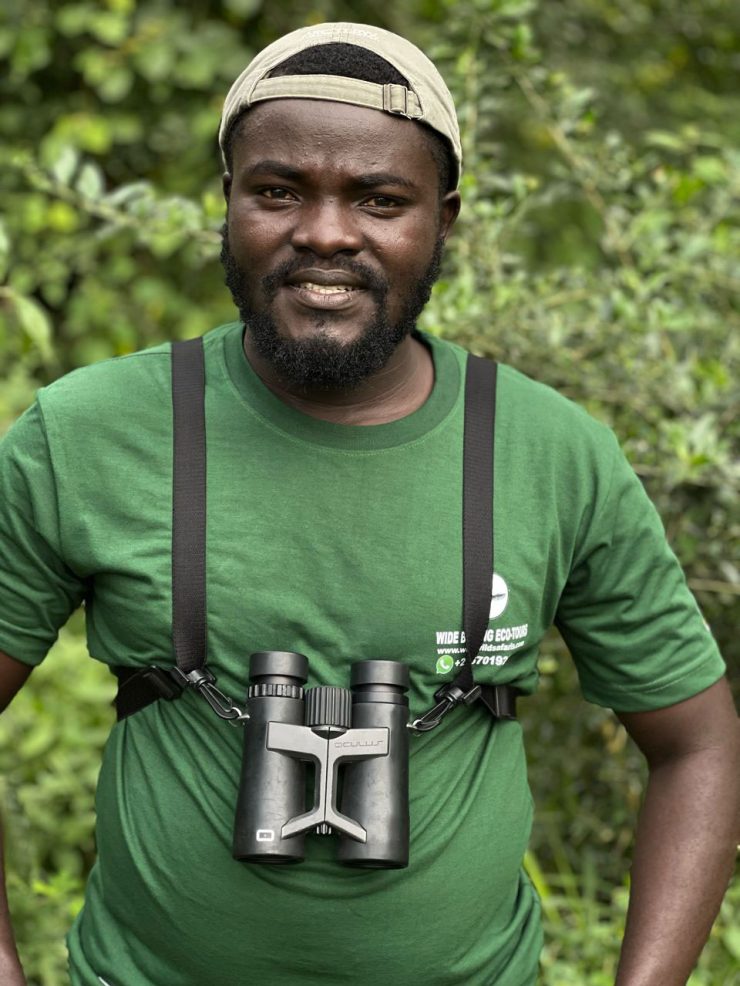
Yes, hiring a professional birding guide is highly recommended for a Uganda safari. Because Uganda is home to over 1,000 bird species—ranging from the elusive Shoebill to rare Albertine Rift endemics—a specialized guide will help you navigate complex habitats, identify hidden birds by their calls, and maximize your sightings
36-days-grand-uganda-bird-watching-safari
30-days-best-uganda-birding-safari-extravaganza-and-wildlife-safari
25-days-complete-uganda-birding-safari-extravaganza-with-wildlife-viewing
22-days-best-uganda-primate-and-birding-safari-adventure
20-days-uganda-birding-safari-wildlife-gorilla-and-chimpanzee-tracking
10-days-best-uganda-birding-safari-and-wildlife-experience
1-day-perfect-mabamba-swamp-shoebill-stork-uganda-birding-safari
Auditory Identification
Entering the dense, multi-layered canopies of East Africa’s forests can initially feel overwhelming for any bird enthusiast. On a Uganda birding safari, you quickly realize that the thick, emerald foliage often conceals the very creatures you have traveled thousands of miles to see. This is where the seasoned expertise of a specialized guide becomes completely indispensable. In these lush, tropical environments, up to 70% of successful birding relies entirely on auditory identification rather than immediate sight. Without a professional who can untangle the dense symphony of the jungle, many of Africa's most spectacular avian species would remain completely invisible to the untrained eye.
A professional guide brings years of dedicated field experience, possessing an acoustic library in their mind that allows them to instantly recognize hundreds of distinct bird species by a single, fleeting call, chirp, or whistle. Whether it is the deep, guttural booming of a Ground Hornbill echoing across the savanna or the faint, high-pitched canopy call of a rare greenbul, these experts can dissect the sounds of the bush in real time. They don't just identify the species; they can interpret the meaning behind the sounds—distinguishing between a casual feeding call and an urgent alarm call that signals a nearby predator.
For anyone on a bird watching safari in Uganda, this auditory mastery completely transforms the experience. Your guide will use their ears to pinpoint an exact coordinate in the dense branches, calmly directing your binoculars to a precise gap in the leaves. Suddenly, an otherwise frustrating wall of green transforms into a rewarding viewing gallery, revealing a brilliantly colored trogon or a secretive forest robin that you would have otherwise walked right past.
Site Knowledge
Uganda is widely celebrated as Africa’s premier birding destination, boasting an astonishing checklist of over 1,000 species packed into a country roughly the size of Great Britain. However, this incredible biodiversity is spread across vastly different, highly specialized ecosystems, ranging from the arid savannas of Kidepo Valley to the mist-shrouded montane forests of Bwindi Impenetrable National Park. Navigating these varied terrains without deep, localized site knowledge can result in days of fruitless searching. A professional guide acts as an avian cartographer, maximizing your precious time on a Uganda birding safari by taking you exactly where the birds are.
These elite guides possess an intimate, up-to-date map of avian territories, seasonal roosting sites, and active nesting spots. They understand the complex micro-habitats that specific sought-after species prefer. For instance, if your dream is to tick the prehistoric-looking Shoebill off your life list, a knowledgeable guide knows the exact hidden channels of the Mabamba Papyrus Swamp where these giants reliably hunt for lungfish at dawn. They are equally adept at tracking down the highly coveted Albertine Rift endemics, knowing precisely which specific altitude zones and bamboo thickets harbor the elusive African Green Broadbill or the stunning Regal Sunbird.
Furthermore, their understanding of seasonal migrations ensures that whether you travel during the wet or dry months, your itinerary is dynamically adjusted to intercept palearctic and intra-African migrants. This profound level of site knowledge eliminates the guesswork from your bird watching safari in Uganda, transforming a vast wilderness into a structured, highly productive journey where rare and localized species are systematically found and enjoyed.
Local Logistics
Beyond their sharp eyes and deep biological knowledge, a professional guide is the logistical backbone of a successful wildlife expedition. Navigating the remote wilderness areas of East Africa requires a complex web of permits, localized security coordination, and specialized transportation. Embarking on a Uganda birding safari with a guide who is officially registered with prestigious organizations like the Uganda Bird Guides Club (UBGC) or the Uganda Safari Guides Association (USAGA) provides an invaluable layer of safety, professionalism, and community access that independent travelers simply cannot replicate.
A registered local expert handles the delicate, real-time logistics of birding in challenging environments. Whether you are wading through deep papyrus swamps in a traditional dugout canoe, trekking through steep, slippery mountain trails in search of forest endemics, or traversing remote savanna tracks, your guide ensures the entire operation runs safely and smoothly. They work hand-in-hand with park rangers, community conservationists, and local site scouts, maintaining an active network that shares real-time updates on trail conditions and recent bird sightings.
From a commercial and ethical standpoint, hiring a USAGA or UBGC-certified guide guarantees that your bird watching safari in Uganda directly supports the local eco-tourism economy. These guides are fierce champions of conservation, ensuring that all viewing practices strictly adhere to international ethical guidelines—such as minimizing the use of playback calls to avoid stressing endangered species. With a professional managing the logistical challenges and safety protocols of the African bush, you are free to fully immerse yourself in the sheer joy of the spectacular birdlife around you.
1. What is the average daily rate for a certified professional birding guide in Uganda?
When planning a Uganda birding safari, understanding the baseline cost of specialized guiding is essential for accurate budgeting. A certified professional birding guide, typically registered with the Uganda Bird Guides Club (UBGC), commands a daily rate ranging between $150 and $250 USD. This fee reflects their elite skill set, including advanced auditory tracking, habitat expertise, and deep knowledge of Uganda’s 1,000+ avian species.
This daily rate generally covers the guide’s professional services, daily allowance, and field accommodation. However, it usually excludes vehicle costs, fuel, and park entry fees, which are bundled separately if you are booking a tailormade package. While this may seem higher than a standard safari driver-guide (who typically charges $50 to $100 USD per day), the commercial value is immense.
A generalist guide lacks the hyper-specialized training needed to locate camouflaged forest endemics or decipher calls in dense canopies. Investing in a dedicated professional shifts your trip from a standard driving holiday to a highly productive expedition, ensuring you don't miss out on rare sightings. When requesting quotes from operators, always check if the guide’s daily fee is fully inclusive to avoid unexpected out-of-pocket expenses during your journey.
2. Does a premium birding safari package include the guide fee, or is it an out-of-pocket expense?
When transitioning from the planning phase to booking your bird watching safari in Uganda, reviewing the inclusions of your tour invoice is a critical financial step. In almost all premium, all-inclusive birding itineraries, the professional guide’s fees, vehicle expenses, and field accommodations are fully integrated into the upfront package price. This means you will not face daily out-of-pocket expenses for your primary guide while on the trail.
However, if you opt to book a mid-range package, customize a generic wildlife tour, or arrange your trip independently, the specialized guide fee may be listed as a separate, optional add-on surcharge. It is common for general tour operators to quote a standard base price using an all-purpose wildlife driver, later adding a premium fee if a client specifically requests a UBGC-certified birding specialist.
To protect your travel budget, explicitly ask your tour manager for an itemized breakdown before signing the contract. Ensure the invoice states that a specialized birding guide is locked in for the entire duration of the trip, rather than a standard driver who might only possess a basic, surface-level knowledge of regional wildlife.
3. Can I hire a specialized birding guide directly at Uganda’s national park gates?
A common question for independent travelers looking to save on package markups is whether they can hire a specialized guide spontaneously at the park entrance. While the Uganda Wildlife Authority (UWA) does station general community guides at major park gates—such as Queen Elizabeth or Murchison Falls—these individuals are typically general wildlife scouts. They are highly skilled at spotting large mammals, but they rarely possess the advanced auditory training required for a serious Uganda birding safari.
True specialized birding guides belong to professional associations like the UBGC and are almost always booked months in advance by specialized tour operators. They rarely wait for walk-in clients at park gates. Attempting to source a specialist on arrival puts you at high risk of navigating dense tropical forests, like Bwindi or Kibale, with a guide who cannot identify tricky greenbuls, illadopsises, or rare Albertine Rift endemics by sound.
From a commercial perspective, booking your specialist guide well ahead of your arrival date is the only way to guarantee a world-class birding experience. If you wait until you reach the park gates, you will likely have to settle for a general site guide, which can severely limit your chances of spotting rare, highly localized species.
4. What is the cancellation and refund policy if my assigned birding guide falls ill?
Because top-tier birding specialists are a scarce resource in East Africa, understanding the financial contingencies of your booking is vital. If you have locked in a specific, highly recommended guide for your bird watching safari in Uganda and they become unavailable due to illness or family emergencies, a reputable tour operator's commercial policy should protect your investment.
Standard contracts dictate that the tour company must provide an equally qualified, certified replacement guide from the UBGC network at no additional cost to you. If the agency fails to provide a specialist of comparable caliber and instead substitutes a generalist wildlife driver, you are legally and commercially entitled to a partial refund reflecting the price difference between a standard and specialized guide.
If you choose to cancel the entire safari because a specific celebrity guide is unavailable, standard cancellation penalties will apply. These fees usually range from a 20% loss of deposit if canceled months out, up to a 100% forfeiture if canceled within 14 days of departure. To safeguard your funds against these rare logistical disruptions, it is highly recommended to buy a comprehensive travel insurance policy that includes a "Cancel for Any Reason" (CFAR) rider.
5. How much extra should I budget for tips for a specialized birding guide versus a general driver?
Tipping is an expected service fee on an African safari, but the commercial benchmarks differ significantly based on the guide's level of specialization. For a standard wildlife driver in East Africa, the industry average tip ranges from $10 to $15 USD per day from the entire group. However, for a dedicated professional on a Uganda birding safari, the tipping benchmark reflects their elite expertise, typically ranging from $20 to $30 USD per day.
This higher rate recognizes the intense physical and mental focus required during a birding trip. Your guide often works up to 14 hours a day, beginning with pre-dawn owling sessions and continuing through intense daytime auditory tracking in dense rainforests. They must constantly maintain an acute level of concentration to deliver a successful trip.
When calculating your total trip costs, remember to budget this gratuity in cash. It is best to use local Ugandan Shillings or clean, un-torn US Dollar bills printed after 2013, as older notes are rejected by regional banks. Factoring these tips into your initial budget ensures you can reward your guide's hard work smoothly, without running out of cash in remote areas.
6. What are the cost differences between hiring a private birding guide versus joining a group tour?
Deciding between a private guide and a scheduled group departure is one of the most important financial choices you will make for your bird watching safari in Uganda. A private tour offers ultimate flexibility, but you shoulder 100% of the guide’s daily rate, vehicle costs, and fuel fees. For a solo traveler or a couple, this private option represents a premium investment.
In contrast, joining a scheduled group birding tour allows you to split the fixed costs of the professional guide and safari vehicle among several participants. This significantly lowers the per-person daily rate. Group tours often feature fixed itineraries optimized for maximum species counts, making them a cost-effective option for single birders.
However, group dynamics can present a commercial trade-off. In a group of six to eight birders, sharing a single guide means less individual time with the scope, slower movement along narrow forest trails, and a higher chance that someone might block your view of a rare species. If your primary goal is to photograph specific, elusive endemics, investing the extra capital into a private guide provides the control and focus needed to secure those challenging shots.
7. Do I need to pay separate fees for local site guides if I already have a professional tour guide?
A common point of confusion during a Uganda birding safari is the overlapping cost of a main tour guide and local site-specific guides. Even if you are paying a premium daily rate for an elite UBGC guide who stays with you throughout the trip, you will still need to pay local site fees at specific birding hotspots.
These local fees are mandatory at community-managed wetlands and specific forest trails, such as the Mabamba Papyrus Swamp or the Royal Mile in Budongo Forest. Local site guides possess hyper-localized knowledge of exact nesting sites, roosting trees, and the daily movements of target birds like the Shoebill or the Chocolate-backed Kingfisher within their specific communal boundaries.
Fortunately, if you have booked a comprehensive, all-inclusive bird watching safari in Uganda, these community fees and local site guide payouts are already calculated and covered by your tour operator. If you are traveling independently, you should budget an extra $20 to $40 USD per hotspot to cover these local site fees. This small commercial injection directly supports community conservation, ensuring the locals protect these critical bird habitats from agricultural expansion.
8. Is a professional birding guide required to secure exclusive permits for Shoebill trekking?
The prehistoric Shoebill is an iconic target for anyone embarking on a Uganda birding safari. From a commercial standpoint, you do not legally need a private professional guide to buy a basic entry permit for areas like the Mabamba Swamp or Makerere University's Kalinzu Forest. Independent travelers can show up and buy standard entry tickets directly from the local community trusts.
However, having an elite guide manage this transaction offers distinct operational advantages. Top birding operators maintain close relationships with the head boat captains and community site scouts at these locations. This network allows them to secure the best boats and most experienced local spotters before the mid-morning crowds arrive, which is essential for a successful sighting.
Furthermore, a professional guide ensures your water excursion is timed perfectly with the birds' peak morning hunting hours, avoiding the hot midday sun when Shoebills tend to retreat deep into inaccessible papyrus beds. While the permit itself is commercially available to anyone, investing in a professional guide ensures that your permit fee results in a clear, high-quality viewing experience rather than a long, fruitless boat ride.
9. What specific insurance coverage do I need when booking a guided mountain birding trek?
Because tracking rare Albertine Rift endemics often requires hiking into steep, high-altitude terrain—such as the Rwenzori Mountains or the slopes of Mount Elgon—verifying your insurance coverage is an essential step before booking your bird watching safari in Uganda. Standard travel insurance policies often exclude wilderness hiking or mountain trekking above certain altitudes unless you buy a specific adventure rider.
When purchasing your policy, ensure it explicitly covers guided wilderness trekking up to at least 3,000 meters (9,800 feet). Your policy should also include comprehensive emergency medical evacuation insurance, such as coverage from the AMREF Flying Doctors service. If you suffer an injury or severe illness while tracking rare birds deep within Bwindi Impenetrable Forest, the logistical cost of an emergency airlift to Kampala can easily exceed $20,000 USD out-of-pocket without proper coverage.
Confirming that your tour operator’s corporate liability insurance covers guided activities inside national parks adds another layer of financial safety. Ensuring these insurance details are locked in before making your final trip payment allows you to focus entirely on your birding targets with complete peace of mind.
10. How far in advance should I book a certified UBGC birding guide for peak season?
The specialized nature of a Uganda birding safari creates a highly competitive commercial environment for top-tier guiding talent. Unlike general wildlife drivers, who are relatively abundant, there are fewer than 150 elite, certified birding specialists registered with the Uganda Bird Guides Club (UBGC). As a result, supply is limited during the peak travel months.
For travel during the prime dry seasons—December to February and June to August—you should ideally book your certified guide 8 to 12 months in advance. During these peak months, international birding clubs and custom tour operators block-book the most experienced guides for long, multi-week itineraries across East Africa. If you delay your booking until a few weeks before arrival, you will likely have to settle for a generalist safari driver.
Booking early is also crucial if you plan to target highly sought-after species that require specific trekking permits, such as the Green Broadbill in Bwindi. By securing your specialist guide early in your planning cycle, you guarantee that your financial investment goes toward a true expert who can deliver on your birding goals.
11. What financial risks do I face if I use a general wildlife driver instead of a birding specialist?
Opting for a standard safari driver to save money can introduce significant financial and experiential risks to your bird watching safari in Uganda. A generalist driver is an expert at navigating rough terrain and spotting large mammals like elephants or lions, but they typically lack the specialized training to spot camouflaged forest birds or identify complex calls.
The primary financial risk is opportunity cost. If you invest thousands of dollars in long-haul flights, luxury lodge bookings, and park entry fees, but your guide cannot locate your target species, the return on your travel investment drops significantly. You may spend days driving past critical micro-habitats or walking past rare endemics simply because your driver does not know they are there.
Additionally, a general safari driver may stick strictly to main park roads, missing the specialized walking trails, community forests, and wetland boardwalks where the best birding occurs. To get the most value from your trip, matching your guide’s skills to your specific travel goals is essential. A specialized guide ensures that every dollar spent on your itinerary translates into a productive, rewarding experience.
12. Are there hidden fuel or transport surcharges when a guide takes me off-the-beaten-path for rare birds?
When customizing a Uganda birding safari, your itinerary will often take you off the standard tourist circuits and deep into remote community forests, secondary roads, or isolated wetlands. From a commercial standpoint, you must verify whether your contract allows for unlimited mileage or if it includes strict route restrictions.
Some budget or standard safari contracts calculate fuel costs based on direct routes between major national park lodges. If your guide needs to drive extra kilometers down rough, unmapped dirt tracks to chase a rare migrant or find a localized endemic, your operator may apply unexpected fuel surcharges at the end of the trip. These unexpected fees can easily add $100 to $300 USD to your final bill.
To avoid these surcharges, ensure your booking confirmation states that your vehicle hire includes unlimited mileage for birding purposes. This clause gives your specialist guide the operational freedom to pursue rare sightings and alter daily routes based on local bird activity, without worrying about exceeding a strict company fuel allowance.
13. What standard of vehicle should I expect when booking a professional guided birding safari?
The quality of your safari vehicle is a key component of your trip's overall cost and comfort, especially given the long drives between Uganda's diverse birding destinations. When booking a high-quality bird watching safari in Uganda, your tour package should include a customized 4x4 land cruiser or a specialized safari van with a pop-up roof.
For serious birders and photographers, a 4x4 Land Cruiser is the preferred commercial standard. These vehicles offer excellent stability on rough terrain and feature large, sliding windows and a pop-up roof that provide clear, unobstructed views for scanning roadside canopies and taking photos. They should also come equipped with charging points for camera batteries and a specialized reference library of regional bird books.
When comparing quotes from different operators, be wary of unusually low prices, which often indicate the use of older, poorly maintained two-wheel-drive vans. These vehicles can easily get stuck on muddy roads during sudden downpours, potentially disrupting your schedule and causing you to miss key morning birding sessions. Ensuring your vehicle is a well-maintained 4x4 is essential for a safe, smooth journey.
14. Can a professional birding guide help me customize my itinerary to lower overall costs?
One of the best commercial advantages of partnering with an expert guide early on is their ability to streamline your travel itinerary. A professional guide knows the geographical layout of Uganda's birding hotspots intimately, helping you design a route that maximizes your species count while minimizing unnecessary travel time and expense.
For example, an experienced guide might suggest substituting an expensive, remote park with a highly productive community forest or local wetland that offers similar species without the premium park entry fees. They can also help you sequence your route logically, reducing long, exhausting driving days that burn through fuel and require extra overnight lodge stops.
By utilizing their real-time knowledge during the planning phase, you can design a streamlined itinerary that focuses on high-yield birding areas. This collaborative approach ensures your Uganda birding safari budget is spent efficiently on high-quality accommodation and productive field time, rather than on long, empty transit days across the country.
15. Do luxury birding lodges require guests to use their internal guides, or can I bring my own?
When booking high-end accommodation for your bird watching safari in Uganda, it is important to understand the property's guiding policies. Some exclusive luxury eco-lodges employ their own resident birding experts and prefer or require guests to use their in-house team for activities within the lodge property or concession boundaries.
However, from a commercial package standpoint, bringing your own private, dedicated guide who stays with you throughout your entire tour is completely standard and highly recommended. A private guide provides invaluable continuity, tracking your cumulative life list from day one and ensuring you don't spend time re-identifying species you have already seen earlier in the trip.
Most top-tier luxury lodges accommodate this by offering discounted driver-guide rooms and meals at a fractional rate (often $20 to $40 USD per night). When reviewing luxury lodge policies, ensure your operator has accounted for these guide accommodation fees in your total package cost, allowing your private specialist to accompany you seamlessly through every stage of your journey.
16. What commercial benefits do I receive by booking through an agency affiliated with the UBGC?
Booking your tour through an agency affiliated with the Uganda Bird Guides Club (UBGC) provides excellent commercial security and quality assurance for your holiday. The UBGC is the premier professional body governing bird guiding standards in Uganda, ensuring its members adhere to strict professional and ethical guidelines.
Commercially, an affiliated agency guarantees that your assigned guide has passed rigorous testing in bird identification, customer service, and wilderness safety. This affiliation protects you from unscrupulous operators who might market a standard driver as a birding expert simply to secure a booking.
Furthermore, UBGC-affiliated agencies have direct access to a network of local conservationists and researchers. This connection ensures your guide receives real-time updates on rare bird sightings and migratory patterns across the country. Investing in an authenticated UBGC tour ensures your funds support high-quality, professional eco-tourism that actively contributes to bird conservation in Uganda.
17. How do seasonal pricing fluctuations affect the availability and cost of birding guides?
Like most travel sectors, the cost and availability of professional guides are heavily influenced by seasonal demand. During the peak dry seasons (December to February and June to August), demand for top-tier experts spikes, making guide fees firm and non-negotiable due to limited availability.
Conversely, booking your Uganda birding safari during the "green" or wet seasons (April to May and September to November) can offer distinct financial advantages. During these off-peak months, safari operators and independent guides often offer discounts on daily rates to secure bookings, and luxury lodges frequently lower their rates by 30% to 50%.
From a birding perspective, the green season can be incredibly rewarding. It coincides with the arrival of thousands of palearctic migratory birds and is the prime breeding season for many resident species, meaning birds are in full, vibrant plumage and actively singing. Taking advantage of these seasonal pricing drops allows you to enjoy an exceptional, high-yield trip at a fraction of the peak-season cost.
Booking Uganda birding safari with us Roads of Adventure safaris
Booking a Uganda birding safari with Roads of Adventure Safaris offers tailored, expert-led itineraries exploring wetlands, savannas, and prime forests. You can easily customize trips to focus on key targets like the Shoebill and Albertine Rift endemics
