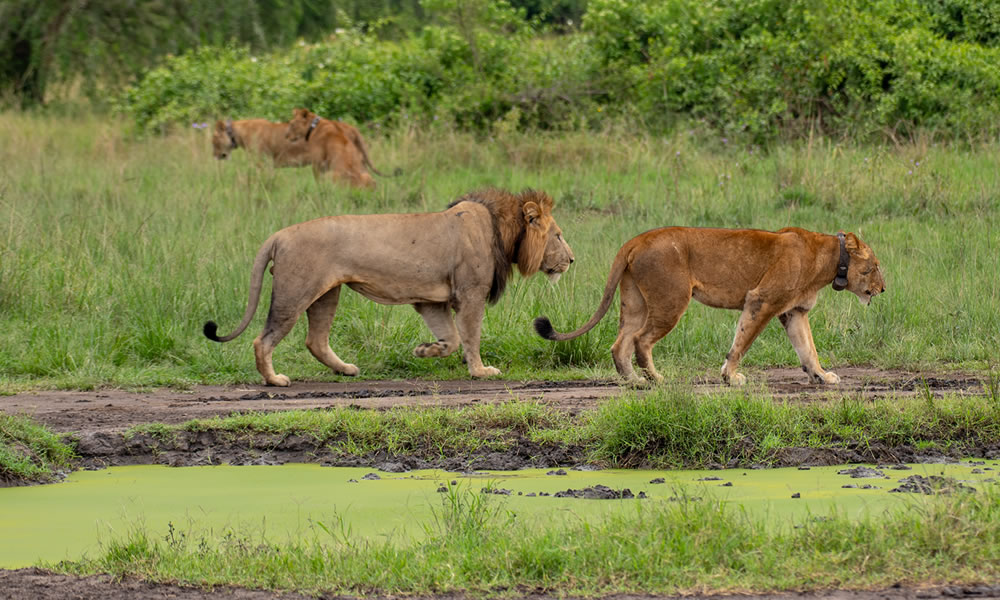
Akagera National Park is Rwanda’s only savannah reserve, spanning 1,122 square kilometers along the Tanzanian border. It is a premier destination for spotting the Big Five (lions, leopards, elephants, buffaloes, and rhinoceros) and is renowned for its vast wetland systems and over 520 bird species
4-days-akagera-safari-and-chimpanzee-tracking-rwanda-safari
4-days-volcanoes-national-park-and-akagera-rwanda-wildlife-safari
3-days-rwanda-safari-to-akagera-national-park-combined-with-lake-ihema-boat-cruise
3-day-africa-big-five-safari-in-akagera-national-park-with-kigali-city-tour
3-days-safari-in-rwanda-akagera-national-park-game-drive-and-lake-ihema-boat-trip
4-days-akagera-safari-and-chimpanzee-tracking-rwanda-safari
4-days-volcanoes-national-park-and-akagera-rwanda-wildlife-safari
9-days-rwanda-gorilla-trekking-and-adventure-activities-and-relaxation
6-days-rwanda-safari-to-akagera-and-nyungwe-chimpanzee-tracking
1. Game Drives
Game drives provide the quintessential African safari experience across Akagera's undulating terrains. Traversing the park from the southern acacia woodlands to the vast, open northern savannah plains exposes you to distinct ecological zones. During daytime drives, standard safari vehicles navigate well-maintained tracks, bringing you within close viewing distance of the Big Five: lions, leopards, rhinos, elephants, and buffaloes. You will also see herds of giraffes, zebras, and numerous antelope species like the impala, topis, and the massive eland.
When the sun dips below the horizon, the wilderness transforms completely. Night game drives, conducted by specialized spotters equipped with powerful, filtered spotlights, unlock a secretive nocturnal world. This is your best opportunity to observe predators actively on the hunt. Elusive leopards utilize the cover of darkness to stalk prey, while clans of spotted hyenas can be heard calling across the plains. Other nocturnal creatures, including genets, civets, bushbabies, and wide-eyed nightjars, frequently make appearances, providing a stark contrast to the daytime wildlife dynamics.
2. Boat Safaris
A boat safari along the tranquil waters of Lake Ihema introduces an entirely different vantage point to the park’s wilderness. Lake Ihema is Rwanda's second-largest lake, and drifting along its fringes brings you face-to-face with an exceptionally high concentration of aquatic life. As the boat glides past dense papyrus swamps, you will encounter massive pods of hippos submerged in the shallows, grunting and displaying their immense jaws. Along the muddy banks, enormous Nile crocodiles bask quietly in the sun, slipping effortlessly into the water as the vessel draws near.
The water-to-land perspective allows for intimate, non-intrusive wildlife viewing. Large mammals like elephants, buffaloes, and waterbucks frequently head down to the shoreline to drink and bathe during the heat of the afternoon. The boat's slow pace is ideal for photography, providing steady angles of animals interacting naturally without the vibrations of a car engine. Watching the sunset cast a golden glow across the water while surrounded by prehistoric reptiles and mammals makes the boat cruise a peaceful yet thrilling highlight of any itinerary.
3. Birdwatching
With over 500 recorded species packed into its diverse habitats, Akagera is a premier destination for birding enthusiasts. The park’s unique geographical position marks the convergence of western savannah and eastern wetland birding routes, resulting in a staggering variety of avian life. The ultimate prize for any birder visiting the region is a sighting of the prehistoric-looking shoebill stork. This rare, solitary bird is known for its massive, clog-shaped bill and can occasionally be spotted hunting patiently among the thick, floating papyrus reed beds.
Beyond the shoebill, the lake systems and marshes shelter sought-after papyrus endemics, such as the papyrus gonolek and the white-winged swamp warbler. Raptors dominate the skies, with the distinctive cry of the African fish eagle serving as the soundtrack to the wetlands. As you move inland away from the water, the acacia woodlands and grasslands present a colorful array of sunbirds, weavers, starlings, and the striking southern ground hornbill. The migratory season brings further variety, filling the park with thousands of palearctic migrants traveling down the Nile Valley.
4. Walking Safaris
For those looking to step out from behind the glass of a vehicle, a guided walking safari offers an unparalleled, multi-sensory connection to the African bush. Accompanied by a highly trained, armed park ranger, you explore designated tracks on foot, instantly changing your relationship with the environment. Without the hum of a motor, your senses are heightened: you smell the sweet scent of wild herbs, hear the warning calls of birds echoing through the canopy, and feel the dry earth beneath your boots.
Walking safaris focus heavily on the intricacies of the ecosystem that are easily missed from a vehicle. Your guide will teach you how to read the landscape, pointing out the fresh tracks of an aardvark, explaining the complex architecture of a termite mound, and identifying various flora used in traditional medicine. While you may still cross paths with larger mammals like zebras or waterbucks at a safe, respectful distance, the true magic lies in tracking smaller wildlife, learning the survival strategies of insects, and experiencing the raw, untamed scale of the wilderness on equal terms.
Where is Akagera National Park, and how far is the drive from Kigali?
Akagera National Park is positioned in the northeastern corner of Rwanda, tracing the national border with Tanzania. Geographically, it protects a vast network of wetlands, savannahs, and low mountains along the Akagera River system. The drive from the capital city of Kigali to the park's southern entrance gate in the Kayonza district spans approximately 110 kilometers. Under typical road and traffic conditions, this journey takes about 2.5 to 3 hours to navigate.
The initial leg of the trip winds through the beautifully terraced, paved highways characteristic of Rwanda's countryside, passing through rural towns and agricultural landscapes. As you approach the park, the tarmac transitions to well-maintained dirt roads that lead directly to the main reception area at Rwinkwavu. While the southern gate is the designated point for entry and registering your vehicles, the far northern gate in the Nyagatare district is strictly reserved for exiting the park. This one-way transit design ensures a logical, scenic flow for multi-day itineraries, allowing travelers to enter in the south, game-drive through the interior, and exit efficiently from the north.
When is the best time of year for a game drive in the park?
The optimal periods for embarking on a game drive in Akagera correspond with the region’s distinct dry seasons: the long dry season from June to September and the shorter dry season from December to February. During these dry months, the park's dynamic ecosystem alters in ways that heavily favor wildlife viewing. The dense grasses and thick bushveld that flourish during the rains begin to dry out and recede, significantly opening up the landscape. This sparse vegetation vastly increases visibility, allowing safari-goers to spot animals that would otherwise remain hidden in the thickets.
Crucially, water sources across the plains dry up, forcing wildlife to abandon the interior bush and congregate along predictable perennial water bodies. Animals line the banks of the remaining lakes, particularly Lake Ihema and Lake Rwanyakazinga, creating reliable hubs for wildlife activity. Driving conditions are also much smoother during these months, as the dirt tracks remain firm, eliminating the risk of getting stuck in thick clay mud. While the dry seasons offer premium game viewing, the wet seasons (March to May and October to November) offer emerald-green scenery and are favored by avian enthusiasts for migratory bird watching.
Can I see the Big Five on an Akagera safari?
Yes, Akagera National Park proudly boasts the presence of all legendary "Big Five" species: lions, leopards, African bush elephants, black rhinoceroses, and Cape buffaloes. This distinction makes Akagera unique as Rwanda's sole savannah safari destination where visitors can witness these iconic animals. The presence of the Big Five is a massive conservation victory, as historical poaching, human encroachment, and civil conflict in the late twentieth century had completely wiped out the park's lions and rhinos, leaving the ecosystem fragmented.
While all five species are present, the ease of spotting them varies. Cape buffaloes and elephants are highly visible and frequently encountered in large herds throughout the central and northern plains. Lions, now thriving in healthy prides, are regularly tracked around the open savannahs of the north. The eastern black and southern white rhinos tend to be more reclusive, opting for the dense woodlands and valleys, requiring patience and a skilled guide to find. Leopards retain their characteristically elusive nature, meaning encounters with them are highly prized and most frequently achieved during early morning drives or dedicated night safaris.
Which specific species have been successfully reintroduced to the park?
The transformation of Akagera into a thriving ecosystem is largely credited to a historic management partnership formed in 2010 between the Rwanda Development Board and African Parks, a non-profit conservation organization. Under this collaborative framework, intensive anti-poaching measures were deployed, paving the way for monumental wildlife reintroductions. The first major milestone occurred in 2015, when seven lions—consisting of five females and two males—were translocated from South Africa, marking the return of top predators to the park after a devastating twenty-year absence.
Building on the success of the lion pride's growth, the park executed another massive reintroduction in 2017 by translocating 18 critically endangered eastern black rhinoceroses from South Africa. This was followed by a subsequent translocation of five more black rhinos from European zoos in 2019 to maximize genetic diversity. More recently, in late 2021, 30 southern white rhinoceroses were introduced to Akagera’s northern plains to expand their global range. Today, these reintroduced populations have adapted beautifully, establishing stable territories and breeding successfully, proving that deliberate ecological restoration can reverse decades of habitat degradation.
What aquatic wildlife can be spotted on a Lake Ihema boat safari?
Lake Ihema, resting quietly along the southern edge of Akagera National Park, is Rwanda's second-largest lake and a vital sanctuary for specialized aquatic and semi-aquatic wildlife. Drifting along its calm waters on a guided boat safari brings you in close proximity to one of East Africa’s highest concentrations of hippopotamuses. These massive, social mammals spend their days submerged in the cool shallows to protect their sensitive skin from the tropical sun, frequently grunting, blowing water, and displaying territorial yawns as boats pass safely by.
Sharing these dynamic waters are enormous Nile crocodiles, some of which grow to impressive, prehistoric sizes. They are commonly observed basking motionless on the muddy shorelines or gliding silently below the water's surface with only their eyes and nostrils exposed. Beyond these dominant reptiles and mammals, the lake's fringing wetlands support secretive sitatunga antelopes, which possess splayed hooves adapted for walking on floating vegetation. The water’s edge is also alive with smaller creatures like Nile monitors, otters, and a spectacular array of waterbirds, all relying on the fish-rich lake for survival.
Are guided night drives available in Akagera?
Yes, guided night drives are highly popular and readily available for visitors looking to unlock a side of the wilderness completely hidden during the day. Operating for roughly 2.5 hours, these excursions begin just as twilight fades into complete darkness. Night drives are strictly managed and must be conducted in the park's official safari vehicles, which are outfitted with powerful, handheld spotlights. These lights catch the reflective tapetum lucidum layer in animals' eyes, allowing experienced trackers to pinpoint eyeshine glowing in the dark bushveld.
The night drive focuses heavily on tracking reclusive nocturnal predators that lie dormant during daylight hours. This is your premium window of opportunity to view leopards actively patrolling their territories or climbing trees with prey. Smaller carnivores like serval cats, side-striped jackals, large-spotted genets, and white-tailed mongooses are regularly sighted darting through the undergrowth. Looking upward into the acacia branches often reveals wide-eyed bushbabies jumping gracefully between limbs, alongside hunting nightjars and owls. The thrill of hearing a distant lion roar or observing a spotted hyena on the move makes the night safari an unforgettable addition.
How many bird species are recorded in the park, and where can I find the Shoebill Stork?
Akagera National Park is globally recognized as an Important Bird Area (IBA), boasting an incredible checklist of over 500 distinct bird species. This remarkable avian density is driven by the park’s diverse geography, where rolling savannah hills seamlessly merge into an expansive network of wetlands, lakes, and papyrus marshes. The park acts as a vital sanctuary for both resident specialists and palearctic migrants traveling the Nile Valley flyway, making it a dream destination for keen birders who want to cross rare species off their lists.
The crowning jewel of Akagera’s bird life is the highly sought-after, prehistoric shoebill stork. Known for its massive, wooden, clog-shaped bill and intense golden stare, this solitary bird is a master of camouflage. To find the shoebill, birders must venture into the dense, flooded papyrus swamps that choke the edges of the park's lake systems. The most reliable method for a sighting is booking a private boat safari on Lake Ihema or exploring the marsh channels toward the north. With patience, you can observe this large bird standing completely motionless for hours as it waits to ambush lungfish in the shallows.
What are the rules for guided nature walks and sport fishing?
To maintain absolute visitor safety and preserve ecological integrity, Akagera National Park enforces strict operational guidelines for its specialized activities. Guided nature walks allow visitors to explore the wilderness on foot, but they are forbidden as independent self-guided treks. Walkers must always be accompanied by an official, armed park ranger who knows the local animal paths and wind directions. These walks are typically confined to the fenced "Walk the Line" route along the park boundary or specific safe zones in the south, focusing primarily on birding, tracking insects, and analyzing animal tracks.
Sport fishing is another regulated activity, operating exclusively on the shores of Lake Shakani in the southern sector. To participate, anglers must obtain a designated fishing permit from the park authorities and are required to bring their own rods, reels, and tackle. The fishing operates primarily on a catch-and-release framework to prevent the overexploitation of fish stocks, though guests are occasionally permitted to keep a single catch to cook over a bush campfire. This activity offers a wonderfully relaxed experience, allowing you to cast for tilapia and catfish while listening to hippos wallowing nearby.
What are the accommodation options within or bordering the park?
Akagera National Park offers a well-rounded tier of accommodation options designed to fit various travel budgets, neatly split between luxury, mid-range, and rustic camping. For an ultra-exclusive experience, Wilderness Magashi Camp sits in the park's private northern concession. Overlooking Lake Rwanyakazinga, Magashi features six luxurious, eco-conscious canvas tented suites, a swimming pool, and private access to pristine game-viewing zones. Another high-end option is Ruzizi Tented Camp, an intimate, eco-friendly luxury lodge tucked into the riverine forests of Lake Ihema in the south, linked by wooden walkways.
In the mid-range category, Mantis Akagera Game Lodge stands on a high ridge near the southern gate, offering traditional hotel-style rooms, a large swimming pool, and sweeping panoramic views over Lake Ihema. For budget-conscious travelers or adventure purists, the park operates three scenic, designated bush campsites: Shakani, Mutamba, and Mihindi. These rustic sites offer basic long-drop toilets, bucket showers, and firewood, providing the raw, unforgettable experience of sleeping under the stars while listening to the distant roars of lions and chuckles of hyenas echoing across the savannah plains.
Do I need to pay park entry fees, and can I hire a local guide?
Yes, entry fees are mandatory for all visitors entering Akagera National Park. The fee structure is organized by residency status, distinguishing between international tourists, African nationals from outside the region, East African Community (EAC) residents, and Rwandan citizens. Uniquely, Akagera operates on a per-night tariff system rather than a strict 24-hour clock. This progressive fee structure slashes entry costs by 50% on your second and third nights, and waives the entry fee entirely from the fourth night up to a full week, incentivizing longer, more immersive stays.
Hiring a local guide is highly recommended and easily arranged at the primary park reception gate in Rwinkwavu. You can hire highly qualified park guides or community freelance guides for either a half-day or a full-day excursion. These professionals step directly into your vehicle to navigate the labyrinth of dirt tracks. Their expert eyes are invaluable for spotting camouflaged wildlife, and they maintain constant radio contact with other drivers to share live updates on lion or leopard sightings. If you do not have an appropriate 4x4 vehicle, fully equipped safari vehicles can also be rented directly at reception.
Booking Rwanda wildlife safaris in AKagera with us Roads of Adventure safaris
Booking an Akagera wildlife safari with Roads of Adventure Safaris allows you to experience Rwanda's diverse "Big Five" ecosystems. Typical 2 to 3-day itineraries include 4x4 game drives and Lake Ihema boat cruises. The drive from Kigali to the park's southern gate takes about 2.5 hours
