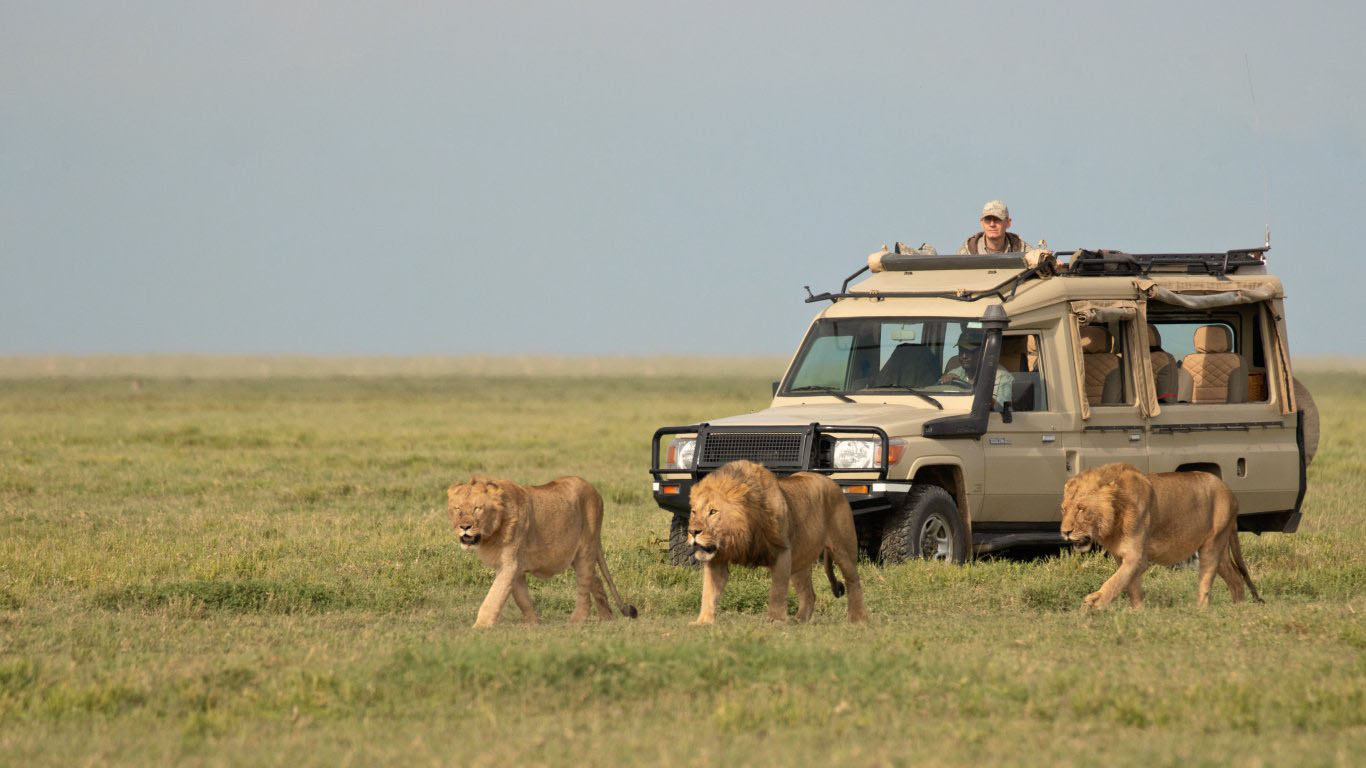
An 8-day budget Kenya safari typically costs around $1,200 to $2,400+ per person, depending on group size, season, and inclusions, averaging roughly $150-$300 per day for basic camping/lodges, shared transport (vans), park fees, and meals, with lower costs for larger groups and shoulder seasons, and higher for peak times like the Great Migration. Expect costs to cover basic lodging, park fees ($50-100/day), food, and transport, with extras like tips and flights adding to the total.
8-day-best-kenya-tanzania-safari-vacation
8-days-budget-kenya-tanzania-safari-with-serval-wildlife-and-zanzibar-beach-holiday
8-days-affordable-budget-kenya-safari
8-days-masai-mara-lake-nakuru-amboseli-tsavo-west-taita-sanctuary-tsavo-east-kenya-wildlife-safari
8-days-ol-pejeta-lake-nakuru-masai-mara-lake-naivasha-and-amboseli
8-days-kenya-photography-safari-expedition
8-days-honeymoon-kenya-safari-tour-bush-to-beach-vacation
8-days-masai-mara-lake-nakuru-amboseli-and-mombasa-beach-holidays
8-days-honeymoon-kenya-tanzania-safari-and-optional-hot-air-balloon-safari-for-couples
8-day-africa-safari-tour-to-masai-mara-safari-tour-serengeti-ngorongoro
8-days-samburu-special-five-ol-pejeta-and-masai-mara-safari-tour
8 Days budget Kenya safari holiday
An 8 Days budget Kenya safari holiday offers an incredible opportunity to explore some of the country’s most mesmerizing parks and encounter diverse wildlife. Start your adventure in Nairobi, the vibrant capital, before heading to Amboseli National Park, renowned for its dense elephant herds and the majestic sight of Mount Kilimanjaro. You'll have the chance to see iconic animals such as lions, leopards, cheetahs, hippos, zebras, giraffes, rhinos, wildebeests, and a variety of bird species including flamingos. Continuing to Lake Naivasha, you can enjoy relaxing activities like boat rides and birdwatching. As you make your way to Lake Nakuru, expect to spot thousands of flamingos lining the shores, along with rhinos and other wildlife. The highlight of your safari will undoubtedly be in the Masai Mara, where you’ll search for the all-important Big Five. Along the way, you may also visit Maasai villages, gaining insight into their cultural heritage. This budget-friendly itinerary balances wildlife watching and cultural interactions, providing a rich understanding of Kenya's natural beauty.
Day 1: Arrival in Nairobi
Upon arrival at Jomo Kenyatta International Airport, you will be greeted by your guide who will assist you with luggage and ensure a smooth transfer to a budget-friendly hotel in Nairobi. After settling in, take some time to relax and acclimate to your new surroundings. You may want to explore nearby attractions like the David Sheldrick Wildlife Trust or the Giraffe Centre if time permits. Enjoy a local dinner to sample Kenyan cuisine; dishes like ugali and nyama choma are popular. Ensure to prepare for your safari adventure ahead. Your guide will provide an overview of the itinerary and details about the wildlife you may encounter, including elephants, lions, and various bird species. An early start the next day will set the tone for your adventure, as you head toward Amboseli National Park, famous for its elephant populations. This vibrant city offers a glimpse into Kenya’s rich culture and biodiversity, making it an exciting start to your safari holiday.
Day 2: Nairobi to Amboseli National Park
On Day 2, you will drive to Amboseli National Park, which takes approximately four to five hours, depending on traffic and road conditions. Along the way, enjoy the changing scenery as you transition from urban settings to rural landscapes filled with acacia trees and small farms. Upon arrival, settle into your accommodation and prepare for an afternoon game drive. Amboseli is known for its large elephant herds and the breathtaking view of Mount Kilimanjaro. Your guide will take you through the park where you can observe not only elephants but also lions, cheetahs, zebras, and giraffes in their natural habitat. The afternoon light provides excellent opportunities for photography as wildlife becomes more active. As you drive through the park, keep your eyes peeled for various bird species such as flamingos and ostriches waddling around. Upon returning to the lodge, enjoy dinner and reflect on the incredible wildlife you encountered during your first day in Amboseli.
Day 3: Full Day Amboseli
Day 3 is dedicated to exploring Amboseli National Park more thoroughly with both morning and afternoon game drives. The early morning is the best time to spot wildlife as animals are more active, and the temperatures are cooler. Look for herds of elephants grazing quietly, along with predators like lions and cheetahs lurking nearby. Your guide will share insights about the habits and behaviors of the animals you observe. With nearly 400 species of birds, you may also see pelicans, storks, and other unique avian life throughout the park. As the sun rises higher, take a break for lunch at your lodge and enjoy stunning views of Kilimanjaro. In the afternoon, head back into the park for further wildlife watching. You might encounter buffalo, wildebeest, and more elephants during your explorations. Conclude the day with a return to the lodge, where you can unwind and share stories with fellow travelers about the remarkable animals spotted throughout the day.
Day 4: Amboseli to Lake Naivasha/Nakuru
On Day 4, you'll travel to Lake Naivasha, which will take approximately four to five hours by road. The drive will take you through the Great Rift Valley, an area known for its scenic beauty and rich biodiversity. Upon arrival, you will have options based on your interest; you can choose to enjoy a boat ride on Lake Naivasha or visit Lake Nakuru for birdwatching. If you opt for Lake Naivasha, look for hippos resting in the water and various bird species, including herons and cormorants. If you head to Lake Nakuru, prepare to be greeted by thousands of flamingos lining the shores, along with rhinos and other wildlife. Each option offers unique wildlife encounters that are sure to enhance your safari holiday. After a day of exploring, you will check in to your accommodation, where dinner and a chance to relax await. Reflecting on the day’s adventures will make you appreciate the diversity of wildlife in this stunning region.
Day 5: Lake Nakuru to Masai Mara
Day 5 marks the departure from Lake Nakuru as you head to the acclaimed Masai Mara. This drive will take approximately five to six hours. Before leaving, utilize the morning to explore Lake Nakuru further; you might see rhinos and a variety of birds like pelicans and warblers. Afterward, you’ll make your way to the Masai Mara, often considered one of Africa's most incredible wildlife reserves. Upon arrival, check into your accommodations and prepare for an afternoon game drive. The Masai Mara is renowned for its rich populations of wildlife, including the coveted Big Five: lions, leopards, elephants, buffalos, and rhinos. As you traverse the park, keep an eye out for herds of wildebeest and graceful gazelles. Your guide will help identify various species and inform you about their behaviors. After an exciting day in the wild, return to your lodge for dinner and relaxation while listening to the sounds of the Mara.
Day 6: Full Day Masai Mara
Day 6 is dedicated to a full day in the Masai Mara, giving you ample time to search for various wildlife species. Start with a morning game drive to catch the animals at their most active. You’ll look for lions resting on the savannah grass, leopards hiding in trees, and elephants roaming in family groups. The diverse landscape provides opportunities to observe many animals engaged in their daily activities. After a hearty lunch at your lodge, head out for another thrilling game drive in the afternoon. You may spot buffaloes grazing nearby and herds of wildebeest moving across the plains. The Mara is also home to numerous bird species, including the African fish eagle and the secretary bird. As the sun sets, return to your lodge to wind down and share stories with other travelers about your memorable sightings throughout the day. This immersive exploration of the Masai Mara is sure to be a highlight of your safari holiday.
Day 7: Masai Mara & Maasai Culture
On Day 7, enjoy a morning game drive in the Masai Mara before delving into the local Maasai culture in the afternoon. The early start allows you to take advantage of the cooler temperatures, providing a chance to see animals like lions, cheetahs, and hippos as they begin their day. After an exhilarating game drive, return for lunch at your lodge. In the afternoon, you may visit a local Maasai village, where you can interact with community members and learn about their traditions and way of life. Observe traditional dances and crafts, providing insight into their vibrant culture. This cultural encounter will enrich your understanding of the Maasai people and their close relationship with the surrounding wildlife. After your visit, return to the lodge for dinner and rest, reflecting on the beautiful balance between wildlife and human culture you’ve witnessed in the Mara.
Day 8: Masai Mara to Nairobi & Departure
On your final day, get ready for an early morning game drive in the Masai Mara, maximizing your chances to see any wildlife that you may have missed. Keep an eye out for lions and cheetahs as they become active in the cooler morning temperatures. After your game drive, return to the lodge for breakfast, then check out and begin your transfer back to Nairobi. The drive back will take approximately five to six hours. Upon arrival in Nairobi, you may have a chance to explore the city or do some last-minute shopping for souvenirs before heading to Jomo Kenyatta International Airport for your departure flight. As you reflect on your 8 Days budget Kenya safari holiday, you'll carry home memories filled with extraordinary wildlife encounters and cultural insights that will last a lifetime. This adventure has not only introduced you to Kenya’s wildlife but also offered a glimpse into its rich traditions and warm hospitality.
10 Costs of 8 Days budget Kenya safari holiday
1. Accommodation (Budget)
When planning your budget safari, accommodations will significantly impact your overall costs. Basic lodges and tented camps typically range from $30 to $100 per night and vary based on location and amenities. In areas like Masai Mara and Amboseli, prices might be on the higher end due to their popularity and the demand for accommodations close to wildlife viewing spots. While budget options may not offer luxury, they can provide essential comforts such as clean facilities and basic meals. Staying in a tented camp can provide a more immersive experience, where the sounds of nature surround you at night. Choosing accommodations that include meals can also save you additional expenses, making your budget stretch further. Alternatively, consider guesthouses in towns that offer lower rates but require transportation to parks. Be sure to research reviews and amenities to ensure a good experience. Balancing cost and comfort is crucial in enhancing your overall safari experience without overspending. Remember that the focus during your safari is primarily on wildlife viewing, so while a comfortable place to rest is necessary, the adventure lies outside your lodge or tent.
2. Park Entrance Fees
Park entrance fees are a crucial part of budgeting for your safari, as they vary widely depending on the park you visit. Fees can range from $50 to over $100 per person per day, influenced by the popularity and conservation need of each location. For instance, the Masai Mara, a prime wildlife destination, may charge higher entrance fees compared to lesser-known parks. These fees contribute to park maintenance, wildlife protection, and local community development, making your visit beneficial beyond just your experience. It’s important to factor in these costs as they can quickly add up, especially for multi-day visits. Some parks allow discounts for children or residents, so inquire about possible savings. Always verify current rates as they are subject to change. In addition to entrance fees, some parks may have extra charges for activities like night drives or guided walks, which can enrich your wildlife experience. Planning ahead and budgeting appropriately for park fees will help ensure that you can fully enjoy the unique wildlife encounters and landscapes each park offers without financial strain.
3. Transportation
When budgeting for your safari, transportation is another essential element. Expect to spend around $100 to $200 per day on shared safari van or minibus rentals, depending on group size and distance traveled. This expense typically includes the vehicle's rental and the driver, who is knowledgeable about the parks and can enhance your safari experience with insights about the wildlife and landscapes. Ensure that you choose a vehicle equipped for game drives, which generally includes a pop-up roof or large windows for better visibility. If you’re traveling alone or in a small group, consider joining a larger tour to share transport costs, which can lead to substantial savings. Additionally, the choice between joining a tour and self-driving can influence costs; while self-driving provides flexibility, it may lack the safety and expertise a guided tour offers. It's wise to confirm what is included in your transportation costs—fuel, driver’s accommodation, and insurance may or may not be covered. Proper planning can help you maximize your transportation budget while ensuring comfort and safety throughout your safari.
4. Food & Drink
Food and drink expenses on your budget safari typically range from $10 to $30 per day. Meal options can vary significantly depending on where you stay and what meals are provided. Many budget lodges and camps offer meal packages, including breakfast, lunch, and dinner, which can help you control your expenses. If meals are not included, be prepared to explore local dining options, which may offer authentic Kenyan cuisine at budget-friendly prices. Eating at local restaurants can be both economical and an opportunity to taste traditional dishes, such as ugali and nyama choma. Additionally, keep in mind the costs of bottled water, which is essential for staying hydrated, especially during game drives. Some lodges may charge higher prices for drinks and snacks, so it's wise to factor in additional funds for these purchases. Consider purchasing snacks and drinks from local shops before heading out to parks. Planning your meals carefully will help ensure you stay within budget while enjoying delicious food and beverages throughout your safari.
5. Safari Guide/Driver
While your safari package often includes a guide or driver, it's important to consider additional costs for tips and gratuities. Safari guides are typically skilled wildlife experts who enhance your experience with their knowledge and insights about the animals and landscapes you encounter. While the initial cost of the guide may be part of your package, it is customary to tip them for their service, which is a meaningful way to express gratitude for their hard work and expertise. Most people recommend tipping between 10% to 15% of the total cost of your safari package, though you can adjust this based on your satisfaction with the service. Remember that cooks and support staff may also deserve tips for their contributions to your experience. Budgeting for these gratuities is essential to fully appreciate the services provided during your trip. Tipping not only supports the livelihoods of guides and staff but also fosters a positive relationship between tourists and the local communities, making your safari experience more fulfilling.
6. International Flights
International flights can vary widely in cost, typically ranging from $600 to over $1,500. The price will depend on factors such as the time of year, how far in advance you book, and the airline. It is advisable to book your flights several months in advance to secure the best rates. Consider using flight comparison websites to review options and determine the most economical choices. Keep an eye out for deals and special offers, particularly during the offseason when travel prices might be lower. Additionally, some travelers may prefer nearby airports, which could help reduce costs. Always check if your airline offers flexible booking options in case your travel plans change. While international flights are a significant portion of your safari budget, they can be a worthwhile investment, as they transport you to an incredible adventure filled with unforgettable wildlife encounters. Proper planning and early booking can significantly benefit your overall budget, allowing you to experience the wonders of Kenya and the surrounding regions fully.
7. Visa Fees
Visa fees are an important consideration when planning your budget safari. Typically, visas for Kenya range from $50 to $100, depending on your nationality and the type of visa you require. Most travelers will need an eVisa, which can be applied for online before your trip. It’s advisable to check the current visa regulations for your country as they can change. Additionally, processing times can vary, so it’s best to apply in advance. Be aware of any extra charges for expedited processing, if necessary. Some travelers may also want to consider visas for neighboring countries if they plan a cross-border itinerary. Budgeting for visa fees is crucial, as failing to account for these costs can lead to unexpected expenses. Ensure that all necessary documents are in order prior to traveling to avoid any complications upon arrival. Overall, understanding visa requirements well ahead of time will help keep your budget aligned and make your entry into Kenya smooth and hassle-free.
8. Travel Insurance
Travel insurance is an essential aspect of safeguarding your budget safari, and costs can vary widely based on coverage. If something goes wrong, such as a medical emergency, trip cancellation, or lost luggage, insurance can save you substantial expenses and heartache. Basic policies may start around $50, while more comprehensive coverage could be significantly higher, depending on the extent of coverage desired. When choosing a policy, consider factors such as medical coverage, coverage for cancellations or interruptions, and coverage for any adventure sports you might engage in. Some companies may also offer specific policies tailored for safari travelers, which can include evacuation services. Always read the fine print to understand what is covered and any exclusions. Additionally, think about how long your policy will last, especially if you plan to extend your stay or explore other countries. Investing in travel insurance can provide peace of mind, enabling you to enjoy your safari without worrying about unexpected events that could impact your budget.
9. Tips & Gratuities
When planning your budget safari, don’t overlook the importance of budgeting for tips and gratuities. These are essential aspects of safari culture, ensuring guides, cooks, and support staff are adequately compensated for their hard work. It's customary to tip your safari guide about $10 to $15 per day, depending on the quality of service you receive. Additionally, if you have a cook or other support staff accompanying you, consider tipping them as well. For group tours, a communal tipping fund may also be arranged, making it easier to manage. While tipping practices can vary, expressing appreciation for good service is vital in local customs. Always factor in these costs into your overall budget planning to avoid last-minute surprises. Tipping positively impacts local economies and fosters goodwill between travelers and service providers. Set aside a portion of your travel funds for these gratuities, ensuring you can fully enjoy your safari while supporting those who enhance your experience.
10. Optional Activities
Optional activities can enhance your budget safari and add unique experiences to your trip. Costs for these activities can vary widely, from visiting Maasai villages for around $10 to indulging in a hot air balloon safari, which can cost upwards of $420. While not essential, these activities often offer deeper insights into local culture and wildlife. Travelers may opt for boat rides on lakes, birdwatching tours, or guided nature walks. Each option provides opportunities to engage more closely with the environment and enjoy moments that might not be available during standard game drives. When planning your budget, consider which optional activities you are most interested in and allocate funds accordingly. It’s wise to book some activities in advance, especially during peak tourist seasons when spots may fill up quickly. While it’s essential to stick to your budget, including a few optional activities can help create lasting memories and a richer adventure throughout your safari holiday."
10 ways to lower costs on 8 Days budget Kenya safari holiday
1. Choose Budget Accommodations
Opt for budget-friendly lodges or tented camps that offer basic amenities without compromising comfort. Research and compare options to find accommodations that include meals. Booking in advance can often get you discounts, especially during the off-peak season. Staying just outside of national parks can also yield significant savings while still providing easy access to wildlife viewing.
2. Travel During Off-Peak Seasons
Consider planning your safari during the shoulder or off-peak seasons when prices for accommodations and park fees are generally lower. Fewer tourists mean better deals on lodging and transportation. Additionally, wildlife is still abundant, and you may have less crowded experiences, allowing for a more intimate connection with nature.
3. Share Transportation Costs
When booking your safari, look for group tours that allow you to share transportation costs. Traveling in a shared safari van or minibus can significantly reduce expenses compared to private transfers. Check websites or forums for other travelers looking to join a group to split the costs, enhancing both savings and social interactions.
4. Self-Cater for Meals
Where possible, consider self-catering to save on food and drink expenses. Staying in accommodations with kitchen facilities allows you to prepare your meals, which can be much cheaper than dining out. Visit local markets for fresh ingredients and make traditional Kenyan dishes, enhancing your travel experience while staying within budget.
5. Pre-Purchase Park Fees
Some parks offer discounts for advance bookings of entrance fees. Research parks in advance to find out if you can pay online or ahead of time, which can also save you time and money upon arrival. Being organized in your planning allows you to allocate more funds toward activities and experiences rather than entrance fees.
6. Limit Optional Activities
While optional activities can enhance your trip, they can also increase costs significantly. To keep your budget in check, prioritize just a few activities that genuinely interest you. Research each option thoroughly to determine which provide the best experience for the cost. Choosing one or two over multiple activities will still allow for memorable experiences without overspending.
7. Use Local Tour Companies
Opt for local tour companies rather than international agencies, as they often provide better rates and personalized service. Local operators may also have special deals or packages that cater specifically to budget travelers. Always check reviews and credentials to ensure the company is reputable and reliable, allowing you to enjoy the best value for your trip.
8. Invest in Travel Insurance
While this may seem like an additional cost, investing in travel insurance can save you money in the long run. This insurance covers unexpected events like cancellations, medical emergencies, or lost luggage, mitigating potentially significant financial losses. Make sure to shop around for an affordable policy that matches your travel needs.
9. Pack Wisely
Avoid unnecessary expenses by packing appropriately for your safari. Bring essentials like a refillable water bottle, snacks, and a first aid kit to prevent having to purchase them at inflated prices during your travels. Binoculars and a good camera will help you maximize your wildlife viewing experience, ensuring you capture memorable moments without resorting to expensive rentals.
10. Be mindful of Tips
While tipping is customary, be conscious of how much you allocate for tips. Research standard tipping practices for guides, drivers, and support staff, and set aside a realistic budget. Choose to tip based on service quality—this allows you to stay within budget while still showing appreciation for good service. Remember, even small amounts can mean a lot to local workers.
Things to Do on an 8 Days Budget Kenya Safari Holiday
During your 8 Days budget Kenya safari holiday, a wealth of exciting activities awaits. Start with game drives in renowned national parks like Amboseli and Masai Mara, where you can spot the Big Five—lions, leopards, elephants, buffalos, and rhinos. Visit Lake Nakuru to see its famous flamingos and diverse bird species. Engage in cultural visits to local Maasai villages, offering insight into their traditions and lifestyle. Consider a boat ride on Lake Naivasha, where you may encounter hippos and a variety of birds. Optional activities like night drives or guided nature walks can also enhance your experience. Each day, you'll have the opportunity to connect with Kenya's wildlife and natural beauty, creating memories that will last a lifetime. Taking advantage of budget-friendly options ensures you can enjoy these activities without straining your finances.
Best Time for an 8 Days Budget Kenya Safari Holiday
The best time for your 8 Days budget Kenya safari holiday generally falls during the dry seasons from June to October. This period is ideal for wildlife viewing, as animals gather around limited water sources, making them easier to spot. July to September is especially popular for witnessing the Great Migration, when millions of wildebeest and zebras cross into the Masai Mara. Alternatively, consider going during the shorter rainy season from January to February for fewer crowds and newborn wildlife sightings. The long rainy season from March to May can make travel more difficult due to muddy roads, but it brings lush landscapes and vibrant flora. Each season offers unique wildlife interactions and photographic opportunities, allowing you to tailor your trip to your preferences. Planning your safari during these optimal times ensures better visibility of wildlife and enhances your overall experience.
Where to Stay on an 8 Days Budget Kenya Safari Holiday
On your 8 Days budget Kenya safari holiday, a variety of accommodation options are available to suit different budgets. You can choose from basic lodges and tented camps, typically ranging from $30 to $100 per night. Budget-friendly accommodations often provide essential amenities and the chance to experience the surrounding wildlife up close. Staying near national parks ensures easy access for daily game drives without adding significant travel time. Some lodges may offer meal packages, helping you save on food costs. Consider options just outside the park gates for lower rates while still being close to wildlife viewing opportunities. Research and read reviews to find accommodations that offer good value and comforting environments. Balancing cost and comfort is key, as your primary focus during the safari will be on experiencing Kenya's remarkable wildlife.
Booking 8 Days Budget Kenya Safari Holiday with Roads of Adventure Safaris
Booking your 8 Days budget Kenya safari holiday with Roads of Adventure Safaris guarantees a streamlined and memorable experience. Our dedicated team specializes in crafting personalized itineraries that cater to your interests, whether it's wildlife viewing, cultural experiences, or relaxation. From your initial inquiry, we facilitate every step, providing expert insights on travel times, accommodation choices, and must-see attractions. We prioritize responsible tourism and conservation, ensuring that your safari positively impacts local communities and wildlife protection. Our knowledgeable guides enrich your journey, offering valuable information about the flora and fauna you'll encounter. With Roads of Adventure Safaris, you can relax, knowing that all logistics—including transportation, park permits, and accommodations—are handled professionally. This allows you to fully immerse yourself in the adventure and create lasting memories while exploring the wonders of Kenya.
