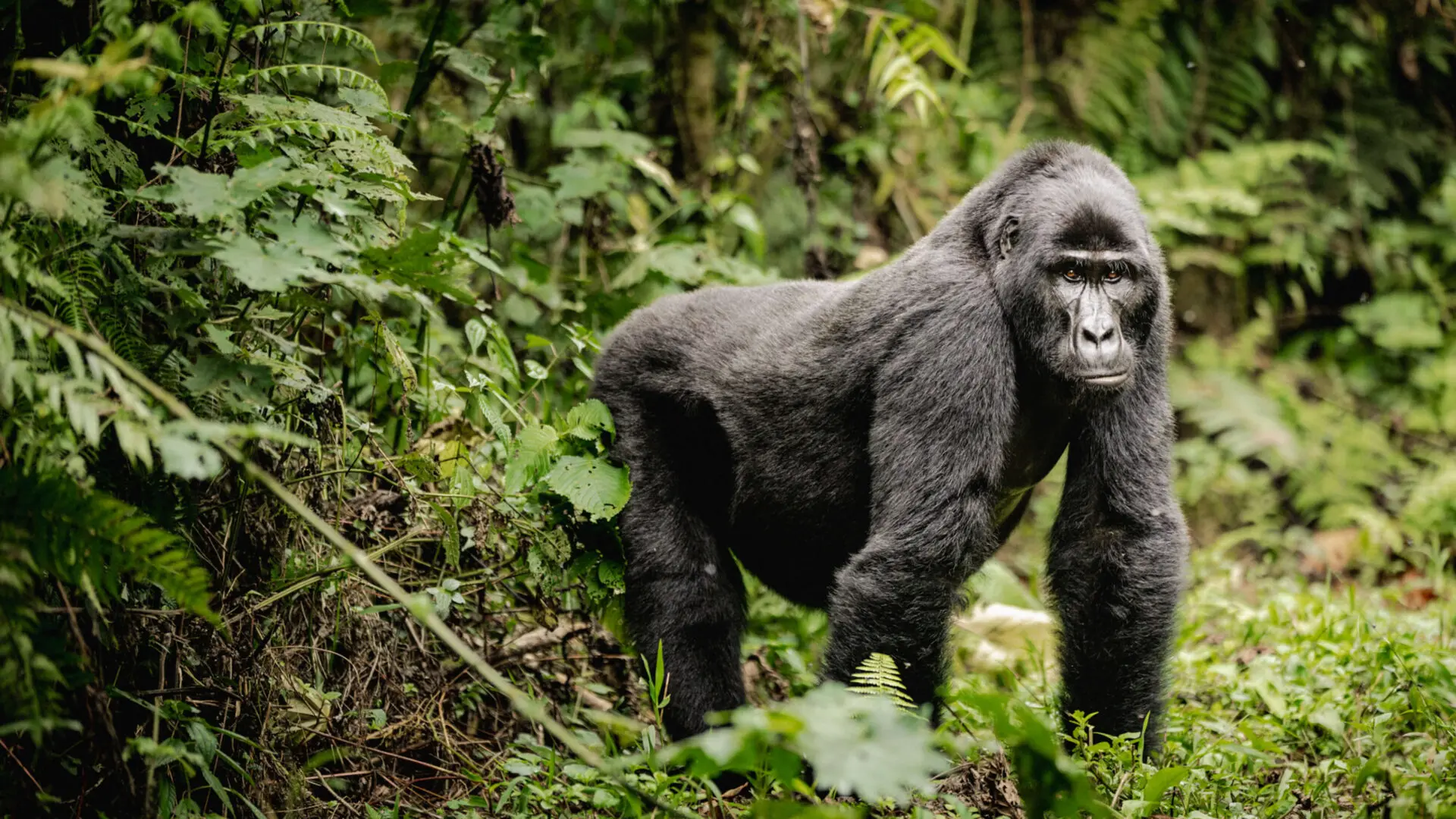
A 15-day gorilla and Uganda safari typically costs between $3,100 and $4,800 per person, depending on the level of accommodation and the number of travelers in the group. Budget options can start lower, while luxury trips will cost more. The cost usually includes permits, park fees, mid-range lodging, transportation, and guided activities, but typically excludes international flights, visas, and tips.
15 Days gorilla and Uganda safari tour packages
15-days-rwenzori-hiking-safari-and-mountain-gorilla-trekking-vacation
15-days-best-of-uganda-safari-kenya-and-tanzania-safari-in-africa
Breakdown of Costs for 15 Days Gorilla and Uganda Safaris
1. Gorilla Trekking Permit: $700
The Gorilla Trekking Permit is a crucial component of the 15 Days Gorilla and Uganda Safaris experience, costing $700 per person for foreign non-residents. This permit allows you to embark on unforgettable treks to observe mountain gorillas in their natural habitat. The experience is not just about the trek; it's about connecting with these magnificent creatures and understanding their conservation. As part of the permit fee, you contribute to the protection and preservation of gorilla habitats, making your adventure impactful. Given the limited number of permits available daily, early booking is advisable to secure your spot. This investment is often considered the highlight of any safari in Uganda, providing memories that last a lifetime. The permit grants you access to designated parks, ensuring that your trek is both safe and responsible. Participating in a guided trek enhances the experience, as knowledgeable guides help you navigate the terrain and share insights about gorilla behavior. Thus, the Gorilla Trekking Permit is not only a ticket to see these incredible animals but also a commitment to their conservation, making it a vital part of your 15 Days Gorilla and Uganda Safaris.
2. Chimpanzee Trekking Permit: $200
Included in the adventure of 15 Days Gorilla and Uganda Safaris is the Chimpanzee Trekking Permit, priced at $200 per person when visiting Kibale National Park. This permit offers a unique opportunity to witness chimpanzees in their natural environment, providing insight into their behavior and social structures. Trekking through Kibale's lush forests, you'll not only encounter chimpanzees but also a variety of other wildlife, including birds and monkeys. The trek typically lasts a few hours, and guides play a crucial role in ensuring a safe and educational experience. They share fascinating facts about the ecosystem and the importance of chimpanzee conservation. Observing these primates up close adds another layer of excitement to your 15 Days Gorilla and Uganda Safaris, making it an essential addition to your itinerary. As with gorilla permits, early booking is essential, particularly during peak seasons. The revenue from these permits directly contributes to the conservation efforts in Kibale and supports local communities. Therefore, the Chimpanzee Trekking Permit is not just a cost but an investment in wildlife conservation and local economies during your unforgettable safari experience.
3. Park Entrance Fees: $40
When embarking on 15 Days Gorilla and Uganda Safaris, you will encounter various Park Entrance Fees, typically around $40 per person for each park visited, such as Murchison Falls or Queen Elizabeth National Park. These fees are crucial for the maintenance and preservation of Uganda’s stunning natural parks. They help fund conservation efforts, ensuring that the rich biodiversity of these areas is protected for future generations. Each park offers unique landscapes and wildlife experiences, from breathtaking waterfalls to diverse ecosystems. By paying the entrance fee, you contribute to the ongoing efforts to protect these invaluable habitats. It's essential to factor these costs into your overall budget when planning your safari. The fees grant you access to guided tours, where park rangers share valuable insights about the flora and fauna. Additionally, these fees support local economies, as they create jobs for park staff and guides. Overall, the Park Entrance Fees are a small price to pay for the privilege of exploring Uganda’s natural wonders during your 15 Days Gorilla and Uganda Safaris. They enhance your adventure by providing the opportunity to appreciate the beauty and diversity of Uganda's wildlife.
4. Mid-Range Accommodation: $150-$400
Accommodations play a vital role in shaping your experience during 15 Days Gorilla and Uganda Safaris. Mid-range accommodations typically range from $150 to $400 per night for a private tour for two people. This price range offers a balance between comfort and affordability, allowing you to enjoy quality service and amenities. Many mid-range lodges provide stunning views of the surrounding landscapes and easy access to national parks. They often include meals, which makes planning easier. Staying in such lodges enhances your safari experience, as they often feature local architecture and decor that reflect Ugandan culture. Many mid-range accommodations also offer guided tours and activities, which can enrich your journey. After a day of trekking or wildlife watching, returning to a comfortable lodge is a welcome relief. Additionally, mid-range options often provide opportunities to interact with other travelers, fostering a sense of community. Thus, choosing mid-range accommodation during your 15 Days Gorilla and Uganda Safaris ensures you balance comfort, adventure, and cultural immersion, making your experience truly memorable.
5. Luxury Accommodation: $200-$600
For those seeking an upscale experience, luxury accommodations during your 15 Days Gorilla and Uganda Safaris range from $200 to $600 per night or even higher for top-end lodges. These establishments provide unparalleled comfort, exquisite dining, and personalized service, making your safari experience even more extraordinary. Many luxury lodges are located in prime areas, offering stunning views and easy access to major attractions. They often include amenities such as private balconies, infinity pools, and spas, ensuring a relaxing retreat after a day of adventure. Dining at these lodges typically features gourmet meals made from local ingredients, enhancing your culinary experience. Additionally, luxury accommodations often offer exclusive guided tours and private vehicles, allowing for a more tailored safari experience. Engaging with knowledgeable guides can provide deeper insights into the wildlife and ecosystems of Uganda. This level of comfort and service ensures that each moment of your 15 Days Gorilla and Uganda Safaris is exceptional. Ultimately, luxury accommodation transforms your journey into a lavish escape, allowing you to indulge in the beauty of Uganda while enjoying top-notch hospitality.
6. Budget Accommodation: $15-$40
Traveling on a budget during your 15 Days Gorilla and Uganda Safaris is entirely feasible, with budget accommodations ranging from $15 to $40 per night. Options include hostels, guesthouses, and budget lodges, providing essential comforts without breaking the bank. These accommodations often offer a chance to interact with fellow travelers, creating a friendly and communal atmosphere. While amenities may be more basic, budget options still provide a roof over your head and often include breakfast. Staying in budget accommodations allows you to allocate more of your budget towards activities and experiences, such as trekking or wildlife tours. Many budget lodgings are strategically located near national parks, making it easy to access your safari adventures. Additionally, opting for budget accommodation can give you a more authentic experience of Ugandan culture and hospitality. Engaging with local hosts can enhance your understanding of the region and its people. Therefore, budget accommodations are an excellent choice for adventurous travelers looking to maximize their experiences during 15 Days Gorilla and Uganda Safaris while keeping costs manageable.
7. 15-Day Safari (Mid-Range): $4,000-$4,800
A 15-Day Safari (Mid-Range) is an incredible way to explore Uganda, costing approximately $4,000 to $4,800 per person for a private tour. This price typically includes accommodation, meals, transportation, and guided activities, providing an all-inclusive experience. The mid-range safari format allows for a comfortable journey while still enjoying the many wonders Uganda has to offer. Over the course of the safari, you’ll visit various national parks, experience gorilla trekking, and enjoy guided wildlife tours. This comprehensive itinerary ensures that you make the most of your time in Uganda, discovering diverse ecosystems and wildlife. The cost also reflects the expertise of professional guides who enhance your experience with their knowledge of local flora and fauna. Additionally, mid-range safaris often allow for flexibility in activities, letting you tailor your itinerary to your interests. The investment in a 15-Day Safari (Mid-Range) is truly worthwhile, as it combines adventure, comfort, and cultural immersion, making it a memorable journey into Uganda's breathtaking landscapes and wildlife.
8. 14-Day Safari (Luxury): $8,635
For those looking for a premium experience, a 14-Day Luxury Safari costs approximately $8,635 per person. This extensive itinerary allows you to fully immerse yourself in Uganda's stunning wildlife and landscapes, with luxurious accommodations that enhance your experience. Luxury safaris typically include high-end lodges, gourmet meals, and exclusive access to private tours and vehicles. This level of comfort ensures that you can relax and enjoy the adventure without the stresses of logistics. The itinerary often encompasses multiple national parks, allowing you to experience a diverse array of wildlife, from gorillas to elephants and beyond. With a professional driver/guide by your side, you'll gain insights into the unique ecosystems and conservation efforts in Uganda. The luxury experience is designed to cater to your every need, ensuring that your journey is as enjoyable as it is enriching. A 14-Day Luxury Safari also allows for more personalized service, enabling you to tailor aspects of your trip to suit your preferences. Ultimately, this investment promises an unforgettable adventure filled with breathtaking moments and luxurious comfort.
9. Private 4x4 Safari Vehicle: $100-$200
When planning your 15 Days Gorilla and Uganda Safaris, hiring a Private 4x4 Safari Vehicle is essential for flexibility and comfort, costing around $100 to $200 per day. This vehicle provides the freedom to explore at your own pace, allowing you to stop for wildlife sightings or take detours to view stunning landscapes. Having a private vehicle means you can customize your itinerary, spending more time in areas that interest you the most. Additionally, it enhances the overall safari experience by providing a comfortable and spacious environment for you and your travel companions. With a knowledgeable driver, you’ll receive valuable insights about the local culture, wildlife, and geography along the way. This personal touch adds depth to your adventure, making it more memorable. The investment in a Private 4x4 Safari Vehicle ensures that you travel in style and comfort, allowing you to focus on enjoying the breathtaking scenery and wildlife encounters during your 15 Days Gorilla and Uganda Safaris. This flexibility is particularly beneficial in Uganda, where wildlife sightings can be unpredictable, and having your vehicle allows for spontaneous adventures.
10. Professional Driver/Guide: $100-$200
A Professional Driver/Guide is a vital component of your 15 Days Gorilla and Uganda Safaris, typically costing between $100 and $200 per day. This investment ensures that you have an experienced expert to navigate the diverse landscapes of Uganda while providing insights into the rich wildlife and local cultures. A knowledgeable guide enhances your safari experience by sharing fascinating facts about the parks, animals, and conservation efforts. They also ensure your safety and comfort during the trip, helping you make the most of your time in the field. With a professional guide, you’ll gain a deeper appreciation for the complexities of Uganda’s ecosystems and the significance of conservation work. Many guides also have established relationships with local communities, which can enrich your interactions and experiences. This expert guidance allows for a more immersive adventure, as they can tailor activities to align with your interests. Overall, hiring a Professional Driver/Guide is a smart investment in your safari experience, ensuring that your 15 Days Gorilla and Uganda Safaris is both educational and enjoyable.
11. Daily Uganda Safari (Average): $200-$600
On average, a Daily Uganda Safari costs between $200 and $600 per person for mid-range tours. This price range typically includes transportation, a guide, and sometimes meals, offering a comprehensive experience. Daily safaris allow you to explore Uganda's diverse ecosystems, from savannas to forests, and encounter various wildlife species. The cost can vary based on the activities included, such as boat cruises, walking safaris, or specialized wildlife tracking. Opting for mid-range tours ensures a comfortable experience, with knowledgeable guides who enhance your understanding of the local environment. These daily excursions are flexible, allowing you to customize your itinerary based on your interests and the wildlife you wish to see. This aspect of the 15 Days Gorilla and Uganda Safaris is particularly appealing for those eager to discover the rich biodiversity and stunning landscapes of Uganda. By investing in daily safaris, you maximize your opportunities for wildlife encounters and immerse yourself in the country's natural beauty. Overall, the daily safari experience is a fantastic way to make the most of your adventure in Uganda.
12. Ziwa Rhino Sanctuary Visit: $50
A visit to the Ziwa Rhino Sanctuary, costing $50 per person for rhino tracking, is an exciting addition to your 15 Days Gorilla and Uganda Safaris. This sanctuary is home to Uganda’s only wild rhinos, providing a unique opportunity to observe these magnificent animals in their natural habitat. The experience typically involves a guided trek through the sanctuary, where you can learn about rhino conservation efforts and the challenges they face. Knowledgeable guides share valuable insights about the sanctuary's history and the importance of preserving these endangered species. The rhino tracking adventure is not only educational but also thrilling, as you get to witness these incredible creatures up close. Supporting the sanctuary through your visit contributes to ongoing conservation efforts and helps protect rhinos in Uganda. Additionally, the sanctuary is home to various other wildlife, enriching your experience further. Overall, including a visit to the Ziwa Rhino Sanctuary in your 15 Days Gorilla and Uganda Safaris itinerary adds a meaningful and unforgettable dimension to your adventure, highlighting the importance of wildlife conservation.
13. Boat Cruise: $30
A Boat Cruise is a delightful addition to your 15 Days Gorilla and Uganda Safaris, typically costing around $30 per person per shift. These cruises provide a unique perspective of Uganda’s stunning landscapes and wildlife, allowing you to observe animals from the water. Popular locations for boat cruises include the Kazinga Channel in Queen Elizabeth National Park, where you can see hippos, crocodiles, and a variety of bird species. This experience offers a relaxing break from the more strenuous activities like trekking, allowing you to enjoy the serene beauty of Uganda's waterways. The boat cruise also provides excellent opportunities for photography, capturing breathtaking views and wildlife in their natural habitat. Knowledgeable guides accompany you on these cruises, sharing insights about the ecosystems and the importance of water bodies in supporting wildlife. Ultimately, a boat cruise enriches your safari experience by offering a different vantage point from which to appreciate Uganda's diverse wildlife and landscapes, making it a must-do activity during your 15 Days Gorilla and Uganda Safaris.
14. Porter for Gorilla Trek: $20
Hiring a Porter for Gorilla Trek is highly recommended during your 15 Days Gorilla and Uganda Safaris, costing about $20 per day. Porters assist trekkers by carrying gear and providing support throughout the challenging terrain. Their help can be invaluable, especially during steep climbs or when navigating dense vegetation. Beyond the practical benefits, hiring a porter contributes to the local economy, offering employment opportunities to community members involved in tourism. Many porters are knowledgeable about the area, providing insights and assistance along the trail. The presence of a porter allows you to focus on the incredible experience of tracking gorillas, making the trek more enjoyable and less strenuous. Additionally, porters can help ensure that you have all necessary gear, including water and snacks, as you embark on this unforgettable adventure. Supporting local guides and porters enhances the overall experience of your 15 Days Gorilla and Uganda Safaris, promoting sustainable tourism practices. In summary, a porter not only eases the physical demands of gorilla trekking but also enriches your connection to the local community.
15. Golden Monkey Permit: $60
The Golden Monkey Permit, priced at $60 per person per hour, offers an exciting opportunity to engage with these playful primates during your 15 Days Gorilla and Uganda Safaris. Golden monkeys are unique to the bamboo forests of Uganda, primarily found in Mgahinga Gorilla National Park. The permit allows you to track and observe these endangered monkeys in their natural habitat. A guided trek to find golden monkeys typically lasts about an hour, but the experience is incredibly rewarding. Observing their social behaviors and playful antics adds a distinctive element to your safari adventure. The revenue generated from golden monkey permits contributes to conservation efforts aimed at protecting these vulnerable species and their habitats. Engaging with golden monkeys provides a unique contrast to the gorilla trekking experience, showcasing Uganda's rich biodiversity. Many travelers find this encounter to be a highlight of their trip, as it allows for intimate wildlife observation in a beautiful setting. Ultimately, the Golden Monkey Permit is a valuable addition to your 15 Days Gorilla and Uganda Safaris, enhancing your connection with Uganda’s wildlife and supporting conservation initiatives.
16. Meals: $30-$50
When planning your 15 Days Gorilla and Uganda Safaris, it’s important to consider meal costs, which typically range from $30 to $50 per person per day. These costs can vary based on your choice of accommodations and whether meals are included in your package. Many mid-range and luxury lodges offer full-board options, including breakfast, lunch, and dinner, which simplifies budgeting and planning. Dining at these lodges often features local cuisine, allowing you to experience Uganda’s culinary offerings. If you choose to stay in budget accommodations, meals may not be included, and you might explore local eateries, which can be a fun and affordable option. Regardless of where you eat, trying local dishes enhances your cultural experience during the safari. Additionally, some tours include packed lunches during activities, ensuring you're well-fed while exploring. By budgeting appropriately for meals, you can enjoy a variety of dining experiences throughout your 15 Days Gorilla and Uganda Safaris, making your adventure even more enjoyable and memorable. Meals are more than just sustenance; they are an integral part of your journey through Uganda’s rich culture and wildlife.
Cost includes of 15 Days gorilla and Uganda safaris
1. Gorilla Trekking Permit: $700
The Gorilla Trekking Permit is an essential part of the 15 Days Gorilla and Uganda Safaris, costing $700 per person for foreign non-residents. This permit grants you access to the breathtaking experience of trekking with mountain gorillas in their natural habitat. The fee contributes to conservation efforts, ensuring the protection of these endangered species. With a limited number of permits available each day, it’s advisable to book well in advance. The trek is led by experienced guides who provide insights into gorilla behavior and habitat. This incredible opportunity to observe these majestic creatures up close is often considered the highlight of any visit to Uganda. The emotional connection you’ll form during this experience makes the investment worthwhile, creating memories that last a lifetime. Ultimately, the Gorilla Trekking Permit is not just a ticket; it’s a commitment to wildlife conservation and an unforgettable adventure.
2. Chimpanzee Trekking Permit: $200
The Chimpanzee Trekking Permit is a vital component of your 15 Days Gorilla and Uganda Safaris, priced at $200 per person when visiting Kibale National Park. This permit allows you to engage with wild chimpanzees, providing a unique opportunity to observe their social behaviors in their natural environment. Guided treks through the lush forest not only enhance your wildlife experience but also offer insights into the importance of conservation. Knowledgeable guides accompany you, sharing fascinating facts about the ecosystem and the challenges faced by chimpanzees. This interactive experience adds depth to your adventure, making it an essential addition to your itinerary. The revenue generated from these permits directly supports conservation efforts and local communities. By choosing to participate in chimpanzee trekking, you are contributing to the protection of these incredible animals. Overall, the Chimpanzee Trekking Permit is a memorable investment in both wildlife observation and conservation during your safari.
3. Park Entrance Fees: $40
During your 15 Days Gorilla and Uganda Safaris, you will encounter Park Entrance Fees, typically around $40 per person for each park visited, such as Murchison Falls or Queen Elizabeth National Park. These fees are essential for the maintenance and conservation of Uganda’s pristine natural environments. Your payment helps fund park operations, wildlife protection, and community development initiatives. By paying this fee, you're supporting the preservation of diverse ecosystems that are home to various wildlife species. The entrance fees grant you access to guided tours, where rangers share valuable knowledge about the flora and fauna. Visiting the parks enhances your understanding of Uganda’s biodiversity and the importance of protecting these habitats. Overall, the Park Entrance Fees play a crucial role in wildlife conservation, making them a necessary part of your safari budget. This investment allows you to explore Uganda's stunning landscapes and rich wildlife while contributing to ongoing conservation efforts.
4. Mid-Range Accommodation: $150-$400
Accommodations significantly influence your experience during the 15 Days Gorilla and Uganda Safaris. Mid-range accommodations typically range from $150 to $400 per night for a private tour for two people. These lodges offer a balance between comfort and affordability, providing essential amenities and services. Many mid-range options are strategically located near national parks, allowing for easy access to wildlife adventures. Staying in these lodges often includes meals, which simplifies planning and enhances your experience. The warmth of Ugandan hospitality and local architecture enriches your stay, offering glimpses into the culture. After a day of trekking or wildlife watching, returning to a comfortable lodge is a welcome relief. Additionally, mid-range accommodations often provide opportunities to engage with fellow travelers, creating a sense of community. Therefore, selecting mid-range accommodations ensures a comfortable and memorable safari experience, blending adventure and relaxation seamlessly.
5. Luxury Accommodation: $200-$600
For travelers seeking an upscale experience, luxury accommodations during your 15 Days Gorilla and Uganda Safaris range from $200 to $600 per night or even higher. These high-end lodges provide unparalleled comfort, stunning views, and exceptional service, ensuring a truly memorable stay. Many luxury lodges are strategically located in prime areas, offering easy access to major attractions and breathtaking landscapes. Guests can enjoy gourmet dining, often featuring local ingredients, and opulent amenities such as private balconies and infinity pools. Personalized service allows for a tailored experience, with exclusive guided tours and private vehicles enhancing your adventure. Luxury accommodations often prioritize sustainability, contributing to conservation efforts and supporting local communities. This level of comfort and attention to detail transforms your journey into a lavish escape, allowing you to indulge in the beauty of Uganda while enjoying top-notch hospitality. Ultimately, luxury accommodation elevates your 15 Days Gorilla and Uganda Safaris to an extraordinary level.
6. Private 4x4 Safari Vehicle: $100-$200
Hiring a Private 4x4 Safari Vehicle is a key aspect of your 15 Days Gorilla and Uganda Safaris, costing between $100 and $200 per day. A private vehicle offers flexibility and comfort, allowing you to explore Uganda at your own pace. You can decide when to stop for wildlife sightings or take detours to enjoy scenic views. This option enhances your safari experience by providing ample space for you and your companions, making long drives more comfortable. With a knowledgeable driver at the wheel, you’ll gain valuable insights into the local culture, geography, and wildlife. The freedom to customize your itinerary means you can focus on the areas and activities that interest you most. This personal touch adds to the overall enjoyment of your journey. Investing in a Private 4x4 Safari Vehicle ensures you travel in style and comfort, enhancing your adventure throughout Uganda's stunning landscapes and wildlife.
7. Daily Uganda Safari (Average): $200-$600
A Daily Uganda Safari typically costs between $200 and $600 per person for mid-range tours, providing an enjoyable way to explore Uganda’s diverse landscapes and wildlife. This price usually includes transportation, a guide, and sometimes meals, offering a comprehensive experience for visitors. Daily safaris allow you to immerse yourself in various ecosystems, from savannas to forests, and encounter a wide range of wildlife species. The cost may vary depending on the activities included, such as guided nature walks, boat trips, or specialized wildlife tracking. Opting for a mid-range tour ensures a comfortable experience, with knowledgeable guides who enhance your understanding of the local environment. These daily excursions are flexible, allowing you to customize your itinerary based on your interests. By participating in daily safaris, you maximize your opportunities for wildlife encounters and immerse yourself in the beauty of Uganda. Ultimately, the daily safari experience is a fantastic way to explore the wonders of Uganda.
8. Ziwa Rhino Sanctuary Visit: $50
Including a visit to the Ziwa Rhino Sanctuary during your 15 Days Gorilla and Uganda Safaris is an exciting opportunity, priced at $50 per person for rhino tracking. This sanctuary is home to Uganda’s only wild rhinos, offering a unique chance to observe these magnificent animals in their natural setting. Guided treks through the sanctuary educate visitors about rhino conservation and the challenges these creatures face. Knowledgeable guides share insights about the sanctuary’s history and the critical work being done to protect rhinos. The experience is both thrilling and educational, as you witness the beauty of rhinos up close. Supporting the sanctuary through your visit contributes to ongoing conservation efforts and helps protect these endangered species. Additionally, the sanctuary is home to various other wildlife, enriching your overall experience. Thus, a visit to the Ziwa Rhino Sanctuary adds a meaningful dimension to your adventure, highlighting the importance of wildlife conservation in Uganda.
9. Boat Cruise: $30
A Boat Cruise is a delightful addition to your 15 Days Gorilla and Uganda Safaris, typically costing around $30 per person per shift. These cruises provide a unique perspective on Uganda’s stunning landscapes and wildlife, allowing you to observe animals from the water. Popular locations for boat cruises include the Kazinga Channel in Queen Elizabeth National Park, where you can see hippos, crocodiles, and various bird species. This experience offers a relaxing break from more strenuous activities like trekking, letting you enjoy the serene beauty of Uganda's waterways. Knowledgeable guides accompany you on these cruises, sharing insights about the ecosystems and the importance of water bodies in supporting wildlife. The opportunity to take photographs of breathtaking views and wildlife in their natural habitat is invaluable. Overall, a boat cruise enriches your safari experience by offering a different vantage point from which to appreciate Uganda's diverse wildlife and landscapes.
10. Meals: $30-$50
When planning your 15 Days Gorilla and Uganda Safaris, it's vital to consider meal costs, which typically range from $30 to $50 per person per day. These costs can vary based on your choice of accommodations and whether meals are included in your package. Many mid-range and luxury lodges offer full-board options, simplifying budgeting and planning. Dining at these lodges often allows you to experience local cuisine, enhancing your cultural immersion. If you stay in budget accommodations, meals may not be included, prompting you to explore local eateries, which can be both fun and affordable. Additionally, some tours include packed lunches during activities, ensuring you're well-fed while exploring. By budgeting appropriately for meals, you can enjoy a variety of dining experiences throughout your safari, making your adventure even more enjoyable. Meals serve as more than just sustenance; they are an integral part of your journey through Uganda’s rich culture and wildlife.
Cost excludes of 15 Days gorilla and Uganda safaris
Here are ten costs typically excluded from a 15-day gorilla and Uganda safari, along with detailed explanations for each:
1. International Flights
Travelers are responsible for booking their own international flights to and from Uganda. The cost can vary significantly depending on the time of year, the airline, and the departure location. It’s crucial to compare prices and book in advance to secure the best deals. Additionally, travelers should factor in potential layovers and the total travel time, which can affect overall trip planning.
2. Travel Insurance
Travel insurance is vital for any trip, providing coverage for unexpected events such as medical emergencies, trip cancellations, or lost luggage. The cost varies based on the provider and the coverage level selected. It’s advisable to choose a policy that specifically covers adventure activities, including gorilla trekking, to ensure safety and financial protection during the safari.
3. Visas
A visa is required for entry into Uganda, and the cost can differ based on nationality and the type of visa. Travelers should check the Ugandan embassy or consulate for specific requirements and fees. It’s important to apply for the visa well in advance to avoid any last-minute issues that could delay the trip.
4. Personal Expenses
Expenses for souvenirs, snacks, and other personal items are typically not included in safari packages. Travelers should budget for these extra costs, which can vary greatly depending on personal preferences. It’s a good idea to set aside some cash for local markets or shops, as well as for any spontaneous purchases during the journey.
5. Tips
Gratuities for guides, drivers, and hotel staff are usually not included in the cost of the safari. Tipping practices can vary, but it's customary to tip based on the level of service received. Travelers should budget accordingly to show appreciation for excellent service, ensuring a positive experience throughout the trip.
6. Optional Activities
Many safaris offer optional excursions, such as hot air balloon rides, boat trips, or cultural performances, which can enhance the experience but are not included in the base cost. Travelers should research these options in advance and budget for them if they wish to participate. Planning these activities can provide unique insights into local culture and wildlife.
7. Alcohol and Beverages
While some meals may include drinks, many safari packages do not cover alcoholic beverages or soft drinks. Travelers should be prepared to purchase their own drinks at lodges and during meals. Costs can add up, especially in remote areas, so budgeting for beverages is advisable to avoid surprises.
8. Laundry Services
Laundry services at lodges or camps are typically not included in the safari package. Travelers should consider whether they will need to do laundry during the trip and budget for these costs if necessary. Packing lightweight and quick-drying clothing can help minimize laundry needs during the safari.
9. Medical Expenses
While basic medical services may be available, travelers are generally responsible for any medical expenses incurred during the trip. This includes costs for medications, doctor visits, or emergency treatments. Having travel insurance that covers medical emergencies is essential to mitigate these potential costs.
10. Currency Exchange Fees
Exchanging money into Ugandan shillings may incur fees, which are often not accounted for in the overall safari cost. Travelers should check exchange rates and fees at banks or currency exchange services to budget appropriately. It’s wise to have some cash on hand for small purchases in rural areas, where credit cards may not be accepted.
10ways to lower costs on 15 Days gorilla and Uganda safaris
1. Travel During Off-Peak Season
Traveling during the off-peak season, typically from April to early June and September to November, can significantly reduce costs. During these months, many tour operators offer discounts and special deals due to lower demand. The weather is often still favorable for wildlife viewing, and the parks are less crowded, providing a more intimate experience. Additionally, accommodation prices tend to drop, and you may find better rates on flights. Planning your safari during these times not only saves money but also enhances your experience as you can enjoy the beauty of Uganda without the hustle and bustle of large tourist crowds.
2. Choose Budget Accommodations
Opting for budget accommodations, such as hostels, campsites, or budget lodges, can lead to significant savings. While these options may not offer the luxury of high-end lodges, they often provide comfortable and clean environments. Many budget lodges are strategically located near national parks, allowing easy access to wildlife activities. Additionally, sharing accommodations with fellow travelers can further reduce costs. Be sure to read reviews and research options thoroughly to find accommodations that meet your needs while staying within budget.
3. Book Group Tours
Joining a group tour can lower the overall cost of your safari. Many tour operators offer discounts for shared group trips, as expenses for transportation, accommodation, and guides can be spread among participants. Group tours also provide opportunities to meet fellow travelers and share experiences, enhancing the journey. Look for reputable operators that have set itineraries for group travel, ensuring a well-organized experience. This option is especially beneficial for solo travelers looking to connect with others while saving money on their adventure.
4. Limit Optional Activities
While additional activities can enhance your safari experience, they can also add up quickly. To save costs, prioritize the activities that matter most to you, such as gorilla trekking or wildlife safaris, and limit participation in optional excursions. Research these activities ahead of time to determine which ones offer the best value for your interests. By focusing on a few key experiences, you can enjoy your trip without overspending, allowing you to allocate funds to other essential areas of the safari.
5. Self-Cater When Possible
Choosing self-catering options can help you save significantly on food expenses during your safari. Many budget accommodations provide kitchen facilities, allowing you to prepare your own meals. Purchasing groceries from local markets can be a fun experience and often cheaper than dining out at restaurants or lodges. Creating simple meals can help you manage your budget while still enjoying local flavors. Additionally, packing snacks for long travel days or excursions can minimize the need to buy food on the go, further reducing costs.
6. Use Local Guides
Hiring local guides can often be more cost-effective than booking through large tour companies. Local guides provide valuable insights into the culture, wildlife, and landscape of Uganda, enhancing your experience. They often have flexible pricing and can tailor your itinerary based on your interests and budget. Additionally, supporting local guides contributes to the community and economy. Be sure to research and choose reputable guides with good reviews to ensure a quality experience while keeping costs manageable.
7. Plan Your Itinerary Wisely
A well-planned itinerary can help you save costs on transportation and accommodation. Research the parks and attractions you want to visit and arrange your travel route to minimize backtracking. Staying in areas that are centrally located to multiple attractions can reduce travel time and expenses. Additionally, consider combining activities that are geographically close to each other to maximize your experience while minimizing costs. A clear plan can help you make the most of your time and budget during the safari.
8. Utilize Public Transportation
When feasible, using public transportation instead of private transfers can significantly reduce costs. Buses and shared taxis are often available for travel between major destinations in Uganda. While this option may require more time, it allows you to experience local life and culture. Additionally, traveling with locals can be more enjoyable and less expensive than hiring private vehicles. Be sure to research schedules and routes in advance to navigate the transportation system effectively.
9. Limit Luxury Add-Ons
While luxury experiences can be tempting, they can quickly inflate your safari budget. Consider forgoing high-end lodges or exclusive experiences and opt for more budget-friendly alternatives. Focus on the core experiences of gorilla trekking and wildlife viewing, which are the highlights of any safari. By prioritizing authentic experiences over luxury, you can enjoy the richness of Uganda without overspending. Remember that the essence of a safari lies in the wildlife and landscapes, not necessarily in lavish accommodations.
10. Book in Advance
Booking your safari well in advance can lead to significant savings. Many tour operators offer early-bird discounts for travelers who commit to their packages ahead of time. Additionally, securing gorilla trekking permits early ensures availability, as these permits are limited and can sell out quickly. By planning your trip months in advance, you can take advantage of better rates on accommodations and transportation. Early booking also provides ample time for research, allowing you to find the best deals that fit your budget.
Best Time for 15 Days Gorilla and Uganda Safaris
The best time for a 15-day gorilla and Uganda safari is during the dry seasons, which typically run from June to August and December to February. During these months, the weather is more favorable for wildlife viewing, as animals are easier to spot and the trails are less muddy, making gorilla trekking more accessible. The dry season also coincides with the migration of various animal species, enhancing your chances of witnessing breathtaking wildlife activities. Additionally, the parks are less crowded, allowing for a more intimate experience with nature. However, the wet seasons, from March to May and September to November, can still provide excellent opportunities for viewing lush landscapes and fewer tourists, often at reduced costs. Ultimately, the choice depends on your preferences for weather, wildlife activity, and budget considerations.
Where to Sleep on 15 Days Gorilla and Uganda Safaris
Accommodation options during a 15-day gorilla and Uganda safari range from budget lodges to luxury camps, catering to various preferences and budgets. Popular areas to stay include Bwindi Impenetrable National Park, where you can find eco-lodges and comfortable lodges like Gorilla Forest Camp. In Queen Elizabeth National Park, options like Mweya Safari Lodge offer stunning views and proximity to wildlife. For those looking for a more authentic experience, tented camps provide a unique way to immerse yourself in nature while enjoying comfort. Many accommodations offer meals and guided tours, making it easy to plan your daily activities. It's essential to book in advance, especially during peak seasons, to secure your preferred lodging. By choosing the right accommodation, you can enhance your safari experience and enjoy the breathtaking landscapes and diverse wildlife of Uganda.
Booking 15 Days Gorilla and Uganda Safaris with Roads of Adventure Safaris
Booking your 15-day gorilla and Uganda safari with Roads of Adventure Safaris is a straightforward and rewarding process. This reputable tour operator specializes in creating personalized safari experiences tailored to your interests and budget. Begin by visiting their website to explore various safari packages, itineraries, and accommodation options. You can easily customize your trip by discussing your preferences with their knowledgeable team, who can provide insights on the best routes and attractions. Once you finalize your itinerary, they will guide you through the booking process, ensuring all necessary permits, accommodations, and transportation are arranged. Additionally, Roads of Adventure Safaris emphasizes responsible tourism, prioritizing sustainability and community engagement. Their experienced guides are passionate about sharing their deep knowledge of Uganda’s wildlife and culture. By choosing Roads of Adventure Safaris, you’re not just booking a trip; you’re embarking on an unforgettable adventure that supports local communities and conservation efforts.
