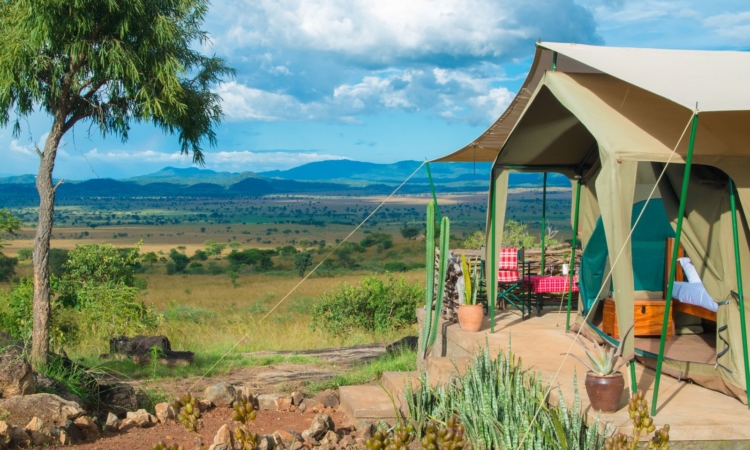
Choosing the best lodge in Kidepo Valley National Park requires balancing location inside versus outside the park, budget tier (luxury, mid-range, or budget), and access to game-rich valleys like Narus. Key factors include transit times to game drives, proximity to water sources, and overall amenity levels.
3-days-uganda-safari-itinerary-to-kidepo-valley-national-park
4-days-uganda-safari-fly-in-kidepo-valley-national-park
4-days-luxury-uganda-safari-to-kidepo-valley-national-parks
5-days-kidepo-valley-national-park-via-sipi-falls-uganda-wildlife-safari
5-day-best-safaris-to-uganda-kidepo-and-murchison-falls-national-parks
5-days-kidepo-valley-uganda-safari-via-ziwa-rhino-sanctuary
6-days-best-of-murchison-and-kidepo-uganda-safari-via-ziwa
7-days-murchison-falls-uganda-safari-trip-via-ziwa-rhinos-kidepo-valley-and-jinja
Location and Park Access
- Inside the park: Properties like Apoka Safari Lodge or Apoka Rest Camp place you directly in the wilderness with zero morning transit time.
- Outside the park gates: Mid-range options like Kidepo Savannah Lodge sit near the park boundary, offering lower rates and structured access via park gates.
- Scenic vantage points: Look for elevated spots or escarpments that overlook the Narus Valley or distant mountain ranges for prime wildlife viewing from your deck.
Budget and Comfort Tier
- High-End Luxury: Elite properties feature spacious stone/timber cottages, infinity pools, and all-inclusive game drive vehicles.
- Mid-Range Comfort: Permanent canvas tents and self-contained thatched bandas provide en-suite hot showers and great meals without top-tier pricing.
- Budget & Institutional: Basic government-run bandas and campsites managed by the Uganda Wildlife Authority suit self-drivers and backpackers looking for raw authenticity.
Amenities and Services
- Guided game drives: Check if the lodge provides its own 4x4 safari vehicles and expert rangers.
- Power and water: Confirm solar electricity limits and running hot water availability, as Kidepo's remote semi-arid setting makes utilities scarce.
- Cultural integration: Some peripheral camps offer guided community walks and interactions with local Karamojong pastoralists.
Is it better to stay inside or outside Kidepo Valley National Park?
Deciding between staying inside or outside Kidepo hinges entirely on how deeply you want to be immersed in the wilderness. Properties inside the park, like Apoka Safari Lodge or UWA’s Apoka Rest Camp, place you squarely in the middle of animal territory. You awaken to the calls of jackals and can begin your game drives instantly without queueing at security checkpoints. This is a massive advantage during the golden dawn hours when big cats are actively hunting.
Staying outside the park gates—at options like Kidepo Savannah Lodge or Nga’Moru Wilderness Camp—offers incredible value and dramatic elevated views over the surrounding plains. However, you must factor in early morning gate clearances and short transit drives to enter the park each day. While outside lodges provide exceptional comfort and warm Karamajong hospitality at lower rates, staying inside yields that rare, seamless safari rhythm where wildlife literally grazes right past your veranda.
Why is proximity to the Narus Valley so important?
The Narus Valley is the beating heart of Kidepo’s ecosystem. Because it retains water in seasonal swamps and natural oases long after the northern Kidepo River bed dries up, it acts as a permanent oasis for thousands of animals. Massive herds of African buffalo—sometimes numbering over a thousand strong—gather here alongside elephants, Rothschild's giraffes, zebras, and Jackson’s hartebeests. Naturally, this high concentration of prey draws lions, leopards, and cheetahs.
If your lodge is located near or within the Narus Valley, your game drives start the second you start your engine. You avoid spending hours driving across dry scrubland just to reach animal sightings. Furthermore, lodges overlooking the Narus allow you to enjoy passive game viewing right from your deck during midday downtime, watching wildlife drink at waterholes while you sip coffee.
How does lodge choice affect night game drives and ranger escorts?
Night game drives in Kidepo offer a thrilling chance to spot elusive nocturnal creatures like bushbabies, servals, hyenas, leopards, and hunting lionesses. However, because Kidepo is managed by the Uganda Wildlife Authority (UWA), all night drives require an armed UWA ranger guide for safety and navigation.
Lodges situated inside the park near Apoka head office have direct, immediate access to ranger deployments. You can easily arrange a ranger to step right into your vehicle after dinner. If you stay at an outside lodge, your driver-guide must coordinate with park authorities in advance to meet a ranger at the main entrance gate before dark. This requires tighter scheduling and extra travel time, but remaining flexible with your lodge reception ensures you don't miss out on night safaris.
Can I spot wildlife directly from my room or lodge lounge?
Absolutely, though the variety and frequency depend heavily on the lodge's physical layout and water access. Lodges built near natural drainage lines or elevated rocky kopjes offer phenomenal armchair safaris. At Apoka Safari Lodge, built on a granite outcrop overlooking the Narus swamp, warthogs, waterbucks, and zebras frequently trim the grass between luxury cottages, while elephants regularly visit the camp pool.
Properties perched on high ridges outside the park, such as Nga’Moru, provide sweeping panoramic views where you can spot buffalo herds moving across the valley floor through binoculars. Because Kidepo’s wildlife is unaccustomed to heavy human density, animals move freely through lodge grounds. It is vital to remain attentive, but watching a giraffe browse tree canopy while sitting on your private balcony is a standard Kidepo luxury.
How much time will I lose daily if I stay outside the park gates?
Staying outside the park generally adds about 30 to 45 minutes of total transit time to your daily routine. Most private lodges outside the boundary sit between 5 and 15 minutes away from Kalokudo Gate or Lokoman Gate. The gate check-in process itself is straightforward—officials inspect park passes, verify vehicle details, and record guest numbers—which usually takes under 10 minutes.
The real consideration is timing your morning coffee. To catch predators active at first light (around 6:15 AM), you must leave an outside lodge by 5:30 AM to ensure you clear the gate right as it opens. On the return trip at dusk, you must exit the park before gates close at 7:00 PM. It is a minor trade-off, but one that requires disciplined morning alarms.
Does rainy season road condition affect access to certain lodges?
Yes, Kidepo’s climate creates distinct seasonal dynamics that impact travel. During the wet season (primarily April through August), heavy downpours turn black cotton soils into sticky mud and cause seasonal riverbeds, known locally as luggas, to flash-flood.
Lodges situated along the main gravel artery near Apoka remain accessible year-round because the park maintains gravel capping on primary tracks. However, lodges or bush camps situated across northern riverbeds near the South Sudan border can become temporarily cut off when dry riverbeds turn into raging torrents. If you travel during the rainy season, booking a lodge with direct access off the main park route and traveling in a high-clearance 4x4 with an experienced bush driver is essential.
How do off-grid lodges in remote Karamoja handle electricity?
Kidepo Valley is one of East Africa’s most isolated wildernesses, completely disconnected from the national electrical grid. Lodges bridge this gap using robust off-grid solar energy systems combined with silent battery banks and backup diesel generators.
At luxury and high-mid-range establishments, solar setups supply continuous 24-hour power to rooms for lighting, overhead fans, and low-wattage device charging. However, high-draw appliances like hair dryers, kettles, or irons are strictly prohibited as they drain battery banks. Budget properties or basic tented camps often restrict power to communal lounge areas, running generators for a few hours in the morning and evening to let guests charge cameras and phones. Bringing high-capacity power banks is always a wise precaution.
Are hot showers guaranteed in such a remote park?
Hot water availability varies significantly depending on your choice of accommodation grade. High-end lodges and mid-range safari camps utilize solar water heaters mounted on cottage roofs or specialized eco-friendly wood boilers (often called "donkey boilers"). These systems provide steady hot water throughout the day and evening.
At budget accommodations—such as self-catering UWA bandas or basic campsite facilities—hot water is not guaranteed. You may find only ambient-temperature running water. Given that daytime temperatures in Kidepo frequently top 32°C (90°F), a cool shower after a dusty afternoon game drive is often welcome. However, if steaming hot water is a non-negotiable comfort for you, confirm that your lodge uses dedicated solar or gas heating systems before booking.
How do lodges manage Kidepo’s intense daytime heat without air conditioning?
Air conditioning requires massive electrical output that off-grid solar setups cannot support. Instead, lodges rely on time-tested tropical architecture to keep rooms cool naturally. Buildings feature high canvas ceilings, thick walls crafted from local stone, and natural papyrus thatch roofing that reflects radiant heat rather than absorbing it.
Rooms are designed with wide mesh windows and open-sided layouts aligned to catch prevailing valley breezes. Canvas tented walls allow heat to dissipate rapidly once the sun goes down. High-end lodges also equip rooms with low-draw DC ceiling fans or floor fans that run silently on solar power through the night, creating comfortable indoor temperatures without needing power-hungry AC compressor units.
Is a swimming pool worth prioritizing in Kidepo?
If you are sensitive to heat or traveling with family, a lodge with a swimming pool is worth every penny. Kidepo’s climate is semi-arid, hot, and dry for much of the year. Game drives typically take place in the early morning and late afternoon, leaving a four-to-five-hour gap in the middle of the day when the sun is directly overhead and animals seek shade.
During these blistering afternoon hours, resting inside a room can feel warm. Having access to a pool—such as the stone plunge pools at Apoka Safari Lodge or Adere Safari Lodge—transforms your midday downtime into a refreshing retreat. Swimming while watching zebras graze along the perimeter wire is one of Kidepo's highlight experiences.
Can I work remotely or get reliable cellular Wi-Fi?
Kidepo is an ideal destination for a digital detox because telecommunications infrastructure is minimal. While main mobile networks like MTN and Airtel have towers near Apoka, signals fluctuate wildly across the park. You may get strong 4G in one spot and total dead zones fifty yards away.
Most safari lodges offer complimentary Wi-Fi in their main reception or lounge areas via satellite internet services like Starlink or cellular routers. These connections work well for sending WhatsApp text messages, checking emails, or posting photos. However, bandwidth is shared among all guests and can slow down significantly during peak evening hours. Video conferencing, streaming, or downloading large files is impractical, so plan to clear your work calendar before arriving.
What quality of food can I expect in such a remote area?
Despite the logistical challenge of sourcing ingredients in Karamoja, food quality at Kidepo lodges is surprisingly high. Luxury lodges employ skilled chefs who prepare multi-course fine dining meals, combining fresh produce flown in from Kampala with local ingredients. Expect warm freshly baked bread, tropical fruit platters, soup courses, and tender meat or vegetarian mains.
Mid-range lodges serve hearty, wholesome three-course set menus or buffets tailored to international tastes, catering well to dietary needs like vegetarian or gluten-free when notified in advance. Budget UWA bandas operate differently: they provide kitchen facilities and resident cooks, but you must bring all your own groceries, meat, and dry goods from larger towns like Kitgum or Kotido.
What are the typical price tiers for staying in Kidepo?
Kidepo’s accommodation options span three distinct pricing tiers:
- Luxury ($700 – $1,500+ per person/night): Fully inclusive experiences featuring high-end canvas suites, private stone bathtubs, gourmet dining, premium drinks, and custom safari vehicles with private guides (e.g., Apoka Safari Lodge).
- Mid-Range ($180 – $350 per person/night): Comfortable, self-contained tented cottages or stone chalets offering full-board meal plans, warm showers, solar lighting, and swimming pools (e.g., Kidepo Savannah Lodge, Adere Safari Lodge).
- Budget ($30 – $100 per room/night): Basic UWA bandas or non-self-contained canvas tents with shared bathrooms. Ideal for backpackers, overland drivers, and budget-conscious travelers comfortable with simple living.
Are park entry fees included in the lodge room rate?
No, lodge room rates almost never cover Uganda Wildlife Authority (UWA) park entry fees. UWA tariffs are independent government charges levied on every visitor entering the reserve. Foreign non-residents pay $45 per adult per 24-hour period, foreign residents pay $35, and East African citizens pay 25,000 UGX.
If you book your trip through a comprehensive safari operator, park entrance fees, vehicle entry fees, and ranger fees will be bundled into your overall package invoice. However, if you are booking accommodation directly with a lodge, remember to factor daily park entry fees into your overall travel budget, as they must be cleared at the gate or paid at UWA headquarters.
Which lodges require self-catering or bringing your own food?
The primary self-catering option in Kidepo is UWA’s Apoka Rest Camp. Here, guests rent basic wooden or stone bandas with beds and mosquito nets, but dining services are fully hands-on. While the camp provides access to a kitchen and friendly resident staff who will cook your meals, you must supply every single ingredient—including cooking oil, meat, rice, vegetables, spices, bottled water, and charcoal.
Because local shops inside the park sell only basic snacks and soft drinks, self-catering guests must purchase all supplies beforehand in Kitgum, Gulu, or Kaabong. All private safari lodges operate on full-board meal plans, taking care of every meal automatically.
Do lodges charge high single supplements for solo travelers?
Yes, single supplements are standard across most private safari lodges in Kidepo. Because rooms are priced based on double occupancy, lodges apply a single supplement fee—typically ranging from 20% to 50% above the per-person double rate—to cover operational costs like generator fuel, solar upkeep, and staff service for a room occupied by one person.
If you are a solo traveler looking to avoid high single fees, consider traveling during the low/shoulder season when lodges are more willing to waive or discount single supplements. Alternatively, budget choices like UWA bandas charge per room or per bed rather than applying percentage surcharges to solo guests.
Can I get low-season discounts on Kidepo accommodation?
Yes, taking advantage of seasonal pricing can slash your accommodation expenses significantly. Kidepo’s low seasons coincide with the rainy periods—specifically April to May and October to November. During these months, tourist numbers drop, and private lodges frequently run promotional discounts, offering up to 20% to 30% off standard night rates to maintain occupancy.
While low-season travel comes with afternoon rain showers and taller grass that can make wildlife slightly harder to spot, the park is lush, green, and completely uncrowded. Newborn animals abound, birdwatching hits its peak with migratory species, and luxury accommodation becomes far more affordable.
Tented safari camps vs. stone cottages: Which offers better value?
The choice comes down to personal style and visual preference. Tented safari cottages (heavy-duty canvas built over timber platforms under thatch roofs) offer classic safari romance. Canvas walls transfer night sounds beautifully—you will fall asleep hearing lion roars and hyena calls—making them feel like a authentic wild adventure.
Stone cottages or brick chalets provide superior natural insulation against heat, better privacy, and stronger acoustic dampening if you prefer a quiet night’s sleep. They also feel more secure for travelers unaccustomed to sleeping under canvas in predator-dense reserves. In terms of value, both options are priced comparably within their respective luxury or mid-range tiers, so select based on how close to nature you want to feel.
How do lodges support surrounding Karamajong and Ik communities?
Reputable lodges in Kidepo act as critical economic engines for the surrounding Karamoja region, historically one of Uganda's least developed areas. Top properties prioritize hiring local Karamajong staff as guides, kitchen staff, housekeepers, and security guards, providing steady wages and professional training.
Additionally, lodges purchase locally crafted woven baskets, beadwork, and wood carvings to decorate guest spaces or sell in gift shops, directly supporting village artisans. Many lodges collaborate with local cultural groups to arrange traditional dance performances for guests, ensuring performance fees go directly to village funds. Before booking, ask your lodge about their community employment ratios and local outreach initiatives.
What eco-friendly practices should I look for?
Operating in a pristine, fragile dryland ecosystem means lodges must minimize their footprint. Key eco-practices to look out for include:
- 100% Solar Energy: Utilizing solar arrays for power and water heating rather than relying on noisy diesel generators.
- Waste & Water Management: Using bio-digesters for sewage, filtering greywater for gardens, and strictly avoiding single-use plastic bottles by providing filtered water refill stations.
- Eco-Sourced Construction: Building with sustainably harvested local timber, stone, and thatch that blend naturally into the savanna landscape.
- Wildlife Coexistence: Maintaining unfenced grounds without intrusive artificial lighting that disrupts nocturnal animal behavior.
Choosing eco-certified accommodations helps preserve Kidepo’s wilderness for future generations.
Can the lodge arrange authentic visits to a Karamajong Manyatta?
Yes, most lodges work closely with community cultural guides to organize visits to nearby Karamajong Manyattas (traditional fortified livestock homesteads). A visit allows you to step inside thorn-walled compounds, learn about Karamajong pastoral culture, understand their deep spiritual connection to cattle, and witness energetic traditional jumping dances.
Lodges can also arrange full-day expeditions to Mount Morungole to meet the Ik people, one of East Africa’s most isolated mountain tribes. To ensure your visit is respectful and non-intrusive, confirm that your lodge partners with community-led tourism initiatives (such as Kara-Tunga) where entry fees directly benefit the host villages.
Are unfenced lodges safe from wild animals?
Most lodges in Kidepo are intentionally unfenced to respect natural migration corridors and allow wildlife to move unhindered. It is completely normal to see zebras, warthogs, or antelopes grazing near your room, and occasional buffaloes or lions passing through camp at night.
This setup is safe as long as guests adhere strictly to safety rules. Animals generally view buildings and standing humans as non-threatening objects. After dark, lodges mandate that guests never walk unescorted. Trained night escorts or local Karamajong guards accompany you to and from your room with high-powered flashlights. As long as you respect wildlife boundaries and follow escort protocols, unfenced lodges are safe.
Is noise pollution an issue at Kidepo lodges?
Noise pollution is virtually non-existent in Kidepo, which is widely considered one of Africa’s quietest and most serene national parks. You will not hear traffic, city ambient noise, or aircraft congestion. The environment is dominated entirely by natural wilderness sounds—wind blowing through whistling thorn trees, bird calls, and night crickets.
The only potential source of human-made noise comes from old backup diesel generators at lower-budget camps, though these are typically housed in sound-insulated sheds and turned off by 10:00 PM. High-end and mid-range lodges rely almost exclusively on silent solar systems, ensuring your stay is peaceful and tranquil.
How do lodges handle medical emergencies in this ultra-remote region?
Because Kidepo is located hundreds of kilometers from major medical centers in Kampala or Gulu, lodges take emergency preparedness seriously. High-end and mid-range properties maintain well-stocked first-aid kits and keep staff trained in basic emergency first response.
For severe medical crises—such as serious injuries, acute illness, or venomous bites—lodges rely on emergency medical evacuation services like AMREF Flying Doctors. A domestic air ambulance can land at Apoka Airstrip within hours to stabilize and airlift a patient to international-standard hospitals in Kampala. It is strongly recommended that all travelers purchase travel insurance that explicitly includes emergency medical evacuation cover.
How far in advance should I book my room?
Because Kidepo Valley National Park maintains a strict low-density tourism model, total bed capacity across the entire region is limited. There are only a handful of safari lodges and camps operating in and around the park.
During peak safari months—specifically December through February and July through September—popular lodges like Apoka Safari Lodge and Kidepo Savannah Lodge sell out completely. To secure your preferred dates and room type, aim to book 6 to 9 months in advance. If you are planning a trip during the low rainy season, booking 2 to 3 months ahead is usually sufficient.
Does flying in vs. driving overland change which lodge I should choose?
Yes, your mode of transport heavily influences practical lodge selection. If you choose to fly into Apoka Airstrip via domestic scheduled flights (like Aerolink from Entebbe), staying inside or immediately adjacent to the park (e.g., Apoka Safari Lodge or Kidepo Savannah Lodge) is ideal. The lodge will pick you up directly from the airstrip in an open-sided safari vehicle, minimizing transit friction.
If you are driving overland from Kampala (a 10-to-12-hour journey) in a rented self-drive 4x4, you have complete geographic flexibility. You can easily choose lodges located near the outer gates or explore different accommodation spots over a multi-night stay.
Which lodges are best equipped for families with young children?
When traveling to Kidepo with children, select lodges that feature self-contained family cottages, clear perimeter visibility, and on-site amenities like a swimming pool to keep kids entertained during hot afternoons.
Lodges like Adere Safari Lodge and Kidepo Savannah Lodge offer spacious multi-bed family units under single roofs, allowing parents to keep young children close. Furthermore, properties with enclosed dining structures provide an added layer of safety and peace of mind at night. Always inform your lodge in advance if traveling with young children so they can allocate rooms closer to main lounge areas and tailor meal preparation.
What sets ultra-luxury properties like Apoka Safari Lodge apart?
Apoka Safari Lodge represents the pinnacle of luxury in Kidepo, offering an exclusive experience unmatched in northern Uganda. Built into a granite outcrop overlooking the Narus Valley, its massive luxury canvas-and-timber suites feature private outdoor stone bathtubs carved directly into wooden decks.
Beyond physical luxury, Apoka sets itself apart through customized service: guests enjoy private, open-sided 4x4 safari vehicles outfitted with plush seating, personal resident guides, and experienced UWA trackers. Gourmet dining, premium beverages, personalized bush breakfasts, and an iconic swimming pool carved into natural rock make it an extraordinary, world-class wilderness lodge.
What is the ideal length of stay at a Kidepo lodge?
Due to Kidepo’s remote geographical location, a stay of at least 3 nights (4 days) is strongly recommended. A short two-night stay leaves you with only one full day in the park, which is simply not enough time to absorb the vast landscape, explore both the Narus and Kidepo Valleys, track big game, and visit local communities.
A 3-to-4-night stay allows you to comfortably enjoy early morning and evening game drives, spend a dedicated half-day visiting a Karamajong Manyatta or hiking Mount Morungole, and still have ample time to relax by the pool during midday heat without feeling rushed.
Do lodges accept credit cards or do I need to bring cash?
You must bring ample cash for your trip. While some top-tier luxury lodges accept Visa and Mastercard for bar tabs or spa services, satellite credit card terminals in Karamoja frequently lose connection due to spotty network signals.
Bring sufficient physical cash in both US Dollars (crisp bills printed after 2013) and Ugandan Shillings (UGX). Cash is required for paying UWA park entrance fees at the gate, tipping lodge staff and ranger guides, buying community souvenirs, and purchasing extra drinks or snacks along your route. Do not rely on ATMs, as the nearest operational bank machines are hours away in Kitgum or Kotido.
Booking kidepo valley safari with us Roads of Adventure safaris
Booking your Kidepo Valley National Park safari with Roads of Adventure Safaris provides an all-inclusive, seamless journey into "Africa's hidden treasure". The tour operator manages your local transportation, standard or luxury eco-lodge reservations, park fees, and armed ranger guides for game tracking
