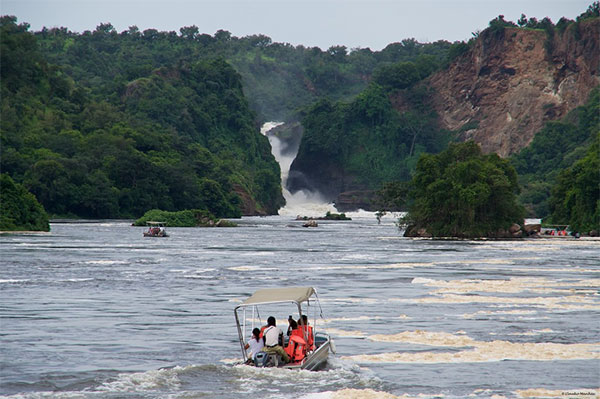
Yes, you can absolutely see wildlife right around budget lodges in Murchison Falls National Park. Elephants, warthogs, monkeys, and various bird species frequently wander through camp boundaries, especially at riverfront and bush properties.
Popular Uganda safari tour packages to Murchison falls national park
3-days-murchison-falls-national-park-best-uganda-safari-road-trip
3-days-best-honeymoon-uganda-safari-escape-to-murchison-falls-national-park
5-day-best-safaris-to-uganda-kidepo-and-murchison-falls-national-parks
5-days-kidepo-valley-uganda-safari-via-ziwa-rhino-sanctuary
6-days-best-of-murchison-and-kidepo-uganda-safari-via-ziwa
7-days-murchison-falls-uganda-safari-trip-via-ziwa-rhinos-kidepo-valley-and-jinja
7-days-uganda-tour-to-murchison-falls-via-ziwa-kibale-and-queen-elizabeth-national-park
9-days-africa-big-five-safari-in-uganda-safari-parks-and-gorilla-trekking
Is it actually possible to see wildlife directly at or near budget lodges in Murchison Falls National Park?
Yes, wildlife encounters happen frequently right on the grounds or within a short walk of budget lodges in Murchison Falls National Park. Because Murchison Falls is Uganda’s largest conservation area, animals do not recognize lodge boundaries. Budget accommodations located inside the park boundaries—such as Red Chilli Rest Camp in Paraa—or those positioned along the buffer zones near Tangi Gate or the Albert Nile routinely experience visits from wild animals.
Grazing herbivores like warthogs, Uganda kobs, and bushbucks treat lodge lawns as safe havens from apex predators. Hippos regularly emerge from the River Nile after sunset to graze on the short grass surrounding riverfront budget camps. Elephants are frequently attracted to fruit trees, native acacia pods, and water points inside and around lodge properties. Meanwhile, baboons and vervet monkeys actively patrol camp clearings during daylight hours looking for unattended food. While you still need game drives on the northern savannah tracks for lions, leopards, and massive giraffe herds, staying at a budget lodge puts you directly inside the natural ecosystem where wildlife viewing begins the moment you step out of your banda or tent.
Which budget lodges inside or near Murchison Falls offer the best direct wildlife sightings?
Red Chilli Rest Camp, situated inside the park on the southern bank of the Nile at Paraa, historically offers the highest concentration of direct wildlife sightings. Warthogs graze between the bandas all day, hippos crop the lawns every evening, and elephants often stroll through the campsite. Its location inside the park core makes animal visits a daily certainty.
Another top choice is Budongo Eco Lodge, located in the mahogany canopy of Budongo Forest within the park boundary. While you won't see savannah game here, black-and-white colobus monkeys, red-tailed monkeys, yellow baboons, and diverse rainforest bird species are constantly visible from the lodge pathways and veranda. Just outside the northern gates, options like Parkside Safari Lodge, Hornbill Bush Lodge, and Fort Murchison overlook the Albert Nile or riverine woodland. These properties frequently host wandering elephants, hippos emerging near the riverbank, and abundant birdlife, proving that budget accommodation does not require sacrificing proximity to nature.
What specific animals frequently wander into or around Red Chilli Rest Camp?
Red Chilli Rest Camp is famous among safari travelers for its unfenced layout and resident wildlife population. The most common daytime residents are warthogs, which roam between the safari tents and bandas with their piglets, using the cut grass to feed safely. Vervet monkeys and olive baboons are also constant daytime presences, watching for open zipped tents or dining tables left unattended.
As dusk falls, the animal demographic changes completely. Hippos climb up from the nearby Nile River banks to forage on the camp lawns under the cover of darkness. It is routine for guests to spot hippos grazing just meters from their veranda or along the pathways connecting the bandas to the central ablution blocks. Lone bull elephants, and occasionally small family groups, regularly wander through camp to feed on seed pods and acacia leaves. Genets, bushbabies, and fruit bats are also commonly active around the central bar and restaurant clearing at night.
Are budget lodges outside the park gates, like Fort Murchison or Parkside Safari Lodge, still good for seeing wildlife?
Budget lodges situated just outside the official park perimeter remain excellent bases for wildlife viewing. National park boundaries exist on maps, but wild animals move freely across river corridors and community buffer zones where human settlement remains sparse.
For instance, Parkside Safari Lodge sits on the shores of the Albert Nile near Tangi Gate. Because hippos and crocodiles inhabit the adjacent watercourse, hippos routinely wander onto the lodge grounds at night, while waterbucks and elephants move along the shoreline during the afternoon. Fort Murchison, located in the former Aswa Lolim Game Reserve buffer zone along the Albert Nile, overlooks savanna woodland where elephants, baboons, and occasional antelopes are spotted directly from the elevated restaurant terrace. Hornbill Bush Lodge, located minutes from Tangi Gate, frequently reports elephant visits in its surrounding acacia thickets. Staying just outside the gate offers comfortable river or bush views alongside regular animal visits, with the added benefit of fast access to early morning northern bank game drives.
Is it safe when wild animals enter the grounds of budget lodges in Murchison Falls?
Staying in an unfenced lodge requires respecting basic wildlife safety protocols. While animal visits are an exciting feature of African safari accommodation, hippos, elephants, baboons, and buffaloes remain completely wild and dangerous if cornered or provoked.
Reputable budget lodges employ trained night askaris (security guards) equipped with high-powered flashlights to monitor animal movements across the grounds. After dark, askaris escort guests between their bandas, the bar, and dining areas to ensure nobody accidentally stumbles upon a grazing hippo or an elephant in the dark. Safety relies heavily on human behavior: guests must keep a distance of at least 20–30 meters from large mammals, avoid making sudden movements, never run, and strictly avoid shining bright lights directly into an animal's eyes. Food must never be stored inside canvas tents, as smells attract baboons by day and elephants or hyenas by night. When basic precautions are followed, staying among free-roaming wildlife is safe and memorable.
Why do warthogs, hippos, and elephants visit budget campsites and lodges in Paraa?
Animals enter budget camp properties inside Paraa due to specific ecological and safety incentives. Lodges maintain cleared grass pathways and short-cut lawns for guest foot traffic. For grazing animals like warthogs and hippos, short grass is far easier to eat and digest than tall, tough savanna stalks.
Additionally, human presence acts as a "predator shield." Apex predators like lions, leopards, and spotted hyenas generally avoid areas with high human light, voice, and vehicle activity. Herbivores quickly learn that resting near human structures reduces their chances of being hunted during nighttime hours. Elephants enter camp grounds because of specific food rewards, such as fallen wild mangoes, seed pods from Acacia trees, and lush landscaping, alongside accessible water runoff from showers or washing stations. Because budget lodges usually feature open, natural unfenced grounds, animals move through these micro-habitats without physical barriers.
Can you see nocturnal animals or big cats near budget lodges at night?
While big cats like lions and leopards rarely stroll into the middle of brightly lit camp clearings, they are regularly heard and occasionally spotted around the outer boundaries of budget lodges in Murchison Falls. Lions often roar at night along the southern bank near Paraa and across the river, their calls echoing clearly through open budget bandas and canvas tents.
Smaller, highly adaptable nocturnal species are much more common inside the grounds. Spotted genets—slender, cat-like nocturnal carnivores—frequently hunt insects and small rodents around the thatched rafters of open-air lodge restaurants. Thick-tailed bushbabies (galagos) can be seen leaping between acacia branches when illuminated by torchlight. White-tailed mongooses, civets, and scrub hares are routinely spotted along camp pathways late at night. For safety reasons, walking around outside camp perimeters at night without a armed ranger is prohibited, but seated on your veranda with a flashlight, nocturnal watching can be rewarding.
Do budget lodges offer guided nature walks or night game drives right from their premises?
Many budget lodges coordinate guided activities that launch directly from their reception desk, though official night drives and nature walks require authorization from the Uganda Wildlife Authority (UWA).
Budongo Eco Lodge, located within the mahogany forest, offers exceptional guided forest nature walks and birding tours right from its front porch, as well as official chimpanzee trekking briefings. For savannah-based budget lodges near Paraa or Tangi Gate, nocturnal game drives are conducted in official safari vehicles accompanied by an armed UWA ranger equipped with a powerful spotlight. Guests staying at budget camps like Red Chilli or Fort Murchison can pre-book night drives or early morning guided walking safaris along designated trails like the Top of the Falls trail or the Kaniyo Pabidi forest section. Joining an organized walk with an armed ranger provides an educational way to track animal tracks, dung, plants, and insects directly outside the lodge environment.
How do budget lodges protect guests from potentially dangerous encounters with hippos or elephants?
Budget lodges rely on passive environmental design, practical safety guidelines, and security staff rather than heavy perimeter fencing, preserving the wild safari atmosphere.
First, lodges employ night askaris (watchmen) stationed strategically around the property from dusk until dawn. Armed with heavy flashlights and whistles, these guards track large animal movements—especially hippos moving up from riverbanks or elephant herds feeding near guest quarters. If an elephant or hippo enters a guest pathway, the askari redirects guests or instructs them to remain inside their banda until the animal moves off naturally. Lodges also install solar pathway lighting or furnish rooms with rechargeable lanterns. Guests receive clear safety orientations upon check-in: basic rules include keeping flashlights on after dark, making light verbal noise when walking so as not to startle animals, maintaining safe distances, and calling for a guard escort whenever moving around the property late at night.
What kind of birdlife can you spot directly from the verandas or grounds of budget lodges in Murchison Falls?
Murchison Falls National Park hosts over 450 bird species, and budget lodges offer some of the best birdwatching spots without leaving your chair. Riverfront budget properties like Red Chilli, Fort Murchison, and Parkside Safari Lodge feature abundant riverine canopy and scrub that attract diverse avian life.
From your veranda, you can regularly spot Red-throated Bee-eaters, Abyssinian Ground Hornbills, Pied Kingfishers, African Fish Eagles perched in riverside acacia branches, and striking Malachite Kingfishers. Sunbirds, weavers, and Silverbirds frequent flower bushes around guest huts. At forest-based budget options like Budongo Eco Lodge, birding shifts to canopy species. Here, guests can spot Chocolate-backed Kingfishers, Ituri Batis, Puvel's Illadopsis, and hornbills directly from the dining deck. Bringing binoculars to your lodge allows you to record dozens of bird species during afternoon downtime between game drives.
How does staying at Budongo Eco Lodge differ in terms of wildlife compared to lodges along the Nile?
Staying at Budongo Eco Lodge provides a tropical rainforest wildlife experience, distinctly different from the riverine savannah environment of Nile-side lodges. Situated in the southern sector of Murchison Falls National Park within Kaniyo Pabidi forest, Budongo focuses on primates, forest birds, and dense canopy ecology.
At Budongo Eco Lodge, you will not see hippos grazing on lawns, giraffes, or open savannah game. Instead, the grounds are frequented by habituated groups of wild chimpanzees, black-and-white colobus, red-tailed monkeys, and blue monkeys moving through the high mahogany canopy. The ambient sounds feature forest cicadas, chimpanzee pant-hoots, and tropical bird calls rather than hippo grunts or hyena laughs. It serves as the primary base for chimpanzee trekking in Murchison. Many budget travelers split their trip, spending one night in Budongo Forest for primates and another near Paraa or Pakwach for savannah Big Four viewing and boat cruises.
What budget accommodations are best situated near the Tangi Gate for early morning game drives?
The northern bank of the Nile in Murchison Falls contains the highest concentration of savannah wildlife, including lions, leopards, Rothschild's giraffes, Jackson's hartebeests, and elephant herds. To reach the prime Buligi game tracks early without long transit times, staying near Tangi Gate on the northern park boundary is highly strategic.
Top budget options near Tangi Gate include Hornbill Bush Lodge (located roughly 5 minutes / 2km from the gate), Parkside Safari Lodge, and Heritage Safari Lodge. Hornbill Bush Lodge offers budget bandas in bush surroundings where elephants frequently pass through. Parkside Safari Lodge offers cottage and canvas lodging right along the Albert Nile, allowing early morning access to Tangi Gate within minutes. Heritage Safari Lodge features traditional Luo-styled thatched cottages positioned along a historical elephant movement corridor just 3 km from the entrance. Staying at these northern budget lodges lets you enter the park right at gate opening time (6:00 AM) when predators are most active.
Is wildlife viewing better at budget lodges on the southern bank or the northern bank of the Nile?
Both banks offer distinct wildlife advantages depending on what you wish to see directly from your lodge.
Budget lodges on the southern bank inside the park (like Red Chilli Rest Camp) or in Budongo Forest offer superior lodge-grounds wildlife interactions. Red Chilli sits inside core park territory, resulting in constant hippo, warthog, baboon, and elephant sightings right on the premises. However, to reach the main savannah game drive tracks from the southern bank, travelers cross the River Nile via the Paraa Bridge.
Budget lodges on the northern bank (near Tangi Gate, Olwiyo, or Pakwach, like Fort Murchison, Parkside, or Hornbill) are positioned right on the edge of the park’s richest game viewing sector. While lodge grounds on the northern border outside the park may have slightly fewer resident hippos compared to Paraa, they provide immediate access to morning predator drives without needing river crossing logistics.
How does the season affect wildlife visits to budget lodge grounds in Murchison Falls?
Seasonal rainfall patterns directly influence how frequently animals visit budget lodge grounds in Murchison.
During the dry seasons (December to February and June to July), vegetation on the surrounding savannah turns dry and tough. Budget lodges that irrigate small lawns or feature natural shade trees, riverfront access, or leaky water pipes become magnet sites for hungry herbivores. Hippos wander further inland from the Nile to find green grass around camps, while elephants visit water tanks and shade trees daily. Wildlife sightings around camp reach their peak during these dry months.
During the wet seasons (March to May and September to November), bush vegetation across the park becomes lush, green, and water-filled. Animals disperse widely throughout the park because natural water holes full of water are plentiful everywhere. While animals still visit budget camps, encounters on lodge grounds are less concentrated, though birdlife, lush scenery, and newborn animals are at their best.
Do budget campsites allow un-fenced open camping where animals roam freely?
Yes, camping in Murchison Falls National Park—whether at established budget lodges like Red Chilli Rest Camp, Shoebill Campsite, or official UWA public campsites—is an unfenced, wild experience. There are no perimeter walls or electric fences separating your tent from the African bush.
When pitching a tent at Red Chilli or Shoebill Campsite, you sleep under canvas with wild animals moving through the surrounding grass. You will hear hippos munching grass outside your tent flysheet, hyenas calling in the distance, and insects chirping. To stay safe while camping: keep tent zips completely closed at all times to prevent snakes, insects, or baboons from entering; never store food, fruit, or sweet cosmetics inside your tent; use a headlamp whenever stepping out; and use shared ablution facilities cautiously at night under guard supervision.
Can you spot primates like baboons or vervet monkeys around budget lodges, and how should guests manage food?
Olive baboons and vervet monkeys are standard residents around budget lodges inside and near Murchison Falls. They are highly intelligent, opportunistic, and habituated to human presence.
While seeing primates close-up offers great photo opportunities, they can quickly turn into pests if guests handle food carelessly. Baboons are capable of opening unlatched doors, unzipping safari tents, and snatching food directly off outdoor dining tables or vehicle seats.
To manage primates responsibly:
- Never feed monkeys or baboons under any circumstances, as feeding makes them aggressive toward humans.
- Keep all guest house or banda doors closed and latched when leaving your room.
- Do not store open snacks, fruit, or packed lunches on open verandas or inside tents.
- Eat meals strictly inside screened dining areas or under staff supervision in the central restaurant.
Are there budget accommodations inside the park versus outside, and how does location impact wildlife frequency?
Budget accommodations in Murchison Falls are divided into inside-the-park lodges and outside-the-gate lodges.
Inside the Park (e.g., Red Chilli Rest Camp, Budongo Eco Lodge):
- Pros: 24/7 immersion in nature. High wildlife frequency directly on camp grounds. Zero gate queue delays for early morning game drives or Nile boat launches.
- Cons: Subject to daily UWA park entrance fees for every 24-hour period spent inside.
Outside the Park Gates (e.g., Fort Murchison, Hornbill Bush Lodge, Parkside Safari Lodge, Boomu Women's Group):
- Pros: No park conservation fees charged while simply relaxing at the lodge on non-safari days. Often slightly quieter with comfortable river or bush views.
- Cons: Requires driving to the park entrance gate each morning, though distance is minimal (typically 5 to 20 minutes).
What steps should a budget traveler take if an elephant wanders into camp while they are walking to their banda?
Encountering an elephant on a foot path inside a budget camp is a serious situation that requires calm, disciplined action. Elephants have poor eyesight but acute hearing and smell.
If you spot an elephant near your pathway:
- Stop immediately and stay quiet. Do not scream, run, or wave your arms, as sudden motion can trigger a defensive charge.
- Assess distance and wind direction. Stay at least 30 to 50 meters away.
- Slowly back away. Retreat slowly along the path you came from without turning your back completely or making abrupt movements.
- Seek cover behind a solid structure. Step behind a banda wall, dining structure, or large vehicle.
- Alert lodge askaris (guards). Use your flashlight to signal a guard or call out calmly. Guards use specialized flashlights or controlled noise to encourage the elephant to move off safely.
- Never attempt a selfie or approach for a closer photograph.
How close is Red Chilli Rest Camp to the Nile River cruise launch point and morning game drive routes?
Red Chilli Rest Camp boasts one of the most practical logistical locations of any budget lodge in Murchison Falls National Park.
It is positioned at Paraa on the southern bank of the Nile, situated just 500 meters from the main Paraa boat departure jetty. Guests staying at Red Chilli can easily walk or take a 2-minute drive down to the riverbank to board the official morning (8:30 AM) or afternoon (2:30 PM) UWA boat cruises to the base of Murchison Falls or downstream toward the Albert Delta. Furthermore, because the Paraa Bridge spans the Nile right next to the boat launch, vehicle game drives heading to the wildlife-rich northern Buligi tracks can cross the river in under five minutes, eliminating long early-morning transit times before your safari begins.
Do budget lodges offer boat safari pickup directly from their waterfront property?
A few riverfront budget lodges can arrange direct boat cruise pickups or private boat excursions straight from their shorelines or nearby private docks.
Lodges situated along the Albert Nile outside or near the northern boundary—such as Parkside Safari Lodge or Fort Murchison—frequently arrange private motorboat rides, canoeing, or fishing trips directly from their riverbanks or localized landing sites. These localized boat rides are excellent for viewing hippos, Nile crocodiles, and waterbirds like kingfishers and herons along the quiet river channels.
However, for the official 3-hour UWA boat safari to the bottom of Murchison Falls (where the Nile squeezes through a 7-meter gorge), boats depart exclusively from the central Paraa jetty. Guests staying at budget lodges outside Paraa simply take a short 15-to-30-minute vehicle transfer to Paraa to board the main falls cruise.
What is the experience like staying at Boomu Women's Group Bandas near the southern Kichumbanyobo Gate?
Boomu Women's Group Bandas offers a culturally rich, community-based budget lodging experience near Kichumbanyobo Gate, the southern entry point to Murchison Falls National Park. "Boomu" means "togetherness" in the local language.
The project was founded by local subsistence farm women to improve community livelihoods through sustainable tourism. Accommodation consists of simple, clean traditional grass-thatched African bandas surrounded by lush food gardens, fruit trees, and flowering shrubs. While it is located in a rural agricultural buffer zone rather than core savannah, guests frequently spot forest birds, vervet monkeys, and butterflies around the gardens. The highlight of staying at Boomu is the authentic cultural interaction: guests can take village guided walks, learn traditional weaving, tour community gardens, sample home-cooked Ugandan meals, and support local women farmers directly.
Can you hear lions or hyenas calling at night from budget lodges around Murchison Falls?
Yes, nocturnal vocalizations from apex predators are one of the most thrilling aspects of staying at budget lodges in and around Murchison Falls. Because sound travels easily over open water and flat savannah, animal sounds echo clearly across lodge compounds.
At camps located inside or right next to the park (such as Red Chilli Rest Camp, Hornbill Bush Lodge, or Parkside Safari Lodge), guests frequently fall asleep to the deep, resonant roars of male lions territorializing across the river or northern plains. The distinct "whoop" calls and eerie laughs of spotted hyenas on hunt patrols are also commonly heard during the late night hours. These vocalizations are accompanied by the constant grunting, blowing, and splash noises of hippos grazing nearby. Sleeping under thatched roofs or canvas tents amplifies these wild sounds safely.
What should budget travelers pack to maximize wildlife viewing around their lodge grounds?
To get the most out of wildlife watching directly on budget lodge grounds, pack these essential items:
- Binoculars (8x42 or 10x42): Crucial for spotting birds, monkeys in canopy branches, or crocodiles along distant riverbanks right from your lodge deck.
- Powerful LED Headlamp or Torch: Budget lodge grounds are kept dark to preserve nature. A bright light is vital for navigating pathways at night and spotting grazing hippos or eyeshine safely.
- Rechargeable Power Bank: Some budget camps run generators only during set hours (e.g., 6–10 PM). A power bank ensures your camera and phone stay charged.
- Insect Repellent & Neutral Clothing: High-strength DEET repellent and long-sleeved lightweight shirts protect against evening mosquitoes and daytime tsetse flies near river areas.
- Telephoto Camera Lens (200–400mm): Perfect for capturing photos of warthogs, birds, and visiting elephants without needing to get dangerously close on foot.
Are children safe at budget safari lodges where wildlife roams freely?
Children can safely visit budget lodges in Murchison Falls, but they require strict, continuous parental supervision. Because budget camps are unfenced and wild animals walk through the grounds, children cannot be permitted to run freely, wander unattended, or play in tall grass around the property.
Parents traveling with kids should follow key precautions:
- Choose self-contained family bandas or rooms with private attached bathrooms rather than basic tents requiring night trips to shared ablution blocks.
- Keep children strictly between adults when walking along lodge pathways.
- Educate kids before arrival never to run from any animal, never feed monkeys, and never approach warthogs or grazing hippos.
- Request night guard escorts whenever moving to the restaurant for dinner after sunset. When supervised responsibly, kids gain an unforgettable educational wilderness experience.
How do budget lodges manage waste and food scraps to prevent attracting dangerous animals?
Proper waste management is critical for budget lodges in national parks. If food waste is handled carelessly, it attracts scavengers like baboons, hyenas, jackals, and elephants, creating hazardous human-wildlife conflict.
Responsible budget lodges in Murchison Falls employ strict environmental practices:
- Primate-Proof Bins: Outdoor trash receptacles are fitted with heavy metal latches, weighted wooden lids, or metal cages that baboons and monkeys cannot pry open.
- Enclosed Kitchen Storage: Food supplies, fresh fruit, and kitchen waste are locked inside reinforced brick or metal storage rooms.
- Composting & Off-Site Disposal: Organic scraps are composted inside secure, covered pits or transported out of the park boundaries to designated municipal waste sites.
- Guest Education: Lodges strictly instruct guests not to throw fruit peels or food wrappers into open room trash cans, keeping camp clear of unnatural scents.
Is it worth booking a budget lodge inside the park versus a cheap hotel in nearby towns like Pakwach or Masindi?
Booking a budget lodge inside or immediately adjacent to the park is vastly superior to staying in distant towns like Masindi or Pakwach.
Masindi is located over 85 km (a 2-hour drive) south of the Paraa river crossing, meaning a stay there requires waking up at 3:30 AM and spending hours on dirt roads just to reach early morning game drives. Pakwach town is closer to Tangi Gate (around 25–30 minutes), but town hotels lack the authentic safari atmosphere, river views, and wild night sounds.
Staying at budget bush lodges (like Red Chilli, Fort Murchison, Parkside, or Hornbill Bush Lodge) places you directly inside the natural environment. You experience wildlife on the grounds, enjoy evening campfires under star-filled skies, and start your morning safaris instantly without exhausting transit times.
Can you spot Nile crocodiles or hippos from budget lodges located along the banks of the Albert Nile?
Yes, budget lodges positioned directly on the banks of the Albert Nile—such as Parkside Safari Lodge, Fort Murchison, or Shoebill Campsite—offer excellent viewing of hippos and Nile crocodiles directly from their properties.
These lodges feature elevated restaurant terraces, river-facing verandas, or viewing decks built along the water’s edge. During hot afternoons, hippos can be seen podded together in shallow river bays, surfacing periodically to snort water. Large Nile crocodiles are often spotted basking motionless on sandbars across the river with open jaws to regulate body temperature. At dusk, hippos begin grunting loudly before wading ashore right beneath or near the lodge boundaries to graze on grassy riverbanks throughout the night.
Do budget lodges charge extra park conservation fees for staying within park boundaries?
Budget lodges themselves do not charge conservation fees, but the Uganda Wildlife Authority (UWA) levies mandatory entry and administrative fees for anyone entering or staying inside national park boundaries.
Key fee structures to keep in mind:
- Park Entry Fee: Non-resident foreign visitors pay $45 USD per adult per 24-hour period to enter Murchison Falls National Park (foreign residents pay $35 USD, EAC citizens pay 25,000 UGX).
- Location Impact: If you stay at a lodge inside the park (e.g., Red Chilli Rest Camp), your 24-hour clock runs continuously, and staying multiple nights requires paying daily entry fees. If you stay at a budget lodge outside the gate (e.g., Fort Murchison or Hornbill Bush Lodge), you only pay park entry fees for the specific days you cross through the gate to conduct safaris.
What are the top budget-friendly tips for combining lodge-based wildlife viewing with self-drive or guided safaris?
To maximize wildlife viewing while keeping costs low in Murchison Falls, follow these practical budget strategies:
- Hire a Safari Minivan / Shared Vehicle: Opt for a 4x4 pop-top safari minivan with a driver-guide rather than expensive custom land cruisers. Sharing fuel and car costs among 3–5 travelers dramatically lowers individual expenses.
- Hire an Official UWA Ranger at the Gate: Pay the small official fee ($20 USD) at Tangi or Paraa gate to take an armed UWA ranger inside your vehicle. Rangers know exact morning predator locations, lion pride territories, and leopard sightings.
- Use Scheduled Boat Cruises: Book the standard scheduled UWA boat cruise to Murchison Falls ($30 USD) rather than hiring expensive private boats.
- Pack Snacks & Water: Buy dry groceries and snacks in Kampala or Masindi before entering the park to avoid buying marked-up lodge items.
What realistic expectations should a first-time budget traveler have for wildlife encounters at Murchison Falls lodges?
A first-time traveler should expect authentic, unscripted wildlife encounters paired with rustic, comfortable amenities. Staying at a budget lodge in Murchison Falls means choosing nature immersion over luxury resort pampering.
Expect to see warthogs, monkeys, rich birdlife, and grazing hippos right around camp. Expect wild sounds at night—lion roars, hyena calls, and rustling branches—that make sleeping under thatch or canvas unforgettable. However, remember that animals are wild and unpredictable; sightings around camp are natural, not guaranteed on a set schedule. Budget rooms feature basic, clean setups—often with solar power, mosquito nets, and fan or natural breeze cooling. If you approach your stay with flexibility, basic safety discipline, and respect for nature, budget lodges deliver world-class safari experiences at a fraction of high-end prices.
Booking budget Uganda safari with us Roads of Adventure safaris
Booking a budget Uganda safari with Roads of Adventure Safaris typically costs $150 to $300 per person, per day, excluding the cost of primate permits. This reputable, fully licensed tour operator is based along the Kampala - Entebbe Road and specializes in custom-built overland tours that balance affordable logistical costs with highly immersive wildlife experiences across East Africa
