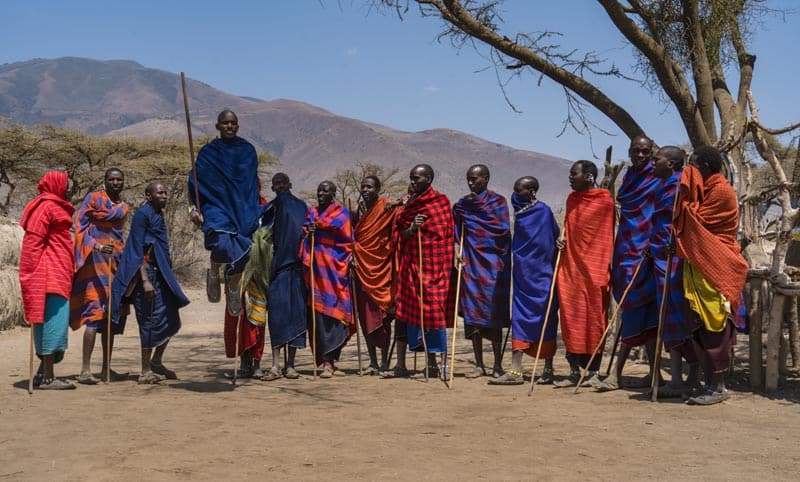
Yes, you can absolutely see and visit Maasai warriors (Morani) on a Tanzania wildlife safari. Cultural tours to Maasai villages (Bomas) are commonly integrated into itineraries visiting the Serengeti National Park, Ngorongoro Conservation Area, and Lake Manyara. Visitors often meet warriors, witness traditional dances, and learn about their culture.
15-days-africa-big-cats-safari-kenya-tanzania-safari-and-zanzibar-beach-holidays
12-days-best-tanzania-and-kenya-safari-combo-itinerary
10-days-ultimate-budget-tanzania-safari-holiday-vacation
9-days-luxury-family-tanzania-safari-in-africa-holiday-vacation
8-days-7-nights-midrange-safari-in-tanzania-northern-circuit-parks
Locations
Seeing Maasai warriors typically takes place in areas rich in Maasai culture, especially near the Ngorongoro Crater rim, surrounding the Serengeti, and around Lake Natron. The Ngorongoro Crater offers a unique opportunity to connect with Maasai communities, as it lies within a conservation area where these indigenous people have coexisted with wildlife for generations. Visitors can experience the dramatic landscapes and unique ecosystems while engaging with the Maasai. The Serengeti, famous for its vast savannas and incredible wildlife, is also a cultural hotspot where Maasai traditions remain vibrant. Lake Natron, with its otherworldly scenery and distinctive pink flamingos, provides another backdrop for cultural encounters, showcasing the Maasai's deep-rooted connection to nature. These locations not only offer stunning vistas but also an authentic glimpse into the Maasai way of life and their enduring connection to the land they inhabit.
Experience
A visit to a traditional Maasai Boma (homestead) allows for an engaging experience. Visitors are welcomed into the heart of Maasai culture, where they can observe the vibrant red clothing and intricate beadwork that characterize the warriors. The traditional spears carried by the warriors symbolize strength and protection. During the visit, you may witness traditional Maasai dancing, a spirited and rhythmic display that reflects their rich cultural heritage. These dances often tell stories of bravery and tribal history, allowing visitors to gain a deeper understanding of Maasai customs. Guests are encouraged to participate, fostering a connection between cultures and creating memorable moments. This unique cultural exchange enriches any safari experience, blending adventure with insight into the rich traditions of the Maasai people.
Integration
Many Tanzania tour operators seamlessly integrate Maasai Boma visits with game drives in national parks. This combination maximizes the adventure, allowing travelers to both witness remarkable wildlife and immerse themselves in local culture. Tour itineraries often include stops at Maasai villages en route to major attractions like the Serengeti or Ngorongoro Crater. This integration provides a holistic view of the region, highlighting the harmony between wildlife and Maasai communities. Operators understand the importance of authenticity and work closely with the Maasai to facilitate meaningful interactions, ensuring that the visits are respectful and culturally sensitive. By incorporating these experiences into safari packages, tourists can enjoy a well-rounded adventure that celebrates both the natural wonders of Tanzania and its rich cultural heritage.
Best Time
Cultural visits to Maasai communities, particularly those near the Ngorongoro Conservation Area, are available year-round. However, certain times of the year may offer enhanced experiences. The dry season, from June to October, generally provides optimal conditions for wildlife viewing in the national parks, attracting more visitors. This influx may lead to more organized cultural events in Maasai villages, providing opportunities for visitors to witness traditional ceremonies and celebrations. Conversely, the wet season, from November to May, sees fewer tourists but plenty of cultural activities related to agricultural practices and livestock management. This period allows for an insider's view of traditional Maasai life. Regardless of the season, visiting these communities offers a profound connection to Tanzania's cultural landscape, making any time a good time for engaging with the Maasai.
1. Who are the Masai Warriors?
The Masai warriors, or Moran, represent a crucial aspect of the Maasai community, primarily found in Tanzania and Kenya. Traditionally, these young men undergo a series of rigorous initiation rituals that symbolize their transition into adulthood and their new role as defenders of their families, cattle, and territory. The initiation process involves physical tests and psychological challenges that are steeped in cultural significance. These rituals forge a sense of identity, responsibility, and honor among the Moran, who view their role as not only protectors but also as keepers of the Maasai heritage. Their responsibilities range from safeguarding livestock to communal decision-making regarding land use and community welfare. The role of a Masai warrior is deeply embedded in the Maasai cultural identity, representing both bravery and loyalty. In the past, warriors played a significant role in tribal warfare and hunting, activities that strengthened their skills and unity as a group. Today, while traditional warrior roles have evolved, the Moran still embody the spirit of resilience and dedication to their community. They provide a vital link between the past and the present, embodying the rich traditions of the Maasai people while adapting to modern circumstances. The image of the Masai warrior, adorned in traditional attire and regalia, symbolizes strength, cultural pride, and the ongoing legacy of a proud people navigating the complexities of contemporary society.
2. Can I Visit a Masai Village During My Tanzania Safari?
Visiting a Masai village is a highlight for many travelers on a Tanzanian safari, providing a unique opportunity to engage with a living culture that has preserved its traditions despite the pressures of modernization. Most safari tours, especially those around iconic sites like the Ngorongoro Conservation Area and Serengeti National Park, include visits to authentic Masai Bomas, or homesteads. These tours are designed to offer a respectful glimpse into the lives of the Maasai, where visitors can interact with the community, experience their daily activities, and learn about their customs. Conducted by knowledgeable guides, these visits often encompass traditional ceremonies, performances, and demonstrations of skills such as fire-making and beadwork. The communities are generally welcoming, eager to share their way of life, and the visits are structured to ensure minimal disruption to their daily routines. Responsible tourism practices promote mutual respect and understanding; visitors are encouraged to ask questions and show appreciation for the Maasai lifestyle. Through these experiences, guests can gain insights into the unique challenges and adaptations faced by the Maasai in the context of surrounding wildlife conservation and tourism. Notably, these interactions offer not just a snapshot of Maasai culture but also contribute economically to the villages, reinforcing the importance of sustaining both cultural heritage and the communities themselves.
3. What Do I See During a Masai Village Visit?
When visiting a Masai village, or Boma, tourists are treated to a culturally rich experience that highlights the daily life and traditions of the Maasai people. A typical visit may begin with an introduction from village members, who often wear traditional attire and adorn themselves with vibrant beadwork. One of the most memorable parts of a visit is witnessing the traditional dances performed by the warriors. These dances, characterized by rhythmic footwork and impressive jumping displays, celebrate various aspects of Maasai life, from celebrating victories to attracting potential mates. Visitors may also observe fire-making techniques, where traditional practices emphasizing communal cooperation and skill are showcased. The Boma itself, a circular homestead encircled by thorny fences for protection against wildlife, offers insights into the architecture and layout of Maasai living spaces. Within, the intricately built Manyattas, or small houses, provide a glimpse of domestic life, often adorned with handmade crafts. The women, known for their exquisite beadwork, may offer items for sale, allowing visitors to support the local economy while taking home authentic souvenirs. Interaction with families often leads to discussions about their customs, beliefs, and the challenges they face in a changing world. This immersive experience fosters a deeper appreciation for the Maasai's resilient spirit, preserving their culture in the face of modernity and globalization, while also emphasizing the importance of respecting the privacy and dignity of the community.
4. What Do Masai Warriors Wear?
Masai warriors are easily recognizable due to their distinctive and colorful attire, primarily featuring the Shúkà, a traditional garment made from bright red or checkered fabric. This fabric is not merely for show; it represents not only individuality but also cultural identity—red being a significant color in Maasai culture symbolizing bravery, strength, and the blood of cattle, a vital resource for the community. The Shúkà is often draped over the shoulder, and depending on the occasion, it may be styled in various ways. Complementing their clothing is intricate beadwork jewelry, which embodies both aesthetic beauty and social status. Necklaces, bracelets, and earrings crafted by Maasai women feature vibrant colors and patterns, each design carrying specific meanings and signifying various life stages within the community. For instance, certain combinations of colors might denote a warrior’s achievements or family lineage. Moreover, the accompanying traditional spear signifies not only physical defense but also the warrior’s role and responsibilities. The spear is a crucial symbol, historically associated with hunting and protection, but today it has taken on added significance in the context of conservation. With modern pressures and changes in lifestyle, many warriors proudly don their traditional attire while also engaging in conservation efforts, symbolizing a bridge between tradition and contemporary roles in society. This juxtaposition of historical and modern elements showcases the resilience and adaptability of the Maasai culture, reinforcing their identity in an ever-changing world.
5. Are Masai Warriors Still Hunting Lions?
Historically, the act of hunting lions was a revered rite of passage for Maasai warriors, symbolizing bravery and skill. This tradition, deeply embedded in their culture, served not just as a coming-of-age ceremony but also as a means of protecting livestock. However, as conservation efforts have grown over the years, such practices have diminished considerably. Today, the hunting of lions has become illegal in many areas due to the declining lion populations and the recognition of their vital role in the ecosystem. Consequently, the role of the Masai warriors has evolved to encompass wildlife conservation and management. Many warriors now engage in programs designed to protect wildlife and promote coexistence between local communities and animals. This shift reflects a broader understanding of the significance of wildlife not only for ecological health but also for tourism, which can provide economic benefits to the community. Warriors are often trained as guides or conservation ambassadors, sharing their knowledge and experiences with visitors while fostering a sense of stewardship over the land and its inhabitants. This transformation highlights the adaptability of the Maasai culture, showcasing their commitment to preserving both their traditions and the environment. By embracing conservation efforts, Masai warriors are ensuring that their identity remains relevant and resilient in a world that is rapidly changing, while still honoring the legacy of their ancestors.
6. What is the "Jumping Dance" (Adumu)?
The "jumping dance," known as Adumu, holds a special place in Maasai culture and is a celebrated ceremonial expression of strength, stamina, and community spirit. Performed by young warriors, the Adumu involves a series of high jumps, where participants compete to see who can leap the highest. This dance is more than just an exhibition of physical ability; it is deeply symbolic, representing the courage and resilience of the Maasai people. The dance is traditionally accompanied by rhythmic singing and clapping from observers, creating a lively atmosphere that unites the community. The Adumu typically takes place during special ceremonies, including initiation rituals, weddings, and community celebrations, serving as a means of showcasing the individuals' prowess and earning respect among peers and elders. Each jump signifies a warrior's determination and strength, allowing the dancers to connect with their ancestors and highlight their readiness for the responsibilities of adulthood. Moreover, the dance can also serve as a cultural narrative, often reflecting the tribe’s history, values, and social hierarchy. Over time, the Adumu has gained attention from tourists and has become a symbol of Maasai heritage. While showcasing their cultural pride, the warriors also invite visitors to participate, creating a bridge between cultures and fostering a deeper understanding of Maasai traditions. In this way, the Adumu embodies the spirit of the Maasai—dynamic, proud, and committed to their identity in a changing world.
7. Do I Need to Pay for Photographs in a Masai Village?
When visiting a Masai village, it’s important to approach the subject of photography with sensitivity and respect. The Maasai people value their privacy and cultural heritage, and as such, it is customary to ask for permission before taking photographs. This practice not only shows respect for their way of life but also acknowledges the significance of their culture. In many cases, village members may be open to having their pictures taken, especially if it’s part of sharing their culture with visitors. However, it's also common for local residents to request a small fee in exchange for taking portraits, as a way of compensating them for their time and presence. This fee contributes to their livelihood and helps to support community projects and initiatives. Alternatively, visitors can choose to purchase handmade crafts or jewelry, which is not only a meaningful way to show appreciation for the hospitality received but also supports the local artisans. Photography can serve as a bridge for cultural exchange, allowing visitors to capture the beauty of Maasai life while respecting their values and traditions. As a visitor, understanding the importance of context and consent in photography can enhance the experience, fostering mutual respect and genuine connections between tourists and the Maasai community. The emphasis should always be on reciprocity and understanding, ensuring that these interactions honor the dignity and legacy of the Maasai people.
8. What is a "Boma" or "Manyatta"?
A Boma is the traditional circular homestead of the Maasai people, designed to protect both human inhabitants and livestock from wildlife, particularly predators. These structures are typically surrounded by thorny acacia fences, known as "enkangs," which serve as a natural barrier and highlight the resourcefulness of the Maasai in using available materials to secure their homes. Inside the Boma, one can find several Manyattas, which are small homes constructed primarily by women using mud, sticks, and cow dung—a building method that reflects both environmental consideration and traditional craftsmanship. Each Manyatta is individually adorned, reflecting the creativity and status of its inhabitants. The layout of the Boma is communal, fostering a sense of togetherness among families, which is essential in Maasai culture. Daily activities, rituals, and childcare often occur collectively, emphasizing social ties and cooperation within the community. Visitors to a Boma typically experience a warm welcome and can observe the dynamics of daily life, from milking cows to preparing traditional meals. The design and function of the Boma are not merely practical; they encapsulate the values of resilience and protection that are integral to Maasai identity. This traditional way of living contrasts sharply with urban lifestyles, reminding visitors of the importance of community, sustainability, and harmony with nature. Overall, a Boma visit offers profound insights into the Maasai way of life, reinforcing the connections to land, culture, and each other that the Maasai people cherish.
9. Can I Stay Overnight in a Masai Village?
Staying overnight in a Maasai village can be a transformative experience, offering visitors an authentic glimpse into the daily lives and traditions of the Maasai people. Many specialized eco-tourism and community-led initiatives allow guests to partake in overnight stays, which typically include accommodations in traditional Manyattas. These immersive experiences are crafted to provide a comprehensive understanding of Maasai culture, including evening rituals, storytelling, and communal meals. Participating in such stays fosters a deeper connection with the community, as guests can engage in various activities such as traditional dances, cooking, and learning about local crafts.
The warm hospitality of the Maasai provides an opportunity to bond with villagers, gaining insight into their values, beliefs, and the challenges they face in a rapidly changing world. Nighttime in the village, away from the distractions of urban life, offers a unique chance to listen to the sounds of nature, participate in evening gatherings around the fire, and share stories. This experience supports community livelihoods and promotes sustainability, as many Maasai families benefit economically from hosting tourists. Furthermore, overnight stays are often designed with a focus on minimal environmental impact, enhancing conservation efforts while respecting the cultural integrity of the community. Through these experiences, visitors contribute to the preservation of Maasai culture while creating unforgettable memories of connection, learning, and mutual respect.
10. Do Masai Warriors Speak English?
While the primary language of the Maasai people is Maa, many Masai warriors, particularly those involved in the tourism industry, possess proficiency in Swahili and English. This linguistic ability allows them to engage effectively with non-Maasai visitors, facilitating communication and enhancing the overall experience for tourists. In tourist hotspots and safari areas, it is increasingly common for warriors to serve as guides, sharing their rich cultural heritage and insights about local wildlife and conservation efforts. Their training in English and Swahili is often geared toward creating meaningful interactions with guests, allowing for a deeper understanding of the Maasai way of life.
This bilingual proficiency also reflects the broader context of education and adaptation among the Maasai, as access to schools and vocational training has improved over the years. Despite their traditional roots, many young Maasai are increasingly balancing modern education with their cultural heritage. In tourist settings, this adaptability not only enhances the warriors’ roles as cultural ambassadors but also demonstrates the evolving nature of Maasai identity in a globalized world. This ability to communicate in multiple languages serves as a bridge between cultures, fostering connections that allow for meaningful exchanges and deeper appreciation for both the Maasai traditions and the experiences of the visitors. Consequently, the interplay between language and culture becomes a vital aspect of the Masai warrior's role in contemporary society.
11. What Do the Masai Eat?
The traditional Maasai diet primarily consists of cattle-derived products, including milk, meat, and blood. Cattle hold a central place in Maasai culture, not just as a source of sustenance but also as a symbol of wealth and status. Milk, often consumed fresh or fermented, is a staple part of their daily meals. Meat is typically reserved for special occasions or ceremonies, illustrating its significance in their cultural rituals. Blood is traditionally collected from live cattle, often mixed with milk, providing a rich source of protein while minimizing harm to the animals. This way of living reflects the Maasai’s deep connection to their livestock, viewing them as integral to their identity and livelihood.
In recent years, however, the Maasai diet has evolved, influenced by interactions with outside communities and increased access to diverse food sources. Many now supplement their traditional meals with maize, vegetables, and grains, reflecting a gradual shift toward a more varied diet. This adaptation is a response to changing environmental conditions and the need for nutritional balance, particularly as traditional grazing lands diminish due to climate change and land use changes.
While the Maasai continue to honor their culinary traditions, the infusion of new foods mirrors their resilience and ability to adapt. Visitors to Maasai villages may experience traditional dishes and learn about the cultural significance of each component, providing insights into how food practices intertwine with identity and community values. Overall, the Maasai diet serves as a window into their heritage, embodying the balance between tradition and change.
12. What Are the Best, Most Respectful Ways to Interact with Masai Warriors?
Interacting respectfully with Maasai warriors and the broader community is crucial for fostering positive relationships and meaningful exchanges. When visiting a Maasai village, guests should first dress modestly, aligning with the community’s cultural values. Appropriate attire reflects gratitude and consideration, demonstrating respect for the local customs.
Taking photographs is common, but it is essential to ask for permission beforehand. Many villagers may request a small fee or prefer to have their stories shared in exchange for being photographed. Engaging in conversation is encouraged, but listening to the guide's instructions provides context and enhances understanding, ensuring that interactions remain respectful and culturally appropriate.
Additionally, participating in cultural activities—such as joining in traditional dances or helping with daily tasks—can deepen connections and show appreciation for their way of life. Visitors should also respect the privacy of households, acknowledging boundaries and never intruding into personal spaces without consent. Supporting the local economy by purchasing handmade crafts or food fosters goodwill and contributes positively to the community's sustainability.
Moreover, being open-minded and willing to learn about Maasai customs and traditions fosters mutual respect. Sharing moments of laughter and understanding across cultures can create lasting memories, benefiting both visitors and the Maasai community. Through these respectful interactions, travelers can contribute to preserving the rich heritage of the Maasai people while building bridges of appreciation and knowledge.
13. Are Masai Involved in Wildlife Conservation?
Yes, many Maasai communities are actively involved in wildlife conservation efforts, recognizing the importance of protecting their natural environment and the diverse species that inhabit it. Traditionally, the Maasai have lived in close harmony with wildlife, and their knowledge of the land and animal behavior makes them valuable partners in conservation endeavors. In recent years, as global awareness of environmental issues has risen, many Maasai have embraced the role of stewards of the land, actively participating in programs designed to safeguard wildlife.
Collaborations between Maasai communities and conservation organizations have led to initiatives aimed at mitigating human-wildlife conflict, which often arises due to competition for resources. Educational programs empower community members to adopt practices that promote coexistence, such as sustainable land use and innovative livestock protection strategies. In some areas, community-based conservation projects have emerged, allowing Maasai to benefit directly from tourism revenue while promoting the preservation of their cultural and ecological heritage.
This participation is crucial for addressing the challenges posed by development and climate change, ensuring that Maasai voices and needs are considered in conservation policies. Moreover, the Maasai’s efforts to adapt traditional practices, such as shifting grazing patterns and integrating sustainable farming methods, showcase their commitment to protecting both wildlife and their pastoral way of life.
By involving the Maasai in conservation, these programs not only help protect the environment but also promote economic opportunities and strengthen community ties. This symbiotic relationship reinforces the Maasai’s vital role in safeguarding biodiversity while preserving their rich cultural heritage for future generations.
14. What Is the Best Time to See Masai Culture on a Safari?
Experiencing Maasai culture during a safari can be rewarding at any time of the year; however, planning visits during specific seasons can significantly enhance accessibility and engagement. The dry season, spanning from June to October, is often regarded as the best time for observing both wildlife and local culture. During these months, the Maasai typically engage in various activities, making it easier to interact with them and witness their rich traditions.
The clear skies and favorable weather allow tourists to navigate to remote villages with greater ease, promoting community visits and interactions. Additionally, the dry season coincides with peak wildlife viewing opportunities, as animals congregate around water sources, allowing for an enriching experience that combines wildlife observation with cultural engagement.
In addition, many village celebrations and rites of passage, which attract visitors and tourists, tend to occur during the dry months, providing a unique chance to witness traditional ceremonies and dances.
However, it is essential to consider that community life continues throughout the year, and visitors can still engage with the Maasai during the wet season. Attending cultural events or participating in daily life can become rich experiences, as the lush landscapes serve as a backdrop to the Maasai's vibrant practices.
Regardless of when one chooses to visit, showing respect for the community and its traditions is crucial. Engaging with the seasons while offering flexibility in planning will ensure a meaningful experience while honoring the Maasai culture, recognizing its deep-rooted connection to the rhythms of nature.
15. Do the Masai Still Live a Nomadic Lifestyle?
The Maasai are traditionally known as semi-nomadic pastoralists, and while some still practice a nomadic lifestyle, many have adapted to more settled ways of living in response to changing environmental conditions and socio-economic pressures. Traditionally, the Maasai moved with their herds in search of fresh grazing land, driven by seasonal variations in climate, water availability, and pasture quality. This nomadic lifestyle was not only essential for their livelihoods but also played a critical role in maintaining their cultural identity and social structure.
However, in recent years, several factors have affected this way of life. Modern land use changes, increased agriculture, and the establishment of national parks have restricted the traditional grazing areas available to the Maasai. As a result, many Maasai communities have begun to settle near urban centers or tourist areas, engaging in agriculture, trade, and tourism-related activities while grazing their livestock in designated areas.
Additionally, education and economic opportunities have led some Maasai to adopt more sedentary lifestyles, where they can have better access to services and livelihood options. This shift has allowed for the preservation of their cultural practices while also adapting to contemporary realities.
Nevertheless, many Maasai still maintain elements of their traditional pastoralist lifestyle, combining it with modern practices. They continue to hold onto their rich cultural heritage, emphasizing the importance of cattle and community ties, even as they navigate the complexities of modern life. Hence, while nomadism as a primary way of life may be diminishing, the Maasai people continue to adapt while preserving the core values that define their identity.
Booking Tanzania safari with us Roads of Adventure safaris
Book your unforgettable Tanzania safari with Roads of Adventure Safaris for expert-led, tailored journeys to the Serengeti, Ngorongoro Crater, and Tarangire. We specialize in private 4x4, family, and luxury adventures, ensuring personalized itineraries. Our team handles all logistics, including park fees, comfortable lodging, and knowledgeable guides, creating seamless, memorable wildlife experiences. Enjoy top-tier service, from planning to your dream trip to Africa. Contact us today to create your customized Tanzania itinerary, ensuring a safe and exciting journey. Let our passion and experience turn your travel dreams into reality!
