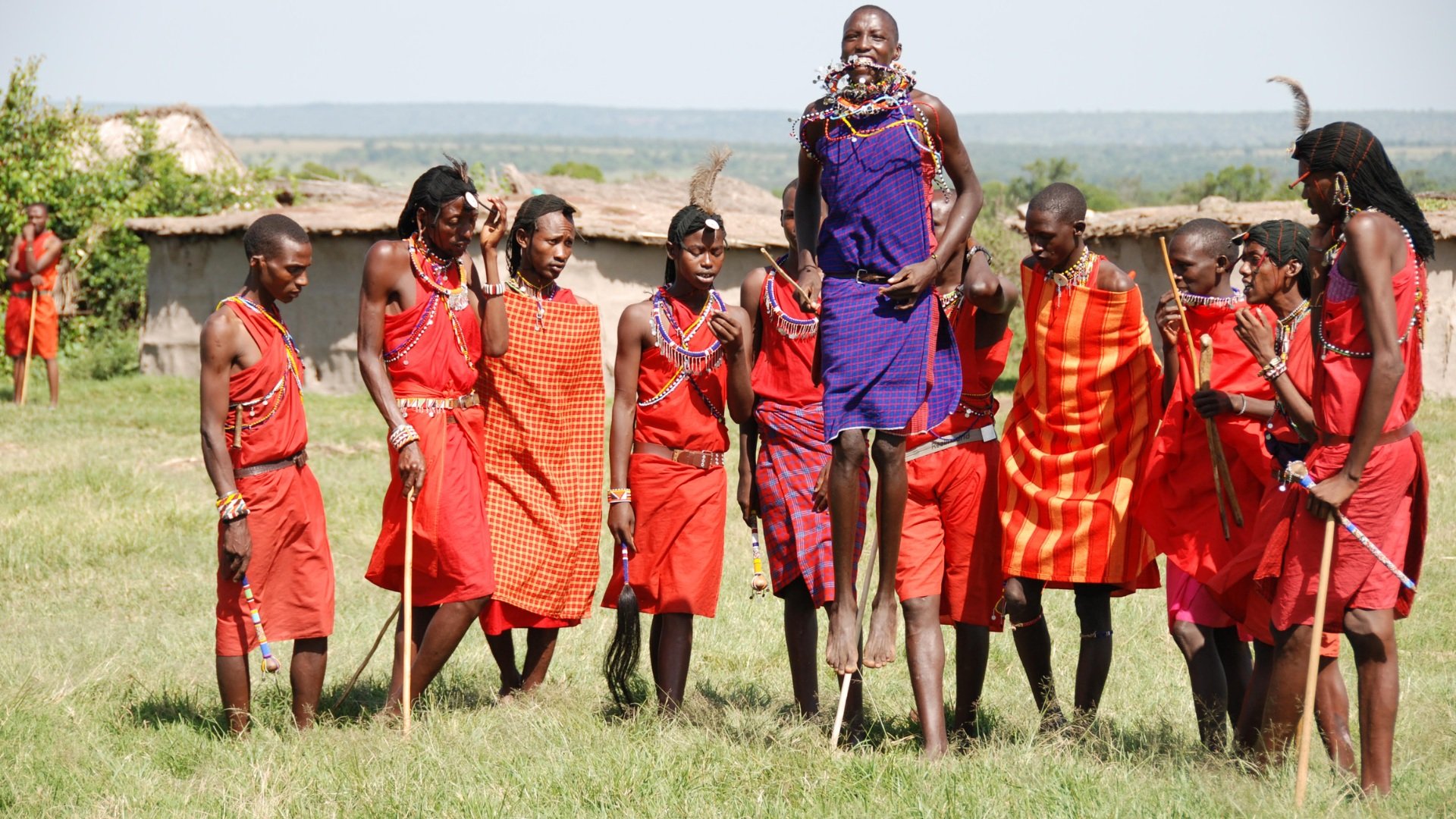
Yes, a 10-day Tanzania safari can absolutely include visits to both the Maasai people and the Hadzabe tribe. These cultural experiences are often combined with wildlife viewing in the Northern Circuit (Serengeti, Ngorongoro, Lake Manyara, and Tarangire) to provide a comprehensive look at Tanzania’s traditions and wildlife.
Popular 10 days Tanzania safari tour itineraries
10-days-perfect-tanzania-safari-itinerary
10-days-tanzania-wildlife-safari-and-optional-visit-to-masai-tribe-or-hadzabe
10-days-luxury-gorilla-trekking-masai-mara-serengeti-and-ngorongoro-crater
10-days-luxury-kenya-tanzania-safari-holiday-high-end-tour-package
10-days-best-tanzania-honeymoon-safari-with-3-days-zanzibar-beach-holidays
10-days-tanzania-safari-to-all-northern-circuit-safari-parks-expedition
10-days-best-tanzania-safari-tour-and-zanzibar-beach-holiday-itinerary
10-days-southern-tanzania-safari-to-nyerere-mikumi-ruaha-and-udzungwa-mountains
12-days-best-tanzania-and-kenya-safari-combo-itinerary
Hadzabe Tribe (Lake Eyasi): Africa’s Last Hunter-Gatherers
A visit to the Hadzabe tribe on the rugged shores of Lake Eyasi is not merely a cultural tour; it is a profound journey back in time. As one of the last true hunter-gatherer societies on Earth, the Hadzabe have lived in the Rift Valley for over 10,000 years, maintaining a lifestyle that has remained largely unchanged by the agricultural or industrial revolutions. Unlike many cultural experiences that feel staged for tourists, an encounter with the Hadzabe is raw, visceral, and dictated by the rhythm of the land.
The experience typically begins at dawn. You join the men of the tribe as they prepare for a morning hunt. There is no ceremony here—only the quiet efficiency of survival. You will witness their incredible skill with handmade bows and arrows, often tipped with desert rose poison. Following them through the thorny acacia scrub is a lesson in sensory awareness; they track the slightest movement of a dik-dik or the distant call of a honeyguide bird with uncanny precision. Watching them start a fire with nothing but two sticks in under a minute is a humbling reminder of human ingenuity.
While the men hunt, the women and children forage for tubers, berries, and baobab fruit, demonstrating a botanical knowledge that is unparalleled. One of the most striking aspects of the Hadzabe is their unique click language, which is unrelated to any other linguistic group in the region. Sitting around a fire, listening to the rhythmic pops and clicks of their conversation, you gain a sense of the deep communal bond that sustains them. In a 10-day itinerary, this visit provides a necessary philosophical counterpoint to the wildlife viewing, challenging your perceptions of "progress" and offering a rare glimpse into the ancestral roots of humanity.
Maasai People: The Iconic Guardians of the Savanna
The Maasai are perhaps the most recognizable ethnic group in East Africa, known globally for their vibrant red shukas, intricate beadwork, and deep spiritual connection to the savanna. Integrating a visit to a Maasai Boma (homestead) into a 10-day safari—particularly while traversing the Ngorongoro Conservation Area—offers a fascinating look at a culture that has successfully balanced ancient pastoral traditions with the pressures of the modern world.
Upon entering a Boma, which is typically a circular arrangement of mud-and-dung huts protected by a thorny fence, you are often welcomed with the Adumu, the traditional jumping dance. This display of strength and endurance by the Maasai warriors is a breathtaking sight against the backdrop of the vast plains. Beyond the spectacle, a deeper visit allows you to step inside a traditional home. These small, windowless dwellings are marvels of functional design, kept cool by their thick walls and organized around a central hearth.
The heart of Maasai identity lies in their cattle. To the Maasai, livestock is wealth, and their entire social structure—from age-sets to marriage rites—revolves around the protection and management of their herds. You will learn about their traditional diet, their rites of passage, and the sophisticated herbal medicine they derive from the surrounding bush. While many Maasai now participate in the modern economy, their refusal to abandon their cultural heritage in the face of globalization is a powerful testament to their resilience. Witnessing their coexistence with Africa’s most dangerous predators provides a unique perspective on the delicate balance between human life and the wild.
Datoga Tribe: The Master Metalsmiths of the Rift
Often visited in conjunction with the Hadzabe, the Datoga people offer a strikingly different cultural narrative near Lake Eyasi. While the Hadzabe are foragers, the Datoga are proud pastoralists and skilled blacksmiths, believed to have migrated into the region from the Nilotic regions of South Sudan and Ethiopia centuries ago. Their culture is defined by a blend of fierce independence and high-level craftsmanship, making them a fascinating "missing link" in the story of the Great Rift Valley.
The most captivating part of a Datoga visit is witnessing their traditional smelting process. In a small, soot-stained workshop, you will see men using ancient bellows to heat scraps of brass, copper, and aluminum (often reclaimed from old padlocks or engine parts). With rhythmic hammering and incredible heat, they transform these scrap metals into beautiful pieces of functional art—spearheads for the Maasai, intricate bracelets, and the heavy brass necklaces worn by Datoga women. The precision they achieve using only primitive tools is a masterclass in metallurgy.
The Datoga women are equally iconic, known for the circular "tattoo" patterns around their eyes and their beautifully cured leather dresses decorated with beads. Their society is highly organized and deeply traditional, with a strong emphasis on ancestor veneration and complex funeral rites. Engaging with the Datoga provides a vital layer of cultural insight; they represent the transition into the Iron Age and the development of specialized trade in East Africa. In a 10-day safari, the contrast between the quiet hunter-gatherer Hadzabe and the industrious, metal-clanging Datoga offers a complete picture of the human diversity that makes Tanzania’s landscape as culturally rich as it is biologically diverse.
10 Days Tanzania wildlife safari Masai people and Hadzabe
This 10-day Tanzania Wildlife and Cultural Safari is a profound journey that bridges the gap between Africa’s legendary animal kingdoms and its most ancient human lineages. Your odyssey begins in the shadow of Mount Meru, moving through the baobab-studded landscapes of Tarangire and the emerald forests of Lake Manyara. However, the heartbeat of this expedition lies in its immersive human connections. You will stand on the sun-baked shores of Lake Eyasi to track game with the Hadzabe bushmen, the last true hunter-gatherers, and enter the vibrant Bomas of the Maasai warriors near the Ngorongoro Crater. From the thundering hooves of the Great Migration in the Serengeti to the rhythmic click-language of the Rift Valley tribes, this itinerary offers a holistic perspective on East Africa. It is a transformative experience designed for the traveler who seeks not just to see the "Big Five," but to understand the delicate, ancient dance between humanity and the wild.
Day 1: Arrival in Arusha and Safari Briefing
Your Tanzanian adventure begins in Arusha, the gateway to the "Northern Circuit." Upon arrival at Kilimanjaro International Airport, you will be transferred to a boutique lodge nestled within a lush coffee plantation. The afternoon is dedicated to a comprehensive briefing with your expert guide, who will outline the exciting mix of wildlife and cultural encounters ahead. Depending on your arrival time, you may take a gentle stroll through the coffee trails or visit the Tanzanite Experience to learn about the region’s rare gemstones. As the evening air cools, enjoy a farm-to-table welcome dinner, allowing you to acclimate to the "safari pace." The scent of blooming jasmine and the distant calls of tropical birds provide a serene backdrop as you prepare for tomorrow’s first foray into the wild, marking the start of an unforgettable decade-day expedition into the heart of Africa.
Day 2: Tarangire National Park - The Elephant Empire
After an early breakfast, you head toward Tarangire National Park, a rugged landscape dominated by ancient, gnarled baobab trees and massive elephant herds. Tarangire is world-renowned for its elephant density, and you will likely see family groups stripping bark from baobabs or congregating along the Tarangire River, the park’s primary lifeblood. As you traverse the golden savanna, keep an eye out for fringed-eared oryx and the long-necked gerenuk, species rarely found in other northern parks. The birdlife here is equally spectacular, with over 500 species recorded. Your afternoon game drive offers a chance to spot lions draped over tree branches or leopards hidden in the riverine forest. As sunset paints the sky in shades of amber, you will retreat to your lodge, falling asleep to the low trumpeting of elephants moving through the acacia woodland.
Day 3: Lake Manyara and the Great Rift Valley
Today you explore Lake Manyara National Park, a jewel nestled at the foot of the dramatic Rift Valley escarpment. The drive into the park begins through a lush groundwater forest, where baboons play in the road and blue monkeys leap through the mahogany trees. As the forest opens up, you reach the soda lake, its alkaline waters often shimmering with thousands of pink flamingos. Manyara is legendary for its tree-climbing lions, an unusual behavioral adaptation you will hope to witness in the ancient acacias. You will also see pods of hippos at the Simba River and large buffalo herds grazing on the floodplains. The park’s diverse habitats, ranging from steep escarpments to marshlands, ensure a high-density wildlife experience in a relatively small area, providing a visually stunning transition before heading toward the highlands of Lake Eyasi.
Day 4: The Hadzabe - A Morning with Hunter-Gatherers
At dawn, you head to the rugged shores of Lake Eyasi for a profound encounter with the Hadzabe tribe. As one of the last true hunter-gatherer societies on Earth, the Hadzabe provide a rare window into humanity's ancestral past. You will join the men on a morning hunt, witnessing their incredible skill with handmade bows and arrows as they track small game through the thorny scrub. Learn about their unique click-language and their deep knowledge of medicinal plants and wild honey. While the men hunt, you may spend time with the women as they forage for tubers and baobab fruit. This is not a staged performance but a raw, visceral look at a culture that has remained unchanged for over 10,000 years, offering a humbling perspective on survival and community in the wild.
Day 5: The Datoga Metalsmiths and Karatu Highlands
After your time with the Hadzabe, you visit the neighboring Datoga tribe, skilled pastoralists and master blacksmiths. Witness the rhythmic hammering of metal as they smelt scrap brass and aluminum into intricate jewelry and spearheads using ancient bellows and charcoal fires. The Datoga women are iconic for their circular facial tattoos and beautifully cured leather dresses. In the afternoon, you ascend into the lush, fertile highlands of Karatu. The red soil and vibrant green coffee plantations offer a striking contrast to the arid plains of Eyasi. You will visit a local market or a community project, seeing how modern Tanzanian life blends with traditional agricultural practices. The cooler mountain air provides a refreshing evening as you prepare for the grand descent into the Ngorongoro Crater, the world’s largest intact volcanic caldera.
Day 6: Ngorongoro Crater - Africa's Eden
At sunrise, you descend 600 meters into the Ngorongoro Crater, a self-contained ecosystem housing over 25,000 large animals. The density of wildlife here is staggering, offering your best opportunity to spot the endangered black rhino and complete your "Big Five" checklist. Explore the Magadi soda lake, home to flamingos, and the Lerai forest, where massive "tusker" elephants wander through the fever trees. The crater’s lions are famously relaxed, allowing for incredibly close encounters. After a picnic lunch on the crater floor near the hippo pool, you spend the afternoon tracking hyenas and golden jackals. As you ascend the rim in the late afternoon, you carry with you memories of the most concentrated wildlife viewing on Earth. This "Eighth Wonder of the World" never fails to leave travelers in a state of absolute awe.
Day 7: Maasai Culture and the Serengeti Plains
Leaving the crater rim, you enter the Ngorongoro Conservation Area, where you will visit an authentic Maasai Boma. Welcomed by the Adumu (the traditional jumping dance), you will learn about the warriors’ rites of passage and the intricate social structure of this iconic pastoralist tribe. Explore their mud-and-dung dwellings and see how they coexist with wildlife in this protected landscape. From here, you continue the journey toward the legendary Serengeti National Park. As you enter through the Naabi Hill Gate, the horizon stretches infinitely, dotted only by granite kopjes that serve as lookout points for cheetahs. This is the heart of the "endless plains," where the Great Migration dictates the rhythm of life. You will arrive at your luxury tented camp by sunset, experiencing the raw, untamed essence of the savanna.
Day 8: Serengeti Deep Exploration - Predator and Prey
A full day in the Serengeti allows you to venture deeper into the central Seronera Valley or toward the river systems where wildlife is most abundant. This is the realm of the big cats; the Serengeti is perhaps the best place on Earth to witness a lion hunt or spot a leopard dragging its kill up a sausage tree. You will spend the morning tracking predators and the afternoon observing the social behaviors of elephant families and giraffe towers. Depending on the season, your guide will navigate toward the thundering herds of the Great Migration. Whether watching a Nile crocodile bask on a riverbank or observing the high-speed pursuit of a cheetah, the day is an immersive dive into one of the most pristine and complex ecosystems remaining on our planet, where nature’s drama unfolds.
Day 9: Serengeti Sunrise and Highland Retreat
On your final morning in the Serengeti, you head out for a sunrise game drive. The early light catches the golden grass and the silhouettes of acacia trees, creating a hauntingly beautiful farewell. You might have one last encounter with a pride of lions or a solitary bull elephant before beginning the drive back toward the highlands. The journey offers a final opportunity to spot any species you may have missed, with the landscape shifting once again as you ascend from the plains. You will arrive at your lodge in Karatu in the late afternoon, where the lush gardens offer a relaxing space to reflect on the week’s adventures. The evening is spent enjoying a farewell dinner under the stars, sharing stories of bushmen, warriors, and wildlife with your fellow travelers.
Day 10: Return to Arusha and Departure
On your final day, you will enjoy a relaxed breakfast overlooking the lush agricultural highlands. The drive back to Arusha offers final views of the Rift Valley escarpment and the rolling hills of the north. You will arrive in Arusha for a farewell lunch, where you can pick up last-minute souvenirs at the Maasai Market or a local craft center, ensuring you take a piece of Tanzania's heritage home with you. Your guide will then transfer you to Kilimanjaro International Airport for your departure flight. As you fly over the majestic peaks of Mount Kilimanjaro, you look down upon the plains, craters, and tribal lands you’ve explored, concluding a 10-day journey that has revealed the absolute best of Tanzania’s natural heritage and untamed spirit. You carry home stories that will last a lifetime.
1. Can I visit both the Masai and Hadzabe tribes within a single ten-day Tanzania safari itinerary?
A ten-day window is actually the ideal duration to bridge the gap between Tanzania’s wildlife spectacles and its deep cultural heritage. Because the most famous Masai (Maasai) lands and the Hadzabe territory are both situated within the "Northern Circuit," they can be woven into a single, cohesive route without excessive travel time. The Maasai are ubiquitous in the Ngorongoro Conservation Area and the fringes of the Serengeti, meaning a visit to a Boma (homestead) requires very little detour from the main safari track.
The Hadzabe, however, are located in the more remote Lake Eyasi basin. To include them, your itinerary simply needs to pivot between Tarangire/Manyara and Ngorongoro. A standard flow involves driving from the lush Manyara region to Lake Eyasi for an overnight stay. This allows you to join the Hadzabe for a dawn hunt—the most authentic time to visit—before continuing up the Rift Valley escarpment to the Ngorongoro Crater.
In a ten-day trip, this cultural "detour" adds about 24 to 36 hours to the schedule but provides a profound shift in perspective. You move from the vehicle-based observation of animals to the foot-based participation in ancient human survival. By Day 5 or 6 of a ten-day trip, most travelers have seen plenty of elephants and lions; introducing the Hadzabe at this midpoint prevents "safari fatigue" and adds a layer of human narrative that many find to be the highlight of their journey. In 2026, many specialized "Tribal & Trails" itineraries are specifically designed to balance these two distinct cultures with the "Big Five" wildlife viewing.
2. What is the best way to structure a 10-day trip to include cultural visits and major parks?
The most efficient structure for a 10-day "Wildlife and Culture" safari follows a geographic "arc" that minimizes back-tracking and maximizes time in the field. The journey should begin in Arusha (1 night) to recover from travel. From there, head to Tarangire National Park (2 nights), which serves as the "Elephant Empire" and a great introduction to the savanna.
The cultural transition begins on Day 4 by driving to Lake Eyasi. Staying overnight here is crucial; it allows you to visit the Hadzabe at 5:30 AM on Day 5 for their morning hunt. After the hunt and a visit with the neighboring Datoga silversmiths, you ascend to the Karatu/Ngorongoro highlands (1 night). This is the perfect time to visit a Maasai village, as they are situated right along the road to the crater. On Day 6, descend into the Ngorongoro Crater for a full-day game drive.
The final act of the trip (Days 7–9) should be dedicated to the Serengeti. By placing the Serengeti at the end, you ensure that the vastness of the plains and the migration serve as the grand finale. To make this 10-day structure truly efficient, you should fly out of a Serengeti airstrip back to Arusha on Day 10. This "Drive-In, Fly-Out" model saves you an 8-hour return drive, giving you extra hours with the tribes or the lions. This structure ensures you see three distinct parks and two vastly different cultures without ever feeling like you are spending the whole day in a vehicle.
3. Will I have enough time to see the Serengeti wildebeest migration and visit the Hadzabe tribe?
Yes, ten days provides ample time to witness the Great Migration while still dedicating a full day to the Hadzabe. The key is location-specific planning. The Great Migration moves seasonally, so your 10-day itinerary must be "pinned" to the right part of the Serengeti. If you are traveling in January or February, the migration is in the south (Ndutu), which is actually quite close to the Lake Eyasi region where the Hadzabe live. This makes the combination incredibly easy, as the drive between the two is relatively short.
If you are traveling during the Mara River crossings (July–October), the migration is in the far North. In a 10-day window, you would spend your first five days moving through Tarangire, Lake Eyasi, and Ngorongoro, and then use your final four nights in the Northern Serengeti. Because you have ten days, you can afford the long drive or the short bush flight to reach the northern herds without sacrificing your morning with the Hadzabe.
The "Hadzabe experience" typically only takes up half a day (the morning hunt), leaving the afternoon for travel toward your next wildlife destination. This means you don't "lose" a wildlife day; you simply start your day in the forest and end it on the savanna. In 2026, with the availability of light aircraft transfers between regional airstrips, the logistics of connecting the remote Lake Eyasi basin with the migration hotspots in the Serengeti have become seamless, ensuring you don't have to choose between the two.
4. Are the Masai village visits authentic experiences or are they mainly designed for tourist photo opportunities?
This is a common concern, and the answer depends on where you visit. Many Maasai villages located directly on the main tourist road between Karatu and the Serengeti gate have become highly commercialized. These "roadside bomas" often follow a set script: a welcome dance, a walk through a model hut, and a high-pressure sales pitch at a craft market. While the people are real Maasai, the interaction can feel transactional and "performative."
To find an authentic experience, you should look for itineraries that visit villages in more remote areas of the Ngorongoro Conservation Area or the Loliondo region. Authentic visits are often facilitated by guides who have long-standing, respectful relationships with specific families. In these settings, you aren't just a spectator; you might sit with the elders to discuss cattle management, watch the women repair a roof with mud and dung, or see the warriors preparing for a traditional ceremony that would happen whether you were there or not.
In 2026, many "Responsible Travel" operators are moving away from the "tourist boma" model toward "Community-Based Tourism." This involves visiting villages that limit the number of tourists and use the entrance fees for specific community projects like clean water or school fees. To ensure authenticity, ask your safari operator if the village you are visiting is a "commercial boma" or a "community partner." An authentic visit should feel like a conversation between two cultures, rather than a choreographed show for a camera.
5. What activities can I participate in when visiting the Hadzabe people near Lake Eyasi with a guide?
A visit to the Hadzabe is highly participatory and active. The primary activity is the morning hunt. This isn't a demonstration; you are literally tagging along as the men head out to find breakfast. You will walk (and sometimes run) through the thorny acacia scrub as they track birds, dik-diks, or baboons. You will witness their incredible speed in starting a fire with friction sticks and watch as they "talk" to honeyguide birds to find wild beehives.
If hunting isn't your preference, you can join the Hadzabe women on a foraging excursion. You will learn how to identify edible tubers, dig them out of the hard earth using sharpened sticks, and gather baobab fruit or berries. This provides a fascinating look at the botanical knowledge required to survive in an arid environment. Back at the encampment, you can practice archery with their powerful, handmade bows and learn about the different types of arrows used for various game (including poison-tipped arrows for larger prey).
Another significant activity is learning about their unique language. The Hadzabe use a series of "clicks" that are linguistically distinct from any other group in the world. Your guide will often facilitate a small "language lesson," helping you understand the social structure of their egalitarian society, where there are no chiefs or formal hierarchies. Because the Hadzabe move their camps frequently, the "shelters" you visit are often simple grass huts or caves, and you will see firsthand how they live with virtually no permanent possessions, providing a stark contrast to modern life.
6. Do the Hadzabe people still practice their traditional hunter-gatherer lifestyle, including hunting with bows and arrows?
Yes, the Hadzabe are one of the few remaining groups on Earth that still live primarily by hunting and gathering. While modern pressures and land encroachment are significant challenges, the roughly 1,200 Hadzabe remaining in the Lake Eyasi basin have tenaciously held onto their ancestral lifestyle. They do not grow crops, they do not keep livestock, and they do not have permanent "houses" in the Western sense.
Their survival still depends entirely on their skill with bows and arrows. The bows are made from the branches of the kongoni tree, and the strings are fashioned from animal sinew. They use different arrows for different tasks: some have blunt wooden heads for stunning birds, while others have iron tips (traded from the neighboring Datoga) coated with a lethal poison derived from the desert rose plant. This poison is powerful enough to bring down a large animal, yet it doesn't affect the meat's safety for human consumption.
It is important to understand that the Hadzabe are not "trapped in time"; they are aware of the modern world and occasionally use items like plastic honey containers or metal knives. However, they choose to remain in the bush because their social structure—based on total freedom and immediate sharing of resources—is tied to the land. In 2026, your visit helps provide an alternative income stream that allows them to defend their land rights against encroaching farms, helping them maintain the very hunter-gatherer lifestyle you are coming to witness.
7. Is it safe to visit the Masai and Hadzabe communities while exploring the northern Tanzania wildlife circuit?
Visiting these communities is extremely safe, provided you are accompanied by a professional guide. Both the Maasai and the Hadzabe have a long history of peaceful interaction with visitors and are known for their hospitality. The "warrior" reputation of the Maasai is a matter of cultural pride and tradition, but in a village setting, they are welcoming hosts who are eager to share their way of life.
The primary "risks" are environmental rather than human. When visiting the Hadzabe, you will be walking through rugged, thorny bush. It is essential to wear sturdy, closed-toe shoes and long trousers to protect against thorns and insects. The terrain can be uneven, and the pace of a hunt can be brisk. For Maasai visits, the main consideration is the sun and dust, as villages are often in open, arid areas.
From a health perspective, your guide will ensure that any interactions are respectful and hygienic. It is generally advised not to give food or sweets to children, as this can create a culture of begging or dental issues. Instead, donations should be made to the community as a whole. As long as you follow your guide’s instructions and respect the local customs (such as asking before taking photos), a visit to these tribes is a safe, eye-opening, and heart-warming addition to any Tanzanian safari. The people you meet are often as curious about your world as you are about theirs, leading to a safe and mutually respectful exchange.
8. How long do the cultural visits with the Masai and Hadzabe tribes typically last during the day?
The duration of cultural visits varies depending on your level of interest, but most travelers find that 2 to 4 hours is the "sweet spot" for a meaningful encounter. For the Maasai, a visit usually lasts about two hours. This includes the welcome greeting, a walk through the Boma, a visit to a traditional home, and time for questions and answers with the warriors or elders. If the village has a school or a women’s beadwork collective, you might spend an extra hour there.
For the Hadzabe, the visit is usually a half-day affair. Because their most important activity—the hunt—begins at first light, you will typically arrive at their camp around 6:00 AM. The hunt itself can last anywhere from one to three hours depending on how quickly they find game. Afterward, you might spend an hour at the camp learning about foraging, fire-making, and honey-gathering. Most visitors are finished by 10:00 or 11:00 AM, allowing plenty of time to return to their lodge for a late breakfast or to continue to their next safari destination.
If you are a photography enthusiast or a student of anthropology, you can arrange for full-day visits or even overnight stays in "fly-camps" near the tribes. However, for a standard 10-day safari, the half-day "intensive" visit is the most popular option. It provides enough time to move beyond the surface level and have genuine conversations without feeling like you are overstaying your welcome or disrupting the natural flow of the tribe’s daily life.
9. What is the best time of year to visit the Hadzabe, considering the dry season and hunting conditions?
The dry season (June to October) is widely considered the best time to visit the Hadzabe. During these months, the vegetation thins out, making it much easier to walk through the bush and follow the hunters on their morning rounds. The animals also congregate around the few remaining water sources near Lake Eyasi, making hunting more predictable. From a logistical standpoint, the dirt roads leading to Lake Eyasi can be extremely muddy and difficult during the rains, so the dry season ensures your vehicle can actually reach the remote encampments.
Another excellent window is the "short dry season" in January and February. This period is typically hot and dry, providing great conditions for walking and photography. The light is often very clear, and the Rift Valley scenery is spectacular.
Visiting during the "long rains" (April and May) is the most challenging. The Hadzabe often move their camps to higher ground or into caves to stay dry, and the thick, lush vegetation makes tracking game (and following the hunters) much more difficult. Furthermore, some of the lower-lying areas around the lake can become inaccessible due to flooding. If you are a serious photographer or trekker, the dry season is definitely the time to go. The dusty, golden atmosphere of the Lake Eyasi basin during these months perfectly captures the "raw" feel of the hunter-gatherer lifestyle.
10. Do I need special permits or guides to visit the Hadzabe people located near Lake Eyasi in Tanzania?
While you don't need a "government permit" in the sense of a visa or a hunting license, you absolutely must have a specialized local guide to visit the Hadzabe. You cannot simply drive to Lake Eyasi and look for them. The Hadzabe move their camps frequently based on the movement of game and the availability of water; a local guide from the Lake Eyasi region is the only person who knows where the current "encampments" are located.
These guides act as more than just navigators; they are cultural bridges. The Hadzabe do not speak Swahili or English; they speak their own click language. Your guide will serve as a translator, allowing you to ask questions and understand the nuances of what you are seeing. Furthermore, the guide manages the "entrance fees" or donations to the tribe, ensuring the money is distributed fairly and that the visit is conducted according to the tribe's wishes.
In 2026, most reputable safari companies include these local guide fees in your overall package. When booking your 10-day safari, ensure that "Lake Eyasi Local Guide" is listed on your itinerary. This person is usually a member of a neighboring tribe who has grown up alongside the Hadzabe and has a relationship of trust with them. This trust is what allows you to join a hunt as a guest rather than an intruder, making the guide the most important part of the logistical puzzle.
11. How should I prepare for a cultural visit to a Masai village in the Ngorongoro Conservation Area?
Preparation for a Maasai visit is less about gear and more about mindset and etiquette. Physically, you should dress modestly but comfortably. While you don't need specialized hiking gear, the village floor will be a mix of dirt and dried cow dung, so closed-toe shoes are a must. The Ngorongoro highlands can be quite windy and dusty, so a light scarf or "shuka" (which you can buy locally) is helpful for both sun protection and warmth.
The most important preparation is cultural sensitivity. Before you go, ask your guide about the specific family or village you are visiting. It’s a good idea to have some small bills (Tanzanian Shillings) ready for the village entry fee or if you choose to buy some of the hand-beaded jewelry made by the women.
Mentally, prepare to be an active participant rather than a silent observer. The Maasai are a proud and social people; they will appreciate it if you engage with them, ask about their cattle, and participate in the welcome dance. If you want to bring gifts, do not bring candy or plastic toys. Useful items like pens, notebooks, or even solar lanterns are much more appreciated, but it is always best to give these to the village elder or school headmaster to ensure they are distributed fairly. Finally, always ask permission before taking a photograph of an individual; your guide can help facilitate this, making the interaction respectful rather than invasive.
12. Will I be able to see the Masai warriors' traditional jumping dance during my 10-day safari visit?
Yes, the Adumu (the jumping dance) is a centerpiece of almost every Maasai village visit. This dance is part of a larger ceremony called the Eunoto, which marks the transition of warriors (morans) to senior status, but the jumping itself is a regular social and competitive activity among the young men. When a group of visitors arrives, the warriors will often gather to perform the dance as a gesture of welcome and pride.
The dance is a marvel of rhythm and verticality. The warriors stand in a circle and take turns leaping as high as they can into the air, keeping their bodies perfectly straight and their heels together. This is accompanied by deep, rhythmic chanting and grunting that creates a powerful, hypnotic atmosphere. It is a competition of strength and endurance, and in a traditional setting, it is a way for warriors to attract potential brides by demonstrating their fitness.
While the dance performed for tourists is a "demonstration," the skill required is very real. You may even be invited to try it yourself—though you will quickly realize how difficult it is to match their height! Seeing the Adumu against the backdrop of the African savanna, with the warriors' red robes billowing as they jump, is one of the most iconic images of a Tanzanian safari. In 10 days, you will have multiple opportunities to see this, especially as you travel through the highlands near the Ngorongoro Crater.
13. What is the most suitable accommodation near Lake Eyasi for visiting the Hadzabe people on my trip?
Because the Hadzabe hunt begins at first light, you want to stay as close to the Lake Eyasi basin as possible. There are three main types of accommodation that work well for a 10-day itinerary. The most popular are the Permanent Tented Camps like Lake Eyasi Safari Lodge or Kisimageda Camp. These offer a "luxury in the wild" feel, with comfortable beds, en-suite bathrooms, and decks overlooking the lake or the palm forests. They are located within a 20-30 minute drive of the Hadzabe areas.
For those on a tighter budget or seeking a more "authentic" feel, there are Simple Bush Camps. These are often basic campsites where your safari team will set up "mobile tents" for the night. This puts you right in the heart of the environment, allowing you to hear the sounds of the night and wake up exactly when the tribes do.
Finally, for the ultimate immersion, some operators offer "Fly-Camping" directly near a Hadzabe encampment. This is a very basic setup (just a mosquito net or a small tent), and you spend the evening around the fire with your guide and members of the tribe. This is usually only recommended for seasoned travelers who are comfortable with "roughing it" and want a deep anthropological experience. For most 10-day safaris, the Permanent Tented Lodge is the best choice; it provides the comfort needed to rest well before the 5:00 AM wake-up call, ensuring you have the energy needed to follow the hunters through the bush.
14. How do I ensure my visit to the Masai and Hadzabe is respectful to their local traditions?
Respect starts with "Informed Consent." Never enter a village or an encampment without being invited by your local guide. The guide's role is to ensure that your presence is welcomed and that you are not interrupting a sacred ceremony or a private family moment.
One of the most important rules is regarding Photography. Always ask your guide if it is okay to take photos, and then ask the individual person. If you are in a "tourist boma," photos are usually included in the entry fee, but in more authentic settings, a direct request is a sign of respect. When taking a photo, try to show the person the image on your camera screen afterward; it is a simple way to share the experience.
Another key to respect is "Resource Awareness." In these arid regions, water and food are precious. Do not waste water in your lodge, and do not offer your own snacks to tribal members unless your guide suggests it. Regarding gifts, follow the "don't give to individuals" rule. If you want to help, ask your guide how to make a donation to the village school or health clinic. Finally, dress appropriately. While you don't need to wear local clothing, avoid overly revealing attire, as most traditional Tanzanian cultures are modest. By being a "student" of their culture rather than a "judge," you ensure that the interaction is a positive one for both parties.
15. Are there any specific cultural etiquette rules I should know before meeting the Masai or Hadzabe?
There are several subtle rules of etiquette that can make your visit much smoother. For the Maasai, the Handshake is very important. When meeting an elder, it is a sign of respect to bow your head slightly so they can touch it with their palm. When shaking hands with peers, a firm but gentle grip is standard. Also, avoid pointing your finger at people or sacred objects; instead, use your whole hand or a nod of the head.
In a Maasai home, you will likely be offered tea or milk. While you aren't required to drink it all if you are concerned about hygiene, taking a small, polite sip is a gesture of friendship. If you must refuse, do so with a warm smile and a "thank you" (Ashe in Maa).
For the Hadzabe, the etiquette is even more relaxed but centered on Sharing. Their society is built on the "immediate return" of resources. If they kill a small animal, it is shared and eaten immediately. You aren't expected to share your gear, but showing a willingness to "pitch in"—such as helping to dig for tubers or trying to start a fire—is highly respected. Also, be aware of Personal Space. While they are friendly, the Hadzabe aren't used to the "crowding" of large groups. Stay close to your guide and follow their lead on where to sit and stand. By observing these small rules, you signal that you are a "guest of honor" who values their traditions, leading to a much deeper and more authentic connection.
Booking Tanzania safari with Masai, Hadzabe with us Roads of Adventure safaris
Booking a Tanzania safari to experience the Maasai and Hadzabe cultures with Roads of Adventure Safaris offers a specialized, tailored approach to exploring Northern Tanzania's wildlife and indigenous communities. They are a local company verified on SafariBookings, focusing on personalized, high-quality experiences ranging from luxury to budget
