Yes, a 14-day Uganda safari is the ideal itinerary to see all the Big Five (lions, leopards, elephants, buffaloes, and rhinos) alongside mountain gorillas. By combining savanna national parks with southwestern forests, this duration allows for a comprehensive tour starting in Entebbe, covering Ziwa Rhino Sanctuary, Murchison Falls, Kibale, Queen Elizabeth, and Bwindi Impenetrable National Park
14-days-family-uganda-safari-holiday-vacation-escape
14-days-uganda-and-rwanda-safari-tour-itinerary
14-days-classic-uganda-birding-safari-expedition
14-days-complete-uganda-safari-tour-and-primate-safari-experience
14-days-uganda-primate-safari-and-jinja-white-water-rafting
14-days-best-africa-big-five-safari-in-uganda-and-best-gorilla-trekking-adventure
14-days-luxury-uganda-primate-safari-holiday
14 Days Uganda safari to see Big Fives and Mountain gorillas
A 14-day Uganda safari is the ultimate "Grand Circuit," meticulously designed to showcase the "Pearl of Africa" in its entirety. This comprehensive journey bridges the gap between the sun-drenched savannas of the north and the ancient, misty rainforests of the south. Over two weeks, you will experience the visceral power of Murchison Falls, track all members of the "Big Five"—including the rhinos at Ziwa and the tree-climbing lions of Ishasha—and immerse yourself in the primate-rich corridors of Kibale Forest. The itinerary reaches its emotional peak with mountain gorilla trekking in Bwindi, an encounter that few people on earth ever witness. This is more than a wildlife tour; it is a deep dive into a land where the East African savanna meets the West African jungle. Guided by experts and staying in hand-picked lodges, you will discover a seamless narrative of conservation, community, and untamed beauty, ensuring every bucket-list encounter is checked with grace and depth.
Day 1: Arrival in Entebbe
Your journey begins at Entebbe International Airport, situated on the lush shores of Lake Victoria. Upon arrival, your guide will transfer you to your hotel for a briefing. Entebbe is a serene peninsula characterized by botanical gardens and a cooling lake breeze. This first day is essential for recovery from international travel and acclimatizing to the equatorial climate. You might enjoy a sunset cruise on the lake or a visit to the local markets to experience the warm Ugandan hospitality. The quiet atmosphere provides a gentle transition into the adventure ahead, allowing you to rest before the road trip begins.
Day 2: Ziwa Rhino Tracking and Murchison Falls
Traveling north, you stop at the Ziwa Rhino Sanctuary, the only place in Uganda to see rhinos in the wild. Accompanied by rangers, you will track these prehistoric giants on foot, a thrilling "Big Five" start. After lunch, you continue to Murchison Falls National Park, Uganda’s largest protected area. The landscape shifts into expansive savannas dotted with Borassus palms. You arrive at your lodge in time for dinner, listening to the distant roar of the Nile. This day marks your official entry into the untamed wilderness of the northern circuit.
Day 3: Murchison Falls Game Drive and Nile Cruise
A sunrise game drive across the northern bank reveals "towers" of Rothschild’s giraffes, elephants, and lions. The park’s biodiversity is staggering, with golden grasslands hosting countless antelopes. In the afternoon, you board a boat cruise upstream toward the base of Murchison Falls. You will see massive Nile crocodiles and hippos lining the banks. The highlight is the "Devil’s Cauldron," where the river explodes through a narrow gap. You may hike to the top of the falls to feel the ground vibrate under the pressure of the water.
Day 4: Transfer to the Kibale Forest Region
Today is a scenic drive south through the Albertine Rift escarpment. You will pass through vibrant rural villages and vast tea estates that carpet the rolling hills of Fort Portal in vivid green. This transition from the dry northern savannas to the humid, tropical rainforests of the west is visually spectacular. You reach the foothills of the Rwenzori Mountains, the "Mountains of the Moon," and check into your forest lodge. The evening is filled with the vocalizations of primates, signaling your arrival in the primate capital of the world.
Day 5: Chimpanzee Tracking and Bigodi Walk
You enter Kibale Forest for an encounter with our closest relatives—the chimpanzees. Tracking these vocal primates through the dense canopy is a high-energy experience. Once found, you spend an hour observing their social dynamics and acrobatic movements. In the afternoon, you visit the Bigodi Wetland Sanctuary, a community-led project rich in birdlife and home to eight primate species. You might spot the Great Blue Turaco or the rare Red Colobus monkey. This day provides a deep dive into the complex biodiversity of Uganda’s primary rainforests and successful community conservation.
Day 6: Queen Elizabeth National Park Exploration
Moving to Queen Elizabeth National Park, you cross the equator and enter a landscape of volcanic crater lakes and open savannas. A game drive in the Kasenyi Plains offers sightings of lions, buffaloes, and the iconic Uganda kob. The park's backdrop of the Rwenzori range makes for stunning photography. In the afternoon, you explore the salt-crater lakes of Katwe, learning about traditional mining techniques. This segment of the tour balances classic big-game viewing with unique geological features, showcasing the diverse habitats that make this park a UNESCO Biosphere Reserve.
Day 7: Kazinga Channel Boat Safari
The morning begins with a game drive to spot elusive leopards or hyenas returning from their night hunts. The afternoon highlight is the boat cruise along the Kazinga Channel, which connects Lake Edward and Lake George. This channel hosts the world’s highest concentration of hippos and incredible birdlife. You will glide past elephants and buffaloes cooling off at the water’s edge. The perspective from the water allows for intimate wildlife viewing without the noise of a vehicle, offering a peaceful yet thrilling observation of the park’s aquatic ecosystem.
Day 8: Ishasha Sector – Tree-Climbing Lions
Heading south within the park, you reach the remote Ishasha Sector. This area is world-famous for its tree-climbing lions, which lounge in ancient fig trees to escape the ground heat. Scanning the sprawling branches for a tail or a paw is a highlight of the western circuit. Ishasha also hosts the leggy Topi antelope and large herds of buffalo. The atmosphere here is rugged and quiet, providing a "true wilderness" feel. You spend the night in this southern sector, perfectly positioned for the transition to the gorilla forests.
Day 9: Journey to Bwindi Impenetrable Forest
You leave the savannas behind and ascend into the Kigezi Highlands, often called the "Switzerland of Africa." The road winds through steep, terraced hills and misty valleys until you reach the edge of the Bwindi Impenetrable National Park. This ancient, UNESCO-listed forest is a biological island that has survived for over 25,000 years. After checking into your lodge, which often clings to the forest’s edge, you can relax and soak in the cool mountain air. The anticipation for the following day’s gorilla trek is the focus of the evening briefing.
Day 10: The Ultimate Gorilla Trekking Experience
Today is the emotional peak of the safari. After a briefing, you enter the "Impenetrable" forest to track a habituated family of mountain gorillas. The trek can be physically demanding but rewarded by a silent, one-hour encounter with these gentle giants. Watching a silverback watch you while juveniles play nearby is a life-altering experience. The profound connection felt in the presence of these endangered apes is the core of Ugandan conservation. You return to the lodge for a celebratory evening, reflecting on an encounter that few people on earth ever witness.
Day 11: Relaxation at Lake Bunyonyi
Following the physical exertion of trekking, you transfer to Lake Bunyonyi, the deepest and most beautiful lake in Uganda. Surrounded by 29 islands and terraced hills, Bunyonyi is bilharzia-free and safe for swimming. You can spend the day canoeing in a traditional dugout, visiting island communities, or simply enjoying the temperate climate from your balcony. It is a day of deep relaxation and scenic beauty, allowing the magnitude of the gorilla encounter to sink in. The peaceful waters provide the perfect "buffer" before the final leg of the journey.
Day 12: Lake Mburo National Park
The journey continues to Lake Mburo, a compact savanna park known for its acacia woodlands. En route, you pass through Mbarara, the heart of the Ankole cattle culture. Lake Mburo is the only park in the south where you can see zebras and impalas. Because the park lacks elephants and lions, you can enjoy a guided nature walk, getting closer to the wildlife on foot than anywhere else. The evening game drive often yields sightings of leopards, which are particularly active in this park’s rocky outcrops and thickets.
Day 13: Walking Safari and Equator Crossing
The morning offers a unique walking safari among zebras and elands, providing a tactile connection to the African bush. Afterward, you begin the drive back toward the capital. A mandatory stop at the Uganda Equator in Kayabwe allows for photographs and the famous water drainage experiment. You can browse the local craft markets for high-quality handmade souvenirs. You spend your final night in Entebbe or Kampala, enjoying a farewell dinner and sharing memories of the diverse landscapes and wildlife encountered over the past two weeks.
Day 14: Final Departure
On your final day, depending on your flight schedule, you might visit the Ngamba Island Chimpanzee Sanctuary or the Entebbe Zoo for a last look at Uganda’s wildlife. Your guide will transfer you to the airport, marking the end of your 14-day odyssey. You leave with a profound understanding of why Uganda is the "Pearl of Africa," having successfully navigated the Nile, tracked the great apes, and witnessed the Big Five. The memories of the misty forests and golden savannas remain a testament to a journey of unparalleled de
Can I see all Big Five and Mountain Gorillas on a 14 Days Uganda safari?
Yes, a 14-day itinerary is the most reliable way to secure the full "Big Five" and Mountain Gorilla checklist. While many shorter trips focus on one or the other, two weeks allow you to navigate the geographic spread required for all these encounters. The journey typically begins with Rhinos at the Ziwa Rhino Sanctuary. You then move to Murchison Falls, where massive herds of Elephants and Buffaloes dominate the plains alongside healthy Lion and Leopard populations. Queen Elizabeth National Park provides a second chance for these predators, including the specialized tree-climbing lions. Finally, the circuit moves into the high-altitude rainforests of Bwindi or Mgahinga for the gorillas. Because 14 days provide multiple game drives across different ecosystems, your statistical probability of seeing every member of the Big Five—particularly the elusive leopard—increases significantly compared to a shorter expedition.
Where do I see Rhinos on a 14 Days Uganda safari?
Rhinos are found exclusively at the Ziwa Rhino Sanctuary in the Nakasongola district. Historically, rhinos were poached to extinction in Uganda's national parks, but Ziwa was established as a breeding sanctuary to reintroduce them. A 14-day safari almost always includes a stop here as a bridge between the capital, Kampala, and Murchison Falls National Park. The experience at Ziwa is unique because it involves on-foot tracking; accompanied by expert rangers, you walk through the bush to observe these prehistoric-looking giants at a safe distance of about 15 to 30 meters. This intimate encounter allows for incredible photography and educational insights into rhino conservation. Successfully seeing the rhinos at Ziwa is the essential first step in completing your "Big Five" checklist before you head into the northern savanna parks for the remaining four.
Are mountain gorillas guaranteed on a 14 Days Uganda safari?
While wildlife encounters are never strictly "guaranteed," a 14-day Uganda safari offers a 99% success rate for spotting mountain gorillas. This exceptionally high rate is due to the intensive tracking work of the Uganda Wildlife Authority (UWA) rangers. Every morning, a team of trackers heads into the forest at dawn to locate the habituated gorilla families from where they nested the night before. They then communicate the location to the guides leading the tourist groups. Bwindi Impenetrable National Park and Mgahinga Gorilla National Park are home to over half of the world's mountain gorilla population, and the habituation process ensures that the animals are comfortable with human presence for one hour. While the trek can be physically demanding depending on the gorillas' movement, the trackers' expertise ensures that you will almost certainly find them.
When is the best time for a 14 Days Uganda safari?
The Dry Seasons (June to August and December to February) represent the ideal time for a comprehensive 14-day safari. During these months, the falta of heavy rainfall ensures that the dirt tracks in savanna parks remain navigable and the forest trails in Bwindi are less slippery. More importantly, wildlife viewing becomes more predictable; as the savanna parches, animals congregate around permanent water sources like the Nile and the Kazinga Channel, making them easier to spot. The dry months also offer the clearest skies for photography and the lowest risk of malaria, as there is less standing water for mosquitoes. However, because these are peak seasons, it is essential to book your 14-day trip at least six months in advance to secure the limited gorilla permits and your first choice of the best-located lodges.
Which parks are included in a 14 Days Uganda safari?
A standard "Grand Circuit" 14-day itinerary is carefully curated to include a variety of biomes. It usually begins with the Ziwa Rhino Sanctuary, followed by Murchison Falls National Park for the thundering falls and big game. The journey then moves to Kibale Forest National Park, the "Primate Capital," for chimpanzee tracking. From there, you descend into Queen Elizabeth National Park, famous for its Kazinga Channel boat safari and the tree-climbing lions of the Ishasha sector. The emotional peak occurs in Bwindi Impenetrable National Park for gorilla trekking. Most 14-day routes conclude with a visit to Lake Bunyonyi for relaxation and Lake Mburo National Park, which provides the only opportunity on the western circuit to see zebras and impalas, rounding out a truly diverse mammalian checklist.
Do I need a separate permit for gorillas on a 14 Days Uganda safari?
Yes, a Gorilla Trekking Permit is a mandatory legal requirement and must be secured well in advance. As of 2026, these permits are issued by the Uganda Wildlife Authority (UWA) and are strictly limited to eight people per habituated gorilla family per day. On a 14-day safari, your tour operator typically handles this process, as the permits are included in the overall package price. It is important to note that the permit is date-specific and location-specific (for a particular sector of Bwindi). Without this permit, you cannot enter the forest to see the gorillas. Because the demand for these permits is global and the supply is very restricted, the timing of your entire 14-day itinerary is usually built around the specific date your gorilla permit is secured.
What is the maximum number of people in a gorilla group on a 14 Days Uganda safari?
To ensure the well-being of the animals and minimize the risk of human-to-wildlife disease transmission, only 8 people are allowed to visit a single habituated gorilla family per day. This strict limit is a cornerstone of Uganda's conservation model. During your 14-day safari, on the day of your trek, you will be assigned to a group of eight travelers at the park headquarters. This small group size ensures an intimate experience, allowing everyone a clear view of the gorillas without causing undue stress or crowding for the primates. You will be accompanied by an armed ranger for security and a professional guide who interprets the gorillas' behavior, ensuring that the one hour you spend with them is both safe and deeply educational.
Can I see tree-climbing lions on a 14 Days Uganda safari?
Yes, and they are one of the most sought-after highlights of the trip. These rare lions are found in the Ishasha Sector of Queen Elizabeth National Park. While most lions stay on the ground, the prides in Ishasha have developed the unique behavior of climbing into ancient Sycamore Fig and Acacia trees to escape the ground heat and biting insects. A 14-day itinerary is superior because it allows for a dedicated overnight stay or multiple game drives in the Ishasha region, whereas shorter tours often bypass it. Scanning the sprawling branches for a dangling tail or a resting paw is a thrilling challenge. Seeing a 400-pound lion draped across a tree limb is a rare phenomenon found in only a few places in Africa, making this a mandatory stop on a two-week tour.
What are the chances of seeing leopards on a 14 Days Uganda safari?
While leopards are famously the most elusive of the Big Five, your chances on a 14-day safari are excellent. Leopards are solitary, shy, and masterfully camouflaged, making them difficult to find in just a few days. However, with two weeks of exploration, you have approximately 20 separate game drives in prime leopard habitats like Murchison Falls and the Kasenyi Plains of Queen Elizabeth Park. Your guide will focus on early morning and late evening drives when leopards are most active. Many 14-day itineraries also include a night game drive in Lake Mburo, which is widely considered the best place in Uganda to see leopards under the cover of darkness. The luxury of time on a 14-day trip is the greatest tool for successfully spotting these beautiful, "ghostly" predators.
Is Chimpanzee tracking included in a 14 Days Uganda safari?
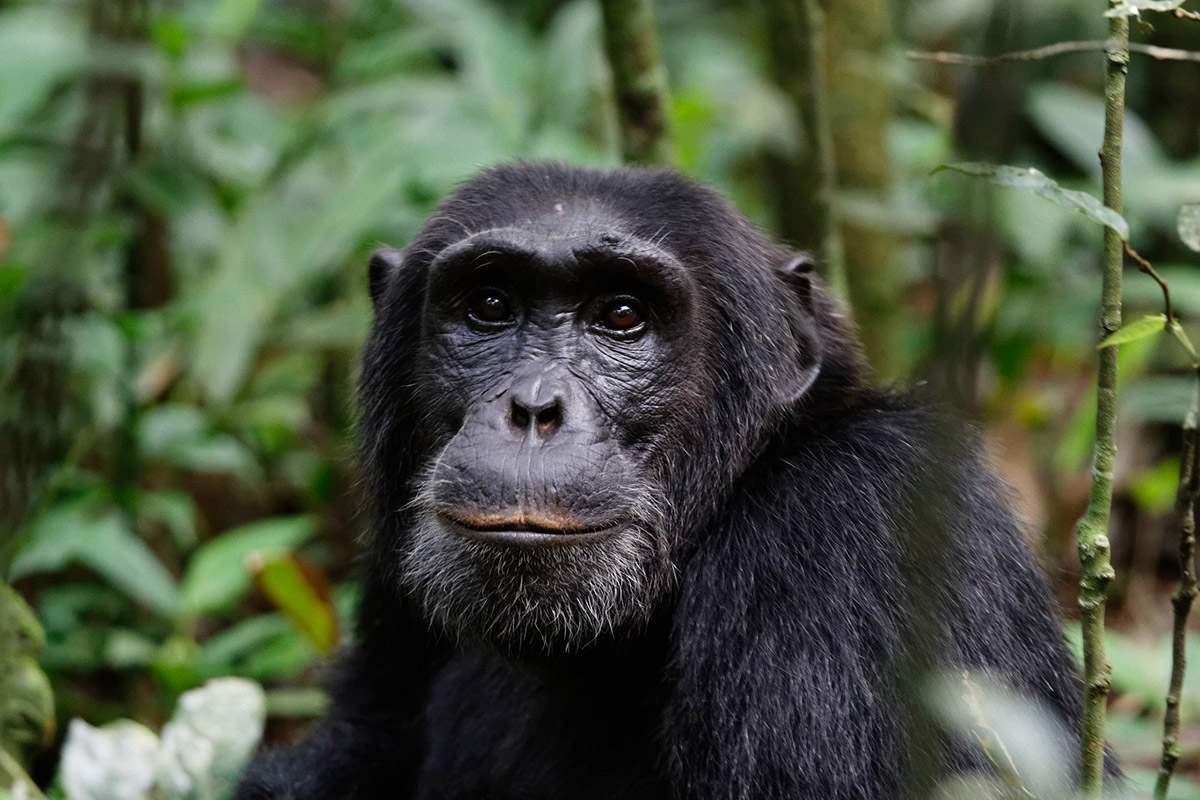
Yes, Chimpanzee tracking is a core component of almost every 14-day itinerary. This activity typically takes place in Kibale Forest National Park, which hosts the highest density of primates in Africa. Tracking our closest living relatives is a high-energy experience that provides a perfect contrast to the quiet, slow-moving gorilla trek. Chimpanzees are loud, social, and acrobatic; you will likely hear their deafening "pant-hoot" calls long before you see them swinging through the canopy. While Kibale is the premier spot, some 14-day tours also offer tracking in the Kyambura Gorge or Budongo Forest. Including chimps alongside gorillas ensures that your "Primate Checklist" is complete, offering a comprehensive look at the Great Apes that define the biodiversity of the Pearl of Africa.
How many hours do I spend with gorillas on a 14 Days Uganda safari?
Once you have trekked through the forest and located the gorilla family, you are allowed exactly one hour of observation. This "one-hour rule" is strictly enforced by the Uganda Wildlife Authority to prevent the gorillas from becoming overly stressed or too habituated to human presence, and to minimize the risk of cross-species illness. While one hour may sound short, it is an incredibly intense and focused experience. You will watch the silverback manage his troop, mothers grooming their infants, and juveniles playing in the vines. For those who want more time, some 14-day itineraries offer the Gorilla Habituation Experience in the Rushaga sector, which allows for four hours of observation, although this requires a more expensive permit and is limited to only four visitors per day.
Is a 14 Days Uganda safari suitable for children?
A 14-day safari can be tailored for families, but there are important age restrictions to consider. The minimum age for gorilla tracking and chimpanzee tracking is 15 years old. This is strictly enforced for safety and conservation reasons. However, children younger than 15 can still enjoy many other aspects of the safari, such as game drives, boat cruises on the Nile, and community visits. Many lodges offer "kid-friendly" activities or child-minding services while parents go on the primate treks. If traveling with younger children, a 14-day itinerary is often adjusted to include more time at lodges with pools or shorter drives to ensure the pace remains manageable. For families with teenagers, it is the ultimate educational adventure that combines biology, geography, and cultural immersion.
Do I need vaccinations for a 14 Days Uganda safari?
Yes, health preparations are a critical part of planning your 14-day trip. A Yellow Fever vaccination certificate is a mandatory entry requirement for Uganda; you will likely be asked to show it upon arrival at Entebbe Airport. Additionally, because you will be traveling through various altitudes and ecosystems, malaria precautions are highly recommended. This includes taking a prescribed prophylaxis and using insect repellent. Other recommended vaccinations often include Hepatitis A and B, Typhoid, and Meningitis. Since you will be in close proximity to primates, it is also essential that you are in good health; even a common cold can be fatal to gorillas, and you may be barred from trekking if you show symptoms of a contagious illness. Always consult a travel clinic at least two months before your departure.
What is the price range for a 14 Days Uganda safari?
For a 14-day "Grand Circuit" safari in 2026, the price range typically falls between $3,500 and $8,000+ per person, depending on the tier of accommodation and whether the tour is private or group-based. This price generally includes the gorilla permit (approx. $800), chimpanzee permit ($250), all park entrance fees, 4x4 transport with a professional guide, and full-board accommodation. Mid-range packages usually fall in the $4,000–$5,500 range, while Luxury packages—featuring high-end eco-lodges with spas and butlers—can easily exceed $8,000. While the cost is significant, it reflects the high price of conservation permits and the logistical complexity of operating in remote areas. For a 14-day trip, this investment ensures a seamless, safe, and high-quality experience across the entire country.
What is the best way to travel between parks on a 14 Days Uganda safari?
The most popular and practical way to handle a 14-day safari is by using a private 4x4 safari vehicle with a professional driver-guide. Uganda's roads can be challenging, especially in the rainy season or on the winding mountain tracks of the southwest. A dedicated vehicle allows for the flexibility to stop for photos, visit local markets, and perform game drives at your own pace. For those who wish to avoid long drive times (which can be 5–8 hours between some parks), domestic "bush flights" are an available luxury. These short flights link Entebbe to airstrips in Murchison Falls, Queen Elizabeth, and Bwindi. Many 14-day luxury itineraries use a "fly-in" model for one or two legs of the journey to maximize relaxation time at the lodges while still using a vehicle for the actual game viewing.
Booking 14 days Uganda safari with us Roads of Adventure safaris
Book a 14-day Uganda safari with Roads of Adventure Safaris to experience a comprehensive, custom-tailored journey featuring gorilla trekking, chimpanzee tracking, and wildlife viewing in premier parks like Murchison Falls and Kidepo Valley. They handle logistics, permits, and expert guiding for a seamless experience
