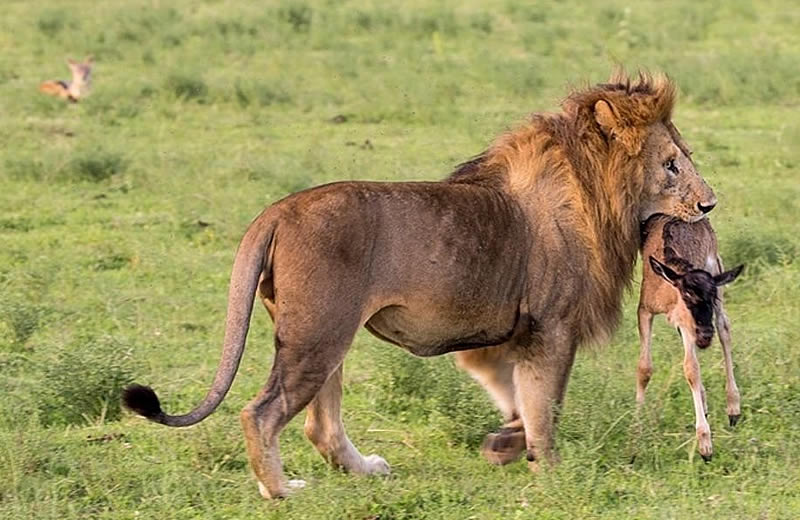
Yes, you can see all the Big Five animals (lion, leopard, elephant, rhino, and buffalo) in the Masai Mara National Reserve during a Kenya wildlife safari. It is one of Kenya's best locations for viewing all five, with particularly high chances for lions, elephants, and buffaloes.
6-days-kenya-wildlife-safari-and-uganda-gorilla-tracking-safari-tour
6-days-maasai-mara-nakuru-amboseli-affordable-budget-kenya-safari
6-days-circuit-kenya-safari-to-masai-mara-lake-nakuru-and-amboseli-park
6-days-luxury-kenya-safari-round-trip-starting-from-masai-mara
6-days-mid-range-kenya-wildlife-safari-all-inclusive-tour-package
6-days-mid-range-kenya-wildlife-safari-all-inclusive-tour-package
6-days-kenya-safari-and-gorilla-tracking-vacation-in-rwanda
5-days-best-northern-circuit-kenya-wildlife-safari-less-explored-destinations
10-days-samburu-amboseli-nakuru-naivasha-maasai-mara-safari-tour
8-days-ol-pejeta-lake-nakuru-masai-mara-lake-naivasha-and-amboselib
8-days-samburu-special-five-ol-pejeta-and-masai-mara-safari-tour
21-days-kenya-photography-safari-kenya-parks-diani-beach-and-malindi
20-days-uganda-kenya-tanzania-and-zanzibar-beach-holidays
15-days-luxury-kenya-safari-holiday-and-zanzibar-beach-holiday-combined-itinerary
14-days-ultimate-kenya-tanzania-safari-to-zanzibar-beach-beach-holidays
13-days-samburu-ol-pejeta-lake-nakuru-masai-mara-lake-naivasha-and-amboseli-kenya-safari
Where is Mount Bisoke Located?
Mount Bisoke is situated within Volcanoes National Park, in the northwestern region of Rwanda. This park, renowned for its breathtaking volcanic landscapes and rich biodiversity, is primarily known for its population of mountain gorillas. Mount Bisoke is one of the prominent peaks in the Virunga mountain range, which is shared between three countries: Rwanda, Uganda, and the Democratic Republic of Congo. The park itself is a key part of the conservation efforts aimed at preserving these iconic animals, making it a popular destination for both wildlife enthusiasts and trekkers.
The topography surrounding Mount Bisoke is characterized by lush greenery, dense forests, and unique volcanic terrains. The mountain's slopes offer a compelling habitat not just for gorillas but also for a variety of wildlife, including golden monkeys and numerous bird species. This accessibility makes it a favored spot for adventurers seeking to explore both the natural beauty and the wildlife of Rwanda. Trekking to the summit allows visitors to experience the striking scenery of the park while contributing to conservation efforts. The area is rich in cultural significance as well, with surrounding communities playing an integral role in tourism and conservation activities, further enhancing the experience of trekking Mount Bisoke.
How High is Mount Bisoke?
Mount Bisoke stands at a height of 3,711 meters (12,175 feet) above sea level, making it one of the significant peaks in the Virunga mountain range. This elevation provides breathtaking views of the surrounding landscape, including expansive vistas of Volcanoes National Park and, on clear days, distant peaks and far-reaching valleys. The summit is particularly known for its stunning crater lake, which adds to the allure of the hike.
The altitude presents unique experiences for trekkers, including variations in climate and biodiversity as one ascends. As you gain elevation, the vegetation changes from dense forests at lower altitudes to rich montane ecosystems towards the summit. The diverse ecosystems host a variety of flora and fauna that are adapted to the differing conditions at each elevation level.
Climbing Mount Bisoke not only challenges hikers physically but also rewards them with an exploration of different biomes and the chance to appreciate the ecological diversity of the region. Thus, the trek to the summit presents a dual opportunity: experiencing one of Africa’s majestic peaks while enjoying the rich biodiversity that thrives in this highland environment.
How Long Does It Take to Hike Mount Bisoke?
The typical hiking itinerary for Mount Bisoke includes an ascent that generally takes about 3 hours, followed by a round-trip journey that can last between 5 to 7 hours, depending on the hiker's pace and fitness level. This timing allows for a manageable yet invigorating experience that is suitable for those with a reasonable level of fitness.
The trek begins at the foot of the mountain, where hikers experience a range of environments—from lush forests brimming with vegetation to rocky paths and steep inclines. During the hike, there are opportunities to take breaks and enjoy the surrounding beauty, allowing trekkers to appreciate the diverse flora and fauna. The steady climb to the summit is greatly rewarded by the panoramic views once you reach the top.
It is important for trekkers to be prepared for various weather conditions, as the mountain can be shrouded in mist and rain, particularly during certain seasons. To make the most of the experience, hikers should start early and be aware of their physical condition. The journey to Mount Bisoke offers not just the thrill of reaching the summit but also a unique insight into Rwanda’s stunning landscapes and wildlife. This moderate-to-strenuous hike is particularly popular among adventurers looking to connect with nature in a profound way.
Can I See Gorillas While Hiking Mount Bisoke?
While hiking Mount Bisoke provides an opportunity to encounter spectacular scenery and biodiversity, it is important to note that the gorilla viewing experience is separate from the formal 1-hour trek dedicated specifically to observing the gorillas. Visitors engaging in the Mount Bisoke hike might catch glimpses of gorillas at a distance, as the mountain is part of the broader ecosystem that these amazing primates inhabit. However, dedicated gorilla trekking permits are required for the specific gorilla trekking experience.
The Mount Bisoke hike can serve as a complementary adventure to gorilla trekking within Volcanoes National Park. Many trekkers choose to engage in both activities, embarking on the hike to enjoy the stunning views and varied terrain while planning a separate day for an intimate gorilla viewing experience. Trekking to the summit allows travelers to appreciate the unique ecological assets of the region while also increasing their chances of observing other wildlife, such as golden monkeys and various bird species.
For those specifically interested in observing gorillas, it is highly recommended to schedule this as a distinct activity. Trekking permits for gorilla viewing, which provide access to designated gorilla groups, must be arranged through the park's authorities. This approach maximizes the overall experience, allowing visitors to fully immerse themselves in the splendor of Rwanda’s wildlife and landscapes.
What is the Cost of a Hiking Permit for Mount Bisoke?
To embark on a hiking adventure to Mount Bisoke, visitors are required to obtain a hiking permit, which costs $75 USD per person for international visitors. This fee contributes not only to the maintenance of the trails but also assists in conservation efforts within Volcanoes National Park, ensuring the protection of the unique ecosystems and wildlife found in this area.
The hiking permit includes a mandatory park ranger guide who accompanies trekkers throughout the hike. These guides are knowledgeable about the local environment, providing valuable insights into the flora and fauna encountered along the way. Moreover, having a park ranger aids in ensuring safety and adherence to park regulations, enhancing the hiking experience.
It is advisable for trekkers to secure their hiking permits in advance, especially during peak seasons when demand can be high. Planning ahead ensures that you’re able to access this remarkable adventure without any last-minute complications. The combination of the hiking fee and guided experience provides not just a physical challenge, but also an educational opportunity to connect with the natural beauty of Rwanda’s volcanic landscapes.
Does the Mount Bisoke Hiking Fee Include a Guide?
Yes, the hiking fee for Mount Bisoke includes a mandatory park ranger guide. This is an essential component of the hiking experience, as the guides are crucial for navigating the terrain and ensuring the safety of each participant. The guides have extensive knowledge of the area, including the diverse ecosystems, wildlife, and the geological features of the mountain.
Having a guide adds considerable value to the trek, as they can provide insights into the rich biodiversity found in Volcanoes National Park and share fascinating facts about the flora and fauna. Their expertise helps hikers appreciate the surrounding environment more deeply while ensuring adherence to safety protocols and park regulations.
Additionally, the presence of a ranger is vital for the conservation efforts within the park, helping to maintain the integrity of the environment. These guides are trained to responsibly manage the group’s interactions with wildlife and ensure that hikers respect the delicate ecosystems along the trail. Overall, the inclusion of a professional guide enhances the experience, making it safer, more informative, and more engaging.
What is the Best Time to Hike Mount Bisoke?
The best times to hike Mount Bisoke are during the dry seasons, which typically occur from June to September and December to February. These months provide optimal conditions for hiking, offering safer and less slippery trails. Dry weather conditions enhance visibility and make the trek more enjoyable, allowing hikers to appreciate the stunning landscapes without the complications of mud and rain.
While hiking can technically be undertaken at any time of the year, trekking during the dry seasons mitigates risks associated with wet, slippery trails and unpredictable weather, which can occur in the rainy seasons. The reduced likelihood of rainfall not only makes the hiking experience more pleasant but also provides clearer views of the surrounding volcanic landscape and wildlife.
Engaging in hikes during these months can also maximize the chance of spotting diverse wildlife, including gorillas and other inhabitants of the park. Therefore, planning a trip to coincide with the dry seasons not only enhances the overall experience but also aligns with the best conditions for exploring the breathtaking beauty of Mount Bisoke and the surrounding areas.
What is the Main Attraction at the Top of Mount Bisoke?
The primary allure of reaching the summit of Mount Bisoke lies in its stunning crater lake, which measures approximately 400 meters in diameter. This picturesque lake, formed within the caldera of the volcano, offers a breathtaking view and a unique geological feature that is a highlight for many hikers. The tranquil waters, often reflecting the surrounding landscape, create a serene atmosphere that is perfect for reflection and appreciation of nature.
Upon reaching the summit, hikers can take a moment to rest and absorb the stunning views which extend across the volcanic landscape and multiple peaks of the Virunga range. The area around the crater lake is often lush with diverse vegetation, and the peaceful ambiance adds to the allure of the hike.
The summit also serves as a reminder of the region's geological history, marking the dynamic processes that formed the area over millions of years. Visitors often find that standing by the crater lake not only provides photo opportunities but also sparks a sense of connection to the natural world and the forces that have shaped it. This combination of beauty, tranquility, and geological significance makes the summit of Mount Bisoke a truly unforgettable destination.
Do I Need a 4x4 Vehicle to Get to the Start of Mount Bisoke?
Yes, a 4x4 vehicle is highly recommended to reach the start of Mount Bisoke. The final kilometers leading to the trailhead can be rough and unpaved, making it challenging for standard vehicles. A 4x4 provides the necessary traction and power to navigate the uneven terrain, ensuring that you arrive safely and comfortably at the Kinigi park headquarters, where the hike begins.
Using a 4x4 vehicle also allows travelers to enjoy a more exhilarating journey through the beautiful landscapes of the region. The roads may wind through picturesque hills and valleys, showcasing the stunning natural scenery that Rwanda is famous for. Having reliable transportation not only enhances safety but also contributes to a more enjoyable overall experience, allowing adventurers to maximize their time in the beautiful Volcanoes National Park.
For those who do not have access to a suitable vehicle, many tour operators offer transportation services as part of their trekking packages. This option ensures a seamless experience without the stress of navigating the roads. Overall, investing in a 4x4 is an essential aspect of ensuring a safe and successful hike on Mount Bisoke.
How Challenging is the Hike on Mount Bisoke?
Hiking Mount Bisoke is considered a steep and strenuous activity that requires a good level of physical fitness. The trail features a range of challenging inclines and rocky terrain, making it essential for trekkers to be adequately prepared. While the ascent typically takes around 3 hours, the hike can vary in difficulty depending on each individual’s pace, stamina, and previous hiking experience.
The steepness of the trail, coupled with the altitude, can test even experienced hikers, particularly in sections that may require climbing over rocks or navigating through dense vegetation. It’s advisable for those planning to hike Mount Bisoke to engage in a suitable fitness regimen ahead of time to ensure they can tackle this invigorating challenge.
Despite the physical exertion required, reaching the summit is immensely rewarding, offering stunning views and the opportunity to experience the unique ecosystem atop the volcano. Trekking guides accompany participants, providing support and ensuring safety while also imparting knowledge about the local environment. For many adventurers, the challenge presented by Mount Bisoke is part of the allure, contributing to the sense of accomplishment felt upon reaching the summit.
What Should I Pack for Hiking Mount Bisoke?
When preparing for a hike up Mount Bisoke, it’s crucial to pack appropriately to ensure both comfort and safety throughout the adventure. Recommended gear includes sturdy hiking boots that provide good ankle support and traction on uneven terrain. Wearing long pants is advisable to shield your legs from scratches, insects, and the elements.
A rain jacket is essential due to the unpredictable weather conditions in the region, as rain can occur at any moment. Additionally, gardening gloves can help with grip while hiking in potentially tricky sections of the trail. Remember to bring energy snacks to keep your energy levels up during the trek, along with at least 2 liters of water to stay hydrated throughout the hike.
A walking stick can be beneficial, providing stability and support on rocky parts of the trail. Having the right tools can make a significant difference in your comfort level during the hike. Lastly, packing a small backpack will help keep your items organized and easily accessible. By preparing thoughtfully, hikers can ensure a more enjoyable and successful experience climbing Mount Bisoke.
Can I Hire a Porter for Mount Bisoke?
Yes, porters are available for hire at the Kinigi park headquarters, providing valuable assistance to trekkers on Mount Bisoke. Hiring a porter can greatly enhance your hiking experience, as they help carry your gear, allowing you to focus more on the trek itself. This service is particularly beneficial for those who may struggle with heavy backpacks or desire a more leisurely hiking pace.
Porters are trained to assist trekkers and are familiar with the trails, ensuring that your belongings are managed effectively throughout the hike. This support not only lightens the load but also helps improve mobility, making the hike more enjoyable and less strenuous. Moreover, hiring a porter can contribute positively to the local economy, providing employment opportunities for residents of the area who depend on tourism for their livelihood.
Engaging a porter also fosters a sense of camaraderie, as they often share insights about the local environment and culture. This interaction can enrich your experience and immerse you further in the beauty and wonder of the Rwandan landscape. Overall, hiring a porter for the hike up Mount Bisoke is a recommended practice that benefits both trekkers and the local community.
Is it Possible to Swim in the Crater Lake at Mount Bisoke?
No, swimming is not allowed in the crater lake at the summit of Mount Bisoke. This restriction is in place to protect the delicate ecosystem surrounding the lake and maintain its pristine condition. The crater lake, with its scenic beauty and unique geological features, serves as an important habitat for various species and contributes to the overall environmental health of the area.
While the temptation to swim in the tranquil waters may be strong, respecting this rule helps preserve the natural integrity of the lake and the surrounding ecosystem. Visitors are encouraged to enjoy the views and take photographs while remaining on designated trails to minimize impact on the environment.
Additionally, park regulations are in place to ensure the safety of both visitors and the unique wildlife inhabiting the area. Instead of swimming, hikers can enjoy the beauty of the lake, engage in quiet contemplation, and appreciate the dramatic landscapes from a safe distance. By adhering to these guidelines, trekkers contribute to the ongoing conservation efforts aimed at preserving the beauty and biodiversity of Mount Bisoke for future generations.
What is the Meeting Time for the Hike?
The meeting time for hiking Mount Bisoke is set for 7:00 AM at the Kinigi park headquarters. Arriving at this time allows for the necessary briefing before the trek begins. This briefing is essential, as it provides vital information regarding safety, trail conditions, and park regulations, ensuring that all participants are adequately prepared for the hike ahead.
Prompt arrival at the headquarters allows trekkers to complete any necessary paperwork, including the collection of permits and payments for guide services. It is advisable for hikers to arrive a bit earlier to account for any unforeseen delays, ensuring a smooth and timely start to the day’s adventure.
The morning schedule also maximizes the climbing experience, enabling hikers to take advantage of cooler temperatures in the early hours. This timing is particularly important for a rigorous hike, as it can help enhance stamina and comfort levels. Starting early also allows for adequate time to explore the summit and enjoy the views without the pressure of returning late.
Overall, adhering to the 7:00 AM meeting time not only sets the stage for an organized trekking experience but also enriches the enjoyment of navigating the beautiful landscapes of Mount Bisoke.
What Other Animals Can Be Seen on Mount Bisoke?
In addition to the magnificent mountain gorillas, hikers on Mount Bisoke may encounter a variety of fascinating wildlife during their trek. One of the notable species is the golden monkey, known for its vibrant coloration and playful demeanor. These monkeys are often seen in the forests surrounding Volcanoes National Park and can provide delightful encounters for hikers.
Forest elephants are another species that inhabit the area, although they are more rarely spotted due to their elusive nature and preference for denser environments. The presence of elephants adds to the biodiversity of the region and further enlivens the hiking experience.
Moreover, Mount Bisoke is home to a diverse range of bird species, making it a haven for birdwatchers. The various habitats along the trail support different birds, from colorful sunbirds to various raptors. These sightings contribute to the rich tapestry of wildlife that trekkers can appreciate during their journey.
While trekking, it’s essential to maintain awareness and respect for all wildlife, adhering to park regulations while observing their natural behaviors. This respect enhances the experience, allowing visitors to connect deeply with Rwanda’s rich and varied ecological systems. Overall, hiking on Mount Bisoke offers not only a chance to encounter gorillas but also an engaging experience with the diverse wildlife that thrives in this unique environment.
Booking Kenya wildlife safari with us Roads of Adventure safaris
Experience the breathtaking beauty of Kenya with Roads of Adventure Safaris! Our expertly crafted wildlife safari packages offer you the chance to explore iconic parks like the Maasai Mara and Amboseli while witnessing Africa's majestic wildlife up close. Enjoy personalized itineraries tailored to your interests, whether it's game drives, cultural experiences, or relaxing in luxury lodges. With our knowledgeable guides, you'll gain insights into the diverse ecosystems and vibrant cultures of Kenya. Book your unforgettable safari adventure with us today and make memories that will last a lifetime!
