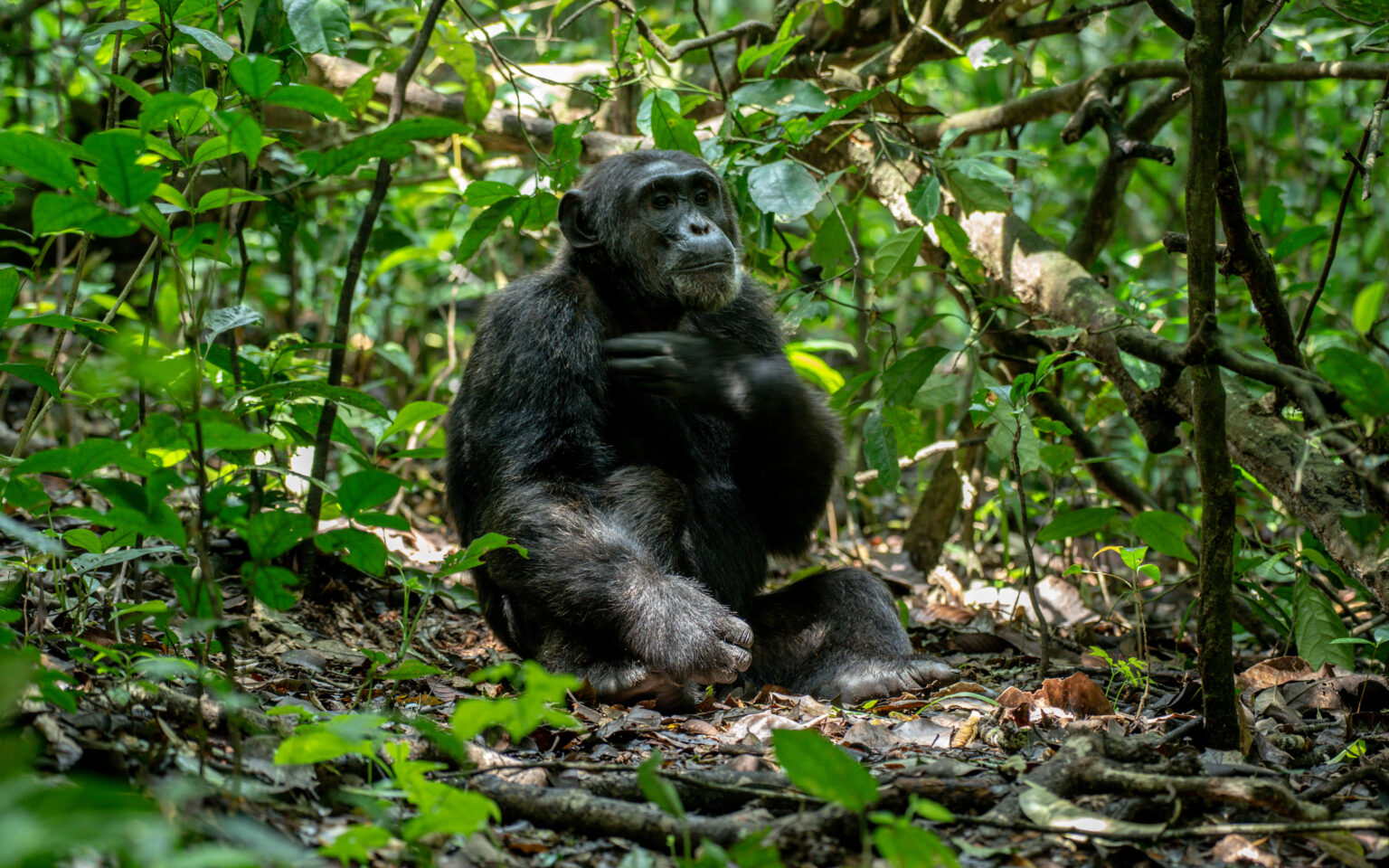
Yes, you can hire a porter for your chimpanzee tracking excursion, though they are much less common than on mountain gorilla treks. While chimpanzee habitats—like Kibale National Park or Budongo Forest—generally feature flatter, less demanding terrain than gorilla habitats, the trails can still become muddy, slippery, and steep. Hiring a porter is highly recommended if you are carrying heavy camera gear, have physical limitations, or want to enjoy the trek hands-free. Porters are local community members whose hire fee directly supports the local economy and conservation efforts. You can easily arrange for a porter on the morning of your trek during the pre-tracking briefing at the park headquarters.
Chimpanzee Tracking & Porter FAQs
Why should I hire a porter if chimpanzee trekking terrain is relatively flat?
While forest trails in Kibale or Budongo are generally less steep than the high-altitude slopes of gorilla habitats, "flatter" does not mean easy. Tropical rainforest floors are crisscrossed with exposed tree roots, decaying leaf litter, and mud that can make footing surprisingly slippery. Furthermore, chimpanzees move fast through the canopy, often requiring trackers to trek off-trail into dense thickets or quicken their pace to keep up. Carrying a heavy backpack, camera lenses, or water bottles while navigating uneven ground can quickly drain your energy. A local porter carries your gear, holds your hand across slippery stream crossings, and lets you focus on looking up into the canopy rather than watching every single footstep.
How much does it cost to hire a porter for chimpanzee tracking?
Hiring a porter for a chimpanzee tracking excursion typically costs between $15 and $20 USD per trek, excluding an optional tip. This fee is paid directly in cash (either in local currency like Ugandan Shillings or crisp US Dollars) on the morning of your activity. Considering the physical relief they provide and the huge difference this income makes to a local household, it is one of the most cost-effective investments you can make for your safari comfort.
How do porters support local community development and conservation?
Most porters are residents of the villages bordering the national parks. Many are former poachers or individuals who once relied on park resources for survival. By hiring a porter, you provide direct, dignified income to a local family. This tangible economic benefit transforms local attitudes toward wildlife; community members begin to see living chimpanzees and intact forests as sustainable sources of livelihood rather than obstacles. Income from porter work helps pay school fees, buy household staples, and build community resilience, creating a direct link between tourist visits and habitat preservation.
Do I need to book a porter in advance, or can I hire one on the day?
You do not need to book a porter months ahead of time. On the morning of your trek, you will attend a mandatory safety and rule briefing at the park headquarters (such as Kanyanchu in Kibale). Porters gather nearby in organized groups coordinated by local associations. Simply inform your safari driver-guide or the park ranger during the briefing that you would like a porter. A porter will be assigned to you on the spot, ready to take your daypack before you head to the trailhead.
What gear will my porter carry for me during the trek?
Your porter will happily carry your daypack containing your essentials: camera equipment, extra lenses, rain jacket, water bottles, insect repellent, and packed lunch. They are accustomed to handling sensitive photo gear carefully and will keep your bag dry and off the wet ground whenever you stop to view the chimps. Having your shoulders free allows you to use walking poles effectively, stay balanced, and snap photos effortlessly when the primates come into view.
Can a porter assist travelers with mobility issues or physical limitations?
Yes, absolutely. Beyond carrying your bag, porters act as personal trekking assistants. They know every root, rock, and muddy patch on the trail. If you have joint pain, balance concerns, or limited mobility, your porter will lend a steady hand on steep inclines, steady you across log bridges, and help pace your trek to match your comfort level. For travelers with severe mobility limitations, traditional sedan-chair stretchers carried by team porters can also be arranged with prior notice.
Is chimpanzee tracking physically harder than mountain gorilla trekking?
Generally, gorilla trekking takes place in steeper, higher-altitude terrain like Bwindi Impenetrable Forest or the Virunga Volcanoes, making it physically more grueling on the legs and lungs. However, chimpanzee tracking presents a different kind of effort: speed. Chimps are far more active than gorillas and move rapidly through the treetops or along the ground. Following them often means walking briskly through dense, thick bush off the main path. So while gorilla trekking demands endurance for steep climbs, chimp tracking demands quick reflexes and steady footwork on uneven ground.
What is the best time of year for chimpanzee tracking in Uganda?
Chimpanzee tracking is available year-round, but the dry seasons—June to September and December to February—offer the easiest trekking conditions. Trails are drier, less muddy, and easier to walk. However, the wet seasons (March to May and October to November) have distinct advantages: wild fruits ripen in abundance, meaning chimps don't have to wander as far to find food, often resulting in shorter overall treks. If you track during the rainy months, hiring a porter becomes even more valuable due to slick mud.
What should I pack in my daypack for a chimp tracking excursion?
Pack light but come prepared for dynamic forest weather. Essential items include at least 2 liters of drinking water, rain gear or a poncho, insect repellent, sunscreen, a small first-aid kit with blister plasters, your camera gear with extra batteries, and a dry bag or rain cover for electronics. You should also pack high-energy snacks or a packed lunch provided by your lodge, as treks can last anywhere from 2 to 5 hours depending on chimp movements.
How old do you have to be to track chimpanzees in Kibale or Budongo?
The minimum age requirement for chimpanzee tracking in Uganda's national parks is 12 years old (recently lowered from 15 in certain reserves to accommodate young families). This rule is strictly enforced by park authorities to protect both visitors and primates. Chimpanzees can be unpredictable, wild animals, and young children may struggle with the physical demands, speed, or quiet discipline needed when observing habituated chimp troops.
How close can I get to the chimpanzees during the trek?
Park guidelines require visitors to maintain a distance of at least 8 meters (26 feet) from the chimpanzees. This rule protects these wild primates from human-transmitted diseases, as humans share over 98% of their DNA with chimps and can easily pass on respiratory illnesses. While chimps may occasionally drop from trees or walk right past you on the forest path, you should always step back slowly and follow your ranger guide's instructions.
What is the difference between normal chimp tracking and a Chimp Habituation Experience (CHEX)?
Standard chimp tracking gives you one hour of observation time once your ranger locates the chimp group. In contrast, the Chimpanzee Habituation Experience (CHEX) allows you to spend a full day (or half day) with a chimp group that is still getting accustomed to human presence. With CHEX, you join researchers and guides before dawn as the chimps wake up and follow them until they build new nests at dusk. CHEX requires a higher fitness level and a fuller daypack—making a porter essential.
How much should I tip my porter after the chimp trek?
Tipping is discretionary but warmly appreciated. A customary tip for a porter is around $5 to $10 USD (or equivalent in local currency) above their base hiring fee of $15-$20, depending on the length and difficulty of your trek and how helpful they were. Handing the tip directly to your porter at the end of the walk is a meaningful way to say thank you for their hard work and guidance.
What clothes and footwear are best for chimp tracking?
Wear sturdy, waterproof hiking boots with deep tread to handle muddy trails. Pair them with long, breathable trousers and a long-sleeved shirt to protect against stinging nettles, thorns, and biting insects. Tucking your trousers into long wool socks prevents safari ants from crawling up your legs. A wide-brimmed hat, lightweight rain jacket, and gardening-style gloves (for gripping vines or muddy branches) complete the perfect tracking outfit.
Where are the best places to go chimpanzee tracking in Uganda?
Kibale National Park is world-renowned as the "Primate Capital of the World," hosting over 1,500 chimpanzees and offering the highest sighting success rate (over 95%). Other excellent locations include the Budongo Forest near Murchison Falls, the Kyambura Gorge in Queen Elizabeth National Park (a dramatic subterranean forest valley), and Kalinzu Forest. Each location offers distinct landscapes and varying levels of tracking difficulty.
What safety precautions should I take around habituated chimpanzees?
Always listen to your ranger guide's instructions. Keep your voice low, avoid sudden movements, and never eat or drink near the chimpanzees. If a chimp mock-charges or beats its chest, stay calm, avoid direct eye contact, and step back slowly—never run. Wearing a facemask is often mandatory during the close-up viewing hour to prevent airborne virus transmission to our close genetic relatives.
How far will we walk during a typical chimpanzee trek?
Trek distance varies completely based on where the chimp troop nested the night before and where they search for fruit that morning. On average, you can expect to walk anywhere between 2 to 8 kilometers (1.2 to 5 miles) round trip, taking between 2 to 5 hours. Some groups are found within 30 minutes of the trailhead, while others move rapidly deep into the jungle, requiring a longer, faster-paced hike.
Can I take flash photography when photographing chimpanzees?
No, flash photography is strictly prohibited when viewing chimpanzees or any wild primates. The sudden bright flash frightens the animals, causes severe stress, and can provoke defensive or aggressive behavior from alpha males. Make sure your camera's flash is turned off completely before entering the forest, and boost your camera's ISO settings to handle the dark, dappled light beneath the dense canopy.
What happens if it rains heavily during my scheduled chimp trek?
Chimpanzee treks go ahead rain or shine! Rainforest weather changes quickly, and rain showers are common. If it rains, chimps usually come down from high branches and huddle near tree trunks or heavy foliage for shelter. Trail conditions become slicker and mud deeper, which is precisely when having a porter carry your gear and steady your footing becomes priceless. Always pack high-quality rain jackets and waterproof covers for your camera bags.
How do I book a seamless chimpanzee tracking safari with Roads of Adventure Safaris?
Booking your dream primate safari with Roads of Adventure Safaris is simple and stress-free. Our team takes care of every single detail—from securing your official chimpanzee permits with the Uganda Wildlife Authority to reserving top-tier eco-lodges and arranging comfortable 4x4 land cruisers with expert driver-guides. When you arrive at the park, your guide will coordinate with park officials to hire your local porter on the spot, ensuring you enjoy a seamless, hands-free trekking adventure. Simply contact our safari specialists through our website or email, tell us your travel dates and fitness preferences, and we will tailor a custom wildlife itinerary that brings you face-to-face with Africa's amazing wild chimps!
