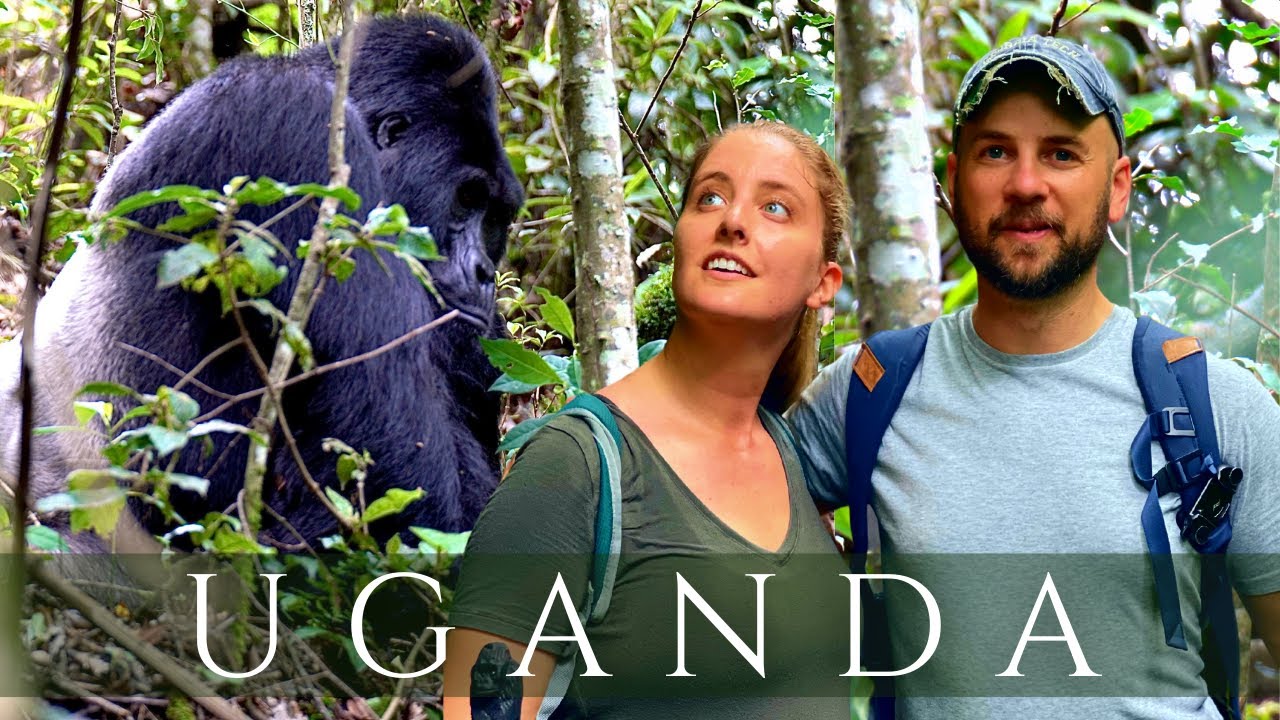
Yes, you can absolutely book a discounted 3-day gorilla trekking tour in Uganda during the low-season months of April, May, and November.
Because these are considered the wet season, local tour operators and luxury lodges in Bwindi Impenetrable National Park or Mgahinga Gorilla National Park frequently reduce their accommodation and tour package rates to attract travelers. While gorilla permits remain set at a fixed price by the Uganda Wildlife Authority, you can significantly save on the overall trip cost
3-days-affordable-budget-gorilla-trekking-in-ruhija-sector-of-bwindi
Discounted 3 days gorilla trekking tour
Experience the ultimate discounted 3 days gorilla trekking tour starting from Kampala/Kigali . Journey through the lush Ugandan countryside to Bwindi Impenetrable National Park, a UNESCO World Heritage site. This compact, high-value safari allows you to spend an unforgettable hour eye-to-eye with the endangered mountain gorillas in their natural rainforest habitat.
Day 1: Kampala to Bwindi Impenetrable National Park
Your adventure begins early as you are picked up from Bunamwaya Division, Kampala. The 8 to 9-hour journey to the southwest takes you through breathtaking landscapes. Enjoy an iconic photo opportunity and stretch your legs at the Uganda Equator monument in Kayabwe. After a satisfying lunch in Mbarara town, the drive continues through the stunning Kigezi Highlands, often called the "Switzerland of Africa". You will arrive in the late afternoon at Bwindi Impenetrable National Park. Check into your lodge, unpack, and enjoy a warm dinner overlooking the dense forest canopy. A briefing by park authorities will prepare you for the adventure ahead.
Day 2: Gorilla Trekking Adventure
Wake up before dawn and head to the park headquarters for a 7:30 AM briefing on safety guidelines by expert ranger guides. Plunge into the misty, vine-tangled jungle to begin tracking your assigned habituated gorilla family. The trek can last anywhere from 2 to 8 hours depending on the gorillas' location. Upon finding the family, you are granted one magical hour to observe these gentle giants grooming, playing, and feeding. Return to the lodge for a well-deserved rest, or optionally participate in a Batwa Cultural Experience to learn about the forest's original inhabitants.
Day 3: Departure and Return to Kampala
After a hearty morning breakfast at your lodge, you will check out and begin the scenic drive back to Kampala. Relive the memories of your encounter as you pass through rolling hills and terraced farmlands. A final lunch stop in Mbarara provides the perfect opportunity to reflect on your primate adventure. You will arrive back in Bunamwaya Division, Kampala, or Entebbe by early evening, concluding an incredible, action-packed expedition.
1. Are official gorilla permit discounts available from the government?
Yes, you can absolutely secure a discounted official gorilla tracking permit through the Uganda Wildlife Authority (UWA). The government introduced a formalized low-season incentive program to boost travel during the wetter months. For the specific months of April, May, and November, the price for a foreign non-resident permit drops from the standard USD 800 down to USD 600, offering an immediate saving of USD 200 per person. Foreign residents living in East Africa also enjoy a reduction, with permit prices lowered to USD 500 during these designated off-peak periods.
This pricing structure directly benefits anyone looking to book a budget-conscious 3-day gorilla trekking tour. Because the permit represents the single largest fixed cost of a primate safari, this government-backed price drop immediately makes short-duration trips much more accessible. However, it is important to remember that these low-season discounts are strictly bound to the calendar months of April, May, and November.
If you try to schedule a 3-day tour even a few days into June or October, the price instantly reverts to the standard rate. Additionally, while the lower tariff makes budgeting easier, UWA applies rigid enforcement terms to these promotional permits. They must be paid for in full at the time of booking, and they cannot be rescheduled to a high-season date if your travel plans change. For a 3-day tour, coordinating your exact dates before purchase is vital to ensure you successfully capitalize on this official government discount.
2. How do accommodation rates change during April, May, and November?
The savings on an off-peak 3-day gorilla tour extend far beyond the entry permit itself; lodging prices drop dramatically during April, May, and November. Because these months experience higher rainfall, overall tourist numbers decline, leaving safari lodges, tented camps, and eco-resorts with lower occupancy rates. To keep their staff employed and properties running, many accommodation providers around Bwindi Impenetrable National Park and Mgahinga Gorilla National Park slash their rates by 15% to 35%.
For a compact 3-day itinerary, you typically require two nights of lodging near the park boundaries. During peak months, high-end and mid-range lodges sell out at premium prices, but during the rainy season, these same properties become highly affordable. Budget facilities lower their pricing even further, while luxury forest retreats offer deep discounts or complimentary upgrades, allowing you to experience high-end comfort at a mid-range price point.
Furthermore, because lodges are not operating at maximum capacity, the level of service you receive is often much more attentive and personalized. The chefs, management, and service staff have more time to cater to individual dietary preferences and comfort needs. When compiling a quote for a 3-day low-season tour, ground operators easily pass these accommodation savings directly to you, making the total package price considerably cheaper than a summer departure. It creates an excellent opportunity to enjoy premium, intimate jungle lodging without paying the standard premium prices.
3. Can I get discounts on transport and safari vehicle rentals?
Vehicle transport is a major factor in the cost of a 3-day gorilla tour, given the 8-to-10-hour drive from Kampala or Entebbe to southwestern Uganda. Fortunately, transport costs become highly negotiable during the low-season months of April, May, and November. Because fewer travelers are exploring the country, custom 4x4 safari land cruisers and customized safari vans sit idle in garage lots. To keep their fleets moving, transport providers and tour operators regularly offer off-season vehicle rental discounts.
On a typical 3-day itinerary, Day 1 is dedicated to the long drive to the park, Day 2 is the trek, and Day 3 is the return journey. This requires three full days of vehicle use, fuel, and driver-guide allowances. In the peak season, daily vehicle rental fees are fixed and rigid due to high demand. In contrast, during April, May, and November, ground operators can secure lower daily rates on vehicles and fuel-inclusive packages.
Your driver-guide's day rate might remain stable, but the flexibility on the vehicle component can shave off significant dollars from the final price. Additionally, because there is less traffic on the highways and less competition at fuel stations or vehicle maintenance centers, operators face lower operational friction, which translates into leaner, more competitive tour packaging for the end consumer. Requesting a discount on the transport element of an off-peak 3-day tour is standard practice and highly effective.
4. Are last-minute bookings easier to secure at a lower price?
In the peak dry seasons, booking a gorilla safari less than six months in advance is incredibly risky because the limited number of permits sells out rapidly. However, during the low-season months of April, May, and November, the narrative flips completely, making last-minute arrangements highly viable and cost-effective. Because overall demand drops across the primate tourism sector, permit availability remains open even days before the tracking date.
For a traveler looking for a cheap 3-day safari, this open availability provides immense leverage. Lodges that see empty rooms as the weekend approaches are far more inclined to accept bottom-dollar offers to cover basic operational overhead. Tour operators with unutilized vehicles and guides are similarly eager to book a spontaneous 3-day trip, even at a slim profit margin, just to keep their teams working.
While the official UWA gorilla permit price remains fixed at the discounted USD 600 rate and cannot be bartered down further at the gate, the surrounding components—the lodging, the driving fees, and the local guide services—can be combined into an attractive last-minute package deal. If you are already in East Africa or have a flexible international flight schedule, waiting until April, May, or November to book a short-notice 3-day gorilla trek can yield some of the most competitive, low-cost pricing available in the entire travel industry.
5. What are the terrain and trekking conditions like in April, May, and November?
Understanding the physical environment of Bwindi and Mgahinga during April, May, and November is vital when evaluating an off-peak 3-day tour. These months represent Uganda’s primary rainy seasons. The southwestern highlands receive frequent, sometimes heavy downpours, which directly impacts the forest trails. The terrain becomes noticeably muddy, slippery, and physically demanding, requiring steady footwork and a reasonable level of physical fitness.
The forest vegetation grows incredibly dense and lush during these wet periods, fed by the constant rainfall. While this makes for spectacular, vibrant photography, it also means you will be trekking through thicker undergrowth. The mountain trails can flood temporarily, and the steep ridges become slick clay tracks.
However, the rain rarely falls continuously all day; it typically comes in heavy afternoon or early morning bursts, interspersed with clear skies and bright sunshine. The moisture also brings cooler temperatures to the forest, preventing the oppressive heat that can sometimes fatigue trekkers during the dry season. Because it is a short 3-day trip, your exposure to these conditions is brief, but you must be mentally and physically prepared for a genuine jungle expedition. The adventure is raw, beautiful, and deeply immersive, but it requires a sense of flexibility regarding mud and damp gear.
6. Do the gorillas behave differently during these rainy months?
A fascinating and often unexpected advantage of trekking in April, May, and November is how the rain directly influences mountain gorilla behavior. During these wet months, the highland forests experience an abundance of secondary vegetation growth. Food sources, such as tender bamboo shoots, wild celery, and seasonal fruits, become readily available on the lower slopes of the mountains and closer to the park boundaries.
Because food is plentiful right where they are, the gorilla families do not need to travel long distances or climb to higher altitudes to forage. Consequently, they often settle in more accessible terrain for extended periods. For a traveler on a tight 3-day itinerary, this can lead to shorter, less exhausting treks. Instead of hiking for five or six hours up vertical ridges, your guide might locate the assigned gorilla family within one or two hours of entering the forest canopy.
Furthermore, trackers often report that the gorillas can appear more relaxed and settled during the wet season because they are well-fed and experience significantly fewer disturbances from large crowds of tourists. Watching a silverback shelter his family under giant leaves or observing juveniles playing in the lush, green undergrowth is an incredible sight. The abundance of food means less erratic movement, giving you an excellent chance of an intimate, high-quality viewing experience on your single trekking day.
7. How does crowd size affect the quality of a low-season tour?
One of the most profound benefits of booking a discounted 3-day gorilla tour in April, May, or November is the sheer absence of tourist crowds. During the peak summer and winter dry seasons, park headquarters are bustling with hundreds of visitors, and popular tracking sectors operate at maximum capacity. In contrast, the low-season months offer a much quieter, more exclusive atmosphere that elevates the entire travel experience.
When you arrive at the park station for your early morning briefing on Day 2, you will immediately notice the calm environment. Instead of large, noisy crowds, there are only a handful of passionate travelers. While the official maximum group size per gorilla family remains strictly capped at eight people to protect primate health, low-season groups are frequently much smaller. It is not uncommon to find yourself in a trekking group of just three or four people, and occasionally, you may even get an exclusive trek with just your personal party and the park rangers.
This lower tourist-to-guide ratio means your interaction with the park rangers and trackers is highly personal. They can answer questions in detail, share deep conservation insights, and help you navigate the trails without rush. When you finally encounter the gorilla family, there is no competing for a clear view or a perfect camera angle. The entire experience feels genuinely solitary, intimate, and profoundly connected to the wild.
8. What essential gear must be packed for an off-peak gorilla safari?
If you are taking advantage of a cheap 3-day gorilla tour in April, May, or November, your packing list requires careful, deliberate planning to counter the wet weather. Because you are entering a rainforest during its peak precipitation cycles, standard holiday clothing will not suffice; specialized, waterproof gear is absolutely mandatory to ensure your comfort and safety.
First and foremost, invest in high-quality, ankle-high hiking boots with deep tread rubber soles. The mud on the steep ridges can cause standard sneakers to slide instantly, risking slips or ankle strains. Pair these with thick, moisture-wicking socks, and consider bringing gaiters to keep mud, water, and stinging ants from entering your boots. A lightweight, fully breathable waterproof rain jacket and matching rain trousers are essential to keep your core dry during unexpected downpours.
Layering is equally key. Wear long-sleeved performance shirts and sturdy trousers to protect your skin from sharp thorns, nettles, and insects. Heavy-duty gardening gloves are a highly recommended insider trick; you will frequently need to grab onto branches, vines, and muddy roots for balance while climbing steep slopes. Finally, ensure your electronics are protected. Bring a heavy-duty waterproof cover or dry bag for your camera equipment and phone. Having the right gear turns a potentially soggy hike into an empowering, highly comfortable jungle expedition.
9. Is hiring a porter necessary during the low-season rainy months?
For a 3-day low-season gorilla tour, hiring a local porter at the park trailhead is one of the wisest investments you can make, even if you are traveling on a strict budget. Porters are members of the local communities surrounding Bwindi and Mgahinga who offer their physical assistance during the trek for a standard fee, typically starting around USD 20 per trek.
During April, May, and November, the value of a porter doubles due to the slippery, unpredictable trail conditions. A porter carries your heavy backpack containing your lunch, water, and camera gear, immediately freeing your hands and relieving your shoulders so you can focus entirely on your balance and footing. More importantly, porters provide direct physical stabilization. They know the terrain intimately, recognize which mud patches are stable, and will literally pull you up steep clay inclines or steady you on slick descents.
Beyond the personal physical benefits, hiring a porter is a vital component of responsible, community-based tourism. During the low season, when lodge bookings are down, the income porters earn from direct hire is often the primary source of revenue for nearby families. It incentivizes the local population to protect the national parks and the mountain gorillas, as they see a direct economic link between the primates and their own well-being. Paying for a porter is an affordable addition that drastically improves your safety while directly supporting the local economy.
10. How does a 3-day itinerary break down for an off-peak tour?
A 3-day gorilla trekking safari is a highly efficient, fast-paced itinerary designed to maximize your time in the wilderness while minimizing extra travel expenses. Because the driving distance from Uganda's international gateway to the southwestern parks is substantial, the layout of the three days follows a precise, structured sequence to ensure you get to your destination safely.
- Day 1: The Journey West. You depart early in the morning from Kampala or Entebbe. The drive takes roughly 8 to 9 hours, winding through scenic equatorial landscapes, rolling hills, and rural towns. You stop at the Equator for photographs and a brief lunch in Mbarara before ascending into the mist-covered Kigezi highlands, arriving at your pre-booked low-season forest lodge by evening for dinner and rest.
- Day 2: The Trekking Experience. This is the core of your safari. After an early breakfast, you transfer to the park headquarters for a briefing and group assignment. You enter the dense rainforest alongside armed rangers and trackers. Once the gorilla family is located, you spend exactly one magical hour observing them up close. You then hike back out and spend a relaxing evening at your lodge.
- Day 3: Return to the Capital. After breakfast, you pack your bags and begin the drive back to Kampala or Entebbe, reflecting on your encounter and arriving in time for an evening flight departure.
11. Can a 3-day tour be optimized by flying internally?
If you want to bypass the long, full-day road journey on Day 1 and Day 3 of your 3-day safari, utilizing an internal domestic flight is an excellent way to optimize your time. Local aviation companies operate daily scheduled flights from Entebbe International Airport to airstrips serving the gorilla regions, such as Kisoro Airstrip (for Mgahinga and southern Bwindi) or Kihihi Airstrip (for northern Bwindi).
During the low-season months of April, May, and November, fly-in safaris become much more attractive because domestic airlines frequently offer off-season promotional flight rates or negotiable group discounts. A flight slashes your travel time from nine hours on dusty roads to just over an hour in the air, offering breathtaking aerial views of Uganda’s crater lakes and terraced mountains along the way.
On a 3-day fly-in itinerary, you land by midday on Day 1, allowing you to participate in an afternoon community walk or a canoe excursion on Lake Mutanda before your trek the next day. On Day 3, you can enjoy a relaxed morning at the lodge before catching an afternoon flight back to Entebbe. While adding domestic flights increases the total cost compared to a vehicle-based safari, the low-season discounts make it the most comfortable, time-efficient way to execute a premium, short-duration gorilla tour.
12. Should I track gorillas in Bwindi or Mgahinga during the off-season?
When booking a discounted 3-day tour in April, May, or November, you must decide between Uganda's two primary gorilla sanctuaries: Bwindi Impenetrable National Park and Mgahinga Gorilla National Park. Both locations offer the same official low-season permit discount of USD 600, but they feature vastly different topography and tracking dynamics.
Bwindi is a massive, ancient rainforest divided into four distinct trekking sectors: Buhoma, Ruhija, Rushaga, and Nkuringo. It holds the vast majority of Uganda’s habituated gorilla families, offering high permit availability and a diverse range of low-season lodge options. The dense canopy provides great shelter from light rain, but the steep forest ridges can become very muddy. Bwindi is the safest bet for a 3-day tour because its high number of habituated groups ensures you will easily find a family close to the trailheads.
Mgahinga, on the other hand, consists of dramatic volcanic slopes and is home to just one habituated family, the Nyakagezi group. Because there is only one group, the trekking experience here is incredibly exclusive, especially in April, May, and November when crowds disappear. The volcanic soil can drain water slightly faster than Bwindi's clay, but tracking on open volcanic slopes exposes you more directly to the weather elements. Mgahinga is perfect for travelers seeking a rugged, mountain-dominated landscape.
13. How does Uganda’s low-season pricing compare to Rwanda?
When looking for a cheap, discounted 3-day gorilla tour, comparing Uganda's low-season structure with neighboring Rwanda highlights why Uganda is the premier choice for budget-conscious travelers. Rwanda’s Volcanoes National Park is an exceptional primate destination, but its pricing policy is notoriously premium and remains entirely fixed throughout the year.
Rwanda charges a flat fee of USD 1,500 per gorilla trekking permit, regardless of the season, and they do not offer routine calendar-based discounts for international non-residents. When you contrast this with Uganda’s low-season permit price of USD 600 in April, May, and November, the permit alone saves you USD 900 per person right from the start. For a couple or a small group, this price gap expands into thousands of dollars in baseline savings.
Furthermore, the price differentiation carries over into accommodation and transport sectors. While Rwanda focuses primarily on ultra-luxury eco-tourism with high-end lodging rates, Uganda offers a far broader spectrum of mid-range and budget options that actively discount their services during rainy months. Even when factoring in the longer driving distance from Entebbe compared to the shorter drive from Kigali, a 3-day low-season tour in Uganda delivers an identical one-hour face-to-face primate encounter at a fraction of the cost of a Rwandan itinerary.
14. What are the strict rules regarding low-season permit bookings?
While the Uganda Wildlife Authority's promotional price drops are highly advantageous, booking a discounted permit for April, May, or November comes with a set of rigid financial and operational regulations that travelers must navigate carefully. UWA implemented these strict measures to prevent speculative booking practices and ensure administrative transparency across the tourism sector.
The most important rule is that low-season promotional permits cannot be rescheduled. In the past, if a traveler faced a flight delay or an unexpected change in plans, permits could sometimes be shifted to alternative dates for a small fee. For these discounted tickets, however, the date you book is absolute. If you miss your tracking date due to personal issues or itinerary adjustments, the permit is invalidated, and you forfeit the USD 600 fee entirely.
Furthermore, UWA has completely abolished the old 7-day tentative reservation window, which allowed operators to hold permits without immediate payment. Today, full cash payment is required at the exact moment of booking to secure the permit in the central registry. For a 3-day tour, this means you must have your international flights, ground transportation, and lodge availability completely synchronized before sending money to your tour operator. Purchasing comprehensive travel insurance that covers trip interruptions is highly recommended when booking these non-refundable permits.
15. Can other primate experiences be discounted on a 3-day tour?
If you are planning an action-packed 3-day tour in April, May, or November, you can easily amplify your savings because Uganda’s low-season discounts extend to other iconic primate experiences beyond gorilla trekking. The Uganda Wildlife Authority applies matching off-peak incentives to chimpanzee tracking permits in Kibale Forest National Park, the premier primate capital of East Africa.
During these low-season months, official chimpanzee tracking permits drop from the standard USD 300 down to USD 200 for foreign non-residents, and to USD 150 for foreign residents. While a standard 3-day gorilla itinerary is typically too tight to include a full drive north to Kibale Forest, a highly optimized, custom route can incorporate chimpanzee tracking in the closer Kyambura Gorge or Kalinzu Forest, which sit directly along the highway corridor back to Kampala.
Combining discounted gorilla permits with discounted chimp tracking permits creates a highly affordable, comprehensive "double-primate" safari experience. Local operators can easily bundle these low-season government tariffs with seasonal vehicle and lodging discounts to design a 3-day or extended 4-day itinerary that maximizes your value. If you love wildlife and want to get the absolute most out of your travel budget, booking your trip during April, May, or November allows you to see Africa's greatest primates at the lowest possible price point.
Booking 3-day discounted gorilla trekking with us Roads of Adventure safaris
Book your 3-day gorilla trekking safari with Roads of Adventure Safaris. Packages range from $1,300 to $1,600 per person (budget to mid-range), covering permits, accommodation, meals, and transport. Look for discounted permits ($600) depending on the season
