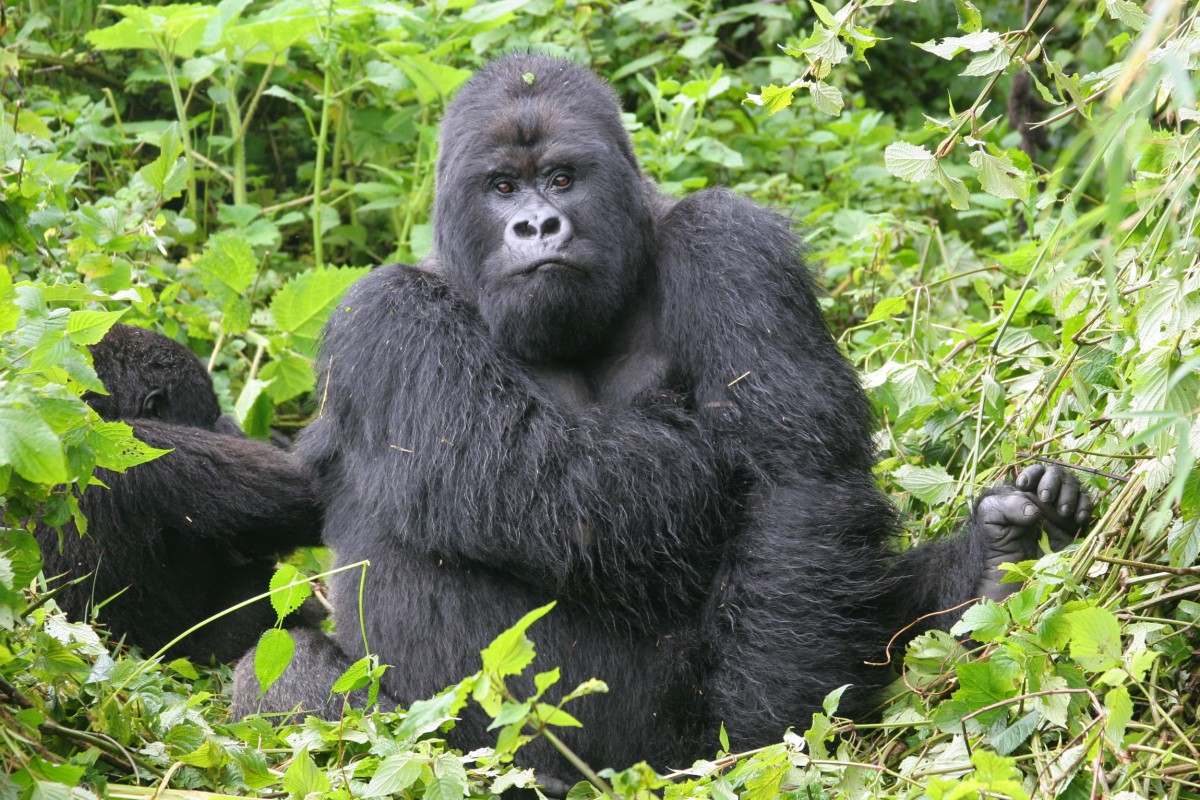
Yes, combining a Uganda gorilla trek with a Kenya wildlife safari is a popular and feasible itinerary, often taking 7–15 days to experience both the savanna Big Five and mountain gorillas. The best approach is to fly between Nairobi and Entebbe, then take a connecting flight to Bwindi or a shorter drive.
18-days-exclusive-kenya-tanzania-safari-to-uganda-primate-safari
17-days-east-africa-safari-to-uganda-rwanda-kenya-tanzania-and-zanzibar-beach-holidays
13-days-kenya-tanzania-safari-and-uganda-gorilla-trekking
11-days-gorilla-trekking-and-kenya-safari-in-masai-mara-to-zanzibar-beach-holiday
10-days-kenya-wildlife-safari-and-gorilla-safari-in-uganda
6-days-kenya-masai-mara-and-bwindi-gorilla-trekking-in-uganda-and-lake-bunyonyi
1. Best Time
The best time to combine trips to Kenya and Uganda for trekking and wildlife viewing is during the dry seasons, which typically span from June to October and January to February. These months provide the most favorable weather for outdoor activities, ensuring more comfortable trekking conditions and optimal wildlife sightings.
During the dry season, the landscapes are less muddy and more accessible, making it easier to navigate through national parks for gorilla trekking. Wildlife tends to gravitate toward water sources as vegetation thins out, thereby increasing the chances of spotting animals during game drives. In Kenya, this is particularly important for witnessing the Great Migration in the Maasai Mara, where thousands of wildebeest and zebras traverse the plains in search of grazing.
In Uganda, dry conditions favor trekking in places like Bwindi Impenetrable National Park and Mgahinga Gorilla National Park. Trekking during this time often results in shorter hikes to find gorillas, as the trails are more manageable. Additionally, wildlife is generally more active, making it more likely to have rewarding encounters with Uganda's unique fauna.
Choosing to visit during these peak months also enhances the overall travel experience with clearer skies and more stable weather. Although these seasons are popular with tourists, advantageous conditions make it worth considering. Thus, for those eager to engage in trek-based adventures and exceptional wildlife observation, planning your trip during these dry seasons will undoubtedly provide a memorable experience.
2. Itinerary Structure
A well-structured itinerary is crucial for maximizing your experience when combining a trip to Kenya and Uganda. A typical 10 to 12-day trip offers a comfortable pace that allows for ample time to explore significant wildlife areas without feeling rushed.
Your journey could begin with 3 to 4 days in Kenya, specifically in the Maasai Mara. This region is renowned for its stunning landscapes, diverse wildlife, and opportunities to witness the Great Migration, depending on the season. Engaging in guided game drives will give you plenty of chances to see the “Big Five” and other unique species in their natural habitats.
Following your time in Kenya, you would transition to Uganda for an additional 3 to 4 days focused on gorilla trekking experiences. Visiting Bwindi Impenetrable National Park or Mgahinga Gorilla National Park for gorilla tracking is a once-in-a-lifetime experience. Given the incredible biodiversity of Uganda, your itinerary can also be enhanced with visits to other attractions such as Queen Elizabeth National Park or Lake Bunyonyi.
This structure allows for a comprehensive blend of big game safaris and intimate encounters with gorillas, ultimately creating a well-rounded adventure. By pacing your trip over about two weeks, you’ll have the flexibility to adapt your activities or take short rest periods, ensuring an enjoyable and fulfilling experience that doesn’t feel hurried.
3. Logistics
Logistics are crucial for ensuring a seamless combined trip to Kenya and Uganda, particularly concerning visas, permits, and transportation. As a traveler, obtaining the East African Tourist Visa can simplify the bureaucracy; this visa allows for multiple entries into Kenya, Uganda, and Tanzania, making it easier to navigate between countries.
In Uganda, gorilla trekking requires the purchase of permits, which must be booked well in advance—ideally 3 to 6 months before your trip. These permits, which allow you to spend an hour with the gorillas, are limited in number to ensure the conservation of these endangered animals and can sell out quickly during peak seasons. Hence, timely booking is essential for securing your chance to trek in the renowned gorilla habitats.
Transportation within the trip will typically involve fly-in segments to save time. For example, traveling from Nairobi in Kenya to Entebbe in Uganda is often most efficiently accomplished by a short domestic flight, taking approximately 1.5 hours. Upon arrival in Entebbe, domestic flights or organized transfers can take you directly to either Bwindi Impenetrable or Mgahinga Gorilla National Park.
By planning ahead for your visas, gorilla permits, and flights, you can significantly enhance the success of your combined trip. Well-organized logistics will allow you to focus on enjoying the breathtaking wildlife experiences that await you in both countries.
4. Recommended Routing
For an effective combined trip to Kenya and Uganda, an optimal routing plan is vital for maximizing your time and experiences. A common and recommended route begins with departing from Nairobi, Kenya, towards Entebbe, Uganda. This flight is typically straightforward, taking around 1.5 hours, and provides a smooth transition from your first set of adventures in Kenya to the second phase in Uganda.
Upon landing in Entebbe, you’ll want to proceed directly to Bwindi Impenetrable National Park or Mgahinga Gorilla National Park. Domestic flights are often the most efficient way to cover this distance, significantly cutting down on travel time compared to road options. This routing is particularly advantageous for those eager to maximize their trekking time and minimize the hassle associated with long road transfers.
Once in the parks, you can begin your gorilla trekking experience, which typically involves early morning starts to allow for optimal wildlife viewing conditions. The proximity of either park provides ample opportunities for guided trekking experiences that focus on conservation and responsible tourism.
After your Uganda adventure, you may also consider returning to Nairobi to either continue exploring Kenya or fly to your next destination. This routing not only maximizes wildlife exposure in both countries but also provides logistical ease, making your safari and trekking experiences as enjoyable and seamless as possible. Overall, a well-planned routing strategy ensures a fulfilling journey through East Africa's stunning landscapes and wildlife diversity.
1. Is it possible to combine Uganda gorilla trekking and Kenya wildlife safari in one trip?
Yes, it is very common and straightforward to combine Uganda's gorilla trekking experience with a wildlife safari in Kenya. This dual experience allows travelers to partake in two of East Africa’s most iconic wildlife encounters in one trip. Most travelers begin their journey in Uganda, where they embark on gorilla trekking in the lush forests of Bwindi Impenetrable National Park or Mgahinga Gorilla National Park. Following this adventure, they typically fly to Kenya for a wildlife safari, focusing on renowned spots such as the Maasai Mara.
Alternatively, some opt to start in Kenya, experiencing the Maasai Mara and its breathtaking landscapes, and then fly to Uganda for the chance to trek with mountain gorillas. Both itineraries are effective and popular, providing unique and unforgettable experiences in contrasting ecosystems.
The logistics of these combined trips are made easier by tour operators who specialize in crafting tailored itineraries, ensuring seamless transfers and thoughtful planning throughout your journey. This option allows travelers to maximize their time with wildlife while diving deep into the natural beauty and vibrant cultures of both countries, making it a highly sought-after experience among adventure seekers and wildlife enthusiasts.
2. What is the best way to travel between Uganda and Kenya?
The fastest and most convenient way to travel between Uganda and Kenya is by flying from Entebbe International Airport (EBB) in Uganda to Jomo Kenyatta International Airport (NBO) in Kenya. This direct flight typically takes about 1.5 hours, significantly reducing travel time compared to road options, especially for those looking to optimize their itinerary and experience as much wildlife as possible in limited time.
In addition to direct flights to Nairobi, there are regional flights that connect directly to the Maasai Mara, making it even easier to transition from gorilla trekking in Uganda to a safari without lengthy transfers. These air connections make it possible to maximize your time spent experiencing wildlife, rather than being on the road.
For travelers preferring overland travel, a road trip is possible, typically crossing at the Busia border. While this mode of transport takes longer than flying, it allows for scenic views of the colorful Ugandan and Kenyan countryside, offering a unique perspective on local life and landscapes. However, travelers should prepare for longer travel times and ensure that they have the necessary border crossing documentation.
Overall, flying is the best route for convenience and efficiency, while road trips offer their own set of picturesque experiences. Both options serve to enhance the unique adventures waiting in these two extraordinary countries.
3. Can I do a road trip for a Uganda gorilla trekking and Kenya wildlife safari?
Yes, overland travel is indeed an option for combining Uganda gorilla trekking with a Kenya wildlife safari. Many travelers choose to embark on a road trip that typically crosses at the Busia border, which connects the two countries. While this method of transport may take considerably longer than flying, it presents an opportunity to experience the breathtaking landscapes and vibrant rural life of both Uganda and Kenya.
Driving allows you to explore regions that may not be accessible by air and grants complete freedom to make spontaneous stops along the route. This journey can showcase local communities, markets, and natural beauty, enriching the safari experience by offering insights into the diverse cultures of East Africa.
However, travelers should be prepared for longer hours of travel on sometimes bumpy and unpaved roads. It’s advisable to have a knowledgeable local driver or guide who understands the route, as well as the necessary documentation for border crossings. Ensuring that you have any required vaccines and visa documentation, such as the East African Tourist Visa, can help ease the process.
While a road trip requires more planning and patience compared to flying, it can be a rewarding adventure that complements the thrilling wildlife experiences of both countries. This blend of exploration, along with time spent trekking gorillas and enjoying game drives, offers an engaging and immersive way to experience East Africa.
4. What visa do I need for this combined trip?
For a combined trip to Uganda and Kenya, the East African Tourist Visa is the most practical choice. This visa simplifies the travel process as it allows for multiple entries into Uganda, Kenya, and Rwanda for a duration of 90 days. Priced at $100, it is a cost-effective option for travelers planning to explore these three amazing destinations.
Obtaining the East African Tourist Visa can typically be done online prior to your arrival, streamlining the initial entry process into the region. This convenience is particularly valuable for those intending to traverse borders during their journey, as it eliminates the need to secure separate visas for each country, which can often be time-consuming and more expensive.
It's important to note, however, that certain nationalities may have specific visa requirements or exemptions, so it’s advisable to check your eligibility before traveling. Additionally, while the East African Tourist Visa covers most general travel needs, ensure you also meet any entry requirements regarding vaccinations (like Yellow Fever) and other documentation that may be needed.
Overall, the East African Tourist Visa is not only the recommended option for traveling between Uganda and Kenya but also a significant facilitator of a smooth and enjoyable travel experience throughout your time in East Africa.
5. When is the best time for Uganda gorilla trekking and Kenya wildlife safari?
The best time for combining Uganda gorilla trekking and a Kenya wildlife safari is during the dry seasons, which typically occur from June to October and December to February. These periods provide ideal conditions for both trekking and wildlife viewing, maximizing your chances of memorable experiences.
From June to October, Kenya enjoys its dry season, making it the prime time for safaris in the Maasai Mara. During this period, the Great Migration occurs, where millions of wildebeest and zebras make their way across the savannah in search of greener pastures, culminating in dramatic river crossings. For Uganda, the dry season means clearer trails in the rainforests, making gorilla trekking more accessible and enjoyable, as the drier conditions lead to less muddy terrain.
The second dry season from December to February also presents favorable conditions for both activities. In Uganda, the likelihood of spotting wildlife increases as animals are more active and visible, while Kenya’s landscapes are typically bustling with wildlife as animals congregate around diminishing water sources.
It’s worth noting that while dry seasons are popular, they often attract larger tourist crowds. For those looking for fewer visitors yet still favorable conditions, the shoulder months, such as late May or November, can be ideal for fewer crowds, albeit with slightly increased rain chances.
In summary, planning your combined trip during these peak dry seasons will yield the best experiences in terms of weather, accessibility, and wildlife interactions in both Uganda and Kenya.
6. How much does a gorilla trekking permit cost in Uganda?
As of 2026, a gorilla trekking permit in Uganda for foreign non-residents costs $800. This fee grants trekkers an hour of close observation with mountain gorillas in their natural habitat. This experience is not only unique but also plays a vital role in the conservation efforts for these endangered animals.
While the price may seem steep, this fee contributes to the funding of park management, anti-poaching initiatives, and community support, ensuring the survival of gorilla populations and the well-being of the local communities living alongside them. Additionally, the funds help maintain the infrastructure within the national parks, improving the overall trekking experience.
It's important for travelers to plan ahead and secure their permits, as gorilla trekking permits are limited in number and can sell out quickly, especially during peak travel seasons. Booking well in advance—ideally 6 to 12 months ahead of your travel dates—is recommended to ensure you secure a spot for this incredible experience.
Overall, while the cost may be significant, the chance to witness these magnificent creatures in the wild and contribute to their conservation is a rewarding endeavor that many travelers find worth every penny.
7. How far in advance should I book my permits?
Travelers planning to go gorilla trekking in Uganda should aim to book their permits 6 to 12 months in advance. This proactive approach is particularly crucial if you're looking to experience trekking during peak travel seasons, which fall between June to October and December to February.
The limited availability of gorilla permits makes early booking vital, as only a specific number are issued each day to ensure minimal impact on the gorillas and their environment. The popularity of this experience often leads to quick sell-outs, especially during peak tourist months. By securing your permits well ahead of time, you can guarantee your place in this once-in-a-lifetime adventure.
Booking early also allows time to plan other aspects of your trip, including accommodations, transportation, and additional activities, ensuring a smoother overall experience. Many tour operators provide the service of securing permits as part of their package, which can alleviate stress and simplify your planning.
In summary, to maximize your chances of witnessing mountain gorillas in their natural habitat and to ensure a well-organized trip, be diligent about booking your permits well in advance, taking into account the specific periods of increased demand.
8. Where can I trek gorillas in Uganda?
In Uganda, gorilla trekking primarily occurs in two national parks: Bwindi Impenetrable National Park and Mgahinga Gorilla National Park.
Bwindi Impenetrable National Park is the most famous location for gorilla trekking in Uganda, renowned for its sprawling rainforests and rich biodiversity. The park is divided into four sectors—Buhoma, Ruhija, Nkuringo, and Rushaga—each offering unique trekking opportunities. Depending on which sector you choose, the trekking experience, the landscape, and even the particular gorilla families you might encounter can vary widely, providing diverse adventures for trekkers.
Mgahinga Gorilla National Park, on the other hand, is smaller but equally captivating. Located on the slopes of the Virunga Mountain Range, it offers stunning landscapes and the opportunity to encounter both mountain gorillas and golden monkeys. This park is ideal for those wishing to experience a blend of gorilla trekking and beautiful mountain scenery, enriching your overall adventure.
Treks in both parks provide guided experiences, ensuring that travelers interact responsibly with the gorillas while gaining insightful knowledge about their habitat and behaviors. Each trek is typically led by experienced guides who offer valuable information about gorilla conservation efforts as well.
In summary, both Bwindi and Mgahinga provide exceptional settings and experiences for gorilla trekking in Uganda, offering travelers the chance to connect with these magnificent creatures in some of the most beautiful landscapes in the world.
9. Which parks in Kenya should I visit for the wildlife safari part?
When planning the wildlife safari portion of your trip to Kenya, the Maasai Mara is the top choice for encountering the "Big Five" (lion, leopard, rhinoceros, elephant, and Cape buffalo) as well as witnessing the awe-inspiring Great Migration, which typically occurs from July to October. The Maasai Mara's vast savannahs provide prime wildlife viewing opportunities, allowing visitors to engage in thrilling game drives and spot diverse species in their natural habitats.
Apart from the Maasai Mara, other notable parks to consider include Amboseli National Park, renowned for its large herds of elephants and stunning views of Mount Kilimanjaro, making it a favorite for photographers. Samburu National Reserve is also worth a visit, unique for its arid landscapes and the rare species that inhabit the area, including Grevy’s zebra, Somali ostrich, and reticulated giraffe.
For a different experience, Lake Nakuru National Park is famed for its flamingo populations and diverse birdlife, alongside opportunities to see rhinos and other wildlife. It also provides a stunning backdrop of the lake and acacia forests.
Each of these parks offers unique ecosystems and opportunities for adventure, ensuring that your wildlife safari in Kenya is filled with diverse experiences. By visiting a combination of these parks, you can immerse yourself in the rich natural beauty and wildlife encounters that Kenya has to offer.
10. What is the age limit for gorilla trekking in Uganda?
The minimum age for gorilla trekking in Uganda is 15 years old. This age limit is set to ensure that all trekkers can adhere to the guidelines and protocols in place for both the safety of the travelers and the welfare of the gorillas. The trekking experience can be physically demanding; younger children may not have the stamina or understanding to navigate the rugged terrains involved in gorilla trekking safely.
While some sources have mentioned 12 years as a cutoff, the official standard recognized by Ugandan authorities is 15 years. This restriction also serves to maintain a respectful and responsible distance between trekkers and the mountain gorillas, minimizing disruption to their natural behaviors.
Travelers planning to trek with young gorillas should keep this age limit in mind and make alternative arrangements, such as enjoying other wildlife experiences or cultural activities available in the area. By adhering to this regulation, you contribute not only to the protection of the mountain gorillas but also to the overall success of conservation efforts in Uganda.
In summary, being aware of the age restrictions is essential for planning your gorilla trekking adventure in Uganda, ensuring that your experience aligns with the regulations designed to protect the remarkable wildlife and their habitats.
11. What should I pack for this dual-country safari?
Packing for a combined Uganda gorilla trekking and Kenya wildlife safari requires careful consideration to ensure you are well-equipped for the varying climates and activities you will encounter. Essential items to include in your packing list are:
- Sturdy Waterproof Hiking Boots: Comfortable, well-fitted boots are crucial for navigating the diverse terrains, particularly during gorilla trekking in Uganda’s lush rainforests.
- Long-Sleeved Shirts and Trousers: Lightweight and breathable, these provide protection from both the sun and insect bites. It’s advisable to wear neutral colors like green, brown, or khaki to blend into the natural surroundings. Avoid blue and black attire, as these can attract tsetse flies.
- Rain Jacket: Given Uganda's forests can be unpredictable, a lightweight rain jacket is a must for sudden rain showers during gorilla treks.
- Gardening Gloves: Useful for gripping branches and trees while trekking, gloves can add comfort and protect your hands from thorns.
- High-Quality Binoculars: Essential for wildlife viewing, binoculars enhance your experience while on safari, allowing you to observe distant animals closely.
- Sunscreen and Insect Repellent: Protection against sunburn and insect bites is essential, particularly during the trekking portions of your trip.
Ensure to also pack a small backpack for daily excursions, a refillable water bottle to stay hydrated while trekking, and a camera to capture your unforgettable experiences.
In summary, packing thoughtfully with the right gear will help you safely and comfortably enjoy all the thrilling and diverse activities both Uganda and Kenya have to offer, ensuring a memorable dual-country safari experience.
12. Are vaccinations required for this trip?
Yes, vaccinations are an important part of the preparations for a combined trip to Uganda and Kenya. A Yellow Fever vaccination certificate is mandatory for entry into both countries. This vaccination is not only a requirement for entry but is also crucial for protecting your health against this potentially severe viral infection that can be transmitted by mosquitoes in regions where Yellow Fever is present.
In addition to the Yellow Fever vaccine, travelers are often advised to consider other vaccinations, such as those for hepatitis A and B, typhoid, and tetanus, depending on personal health history and planned activities. Some travelers may also opt for malaria prophylaxis, especially when visiting areas with a known risk of malaria.
Consulting with a travel health clinic well in advance of your trip can help you get tailored advice based on your personal health and travel history. Ensuring that you have completed all required vaccinations and carry the necessary documentation can facilitate a smoother entry into both Uganda and Kenya, allowing you to focus on enjoying your exciting adventure.
Overall, prioritizing your health with the appropriate vaccinations will not only provide peace of mind but also enhance your overall travel experience, allowing you to explore the stunning landscapes and diverse wildlife of East Africa confidently.
13. Can I see the "Big Five" during this combined safari?
Yes, you can certainly see the "Big Five" during a combined safari in Uganda and Kenya. While Uganda is primarily known for its gorilla trekking experiences, it also offers opportunities to see some of the Big Five species in its national parks, particularly in Queen Elizabeth National Park and Murchison Falls National Park.
In Queen Elizabeth National Park, visitors can encounter elephants, buffalo, and lions, among other wildlife. The park's diverse habitats, including savannah, wetlands, and tropical forests, provide an excellent backdrop for varied wildlife sightings. Murchison Falls National Park, known for its dramatic waterfalls and abundant wildlife, is home to elephants, buffalo, and lions as well.
However, if you are specifically looking to spot all five of the Big Five species—lion, leopard, elephant, rhinoceros, and Cape buffalo—Kenya provides the most consistent opportunities. The Maasai Mara and Amboseli National Park are particularly well-regarded for their abundant wildlife populations. The Maasai Mara is renowned for not only its large populations of elephants and lions but also for its leopards and the occasional sighting of rhinoceroses.
In summary, while you may see several of the Big Five in Uganda, the combination of parks and ecosystems in Kenya allows for more robust encounters with these iconic animals. By exploring both countries, you can maximize your chances of experiencing the full array of wildlife that East Africa has to offer, ensuring an unforgettable safari adventure.
14. How long should a combined Uganda and Kenya safari last?
A combined Uganda and Kenya safari typically lasts between 10 to 15 days, providing ample time to explore both countries without feeling rushed. This timeframe allows travelers to engage in various activities, from exciting wildlife safaris and breathtaking gorilla trekking in Uganda to game viewing in Kenya’s renowned national parks.
In a typical itinerary, you might spend 3 to 4 days in Uganda focusing on gorilla trekking, with opportunities for additional wildlife viewing and cultural experiences in places like Queen Elizabeth National Park or Lake Bunyonyi. The trek itself usually takes a full day, with travel time included, but the rewards are immeasurable with unforgettable encounters with mountain gorillas.
Following Uganda, you can transition to Kenya, spending 4 to 7 days exploring the Maasai Mara and potentially other parks like Amboseli or Lake Nakuru. This duration allows for several game drives, maximizing the opportunity to witness the Great Migration (if visiting during the right season) or simply enjoying the unique wildlife.
The extended timeframe ensures enough flexibility to account for travel delays, variable weather conditions, and the chance to enjoy each aspect of the trip fully. It also allows travelers to partake in additional activities, such as hot air ballooning over the Mara, visiting local communities, or relaxing at the beach if adding a coast visit to your itinerary.
In summary, planning for a combined Uganda and Kenya safari to last between 10 to 15 days ensures a rich and fulfilling adventure, providing enough time to explore the diverse landscapes and wildlife experiences both destinations have to offer.
15. Can I customize my Uganda gorilla trekking and Kenya wildlife safari?
Absolutely! Many tour operators specialize in offering customizable itineraries for Uganda gorilla trekking and Kenya wildlife safaris. Depending on your preferences, you can tailor your trip to include various activities and destinations that align with your interests, ensuring a personalized adventure.
For instance, you can choose to extend your stay in either Uganda or Kenya, allowing for additional days dedicated to trekking, safari, or exploration of cultural experiences.
Booking Uganda gorilla trekking and Kenya wildlife safari with us Roads of Adventure safaris
Booking Uganda Gorilla Trekking with Roads of Adventure Safaris
Embark on a life-changing 3-day or longer Uganda gorilla trekking adventure with Roads of Adventure Safaris, based in Kampala. We specialize in private, intimate tours to Bwindi Impenetrable Forest or Mgahinga Gorilla National Park, where you can walk in the mist to spend one hour with endangered mountain gorillas. Our packages, often including gorilla permits ($800), transportation, and knowledgeable guides, provide excellent value for luxury or tailored experiences. We handle all logistics, including securing permits 3-6 months in advance during the popular dry seasons, ensuring a seamless, respectful encounter with these gentle giants.
Booking Kenya Wildlife Safari with Roads of Adventure Safaris
Experience the untamed savannahs of Kenya with our custom wildlife safaris, designed for adventure, Big Five sightings, and cultural immersion. Roads of Adventure Safaris creates memorable itineraries covering the iconic Masai Mara Reserve, Amboseli National Park, and Lake Nakuru. Our well-organized, private, or group safaris feature professional guides, 4x4 vehicles, and a range of accommodation options from budget to luxury. Whether chasing the great wildebeest migration or enjoying a scenic game drive, our team ensures a seamless experience. We also offer combined Kenya-Uganda packages, allowing you to seamlessly transition from thrilling game drives to primate trekking.
