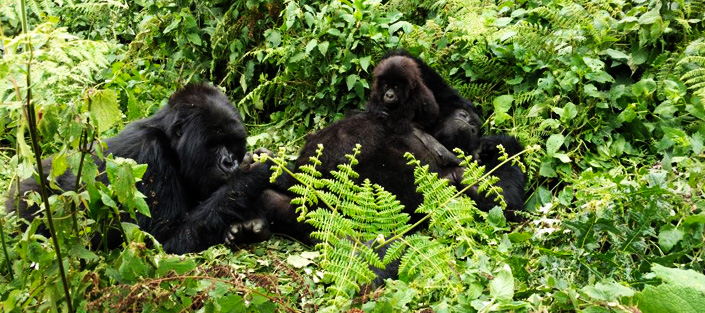
Bwindi Impenetrable National Park, a UNESCO World Heritage Site in southwestern Uganda, is a primary destination for mountain gorilla trekking, home to over half the world's remaining population. Known for its incredible biodiversity, it features dense, ancient rainforests on steep terrain, supporting numerous other species like chimpanzees, birds, and butterflies, with trekking organized through areas like Buhoma, Ruhija, Rushaga, and Nkuringo.
3-days-fly-in-uganda-gorilla-habituation-africa-safari-tour-package
2-days-best-gorilla-trekking-safari-tour-via-kigali-to-bwindi-impenetrable-forest-park
3-days-gorilla-trekking-safari-and-lake-bunyonyi-relaxation-itinerary
3-days-affordable-uganda-budget-gorilla-trekking-via-kigali
4-days-ultimate-gorilla-and-uganda-safari-and-chimpanzee-tracking
4-days-ultimate-gorilla-and-uganda-safari-and-chimpanzee-tracking
4-days-uganda-gorilla-safari-with-golden-monkey-tracking-from-rwanda
4-days-luxury-gorilla-trekking-safari-in-bwindi-fly-in-all-inclusive-tour
5-days-gorilla-and-uganda-safari-and-golden-monkey-trekking-tour-from-kigali
5-days-un-matched-uganda-gorilla-safari-and-chimpanzee-tour-itinerary
6-days-gorilla-and-uganda-safari-to-see-big-five
7-day-ultimate-uganda-primate-safari-chimpanzees-and-game-drives
19-days-incredible-uganda-safari-tour-big-five-chimpanzees-and-mountain-gorillas
14-days-uganda-and-rwanda-safari-tour-itinerary
12-days-perfect-rwanda-uganda-gorilla-trekking-safari-holiday-vacation
Where is Bwindi Impenetrable National Park located?
Bwindi Impenetrable National Park is situated in the southwestern region of Uganda, strategically positioned on the edge of the Albertine Rift Valley. This unique geographic location contributes to the park's rich biodiversity and varied ecosystems. Nestled within the Virunga mountains, Bwindi is characterized by its dramatic mountainous terrain, lush rainforest, and steep valleys, creating a visually stunning landscape that attracts tourists from around the globe.
The park spans approximately 331 square kilometers, making it a significant conservation area in Uganda. Its proximity to other notable wildlife sites, such as Mgahinga Gorilla National Park, enhances its appeal to wildlife enthusiasts and adventure seekers alike. The region is part of the wider Albertine Rift, which serves as a biological hotspot, hosting an array of flora and fauna that are unique to this mountainous environment.
Accessibility to Bwindi can be achieved via road or by air, with the latter being particularly appealing for travelers on time constraints. The park is located about 510 kilometers (around 317 miles) from Uganda’s capital, Kampala. Despite the journey, the park’s breathtaking scenery, coupled with its renowned wildlife, including the mountain gorillas, makes every moment en route worthwhile. The journey allows visitors to immerse themselves in the local culture and stunning landscapes of southwestern Uganda. Ultimately, Bwindi Impenetrable National Park is not just a destination but a gateway to experiencing some of the most awe-inspiring natural beauty and biodiversity the nation has to offer.
What does the name "Bwindi" mean in Bwindi Impenetrable National Park?
The name "Bwindi" carries significant meaning in the context of Bwindi Impenetrable National Park. In the local Rukiga language, "Bwindi" translates to "dark," "impenetrable," or "a place of darkness." This nomenclature reflects the park's dense forest cover, characterized by thick vegetation and towering trees that create a mystical atmosphere, often obscured from direct sunlight.
This description aptly fits the park's environment, which is noted for its robust and complex ecosystem. The dense foliage serves as an ideal habitat for a range of wildlife, most notably the critically endangered mountain gorillas. The impenetrable nature of the forest also plays a role in the preservation of its biodiversity, as it creates a refuge for numerous species, shielding them from various external threats.
Despite its intimidating name, Bwindi's depths are a treasure trove of life, making it a sought-after destination for wildlife enthusiasts, researchers, and adventurers. The park is renowned not just for its gorillas but also for its diverse flora and fauna, including rare plant species and various primates. Visitors often speak of the enchanting experience of hiking through its dark, rich vegetation, where the call of the wild resonates, enhancing the allure of this remarkable national park. Thus, "Bwindi" perfectly encapsulates the mysterious and captivating character of this biodiversity hotspot.
What is Bwindi Impenetrable National Park most famous for?
Bwindi Impenetrable National Park is world-renowned for being home to nearly half of the world's remaining mountain gorilla population, making it one of the most pivotal conservation areas for these magnificent primates. This designation as a sanctuary for mountain gorillas has drawn adventurers, researchers, and wildlife lovers seeking the unparalleled experience of tracking and observing these gentle giants in their natural habitat.
The park is also celebrated for its rich biodiversity, hosting an array of ecosystems ranging from tropical rainforests to bamboo forests. This diversity provides a supportive environment for various wildlife species, including over 350 bird species, numerous butterflies, and other primates. Bwindi's unique ecosystem not only offers the opportunity to witness the iconic mountain gorillas but also an extensive variety of wildlife.
The allure of gorilla trekking in Bwindi has established it as a must-visit destination on many travelers' itineraries. Trekking through the dense vegetation to encounter these fascinating creatures up close is regarded as a life-changing experience. Guided treks allow visitors to learn about the gorillas' behaviors and conservation efforts, deepening their appreciation for the challenges these animals face in the wild.
Additionally, Bwindi's status as a UNESCO World Heritage Site underscores its importance in global biodiversity conservation. The blend of natural beauty, thrilling gorilla encounters, and the commitment to wildlife preservation make Bwindi Impenetrable National Park a unique and profound destination, solidifying its fame in the ecotourism world.
When was Bwindi Impenetrable National Park gazetted as a national park?
Bwindi Impenetrable National Park was officially gazetted as a national park in 1991, marking a significant milestone in Uganda's conservation efforts. This designation was a crucial step in the nation's commitment to protecting its unique wildlife and biodiversity, particularly the critically endangered mountain gorillas that inhabit the area.
The gazetting of Bwindi was driven by the recognition of the park's rich ecological and cultural significance. At that time, the incidence of illegal poaching and habitat destruction was threatening the gorilla populations, prompting urgent action from the government and conservation organizations. By formally designating the area as a national park, legal protections were established to help safeguard its rich flora and fauna from human encroachment and exploitation.
Since its establishment, Bwindi has become a focal point for international conservation efforts, attracting researchers and wildlife enthusiasts who contribute to ongoing preservation initiatives. The park's management is informed by a combination of ecological science, community engagement, and sustainable tourism practices, ensuring that local communities benefit from conservation.
Over the years, the park has also expanded through additional gazetting of surrounding areas, enhancing its capacity to protect wildlife and improve its ecological viability. Today, Bwindi not only serves as a sanctuary for nearly half of the world's mountain gorillas but also represents a beacon of successful conservation, demonstrating the power of dedicated efforts to preserve natural heritage for future generations.
Is Bwindi Impenetrable National Park a UNESCO World Heritage Site?
Yes, Bwindi Impenetrable National Park was declared a UNESCO World Heritage Site in 1994 due to its exceptional biodiversity and ecological significance. This recognition underscores the global importance of the park as a conservation area, particularly for its role in protecting the critically endangered mountain gorillas, of which it is home to nearly half of the world’s population.
Being designated as a UNESCO World Heritage Site not only highlights the park’s incredible wealth of biological diversity but also reflects its unique ecosystems that are shaped by the altitudinal gradient—from lowland to montane forests. The park is part of the Albertine Rift, which is recognized as one of the world’s biodiversity hotspots, hosting a stunning variety of flora and fauna, including over 200 species of trees, hundreds of bird species, and numerous butterflies.
This designation has elevated awareness and support for conservation efforts, drawing international attention to the threats faced by the park's wildlife and habitats. It has fostered collaborative conservation initiatives between local communities, the Ugandan government, and various NGOs dedicated to preserving this ecological treasure for future generations.
As a UNESCO World Heritage Site, Bwindi Impenetrable National Park is significant not only for local human culture and biodiversity but also for its global heritage. The recognition reinforces the importance of protecting such valuable ecosystems in a rapidly changing world, emphasizing the need for ongoing efforts to ensure the survival of its unique species and habitats.
How many mountain gorillas live in Bwindi Impenetrable National Park?
Bwindi Impenetrable National Park is home to an estimated population of around 459 mountain gorillas, making it one of the most critical habitats for this endangered species. This significant number accounts for nearly half of the world's remaining mountain gorillas, which are primarily found in the dense forests of the Albertine region.
The successful conservation efforts in Bwindi are attributed to a combination of habitat preservation, anti-poaching measures, and community engagement initiatives. Continuous monitoring and research have contributed to an increase in the mountain gorilla population over the years, reflecting the effectiveness of these strategies.
The park hosts several habituated gorilla families that visitors can track during their gorilla trekking excursions. These families, accustomed to human presence, provide a unique opportunity to observe their behavior in their natural environment, offering visitors an unforgettable experience.
Moreover, the presence of such a significant population of mountain gorillas has made Bwindi a focal point for various conservation organizations dedicated to ensuring their survival. These efforts not only aim to protect the gorillas themselves but also the broader ecosystem they inhabit, benefitting numerous other species and local communities relying on the park for resources.
The health of the gorilla population in Bwindi stands as a testament to successful conservation practices, providing hope for the future of these iconic primates. The park remains a vital sanctuary, emphasizing the importance of ongoing protection and research to sustain both the gorilla population and their diverse habitats.
What are the four trekking sectors in Bwindi Impenetrable National Park?
Bwindi Impenetrable National Park is divided into four distinct trekking sectors, each offering unique experiences for visitors eager to track the park's famous mountain gorillas. The sectors are Buhoma, Ruhija, Rushaga, and Nkuringo, each characterized by varying terrains, gorilla families, and breathtaking landscapes.
- Buhoma Sector: Located in the northern part of the park, Buhoma is the most popular sector for gorilla trekking. Home to several habituated gorilla families, such as the Mubare and Habinyanja groups, Buhoma offers relatively easier trekking routes, making it accessible for many visitors. The area provides stunning views and is often a visitor's first choice for gorilla trekking.
- Ruhija Sector: Situated in the eastern part of the park, Ruhija is known for its steep hills and dense forest cover. Home to the Oruzogo and Bitukura gorilla groups, this sector offers a more tranquil experience, attracting visitors seeking fewer crowds. The breathtaking scenery also makes it ideal for nature lovers and keen photographers.
- Rushaga Sector: Located in the southern region, Rushaga is known for its diverse group of habituated gorillas, including the famous Nshongi group. Trekking in this area can be more challenging, but it rewards visitors with stunning vistas and excellent opportunities for wildlife encounters beyond just gorillas.
- Nkuringo Sector: Nkuringo is also situated in the southern part of the park and offers a unique trekking experience. Known for its steep trails and rich biodiversity, this sector allows trekkers to experience a mix of adventure and breathtaking views. The Nkuringo group is a noteworthy family to track here, and the challenge of the hike rewards trekkers with unforgettable sights.
Each sector has its own unique charm, making it essential for travelers to choose the one that best fits their interests and physical abilities while providing an unparalleled gorilla trekking experience.
What is the best time to visit Bwindi Impenetrable National Park for gorilla trekking?
The best time to visit Bwindi Impenetrable National Park for gorilla trekking is generally during the dry seasons, which occur from June to August and again from December to February. During these months, the park's trails are less slippery, making the trek to find the mountain gorillas more manageable and enjoyable. The drier conditions also result in improved visibility, allowing for better wildlife viewing.
In contrast, the wet seasons from March to May and September to November can pose significant challenges for trekkers. The trails may become muddy and difficult to navigate, limiting accessibility and increasing the likelihood of discomfort while trekking through the dense rainforest. That said, the wet seasons can yield lush, vibrant vegetation and provide a unique perspective of the forest’s beauty.
Visiting during the dry months also coincides with higher activity levels among the gorilla families, making them easier to locate and observe. Travelers often find that trekking during these peak times enhances their overall experience, as gorillas are more likely to be found engaging in social behaviors, foraging, and moving about.
Due to the popularity of Bwindi for gorilla trekking, travelers are encouraged to book their permits and accommodations well in advance, particularly during the dry seasons when demand is high. This proactive approach ensures a smooth experience, allowing visitors to maximize their time in the park and fully immerse themselves in the thrill of witnessing these magnificent creatures in their natural habitat.
How much does a gorilla permit cost for Bwindi Impenetrable National Park?
As of 2024/2025, the cost of a gorilla trekking permit for Bwindi Impenetrable National Park is $800 for foreign non-residents. This fee grants you access to one of the most sought-after wildlife experiences in the world—the chance to track and observe mountain gorillas in their natural habitat. The permit typically allows for one tracking session, lasting up to one hour once the gorillas have been located.
This cost reflects the global value placed on conservation and responsible tourism, as the fees collected directly contribute to the protection of the gorillas and their ecosystems. This funding plays a vital role in anti-poaching efforts, habitat preservation, and community development initiatives that promote sustainable practices.
It’s essential to note that permits for gorilla trekking are limited and in high demand, especially during peak seasons, so booking in advance is highly recommended. This ensures that you secure your spot and can fully enjoy the adventure of observing these incredible creatures.
The investment in a gorilla permit is widely regarded as worthwhile, as the experience of encountering these gentle giants in their natural environment is often described as life-changing. For wildlife enthusiasts and adventure seekers alike, Bwindi Impenetrable National Park offers an unparalleled opportunity to witness one of nature's most extraordinary animals up close, fostering a deeper appreciation for wildlife conservation.
Is there an age limit for gorilla trekking in Bwindi Impenetrable National Park?
Yes, there is an age limit for gorilla trekking in Bwindi Impenetrable National Park. The minimum age for participants is set at 15 years old. This age restriction is primarily in place to ensure both the safety of the participants and the well-being of the gorillas.
The trek to observe the mountain gorillas can be physically demanding, often requiring moderate fitness levels, and involves traversing rugged terrain in a dense rainforest environment. Setting an age limit helps ensure that trekkers are sufficiently mature and physically prepared for the challenges they may face during the journey.
Additionally, maintaining a level of maturity among participants contributes to a respectful environment for the gorillas, who are sensitive to loud noises and unexpected behaviors. By establishing an age guideline, the park can better manage interactions between humans and wildlife, promoting conscientious wildlife tourism practices.
Travelers planning a trip to Bwindi with younger family members should carefully consider this age requirement when making arrangements. Families with children under 15 may wish to explore alternative activities available in the region or select locations where age restrictions are less stringent.
Ultimately, adhering to the age limit not only protects the safety and enjoyment of all participants but also underscores the importance of responsible wildlife tourism aimed at conserving the rare mountain gorillas that call Bwindi home.
How long does a gorilla trek typically take in Bwindi Impenetrable National Park?
A typical gorilla trek in Bwindi Impenetrable National Park can vary significantly in duration, generally lasting anywhere from 2 to 8 hours. The length of the trek depends largely on factors such as the specific gorilla family's location, the terrain you traverse, and the overall movement of the gorillas on the day of your visit.
Most trekking groups begin their journey early in the morning, guided by experienced trackers who use their knowledge of gorilla behavior and experience in the area to locate the families. Once the group sets off, it can take anywhere from a couple of hours to several hours to locate the gorillas, as their movements are influenced by food availability, environmental conditions, and their natural behavior.
Upon locating the gorillas, trekkers will typically have one hour to observe them, allowing for incredible opportunities to witness their interactions, social dynamics, and daily activities. This hour is a highlight for many visitors, creating lasting memories of their experience.
While participants should prepare for a range of potential trek durations, it’s essential to approach the adventure with flexibility and a sense of adventure. Visitors are encouraged to dress appropriately for varying weather conditions and wear comfortable hiking gear to enjoy the trek fully.
Ultimately, while the trek may demand patience and physical effort, the reward of seeing these extraordinary creatures up close fosters appreciation for gorilla conservation and the natural beauty of Bwindi Impenetrable National Park.
Can I visit Bwindi Impenetrable National Park for bird watching?
Yes, Bwindi Impenetrable National Park is renowned as a top birding destination, attracting birdwatchers from around the globe. The park boasts over 350 recorded bird species, making it one of the richest birding locales in Africa. Its varied ecosystems, comprised of montane forest, bamboo, and swampy areas, create an exceptional environment for diverse avian populations, including both resident and migratory species.
Birders can look forward to spotting a range of species, including several endemic and rare birds that are hard to find elsewhere. Notable birds include the African Green Broadbill, the Shelley’s Crimsonwing, and the Blue-headed Sunbird, among many others. The park's rich biodiversity creates a prime habitat not only for these special species but also for a variety of other wildlife, ensuring that visitors can enjoy a multi-layered natural experience.
Guided bird-watching tours are often available within the park, and expert guides are knowledgeable in identifying various species by sight and call, enhancing the overall birding experience. These experienced guides help communicate essential details about the local ecology, conservation efforts, and the importance of preserving these natural habitats.
While gorilla trekking often takes center stage, birdwatching in Bwindi provides a tranquil and rewarding alternative for those seeking a different kind of wildlife experience. The unique blend of lush vegetation, diverse bird species, and enchanting sounds of the forest creates a beautiful environment for birding enthusiasts. Ultimately, visiting Bwindi for bird watching adds a rich dimension to your safari experience, providing opportunities to connect deeply with nature and its inhabitants.
What is the altitude of Bwindi Impenetrable National Park?
Bwindi Impenetrable National Park boasts a varied altitude that ranges from approximately 1,160 meters (3,806 feet) to 2,607 meters (8,553 feet) above sea level. This significant difference in elevation contributes to the park's rich biodiversity and diverse ecosystems.
At lower altitudes, the park features lush, tropical rainforest, which transitions to bamboo and montane forest at higher elevations. The varied altitude not only enhances the ecological diversity but also affects climate conditions, influencing the flora and fauna present throughout the park.
The diverse altitudinal range creates different habitats that support an array of wildlife, including the critically endangered mountain gorillas that inhabit the higher elevations. Birds, mammals, and countless plant species thrive across this gradient, making the park an ecological hotspot.
Visitors trekking in Bwindi experience shifts in temperature and humidity as they ascend or descend within the park. The cooler climate at higher altitudes provides a refreshing contrast to the warm conditions at the lower elevations. This variation not only enhances the trekking experience but also contributes to the overall diversity of the park, creating a mosaic of habitats that support its many inhabitants.
As a result, understanding the park's altitude is crucial when planning your visit. It informs the trekking experience, preparation for varying weather conditions, and an appreciation for the incredible environmental diversity that Bwindi Impenetrable National Park offers.
How do I get to Bwindi Impenetrable National Park from Kampala?
Traveling to Bwindi Impenetrable National Park from Kampala can be accomplished via two primary means: road and air. The road journey typically takes approximately 8 to 10 hours, covering a distance of about 510 kilometers (approximately 317 miles) depending on your exact starting point and the route chosen. The drive offers scenic views of Uganda's diverse landscapes, including rolling hills, picturesque valleys, and charming local villages. Visitors often appreciate this option for the chance to immerse themselves in local culture along the way.
For those seeking a quicker route, domestic flights are available to nearby airstrips, such as Kihihi or Kisoro, with a flight time of around 1 hour from Entebbe International Airport. Upon arrival, travelers can arrange for ground transportation to the park. Flying provides a more panoramic view of the stunning landscapes of southwestern Uganda, making it an appealing choice for those with time constraints.
Regardless of your choice of travel, it’s advisable to plan your journey in advance, particularly during peak seasons when transportation can become congested. Ensure that you check the latest schedules and availability of flights or hire reliable transport operators for road travel. Whichever method you choose, the journey to Bwindi is sure to heighten the excitement as you approach one of Africa's most remarkable national parks, renowned for its rich biodiversity and incredible mountain gorillas.
Are there chimpanzees in Bwindi Impenetrable National Park?
Yes, Bwindi Impenetrable National Park is unique in that it is the only place in the world where chimpanzees and mountain gorillas coexist in the same forest. This remarkable aspect of Bwindi contributes not only to its biodiversity but also enhances its appeal as a primary destination for wildlife enthusiasts and conservationists.
Chimpanzees can be found in the forest's lower altitudes, where they share a habitat with the renowned mountain gorillas residing at higher elevations. This dual presence makes Bwindi an extraordinary location for wildlife viewing and research, offering a chance to observe varying primate species and understand their interaction within the same ecosystem.
Visitors to Bwindi have the opportunity to engage in chimpanzee tracking, where experienced guides aid in locating and observing these fascinating primates in their natural habitat. While chimpanzee sightings are less guaranteed compared to gorilla tracking, the experience can be equally rewarding, revealing the social dynamics and behaviors of these intelligent animals.
The coexistence of both species signifies the importance of conservation efforts in this region, emphasizing the need to protect their habitats to maintain healthy populations. Overall, Bwindi stands out as a critical environment for both mountain gorillas and chimpanzees, offering an enriching experience for visitors looking to appreciate the vibrant wildlife of Uganda.
What is the gorilla habituation experience in Bwindi Impenetrable National Park?
The gorilla habituation experience in Bwindi Impenetrable National Park is a unique opportunity for visitors to spend an immersive four hours with semi-habituated mountain gorillas, particularly in the Rushaga sector. This experience allows travelers to witness the behaviors and social interactions of these magnificent primates, providing a more extended encounter than the typical one-hour trek offered during regular gorilla tracking.
During the habituation process, a select group of adventurous trekkers has the chance to accompany experienced guides and researchers as they work to familiarize wild gorillas with human presence. This process is critical for the eventual habituation of gorilla families, allowing them to become accustomed to human contact, which is essential for future eco-tourism initiatives.
Participants in the habituation experience will trek through the dense forest, interpreting the signs of gorilla movements while learning about the ongoing conservation efforts aimed at protecting these endangered creatures. The deep dive into gorilla behavior provides an educational and enlightening experience, shedding light on the complexities of their social structures and daily lives.
Moreover, this experience emphasizes responsible wildlife tourism and contributes to greater awareness and appreciation for the challenges faced in conserving mountain gorillas. For wildlife enthusiasts seeking a deeper understanding of these remarkable animals, the gorilla habituation experience is a treasure trove of insight and connection with nature, making it a must-do activity for visitors to Bwindi.
What should I pack for a trip to Bwindi Impenetrable National Park?
Packing for a trip to Bwindi Impenetrable National Park requires careful consideration of both the terrain and the climate, ensuring you are well-prepared for an adventurous yet comfortable experience. Essential items to include are waterproof hiking boots, as the trails can be muddy and slippery, particularly during wet seasons. Sturdy, comfortable footwear will help you navigate through the dense forest seamlessly.
Clothing should include long-sleeved shirts and trousers to protect your skin from scratches, bites, and insect bites, as well as to provide warmth in cooler temperatures, especially at higher altitudes. A rain jacket is indispensable, as intermittent rain showers are common in the park, and staying dry will ensure a more enjoyable trekking experience.
Insect repellent is crucial for warding off mosquitoes and other pests. Opt for a lotion or spray effective against tropical insects, as it will enhance your comfort while exploring the park. It's also advisable to bring binoculars for wildlife viewing, a camera for capturing breathtaking moments, and a daypack to hold your essentials during the trek.
Additionally, consider packing snacks and plenty of water to stay hydrated throughout the hike. Ultimately, being well-prepared not only enhances your comfort and safety but also allows you to fully immerse yourself in the captivating experience of exploring Bwindi's rich ecosystems and observing its remarkable wildlife.
How many people can visit a gorilla family per day in Bwindi Impenetrable National Park?
In Bwindi Impenetrable National Park, a maximum of 8 visitors are allowed to visit each habituated gorilla family per day. This limitation is designed to minimize the impact on the gorillas and ensure their well-being while maximizing the quality of the experience for visitors.
Setting a cap on group size helps maintain a respectful distance from the gorillas, allowing them to engage in their natural behaviors without excessive disturbance. It also facilitates a more intimate and manageable experience for trekkers, enabling them to appreciate the time spent observing these magnificent creatures in their natural habitat.
This restriction is part of the broader conservation strategies in place to protect mountain gorillas, whose populations are vulnerable to numerous threats, including habitat loss, poaching, and disease. By limiting the number of visitors accessing each gorilla group, Bwindi ensures that interactions remain responsible and sustainable, contributing positively to conservation efforts.
Visitors are encouraged to secure their permits well in advance, especially during peak seasons, to ensure they have the opportunity to trek with their preferred gorilla family. The limited entry not only nurtures the protection and preservation of these incredible animals but also fosters a deeper connection with the natural environment, making the experience even more memorable for participants.
What is the distance between Kampala and Bwindi Impenetrable National Park?
The distance between Kampala and Bwindi Impenetrable National Park ranges from approximately 460 to 530 kilometers (around 286 to 329 miles), depending on the specific route taken. This variance is due to the different roads available and the starting point within Kampala, the capital city of Uganda.
Traveling by road typically requires around 8 to 10 hours, making it a considerable journey. The drive takes you through picturesque landscapes, charming villages, and the rolling hills of southwestern Uganda, offering a glimpse into the local culture and environment along the way. Visitors will appreciate the stunning beauty of the countryside, which adds to the overall travel experience.
For those with time constraints or seeking convenience, there are domestic flight options to nearby airstrips in Kihihi or Kisoro. The flight takes about 1 hour, followed by a short drive to the park, significantly reducing travel time. This option allows passengers to enjoy breathtaking aerial views of Uganda's scenic landscapes.
Regardless of the mode of transportation chosen, planning your journey in advance is recommended, especially during peak travel seasons. Ensure you check the latest travel schedules and availability for flights or hire reliable transport services for road travel. Ultimately, the journey to Bwindi is an integral part of the adventure, leading you to one of Africa's most extraordinary wildlife destinations.
Can I visit Bwindi Impenetrable National Park from Rwanda?
Yes, many travelers choose to visit Bwindi Impenetrable National Park from Rwanda, making it easily accessible for those flying into Kigali International Airport. The drive from Kigali to Bwindi takes approximately 4 to 5 hours, allowing you to experience the beautiful landscapes of both Rwanda and Uganda along the way.
The journey involves crossing the border between the two countries, offering a unique opportunity to witness the transition in scenery and cultures. The roads are generally well-maintained, and visitors can take in the lush green hills and valleys that characterize this picturesque region. It’s advisable to have your travel documents ready for border processing, as customs checks may be required.
Several tour operators in Rwanda offer packages that encompass both gorilla trekking experiences and cultural interactions, facilitating a seamless trip across the border. Joining a guided tour can also enhance your experience, as knowledgeable guides will navigate the routes, provide insights about local cultures, and handle any logistics involved in the border crossing.
For travelers from Rwanda, visiting Bwindi offers an excellent chance to explore one of the world's most remarkable biodiversity hotspots, renowned for its mountain gorillas. Combining a trip to Bwindi with other attractions in Rwanda, such as Volcanoes National Park, can create a well-rounded adventure filled with unforgettable wildlife experiences. Thus, it’s an appealing option for those interested in immersing themselves in the rich natural heritage of both countries.
What other animals live in Bwindi Impenetrable National Park?
In addition to the world-famous mountain gorillas, Bwindi Impenetrable National Park is home to a diverse array of wildlife, making it a rich ecological haven. Visitors may encounter several other primate species, including L'Hoest's monkeys and black-and-white colobus monkeys, which are often seen moving through the treetops. The presence of these monkeys adds to the park's vibrant atmosphere and offers additional opportunities for wildlife observation.
The park also hosts a variety of mammals, including forest elephants, which are smaller than their savanna counterparts but play a crucial role in maintaining the forest's ecosystem. Various antelope species, such as the bushbuck and duiker, also inhabit the park, contributing to its overall biodiversity. These animals can often be spotted during treks, particularly at dawn when they are most active.
Bird watchers will be delighted to know that Bwindi is recognized for its avian diversity, hosting over 350 recorded bird species. The park is a prime destination for birding enthusiasts due to its rich habitat, offering opportunities to spot rare and endemic species like the African Green Broadbill and the Shelley’s Crimsonwing.
Overall, Bwindi Impenetrable National Park provides a remarkable experience not only for those interested in mountain gorillas but also for wildlife lovers eager to explore a diverse range of flora and fauna. This rich biodiversity emphasizes the ecological importance of the park and the need for ongoing conservation efforts to protect its unique inhabitants.
What are the rules for interacting with gorillas in Bwindi Impenetrable National Park?
When visiting Bwindi Impenetrable National Park for gorilla trekking, several critical rules and guidelines are in place to ensure the safety of both visitors and the mountain gorillas. These regulations aim to minimize stress on the animals and promote responsible interaction, which is vital for their conservation.
One of the primary rules is that visitors must maintain a minimum distance of 7 meters (about 23 feet) from the gorillas. This buffer helps prevent the transmission of diseases that could negatively affect gorilla health. Keeping noise levels low is also essential, as loud voices can startle the animals and disrupt their natural behaviors.
Visitors are prohibited from using flash photography, which can cause fear and discomfort in gorillas. It’s advisable to be respectful and patient when observing them, allowing for an unobtrusive experience. Additionally, visitors should avoid eating or drinking in the presence of gorillas, as food scents can attract them.
For safety, participants should follow the instructions of their guides closely. Guides are trained to understand gorilla behavior and are equipped to handle situations effectively. Only a limited number of visitors are allowed to track a gorilla family each day, which helps control interactions and reduces the impact on the animals.
Ultimately, adhering to these rules ensures a safe and respectful encounter with these magnificent primates while contributing to ongoing conservation efforts aimed at protecting the vulnerable mountain gorilla population.
Is it safe to visit Bwindi Impenetrable National Park?
Yes, Bwindi Impenetrable National Park is considered safe for visitors and is heavily patrolled by armed Uganda Wildlife Authority rangers committed to ensuring the safety and security of both tourists and wildlife. The park has established a reputation for responsible eco-tourism, and measures are in place to protect guests during their gorilla trekking adventures.
The presence of trained rangers and guides is central to maintaining safety. They are knowledgeable about the local environment, animal behavior, and the best practices to follow when interacting with wildlife. Visitors are also advised to follow safety protocols and guidelines provided by their guides, ensuring a smooth experience throughout their time in the park.
Additionally, the government of Uganda has actively promoted safety in and around national parks as part of its eco-tourism strategy. The high demand for gorilla trekking has led to enhanced security measures, and the park's management collaborates closely with local communities to promote both conservation and security efforts.
Travelers are generally encouraged to engage with their chosen tour operators to trust their expertise and adhere to their advice on safety procedures. As with any adventure travel, it's sensible to exercise caution by avoiding risky behaviors, such as wandering off marked paths or engaging in inappropriate interactions with wildlife.
Overall, Bwindi Impenetrable National Park offers a safe and enriching experience for visitors, allowing them to explore one of Africa's stunning natural environments while contributing to the preservation of its wildlife.
Are there community tours available in Bwindi Impenetrable National Park?
Yes, Bwindi Impenetrable National Park offers various community tours that provide visitors with insights into the rich cultural heritage of the area, particularly the Batwa pygmy people. These cultural experiences are designed to foster understanding and appreciation of the local communities, enhancing the overall visitor experience while supporting sustainable tourism.
Community tours typically include guided walks that take you through nearby villages, allowing travelers to engage directly with local residents. These interactions offer a unique opportunity to learn about traditional practices, crafts, and ways of life that have been passed down through generations.
One of the highlights of these community tours is the chance to discover the Batwa people's historical connection to the forest. The Batwa were traditionally forest-dwelling hunter-gatherers who lived in harmony with the rich biodiversity of Bwindi. As the park was established, their access to the forest changed, leading to efforts aimed at integrating their cultural heritage into the eco-tourism experience.
Visitors can participate in cultural performances, such as traditional dances and storytelling, or engage in workshops that showcase local crafts. These experiences help generate income for the communities involved while promoting awareness of the cultural significance of the area.
Overall, community tours in and around Bwindi Impenetrable National Park enrich the experience for travelers by providing a holistic understanding of the region’s cultural landscape, fostering partnerships between tourism and local communities, and contributing to the preservation of Uganda’s diverse heritage.
Do I need a yellow fever certificate to enter Bwindi Impenetrable National Park?
Yes, a yellow fever vaccination certificate is a mandatory entry requirement for Uganda, including Bwindi Impenetrable National Park, although it may not always be checked at the park gate. Travelers are advised to be mindful of this requirement when planning their visit, as the certificate serves as proof of vaccination against yellow fever, a viral disease transmitted by mosquitoes.
Getting vaccinated is an important step to protect your health, especially when visiting tropical regions where there is a higher risk of exposure to yellow fever. The vaccination must be administered at least 10 days prior to your arrival in Uganda to be considered valid. It’s essential to carry your certificate with you, as it may be requested at various points of entry, including airports or border crossings.
In addition to yellow fever vaccination, travelers should also discuss other recommended vaccines and health precautions with their healthcare provider, such as vaccines for hepatitis A, typhoid, and others based on personal health history and travel plans.
While precautions are crucial, many travelers visit Bwindi and Uganda without issues, highlighting the importance of preparation and awareness. Ensuring compliance with vaccination requirements not only safeguards your health but also contributes to the overall health of the local population and wildlife. Being informed and prepared enhances your travel experience, allowing you to focus on the breathtaking wildlife and natural beauty found in Bwindi Impenetrable National Park.
Booking Uganda gorilla trekking safari with us Roads of Adventure safaris
Embark on an unforgettable Uganda gorilla trekking safari with Roads of Adventure Safaris! Our expertly crafted tours offer unparalleled access to Bwindi Impenetrable National Park, home to nearly half of the world’s mountain gorillas. Enjoy personalized service, comfortable accommodations, and knowledgeable guides who ensure a remarkable experience while prioritizing responsible tourism. Whether you're a seasoned traveler or a nature enthusiast, our safaris cater to all interests. Book with us today and immerse yourself in the breathtaking beauty and wildlife of Uganda!
