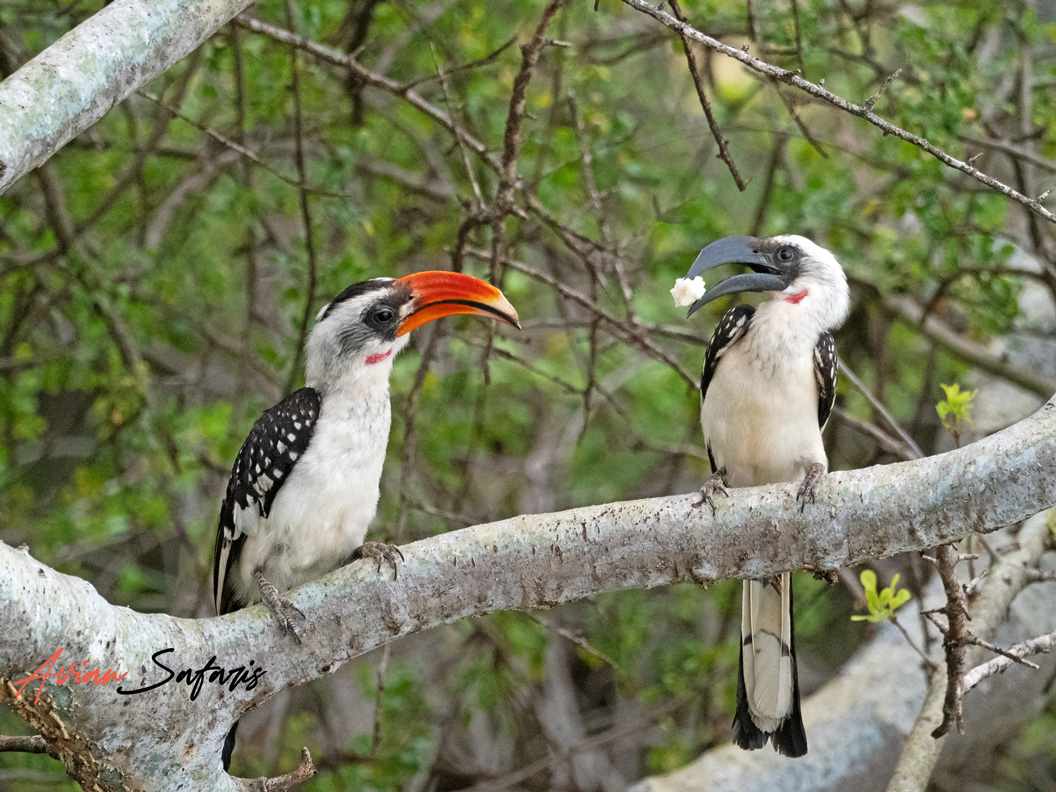
Bird watching in Kidepo valley national park on Uganda birding safari, Kidepo Valley National Park is a premier Uganda birding safari destination, boasting over 475 species, including 28,000 Sudan-Guinea Savanna biome, Somali-Masai, and Afro-tropical highland species. March to April is ideal for seeing breeding plumage and migrants, while dry seasons (Nov-Feb) offer easier spotting near waterholes
36-days-grand-uganda-bird-watching-safari
30-days-best-uganda-birding-safari-extravaganza-and-wildlife-safari
25-days-complete-uganda-birding-safari-extravaganza-with-wildlife-viewing
25-days-complete-uganda-birding-safari-extravaganza-with-wildlife-viewing
21-days-uganda-birding-safari-extravaganza-to-best-uganda-safari-parks
20-days-uganda-birding-safari-wildlife-gorilla-and-chimpanzee-tracking
19-days-best-photography-uganda-birding-safari-and-wildlife-adventure
17-days-uganda-birding-safari-itinerary
16-days-best-of-uganda-birding-safari-holiday-extravaganza
10-days-best-uganda-birding-safari-and-wildlife-experience
Key Bird Species in Kidepo
Kidepo Valley National Park is Uganda’s most isolated wilderness, a place where the jagged mountains of the Karamoja region meet the vast, golden plains of the South Sudanese border. For anyone embarking on a Uganda birding safari, it represents a completely different world compared to the rest of the country. This "Lost Eden" provides a unique landscape where specialized species thrive in a semi-arid environment found nowhere else in the Pearl of Africa.
1. Key Bird Species in Kidepo
The birdlife in Kidepo is a fascinating blend of East African savanna species and birds more typical of the arid Horn of Africa. The Common Ostrich is the undisputed king of these plains; Kidepo is the only place in the country where you can see these flightless giants roaming wild, often in the drier Kidepo Valley. Their presence gives the park a prehistoric feel that is a highlight of Uganda bird watching. Another crown jewel is the Karamoja Apalis, a localized and globally threatened species that specialists travel across continents to see. It is found primarily in the whistling thorn acacias, and its survival is closely tied to this specific habitat.
Beyond the rarities, the visual variety is staggering. The Abyssinian Roller adds a shock of turquoise to the scrub, while the Abyssinian Scimitarbill displays a sleek, curved silhouette against the sky. The Jackson’s Hornbill, with its distinctive speckled plumage, and the heavy-set Black-breasted Barbet are common sightings that provide great photographic opportunities during a Uganda birding safari. You might also encounter the Chestnut Weaver, whose intricate nesting colonies are a marvel of avian engineering. Because Kidepo sits at a geographical crossroads, the species list here includes "semi-desert" birds that simply don’t exist in the wetter forests of Western Uganda, making every sighting feel like a unique discovery for those engaged in Uganda bird watching.
2. Birds of Prey (Raptors)
If you have a penchant for predators, Kidepo is arguably the finest raptor destination in East Africa. With over 50 recorded species, the park’s thermals are constantly filled with circling hunters, making it a premier spot for a Uganda birding safari. The Secretary Bird is a frequent highlight, often seen "marching" through the tall grass on its long, crane-like legs to stomp on snakes and lizards. At the other end of the size scale is the Pygmy Falcon, the smallest raptor on the continent. These tiny but fierce birds are often found near the colonial nests of White-headed Buffalo Weavers, which they occasionally take over for their own use, providing a fascinating behavioral study during Uganda bird watching excursions.
The park is also a stronghold for the Fox Kestrel, a species that favors the rocky outcrops and inselbergs dotting the landscape. Vultures are also well-represented here; you can often see the massive Lappet-faced Vulture or the White-headed Vulture descending upon the remains of a lion kill. The sheer openness of Kidepo’s landscape means you don't just see these birds—you see them in action. Watching a Bateleur eagle rock its wings as it scans the ground, or a Dark Chanting Goshawk perched stoically on a dead branch waiting for a lizard to move, provides a raw look at the survival of the fittest. This high density of birds of prey is what makes a Uganda birding safari in Kidepo so distinct from other parks. For those passionate about Uganda bird watching, the raptor sightings here are unparalleled in their frequency and visibility.
3. Top Birding Spots
To maximize your Uganda birding safari, knowing where to look is key. Apoka Rest Camp is an excellent starting point; set on a hill overlooking the Narus Valley, the surrounding thorny vegetation is a magnet for birds. The Silver Bird, a beautiful flycatcher, is almost a resident here, alongside the noisy Yellow-billed Shrike. In the mornings, you’ll find Scarlet-chested Sunbirds darting between flowering shrubs, their iridescent feathers catching the early light, offering an easy win for Uganda bird watching enthusiasts right at their doorstep.
The Narus Valley serves as the park's biological heart. Because the Narus River holds water long after the Kidepo River has dried up, the valley attracts a massive concentration of life. It’s an open savanna paradise where you can spot the Kori Bustard (the heaviest flying bird) and various ground-dwelling species like the Yellow-necked Spurfowl. Meanwhile, the Namamukweny Valley, which ironically means "place with no birds," is actually one of the most bird-rich corners of the park. Located in the north-east, this valley is ideal for finding specialized species like the White-crested Turaco and the Abyssinian Roller. Its remote feel and unique flora make it a must-visit during a Uganda birding safari. Exploring these diverse habitats ensures that Uganda bird watching remains a dynamic and rewarding experience throughout the trip.
4. Best Time for Birding Safaris
Timing is everything when you are chasing specific plumage or migratory routes on a Uganda birding safari. March and April are widely considered the "Golden Window." During these months, the park receives its first rains, triggering a burst of activity. This is when resident birds are in their full breeding plumage, making them easier to identify and much more vocal as they defend territories or attract mates. Furthermore, this period marks the overlap when Palearctic migrants from Europe and North Africa are still present, giving you the highest possible species count for Uganda bird watching.
Alternatively, the dry season from November to February offers a different advantage for those on a Uganda birding safari. As the vegetation thins out and the grass is burned or grazed down, spotting small, skulking birds becomes significantly easier. The limited water supply forces birds to concentrate around the few remaining pools in the Narus Valley. You might not see as many "breeding displays," but the ease of movement and the predictable locations of the birds make for a very productive trip. The heat during these months can be intense, but for a dedicated Uganda bird watching professional, the sight of hundreds of birds vying for a drink at a single waterhole is worth the effort.
5. Accommodation Options
Kidepo offers a range of stays that allow you to immerse yourself in the wilderness during your Uganda birding safari. For luxury, Apoka Safari Lodge sits right in the middle of the park. You can literally sit in your private outdoor bathtub and watch elephants or ostriches wander past, making it a dream for relaxed Uganda bird watching. Midrange and budget options like Nga Moru Wilderness Camp or Kidepo Savannah Lodge provide comfortable tents with stunning views of the valley, ensuring you stay close to the action.
For those who want the most authentic experience, the UWA Bandas at Apoka put you right in the center of the park's avian activity. Waking up to the calls of the bush is a core part of the Uganda birding safari experience. Whether you choose the high-end comfort of Adere Safari Lodge with its swimming pool or the rustic charm of the bandas, the proximity to wildlife is constant. Many species can be checked off your list without even leaving your veranda, as the camps are often visited by hornbills and weavers. Choosing the right base is essential for a successful Uganda bird watching trip, as it allows for early morning starts when bird activity is at its peak.
6. Birding Tips
Kidepo is not a destination for a "quick stop." The journey from Kampala is a marathon, taking 10 to 13 hours. Because of this, a 3 to 4-day Uganda birding safari is the absolute minimum; any less and you’ll spend more time in the car than behind your binoculars. If your budget allows, a domestic flight from Entebbe to the Apoka airstrip can save you two days of driving and get you straight to your Uganda bird watching goals.
In terms of gear, the African sun is unforgiving, so high-SPF sunscreen and a wide-brimmed hat are as important as your camera. Binoculars are non-negotiable—the landscapes are vast, and many raptors will be perched on distant ridges. A good field guide is essential for navigating the regional variations you'll encounter on a Uganda birding safari. Finally, remember that Kidepo is a "multi-purpose" destination. While your focus is on Uganda bird watching, don't forget to look for the Cheetah—Kidepo is one of the few places in the country where they thrive. Pairing your birding with a traditional game drive ensures you experience the full, majestic scope of this African frontier while enjoying the best Uganda bird watching available.
How many bird species can I see in Kidepo?
Kidepo Valley National Park is a massive draw for birders, boasting a checklist of over 476 bird species. This is remarkably high for its size, placing it second only to Queen Elizabeth National Park in terms of avian diversity in Uganda. The park’s unique positioning at the intersection of various ecosystems allows it to host a high concentration of species, many of which are specifically adapted to the semi-arid conditions of the north.
What makes this number even more impressive is the density. Because the vegetation in Kidepo is relatively sparse compared to the dense jungles of the south, many of these 476 species are significantly easier to spot. On a typical 3-day birding safari, an experienced birder can comfortably cross off over 100 species. The park is recognized as an Important Bird Area (IBA) by BirdLife International, serving as a critical sanctuary for species that are struggling in other parts of East Africa.
2. Top Bird Species to Look For
When birding in Kidepo, the "Must-See" list is dominated by large, charismatic birds and colorful specialists. The most iconic is the Common Ostrich, the world’s largest bird, which is found nowhere else in Uganda. Another giant of the plains is the Kori Bustard, known for being the heaviest flying bird in the world.
Other key species to target include:
- Secretary Bird: Often seen elegantly "striding" through the savannah in search of snakes.
- Abyssinian Ground Hornbill: Large, ground-dwelling birds usually seen in pairs or small family groups.
- Black-breasted Barbet: A stunning, localized bird with vibrant red and black plumage.
- Karamoja Apalis: A tiny, elusive warbler that is one of the rarest birds in Africa.
- Northern Carmine Bee-eater: Often found following large mammals to catch the insects they stir up.
3. Which Birds are Endemic to Kidepo?
Kidepo is the only place in Uganda where you can see the Ostrich and the Rose-ringed Parakeet. Beyond these, the park is home to roughly 60 species that have not been recorded in any other Ugandan national park. This is primarily due to the park’s location, which serves as a southern limit for many species belonging to the Somali-Masai biome.
The park also protects the Karamoja Apalis, which is essentially endemic to this northeastern region and a few neighboring areas in Kenya. Seeing these birds in Kidepo is a unique "win" for birders because they represent a completely different branch of African ornithology than what you would find in the famous forests of Bwindi or Kibale. For anyone trying to complete a "Uganda Total" list, Kidepo is non-negotiable.
4. Best Time for Bird Watching
Birding in Kidepo is rewarding year-round, but the wet season (April to August) is often considered the peak time. During these months, the park turns a lush green, and the abundance of food leads to a surge in bird activity. This is also the breeding season, meaning birds are more vocal and easier to locate by their calls.
For those interested in Palearctic migrants, the window from November to April is ideal. During this time, the resident population is joined by thousands of birds escaping the European winter. If you are specifically looking for seasonal specials or want to avoid the intense heat of the dry season (January and February), March and April provide a perfect balance of good weather and high bird visibility.
5. Exceptional Raptor Spotting
Kidepo is arguably the best park in Uganda for birds of prey. It hosts an incredible 56 species of raptors. The open landscapes and high populations of small mammals and reptiles provide a perfect hunting ground for eagles, hawks, and falcons.
Visitors can expect to see the massive Verreaux’s Eagle soaring near the rocky kopjes, the Egyptian Vulture (a rare scavenger), and the tiny but fierce Pygmy Falcon, which is the smallest raptor in Africa. The park is also home to the Lappet-faced Vulture and the Secretary Bird. The sheer variety of aerial predators is a testament to the health of the Kidepo ecosystem, where the food chain remains largely undisturbed.
6. Best Birding Spots: Narus and Namamukweny
The Narus Valley is the heart of Kidepo’s birding. Because it contains the park's most reliable water sources, birds congregate here in massive numbers, especially during the drier months. The mixture of grasslands and riverine woodland here is perfect for spotting Abyssinian Ground Hornbills and various Sunbirds.
The Namamukweny Valley, which means "place with no birds" in the local language (an ironic name), is actually a hidden gem for sightings of the Abyssinian Roller and Clapperton’s Francolin. Additionally, the area around Apoka Rest Camp is excellent for "armchair birding," where you can often spot Silverbirds, Superb Starlings, and Yellow-billed Shrikes right from the veranda of your lodge.
7. The Elusive Karamoja Apalis
The Karamoja Apalis is the "holy grail" for many visiting birders. It is an endangered warbler restricted to the whistling thorn (Acacia drepanolobium) habitats of the Karamoja region. In Kidepo, it is most frequently found in the thorny scrublands along the edges of the valleys.
Spotting this bird requires patience and an expert guide, as it is small and tends to stay hidden within the dense, thorny branches. Its presence in Kidepo is a major conservation success story, and searching for it adds a "treasure hunt" element to a birding safari. It represents the delicate specialization of birds that have evolved to thrive in this rugged, semi-arid corner of the world.
8. Why You Need a Specialized Guide
While you can spot common birds on your own, a specialized park guide is essential for a serious birding tour. Kidepo’s birds are often highly localized; for example, the Karamoja Apalis or the Black-breasted Barbet live in very specific pockets of the park that only a local expert would know.
These guides are trained to identify birds by their calls, which is often the only way to find species hiding in the thick acacia scrub. Furthermore, because Kidepo is a true wilderness with a high population of buffalo and elephants, having an armed ranger or guide ensures you can safely step out of the vehicle for a closer look or a photography session on a nature walk.
9. Diverse Habitats: From Mountains to Savannah
The birdlife in Kidepo is a direct reflection of its varied terrain. The park features dry mountain forests on the slopes of Mt. Morungole, open savannah grasslands in the Narus Valley, and dense acacia woodlands. It also contains the Kidepo River, which, though seasonal, is lined with borassus palms and riverine vegetation.
This variety of habitats means you can see a "mountain bird" and a "desert bird" in the same afternoon. The Somali-Masai biome influence brings in dry-country specialists, while the higher elevations support species more common to the Ethiopian highlands. This ecological "crossroads" is what allows Kidepo to sustain such a high species count despite its semi-arid climate.
10. Kidepo vs. Other Parks: The Somali-Masai Biome
Most of Uganda’s national parks belong to the Lake Victoria or Albertine Rift biomes. Kidepo is the only park that features a significant representation of the Somali-Masai and Sudan-Guinea savannah biomes. This creates a birding experience that feels more like northern Kenya or Ethiopia than the rest of Uganda.
While parks like Murchison Falls offer wide-open savannahs, Kidepo’s specific mix of arid-country birds makes it unique. You won't find the White-billed Buffalo-weaver or the Fan-tailed Raven in the lush south. This makes Kidepo the "final frontier" for Ugandan birding itineraries—the place where you go to find the rare northern species that the rest of the country lacks.
11. Combining Birding with Big Game
One of the greatest joys of a Kidepo safari is that birding happens alongside world-class wildlife viewing. It is not uncommon to be focusing your binoculars on a Kori Bustard only to realize there is a LION resting under a nearby tree.
Kidepo is the only park in Uganda where you can see the Cheetah and the Caracal, and it boasts massive herds of Buffalo (sometimes numbering over 1,000). The birds often interact with the wildlife; you’ll see Red-billed Oxpeckers cleaning the ears of a Giraffe or Wattled Starlings following elephants. This "all-in-one" experience makes it an ideal destination for groups where some members are avid birders and others are more interested in the "Big Five."
12. Getting There: Road vs. Air
Kidepo is Uganda’s most remote park, located in the far northeast. By road, the journey from Kampala is an adventure in itself, taking roughly 10 to 12 hours. Most travelers break this up with an overnight stay in Gulu or at the Ziwa Rhino Sanctuary. The drive offers a chance to see the changing landscape of Uganda, but it can be exhausting.
For birders with limited time, a scheduled or charter flight is the preferred option. These flights depart from Entebbe International Airport or Kajjansi and land at the Apoka Airstrip in the heart of the park. The flight takes about 1.5 to 2 hours, offering stunning aerial views of the Karamoja plains and saving you days of travel time that can be better spent on the trails.
13. What to Pack for Kidepo
Packing for Kidepo requires preparation for heat and dust. A high-quality pair of binoculars (8x42 is standard) is the most important tool for spotting distant bustards or raptors. A field guide (such as Birds of East Africa) is essential for identification.
Other must-haves include:
- Light, neutral-colored clothing: To keep cool and blend in.
- Sturdy walking shoes: For nature walks in the valley.
- Wide-brimmed hat and sunscreen: The sun here is intense.
- Camera with a zoom lens: For those once-in-a-lifetime raptor shots.
- Water Bottle: Staying hydrated is critical in this semi-arid climate.
14. Rare Birds: Fox’s Weaver and More
While the Fox’s Weaver is Uganda’s only true endemic (found mostly in the swampy areas of Lake Bisina), birders in Kidepo keep a keen eye out for northern rarities like the Jackson’s Hornbill. This bird is easily distinguished by its heavily spotted wings and is a common sight in the park's drier woodlands.
Other rare treats include the Pygmy Falcon, which often nests in the massive structures of buffalo-weaver nests, and the Yellow-necked Spurfowl. Because Kidepo is so under-explored compared to other parks, there is always a chance of spotting a species that hasn't been recorded in years—or even a new record for Uganda altogether. Every bush and tree in Kidepo holds the potential for a rare encounter.
15. Is Kidepo Safe?
Kidepo is one of the safest and most secure parks in Uganda. While the Karamoja region had a turbulent history decades ago, it is now a peaceful area focused on conservation and tourism. The Uganda Wildlife Authority (UWA) maintains a strong presence, and the park is strictly managed.
For all nature walks and birding excursions on foot, you will be accompanied by an armed park ranger. This is not because of human threats, but because of the abundant wildlife; the rangers are there to ensure you don't accidentally stumble upon a buffalo or a pride of lions. This allows you to focus entirely on your binoculars, knowing that your safety is being professionally monitored. The remote nature of the park also means it remains uncrowded, providing a serene and safe "private" wilderness experience.
Booking Uganda birding safari with us Roads of Adventure safaris
Booking a Uganda birding safari with Roads of Adventure Safaris offers tailored, expert-led tours targeting over 1,065 species in the "Pearl of Africa". They specialize in custom itineraries ranging from 5 to 28 days, focusing on prime locations like Mabamba Swamp for the Shoebill and Bwindi Impenetrable National Park for Albertine Rift endemics
