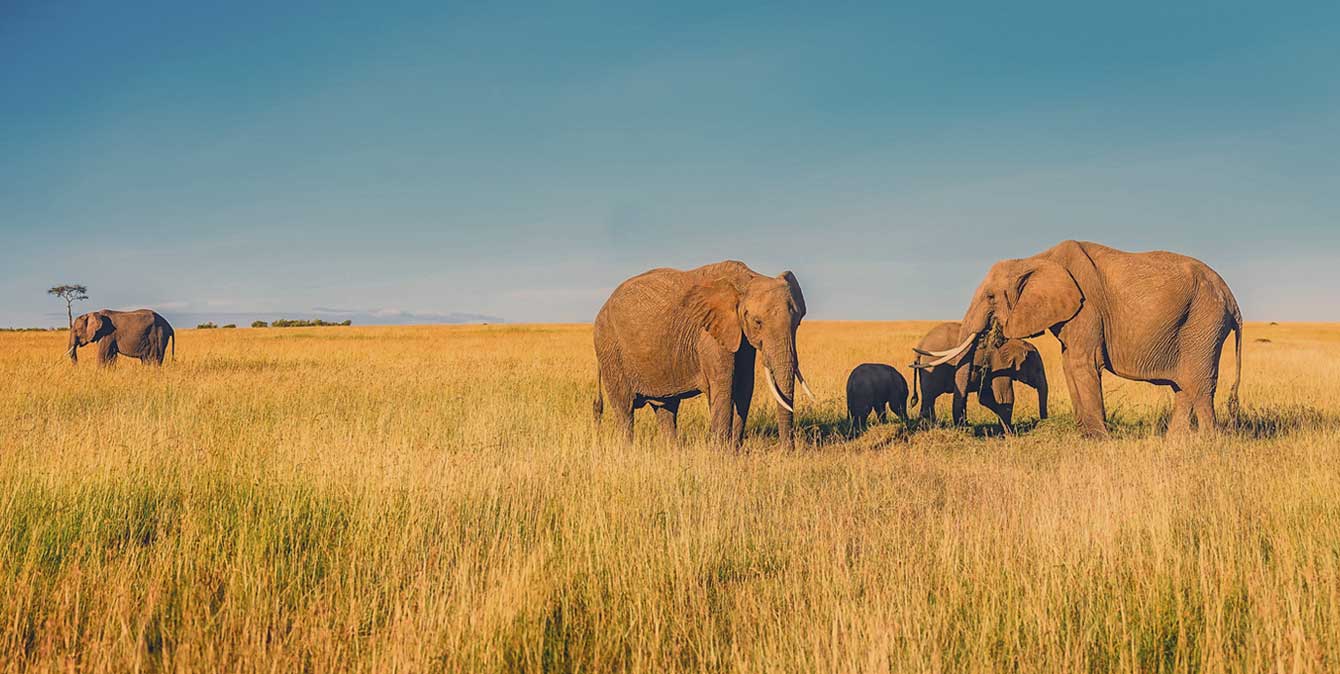
The best time to visit Serengeti is during the dry season (June-October) for peak migration and wildlife viewing, however best time to visit the Serengeti-on-Serengeti safari tour depends on your interests, but for the Great Migration, late June to September is ideal to witness river crossings, while late January to February is best for the calving season. The dry season (June to October) offers excellent game viewing as animals gather at water sources and the landscape is open, though temperatures can be cooler in the early mornings and evenings. The green season (November to May) offers lush scenery, fewer crowds, lower prices, and newborn wildlife, but can have challenging road conditions and unpredictable weather
Best Serengeti safari tour packages
3-days-amazing-serengeti-safari-to-ngorongoro-crater-tanzania-tour
3-days-southern-serengeti-safari-tour-and-ngorongoro-crater-calving-season-package
4-days-tarangire-ngorongoro-and-serengeti-safari-tour
5-days-luxury-africa-safari-in-tanzania-all-inclusive-tour-package
6-days-ndutu-migration-and-tanzania-safari-itinerary
6-days-best-northern-circuit-tanzania-safari-to-best-tanzania-safari-parks
7-days-tanzania-wildlife-safari-africa-safari-tour-best-park-visits
7-days-best-great-wildebeest-migration-safari-in-tanzania
7-days-budget-tanzania-safari-affordable-africa-budget-safari
10-days-tanzania-safari-to-all-northern-circuit-safari-parks-expedition
For the Great Migration
Late June to August/September is the prime time for witnessing the Great Migration in the Serengeti. During these months, vast herds of wildebeest and zebras move through the northern Serengeti, making their way toward the Mara River. This migration is one of the most spectacular wildlife events on the planet, attracting thousands of travelers eager to see the dramatic river crossings. The Mara River, known for its crocodile-infested waters, presents a life-or-death challenge for the migrating animals. As they attempt to cross, the sight of thousands of wildebeests leaping into the river is both thrilling and poignant. In addition to the iconic river crossings, this period offers excellent wildlife viewing, as predators like lions and leopards stalk their prey, taking advantage of the congregated herds. The northern Serengeti's diverse landscapes, from rolling hills to lush riverbanks, provide a stunning backdrop for this natural spectacle. With the combination of dramatic scenery and intense wildlife action, this time frame is often rated as the peak season for any Serengeti safari tour. Travelers can expect not only riveting wildlife encounters but also an unforgettable experience that showcases the raw beauty of nature during their Serengeti safari tour.
For the Calving Season & Newborns
Late January to February is the ideal time to be in the southern Serengeti for the calving season. During this period, approximately 500,000 wildebeest calves are born, creating a heartwarming and captivating sight. The southern plains come alive with the vibrant energy of newborns, as thousands of mothers give birth in a short span of time. This phenomenon attracts predators, including lions and hyenas, which are drawn to the vulnerable calves. Witnessing this natural spectacle offers a unique glimpse into the circle of life, as the delicate balance between predator and prey plays out vividly on the Serengeti plains. The lush green grass of the southern Serengeti provides ideal conditions for the mothers and their young, ensuring that the calves have ample nourishment as they grow. This time is not only visually stunning but also enriches the safari experience, as visitors can observe the interactions between mothers and their offspring. Travelers often rate this season highly for its emotional and educational value. The opportunity to see newborn wildlife in such a dynamic environment makes the calving season a must-visit for anyone on a Serengeti safari tour.
For Dry Season Conditions (June-October)
The dry season from June to October is a popular time for a Serengeti safari tour, as wildlife viewing is at its peak. During these months, the grass becomes short, making it easier to spot animals as they gather near waterholes. The landscape, while drier, allows for clearer visibility of game, including elephants, giraffes, and various antelope species. This period is ideal for observing predators in action, as they take advantage of the concentrated prey at water sources. However, the dry season does come with its challenges. Temperatures can soar during the day, making the experience uncomfortable for some travelers. Additionally, the landscape's dryness can lead to dust and less vibrant scenery, which may not appeal to everyone. Despite these drawbacks, many visitors appreciate the consistent wildlife experiences that the dry season provides. The chance to see the Great Migration and the dramatic river crossings adds to the allure of this time frame. Overall, while the dry season offers excellent wildlife viewing opportunities, travelers should be prepared for heat and drier conditions, which can influence their adventure in the Serengeti during their Serengeti safari tour.
For Green Season Conditions (November-May)
The green season from November to May offers a different yet equally captivating experience for those on a Serengeti safari tour. This time of year, is characterized by lush landscapes, as the rains transform the park into a vibrant oasis filled with greenery. The scenery is stunning, making for picturesque views and excellent photography opportunities. Fewer tourists during this season mean you can enjoy a more intimate experience with nature, and potentially lower costs for accommodations and tours make it an appealing option for budget-conscious travelers. Additionally, this season is a great time to see newborn wildlife, as many species give birth during the rains. However, the green season does come with its challenges. The weather can be unpredictable, leading to difficult road conditions that may affect game drives. Heavy rains can occasionally make certain areas inaccessible, which may limit wildlife viewing opportunities. Despite these potential downsides, the lush environment and the chance to witness the birth of new life in the wild make the green season a rewarding time for those willing to embrace the unpredictability of nature. Overall, it offers a unique perspective on the Serengeti's ecosystems, making it a worthwhile experience for adventurous travelers on their Serengeti safari tour.
Best time to visit Serengeti month by month
January: Calving Season Begins
January marks the beginning of the calving season in the southern Serengeti. Approximately 500,000 wildebeest calves are born during this month, attracting predators like lions and hyenas. The lush grasslands provide ideal conditions for mothers and their newborns. This is a fantastic time for wildlife photography and observing the dynamics of predator-prey relationships. A Serengeti safari tour in January offers the opportunity to witness this breathtaking spectacle, with fewer tourists around. Consider combining your trip with visits to nearby Ngorongoro Crater for a complete wildlife experience. Activities: Game drives, wildlife photography, and cultural visits.
February: Peak of Calving Season
February continues the calving season, making it one of the best months for a Serengeti safari tour. The southern plains are teeming with life, as newborn wildebeest are vulnerable and easy targets for predators. This month offers exceptional opportunities for wildlife viewing, particularly for those interested in predator behavior. Guided game drives are a must, allowing you to witness these dramatic interactions. The vibrant green landscape also provides stunning backdrops for photography. Consider adding a cultural visit to a Maasai village to enrich your experience during your safari. Activities: Guided game drives, predator watching, and cultural experiences.
March: Transition Month
In March, the calving season starts to wind down, but the southern Serengeti remains alive with activity. Predators continue to follow the herds, and the landscape is still lush and green. This month is a great time for birdwatching, as migratory birds flock to the area. A Serengeti safari tour in March allows you to see the last of the newborns and witness the changing dynamics of the herds. Game drives in the late afternoon can be particularly rewarding. You can also explore the nearby Ngorongoro Crater for diverse wildlife experiences. Activities: Birdwatching, afternoon game drives, and crater exploration.
April: Onset of the Long Rains
April marks the start of the long rains in the Serengeti, transforming the landscape into a lush paradise. While some roads may become challenging, this month offers fewer tourists, making for a more intimate experience. The rains attract a variety of wildlife, including migratory birds and herbivores drawn to the new grass. A Serengeti safari tour in April can yield unique sightings of animals enjoying the rejuvenated landscape. Consider incorporating walking safaris for a different perspective. This is also an excellent time for photographers to capture the vivid colors of the park. Activities: Walking safaris, wildlife viewing, and photography.
May: Continued Rainy Season
May continues the rainy season, with the Serengeti lush and vibrant. This month is ideal for spotting wildlife, as the landscape is filled with new life. Migratory species begin to gather in larger numbers, and you may witness various animals, including elephants and giraffes, enjoying the rich vegetation. A Serengeti safari tour in May allows for fewer crowds and lower prices, making it a great time for budget travelers. Although weather can be unpredictable, the lush scenery makes for stunning photography opportunities. Consider a combined trip with Tarangire National Park for varied wildlife experiences. Activities: Wildlife viewing, photography, and park exploration.
June: Transition to the Dry Season
By June, the rains start to ease, and the dry season begins. This transition period is excellent for wildlife viewing, especially as animals congregate around water sources. The Great Migration starts to pick up as wildebeests head northward toward the Mara River. A Serengeti safari tour in June allows for prime opportunities to see both migratory and resident wildlife. Guided game drives become more productive as visibility improves. Consider adding a hot-air balloon ride for a unique aerial view of the park and its wildlife. Activities: Game drives, hot-air balloon rides, and wildlife observation.
July: Peak of the Great Migration
July is a peak month for the Great Migration, as massive herds of wildebeest and zebras cross the Mara River. This dramatic event attracts many predators and offers thrilling wildlife viewing opportunities. A Serengeti safari tour in July is highly recommended for those wanting to witness this natural spectacle. Expect to see intense predator-prey interactions, making for fantastic photography. The weather is generally dry and pleasant, perfect for game drives. Travelers can also explore the northern Serengeti to maximize their chances of seeing the river crossings. Activities: River crossings viewing, game drives, and photography.
August: Continued Migration Excitement
August continues the excitement of the Great Migration, with herds still navigating the Mara River. This month is ideal for spotting crocodiles and lions, as they take advantage of the vulnerable animals crossing the river. A Serengeti safari tour in August promises incredible wildlife encounters and stunning landscapes. The weather remains dry, and the short grass makes animals easier to spot. This is also a good time for birdwatching, as migratory species are present. Consider a guided walking safari for a unique perspective on the Serengeti’s ecosystems. Activities: Game drives, walking safaris, and predator watching.
September: Migration Shifts South
In September, the Great Migration begins to shift back southward, but the herds remain in the northern Serengeti. River crossings may still occur, providing thrilling wildlife viewing opportunities. A Serengeti safari tour in September allows for excellent chances to see both the migration and resident wildlife. The dry conditions make it easier to spot animals congregating at waterholes. This month is also great for photography, with beautiful light conditions. Consider visiting nearby cultural sites to enrich your safari experience, making it a well-rounded adventure. Activities: Wildlife viewing, cultural visits, and photography.
October: End of the Dry Season
October marks the end of the dry season, and wildlife viewing remains excellent as animals gather around the remaining water sources. This month sees the migration moving southward, with smaller herds dotting the landscape. A Serengeti safari tour in October offers opportunities to see predators like lions and cheetahs actively hunting. The landscape transitions into a more arid state, but the wildlife remains abundant. This is a great time for photographers to capture the changing scenery and vibrant animal life. Consider adding a visit to Ngorongoro Crater for diverse wildlife experiences. Activities: Game drives, predator watching, and crater visits.
November: Beginning of the Short Rains
November signifies the beginning of the short rains in the Serengeti, rejuvenating the landscape. This change attracts various wildlife species, including migratory birds returning to the area. A Serengeti safari tour in November offers lush scenery and fewer crowds, making it an appealing option for travelers. While weather can be unpredictable, the rain can create dramatic skies for photography. This is a good time to see newborn wildlife as many species give birth during the rains. Combine your safari with a visit to Tarangire National Park for varied wildlife encounters. Activities: Wildlife viewing, photography, and park exploration.
December: Transition into Calving Season
December marks the transition into the calving season, with the southern Serengeti starting to fill with newborn wildebeest. This month is excellent for wildlife viewing, as predators are also drawn to the area. A Serengeti safari tour in December allows for unique opportunities to observe the interactions between mothers and their young. The landscape is still lush from the rains, providing beautiful backdrops for photography. Additionally, with fewer tourists, visitors can enjoy a more intimate experience with nature. Plan to combine your trip with cultural visits to enhance your safari adventure. Activities: Game drives, wildlife observation, and cultural experiences.
Key Considerations before visiting Serengeti on Serengeti safari
Wildlife Can Be Seen Year-Round
One of the most compelling reasons to visit the Serengeti is that wildlife can be observed year-round. This premier wildlife destination is home to an incredible diversity of species, including the "Big Five" (lion, leopard, elephant, buffalo, and rhino) as well as countless other mammals, birds, and reptiles. No matter when you visit, there will be opportunities for exceptional wildlife viewing. Each season offers unique experiences, from the lush green landscapes of the rainy season to the dramatic action of the Great Migration. Regardless of your travel dates, a Serengeti safari tour promises unforgettable encounters with nature.
The Migration is a Continuous Cycle
The Great Migration in the Serengeti is a continuous cycle, meaning different parts of the park will host large herds at various times throughout the year. This movement is driven by the search for fresh grazing and water, creating unique wildlife viewing opportunities depending on when you visit. For instance, the southern Serengeti is bustling with newborns in January and February, while the northern regions feature dramatic river crossings from late June to September. Understanding this cycle can enhance your experience, allowing you to plan a Serengeti safari tour that aligns with your wildlife viewing preferences.
Amazing Wildlife Viewing Any time of Year
You can experience amazing wildlife viewing in the Serengeti at any time of year, making it a versatile destination for various travel preferences. Whether you prefer the lush landscapes of the green season or the clear visibility of the dry season, each month offers distinct advantages. If you prioritize seeing newborn wildlife, visit during the calving season; if you want to witness the Great Migration, plan your trip around the river crossings. Ultimately, your choice depends on your specific interests and priorities, ensuring that a Serengeti safari tour can cater to your unique wildlife adventure desires.
Weather
When planning your Serengeti safari tour, it's essential to consider the weather. The dry season, from June to October, offers clear skies and milder temperatures, making game viewing significantly easier as animals congregate around water sources. This is an ideal time for wildlife photography and long game drives. In contrast, the wet season, from November to May, brings lush greenery and dramatic storm clouds, creating stunning landscapes. However, the rains can lead to muddy roads that may affect accessibility and game drives. Understanding these weather patterns will help you choose the best time for your safari experience.
Crowds
Crowds can greatly affect your Serengeti safari tour experience. The dry season and peak migration periods, particularly during the Mara River crossings and the calving season in January and February, see the highest influx of visitors. While these times offer incredible wildlife viewing opportunities, they can also lead to busier parks and less intimate encounters with nature. Conversely, the green season, from November to May, tends to attract fewer tourists, providing a more tranquil and personal experience. Planning your trip during the less crowded months can enhance your safari adventure and allow for deeper connections with the wildlife.
Flexibility
Flexibility is crucial when planning your Serengeti safari tour, especially due to the nature of the Great Migration. This natural event is driven by rainfall patterns, meaning the exact timing and location of the herds can vary from year to year. While general migration patterns can be predicted, unexpected weather changes can alter the animals' movements. Being open to adjusting your itinerary can lead to unexpected wildlife encounters and enhance your overall experience. Consider booking a safari with a reputable operator who can provide real-time updates on wildlife locations, ensuring you make the most of your time in the Serengeti.
When to Start Planning Your Serengeti Safari Tour
Planning your Serengeti safari tour should ideally begin at least six months in advance. This timeline allows you to secure the best accommodations and ensure availability during peak travel seasons, particularly during the Great Migration and calving season. Researching the best time for your visit based on wildlife activity can help you tailor your trip to your interests. Additionally, booking early often provides more options for guided tours and transportation. It's also wise to consider any necessary vaccinations and visas, which may take time to arrange. Starting early gives you ample opportunity to compare different safari packages and find one that fits your budget and preferences. If you’re traveling during the peak season, early planning becomes even more crucial, as accommodations can fill up quickly. Overall, a well-organized plan will enhance your experience and ensure a smooth adventure in the Serengeti.
What to Pack for Your Serengeti Safari Tour
Packing for your Serengeti safari tour requires careful consideration to ensure comfort and practicality. Lightweight, breathable clothing is essential, ideally in neutral colors to blend with the environment and avoid attracting insects. Layering is key, as temperatures can vary significantly between day and night. A wide-brimmed hat, sunglasses, and sunscreen are vital to protect against the sun. Binoculars and a good camera are essential for wildlife viewing and photography. Don’t forget insect repellent and a basic first-aid kit for any minor issues. Sturdy walking shoes are important for game drives and any potential walking safaris. If you plan to visit during the rainy season, a waterproof jacket and quick-dry clothing are advisable. Lastly, ensure you have a reusable water bottle to stay hydrated while being environmentally conscious. Proper packing will enhance your enjoyment and comfort during your safari adventure.
Accommodation Options for Your Serengeti Safari Tour
When planning a Serengeti safari tour, you have a range of accommodation options to suit different budgets and preferences. From luxurious lodges and tented camps to more rustic options, the choices are diverse. Luxury lodges offer amenities such as fine dining, spa services, and stunning views of the landscape, providing a high-end safari experience. Tented camps, both permanent and mobile, offer a more intimate connection to nature, often located near key wildlife areas for easy access to game drives. Mid-range hotels provide comfortable accommodations with essential amenities. For budget travelers, camping sites and basic lodges are available, allowing for a more adventurous experience. Regardless of your choice, accommodations typically provide guided tours and meals, making it easy to focus on enjoying the wildlife. Researching and selecting the right accommodation will significantly contribute to your overall safari experience in the Serengeti.
Choosing Roads of Adventure Safaris for Your Serengeti Safari
Choosing Roads of Adventure Safaris for your Serengeti safari tour ensures a memorable and well-organized experience. Renowned for their expertise in crafting personalized safari itineraries, they prioritize customer satisfaction and safety. Their knowledgeable guides offer in-depth insights into wildlife behavior and the unique ecosystems of the Serengeti, enhancing your overall experience. Roads of Adventure Safaris provides a variety of accommodation options, from luxury lodges to budget-friendly camps, allowing you to select based on your preferences and budget. Their commitment to sustainable tourism means your safari will support local communities and conservation efforts. Additionally, they offer flexible itineraries that can be adjusted based on your interests, whether it’s game viewing, cultural experiences, or photography. With a strong reputation and a focus on creating unforgettable adventures, Roads of Adventure Safaris is an excellent choice for your Serengeti journey, ensuring you make the most of your time in this incredible destination.
