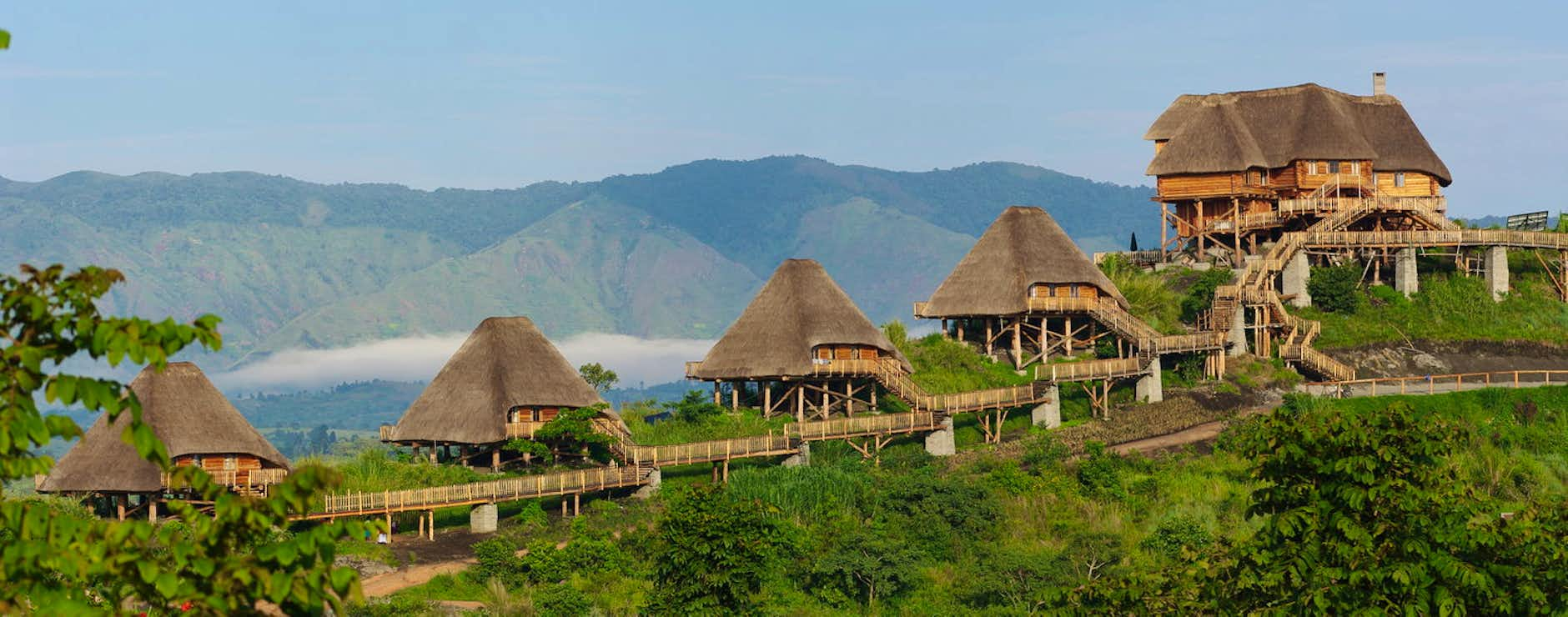
Discover five luxury Uganda birding safari lodges, from the Nile and Murchison Falls to Bwindi, the Virunga Volcanoes and Kibale Forest.
Uganda’s birding appeal comes from its variety: riverbanks, wetlands, tropical forest and high-altitude habitats all support different bird communities. Choosing a lodge close to the places you want to explore can make your safari more rewarding—and leave you time to enjoy the setting between excursions. Here are five luxury and upscale lodges to consider. Bird sightings vary by season and location, so ask the lodge or your safari guide about current birding options when planning.
1-day-perfect-mabamba-swamp-shoebill-stork-uganda-birding-safari
5-days-uganda-bird-watching-safari-lake-victoria-shores-and-lake-mburo
9-days-classic-uganda-birding-safari-tourn
13-days-uganda-birding-safari-and-wildlife
20-days-uganda-birding-safari-to-uganda-national-park
21-days-uganda-birding-safari-extravaganza-to-best-uganda-safari-parks
10-days-best-uganda-birding-safari-and-wildlife-experience
9-days-best-uganda-birding-safari-tour-from-swamps-to-savannah-eastern-route
30-days-best-uganda-birding-safari-extravaganza-and-wildlife-safari
25-days-complete-uganda-birding-safari-extravaganza-with-wildlife-viewing
1. Nile Safari Lodge
For birders exploring Murchison Falls National Park, Nile Safari Lodge offers an inviting base beside the Victoria Nile. Its riverside setting brings you close to the sights and sounds of the water: hippos may surface nearby, monkeys move through the trees, and waterbirds can often be watched along the banks. The lodge’s private bandas, open-air bathing and river-facing decks make it easy to slow down between game drives and boat trips.
The wider Murchison area is especially appealing to birders who want to combine savanna and wetland habitats. A boat excursion on the Nile can provide opportunities to look for water-associated species, while guided drives and visits around the park reveal a different mix of birds and wildlife. The Nile Delta is a well-known area for birding, though sightings depend on conditions and the itinerary.
Nile Safari Lodge suits travellers who want comfort without losing the feeling of being immersed in nature. Ask in advance about arranging a knowledgeable birding guide, and allow enough time for both the river and the park. For a Uganda birding safari, it can be a memorable stop on a northern circuit.
2. Gorilla Forest Lodge
Set in Bwindi Impenetrable National Park, Gorilla Forest Lodge combines a high-comfort stay with access to one of Uganda’s most celebrated rainforest landscapes. The forest is known for its remarkable biodiversity, including many sought-after Albertine Rift birds. Around the lodge, the thick greenery and steady chorus of forest sounds create an immediate sense of place; patient guests may notice bird activity from the grounds, though a dedicated walk with a guide is the better way to explore.
Bwindi is also famous for mountain gorilla trekking, making this lodge a strong option for travellers who want to combine birding with a primate experience. The forest’s steep trails can be challenging, so it is worth planning your activities and rest days carefully. A local birding guide can help you focus on the species and habitats that match your interests, whether you are an experienced birder or simply enjoy watching wildlife.
The lodge’s setting is particularly appealing after a day outdoors: guests can return to a comfortable suite, enjoy a meal and listen to the forest settle into evening. If birding is a priority, tell your safari planner before booking so the stay includes enough time for guided bird walks—not only gorilla trekking.
3. Mount Gahinga Lodge
Mount Gahinga Lodge sits in southwestern Uganda near Mgahinga Gorilla National Park, beneath the dramatic Virunga Volcanoes. Its mountain setting makes it a distinctive choice for a Uganda birding safari, with habitats that differ from the lowland forests and wetlands found elsewhere in the country. Forest, bamboo and high-altitude landscapes around the park offer birders a chance to look for montane species and Albertine Rift specialities with a knowledgeable local guide.
Birding can be combined with other experiences in the area, including golden monkey tracking, volcano hikes and visits that introduce guests to Batwa culture. The lodge’s comfortable bandas and garden setting provide a peaceful place to return to after an active day, while the surrounding mountain scenery gives the stay a relaxed, remote feel.
This is a good lodge to consider if you want your itinerary to include both wildlife and cultural experiences, rather than birding alone. The best outings depend on your fitness, interests and the weather, so speak with your guide about trail conditions and which habitats to visit. Allow more than one night if birding is a key goal: time in the field increases your chances of enjoying the area at an unhurried pace, without turning every outing into a race to tick off species.
4. Wildwaters Lodge
For a very different birding setting, Wildwaters Lodge is located on Kalagala Island in the Victoria Nile, downstream from Jinja. Reached by boat, the lodge is surrounded by riverine woodland and the sound of moving water. It offers a striking contrast to Uganda’s forest lodges: here, guests can watch the river environment, explore the island’s vegetation and enjoy birdlife between excursions.
Uganda is home to more than a thousand recorded bird species, but that national total should not be mistaken for the number seen around the lodge. What makes Wildwaters appealing is the chance to experience birds in a riverside setting, with local guides able to help identify what is present during your stay. Ask about guided bird walks and suitable times of day for exploring.
The lodge’s spacious suites, river views and swimming pool make it attractive to travellers who want comfort alongside a sense of adventure. Jinja-area activities such as rafting and boat trips can add variety to a stay, although they may not suit every birder’s schedule. If birdwatching is your main priority, plan a quieter day on the island and confirm beforehand which activities and guiding options are available. Wildwaters works especially well as a relaxing stop before or after a more intensive wildlife circuit.
5. Rubalika Safari Lodge and Farm
Near Kibale Forest, Rubalika Safari Lodge and Farm offers an intimate stay in a green, rural setting. Its en-suite canvas cottages give the property a safari feel, while the farm surroundings add a different perspective to a Uganda birding itinerary. The lodge is well placed for travellers visiting Kibale, a destination widely known for chimpanzee tracking and rich forest birdlife.
Birders can use the lodge as a comfortable base before or after time in the forest, where a local guide can help identify species and choose suitable trails. The surrounding farmland and gardens may also offer opportunities to watch more familiar birds at a slower pace. Sightings around the lodge are naturally variable, so consider them a pleasant bonus rather than a guarantee.
Rubalika’s farm and community experiences can give guests more than a place to sleep. Depending on availability, visitors may be able to learn about local crops, coffee and life in the surrounding area. After a day outdoors, the relaxed atmosphere and open-air setting make it easy to unwind. This lodge can suit travellers who prefer a quieter, personal base over a larger resort. When booking, ask about current birding arrangements and travel times to your planned Kibale activities, then allow enough nights to enjoy both the forest and the lodge’s rural surroundings.
Planning tip: Uganda’s birding sites are spread across the country, so these lodges are best viewed as options for different regions—not as neighbouring stops. Ask your tour operator to match accommodation, transfers and guiding to your target species and travel pace.
What are some of the best luxury lodges for a Uganda birding safari?
Five lodges to consider for a luxury or upscale Uganda birding safari are Nile Safari Lodge, Gorilla Forest Lodge, Mount Gahinga Lodge, Wildwaters Lodge and Rubalika Safari Lodge and Farm. Each offers a different setting, from the banks of the Victoria Nile to rainforest, mountain and rural landscapes.
Nile Safari Lodge is a riverside option for visitors exploring Murchison Falls National Park. Gorilla Forest Lodge provides a high-comfort base in Bwindi Impenetrable National Park, while Mount Gahinga Lodge is near Mgahinga Gorilla National Park and the Virunga Volcanoes. Wildwaters Lodge, on Kalagala Island in the Victoria Nile near Jinja, offers a riverine setting. Rubalika Safari Lodge and Farm is a quieter base near Kibale Forest.
These lodges are spread across Uganda, so they are not neighbouring properties or interchangeable bases. The best choice depends on your target birds, other activities, travel time and preferred style of stay. Ask about birding guides, nearby habitats, transport and how many nights are practical. A well-planned route can combine several regions without making every day a long transfer.
Which lodge is best for birding in Murchison Falls National Park?
Nile Safari Lodge is a lodge to consider for a birding safari in the Murchison Falls area. Set beside the Victoria Nile, it offers a riverside base for exploring a region where river, wetland and savanna habitats provide different birding opportunities. The lodge’s decks and natural surroundings also give guests a chance to enjoy the river between outings.
A boat excursion on the Nile can be a rewarding way to look for water-associated birds. The wider park offers a different mix of habitats, and the Nile Delta is a well-known birding area. Your chances of visiting particular locations will depend on your itinerary, conditions and the time available, so discuss your priorities with your safari planner before booking.
Nile Safari Lodge may suit travellers who want comfort alongside time outdoors. Ask whether a knowledgeable birding guide can be arranged and whether your planned boat trips and drives leave enough time for birdwatching. If you have target species, share your list in advance so your guide can advise what is realistic. Sightings are never guaranteed, but a varied itinerary gives you more chances to explore the region’s habitats.
Is Gorilla Forest Lodge a good base for a birding safari?
Gorilla Forest Lodge is an option for travellers who want to combine a comfortable stay in Bwindi Impenetrable National Park with rainforest birding. Bwindi is known for its rich biodiversity and Albertine Rift birds, making it an important region to consider when planning a Uganda birding safari. The lodge’s forest setting creates a strong sense of being close to nature, although bird sightings around the grounds can vary.
For a focused birding experience, plan guided time in the forest rather than relying only on what you might see from the lodge. A local bird guide can help you search suitable trails and identify birds by their calls, appearance and behaviour. Forest birding often rewards patience: some species are easier to hear than to spot, and dense vegetation can make identification challenging.
Bwindi is also famous for mountain gorilla trekking, so the lodge can suit visitors with both birding and primate interests. Trails can be steep, and activities may be physically demanding. When planning, allow enough time for rest as well as excursions, and tell your safari planner whether birding or gorilla trekking is your main priority. This helps ensure the stay includes the right balance of activities.
What makes Mount Gahinga Lodge special for birdwatchers?
Mount Gahinga Lodge offers a distinctive setting near Mgahinga Gorilla National Park, beneath the Virunga Volcanoes in southwestern Uganda. The mountain landscape gives birders an opportunity to explore habitats that differ from the lowland wetlands and forests found elsewhere in the country. Forest, bamboo and higher-altitude areas can make this a rewarding stop for travellers interested in montane birds and Albertine Rift specialities.
The lodge can also work well for visitors who want to mix birdwatching with other experiences. Depending on conditions and arrangements, activities in the region may include golden monkey tracking, volcano hikes and cultural visits. These excursions have different levels of physical demand, so discuss your interests and fitness with your guide when planning.
Comfortable bandas and a garden setting offer a peaceful place to unwind after time outdoors. If birding is a key reason for visiting, consider allowing more than one night. Extra time gives you flexibility if weather or trail conditions affect an outing and lets you explore at a relaxed pace. Ask the lodge or your safari operator about current birding guides, suitable trails and the habitats likely to fit your target species.
Can I go birding at Wildwaters Lodge near Jinja?
Wildwaters Lodge offers a river-focused setting on Kalagala Island in the Victoria Nile, downstream from Jinja. Reached by boat, the lodge is surrounded by riverine woodland and moving water, making it a different kind of stop from Uganda’s rainforest and savanna lodges. Guests can enjoy the island environment and ask about opportunities to explore its vegetation and observe local birdlife.
The lodge should not be treated as a guarantee of particular bird sightings. Instead, think of it as a comfortable base in a riverside habitat, with the chance to see what is present during your stay. Ask in advance whether guided bird walks are available, who leads them and when conditions are best for exploring. A local guide can help identify birds and explain how they use the river environment.
Wildwaters may suit travellers who want a scenic break in a Uganda itinerary, perhaps before or after a more intensive wildlife circuit. Jinja-area activities can add variety, though adventurous options may not fit every birder’s schedule. If birdwatching is your main priority, discuss a quieter stay with your tour operator and confirm how much time can be set aside for guided observation.
Is Rubalika Safari Lodge and Farm suitable for birding near Kibale?
Rubalika Safari Lodge and Farm is an option for visitors planning to explore Kibale Forest and the surrounding rural landscape. The lodge’s setting offers a quieter, more personal style of stay, with en-suite canvas cottages and farm surroundings. It can provide a comfortable place to pause before or after forest activities, including chimpanzee tracking and birdwatching.
Kibale is widely known for its forest birdlife, and a local guide can help you choose suitable trails and look for species in the forest. The farm, gardens and nearby countryside offer a different setting for observing birds at a slower pace. Treat sightings around the lodge as a possible bonus rather than a promise; bird activity varies with season, weather and habitat.
The property may also offer opportunities to learn about local crops, coffee or community life, depending on what is available during your visit. When booking, ask about birding arrangements, guide availability and travel time to your planned Kibale activities. Allow enough nights to enjoy both the forest and the lodge’s rural surroundings without squeezing every excursion into a single day.
Which Uganda birding lodge is best for Albertine Rift species?
For travellers interested in Albertine Rift birds, Gorilla Forest Lodge in Bwindi and Mount Gahinga Lodge near Mgahinga are two options to discuss with a knowledgeable birding guide. Both are in southwestern Uganda, where mountain and forest habitats offer a different experience from riverbanks, wetlands and savanna. The exact birds you may encounter depend on the locations visited, conditions and time spent in the field.
Bwindi is known for its rich rainforest biodiversity, while the Mgahinga area includes forest, bamboo and higher-altitude landscapes. These differences can make both regions worthwhile additions to a broader Uganda birding safari. A guide familiar with the local habitats can help you identify realistic targets and plan outings around your interests and ability.
No lodge can guarantee sightings of a particular species. Forest birds can be difficult to see, and weather or trail conditions may affect where you go. Share your target list with your safari planner before booking and ask which region best matches your priorities. If Albertine Rift birds are central to your trip, allow enough nights for guided walks rather than treating the area as a brief stop between long drives.
How many nights should I stay at each lodge?
The right number of nights depends on your target birds, planned activities, travel pace and how much time you want in the field. A one-night stay may make sense as a stop on a longer route, but it can leave limited time for birding once you account for arrival, departure and other activities. Travellers with specific species in mind may benefit from allowing multiple nights in a region.
At Nile Safari Lodge, consider how you want to divide time between river excursions and exploring Murchison Falls National Park. In Bwindi or near Mgahinga, plan around bird walks, gorilla or golden monkey activities, and the physical demands of forest or mountain trails. Near Kibale, allow time for both forest experiences and the journey between sites. At Wildwaters, decide whether you want a short scenic break or a slower stay focused on the island.
Your safari operator can recommend a practical schedule based on the route and current logistics. Build in some flexibility, particularly when birding is a priority. Extra time can make the trip feel less rushed and leave room to adjust plans if weather, access or activity availability changes.
What is the best time of year for a luxury Uganda birding safari?
There is no single best month for every Uganda birding safari. The right time depends on your target species, the regions you plan to visit, weather, road conditions and personal travel preferences. Migratory birds are an important consideration at some sites, while resident species can be of interest throughout the year. Ask a local guide what to expect in your chosen regions for your travel dates.
The five lodges in this guide are located in different parts of Uganda, so seasonal conditions may not be identical across the whole itinerary. Rain can affect trails or road travel, while dry periods may make some journeys easier. Forest birding, river excursions and mountain activities may each respond differently to local conditions.
Before booking, share your dates and target list with a safari planner. They can advise on the route, current access and whether your preferred activities are available. It is helpful to keep expectations flexible: bird behaviour and sightings can change from day to day, even in a season that is generally considered favourable. Good guiding and enough time in the field matter in every month.
Can I combine birding with gorilla trekking or chimpanzee tracking?
Yes. Uganda’s birding regions can often be combined with primate experiences, depending on your route and the time available. Gorilla Forest Lodge in Bwindi and Mount Gahinga Lodge near Mgahinga are options for travellers interested in birding alongside gorilla or golden monkey experiences. Near Kibale, Rubalika Safari Lodge and Farm can be a base for visitors planning forest birding and chimpanzee tracking.
The key is to avoid overloading the itinerary. Trekking and forest walks can be physically demanding, and birding may require early starts or several hours outdoors. Allow time for rest and consider how you want to prioritise each activity. If birding is your main interest, make sure your schedule includes guided bird walks rather than filling every day with primate activities.
Permits, activity availability and local arrangements should be confirmed through your safari operator or the relevant providers. Share your fitness level and interests when planning so the itinerary can be realistic. Combining wildlife experiences can make a trip varied and memorable, but allowing enough time in each region usually makes the journey more enjoyable.
Do I need a specialist birding guide in Uganda?
A specialist birding guide can make a significant difference, particularly if you have a target list or want help identifying forest species. Guides may recognise calls, know which habitats to search and help distinguish similar-looking birds. They can also suggest a suitable pace and explain what is being observed, which is useful for both experienced birders and beginners.
Before booking, ask whether birding is led by a dedicated specialist, a general safari guide or a lodge naturalist. These roles and levels of experience can differ. Find out whether guiding is included in your stay, whether it needs to be arranged separately, and which locations the guide can access. If you are interested in particular species or habitats, share that information in advance.
A specialist guide cannot guarantee sightings, and bird activity can change with weather, season and location. However, their knowledge can help you make better use of your time in the field. Even if you are comfortable birding independently, a local guide may offer valuable insight into the area’s birds, habitats and conservation. Confirm arrangements before travel, especially during busy periods or if you need a guide with specific expertise.
What should I pack for a luxury birding safari in Uganda?
Pack practical clothing and equipment for time outdoors, even when staying at an upscale lodge. Binoculars are essential for many birders, and a camera with a suitable zoom lens can be useful. Consider bringing a field guide or an offline bird identification app, a notebook, a small daypack and spare batteries or a power bank. You may also want a waterproof cover for equipment.
Clothing should suit the regions on your itinerary. Comfortable neutral-coloured layers can work well for forest walks, while a light rain jacket is useful if conditions change. Sturdy footwear is important for uneven paths and trails; ask your guide whether particular activities require more supportive shoes. Sun protection, insect repellent, a reusable water bottle and any personal medication are also worth considering.
A luxury lodge stay does not remove the need to prepare for outdoor activities. Some birding locations involve walking, early starts or time in damp conditions. Ask your safari operator about the expected terrain and weather for each stop, and pack accordingly. Keep luggage manageable, especially if your itinerary includes several regions or different forms of transport.
How do I choose between river, rainforest and mountain lodges?
Start by thinking about the habitats and experiences you most want from your Uganda birding safari. For a riverside setting and access to the Murchison Falls area, consider Nile Safari Lodge. If rainforest birding and a possible gorilla trekking experience appeal to you, look at Gorilla Forest Lodge in Bwindi. Mount Gahinga Lodge offers a mountain setting near Mgahinga, while Wildwaters Lodge provides a riverine island stay near Jinja. Rubalika Safari Lodge and Farm is a rural option near Kibale Forest.
The lodges are in different regions, so your choice also affects travel time and route planning. Trying to include every property in a short trip could mean spending too much time on transfers. Instead, choose lodges that fit your priorities and allow enough nights for activities in each area.
Ask your safari planner about bird habitats, guiding, road journeys and what can reasonably be combined. Consider your preferred pace, comfort needs and interest in other activities, such as gorilla trekking, chimpanzee tracking or cultural visits. The best lodge is the one that supports the experience you want, not necessarily the one with the longest list of facilities.
Are these luxury Uganda birding lodges suitable for beginners?
Yes. These lodges can be considered by beginners as well as experienced birders, provided the itinerary includes suitable guidance and activities. You do not need to know every species before you travel. A guide can help you notice a bird’s size, shape, colour, call and behaviour, while explaining why particular habitats attract different species.
The setting can also make birdwatching enjoyable for people who are new to it. At a riverside lodge, you may have opportunities to observe the water and banks; in forest or mountain regions, guided walks can introduce you to a different kind of birding. Some forest species are difficult to see in dense vegetation, so patience and listening are part of the experience.
When booking, let your safari planner know that you are a beginner. Ask about the guide’s approach, walk length, terrain and whether binoculars are available or need to be brought. You can also start a simple bird list or take notes on what you see. A relaxed itinerary with time to look carefully is often more rewarding than trying to tick off as many species as possible.
How can I plan a route connecting these five lodges?
The five lodges are located in separate parts of Uganda, so route planning is important. Nile Safari Lodge serves the Murchison Falls area, Gorilla Forest Lodge is in Bwindi, Mount Gahinga Lodge is near Mgahinga, Wildwaters Lodge is near Jinja, and Rubalika Safari Lodge and Farm is near Kibale Forest. They are best treated as regional options rather than neighbouring stops.
Start by choosing your top birding priorities and deciding which activities matter most. Then ask a safari operator to arrange the route, transfers and number of nights at each location. Including all five may be suitable for a longer trip, but for a shorter safari it may be more enjoyable to focus on a few regions. Too many long transfers can reduce time for birding and rest.
Discuss road conditions, journey times, activity availability and preferred travel pace before confirming your itinerary. A good route should allow time to explore each habitat, not simply move between lodges. Build in flexibility where possible, and ask your planner to explain how each stay contributes to your birding goals.
What should I ask before booking a luxury birding safari lodge?
Before booking, ask how close the lodge is to the habitats and birding sites you want to visit, and how much time transfers will take. Confirm whether a birding guide is available, whether guiding is included in the rate, and whether walks or boat trips need to be arranged in advance. If you have target species, share your list and ask what is realistic for your travel dates.
Also ask about the planned activities, route, trail conditions and any physical demands. For a multi-region itinerary, find out how long transfers take and whether your schedule leaves enough time in each area. Confirm the lodge’s current facilities, room arrangements and any boat access or other logistics relevant to your stay.
Finally, clarify what is included in the price and what costs extra, such as specialist guiding, park activities, transport or permits. Details can change, so get current information directly from the lodge or your safari operator. Clear answers help you choose accommodation that matches your expectations and build a Uganda birding safari around the places you most want to explore.
Booking Uganda birding safari with us Roads of Adventure safaris
You can book a Uganda birding safari with Roads Of Adventure Safaris by contacting them directly via phone/WhatsApp at +256 701 041637 or +256 744 137657, emailing info@roadsofadventuresafaris.com, or browsing their Uganda Birding Safaris packages.