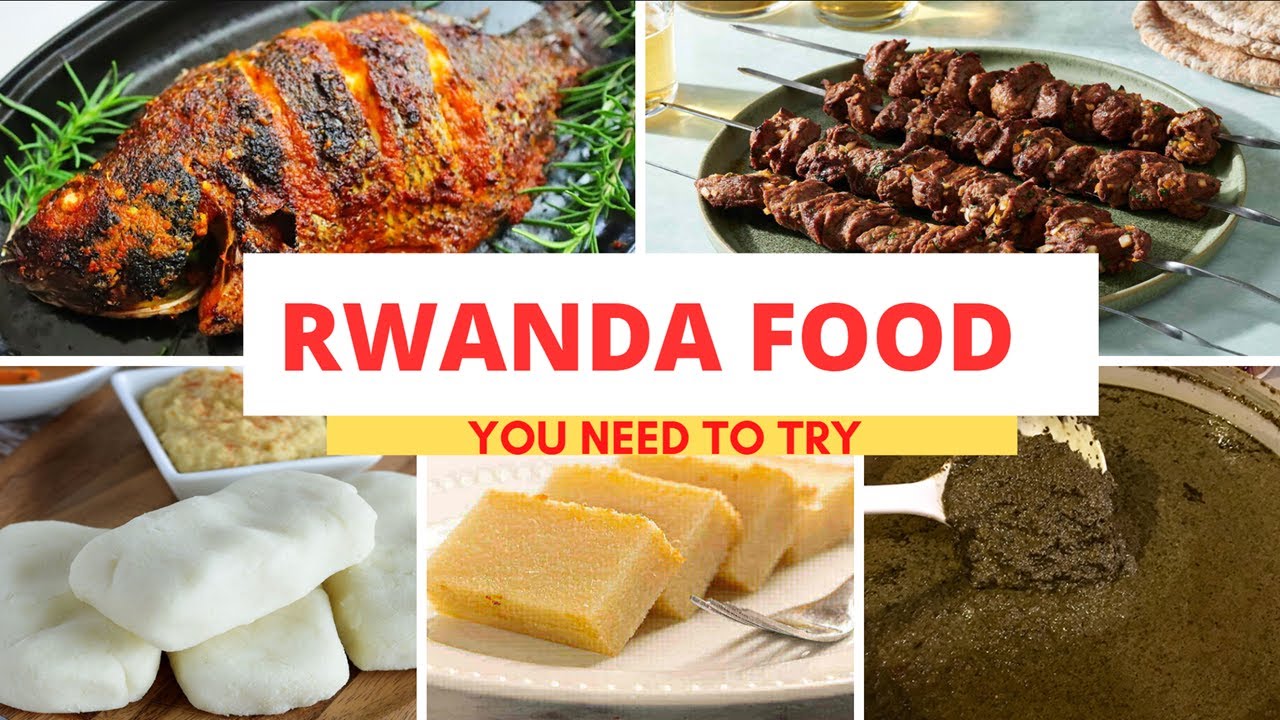
Yes, vegetarian and special dietary meals are very well catered for on a Rwanda safari tour. With advance notice, safari operators and lodges can easily accommodate vegetarian, vegan, halal, gluten-free, and allergy-sensitive diets
3-days-luxury-honeymoon-chimpanzee-tracking-and-canopy-walk-in-nyungweb
3-days-budget-chimpanzee-tracking-in-nyungwe-forest-park
3-days-nyungwe-chimpanzee-tracking-and-lake-kivu-relaxation
3-days-best-rwanda-canopy-walk-and-nyungwe-chimpanzee-tracking-adventure
3-day-chimpanzee-trekking-tour-package-canopy-and-lake-kivu
4-days-nyungwe-chimpanzee-trekking-canopy-walk-and-lake-kivu-relaxation
6-days-classic-uganda-rwanda-primate-and-wildlife-safari
Safari Lodges & Tented Camps
One of the biggest anxieties for plant-based travelers or those with strict food allergies is whether they will be stuck eating plain white rice and boiled cabbage for a week in the bush. Fortunately, mid-range and luxury safari lodges in places like Akagera, Nyungwe, and Volcanoes National Park operate on a full-board basis specifically designed for international palates. Because these lodges cater to guests from all corners of the globe, their kitchen teams are highly skilled in accommodating diverse dietary requirements—including vegan, vegetarian, gluten-free, dairy-free, nut allergies, and halal diets.
The secret behind their success is access to incredible local produce. Rwanda’s fertile volcanic soil yields rich crops of sweet potatoes, avocados, plantains, tropical fruits, and vibrant vegetables. Safari chefs use these fresh, locally sourced ingredients to craft thoughtful three-course meals that feel like fine dining rather than an afterthought. Rather than simply removing meat or dairy from a dish, chefs build flavorful, nutrient-dense meals centered around legumes, cassava leaves (isombe), spiced lentil curries, and rich vegetable ragouts. As long as you notify your lodge or safari planner ahead of time, you can expect creative, delicious, and completely safe meals at every sitting.
During Game Drives & Treks
When your day revolves around early morning departures for gorilla trekking in Volcanoes National Park or an all-day game drive across the savannah of Akagera, you won't be returning to the lodge for a warm sit-down lunch. Instead, your accommodation prepares a packed bush lunch to keep your energy high. For travelers with specific dietary needs, these packed meals are completely customized rather than pulled off a standard assembly line.
The night before your trek, lodge chefs prepare a dietary-compliant lunch box tailored to your exact specifications. Instead of standard meat-and-cheese sandwiches, plant-based or allergy-conscious guests receive hearty options like grilled vegetable and hummus wraps, quinoa salads packed with roasted root vegetables, fresh avocado slices, roasted nuts, and dried tropical fruits like mango or pineapple. The lodges take cross-contamination seriously, using separate prep stations and clear labeling to ensure gluten-free or allergen-free meals stay safe inside sealed containers. Unpacking a fresh, colorful, and completely safe meal while sitting on a scenic overlook after hours of forest trekking makes the experience feel both seamless and remarkably thoughtful.
City Dining (Kigali)
If your safari itinerary includes a stay in Rwanda's capital, Kigali, you will quickly discover a vibrant, international food scene that is exceptionally accommodating to dietary restrictions. As a cosmopolitan hub, Kigali features a diverse array of cafes, modern bistros, and authentic regional restaurants where plant-based eating and allergen awareness are seamlessly woven into the everyday dining culture.
A perfect example is Meze Fresh, a popular Mexican-style grill that functions much like a local Chipotle, allowing diners to completely build their own burritos, tacos, and grain bowls from scratch. Here, vegans and vegetarians can pile on brown rice, black beans, grilled peppers, pico de gallo, and fresh guacamole while completely skipping dairy or meat. Beyond fast-casual spots, Kigali is home to upscale Mediterranean, Indian, and traditional African restaurants where plant-rich dishes naturally dominate the menu. Whether you are craving a rich chickpea curry, a fresh farm-to-table salad bowl, or traditional Rwandan stewed beans with plantains, eating out in Kigali is effortless, flavorful, and incredibly welcoming to every dietary lifestyle.
How far in advance do I need to inform the safari operator about my dietary restrictions?
It is best to notify Roads of Adventure Safaris at the time of booking, or at least two to three weeks before your arrival. Safari lodges, especially those deep in national parks like Akagera or Nyungwe, source ingredients from local markets and nearby cities. Giving advance notice ensures chefs can stock specific ingredients—like plant-based milks, gluten-free flour, or specialized spices—well before you check in.
Can lodges accommodate severe food allergies, such as celiac disease or nut allergies?
Yes, most mid-range and luxury lodges take severe allergies and cross-contamination very seriously. Kitchen staff are trained to use dedicated preparation areas and clean utensils for sensitive orders. When booking with Roads of Adventure Safaris, list every specific allergen so our team can brief each lodge’s head chef beforehand to guarantee your safety throughout the trip.
Are vegetarian and vegan options available at every meal during the safari?
Absolutely. Because safari lodges operate primarily on a full-board set menu, chefs prepare dedicated multi-course vegetarian or vegan alternatives for every breakfast, lunch, and dinner. Rather than simply removing meat from a standard dish, cooks construct balanced meals using lentils, beans, grains, and fresh local vegetables.
Is Halal food readily available at Rwanda safari lodges?
Halal options are widely available across Rwanda, given the country's established Muslim community and international visitor base. Most lodges source Halal-certified meats upon request. However, notifying Roads of Adventure Safaris early allows us to confirm that your specific accommodations strictly follow Halal storage and preparation guidelines.
What does a typical lodge breakfast look like for someone on a plant-based diet?
Breakfasts are generous and rely heavily on fresh local produce. You can expect tropical fruit platters featuring papaya, mango, pineapple, and tree tomatoes, alongside fresh juices, oatmeal cooked with water or plant milk, spiced beans, grilled tomatoes, sautéed mushrooms, and roasted potatoes. Espresso and tea are served with plant-based milk alternatives upon request.
Will I get stuck eating repetitive meals like plain rice and cabbage?
Not at all. Rwandan safari chefs pride themselves on culinary diversity. You will enjoy dishes like spiced lentil curries, vegetable tagines, stuffed squashes, cassava leaf stews (isombe), and Mediterranean-inspired grain bowls. The focus is on flavorful, nutrient-dense cooking using fresh volcanic-soil produce rather than basic sides.
Packed Lunches & Dining on the Go
How are packed bush lunches customized for dietary needs during game drives?
The night before an all-day drive or trek, the lodge kitchen prepares individualized lunch boxes based on your dietary profile. Instead of standard deli sandwiches, you might receive grilled vegetable wraps, quinoa salads, hummus with flatbread, roasted nuts, and fresh fruit. Each box is clearly labeled to prevent mix-ups.
What kind of food is packed for gorilla trekking in Volcanoes National Park?
Gorilla trekking requires sustained energy, so packed lunches focus on high-protein, easily digestible foods. Expect items like seed bars, energy balls, fresh bananas, avocado sandwiches on whole-grain or gluten-free bread, and trail mix. Everything is wrapped in portable, eco-friendly containers that fit easily into your daypack.
How do lodges keep packed meals fresh and safe in the heat?
Lodges pack meals in insulated cooler bags equipped with ice packs to maintain safe temperatures during long drives across savannahs like Akagera. Perishable items are kept chilled until you stop at a designated picnic site or scenic overlook for lunch.
Can I request specific snacks for long road transfers between parks?
Yes, Roads of Adventure Safaris provides custom snack packages for long drives. You can request roasted chickpeas, dried tropical fruits, salted nuts, plantain chips, or fresh fruit. Simply let your driver-guide know your preferences so we can stock the vehicle accordingly.
Are local Rwandan snacks naturally friendly for special diets?
Many traditional Rwandan snacks are naturally plant-based and gluten-free. Roasted corn on the cob, fried plantains (dodo), roasted peanuts, and fresh tropical fruits are widely sold across the country and make excellent, safe energy boosters between main meals.
Is clean drinking water provided to avoid foodborne illness on safari?
Every safari vehicle operated by Roads of Adventure Safaris is stocked with safe, purified drinking water. Safari lodges also provide filtered or bottled water in rooms and dining areas, ensuring guests with sensitive stomachs stay hydrated without relying on tap water.
What natural local ingredients make plant-based dining rich in Rwanda?
Rwanda’s fertile volcanic soil yields exceptional produce. Staples include sweet potatoes, plantains, avocados, cassava, passionfruit, and red beans. These fresh, nutrient-rich ingredients form the base of vibrant, flavorful dishes without needing heavy processing or synthetic additives.
What are some traditional Rwandan vegetarian dishes I should try?
Try isombe, a rich stew made from pounded cassava leaves cooked with peanut sauce and spices. Another staple is ibitoke (matoke), steamed green bananas cooked in a tomato and onion sauce, as well as akabenz alternatives made with stewed kidney beans, pumpkin, and roasted root vegetables.
Is dairy frequently hidden in traditional Rwandan safari dishes? Traditional Rwandan cooking relies more on peanuts, tomatoes, onions, and indigenous herbs than heavy dairy creams or cheeses. However, continental safari lodge dishes might use butter or cream. Simply informing your host ensures chefs use plant-based oils and coconut milk instead.
Can gluten-free travelers sample local staple foods safely?
Many core Rwandan dishes are naturally gluten-free because they rely on root vegetables, plantains, beans, and corn rather than wheat. Foods like boiled sweet potatoes, matoke, cassava, and bean stews are safe options for celiac or gluten-sensitive guests.
How accessible are plant-based milk alternatives at remote lodges?
Most mid-range and luxury lodges stock soy, almond, or oat milk for hot beverages and cereal. To ensure availability in remote regions like Nyungwe, Roads of Adventure Safaris confirms these provisions with the lodge management prior to your tour.
Are local fruits safe to eat fresh off the farm or at lodges? Fruit served at safari lodges and reputable restaurants is washed thoroughly with purified water and safe to consume. Enjoying freshly sliced pineapple, tree tomato (tamarillo), passionfruit, and baby bananas is a highlight of dining in Rwanda.
What is the dining scene like in Kigali for travelers with special diets?
Kigali is a cosmopolitan city with an international culinary scene. You will find dedicated vegan cafes, Indian restaurants offering extensive vegetarian menus, Mediterranean bistros, and build-your-own casual spots like Meze Fresh, making urban dining smooth and varied.
Can Roads of Adventure Safaris recommend dietary-friendly restaurants in Kigali? Yes, your driver-guide can take you to top-rated spots catering to your diet. Whether you want authentic Ethiopian misir wot, Indian thalis, or modern farm-to-table salads, we guide you to vetted establishments with high hygiene standards.
How do safari driver-guides assist with meal requests during the trip?
Your driver-guide acts as your primary liaison. Upon arrival at any lodge or restaurant, your guide double-checks your dietary requirements with the kitchen manager before service to ensure every meal meets your explicit instructions.
Are mid-range lodges as capable at handling diets as luxury lodges? Both mid-range and luxury properties cater well to special diets, though luxury lodges often offer more elaborate fine-dining presentations. Mid-range properties excel at wholesome, flavorful home-style meals tailored to your requirements when notified in advance.
What happens if a lodge accidentally misinterprets my dietary request?
If a dish arrives that does not match your dietary order, inform your server or driver-guide immediately. Lodge kitchens are accommodating and will swiftly prepare a fresh, compliant alternative without hassle.
Should I bring my own specialty snacks or protein powders from home? While lodges supply ample food, bringing personal protein bars, specialized gluten-free snacks, or favored supplements can offer extra convenience during long hikes. It ensures you always have a familiar comfort snack on hand.
How does Roads of Adventure Safaris guarantee smooth dining across cross-border tours? If your itinerary spans Rwanda, Uganda, or beyond, Roads of Adventure Safaris forwards your dietary profile to every lodge and regional team across the route, ensuring consistent meal care from start to finish.
Booking Rwanda safari tour with us Roads of Adventure safaris
To book a Rwanda safari tour with Roads of Adventure Safaris, you can initiate your reservation directly through their official communication channels by contacting their team at info@roadsofadventuresafaris.com or via phone at +256 701041637.
Because high-demand primate permits face strict daily limits set by conservation authorities, securing your booking well in advance ensures a seamless, expertly handled trip across East Africa's top national parks
