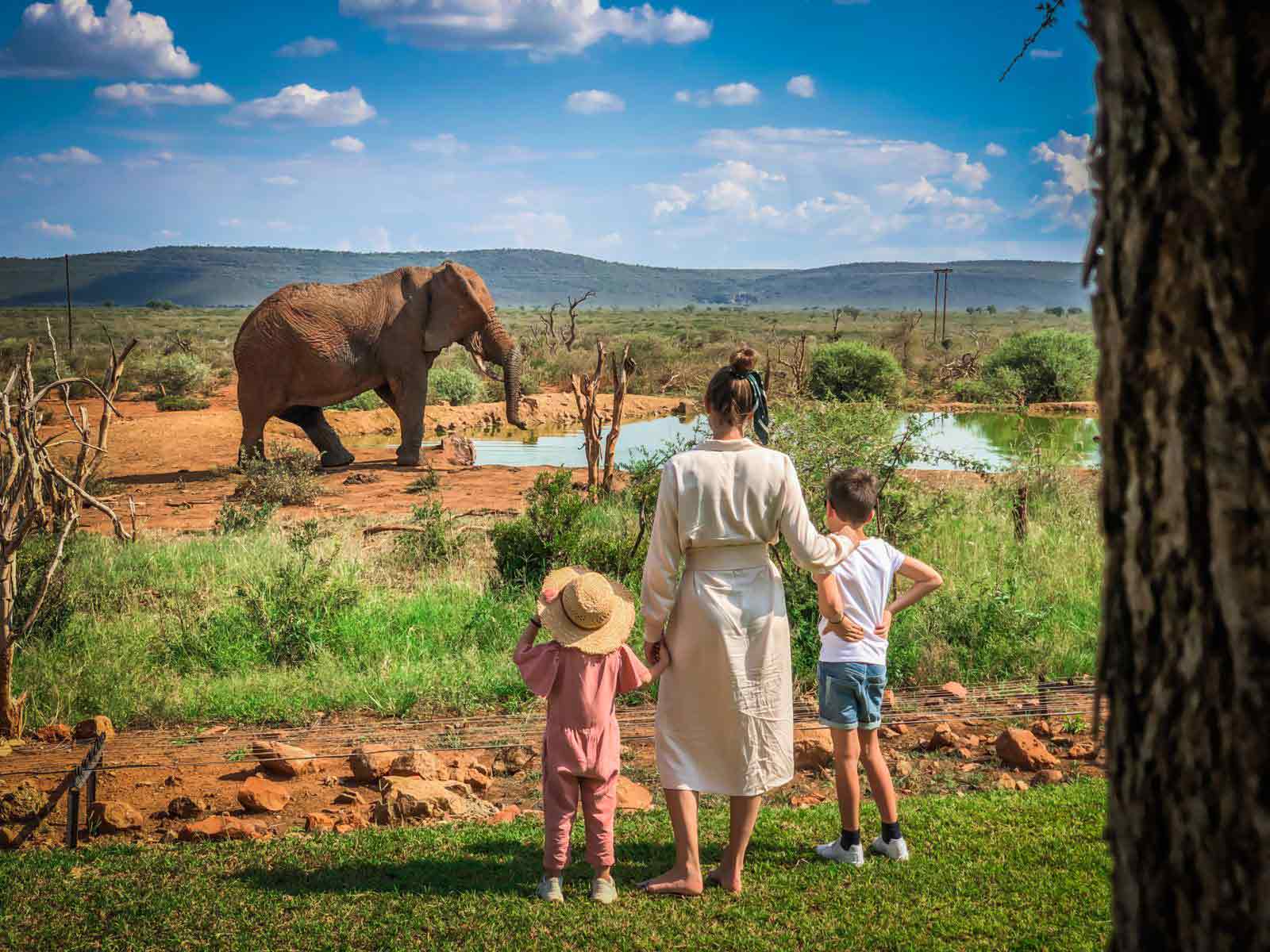
An African family safari is far more than a vacation; it is a shared journey that replaces screens with wide-open spaces and brings textbook wonders to life. Imagine your children's faces lighting up when a baby elephant splashes in a waterhole or a giraffe glide gracefully past your vehicle. Whether you are tracking wildlife in the iconic Masai Mara, spotting the Big Five in a malaria-free South African reserve, or watching lions lounge near a campfire in the Serengeti, this adventure unites generations. Designed to match the ages and energy levels of your group, a properly paced safari gives your family priceless, uninterrupted time to reconnect. 2-days-best-gorilla-trekking-safari-tour-via-kigali-to-bwindi-impenetrable-forest-park
3-days-gorilla-trekking-safari-and-lake-bunyonyi-relaxation-itinerary
3-days-affordable-uganda-budget-gorilla-trekking-via-kigali
4-days-ultimate-gorilla-and-uganda-safari-and-chimpanzee-tracking
4-days-ultimate-gorilla-and-uganda-safari-and-chimpanzee-tracking
4-days-uganda-gorilla-safari-with-golden-monkey-tracking-from-rwanda
4-days-luxury-gorilla-trekking-safari-in-bwindi-fly-in-all-inclusive-tour
5-days-gorilla-and-uganda-safari-and-golden-monkey-trekking-tour-from-kigali
5-days-un-matched-uganda-gorilla-safari-and-chimpanzee-tour-itinerary
7-days-safari-to-uganda-queen-elizabeth-park-gorillas-trekking-and-lake-mburo
7-days-perfect-uganda-primate-safari-itinerary
7-days-uganda-tour-to-murchison-falls-via-ziwa-kibale-and-queen-elizabeth-national-park
7-day-ultimate-uganda-primate-safari-chimpanzees-and-game-drives
7-days-best-uganda-safari-tour-to-popular-safari-parks
7-days-perfect-road-trip-uganda-safari-tour
7-days-best-uganda-birding-safari-tour
7-day-uganda-safari-to-kidepo-valley-via-jinja-and-sipi-falls
7-days-murchison-falls-uganda-safari-trip-via-ziwa-rhinos-kidepo-valley-and-jinja
10-days-uganda-rwanda-primate-safari-vacation-and-game-drive-safari
10-days-best-uganda-big-five-safaris-and-primate-experience
10-days-best-uganda-birding-safari-and-wildlife-experience
10-days-best-of-uganda-and-rwanda-all-big-five-animal-and-gorilla-trekking
10-days-uganda-safari-all-big-five-gorilla-and-chimpanzee-tracking-adventure
10-days-budget-uganda-safari-holiday-vacation-tour-road-trip
Best Ages & Pricing
Taking kids into the wild is pure magic, but timing makes all the difference. While a handful of high-end lodges welcome toddlers as young as four, the absolute sweet spot for a family safari is between ages 6 and 12. At this stage, children have the curiosity to appreciate big game and the patience to handle three-hour game drives without losing their minds. They are old enough to follow safety rules around open 4x4 vehicles, yet young enough to qualify for significant travel discounts.
Most safari operators classify kids under 12 as children, slashing rates on accommodation, park fees, and internal flights—often saving you 30% to 50%. Once your child turns 12, the travel industry bumps them up to full adult pricing, which can double your family budget overnight. If you do bring toddlers under six, keep in mind that many lodges require you to book a private vehicle so other guests aren't disrupted during sightings. Waiting until your children reach early primary school age ensures you get the maximum return on your investment, both in saved dollars and in comfortable, stress-free memories.
Malaria-Free Destinations
For parents, planning a trip to Africa often brings a moment of anxiety about tropical diseases, particularly malaria. The good news is that you don't have to choose between world-class wildlife viewing and total peace of mind. South Africa and Namibia are leaders in malaria-free conservation, offering incredible game viewing without requiring daily bitter pills or worrying about mosquito bites.
South Africa’s Madikwe Game Reserve, located near the Botswana border, is famous for non-stop wildlife action, including the Big Five and thriving wild dog packs. Down in the Eastern Cape, reserves like Shamwari and Kariega combine malaria-free terrain with easy driving access from the stunning Garden Route. Meanwhile, Namibia offers vast, dramatic landscapes where kids can climb massive red sand dunes by morning and spot desert-adapted elephants by afternoon. These regions excel at family logistics: well-paved roads, short domestic flights, and lodges tailored specifically for young travelers with child-friendly amenities. Choosing a malaria-free reserve removes a massive layer of travel planning stress, leaving you free to enjoy the wildlife.
Interactive Activities
Sitting quietly in a safari vehicle for hours can test any child's attention span. Top family safari lodges solve this by creating dynamic, hands-on experiences that turn the African bush into an interactive classroom. Through dedicated Junior Ranger programs, kids step out from behind the camera lens and learn directly from seasoned trackers and guides.
Children learn how to identify animal tracks in the dirt, read warning signs in bird calls, and master basic bushcraft, such as plaster-casting lion footprints or making rope from native plants. Back at camp, the fun continues with "micro-safaris"—guided walks around the lodge grounds to discover fascinating insects, lizards, and flora that usually get overlooked on big game drives. Many lodges also feature host chefs who run informal baking sessions, letting young adventurers make pizza or decorate animal-shaped cookies while parents enjoy a quiet afternoon break. These interactive touches transform passive sightseeing into an immersive learning adventure, keeping kids energized, curious, and deeply connected to nature throughout the trip.
Gorilla Trekking
If your family includes older teens, adding a gorilla trek to your itinerary is an unmatched, bucket-list experience. The dense, misty rainforests of Uganda and Rwanda offer the rare opportunity to stand just meters away from a wild silverback and his troop. However, this level of adventure comes with clear age boundaries that you need to plan around.
Wildlife authorities strictly enforce a minimum age limit of 15 years for gorilla and chimpanzee trekking. This rule exists due to the strenuous physical demands of hiking through thick mountain jungle, as well as health protocols designed to protect endangered primates from human illnesses. For families traveling with a mix of ages, there are plenty of options to bridge the gap. While older teens and parents head up the mountain, younger children can participate in low-impact forest walks on flat terrain, explore local craft markets, or take guided cultural tours through nearby villages. Balancing high-octane gorilla encounters for the older kids with rich local experiences for the younger ones ensures everyone shares in the magic of the trip.
Here is an extensive, 30-question guide covering every major planning detail for an African safari, tailored with updated facts, figures, and practical advice.
What age is truly best for taking children on a safari?
While some lodges welcome children as young as four, the sweet spot for a family safari is between ages 6 and 12. At this age, kids possess the natural curiosity to appreciate wildlife and the stamina to endure three-hour game drives without distress. They can follow safety rules around open 4x4 vehicles while still qualifying for child rates. Most operators charge adult prices for kids over 12, whereas those under 12 often receive 30% to 50% discounts on lodging and park fees. Younger children under six usually require booking a private vehicle so other guests are not impacted during long game sightings.
How do child discounts actually work across safari lodges?
Safari pricing tiers generally classify children under two as free, ages 2 to 11 at a reduced child rate, and ages 12 and older as full-paying adults. Discounts for kids under 12 typically apply to accommodation, park conservation fees, and scheduled internal flights. However, keep in mind that extra third-party costs—such as specialized park permits or private vehicle surcharges—are rarely discounted. If you travel with two children under 12 sharing a family tent with parents, your overall accommodation bill can drop by nearly 40% compared to a full four-adult itinerary.
Which African safari destinations are completely malaria-free?
South Africa and Namibia offer the most prominent malaria-free safari reserves, making them ideal for families traveling with young children or pregnant women. South Africa’s top spots include the Madikwe Game Reserve near the Botswana border, the Pilanesberg National Park, and Eastern Cape reserves like Shamwari and Kariega. In Namibia, the dry climate of Etosha National Park and the surrounding private concessions carries little to no malaria risk for most of the year. Choosing these regions eliminates the need to administer daily antimalarial pills to young children, removing significant travel stress.
What interactive bush activities do lodges offer for kids?
Family-focused lodges run specialized Junior Ranger programs that turn nature into an active classroom. Instead of sitting in a vehicle all day, kids participate in "micro-safaris" around camp to inspect insects, track animal prints, and learn plant survival uses. Guides teach children how to make plaster casts of lion tracks, weave ropes from bush fiber, or shoot traditional bow-and-arrows. Many camps also invite kids into the lodge kitchen between drives to bake cookies or construct pizzas alongside the lodge chefs, keeping them entertained during the midday heat.
What are the strict age and physical requirements for gorilla trekking?
Gorilla and chimpanzee trekking in Uganda and Rwanda carries an absolute minimum age limit of 15 years old. National Park authorities strictly enforce this age cap to protect endangered primates from human childhood illnesses and to ensure travelers can navigate steep, dense jungle terrain safely. A single gorilla trekking permit in Rwanda costs $1,500, while Uganda charges $800. Treks can last anywhere from two to seven hours over muddy slopes at altitudes reaching 8,000 feet, making high physical fitness essential for older teens and adults embarking on the hike.
How do family members under 15 stays entertained during gorilla treks?
When parents and older teens head into the forest for gorilla trekking, younger children can participate in lower-impact cultural and nature programs nearby. In Uganda’s Bwindi Impenetrable Forest area, local communities offer guided village walks, traditional craft-making workshops, and banana-juice brewing demonstrations tailored for younger visitors. Lodges can also arrange soft forest walks outside the national park boundaries, guided bird-watching tours, or cooking sessions with lodge staff. Specialized child-minders can be hired directly through vetted lodge partners to supervise children at the lodge while parents complete their trek.
What is the difference between an open-sided and closed safari vehicle?
East African countries like Kenya and Tanzania primarily use custom closed-sided 4x4 Toyota Land Cruisers featuring pop-up roofs for game viewing. These closed vehicles provide better protection against long distances, rough dusty roads, and rain. In contrast, Southern African destinations like South Africa, Botswana, and Zambia rely almost entirely on open-sided, canopy-topped Land Rovers or Land Cruisers. Open vehicles offer an immersive 360-degree line of sight and closer proximity to animals, but they expose passengers directly to wind, dust, and varying temperatures throughout the day.
How much spending money should you budget for tipping safari guides and staff?
Tipping on safari is customary and forms a core part of the local hospitality economy. As a general benchmark, budget $15 to $20 per guest per day for your primary safari guide, handed directly to them at the end of your stay. For general lodge staff—including housekeepers, kitchen staff, and maintenance crews—a communal tip box is usually provided, where contributing $10 to $15 per guest per day covers the entire back-of-house team. Specialist trackers on open-vehicle safaris typically receive $10 to $12 per guest per day. Tipping is best settled in crisp US dollars or local currency.
What are the strict baggage restrictions on internal safari bush flights?
Light aircraft transfers between wilderness airstrips impose rigid baggage limits due to weight distribution and cargo hold size. Most bush flights mandate a maximum total weight of 15 kilograms (33 pounds) per passenger, which includes both your main luggage and carry-on daypack. Furthermore, luggage must be packed in soft-sided bags without rigid frames or wheels so handlers can squeeze them into tight belly holds. Hard-shell suitcases are routinely rejected at check-in. Most safari lodges provide complimentary daily laundry service, making light packing straightforward for guests during their trip.
When is the best time of year to see the Great Migration?
The Great Migration is a continuous year-round movement of 1.5 million wildebeest and 200,000 zebras across the Serengeti-Mara ecosystem. To witness the famous river crossings over the Mara River, visit between July and October when herds cross between Tanzania and Kenya. If you prefer to see calving season, plan your visit for January through March in the southern Serengeti's Ndutu region, where over 8,000 wildebeest calves are born daily. The "green season" from April to May brings dramatic rain showers and lower accommodation rates, though herds spread out across wider areas.
How safe is an African safari for first-time travelers?
Safaris are extraordinarily safe when conducted through reputable operators and professional guides. Animals inside national parks view safari vehicles as non-threatening objects rather than source meals, provided guests remain seated and calm. In unfenced bush camps, armed rangers escort guests to and from their tents after dark to prevent unexpected animal encounters. The primary health hazards stem not from wildlife, but from sunburn, dehydration, and insect bites. Following your guide’s instructions, drinking bottled water, and applying bug spray eliminates almost all everyday safety concerns.
What packing essentials should you never forget on a safari?
Key items include neutral-colored clothing (khaki, beige, or green), a broad-rimmed hat, polarized sunglasses, high-SPF sunscreen, and high-potency insect repellent containing DEET. Avoid wearing dark blue or black, as these colors attract biting tsetse flies, and skip bright whites or neon colors that can startle skittish wildlife. Bring a warm down jacket or fleece layered under a windbreaker, as early morning game drives in open vehicles can feel freezing even in summer. High-quality compact binoculars (8x42 or 10x42) and extra memory cards are absolute must-haves.
Is a private concession better than a national park?
Private concessions border national parks but offer significant operational advantages. National parks enforce strict rules: no off-roading, no night drives, self-driving crowds, and hard gates that close at sunset. Private concessions limit vehicle numbers at wildlife sightings—often capping it at three vehicles max—and allow off-road tracking for big cats. They also permit thrilling night drives with spotlights to observe nocturnal predators and guided walking safaris directly through the terrain. While private concessions carry higher accommodation fees, the uncrowded, flexible experience offers vastly superior game viewing.
What immunizations and health preparations are required before departing?
Yellow fever vaccination is legally required if you enter or transit through endemic countries like Uganda, Kenya, or Ethiopia before traveling onward to South Africa or Tanzania. Standard recommended travel vaccines include Hepatitis A, Hepatitis B, Typhoid, and Tetanus boosters. If visiting malarial zones—such as the Kruger area, Okavango Delta, or Serengeti—consult a travel clinic for prescription antimalarials like Atovaquone/Proguanil (Malarone) or Doxycycline. Carry a complete personal medical kit with anti-diarrheal medication, rehydration salts, antihistamines, and antiseptic cream for minor cuts.
How far in advance should you book a high-season African safari?
High-season safaris (July through October and mid-December through January) should ideally be booked 10 to 14 months in advance. Top-tier boutique camps often feature only 6 to 12 tents, meaning popular family suites and prime locations fill up rapidly. Gorilla trekking permits in Uganda and Rwanda sell out months ahead due to strict daily visitor caps per gorilla family. Booking at least a year early secures prime lodge availability, optimal flight routes, and the best guide assignments, avoiding the need to settle for backup accommodations far from prime game areas.
What is the real difference between a budget, mid-range, and luxury safari?
Budget safaris ($250-$450 per person/day) use overland trucks or public park roads, large crowded campsites or basic guesthouses, and shared group vehicles. Mid-range safaris ($500-$900 per person/day) feature comfortable permanent tented camps with en-suite bathrooms, private or semi-private 4x4 Land Cruisers, and solid meals inside park boundaries. Luxury safaris ($1,200-$3,000+ per person/day) offer fly-in access on private airstrips, opulent canvas suites with plunge pools, gourmet fine dining, open-vehicle access on private concessions, and fully custom day itineraries guided by top-tier naturalists.
Can vegetarian, vegan, or allergy-restricted diets be accommodated in the bush?
Yes, modern safari lodges excel at catering to dietary restrictions, including vegan, vegetarian, gluten-free, dairy-free, and kosher preferences. Because remote camps import food supplies days in advance via supply trucks or charter planes, you must communicate your dietary requirements to your booking agent at least 30 days before arrival. Chefs at mid-range and luxury lodges take immense pride in crafting tailored three-course meals, fresh salads, and custom baked goods that rival top city restaurants, ensuring restricted diners never feel like an afterthought.
What is a typical daily schedule like while staying at a safari lodge?
A classic safari day follows the biological rhythms of African wildlife. Wake-up calls happen early at 5:00 AM with coffee and biscuits, followed by a morning game drive departing at dawn when predators are most active. You return to camp around 9:00 AM for a hot sit-down breakfast. Midday hours (11:00 AM to 3:30 PM) are spent relaxing, swimming, or reading during the heat of the day. High tea is served at 3:30 PM, preceding an afternoon game drive that transitions into sunset drinks in the bush, returning for dinner under the stars by 8:00 PM.
How do self-drive safaris compare to guided, all-inclusive safari trips?
Self-drive safaris—popular in Namibia and South Africa’s Kruger National Park—offer complete itinerary freedom at a fraction of the cost, renting a fully equipped 4x4 camper vehicle with rooftop tents. However, you are responsible for navigation, vehicle maintenance, and spotting hidden game without expert assistance. Guided safaris eliminate all operational friction: professional trackers read subtle bush signs, handle treacherous mud driving, navigate radio networks for live sighting updates, and interpret complex animal behaviors, yielding far richer wildlife encounters for first-time visitors.
What is a "Bush Toilet" and how do bathroom breaks work on game drives?
Standard morning and afternoon game drives last between three and four hours in remote areas without public restrooms. When nature calls, guides locate a safe, open area clear of dense brush and dangerous wildlife, allowing guests to step behind the vehicle—often humorously dubbed checking the rear tires. Guides carry fully stocked toilet kits complete with toilet paper, hand sanitizer, and sealable disposal bags. Modern safari vehicles and camps ensure proper hygiene standards are maintained seamlessly, even miles away from permanent plumbing infrastructure.
Should you choose Eastern Africa (Kenya/Tanzania) or Southern Africa (South Africa/Botswana)?
East Africa is renowned for sweeping, classic savanna vistas, massive animal herds, and dramatic phenomena like the Great Migration. Game viewing here centers on open plains with high wildlife concentrations. Southern Africa offers greater landscape diversity: from the water-filled channels of Botswana's Okavango Delta to the massive red sand dunes of Namibia and the world-class wine regions near Kruger in South Africa. Southern Africa leans heavily toward open-vehicle safaris on private concessions, while East Africa offers classic Land Cruiser journeys connecting legendary national parks.
What camera equipment do you need to capture professional-quality wildlife photos?
While modern smartphones take impressive landscape shots, capturing distant wildlife requires a dedicated camera body with a telephoto lens ranging from 300mm to 600mm. A zoom lens like a 100-400mm or 150-600mm gives you the flexibility to frame both close-up lion portraits and wide elephant herds. Bring a beanbag rest to stabilize your lens on safari vehicle window frames or roof rails, as tripods are cumbersome inside crowded vehicles. Pack double the memory cards you think you need, extra camera batteries, and a dust-proof lens blower kit.
How do walking safaris work, and are they safe?
Walking safaris shift the focus from tracking large mammals to studying the fine details of the ecosystem: identifying animal tracks, insect behaviors, bird calls, and medicinal plants. Led by a highly trained professional naturalist and accompanied by an armed park ranger, walking groups move quietly in single file. Before stepping out, guides conduct a thorough safety briefing on wind direction, silent movement, and animal signals. Walking safaris operate under strict safety margins, avoiding dense thickets where dangerous game might hide, making them thrilling yet exceptionally safe experiences.
What are the rules regarding mobile phone connectivity and Wi-Fi in the bush?
Most wilderness lodges purposefully restrict Wi-Fi access to main lounge areas or office blocks, intentionally keeping guest tents tech-free to encourage digital detoxing and quiet evenings. Cellular reception inside national parks and private reserves is often nonexistent or limited to weak 3G signals on high ridges. Guests should inform family members and workplaces that response times will be delayed while in the bush. If constant connectivity is required for work emergencies, renting a local SIM card in major hub cities or carrying a satellite communicator provides backup connectivity.
What is the difference between a high-season, low-season, and shoulder-season safari?
High season (dry season) features thin vegetation and shrinking waterholes, forcing wildlife to gather predictably around permanent rivers, making animals easy to spot. Low season ("Green Season" or rain season) brings heavy afternoon rains, lush emerald landscapes, newborn animals, and exceptional birdwatching, alongside room rate discounts up to 40%. Shoulder seasons (transition months like May or November) balance moderate pricing, pleasant weather, and low tourist crowds, making them a sweet spot for value-conscious travelers seeking top-tier game viewing without peak-season prices.
How do night game drives work, and what unique animals can you spot?
Night drives depart around dusk or continue after sunset using powerful handheld spotlights operated by a dedicated tracker. Filters are placed over light beams to avoid blinding sensitive animal eyes. Night drives open up a completely different world: you can spot active nocturnal predators like leopards, hyenas, and lions hunting under cover of darkness. You might also encounter elusive nocturnal species rarely seen during the daytime, including bushbabies, pangolins, porcupines, civets, genets, and aardvarks as they forage across the bushveld.
What are the passport and visa rules for popular African safari countries?
Your passport must remain valid for at least six months beyond your planned departure date from Africa and contain at least two to three blank visa pages per country visited. Kenya requires all international visitors to apply online for an Electronic Travel Authorization (eTA) prior to travel. Tanzania, Uganda, and Zambia offer convenient online e-Visas or visas on arrival for many western passport holders. South Africa allows visa-free entry for citizens of many western countries for stays up to 90 days. Always verify visa requirements months ahead of travel.
How does laundry service work at remote wilderness safari camps?
Almost all mid-range and luxury safari camps offer daily complimentary or low-cost laundry service to help guests stick to strict light-aircraft baggage limits. Clothes washed in the morning are typically dried in the sun, ironed, and returned to your tent by the evening. Note that due to cultural traditions across many African regions, camp staff generally do not wash guests' underwear. Tents are equipped with small washbasins and specialized hand-wash laundry detergent so guests can easily wash delicates privately in their rooms.
Is it possible to combine a bush safari with a beach holiday?
Combining a wilderness safari with a tropical beach getaway is one of the most popular African travel itineraries. East African safaris in Kenya or Tanzania pair seamlessly with short direct flights to the spice island of Zanzibar or the coastal beaches of Diani and Watamu. Southern African safaris in Kruger, Botswana, or Zimbabwe connect easily via direct flights to Mozambique’s Bazaruto Archipelago or the pristine beaches of Mauritius and the Seychelles. A week of fast-paced game viewing followed by four days relaxing seaside provides a perfect balance.
How do safari lodges manage sustainability and community conservation?
Leading safari operators operate on a high-value, low-impact tourism model where guest fees directly fund habitat protection and local community development. Lodges run on solar micro-grids, process wastewater through bio-filtration systems, and ban single-use plastics across their properties. Park entry fees and concession leases fund anti-poaching ranger units, wildlife veterinary teams, and community initiatives like local schools, clean water wells, and medical clinics. By staying at accredited eco-lodges, your travel spend actively protects wilderness areas from agricultural expansion while supporting rural local economies.
Booking Africa family safaris with us Roads of Adventure safaris
Booking an African family safari with Roads of Adventure Safaris involves a personalized, multi-step process to customize a child-friendly itinerary through East Africa's top wildlife destinations. As a verified local operator based on the Kampala-Entebbe Road in Uganda, the company handles all ground logistics—including private 4x4 heavy-duty safari land cruisers, family-oriented lodge bookings, and highly secure tracking permits
