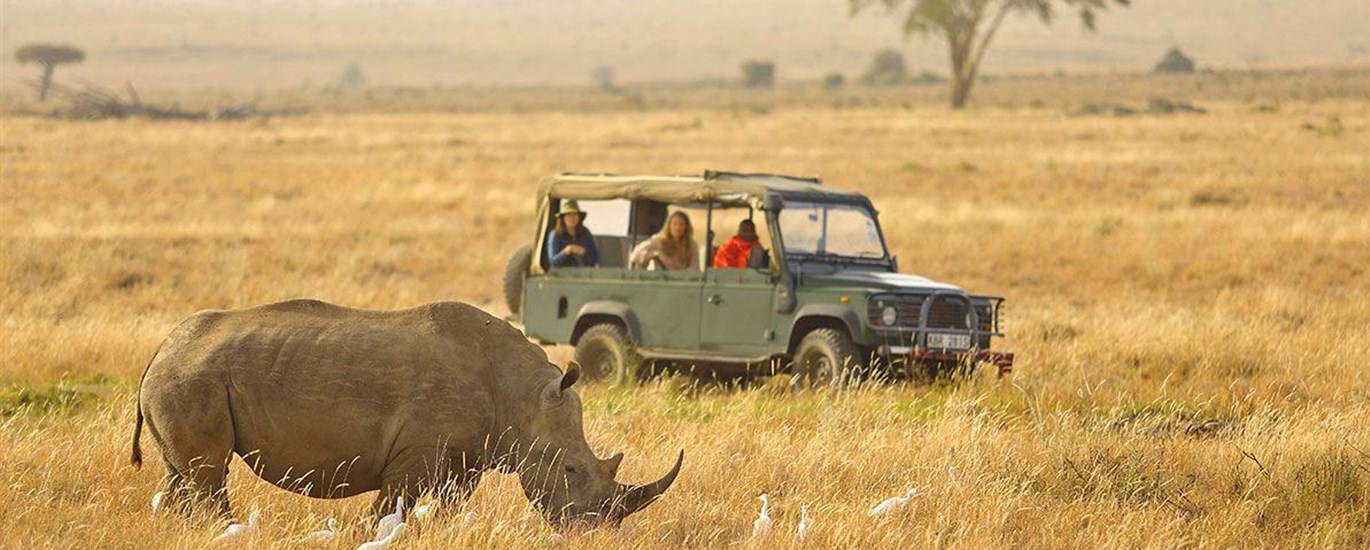
An 8-day combined Kenya and Tanzania safari provides an immersive journey through East Africa's premier wildlife reserves. The most sought-after route begins in Nairobi (Kenya) with the Maasai Mara, continues south into the Serengeti and Ngorongoro Crater (Tanzania), and typically concludes in Arusha
Tour highlights for 8 Days travelling to Kenya and Tanzania safari combined trip
- Great Rift Valley descent
- Maasai Mara game drive
- Big Five wildlife sightings
- Spectacular wildebeest migration spectacle
- Sunrise hot-air balloon safari
- Cross Isebania border post
- Endless Serengeti plains exploration
- Seronera Valley wildlife tracking
- Vibrant morning savanna birdwatching
- Ancient volcanic caldera ascent
- Ngorongoro crater rim views
- Dense predator population tracking
- Endangered black rhino search
- Tree climbing lion sightings
- Thousands of pink flamingos
- Shimmering Manyara alkaline lake
- Arusha tanzanite souvenir shopping
Day 1: Nairobi to Maasai Mara National Reserve
Your African safari begins with an early morning departure from Nairobi, leaving the bustling city behind as you descend into the breathtaking Great Rift Valley. Whether you choose a scenic, winding drive through local Maasai villages or a quick, panoramic charter flight, the anticipation builds as the landscape transforms into endless savanna. You will arrive at your chosen lodge or luxury tented camp just in time for a warm welcome and a delicious lunch. After settling in and shaking off the travel dust, head out for your first afternoon game drive. The Maasai Mara immediately puts on a show, offering high chances of spotting the legendary Big Five—lions, leopards, elephants, buffalo, and rhinos. As the sun begins to set, casting a golden hue over the acacia trees, you will realize you have truly arrived in the heart of the wild.
Day 2: Full Day in Maasai Mara
Dedicate today to exploring the vast, rolling grasslands of the Maasai Mara. With a flexible schedule, you can choose between a full-day game drive with a packed picnic lunch under a lone tree or splitting the day into morning and afternoon excursions. This region boasts one of the highest concentrations of predators in Africa, so keep your eyes peeled for cheetahs scanning the plains and prides of lions lounging in the shade. If your journey falls between July and October, you are in for an extraordinary treat: the Great Wildebeest Migration. Witnessing hundreds of thousands of wildebeest and zebras braving crocodile-infested waters at the Mara River is a heart-pounding spectacle. To make the day even more unforgettable, consider an optional sunrise hot-air balloon safari, drifting silently over the wild herds below as the savanna awakens.
Day 3: Maasai Mara to Serengeti National Park
Bid farewell to Kenya as you embark on a fascinating journey across the international border into Tanzania. Traveling through the Isebania border post, you will clear customs and switch to a Tanzanian safari vehicle, marking the transition from the Mara to its massive ecological neighbor: the Serengeti National Park. The drive itself is a cultural and geographic transition, revealing how this immense ecosystem knows no human boundaries. By afternoon, you will enter the northern or central reaches of the Serengeti, where the landscape opens up into the iconic "endless plains." A late afternoon game drive serves as your introduction to this legendary park. As you cruise toward your new lodge, the sheer scale of the horizon and the abundance of wildlife will leave you breathless, setting the stage for the incredible Tanzanian adventures ahead.
Day 4: Full Day in Serengeti
Wake up to the sounds of the African bush and prepare for a full-day immersion into the heart of the Serengeti. The park’s vastness accommodates a staggering variety of wildlife, and today is all about tracking the resident herds and the apex predators that follow them. Your expert guide will navigate the network of tracks, searching for leopards draped lazily over tree branches, prides of lions plotting their next hunt, and cheetahs using termite mounds as lookout points. Depending on the season, you might find yourself surrounded by the seemingly endless sea of the migration moving through the central Seronera Valley or the northern reaches. Between game drives, enjoy the serenity of the wilderness, listening to the calls of over 500 bird species and watching elephants gracefully navigate the horizon.
Day 5: Serengeti to Ngorongoro Conservation Area
Seize the magic of the early hours with a final sunrise game drive in the Serengeti, a time when predators are often at their most active before the heat of the day sets in. After a hearty brunch back at camp, pack your bags and begin a scenic drive toward the Ngorongoro Conservation Area. The route takes you past traditional Maasai bomas and through changing terrains as the flat plains slowly give way to rolling, green highlands. By late afternoon, you will ascend the steep slopes of the ancient volcanic caldera. Your home for the night will be a spectacular lodge perched directly on the crater rim. Stepping onto your balcony, you will be treated to sweeping, misty views of the crater floor hundreds of meters below—a dramatic preview of tomorrow's grand adventure.
Day 6: Ngorongoro Crater Tour
Today, you will descend into a living Eden. After an early breakfast, your 4x4 vehicle winds down the steep, forested walls of the Ngorongoro Crater, a UNESCO World Heritage site and the world’s largest intact volcanic caldera. The crater floor is a self-contained ecosystem spanning roughly 260 square kilometers, hosting over 25,000 large mammals. Because of the enclosed space, wildlife viewing here is unparalleled. You are highly likely to see massive bull elephants, lions roaming near the soda lakes, and hippos wallowing in the swamps. Most excitingly, this is your absolute best chance to spot the critically endangered black rhino. After a thrilling half-day safari and a scenic picnic lunch on the crater floor, you will ascend back up the rim and head to your lodge for a relaxing evening.
Day 7: Lake Manyara National Park
After breakfast, drive to Lake Manyara National Park, a compact gem nestled at the base of the Great Rift Valley escarpment. Though smaller than its neighbors, Manyara packs an incredible punch of ecological diversity, transitioning rapidly from lush groundwater forests to open floodplains. The park is world-famous for its unique tree-climbing lions, which can often be spotted resting on the sturdy branches of acacia trees to escape the heat and insects. As you approach the massive, shimmering alkaline lake, you will be greeted by an explosion of pink, courtesy of thousands of flamingos feeding along the shoreline. Alongside them, look out for large troops of olive baboons playing by the roadside, wallowing hippos, and towering giraffes. It is a visually stunning, bird-watcher's paradise that provides a beautiful, relaxed contrast to the vast savannas.
Day 8: Transfer to Arusha and Departure
Your spectacular East African safari draws to a close today. Depending on your travel schedule, you can enjoy a final, tranquil morning game drive in Lake Manyara to capture last-minute photos, or head straight out after breakfast. You will drive through vibrant local villages and banana plantations as you make your way to Arusha, the safari capital of Tanzania. Here, you can stop for lunch and browse local markets for unique souvenirs, Tanzanite gemstones, or authentic beadwork. Finally, you will be transferred to Kilimanjaro International Airport or Arusha Airport for your outbound flight home. Alternatively, you can catch a connecting shuttle or flight back to Nairobi if that fits your international travel plans, carrying with you unforgettable memories of Africa's most iconic wildlife sanctuaries.
1. What are the key destinations visited on an 8 Days travelling to Kenya and Tanzania safari combined trip?
An 8-day dual-country safari hits the absolute crown jewels of the East African savanna, tightly packing world-renowned national parks into a smooth, highly rewarding loop. The journey targets two distinct regions in Kenya and three within Tanzania's legendary Northern Circuit. By spanning these ecosystems, you experience changing landscapes that range from massive, boundary-free grasslands to dramatic volcanic calderas and lush groundwater forests.
The adventure begins in Kenya with the iconic Maasai Mara National Reserve. Famous for its endless, rolling grasslands dotted with acacia trees, the Mara serves as the northern extension of the greater Serengeti ecosystem. It is globally recognized for its exceptional predator densities and iconic, wide-open plains.
Crossing the international border into Tanzania, you immediately enter the vast Serengeti National Park. The word Serengeti derives from the Maasai language meaning "endless plains," which perfectly describes the thousands of square kilometers of savanna that play host to the world's most dramatic wildlife spectacles.
From the Serengeti, the route ascends into the Ngorongoro Conservation Area, a UNESCO World Heritage site. The main highlight here is the breathtaking Ngorongoro Crater, a massive, unbroken volcanic caldera that serves as a self-contained natural sanctuary. Finally, the itinerary brings you to Lake Manyara National Park, a compact but highly diverse gem nestled directly at the sheer base of the Great Rift Valley escarpment, famous for its expansive alkaline lake and lush, forested habitats.
2. Is it possible to see the Great Wildebeest Migration on an 8 Days travelling to Kenya and Tanzania safari combined trip?
Yes, it is entirely possible to witness the spectacular Great Wildebeest Migration during this combined 8-day safari, as the entire route is intentionally designed to cut directly through the migration's natural geographic path. However, because the migration is a fluid, year-round search for fresh grazing water driven by seasonal rainfall, your chances of seeing the mega-herds depend on matching your travel dates with the animals' location.
If you book your safari between July and October, your best chance to see the migration will be in Kenya's Maasai Mara. During these months, over a million wildebeest and hundreds of thousands of zebras occupy the Mara's plains. This season offers the opportunity to witness the dramatic, heart-pounding river crossings at the Mara River, where herds brave steep banks and massive Nile crocodiles to reach fresh grass.
Conversely, if you travel between November and June, the migration resides within the borders of Tanzania's massive Serengeti National Park. From December to March, the herds settle in the southern Serengeti and Ndutu areas for the synchronized calving season, where thousands of calves are born daily, attracting high predator action. By May and June, the herds move northwest through the Western Corridor. Because an 8-day trip splits time between both the Mara and the Serengeti, an experienced driver-guide can easily position your daily game drives to intercept these massive, moving columns of wildlife, regardless of the month.
3. Do I need a special visa for an 8 Days travelling to Kenya and Tanzania safari combined trip?
Yes, traveling across borders requires careful attention to your entry documents. Because you are visiting two distinct sovereign nations, you must secure official entry clearance for both Kenya and Tanzania prior to your departure. It is a very common misconception that the regional East Africa Tourist Visa (EATV) covers both countries; however, while the EATV seamlessly unites Kenya, Uganda, and Rwanda, Tanzania does not participate in this regional agreement.
Nakuja Expeditions+ 1
For the Kenyan portion of your safari, you must apply for an Electronic Travel Authorization (eTA) before you fly. This digital system has replaced traditional visas. Applications must be completed online through the official eCitizen portal, requiring you to upload your passport bio-data page, a passport photo, and your confirmed safari itinerary.
Traford Safaris+ 1
For the Tanzanian portion of the trip, you are required to hold a separate Tanzania Tourist Visa. While some nationalities can technically obtain a visa on arrival at the overland border posts, doing so can cause long delays in your safari schedule. It is highly recommended to apply for a Tanzania e-Visa online at least two to four weeks before your trip. When filling out the application, specify that your point of entry will be the Isebania Border Post, which is the primary overland crossing used when driving directly out of the Maasai Mara and into the Serengeti plains.
Primate World Safaris+ 1
4. What is the best time of year for an 8 Days travelling to Kenya and Tanzania safari combined trip?
While East Africa offers phenomenal, year-round wildlife viewing, the absolute premium time to embark on this combined 8-day safari is during the long dry season, which runs from July to October. These months provide the most predictable weather and optimal conditions for classic savanna game drives across both countries.
During this dry window, rainfall is virtually non-existent, causing the dense bush vegetation to dry out and thin significantly. This low brush makes it much easier to spot camouflaged predators like leopards lounging in trees or cheetahs stalking prey through the grass. Furthermore, smaller waterholes evaporate quickly, forcing vast numbers of elephants, buffaloes, and antelopes to gather permanently around main rivers and large swamps, creating incredible opportunities for wildlife viewing. This period also perfectly aligns with the famous river crossings of the Great Migration in the Maasai Mara.
Another excellent time to visit is the short dry season from January to February. This period is highly favored by photography enthusiasts and birdwatchers. The plains of the southern Serengeti transform into a vibrant green, hosting the massive wildebeest calving season. It is a time of high drama, as lions, hyenas, and cheetahs take advantage of vulnerable newborns. Additionally, this season welcomes thousands of migratory bird species from Europe, filling parks like Lake Manyara with vibrant colors and songs, making it an extraordinary time to explore the region.
5. How do I travel between Kenya and Tanzania during the trip?
Connecting the Kenyan and Tanzanian legs of this safari involves a cross-border transition that can be accomplished using two primary methods, depending on your preferred balance between budget and travel comfort.
The default and most immersive method is an overland road transfer via the Isebania border post. After finishing your final morning game drive in the Maasai Mara, your Kenyan safari guide will drive you southwest to this bustling international border town. Here, you will step out of the vehicle to clear customs, stamp out of Kenya, and walk across to clear Tanzanian immigration. On the other side, a Tanzanian guide will be waiting for you with a fresh 4x4 safari vehicle. You then drive directly into the northern or central reaches of the Serengeti. While the road can be bumpy and dusty, it provides a fascinating window into rural East African life.
Alternatively, you can opt for regional flight connections to maximize your game-viewing time. This involves taking a bush-flight from an airstrip within the Maasai Mara back to Nairobi’s Wilson Airport (WIL). From there, you catch a short international flight to Kilimanjaro International Airport (JRO) or fly directly to a border airstrip like Migori on the Kenyan side, cross via a quick vehicle transfer to Tarime on the Tanzanian side, and fly straight into a Serengeti airstrip. Flying eliminates long driving hours, allowing you to easily trade a morning in the Mara for an afternoon in the deep Serengeti.
6. What is the expected weather during an 8 Days travelling to Kenya and Tanzania safari combined trip?
The weather along this safari route is generally pleasant, mild, and highly dynamic, dictated heavily by altitude changes rather than typical tropical heat. Because the plains and highlands of Kenya and Tanzania sit on an elevated plateau, you will rarely experience oppressive humidity, though temperatures will fluctuate dramatically over a single 24-hour cycle.
In the low-lying savannas of the Maasai Mara and the central Serengeti, daytime temperatures during the dry seasons usually average a comfortable 20°C to 28°C. The days are filled with bright, clear sunshine and light breezes, making afternoon game drives very enjoyable. However, as soon as the sun dips below the horizon, temperatures drop rapidly. Early morning game drives before sunrise can feel quite brisk, with temperatures hovering around 10°C to 13°C, requiring you to layer up with warm clothing.
The most dramatic weather shift occurs when you travel to the Ngorongoro Crater Rim. Lodges here are perched at a high elevation of roughly 2,300 meters above sea level. At this altitude, the crater rim experiences unique microclimates characterized by heavy evening mists, damp mountain air, and strong winds. Nighttime temperatures here regularly plunge to a chilly 5°C to 8°C. It is common to see wood fires blazing in lodge lounges and hot water bottles placed in your bed, providing a cozy contrast to the warm days spent exploring the sunny savanna floors below.
7. What types of vehicles are used for game drives?
The success of an East African safari depends heavily on the durability and design of the transport used, as the routes involve navigating rugged, unpaved wilderness trails. For this combined itinerary, you will travel in customized, heavy-duty 4x4 Safari Land Cruisers or specialized safari vehicles engineered specifically for the rough African bush.
These vehicles are modified to feature a pop-up roof structure. Once you arrive inside the national parks, your guide will unlatch and raise the roof canopy, allowing you to stand safely within the vehicle chassis. This design provides unobstructed, 360-degree views of the surrounding landscape, making it exceptional for tracking wildlife and capturing clear, elevated photographs without the hindrance of window glass. Each passenger is guaranteed a window seat, and vehicles are equipped with large, slide-open glass windows for maximum visibility while seated.
On the mechanical side, these 4x4 vehicles are outfitted with heavy-duty suspension systems to smooth out the bumpy "massage" of corrugated dirt tracks. They also feature high-clearance four-wheel-drive capabilities to navigate muddy tracks or sandy riverbeds. Inside the cabin, you will find practical conveniences designed for long days in the field, including an electronic charging station with multiple sockets to keep your camera batteries and phones powered. Additionally, vehicles feature a built-in refrigerator filled with chilled complimentary bottled water, and a specialized long-range HF radio system that allows your guide to communicate with other drivers to pinpoint hidden predators.
8. What animals can I expect to see?
This combined 8-day itinerary is widely celebrated for offering some of the most prolific and diverse wildlife viewing opportunities on earth, taking you through ecosystems that host an incredible abundance of large mammals and birds.
The headline attraction is the opportunity to view the legendary "Big Five"—lions, leopards, African bush elephants, Cape buffaloes, and rhinos. The Maasai Mara and Serengeti are famous for their healthy prides of lions, which can often be seen resting in the shade of acacia trees or actively hunting plains game. Leopards are regularly spotted resting on branches along riverine loops, while massive herds of elephants and buffaloes roam the open savannas. The Ngorongoro Crater provides your absolute best chance to spot the critically endangered black rhinoceros, a rare encounter that completes the classic checklist.
Beyond the Big Five, the wildlife variety is immense. You will encounter large numbers of cheetahs using termite mounds as lookout points, spotted hyenas, and elusive golden jackals. The plains are home to millions of herbivores, including giraffes, zebras, Thomson's gazelles, elands, impalas, and topis. In the water channels of the Kazinga-like systems and Serengeti rivers, you will see pods of hippos wallowing and huge Nile crocodiles basking on sandbanks. Finally, birdwatchers will be amazed by the avian diversity, from the thousands of pink lesser flamingos painting the shoreline of Lake Manyara to massive martial eagles, elegant secretary birds, and vibrant lilac-breasted rollers.
9. Are meals and accommodations included in an 8 Days travelling to Kenya and Tanzania safari combined trip?
Yes, the vast majority of combined Kenya and Tanzania safari packages are operated on a comprehensive, full-board basis, ensuring a seamless, worry-free experience from the moment you leave Nairobi until your final drop-off in Arusha. This means that your accommodation and almost all daily meals are locked into the package price.
The accommodations included on this journey are a major highlight of the safari experience, typically consisting of a mix of luxury eco-lodges and authentic, mid-range tented camps. These tented camps are permanent canvas structures set on wooden platforms, featuring comfortable mattresses, high-quality linens, en-suite bathrooms, flushing toilets, and hot-water showers. They allow you to sleep comfortably while listening to the night sounds of the wild, like roaring lions or laughing hyenas. Luxury options include top-tier safari lodges built to blend into mountain ridges or crater walls, offering private plunge pools and fine dining.
Meals are carefully coordinated around your daily wildlife viewing schedule. Breakfasts are typically served buffet-style at your lodge, featuring a mix of hot dishes, fresh tropical fruits, and freshly brewed local Kenyan or Tanzanian coffee. For lunch, if you are planning a full-day game drive to look for the migration, the lodge chef will prepare a custom packed picnic lunch box packed into the safari vehicle, allowing you to dine under an acacia tree out in the wild. Dinners are a relaxed affair back at the camp, featuring multi-course meals that combine fresh local ingredients with international culinary standards.
10. Are there any mandatory vaccinations required?
When planning a cross-border journey between Kenya and Tanzania, it is important to address specific international health regulations to guarantee smooth entry at immigration checkpoints. The most critical requirement is the Yellow Fever vaccination certificate.
Jackal Adventures
The Yellow Fever card becomes a mandatory legal requirement the moment you cross the overland border from Kenya into Tanzania, such as at the Isebania or Namanga border posts. Because Kenya is classified by the World Health Organization as a country with a risk of yellow fever transmission, Tanzania requires all travelers coming from Kenya to show an official, stamped International Certificate of Vaccination upon arrival. You must receive this shot at least 10 days prior to landing in East Africa for it to be recognized as legally valid by border health officials.
Aside from yellow fever regulations, there are no other mandatory vaccines legally enforced for entry, but several health precautions are strongly advised. Because you will be traveling through low-altitude savanna zones and staying near water sources like Lake Manyara, you will be in a malaria-endemic region. It is highly recommended to consult a travel medicine clinic well in advance to obtain a prescription for anti-malarial prophylaxis tablets. Additionally, ensuring your routine vaccinations—such as Hepatitis A, Hepatitis B, Typhoid, Tetanus, and Polio boosters—are fully updated will ensure a healthy, worry-free journey through the bush.
11. Is it safe to do an 8 Days travelling to Kenya and Tanzania safari combined trip?
Yes, completing an 8-day combined Kenya and Tanzania safari is incredibly safe, secure, and highly managed. Tourism is a premier economic driver for both nations, and both governments have invested heavily in establishing highly professional security infrastructures to safeguard international travelers within their national parks and conservation areas.
When you book your trip with a licensed tour operator, you are accompanied throughout the entire journey by a professional driver-guide. These guides undergo rigorous national certification programs that train them in advanced bushcraft, mechanical repair, first aid, and animal behavior. They know exactly how close a vehicle can safely approach an elephant or a lion pride without causing stress to the animal, ensuring your safety inside the vehicle. The safari camps and lodges also employ 24/7 security teams, including traditional Maasai warriors, who walk you to and from your tented room at night to ensure no wild animals wander into guest areas.
On a broader scale, the tourism corridors between Nairobi, the Maasai Mara, the Serengeti, and Arusha are peaceful, welcoming, and well-traveled. Border crossings are routine and highly structured. By adhering to standard, common-sense safari protocols—such as never stepping out of your vehicle unless designated by your guide at a secure picnic site, keeping your tent zipped up completely at night, and avoiding hanging your limbs outside the vehicle window—you will enjoy a perfectly secure, smooth, and world-class wilderness adventure.
12. How much physical fitness is required?
An 8-day combined safari is not a strenuous trekking holiday, but it does carry specific physical demands that require a basic, moderate level of fitness and physical stamina. The primary physical challenge of this itinerary is enduring the long driving hours over rough terrains.
East Africa's premier game reserves are connected by long unpaved roads that are frequently corrugated, dusty, and uneven. Navigating these tracks results in what regular safari-goers affectionately call the "African massage"—a continuous shaking and bouncing inside the vehicle cabin. You will spend anywhere from 4 to 8 hours a day sitting inside the 4x4 Land Cruiser during long transit days or extensive game drives. This requires a reasonable level of core and back strength to remain comfortable. If you have a history of severe back or neck issues, you should discuss this with your operator beforehand so they can adjust tire pressures or arrange alternative internal flights.
Aside from enduring the long drives, the physical activity is quite light. You will need enough mobility to confidently step up and climb in and out of a high-clearance 4x4 vehicle multiple times a day. Walking is generally restricted to the flat, level grounds of your fenced safari lodges or tented camps. Optional activities, like a guided walking safari along the rim of the Ngorongoro crater or a short cultural walk through a traditional Maasai boma village, are optional and can be easily adjusted to match your personal pace and physical comfort.
13. What should I pack for the trip?
Packing efficiently for a dual-country safari requires preparing for both warm, sunny days on the savanna and brisk, cold mornings in the high-altitude volcanic craters, all while keeping your gear light enough to fit inside a shared safari vehicle.
For your daily clothing, focus on thin, breathable layers that can be easily added or removed as temperatures shift. Pack lightweight long trousers and long-sleeved shirts made from technical, quick-drying fabrics. Stick to neutral safari tones like khaki, tan, olive green, and soft brown. It is highly recommended to avoid bright whites (which show dust immediately) and royal blue or black colors, which are known to actively attract biting tsetse flies. Bring a high-quality warm fleece jacket, a windbreaker, and a warm scarf specifically for chilly early-morning game drives and your night at the Ngorongoro crater rim.
For gear and personal protection, pack a wide-brimmed safari hat, high-UV sunglasses, a high-factor biodegradable sunscreen, and a strong insect repellent containing DEET. Sturdy, enclosed walking shoes or light trail runners are perfect for camp life and village walks. To capture the incredible wildlife, bring a high-quality camera body paired with a telephoto zoom lens (at least 300mm or higher) to pull in crisp close-ups of distant leopards, along with an extra memory card and a universal travel plug adapter. Finally, a pair of high-magnification compact binoculars is an absolute must-have item, allowing you to scan the vast horizons and track hidden wildlife alongside your expert guide.
14. What is the tipping etiquette on a combined safari?
Tipping is an deeply ingrained, universally accepted practice within the East African safari industry. While tipping remains entirely at your discretion based on the quality of service received, it serves as a crucial way to show appreciation for the intense, round-the-clock dedication of the field staff who make your wilderness adventure possible.
For your professional driver-guide, who acts as your tracker, navigator, and protector throughout the journey, the standard international tipping benchmark is US20 per vehicle, per day. It is customary to present this tip directly to your guide at the very end of their leg of the trip. Because this itinerary involves switching vehicles and drivers at the international border, remember to tip your Kenyan guide on Day 3 at the Isebania border, and tip your Tanzanian guide on Day 8 upon arriving in Arusha.
For the general lodge and camp staff—including the chefs, waiters, housekeepers, and Maasai night guards—the standard etiquette is to tip US10 per guest, per day. To make this simple and fair, almost all reputable safari lodges feature a centralized "General Tipping Box" located at the main reception desk or dining hall. Dropping your tip into this box ensures that the funds are divided equally among all behind-the-scenes staff, such as the kitchen crew and laundry teams, who work tirelessly to ensure a comfortable stay. It is best to carry crisp, clean US Dollar bills printed after 2013, or small denominations of local currency (Kenyan or Tanzanian Shillings) for tipping.
15. Are airport transfers included in the package?
Yes, in almost all standard packages offered by reputable tour operators, comprehensive airport transfers are fully included. Operators understand that arriving in a bustling capital city like Nairobi or departing from Arusha can be overwhelming for international travelers, so they structure their services to provide a seamless "meet-and-greet" service from the moment you land.
Nakuja Expeditions
When you touch down at Jomo Kenyatta International Airport (NBO) in Nairobi on Day 1, a representative from your safari company will be waiting for you directly outside the international arrivals terminal, holding a personalized placard with your name on it. They will handle your luggage and transfer you in a private vehicle to your city hotel or directly to the safari vehicle to begin the journey. This eliminates the stress of having to negotiate fares with unauthorized local taxi drivers.
At the tail end of your adventure on Day 8, the inclusion applies similarly. After driving from Lake Manyara to Arusha for your final lunch, your guide will transfer you directly to Kilimanjaro International Airport (JRO) for your long-haul international flight home, or to Arusha Airport (ARK) for a domestic flight. If your flight schedule requires you to catch an overland shuttle bus or a regional flight back to Nairobi to connect with your international outbound flight, your operator will coordinate those tickets and drop you directly at the departure terminal, ensuring a smooth transition until you clear check-in. Always review your final booking invoice to ensure these transfers are explicitly marked as included.
Booking 8 Days travelling to Kenya and Tanzania safari combined trip with us Roads of Adventure safaris
An 8-day combined Kenya and Tanzania safari with Roads of Adventure Safaris covers the highlights of East Africa's wilderness. You will typically explore Amboseli National Park, the Masai Mara in Kenya, and the Serengeti and Ngorongoro Crater in Tanzania
