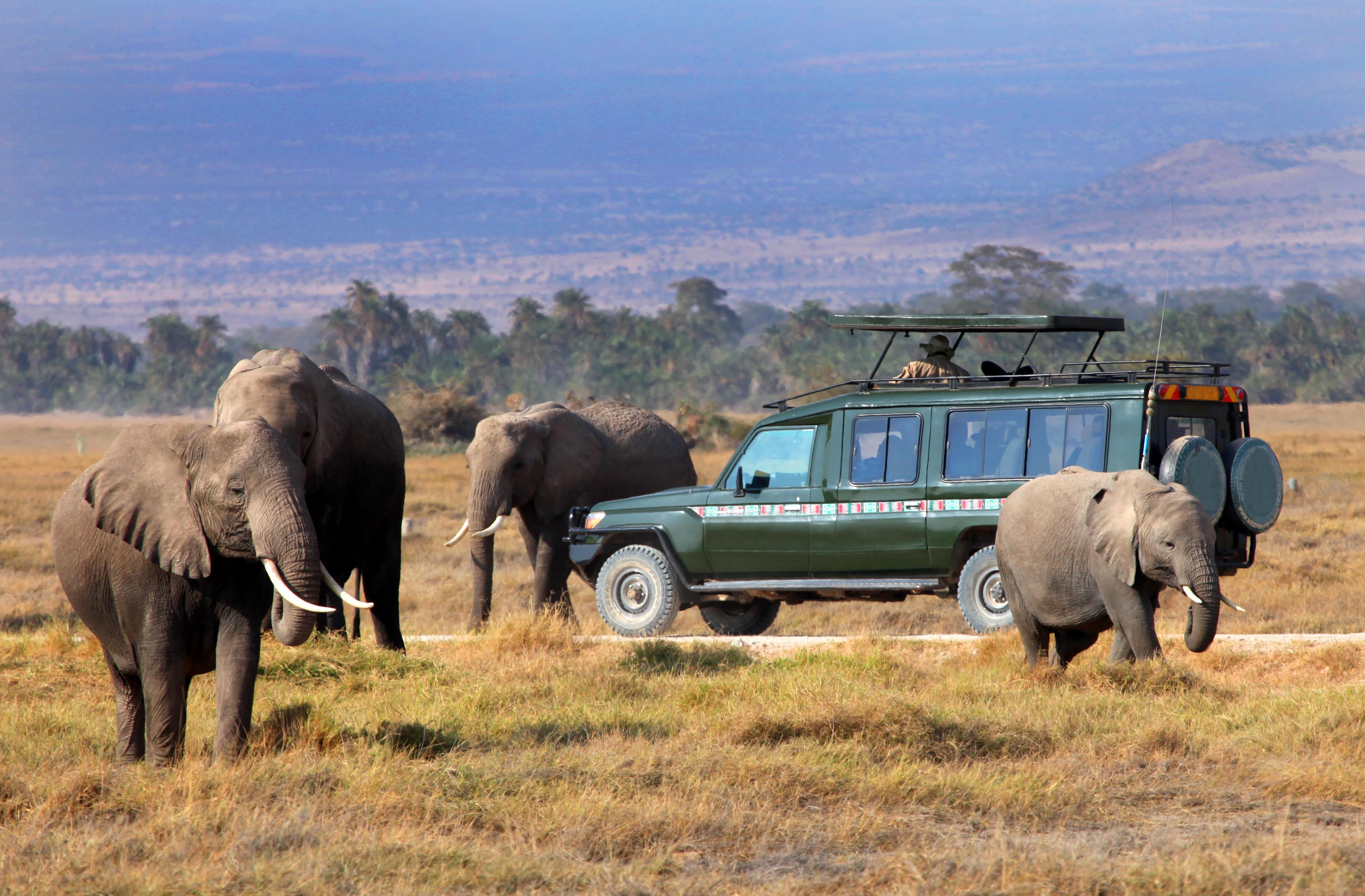
This specific 7 Days Masai mara and Tanzania safari unforgettable combo is designed to showcase the absolute best of East Africa within a single week. By linking Kenya’s legendary Masai Mara with Tanzania’s Serengeti and Ngorongoro Crater, travelers secure prime opportunities to observe the Big Five and the historic wildebeest migration. This regional tour Africa safari holiday eliminates unnecessary travel downtime by utilizing optimized border crossings. Choosing this comprehensive tour Africa safari holiday ensures expert guiding, dedicated 4x4 transport, and strategically placed lodges. Every element of this tour Africa safari holiday is curated to deliver rich cultural interactions alongside classic game viewing. Ultimately, this specific tour Africa safari holiday remains the benchmark for travelers seeking a deep, time-efficient exploration of the continent's most celebrated wildlife sanctuaries.
Tour highlights for 7 Days Masai mara and Tanzania safari
Explore Masai Mara savanna
Track resident lion prides
Witness seasonal migration herds
Cross Isebania border smoothly
Traverse vast Serengeti plains
Spot elusive tree leopards
Discover historic Olduvai Gorge
View Ngorongoro crater rim
Descend volcanic caldera floor
See endangered black rhinos
Observe active hippo pools
Visit cultural Maasai villages
Day-by-Day 7 Days Masai mara and Tanzania safari Itinerary
Day 1: Nairobi to Masai Mara National Reserve
Your tour Africa safari holiday begins with a morning departure from Nairobi, driving down the scenic slopes of the Great Rift Valley. You will travel past local communities and open farmlands before arriving at the gates of the Masai Mara National Reserve by midday. After checking into your tented camp and enjoying lunch, you will head out for your afternoon game drive. The Mara plains are immediately recognizable by their iconic scattered acacia trees and rolling green hills. During this initial exploration, your guide will help you track resident lion prides, herds of elephants, and grazing giraffes. The late afternoon light provides excellent conditions for photography across the open savannas. You will return to your lodge as dusk settles across the reserve for dinner and your overnight stay, completing the opening day of this grand tour Africa safari holiday.
Day 2: Full Day Exploration of the Masai Mara
The second day of your tour Africa safari holiday is dedicated to a thorough exploration of the Masai Mara. You will head out early in the morning when predators are most active on their morning hunts. Your guide will navigate toward the Mara River, a primary site for river crossings during the annual wildebeest migration. Here, large pods of hippos and massive Nile crocodiles occupy the deep waters. A picnic lunch will be served under the shade of an acacia tree out on the open plains, allowing you to maximize your time viewing wildlife without returning to camp. In the afternoon, you can choose to visit a traditional Maasai village to learn about their ancestral customs, livestock management, and structural homesteads. The evening concludes with a relaxed drive back to your accommodation for dinner.
Day 3: Masai Mara to Serengeti National Park via Isebania
This transition day connects two distinct countries on your tour Africa safari holiday. Following an early breakfast, you will depart the Masai Mara with a final morning game drive en route to the Isebania border post. After clearing customs and immigration formalities between Kenya and Tanzania, you will switch to your Tanzanian safari vehicle. The journey continues directly into the northern stretches of the Serengeti National Park. The landscape smoothly shifts but remains an interconnected ecosystem where wildlife moves freely across political borders. You will experience a game drive along the path to your central Serengeti lodge, spotting animals moving across the granite outcrops known locally as kopjes. You will arrive at your destination in time to settle into your room, enjoy a hot dinner, and rest after a productive day of travel.
Day 4: Full Day Game Driving in Central Serengeti
Your tour Africa safari holiday focuses entirely on the vast plains of the central Serengeti, specifically the wildlife-rich Seronera Valley. This region is famous for its high concentration of big cats, including resident leopards that rest in the branches of sausage trees. You will spend the morning tracking cheetahs utilizing small hills as lookout points to scan the horizons for prey. The open grasslands support thousands of zebras, gazelles, and impalas year-round. Your guide will explain the intricate territorial behaviors of the species you encounter throughout the day. Lunch will be set up at a designated picnic site surrounded by the wilderness. The afternoon drive offers opportunities to locate larger buffalo herds and elephants moving through the woodlands. You return to the lodge before dark to share stories around the evening camp fire.
Day 5: Central Serengeti to Ngorongoro Conservation Area
Enjoy a final morning game drive in the Serengeti as you make your way toward the Ngorongoro Conservation Area. This route takes you through the shifting landscapes of the southern plains, where short grasses dominate the terrain. Along the way, you will stop at the historic Olduvai Gorge, a paleoanthropological site critical to understanding human evolution through ancient tool and fossil discoveries. After an educational briefing at the site museum, you will continue your drive ascending toward the cooler, forested highlands of the crater rim. Arriving at your lodge in the late afternoon, you will experience expansive panoramic views of the massive volcanic caldera down below. The altitude brings refreshing air and a distinct change in climate, providing a peaceful setting for your evening meal and overnight stay.
Day 6: Ngorongoro Crater Floor Game Drive
Today features a descent into the Ngorongoro Crater, the world’s largest unflooded and unbroken volcanic caldera. This enclosed ecosystem houses roughly thirty thousand mammals, creating a dense wildlife environment. You will spend the morning exploring the flat crater floor, tracking the highly endangered black rhinoceros along the specialized salt marshes. The crater walls form a natural enclosure, supporting healthy populations of lions, hyenas, and golden jackals. You will enjoy a unique lunch experience next to a natural hippo pool, watching the resident wildlife interact from a safe distance. In the afternoon, your drive moves through the Lerai fever tree forest, a favored habitat for old bull elephants with massive tusks. You will ascend back up the steep crater walls later in the day, returning to your highland lodge for your final evening dinner.
Day 7: Ngorongoro Highlands to Arusha for Departure
The concluding day of your tour Africa safari holiday starts with a relaxed breakfast overlooking the highland forests. You will pack your bags and begin the smooth drive down toward the bustling safari town of Arusha. En route, there is an option to visit the cultural village of Mto wa Mbu to view local agricultural projects and traditional community artwork. You will arrive in Arusha by midday for a farewell lunch at a local restaurant. Afterward, your driver will transfer you directly to Kilimanjaro International Airport or Arusha Airport to connect with your onward flight home. This drop-off marks the formal conclusion of your comprehensive East African travel program, leaving you with extensive photographs and deep insights into the natural systems of both Kenya and Tanzania.
1. What exactly is the 7 Days Masai Mara and Tanzania safari unforgettable combo tour Africa safari holiday?
This specific travel program is a highly optimized, multi-country overland journey engineered to connect East Africa’s two most prominent wildlife arenas. The core framework of the itinerary links the contiguous ecosystems of Kenya's Masai Mara National Reserve and Tanzania's Serengeti National Park, culminating in the massive volcanic caldera of the Ngorongoro Crater. By structuring the route as a continuous surface journey, the program allows travelers to witness how geography, vegetation zones, and animal populations shift across national borders without losing days to backtracking or complex flight connections.
The logistical flow typically begins in Nairobi, Kenya’s capital city. Guests travel by road through the Great Rift Valley directly into the Masai Mara for the opening portion of the trip. After exploring the northern half of the ecosystem, the route moves southwest to the Isebania border post. This terrestrial gateway serves as the processing point where travelers clear bilateral immigration, step across the physical frontier, and transition into Tanzanian safari vehicles. From Isebania, the route enters the northern or central Serengeti plains, tracking the wilderness southward over the subsequent days before ascending into the cooler highland forests that encircle the Ngorongoro Crater rim.
The primary structural benefit of this particular layout is its focus on continuous habitat exposure. Instead of treating Kenya and Tanzania as isolated destinations, the journey treats them as a singular, unified biological landscape. The trip concludes with a descent out of the highlands to Arusha or Kilimanjaro International Airport, providing a straightforward departure point for international flights. This comprehensive framework makes the program an ideal selection for first-time visitors who want to maximize their field time and secure a complete overview of regional wildlife systems within a constrained seven-day operational window.
2. What wildlife will I see on this combo tour?
The geographic trajectory of this route ensures exposure to an exceptionally high density of African megafauna. Because the journey spans multiple conservation areas with distinct microclimates, travelers encounter both resident populations and migrating herds. Chief among the wildlife priorities is the chance to document the complete Big Five: African bush elephants, Cape buffaloes, lions, leopards, and rhinoceroses. The vast, open savannas of both the Masai Mara and the Serengeti support massive prides of lions that utilize the open terrain for communal hunting, making apex predator sightings a regular feature of daily field drives.
In the woodland segments and along riverine networks, specialized tracking techniques are used to locate more elusive species. Leopards are frequently observed resting on the sturdy branches of sausage trees and acacia tortilis, while cheetahs utilize termite mounds and low granite kopjes as vantage points to scan the grasslands for Thomson's gazelles and impalas. The aquatic zones, including the Mara River and natural depressions on the Ngorongoro Crater floor, harbor extensive pods of hippopotamuses and some of the largest Nile crocodiles on the continent. These waterways also attract diverse bird life, from specialized raptors to large flocks of lesser flamingos feeding in alkaline lakes.
The Ngorongoro Crater floor introduces a highly concentrated, semi-enclosed sanctuary where wildlife behaviors differ from the open plains. Here, travelers have their most reliable opportunity to observe the highly endangered black rhinoceros moving across the short-grass marshes. Additionally, the flat plains across the entire route are populated by hundreds of thousands of plains zebras, blue wildebeests, topis, and elands. The sheer variety of habitats—ranging from acacia woodlands and volcanic calderas to riverine forests and rolling grasslands—guarantees a balanced cross-section of East African biodiversity.
3. When is the best time to book this trip?
Selecting the optimal operational window depends heavily on seasonal weather variations and the corresponding movements of regional wildlife. The definitive peak period for this dual-country itinerary spans from July through October. This window aligns with the dry season across East Africa, a period characterized by clear skies, minimal rainfall, and dropping humidity levels. As surface water sources dry up throughout the interior, animals are forced to congregate around permanent rivers and active waterholes, making wildlife tracking significantly more predictable for driver-guides.
This July-to-October window also coincides directly with the most dramatic phases of the Great Wildebeest Migration. During these months, the massive herds move north out of the Serengeti and concentrate in the Masai Mara, forcing them to brave the perilous crossings of the Mara River. Travelers booking within this timeframe stand the highest chance of witnessing these intensive river crossings, where thousands of animals plunge through crocodile-infested waters. Because the grass cover is short during the dry months, visibility is entirely unobstructed, which greatly benefits wildlife photography and long-range tracking.
Alternatively, the short dry season from January to March presents another valuable booking window, particularly for the Tanzanian portion of the trip. During these early months, the migration herds gather on the southern Serengeti plains for the annual calving season, where hundreds of thousands of wildebeest calves are born within a synchronized three-week period. This sudden abundance of vulnerable prey draws high numbers of large cats and hyenas, resulting in significant predator-prey interactions. While the green season from April to May offers lower visitor numbers and lush scenery, the heavy rains can complicate dirt road navigation and make wildlife more dispersed.
4. Is the Great Wildebeest Migration guaranteed?
The Great Wildebeest Migration is a fluid, cyclical movement driven entirely by dynamic weather patterns, rainfall distribution, and the subsequent growth of new grass. Because it is an organic process dictated by environmental cues rather than a rigid calendar, no tour operator can offer an absolute guarantee regarding the exact location of the herds on any specific date. The movement is a continuous, year-round loop stretching across an ecosystem of nearly thirty thousand square kilometers, meaning the animals are always in motion somewhere within the region.
However, choosing a cross-border itinerary like this seven-day program significantly maximizes your statistical probability of encountering the massive herds. By maintaining operational footprints in both the Masai Mara and the Serengeti simultaneously, the trip effectively straddles the two primary territories used by the migration. If unseasonal rains delay the herds in northern Tanzania, the Serengeti legs of the trip will intercept them; if the dry season arrives early, the Masai Mara segments will catch the populations as they flood into the northern grazing lands.
The most challenging aspect to predict is the precise timing of the dramatic river crossings. Herds can gather along the banks of the Mara River for hours or even days, testing the water and retreating before a single animal finally takes the plunge, triggering a mass movement. Experienced driver-guides counter this unpredictability by monitoring regional radio networks and analyzing fresh tracks to position vehicles near active gathering points. While a full river crossing requires a degree of situational luck, the sheer scale of the herds means that traveling during the correct seasonal windows virtually guarantees sightings of massive columns of animals moving across the open savannas.
5. What are the average costs for this 7-day trip?
The financial commitment required for an East African cross-border safari varies based on the tier of accommodation selected, vehicle logistics, and seasonal booking rates. On average, standard mid-range packages fluctuate between $2,100 and $3,500 per person, calculated on a shared occupancy basis. This mid-tier pricing typically includes transport in multi-passenger 4x4 safari vehicles, regional park entry fees, and stays in well-appointed permanent lodges or structured tented camps that feature private en-suite bathrooms, hot showers, and full-board dining.
For travelers prioritizing seclusion and enhanced amenities, luxury portfolios start at approximately $4,500 and can exceed $8,000 per person during peak travel months. This premium investment covers private vehicle exclusive use, expert platinum-tier guides, and accommodations at high-end, classic tented camps positioned directly along migration paths or river corridors. These elite properties offer fine dining options, personalized valet services, and private verandas overlooking active game trails. They are often situated within private conservancies, which allows for off-road tracking and night drives not permitted in the main national reserves.
Beyond the baseline package price, several mandatory operational costs must be factored into the travel budget. Conservation fees and vehicle entry permits for premium zones like the Ngorongoro Crater floor carry significant daily premiums that are standard across all operators. Additional financial requirements include international flights, mandatory travel insurance policies, entry visas for both nations, and personal discretionary spending. Tipping for the field crew and optional excursions, such as hot air balloon flights, represent separate line items that should be budgeted for prior to arrival in Nairobi.
6. Do I need a visa for both Kenya and Tanzania?
Cross-border travel between Kenya and Tanzania requires careful adherence to individual immigration protocols for each sovereign nation. Travelers must hold a valid passport with an expiration date extending at least six months beyond their intended departure date, along with a minimum of two blank, consecutive pages for official stamps. Because this itinerary actively transitions from Kenya into Tanzania via a land border, securing valid entry authorization for both countries prior to the journey is an essential prerequisite.
The most efficient mechanism for this specific route is the East Africa Tourist Visa. This joint travel document is a multi-country visa that permits eligible nationalities to enter the Republic of Kenya, the Republic of Rwanda, and the Republic of Uganda for a single consecutive ninety-day period. However, because Tanzania is not a member of this specific joint visa accord, travelers using this itinerary must secure a separate, independent tourist visa for Tanzania alongside their Kenyan entry credentials. Kenya requires travelers to complete an Electronic Travel Authorization (eTA) process online before departure, which replaces the traditional visa system.
Tanzania offers an electronic visa (e-Visa) portal where applications can be submitted and processed weeks before travel. While some nationalities can technically obtain a Tanzanian tourist visa upon arrival at major entry points and land borders like Isebania, doing so at a busy terrestrial crossing can cause unpredictable delays for the safari vehicle. Processing your paperwork online beforehand streamlines the transition, allowing the driver-guide to move you efficiently through the border infrastructure so you can maintain your scheduled game-driving timeline on the other side.
7. What is the border crossing process like?
The physical transition between Kenya and Tanzania takes place at the Isebania land border, a busy commercial and tourist gateway linking the two nations. This administrative junction requires a complete vehicle and personnel swap due to regional licensing regulations. Kenyan safari vehicles are generally restricted from operating commercial tours within Tanzania, and Tanzanian vehicles face similar constraints in Kenya. Consequently, your Kenyan driver-guide will escort you to the Kenyan immigration terminal, manage the luggage transfer, and walk you through the exit protocols.
Inside the customs hall, travelers present their passports to Kenyan authorities to obtain an exit stamp. From there, guests walk across the designated neutral zone to the Tanzanian immigration facility. Here, you will present your pre-approved Tanzanian e-Visa or complete the arrival paperwork, submit biometric data, and verify valid international health records, such as Yellow Fever vaccination certificates if arriving from an endemic zone. The entire administrative process can take anywhere from forty-five minutes to two hours, depending heavily on the volume of tracking traffic and commercial freight moving through the station.
On the Tanzanian side of the barrier, your new Tanzanian driver-guide will be waiting with a fresh, fully fueled 4x4 safari vehicle. Once your luggage is securely loaded into the new vehicle, you will depart the border post and head directly into the northern road networks that lead toward the Serengeti ecosystem. While the bustling nature of a land border can feel a bit hectic compared to the tranquility of the national parks, professional guides manage the underlying paperwork and vehicle handovers smoothly, turning the transition into an interesting cultural observation point along the route.
8. What type of vehicle will I be riding in?
The terrain encountered across this seven-day route demands robust, specialized transport capable of handling rugged dirt tracks, deep mud ruts, and rocky volcanic ascents. The industry standard for this combined itinerary is the specially modified 4x4 Toyota Land Cruiser. These vehicles are engineered specifically for rough conditions, featuring heavy-duty suspension systems, high ground clearance, and permanent four-wheel-drive capabilities. They are built to withstand the punishing corrugated roads that connect the major parks, ensuring passenger safety and mechanical reliability in remote areas.
A key feature of these custom safari vehicles is the pop-up roof design. Once the vehicle enters a national park or game reserve, the roof canopy can be raised vertically, allowing passengers to stand upright within the safety of the chassis. This design provides unobstructed, three-hundred-and-sixty-degree views of the surrounding landscape, making it ideal for tracking elusive wildlife and capturing stable photographs without window glare. Vehicles are also outfitted with large, sliding glass windows to ensure great visibility even when the roof is lowered during transit between destinations.
Inside the cabin, vehicles are configured to maximize passenger comfort during long stints in the field. They typically feature six to eight individual, high-backed window seats, ensuring that every traveler has direct exterior access. Built-in power inverters and charging sockets are standard equipment, allowing guests to keep camera batteries and mobile devices charged throughout the day. Additionally, most vehicles feature an onboard cooler box stocked with chilled drinking water, a long-range two-way radio for guide communication, and specialized reference books covering regional birds and mammals.
9. Will I stay in hotels or tents?
Accommodations along this classic safari route vary from permanent structural buildings to traditional canvas tents, both designed to keep guests close to the surrounding wilderness. Permanent safari lodges are typically constructed from local stone and timber, often situated on elevated ridges or natural hillsides to command expansive views of the savannas. These properties offer substantial infrastructure, including large swimming pools, formal dining halls, manicured gardens, and extensive lounge areas, providing a solid, hotel-like environment in the heart of Africa.
In contrast, luxury tented camps offer a closer connection to the sights and sounds of the bush without compromising on high-end comforts. These are not standard camping tents; they are massive canvas pavilions built on permanent wooden decks. Inside, you will find king-sized beds, fine linens, writing desks, and full en-suite bathrooms equipped with flush toilets and running hot water. Many of these camps are unfenced, allowing animals to move freely through the property grounds. At night, guests can hear the distant calls of hyenas and the deep roars of lions while remaining safe inside their canvas suites.
Some operators utilize mobile tented camps, which are systematically relocated two to three times a year to mirror the seasonal movements of the Great Wildebeest Migration herds. This approach ensures that guests stay close to the wildlife action, minimizing the drive times needed to reach the herds each morning. Whether you prefer the solid structure of a traditional lodge or the distinct atmosphere of a canvas tent, the hospitality sector across Kenya and Tanzania maintains high service standards, featuring fresh cuisine, evening campfires, and dedicated local hospitality teams.
10. Can I do a Hot Air Balloon safari?
Participating in a hot air balloon flight is an exceptional add-on option that can be integrated into either the Masai Mara or the Serengeti legs of this itinerary. This excursion offers a completely different perspective on the landscape, allowing you to appreciate the immense scale of the East African savannas from the air. Operating at dawn to take advantage of stable morning air currents, the flight provides a quiet view of the wilderness as the sun rises over the horizon, illuminating the grasslands below.
The experience begins with an early morning wake-up call and a night transit to the designated launch site. Guests watch the ground crews inflate the massive balloons using powerful burners before boarding the sturdy wicker baskets. Once airborne, the pilot utilizes shifting wind currents at varying altitudes to drift gently over river corridors, granite kopjes, and open plains. From this vantage point, you can look down on large elephant herds moving through the trees and see the long, winding trails carved into the earth by generations of migrating wildebeests.
The flight typically lasts approximately one hour, concluding with a traditional bush breakfast set up directly on the savanna floor. Guests enjoy a full cooked meal accompanied by chilled champagne, celebrating a classic aviation tradition that dates back to the early days of ballooning. Because these flights are subject to strict passenger weight capacities and high demand, they carry a premium price tag—typically around $550 per person—and require booking months in advance to guarantee space within your seven-day itinerary.
11. What is the food like during the tour?
The culinary offerings provided at the lodges and tented camps along this route are designed to cater to international travelers while showcasing fresh, locally sourced ingredients. Accommodations operate on a full-board basis, meaning breakfast, lunch, and dinner are included in your daily stay. Chefs are well-trained in balancing international flavors with classic regional dishes, producing menus that range from European-style roasts to traditional East African specialties like ugali, nyama choma, and seasoned pilau rice.
Breakfasts are typically served buffet-style before the morning game drive, featuring fresh tropical fruits, pastries, cereals, and made-to-order omelet stations. For days when you want to maximize your time in the field, lodges provide packed picnic lunches. These are packed in specialized safari boxes and contain assorted sandwiches, roasted chicken pieces, fresh fruit, boiled eggs, juice boxes, and local snacks, allowing you to enjoy a meal under the shade of an acacia tree surrounded by wildlife.
Dinners are the main culinary event of the day, often served as a structured three-course plated meal or a themed buffet in the main dining area. Many properties organize outdoor bush dinners, where tables are set up under the stars around a large bonfire, illuminated by traditional lanterns. The kitchen staff can easily accommodate varied dietary requirements, including vegetarian, vegan, gluten-free, and halal profiles, provided these requirements are communicated to your tour operator during the initial booking process.
12. What should I pack for the safari?
Packing for a cross-border East African safari requires a balance between preparing for changing weather conditions and adhering to the strict weight limits imposed by safari vehicles and regional aircraft. The most practical clothing strategy focuses on layering. Early morning game drives start in the cool pre-dawn hours, requiring a warm fleece, a windproof jacket, and a light scarf. As the sun rises, temperatures climb steadily, making breathable short-sleeved shirts and light trousers the best option for the afternoon heat.
The color palette of your clothing is an important consideration for field tracking. Neutral tones such as khaki, tan, olive green, and brown blend seamlessly into the savanna environment, helping you avoid startling the wildlife. It is best to avoid bright white clothing, which can catch the eye of wary animals, as well as dark blue and black fabrics, which are known to attract tsetse flies in woodland areas. Camouflage patterns are also discouraged, as military-style apparel is legally reserved for local defense forces across East Africa.
Essential equipment includes a high-quality pair of binoculars (ideally 8x42 or 10x42) to help you spot distant wildlife and observe bird behaviors clearly. A versatile camera body paired with a telephoto zoom lens ranging up to 300mm or 400mm is invaluable for capturing sharp wildlife images from a safe distance. Do not forget to pack wide-brimmed sun hats, high-SPF sunscreen, polarized sunglasses, and a reliable insect repellent containing DEET. Finally, carry a small personal medical kit with motion sickness tablets, antacids, and any required personal prescriptions.
13. Is it safe to do an Africa safari in Kenya and Tanzania?
Statistically, undertaking a organized wildlife safari through the established national parks of Kenya and Tanzania is highly secure. Both nations possess mature, well-regulated tourism industries that place guest protection and operational safety at the top of their priorities. The conservation zones included in this seven-day itinerary are patrolled regularly by dedicated wildlife rangers and tourism police forces, ensuring a peaceful environment for international visitors.
The primary safety factor relies on following the expertise and instructions of your professional driver-guides. These individuals undergo rigorous training in animal behavior, off-road navigation, and emergency field management. While inside the national reserves, guests must remain within the enclosed safari vehicle at all times, except at designated picnic sites and official viewpoints cleared by the guide. Wild animals view safari vehicles as large, non-threatening objects rather than collections of individual prey, but stepping outside the vehicle breaks this illusion and can create an unsafe situation.
Within the lodge and camp environments, safety protocols are strictly maintained. Unfenced properties utilize trained local watchmen or Maasai warriors to patrol the grounds after dark. These guards escort guests between their private tents and the central dining areas, ensuring no close encounters with wildlife occur on the paths. From a health perspective, it is important to consult a travel medicine specialist well before your departure date to secure necessary immunizations and discuss appropriate malaria prophylactics for the low-altitude regions of your journey.
14. Are tipping and gratuities expected?
Tipping is a well-established custom across the East African safari sector, serving as an important way to recognize the hard work of the field crews and hospitality staff. While tipping remains entirely discretionary and should reflect the quality of service you receive, it forms a significant part of the compensation for the local guides, spotters, and camp teams who work long hours to ensure a successful journey.
For your dedicated safari driver-guide, the standard tipping benchmark ranges between $15 and $25 per vehicle, per day. This gratuity is typically presented in a sealed envelope at the conclusion of each specific country leg of the trip. If your itinerary involves a specialized camp spotter or tracker, an additional $10 to $15 per day is customary. For the general lodge and camp staff—including housekeepers, chefs, and maintenance teams—most properties provide a communal "Staff Tip Box" located near the main reception desk. Contributing $10 to $15 per guest, per day into this central box ensures an equitable distribution among the behind-the-scenes team.
When preparing your tip budget, it is best to carry crisp, clean US Dollar bills printed after 2013, as local banks and exchange bureaus across East Africa regularly reject older, worn, or torn currency. Alternatively, you can use local currencies, such as Kenyan Shillings or Tanzanian Shillings, which are highly appreciated by the staff for daily transactions. Budgeting for these tips before you depart ensures you can reward the exceptional service that defines the regional hospitality industry.
15. How far in advance should I book this trip?
Securing a comprehensive cross-border itinerary requires a substantial planning runway due to the high global demand for accommodations and vehicle permits in East Africa's premier parks. The recommended booking window is between 6 and 12 months prior to your intended departure date. If you plan to travel during the peak migration months of July through October, extending that timeline to a full year in advance is often necessary to lock in your preferred dates.
The primary bottleneck in safari planning is the limited capacity of the top-tier lodges and luxury tented camps. To minimize environmental impact, the best properties feature only 8 to 20 tents, meaning they fill up quickly during the high season. Booking early allows you to secure accommodations positioned directly along major migration corridors or near the Ngorongoro Crater rim, saving you from long, bumpy drives from properties located far outside the park gates.
An early booking strategy also ensures ample time to navigate the administrative steps required for cross-border travel. This includes securing your Kenyan Electronic Travel Authorization, processing your Tanzanian electronic visa, and arranging appointments with travel clinics for necessary vaccinations like Yellow Fever. Additionally, booking well ahead allows your tour operator to secure the best custom 4x4 Land Cruisers and assign senior, highly experienced driver-guides to your journey, guaranteeing a smooth and professional travel experience from start to finish.
Booking 7 Days Masai mara and Tanzania safari with us Roads of Adventure safaris
Booking a 7-day Masai Mara and Tanzania safari with Roads of Adventure Safaris provides an epic, cross-border wildlife experience. This timeframe lets you explore the iconic Maasai Mara in Kenya and the famous Serengeti National Park or Ngorongoro Crater in Tanzania, maximizing your chances of seeing the Great Migration and the Big Five
