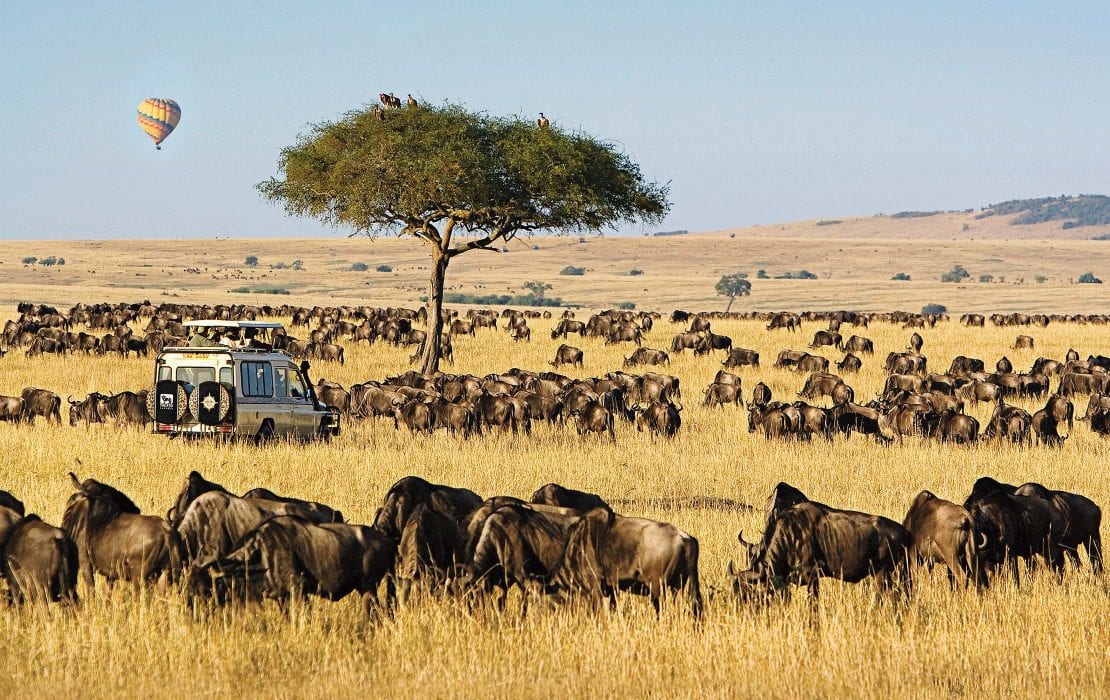
Top 10-day Tanzania wildlife safari packages focus on the "Northern Circuit," offering unparalleled Big Five viewing, the Great Migration, and cultural immersion. Popular options include
10-days-best-kilimanjaro-hike-serengeti-safari-tour-and-ngorongoro-tour-combo
10-days-perfect-tanzania-safari-itinerary
10-days-tanzania-safari-and-zanzibar-beach-holiday-gateway
10-days-incredible-tanzania-wildlife-safari-and-cultural-experience
10-days-luxury-gorilla-trekking-masai-mara-serengeti-and-ngorongoro-crater
10-days-ultimate-budget-tanzania-safari-holiday-vacation
10-days-family-tanzania-safari-tour-to-lake-manyara-serengeti-ngorongoro-crater-and-tarangire
10-days-tanzania-safari-to-all-northern-circuit-safari-parks-expedition
10-days-tanzania-wildlife-safari-and-optional-visit-to-masai-tribe-or-hadzabe
10-days-best-tanzania-safari-tour-and-zanzibar-beach-holiday-itinerary
10-days-best-tanzania-honeymoon-safari-with-3-days-zanzibar-beach-holidays
- Classic Northern Circuit Safari (Serengeti, Ngorongoro, Tarangire, Manyara)
- Migration-Focused Serengeti Safari
- Tanzania Wildlife & Zanzibar Beach Combo
- Ultimate Big 5 & Luxury Tented Camp Safari
- Tanzania & Kenya Combined Migration Safari
10-Day Classic Northern Circuit
The 10-Day Classic Northern Circuit is a premier Tanzanian odyssey, meticulously curated to showcase the diverse crown jewels of East Africa’s wildlife heritage. This itinerary offers a sophisticated blend of high-octane adventure and refined bush hospitality, moving through a sequence of legendary ecosystems that define the African savanna. From the ancient, baobab-studded landscapes of Tarangire to the lush groundwater forests of Lake Manyara, the journey builds toward the monumental "endless plains" of the Serengeti and the prehistoric wonder of the Ngorongoro Crater. Designed for those seeking a comprehensive "Big Five" experience, this circuit ensures ample time for deep immersion into predator-prey dynamics and the seasonal rhythms of the Great Migration. Whether you are staying in luxury lodges on the crater rim or stylish tented camps in the heart of the Serengeti, this classic route provides an unparalleled narrative of Tanzania’s natural splendor, delivered with the expert precision of a world-class safari.
Day 1: Arrival in Arusha
Your Tanzanian adventure begins with a warm welcome at Kilimanjaro International Airport. After a smooth transfer to Arusha, you will arrive at a tranquil lodge nestled within lush coffee plantations. This first day is dedicated to relaxation and acclimatization, providing a peaceful environment to recover from your journey while enjoying views of Mount Meru. You will meet your expert safari guide for an in-depth briefing, where you will discuss the upcoming route and finalize the technical details of your adventure. The crisp highland air and a fresh, locally sourced dinner set a serene tone for the expedition ahead. It is a moment of quiet anticipation, spent preparing your gear and resting before you depart the bustling gateway city for the raw, untamed wilderness of the northern safari circuit tomorrow morning.
Day 2: Tarangire National Park
The adventure officially starts with a drive to Tarangire National Park, a land defined by its massive baobab trees and colossal elephant herds. During the dry season, the Tarangire River becomes a magnet for wildlife, drawing thousands of animals to its banks. Your game drives will reveal a rugged landscape where you can spot lions, leopards, and unique species like the fringe-eared oryx. While Tarangire is often overshadowed by the Serengeti, it offers a dense concentration of resident wildlife that serves as a spectacular introduction to Tanzania’s biodiversity. You will spend the afternoon watching multi-generational elephant families interact near the swamps, a truly humbling sight. As the sun sets behind the iconic baobab silhouettes, you will retreat to your lodge, falling asleep to the distant, rhythmic sounds of the African night.
Day 3: Exploring Tarangire’s Wilderness
A second day in Tarangire allows you to venture deeper into the park’s remote southern reaches, away from the main tourist tracks. This area is characterized by vast seasonal swamps and hidden river loops where predators often lie in wait. You will spend the morning tracking prides of lions or searching for the elusive leopard draped over a sausage tree branch. The park's diverse birdlife, with over 550 recorded species, provides a colorful backdrop to your wildlife spotting. A picnic lunch under a giant baobab tree offers a moment to absorb the scale of the landscape. This extended time in Tarangire ensures a relaxed pace, allowing you to observe animal behavior in detail rather than rushing to the next destination, solidifying your connection to this "land of giants" before moving forward.
Day 4: Lake Manyara National Park
On day four, you head to Lake Manyara National Park, a lush sanctuary at the base of the dramatic Great Rift Valley escarpment. This park is world-famous for its unique tree-climbing lions, which lounge in the branches of ancient acacias. You will navigate through a dense groundwater forest, home to massive troops of baboons, before the landscape opens to a vast alkaline lake fringed by thousands of pink flamingos. The birdlife here is staggering, and the park’s compact nature allows for a high-intensity viewing experience. You will look for hippos in the Simba River and giraffes browsing in the thickets. This day offers a vibrant, green contrast to the arid plains of Tarangire, providing a sensory transition as you move closer to the volcanic highlands and the legendary plains of the Serengeti.
Day 5: Journey to Central Serengeti
Today, you ascend the Ngorongoro Highlands before descending onto the legendary "endless plains" of the Serengeti. The scale of this landscape is overwhelming, and as you head toward the Seronera Valley, you enter one of the most predator-rich environments on Earth. This central region is a year-round stronghold for lions, leopards, and cheetahs. Your afternoon game drive will focus on the riverine areas and granite "kopjes," which predators use as lookout points. Staying in the heart of the park allows you to fully experience the raw spirit of the savanna. The evening air is often filled with the calls of hyenas and the distant roar of lions, marking the beginning of your deep immersion into the world’s most famous wildlife sanctuary during this peak migratory window.
Day 6: Serengeti Game Drives
This day is dedicated to exploring the vastness of the Central Serengeti, a region renowned for its high density of big cats. You will set out at sunrise, the "golden hour" when predators are most active and the light is perfect for photography. Your guide will navigate through the Seronera River valley, searching for leopards in the fever trees and lion prides resting on the kopjes. After a midday break at your camp, you head out for an afternoon drive to track cheetahs in the open grasslands. The Serengeti’s beauty lies in its unscripted drama; you might witness a hunt, a playful interaction between cubs, or a massive herd of zebras moving across the horizon. Every turn reveals a new perspective of this prehistoric ecosystem, anchored by the profound silence of the African wild.
Day 7: The Great Migration Corridors
The seventh day focuses on the seasonal movement of the Great Migration. Depending on the time of year, your guide will navigate toward the "mega-herd," where over a million wildebeest and zebras move in a prehistoric cycle. Witnessing a sea of life stretching to the horizon is a humbling experience that defines the Serengeti. You will spend the entire day in the field, carrying a picnic lunch to maximize your time in the most active zones. Whether you are observing the synchronized calving on the southern plains or the high-tension movement toward the western corridor, the sheer volume of animals is staggering. The migration draws in every predator in the region, and you will likely witness the high-stakes drama of survival as lions and hyenas shadow the moving herds.
Day 8: Serengeti to Ngorongoro
Leaving the Serengeti, you head toward the Ngorongoro Conservation Area, a UNESCO World Heritage site. The drive is a "game drive in transit," crossing the vast plains and climbing toward the lush crater highlands. As the altitude increases, the air becomes noticeably cooler and the vegetation more dense. You will arrive at the crater rim in the late afternoon, where the first glimpse into the massive, 600-meter-deep caldera is often a profound emotional experience. This self-contained "Eden" is home to over 25,000 large animals. You will stay at a lodge positioned on the rim, providing panoramic views of the ancient volcanic bowl below. The evening is spent in anticipation of tomorrow's descent into one of the most concentrated wildlife sanctuaries on Earth, marking the penultimate chapter of your journey.
Day 9: The Ngorongoro Crater Floor
Today is dedicated to a full-day exploration of the Ngorongoro Crater floor. After an early descent into the caldera, you will enter a prehistoric world where the "Big Five" are often seen in a single morning. This is one of the best places in Africa to spot the endangered black rhino grazing in the open. You will traverse the Lerai Fever Tree forest, search for massive "tusker" elephants, and observe hippos congregating in the swamps. The crater is a self-contained ecosystem where the wildlife is resident year-round, ensuring high-density encounters in a compact area. After a picnic lunch by the hippo pool, you will ascend the crater walls and head to the nearby town of Karatu. This high-impact day of wildlife viewing provides a dense and monumental conclusion to your safari.
Day 10: Arusha and Departure
On the final day of your safari, you enjoy a leisurely breakfast before driving back toward Arusha. You will stop at the Cultural Heritage Centre, an impressive gallery where you can purchase authentic Tanzanite gemstones and local wood carvings as souvenirs. After a final lunch in Arusha, you will be transferred back to Kilimanjaro International Airport for your departure flight. As you fly over the African continent, the memories of the Serengeti’s endless horizons and the amber eyes of a hunting lion remain with you. You leave Tanzania not just with photographs, but with a transformed perspective on the resilience of nature and the timeless beauty of the wild, concluding an epic ten-day odyssey through the heart of the world's most spectacular and untamed wildlife theater.
10-Day Serengeti Great Migration Adventure
The 10-Day Serengeti Great Migration Adventure is a specialized expedition designed for those who wish to witness the most profound wildlife spectacle on Earth. Unlike standard tours, this itinerary is fluid and seasonally adjusted to place you at the epicenter of the herds. Whether you are positioned on the southern plains to witness the synchronized birth of thousands of calves or stationed along the perilous banks of the Mara River to observe high-stakes crossings, this journey prioritizes time in the field. By dedicating the majority of the trip to the Serengeti’s migratory corridors, you gain an intimate understanding of the migration’s rhythm and the intense predator activity it attracts. Complemented by the "Big Five" sanctuary of the Ngorongoro Crater, this safari is a deep dive into the raw mechanics of survival, offering a front-row seat to the dramatic narrative of the African savanna in its most powerful form.
Day 1: Arrival and Preparation
Your expedition begins with a warm welcome at Kilimanjaro International Airport. You will be transferred to a tranquil lodge in Arusha, set within lush gardens that offer a peaceful sanctuary to recover from your travels. This first day is essential for acclimatization and preparation. In the afternoon, you will meet your lead safari guide for a specialized briefing regarding the current location and movement of the Great Migration herds. You will review the technical requirements for the days ahead, including camera gear and tracking strategies. The evening is spent enjoying a fresh, locally sourced meal and the quiet sounds of the highlands. It is a moment of focused anticipation, allowing you to rest and refine your expectations before you depart the gateway city for the legendary plains of the Serengeti tomorrow morning.
Day 2: The Gateway to the Plains
The adventure officially starts as you depart Arusha, heading through the scenic Ngorongoro Highlands. While your ultimate destination is the Serengeti, today serves as a vital ecological introduction. You will descend onto the short-grass plains that act as the southern entry point to the Serengeti ecosystem. Depending on the season, you may already begin to see the "scout" groups of zebras and wildebeests that lead the migration. Your first game drive will reveal the sheer scale of the horizon and the unique geology of the Rift Valley. You will spend the afternoon exploring the transitional woodlands, looking for giraffes and elephants before arriving at your lodge or mobile camp. The evening air begins to fill with the low-frequency calls of the herds, marking your official entry into the world’s most famous wildlife theater.
Day 3: Entering the Migration Corridors
Today, you push deeper into the Serengeti, targeting the specific corridor where the migration is currently concentrated. If traveling during the calving season, you will head toward the nutrient-rich Ndutu plains; if during the dry season, you will move toward the Western or Northern reaches. This day is about transitioning from the park gates into the heart of the action. You will observe how the landscape changes from acacia woodlands to open savanna, following the dust clouds raised by thousands of hooves. Your guide will use real-time tracking to position the vehicle near the densest parts of the herd. By late afternoon, you will reach your mobile tented camp, which is moved seasonally to ensure you are never more than a short drive from the primary migratory movement.
Day 4: Immersion in the Mega-Herd
The fourth day is dedicated to experiencing the overwhelming scale of the "mega-herd." You will spend the entire day in the field, surrounded by hundreds of thousands of wildebeests and zebras stretching to every horizon. The sensory experience is profound—the constant grunting of the gnus, the dust in the air, and the sheer volume of life in motion. This immersion allows you to observe the complex social structures of the migration, including the symbiotic relationship between zebras and wildebeests. You will witness the relentless search for fresh grazing and the constant vigilance required to survive on the open plains. With a picnic lunch enjoyed under a solitary acacia tree, you remain in the heart of the wilderness, completely disconnected from the modern world and fully synchronized with the ancient pulse of Africa.
Day 5: Predator Tracking and Strategy
The presence of the migration creates a mobile feast for Africa's apex predators, and today’s focus is on the hunters. You will track the lion prides, cheetahs, and hyenas that shadow the herds. Because the migration provides such an abundance of prey, predator-prey interactions are frequent and dramatic. You will learn to recognize the signs of an impending hunt—the focused stare of a lioness or the nervous alarm calls of a Thompson's gazelle. This day requires patience and keen observation; your guide will position the vehicle at strategic vantage points near waterholes or granite kopjes used as lookout posts. Witnessing the high-stakes strategy of a Serengeti hunt provides a raw, unfiltered look at the mechanics of nature, highlighting the precarious balance between life and death on the savanna.
Day 6: Seasonal Highlight - Calving or Crossings
Day six is reserved for the specific "thematic" highlight of your seasonal itinerary. From January to March, this day focuses on the calving grounds, where you may witness the incredible sight of newborns finding their feet within minutes of birth. If traveling from July to October, the day is spent at the riverbanks, waiting for the high-tension Mara River crossings. This is a day of peak drama; the riverbanks become a stage for the struggle against both the current and giant Nile crocodiles. These events are the most iconic chapters of the migration narrative. Whether it is the vulnerability of new life or the thundering chaos of a river crossing, this day provides the "signature" memories of your expedition, requiring a full day in the field to capture the perfect moment.
Day 7: Exploring Remote Corridors
As the migration is a fluid event, today allows you to venture into the more remote and less-visited corridors of the park. You will explore hidden valleys and seasonal riverbeds where smaller "satellite" herds often congregate. These areas often provide a more exclusive safari experience, away from the main concentrations of vehicles. You will look for rare species that are often overshadowed by the migration, such as the bat-eared fox, serval cat, or the diverse birdlife that thrives in the Serengeti’s various micro-ecosystems. This exploration provides a comprehensive view of the park’s biodiversity, showing how the migration affects the entire landscape. By evening, you return to your camp to enjoy a sundowner, reflecting on the vastness of the territory you have covered and the incredible resilience of the species that inhabit it.
Day 8: The Transition to Ngorongoro
Leaving the vastness of the Serengeti, you begin your journey toward the Ngorongoro Conservation Area. This is a "game drive in transit," allowing for final sightings of the herds as you move across the plains. As you ascend the escarpment, the landscape shifts dramatically from golden grasslands to lush, misty highland forests. The air becomes cooler and the vegetation more dense. You will arrive at the crater rim in the late afternoon, where you will be met with one of the most breathtaking views in the world—the 600-meter-deep caldera of the Ngorongoro Crater. This volcanic bowl acts as a natural enclosure for a permanent population of wildlife, offering a dense contrast to the migratory experience. You will stay at a lodge on the rim, preparing for tomorrow’s descent into this "Natural Eden."
Day 9: The Crater’s Resident Giants
Today is dedicated to a full-day exploration of the Ngorongoro Crater floor. While the migration herds do not enter the crater, this self-contained ecosystem offers the highest density of wildlife in Africa. You will enter a world where the "Big Five" are resident year-round. This is your best opportunity to see the endangered black rhino grazing in the open. You will traverse the Lerai fever tree forest, explore the alkaline shores of Lake Magadi, and watch hippos wallowing in the swamps. The crater’s lions are some of the most habituated in Africa, allowing for close-up observations of their social behavior. After a picnic lunch by the Mandusi Swamp, you will ascend the crater walls, having witnessed a prehistoric sanctuary that serves as the perfect final wildlife chapter of your Tanzanian journey.
Day 10: Cultural Reflection and Departure
On the final day, you enjoy a leisurely breakfast overlooking the highlands before beginning the drive back to Arusha. This transition allows for a brief cultural pause, perhaps visiting a local market or a community project, to understand the human side of the Tanzanian landscape. You will stop for a final farewell lunch in Arusha, where you can share stories and photos with your fellow travelers. Afterward, you will be transferred to Kilimanjaro International Airport for your departure. As you fly over the East African plains, the rhythmic grunting of the wildebeest and the vast, golden horizons of the Serengeti will remain with you. You leave Tanzania with a transformed perspective on the natural world, having followed one of the oldest and most epic journeys on the planet to its core.
10-Day Tanzania Wildlife & Zanzibar Beach Holiday
The 10-Day Tanzania Wildlife & Zanzibar Beach Holiday is the ultimate East African odyssey, offering a seamless transition from the rugged drama of the savanna to the serene turquoise waters of the Indian Ocean. This itinerary is masterfully split to provide seven days of immersive exploration through the Northern Circuit’s premier national parks, followed by a three-day tropical finale on the spice island of Zanzibar. It is a journey of profound contrasts: the dust of the Serengeti is replaced by white coral sands, and the roar of a lion is traded for the gentle rustle of palm fronds. Designed for those who seek both high-octane adventure and deep relaxation, this package ensures you witness the "Big Five" and the Great Migration before decompressing in a private beachfront sanctuary. Whether you are wandering through the prehistoric Ngorongoro Crater or the winding alleys of Stone Town, this holiday delivers a comprehensive Tanzanian experience that satisfies both the explorer and the dreamer.
Day 1: Arrival in the Safari Capital
Your journey begins with a warm welcome at Kilimanjaro International Airport. You will be transferred to a tranquil lodge in Arusha, tucked away in lush gardens that offer a peaceful retreat to recover from your flight. This first day is dedicated to acclimatization and preparation for the adventure ahead. In the afternoon, you will meet your professional guide for a briefing on the wildlife circuits and the current movement of the migratory herds. The evening is spent enjoying a fresh, locally sourced meal and the crisp air of the northern highlands. It is a quiet moment of anticipation, allowing you to rest and prepare your gear before you depart the gateway city for the wild landscapes of the African bush tomorrow morning.
Day 2: Tarangire’s Land of Giants
The safari officially starts with a drive to Tarangire National Park, a region famous for its massive baobab trees and colossal elephant families. During the dry season, the Tarangire River becomes a vital lifeline, drawing thousands of animals to its banks for a spectacular display of biodiversity. Your game drives will reveal a rugged landscape where you can spot lions, leopards, and unique species like the fringe-eared oryx. You will spend the afternoon exploring the riverine areas and seasonal swamps, watching multi-generational elephant herds interact and bathe. As the sun sets behind the iconic silhouettes of the baobabs, you will head to your lodge, falling asleep to the distant, rhythmic sounds of the African night in one of Tanzania’s most atmospheric parks.
Day 3: Lake Manyara and the Great Rift Valley
Today, you head to Lake Manyara National Park, a jewel nestled at the base of the dramatic Great Rift Valley escarpment. This park is renowned for its unique tree-climbing lions and massive troops of baboons that thrive in the lush groundwater forests. You will navigate through dense jungle-like vegetation before the landscape opens to a vast alkaline lake, often fringed with thousands of pink flamingos. The birdlife here is staggering, ranging from pelicans to kingfishers. You will also look for hippos wallowing in the Simba River and giraffes browsing among the acacia trees. The park’s compact size allows for a concentrated viewing experience, making it a perfect transition before you head into the vastness of the Serengeti, offering a vibrant, green change of scenery.
Day 4: Journey to the Endless Plains
You now ascend the Ngorongoro Highlands and descend into the legendary Serengeti National Park. The "endless plains" are the quintessential image of Africa, and as you head toward the Seronera Valley, the scale of the landscape becomes truly breathtaking. This central region is a year-round predator stronghold; it is common to see lions lounging on granite "kopjes" or a leopard draped in a sausage tree. Your afternoon game drive focuses on the riverine areas where wildlife is most active. Staying in the heart of the park allows you to fully experience the raw spirit of the savanna, with the evening air filled with the calls of hyenas. It is a day of monumental scale, marking the start of your deep immersion into the world’s most famous sanctuary.
Day 5: The Great Migration Experience
This day is dedicated to tracking the world-famous Great Migration. Depending on the season, your guide will navigate toward the massive herds of wildebeest and zebras as they follow the rains in their prehistoric cycle. Witnessing a "sea" of animals stretching to the horizon is a humbling experience that defines the Serengeti. You will spend the entire day in the field, carrying a picnic lunch to maximize your time in the most active zones. Whether you are watching a mother wildebeest protect her newborn or seeing a cheetah scan the plains for a target, the migratory corridors offer a front-row seat to the survival of the fittest. The sheer volume of life in motion is a spectacle that stays with you forever, embodying the untamed power of the wild.
Day 6: Serengeti to Ngorongoro Rim
Your final morning in the Serengeti begins with a sunrise game drive, the most magical time of day for photography as predators return from their nightly hunts. After a hearty breakfast, you begin your journey back toward the Ngorongoro Conservation Area. The drive is a "game drive in transit," allowing for last-minute sightings of cheetahs or rare birds across the plains. As the altitude increases, the air becomes cooler and the vegetation more lush. You will arrive at the crater rim in the late afternoon, where the first glimpse into the ancient, 600-meter-deep volcanic bowl below marks a dramatic shift in your safari experience. You will stay at a lodge on the rim, enjoying panoramic views and preparing for tomorrow’s descent into the "Natural Eden."
Day 7: The Ngorongoro Crater Floor
Today is dedicated to a full-day exploration of the Ngorongoro Crater floor. After an early descent into the caldera, you will enter a prehistoric world where the "Big Five" are often seen in a single morning. This is one of the best places in Africa to spot the endangered black rhino grazing in the open. You will traverse the Lerai Fever Tree forest, search for massive "tusker" elephants, and observe hippos congregating in the swamps. The crater is a self-contained ecosystem where the wildlife is resident year-round, ensuring high-density encounters. After a picnic lunch by the hippo pool, you will ascend the crater walls and head back to Arusha. This high-impact day of wildlife viewing provides a monumental conclusion to the terrestrial portion of your Tanzanian holiday.
Day 8: Flight to the Spice Island
After a leisurely breakfast, you will be transferred to Arusha Airport for your flight to Zanzibar. As you descend toward the island, the turquoise waters and coral reefs of the Indian Ocean provide a stunning contrast to the golden plains you left behind. Upon arrival, you will be transferred to your luxury beachfront resort on the island's eastern or northern coast. The afternoon is yours to relax and transition into "island time." You can take a sunset stroll along the white sand beach, dip your toes into the warm ocean, or enjoy a cocktail by the infinity pool. The evening is spent enjoying fresh seafood and the gentle sea breeze, marking the beginning of the relaxation phase of your diverse African journey.
Day 9: Zanzibar Beach and Exploration
The penultimate day is yours to enjoy at your own pace. You may choose to spend the entire day reclining on a sunbed, listening to the rhythmic lapping of the waves. For those seeking activity, the island offers world-class snorkeling and diving at Mnemba Atoll, where you can swim among vibrant coral gardens and tropical fish. Alternatively, you can take a cultural excursion to Stone Town, a UNESCO World Heritage site, to explore its labyrinthine alleys and historic spice markets. Whether you are discovering the history of the "Spice Island" or simply soaking in the tropical sun, Zanzibar provides a profound sense of serenity. The day concludes with a final beachfront dinner under the stars, reflecting on the incredible journey from the savanna to the sea.
Day 10: Farewell to Paradise
On your final day, you enjoy a late breakfast and a last swim in the Indian Ocean. Depending on your flight schedule, you may have time for some last-minute souvenir shopping in Stone Town, looking for intricate wood carvings or local spices. You will then be transferred to Zanzibar International Airport for your departure flight. As you fly over the turquoise coastline, the memories of the Serengeti’s vast horizons and the tranquility of Zanzibar’s beaches remain with you. You leave Tanzania with a transformed perspective, having experienced the perfect balance of raw adventure and sophisticated relaxation. The sights and sounds of the bush and the beach mark the end of an epic ten-day odyssey through the very best of East Africa.
10-Day Ultimate Big 5 & Culture Safari
The 10-Day Ultimate Big 5 & Culture Safari is an elite expedition that transcends the standard wildlife viewing experience by weaving together high-octane adventure and profound human connection. This itinerary is designed for the discerning traveler who seeks a deeper understanding of the East African landscape, moving beyond the 4x4 vehicle to engage with the land on a tactile level. By prioritizing exclusive, low-impact lodges and private concessions, this safari offers a sanctuary of luxury amidst the raw wilderness. You will not only track the legendary Big Five across the Serengeti and Ngorongoro but also walk alongside Maasai warriors, learning the ancient art of tracking and the medicinal secrets of the bush. Featuring sophisticated touches like private bush dinners and sunset sundowners, this journey provides a holistic narrative of Tanzania, where the majesty of the wildlife is perfectly balanced by the vibrant, enduring heritage of its people.
Day 1: Arrival and Highland Serenity
Your journey begins with a private transfer from Kilimanjaro International Airport to a boutique lodge nestled in the foothills of Mount Meru. This first day is dedicated to quiet acclimatization in a lush, green environment. You will meet your private safari guide for a personalized orientation, discussing the nuances of the upcoming cultural encounters and wildlife priorities. In the afternoon, you can explore the surrounding coffee plantations or simply relax in the lodge’s gardens. The evening features a welcome dinner prepared with organic, estate-grown ingredients, offering a sophisticated introduction to Tanzanian flavors. It is a moment of calm before the expedition, allowing you to synchronize your rhythm with the African bush and prepare for the deep immersion into the "land of the giants" starting tomorrow.
Day 2: Tarangire’s Giants and Private Sundowners
The adventure officially commences as you drive into Tarangire National Park, a rugged domain of baobabs and massive elephant herds. Today’s focus is on the "giants" of the park; you will spend hours observing the complex social structures of elephant families near the Silale Swamp. Unlike standard tours, your day ends at a private vantage point within a secluded area of the park. As the sun begins its golden descent, a private bar is set up for a traditional safari sundowner. Sipping a cocktail while watching a herd of elephants cross the horizon in the amber light is the quintessential safari experience. You will retire to a luxury tented camp where the boundaries between nature and comfort are seamlessly blurred, falling asleep to the wild symphony of the savanna.
Day 3: Maasai Cultural Immersion
Today is dedicated to a meaningful and authentic encounter with the Maasai people. You will visit a local boma (homestead) far from the tourist tracks, where you are welcomed not as a spectator, but as a guest. You will learn about their pastoral lifestyle, the significance of their intricate beadwork, and the ancient customs that have remained unchanged for centuries. This is an opportunity for a two-way exchange, gaining insight into their harmonious relationship with the surrounding wildlife. In the afternoon, you may join a Maasai guide for a short nature walk around the conservancy, learning how they identify tracks and use local flora for traditional medicine. This cultural layer adds profound depth to your safari, transforming the landscape from a mere backdrop into a living, storied home.
Day 4: Lake Manyara and the Great Rift Valley
You descend toward the floor of the Great Rift Valley to explore Lake Manyara National Park. This park offers an intimate wildlife experience within its lush groundwater forests and alkaline lake shores. You will search for the legendary tree-climbing lions and witness the incredible density of baboon troops. Because this itinerary prioritizes a slower pace, you have the time to linger at the Hippo Pool or watch the subtle interactions of giraffes browsing in the acacia thickets. Lunch is a private affair, often set up in a scenic "bush spot" with white linens and chilled drinks, rather than a crowded picnic site. The day concludes with a drive toward the Ngorongoro Highlands, where the air turns crisp and the vegetation becomes a vibrant, emerald green.
Day 5: The Descent into Ngorongoro’s Eden
Today, you enter the "8th Wonder of the World," the Ngorongoro Crater. This 600-meter-deep caldera is a self-contained sanctuary for over 25,000 large animals. Your descent begins at dawn to witness the predators at their most active. This is the premier location to spot the endangered black rhino in its natural habitat, alongside massive "tusker" elephants and dense prides of lions. By mid-morning, you will have seen the majority of the Big Five in a single, spectacular arena. Instead of a quick drive, you will enjoy a leisurely exploration of the varied micro-ecosystems, from the Lerai Forest to the Magadi soda lake. The day ends with a return to a luxury lodge on the crater rim, where you can watch the fog roll over the caldera floor.
Day 6: Journey to the Endless Serengeti
Leaving the highlands, you travel toward the legendary Serengeti National Park. The transition from the crater’s enclosed walls to the infinite horizons of the Serengeti is one of the most dramatic moments of the trip. As you enter the park, you begin a "game drive in transit" toward the Central Seronera Valley. This region is the heart of the park and a world-renowned predator stronghold. You will look for leopards lounging in fever trees and cheetahs scanning the plains from granite kopjes. Your accommodation for the next few nights is a high-end mobile camp that moves seasonally, ensuring you are always positioned in the most wildlife-dense area. The evening is spent around a roaring campfire, sharing stories of the day’s sightings under a vast, unpolluted canopy of stars.
Day 7: Serengeti Walking Safari and Big Cats
Experience the Serengeti like the early explorers did: on foot. Accompanied by an armed ranger and a Maasai tracker, you will set out on a walking safari in a private concession. Being on the ground heightens your senses; you will learn to read the "morning newspaper" written in the dust—the tracks of a passing hyena or the scent of wild sage. This is an exercise in mindfulness, focusing on the smaller wonders often missed from a vehicle. After a late breakfast, you head out in the 4x4 to track the park’s famous big cats. The combination of the morning walk and the afternoon game drive provides a comprehensive understanding of the ecosystem, from the smallest dung beetle to the apex predators that dominate the plains.
Day 8: Tracking the Great Migration
This day is dedicated to the pulse of the Serengeti—the Great Migration. Depending on the month, your guide will navigate to the heart of the herds. Witnessing hundreds of thousands of wildebeests and zebras in a single, thundering movement is a sensory overload. You will spend the entire day in the field, carrying a gourmet picnic lunch to ensure you don't miss a moment of the action. Whether you are observing the high-tension river crossings in the north or the calving season in the south, the scale of the movement is humbling. Your guide will interpret the behavior of the herds and the strategic positioning of the predators that shadow them. It is a day of monumental scale and raw survival, embodying the untamed power of the African wild.
Day 9: Lake Eyasi and the Hadzabe Tribe
For a final, profound cultural shift, you travel to the remote shores of Lake Eyasi to meet the Hadzabe bushmen. This is one of the last true hunter-gatherer tribes on the planet. You have the rare opportunity to join them on a morning hunt, witnessing their incredible bow-and-arrow skills and their unique click language. You will also visit the Datoga tribe, master blacksmiths who have practiced their craft for generations. This day offers a stark, beautiful contrast to the modern world, providing a glimpse into a way of life that has existed for millennia. It is a grounding experience that rounds out your understanding of the human history of the Rift Valley, leaving you with a deep respect for the resilience and knowledge of these ancient cultures.
Day 10: Farewell to the Savanna
On your final day, you enjoy a leisurely breakfast in the highlands before the drive back to Arusha. This transition allows for a final reflection on the incredible diversity of experiences you have gathered over the last ten days. You will stop at a curated gallery to view authentic Tanzanian art and perhaps find a high-quality souvenir to remember your journey. After a final "farewell lunch" in Arusha, you will be transferred to Kilimanjaro International Airport for your departure. As you fly over the golden plains you have recently walked upon, the memories of the Big Five, the ancient click language of the Hadzabe, and the amber light of the Serengeti sundowners will remain as a permanent part of your personal story.
10-Day Northern Tanzania & Kenya Migration Safari
The 10-Day Northern Tanzania & Kenya Migration Safari is the ultimate trans-boundary expedition, offering a comprehensive view of the world’s most famous wildlife ecosystem. This journey dissolves international borders to follow the prehistoric pulse of the Great Migration, combining the vast, endless plains of the Serengeti with the iconic, predator-rich savannas of the Maasai Mara. Over ten days, you will witness the geographical scale of this 1,000-kilometer circuit, from the volcanic highlands of the Ngorongoro Crater to the dramatic riverbanks where the herds face their greatest challenges. This itinerary is masterfully timed to position you at the heart of the action, whether crossing the Isebania border to track the movement northward or exploring the Mara Triangle. It is a high-octane odyssey that captures the full narrative of East African wilderness, blending two distinct national cultures and ecosystems into one seamless, once-in-a-lifetime wildlife masterpiece.
Day 1: Arrival in Arusha
Your East African adventure begins at Kilimanjaro International Airport, where a private transfer whisks you to a tranquil lodge in Arusha. Nestled among lush coffee plantations with views of Mount Meru, this first day is dedicated to relaxation and technical preparation. You will meet your safari guide for an in-depth briefing on the cross-border logistics and the current location of the migration herds. Since this trip involves entering two countries, you will review your travel documents and gear one last time. The evening is spent enjoying a quiet dinner and the cool highland air, providing a serene moment of pause before you depart the gateway city for the rugged landscapes of the northern circuit and the high-stakes journey into the heart of the Great Migration tomorrow morning.
Day 2: The Ngorongoro Highlands
The safari officially starts with a scenic drive toward the Ngorongoro Conservation Area. As you ascend the escarpment, the air turns crisp and the vegetation becomes a vibrant, misty green. Today’s focus is on the breathtaking scale of the Ngorongoro Crater, a 600-meter-deep caldera that serves as a self-contained "Natural Eden." You will spend the afternoon at a lodge positioned on the crater rim, offering panoramic views of the ancient volcanic floor below. This highland region acts as a vital ecological bridge between the southern forests and the northern plains. You may take a guided nature walk along the rim, spotting diverse birdlife and ancient flora. The evening is spent by a roaring fireplace, anticipating tomorrow’s descent into the most concentrated wildlife sanctuary on the planet before you push northward.
Day 3: The Crater Floor and Serengeti Entry
At dawn, you descend into the Ngorongoro Crater floor for a high-density game viewing experience. This is your premier opportunity to see the "Big Five" in a single morning, including the endangered black rhino and massive "tusker" elephants. After a picnic lunch by the hippo pool, you begin the journey toward the Serengeti National Park. The drive takes you through the transition zone where the highlands meet the endless golden plains. As you enter the Serengeti, you will immediately notice the shift in scale; the horizon stretches infinitely, and the first "scout" groups of the migration—zebras and wildebeests—often appear near the southern gates. You will arrive at your central Serengeti camp by sunset, fully immersed in the raw, untamed spirit of Tanzania’s most iconic wilderness.
Day 4: Central Serengeti Predator Action
The fourth day is dedicated to exploring the Seronera Valley, the heart of the Serengeti and a world-renowned stronghold for big cats. You will set out at sunrise, the "golden hour," to track lion prides resting on granite kopjes and leopards draped in the branches of sausage trees. The central region is a year-round hub for wildlife, providing a dense contrast to the moving migration herds. Your guide will interpret the complex social behaviors of the residents, from cheetahs scanning the plains for Thompson’s gazelles to massive hyena clans. After a midday break at your camp, you head out for an afternoon drive to catch the predators as they begin their nightly hunts. The day concludes with a traditional sundowner, watching the African sun dip below the vast, unobstructed horizon.
Day 5: Following the Migration North
Today, you begin a deliberate push toward the Northern Serengeti, tracking the Great Migration’s path toward the Kenyan border. The landscape becomes more rugged and hilly as you move through the Lobo and Kogatende regions. This is a "game drive in transit," meaning your vehicle is always ready for action as you pass through massive corridors of wildebeest and zebras. The sheer volume of animals moving in a single direction is a humbling sight, accompanied by the constant, low-frequency grunts of the gnus. You will observe the strategic movement of the herds as they navigate toward the permanent water sources of the north. Your evening is spent in a mobile tented camp, positioned specifically to provide quick access to the Mara River banks for the following day’s dramatic exploration.
Day 6: Mara River and Border Crossing
This is a day of high-stakes drama as you reach the banks of the Mara River. You will spend the morning at crossing points, watching the herds gather in their thousands, hesitant to face the crocodiles waiting in the water. Witnessing a thundering river crossing is the rawest form of the migration narrative. Following the morning’s action, you head toward the Isebania/Sirari border post. This international crossing involves clearing customs and immigration before switching to a Kenyan-plated safari vehicle and meeting your Kenyan guide. The transition is a fascinating cultural shift, and as you enter the Maasai Mara National Reserve, the "other half" of the ecosystem reveals itself. You will arrive at your Kenyan camp by late afternoon, now officially part of the northernmost chapter of the migratory cycle.
Day 7: The Mara Triangle Exploration
Your first full day in Kenya is spent in the Mara Triangle, the most secluded and wildlife-rich sector of the Maasai Mara. Defined by the Siria Escarpment and the Mara River, this region offers a spectacular density of wildlife. You will track the migration herds as they spread across the lush, green grasses of the Mara, enjoying the bounty of the recent rains. The Triangle is famous for its high concentration of lions and the "Great Migration" river crossings from the Kenyan side. Because this area is more remote, you will enjoy a more exclusive safari experience. Your guide will highlight the subtle differences in the landscape and wildlife behavior compared to the Serengeti, providing a comprehensive understanding of how these two legendary parks function as a single, unified ecosystem.
Day 8: Central Maasai Mara Game Drives
The eighth day focuses on the central plains of the Maasai Mara, an area synonymous with classic African safari imagery. You will traverse the rolling savannas, looking for the "Big Five" and the large prides of lions for which the Mara is famous. This region is a theater of constant activity; you might witness a cheetah chase or a leopard guarding its kill in a lone acacia tree. The Maasai Mara is renowned for its openness, allowing for exceptional visibility and photography opportunities. Between game drives, you will visit a local Maasai village to learn about their pastoral heritage and their vital role in conservation. This cultural layer provides a human perspective to the wildlife drama, showing how the Maasai people have coexisted with these massive herds for centuries.
Day 9: The Mara’s Lasting Impressions
On your final full day of safari, you have the flexibility to revisit the riverbanks or explore the hidden valleys of the Mara. You may choose an optional sunrise balloon safari to see the migration from a silent, aerial perspective—a truly bucket-list experience. On the ground, you will focus on "filling the gaps" of your wildlife checklist, searching for rare species like the serval cat or the bat-eared fox. The afternoon is spent enjoying a final "bush lunch" in a scenic spot overlooking the plains. As the day draws to a close, you will enjoy a farewell sundowner, reflecting on the incredible 1,000-kilometer journey you have followed from the southern crater to the northern mara. The evening is spent around the campfire, sharing stories of the migration’s power and the beauty of the wild.
Day 10: Departure to Nairobi
The final day begins with a leisurely breakfast and a short, final game drive as you exit the Maasai Mara. You will begin the scenic drive toward Nairobi, crossing the floor of the Great Rift Valley with stops at viewpoints to admire the vastness of the African continent. This transition allows you to process the scale of the adventure you have just completed. You will arrive in Nairobi by mid-afternoon, where you will be transferred to Jomo Kenyatta International Airport for your departure flight. As you fly over the East African savannas, the rhythmic thundering of hooves and the golden light of the plains will remain with you. You leave with a transformed perspective, having witnessed the full scope of the Great Migration and the enduring majesty of both Tanzania and Kenya’s premier wilderness.
1. What does a typical 10-day itinerary look like?
A 10-day itinerary is masterfully balanced to minimize "travel fatigue" while maximizing wildlife encounters. Typically, the journey begins with 2 days in Tarangire or Lake Manyara, providing a lush introduction to elephants and tree-climbing lions. This is followed by the "main event": 4 days in the Serengeti. This duration is crucial because the park is massive; four days allow you to explore both the central Seronera region (famous for big cats) and the specific area where the Great Migration is currently concentrated.
Following the Serengeti, you spend 2 days in the Ngorongoro Conservation Area, featuring a full day on the crater floor. The remaining 2 days are reserved for the "logistics of adventure"—your arrival in Arusha to prep and your final departure. For those seeking a blend of bush and beach, a popular "6+4" split replaces the final three days of safari with a flight to Zanzibar, where the dust of the savanna is traded for the turquoise waters of the Indian Ocean. This pacing ensures you aren't just "park hopping," but actually observing animal behavior and enjoying the sophisticated hospitality of the lodges.
2. What are the top 5 popular 10-day packages?
Tanzania offers diverse packages tailored to different travel styles and budgets.
- The Classic Northern Circuit: The gold standard, focusing on luxury or mid-range lodges across Tarangire, Manyara, Serengeti, and Ngorongoro.
- The Migration Tracking Special: A specialized itinerary that uses mobile tented camps to stay within "striking distance" of the wildebeest herds, whether they are calving in the south or crossing rivers in the north.
- Safari & Zanzibar Combo: The ultimate "best of both worlds" trip, combining a high-intensity 7-day safari with a 3-day tropical finale on the spice island.
- Luxury Fly-in Safari: Designed for those who want to skip the "bumpy roads." You fly between parks in light aircraft, landing directly on bush airstrips, which maximizes your actual game-viewing time.
- Budget Camping Experience: For the adventurous at heart, this involves traveling in the same 4x4 vehicles but staying in public campsites in high-quality tents, offering the most "raw" and affordable connection to the wilderness.
3. Will I see the Big Five?
Yes, a 10-day window offers an exceptionally high probability—nearly a guarantee—of seeing the Big Five (lion, leopard, elephant, buffalo, and rhino). The Ngorongoro Crater is your "secret weapon" for this; because of its enclosed nature and high-density resident population, it is the best place in East Africa to see the endangered black rhino alongside massive "tusker" elephants and lions in a single morning.
The Serengeti then fills in the gaps, particularly for the more elusive members. Leopards are frequently spotted draped in the branches of sausage trees along the Seronera River, while the park’s vast lion prides are a constant presence. Buffaloes and elephants are ubiquitous throughout the Northern Circuit. By spending ten days in the field, you aren't just "ticking boxes" from a distance; your guide has the time to track these animals and wait for those iconic moments—like a leopard descending from a tree or a lion pride on a hunt—that shorter trips often miss.
4. Can I customize my 10-day tour?
Customization is one of the greatest strengths of a 10-day Tanzanian journey. Most reputable operators treat the standard itinerary as a "canvas" rather than a rigid rulebook. If you are a photography enthusiast, your trip can be adjusted to include private vehicles and extra time at sightings to wait for the perfect light. For those interested in culture, you can swap a day of game driving for an immersive visit with the Hadzabe bushmen (hunter-gatherers) or a traditional Maasai boma.
Other popular customizations include adding a walking safari in a private concession, which allows you to experience the bush on a tactile level, or booking a hot air balloon safari at dawn over the Serengeti. If you are celebrating a honeymoon, operators can arrange private "bush dinners" under the stars or "sundowner" cocktails at scenic viewpoints. This flexibility ensures that the safari aligns perfectly with your personal interests, whether they are focused on apex predators, birdwatching, or human heritage.
5. Is a 10-day trip suitable for kids?
Tanzania is an incredible "living classroom," and a 10-day trip is very suitable for children, provided it is paced correctly. Specialized family safari packages are designed to prevent "safari boredom." These often feature lodges with swimming pools and "Junior Ranger" programs where kids can learn to track animals, identify birds, and learn basic bush-craft from Maasai guides.
The key to a successful family safari is flexibility. A 10-day itinerary allows you to include "non-vehicle" days, such as a visit to a local school or a gentle nature walk. Most lodges also offer "triple rooms" or interconnected family tents to keep everyone together. It is worth noting that while children of all ages are welcome, the "prime" age for a safari is often 6 years and older, as they can better engage with the wildlife and handle the 4-5 hour drives between parks. Seeing a wild lion or a towering giraffe through a child’s eyes is often the highlight of the entire trip for parents.
6. When is the best time for a 10-day safari?
The "best" time depends on what you want to see, but the Dry Season (June–October) is the most popular window. During these months, the vegetation is thin and water sources dry up, forcing animals to congregate around permanent rivers and waterholes. This makes wildlife exceptionally easy to spot. The weather is also pleasant—sunny days with clear blue skies and minimal mosquitoes.
However, the Green Season (January–March) is equally spectacular. This is the "calving season" in the Southern Serengeti, where thousands of wildebeest are born daily. This abundance of vulnerable young attracts an incredible number of predators, leading to intense wildlife drama. If you don't mind a bit of rain, April and May offer the "Emerald Season," where the parks are lush, the birdwatching is world-class, and luxury lodges offer significantly lower rates. A 10-day trip provides enough "buffer time" that even in the rainy season, you are likely to have plenty of clear windows for excellent game viewing.
7. What is the "Great Migration"?
The Great Migration is the largest terrestrial mammal movement on Earth, involving over 1.5 million wildebeest, 400,000 zebras, and hundreds of thousands of gazelles. It is a year-round, circular journey driven by the search for water and fresh grass. For a 10-day traveler, this is the ultimate "dynamic" event; the herds are always moving, and your itinerary should be adjusted to meet them.
From July to September, the herds are in the North, facing the perilous Mara River crossings. From January to March, they are in the South for the calving season. A 10-day trip is the perfect duration to "track" the migration because it gives you the flexibility to spend 3-4 days in the specific region where the herds are currently located. Witnessing a "sea of life" stretching to the horizon is a humbling experience that defines the Serengeti, and having ten days ensures you have the time to find the densest part of the herd and witness the predator-prey drama that follows them.
8. What is the weather like?
Tanzanian weather is largely defined by its equatorial location and varied altitudes. During the day, you can expect warm, sunny weather with temperatures ranging from 20°C to 30°C (68°F to 86°F). It is perfect "t-shirt and shorts" weather for game drives. However, the nights and early mornings tell a different story.
Because many parks are at high altitudes—especially the Ngorongoro Crater rim, which sits at 2,200 meters—temperatures can plummet to 10°C (50°F) or lower once the sun goes down. Early morning game drives in open-sided vehicles can be very chilly due to the wind chill. This "dual climate" is why the golden rule of safari packing is layering. You will start your morning in a warm fleece and trousers, peel down to a t-shirt by noon, and reach for your jacket again by dinner. This dramatic shift is part of the experience, as the crisp morning air is often when you will have your most active wildlife sightings.
9. What is included in a typical 10-day package?
Most 10-day packages are designed to be "all-inclusive" once you land in Tanzania, allowing you to focus entirely on the experience. A standard package includes:
- Transport: A dedicated 4x4 Safari Land Cruiser with a pop-up roof and a professional English-speaking driver/guide.
- Fees: All National Park entrance fees, Crater service fees, and transit fees, which can be significant.
- Accommodation: 9 nights of lodging, ranging from luxury lodges to tented camps.
- Meals: Three meals a day (full breakfasts, picnic or hot lunches, and multi-course dinners).
- Water: Unlimited bottled or filtered water in the vehicle during game drives.
- Airport Transfers: Pickup and drop-off at Kilimanjaro or Arusha airports.
Having these logistics pre-arranged is vital because navigating Tanzanian park regulations and fees as an individual can be incredibly complex. By booking a package, you ensure that every gate entry and lodge check-in is handled seamlessly by your guide.
10. What is NOT included?
While packages are comprehensive, there are specific "out-of-pocket" costs you should budget for:
- International Flights: Most packages begin and end at Kilimanjaro International Airport (JRO).
- Visa Fees: For most travelers, this is $50–$100 (payable in cash or online).
- Travel Insurance: A mandatory requirement for most operators to cover medical emergencies or trip cancellations.
- Alcoholic Beverages: While some ultra-luxury lodges include these, most standard packages charge for soda, beer, and wine.
- Tips/Gratuities: This is a major part of the safari economy. Guidelines suggest $20–$30 per day for your guide and $10–$15 per day for general staff.
- Personal Items: Souvenirs, laundry (unless specified), and any "optional" activities like hot air ballooning ($550–$600 per person).
Knowing these exclusions ahead of time allows you to carry the correct amount of pristine US Dollar bills (printed after 2009) for a smooth trip.
11. What are the accommodation options?
Tanzania offers some of the most iconic "bush hospitality" in the world, categorized into three main levels:
- Luxury Lodges & Camps: These are the "wow" factor properties. Think infinity pools overlooking the Serengeti, private decks with copper bathtubs, and gourmet "fine dining" in the middle of the wilderness. These often feature permanent stone or high-end canvas structures with 24-hour electricity.
- Mid-Range Tented Camps: The most popular choice for a 10-day trip. These are large, walk-in canvas tents with real beds, wooden furniture, and en-suite bathrooms with hot "bush showers." They offer a perfect balance of comfort and a "true" safari feel—you can hear the lions while you sleep, but you’re on a mattress.
- Budget/Public Camping: For those on a strict budget or seeking a raw experience. You sleep in small dome tents in public campsites. Meals are prepared by a private safari chef over a campfire. It is basic but offers an incredible sense of adventure and camaraderie.
12. Are there luggage restrictions?
Yes, luggage is a critical logistical factor, especially if your 10-day trip includes a flight to Zanzibar or between parks. Most domestic "bush planes" (like Coastal Aviation or Regional Air) have a strict limit of 15kg (33 lbs) per person, including your carry-on.
Crucially, this luggage must be in soft-sided bags (duffels). Hard-shell suitcases with rigid frames or wheels often cannot fit into the small, irregularly shaped luggage pods of the Cessna Caravans used for these flights. If you have excess luggage, many Arusha-based operators can store your extra bags at their offices while you are on safari and reunite them with you before your flight home. If your entire 10-day trip is "road-based" in a private Land Cruiser, the limit is more flexible, but soft bags are still preferred as they are easier to pack into the vehicle’s cargo area.
13. Is it safe to drink tap water?
No, you should never drink tap water in Tanzania, even in high-end luxury lodges. While the water may be used for washing or showering, it is not treated to international drinking standards and can contain bacteria that cause "safari tummy."
Instead, you should only drink bottled or filtered water. Your safari vehicle will be stocked with a constant supply of chilled water, and lodges will provide "drinking water" in carafes or bottles in your room for brushing your teeth. Many eco-conscious lodges are now moving away from single-use plastics and provide large 20-liter dispensers or high-tech filtration systems. Bringing a reusable water bottle is highly recommended, as you can refill it from these reliable sources, staying hydrated while minimizing your environmental footprint in these pristine ecosystems.
14. Do I need vaccines or malaria pills?
Health preparation is a vital step in your safari planning. Malaria prophylaxis is strongly recommended for all 10-day safaris. Tanzania is a high-risk zone, particularly in the lower-altitude areas like Tarangire and Manyara. You should consult a travel clinic to discuss medications like Malarone or Doxycycline.
Regarding vaccines, the Yellow Fever vaccine is required if you are traveling from (or transiting for more than 12 hours through) a country with a risk of Yellow Fever transmission (e.g., Kenya or Ethiopia). You will need to show your "Yellow Card" at immigration. Other recommended vaccines include Hepatitis A/B and Typhoid. Because medical requirements can change, you should consult your doctor at least 6-8 weeks before your departure to ensure your "health passport" is up to date and that you have a sufficient supply of any personal prescription medications.
15. What should I pack?
Packing for a 10-day safari is about utility over fashion. Your most important items include:
- Clothing: Stick to neutral colors (khaki, tan, olive). Avoid dark blue and black (which attract tsetse flies) and bright whites (which get dusty quickly). Pack lightweight layers, including a warm fleece or down jacket for the cold mornings.
- Gear: A good pair of binoculars is non-negotiable for spotting distant leopards. Bring a camera with a telephoto lens (at least 300mm) and extra memory cards.
- Protection: High-SPF sunscreen, a wide-brimmed hat with a chin strap, and insect repellent with DEET.
- Small Essentials: A headlamp for navigating tented camps at night, a power bank for your phone, and a small first-aid kit with basic pain relievers and anti-diarrhea medication.
Booking 10 Days Tanzania safari with us Roads of Adventure safaris
Booking a 10-day Tanzania safari with Roads of Adventure Safaris offers a customized journey through the country's most iconic landscapes, from the endless plains of the Serengeti to the massive caldera of the Ngorongoro Crater. As they specialize in tailored itineraries, you can choose between a purely wildlife-focused expedition or one that includes cultural visits and beach relaxation in Zanzibar
