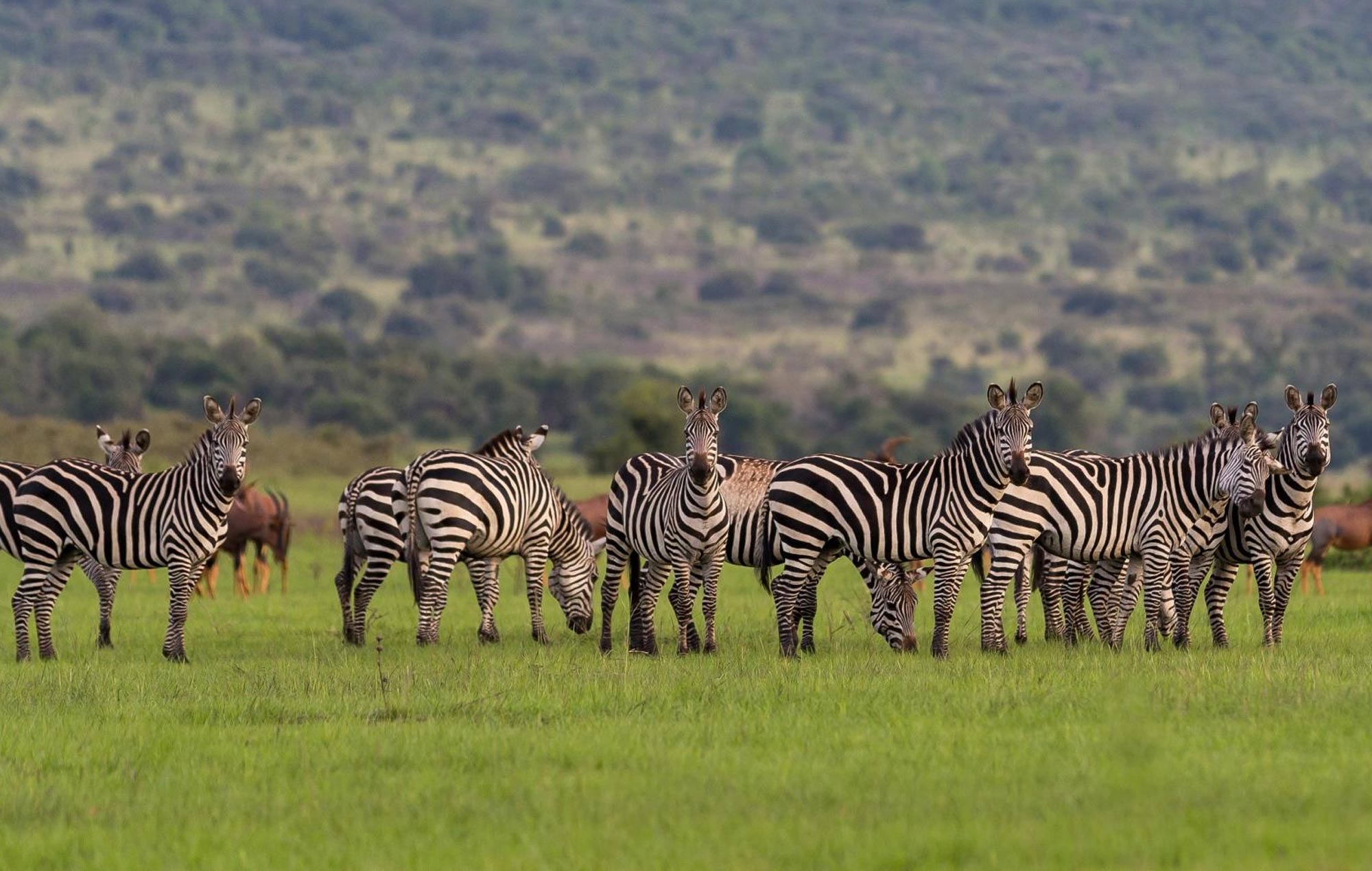
A 2-day Akagera National Park safari from Kigali offers a packed experience, typically featuring a boat cruise on Lake Ihema and game drives to spot the Big Five (lions, rhinos, elephants, leopards, buffalo). Ideal itineraries combine afternoon water-based activities with morning savanna game drives, maximizing wildlife viewing in a short time.
2-days-rwanda-safari-in-akagera-national-park-to-see-all-big-fives
2 Days Classic Southern Boat Cruise & Northern Game
This 2 Days Classic Southern Boat Cruise & Northern Game Drive offers a condensed yet exhilarating safari experience in Rwanda’s Akagera National Park. Known for its stunning transformation into a "Big Five" destination, Akagera provides a unique blend of savannah, mountains, and wetlands. This journey is perfectly tailored for travelers with limited time who still wish to witness the park’s diverse ecosystems and majestic wildlife. Your adventure begins with a scenic drive from Kigali, leading you into the heart of Central Africa's largest protected wetland. Throughout this 2 Days Classic Southern Boat Cruise & Northern Game Drive, you will explore the park’s distinct sectors, from the watery havens of the south to the sprawling plains of the north. With expert guides and comfortable accommodations, this safari ensures you encounter everything from massive hippos to elusive predators. Prepare for an unforgettable escape where the beauty of the Rwandan landscape meets the raw power of the African wild.
Day 1: Transfer to Akagera and Lake Ihema Boat Cruise
Your adventure begins with an early morning departure from Kigali, heading east toward the border with Tanzania. The three-hour drive showcases Rwanda’s famous rolling hills before arriving at the gates of Akagera National Park. After checking into a lodge in the southern sector, you will head to the shores of Lake Ihema for a mid-afternoon boat cruise. This is a highlight of the 2 Days Classic Southern Boat Cruise & Northern Game Drive, offering a front-row seat to one of Africa’s densest populations of hippos and enormous Nile crocodiles. As you glide along the water, look out for African fish eagles and the rare shoebill stork among the papyrus reeds. The tranquil atmosphere of the lake, combined with the sight of elephants frequently coming to the water's edge to drink, provides a perfect introduction to the park's biodiversity before a relaxing evening at your lodge.
Day 2: Northern Game Drive and Return to Kigali
The second day is dedicated to a sunrise game drive, focusing on the park’s northern plains. This area is characterized by open savannah, making it the best place to spot "Big Five" residents like lions, leopards, and the recently reintroduced black and white rhinos. As you traverse the park from south to north, you will also encounter large herds of buffalo, zebra, Masai giraffes, and various antelope species like the impala and topi. This transit drive is strategically designed to maximize your wildlife sightings before you exit through the northern gate. The landscape here is vastly different from the south, offering panoramic views that stretch for miles. After a picnic lunch surrounded by the wilderness, you will begin the journey back to Kigali, arriving in the late evening with incredible memories and photos from your short but intensive Rwandan safari.
2 Days Intensive Big Five Search (Full-Day Drive)
This 2 Days Intensive Big Five Search (Full-Day Drive) is the ultimate itinerary for dedicated wildlife enthusiasts who want to maximize their chances of seeing Rwanda's most iconic animals. Akagera National Park has reclaimed its status as a Big Five destination, and this fast-paced safari is designed to cover the vast territory required to track lions, leopards, rhinos, elephants, and buffalo. Starting with a pre-dawn departure from Kigali, you will be among the first to enter the park, ensuring you utilize every hour of daylight. This 2 Days Intensive Big Five Search (Full-Day Drive) prioritizes the northern plains, where the open savannah provides the best visibility for predators and large herbivores. With a focus on tracking and expert guiding, you will traverse diverse terrains, from swampy lakeshores to high rocky ridges. It is an immersive, high-energy expedition perfect for those who want a deep dive into the wild heart of Rwanda in a short timeframe.
Day 1: Full-Day South-to-North Big Five Tracking
Your journey begins with a 5:00 AM departure from Kigali to reach the park gates by sunrise. This day is a marathon of wildlife spotting as you embark on a comprehensive south-to-north traverse. Starting in the forested south, you will search for elephants and the elusive leopard before moving into the central wetlands. A picnic lunch is enjoyed at a scenic lookout, allowing you to stay in the field where the action is. The afternoon is spent in the north, the prime territory for lions and the reintroduced black and white rhinos. Your expert guide will use tracking skills to locate pride movements across the Magashi and Mutumba hills. By the time you reach your northern lodge or campsite at dusk, you will have covered the park's entire length, significantly increasing your odds of completing the Big Five checklist in a single, thrilling day of exploration.
Day 2: Kilala Plains Exploration and Return to Kigali
The final day focuses on the Kilala Plains, an expansive savannah in the far north of the park known for its high concentration of grazers and spectacular birdlife. An early morning drive here is essential for catching predators like hyenas or lions while they are still active before the heat of the day. You will witness massive herds of buffalo, zebra, and topi, providing excellent photographic opportunities against the backdrop of the Rwanyakizinga Lake. For bird lovers, this area is a paradise, home to species like the saddle-billed stork and various raptors. After a thorough morning of game viewing, you will exit through the northern Nyungwe gate. The return trip to Kigali takes you through the beautiful highlands of northern Rwanda, offering a different perspective of the country’s landscape. You will arrive back in the city by late afternoon, concluding your intensive and rewarding wildlife search.
2 Days Sunset Boat Cruise & Night Drive Experience
This concise 2-day safari offers an immersive escape into Akagera National Park, Rwanda’s premier savannah destination. Designed for travelers with limited time, this experience prioritizes the park's most atmospheric moments: the golden sunset over the water and the mysterious activity of the African bush at night. Akagera is a remarkable success story of conservation, now home to the "Big Five" and a diverse array of birdlife. By combining a tranquil boat cruise on Lake Ihema with a thrilling nocturnal game drive, you get to witness the park’s transformation from a sun-drenched landscape to a hunter’s playground. This itinerary is perfect for those staying in Kigali who want to trade the city bustle for the calls of fish eagles and the sight of roaming lions. It balances relaxation with high-octane wildlife encounters, ensuring that every hour spent in the wild is maximized for sightings and unforgettable memories of Rwanda’s natural beauty.
Day 1: Water Safaris and Nocturnal Wonders
Upon arrival and check-in, your adventure begins on the shimmering waters of Lake Ihema. The sunset boat cruise is a sensory highlight, offering close-up views of massive hippo pods and prehistoric-looking Nile crocodiles lining the shores. Bird enthusiasts will be thrilled by sightings of African fish eagles and kingfishers against a flaming orange sky. As darkness falls, the atmosphere shifts for a two-hour night game drive. Using powerful spotlights, your guide will help you scan the thickets for reflective eyes. This is the prime time to spot elusive predators like leopards and lions as they begin their nightly patrols. You may also encounter nocturnal specialists rarely seen by day, such as spotted hyenas, graceful genets, wide-eyed bushbabies, and nightjars. The silence of the savannah, broken only by the sounds of the wild, makes this an electrifying introduction to the park's hidden ecosystem.
Day 2: Sunrise Sightings and Scenic Return
The second day starts at the crack of dawn, the most critical time for wildlife activity. As the first light touches the plains, you will set out on a morning game drive to catch predators before they retreat from their nightly hunts into the shade. The cool morning air is perfect for spotting grazing herds of zebra, impala, and the majestic eland. Keep a sharp eye out for elephants moving toward water sources and giraffes browsing among the acacia trees. This drive offers the best lighting for photography and a final chance to tick off any of the "Big Five" you might have missed. After a rewarding morning in the bush, you will enjoy a final park breakfast before beginning the scenic journey back to Kigali. The drive provides one last look at Rwanda's rolling landscapes, concluding a whirlwind safari that captures the very essence of Akagera’s wild spirit.
2 Days Luxury Fly-In/Drive-In Experience (Magashi Camp)
This itinerary focuses on the exclusive northern sector of Akagera National Park in Rwanda, where Magashi Camp is situated. This area is private and offers a much higher degree of solitude than the southern gates.
Akagera’s Luxury Escape: The Magashi Experience
Day 1: The Journey to the Wild North
The experience begins with a transition from the clean, rolling hills of Kigali to the sprawling savannahs of eastern Rwanda. While a drive takes roughly 3 to 4 hours, a luxury fly-in via helicopter offers a 30-minute aerial view of the park's complex lake system. Upon arrival at the northern gate, the landscape shifts dramatically into the Mutumba Hills. Magashi Camp is tucked away on the shores of Lake Rwanyakazinga, an area famous for its high concentration of leopards and the "Magashi" lion pride.
After a gourmet lunch overlooking the water, the afternoon is dedicated to a guided walking safari. Unlike a traditional game drive, walking allows you to engage your senses. Your guide will track the "micro-world" of Akagera—identifying medicinal plants, the complex architecture of termite mounds, and the vibrant birdlife, such as the African Fish Eagle. The day concludes with a sundowner boat cruise, where you can watch hippos and crocodiles against a backdrop of a sinking orange sun, before returning to the camp’s campfire for an evening of storytelling.
Day 2: The Biodiversity of the Kilala Plains
Day two focuses on the Kilala Plains, an expansive open savanna in the north that acts as a magnet for the park's plains game. Because this area is restricted mainly to Magashi guests, the morning game drive feels like a private expedition. You are likely to encounter large herds of buffalo, zebra, Masai giraffes, and topis. This is also the best place in Rwanda to spot the elusive sitatunga antelope or a cheetah on the hunt.
The safari concludes with a luxurious picnic lunch set up under a shaded acacia tree in the heart of the plains, allowing you to dine while watching elephants move across the horizon. This short but intense immersion provides a sophisticated blend of high-end hospitality and raw wilderness, offering a glimpse of an Akagera that many visitors never get to see
2 Days Akagera Wildlife + Kigali City ComboDay
This 2-Day Akagera Wildlife and Kigali City Combo is the perfect solution for travelers who want to experience the best of Rwanda’s natural beauty and its moving history in a compact timeframe. This 2-day itinerary bridges two worlds: the wild, sprawling savannahs of Akagera National Park and the clean, vibrant pulse of Kigali. Akagera is a remarkable conservation success story, now home to the "Big Five"—lions, rhinos, elephants, leopards, and buffaloes—alongside the shimmering waters of Lake Ihema.
After an immersive wildlife experience, the journey shifts back to the heart of the "Land of a Thousand Hills." In Kigali, you will witness the city’s incredible transformation and pay tribute to its past at the Kigali Genocide Memorial. This trip is designed for those who appreciate efficient, high-impact travel, blending the thrill of a classic African safari with the cultural depth of one of the continent’s most organized and welcoming capital cities.
Day 1: Into the Wild at Akagera
Your adventure begins with a sunrise departure from Kigali, heading east toward the Tanzanian border. Upon entering Akagera National Park, the landscape opens into a stunning mix of acacia woodland and open plains. You will dive straight into an immediate game drive, searching for giraffes, zebras, and the park’s famous lions. The morning air is often crisp, perfect for spotting elephants moving toward the watering holes. After lunch, the experience shifts to the water with an afternoon boat ride on Lake Ihema. This is a highlight for birdwatchers and photographers, as you’ll drift past massive pods of hippos and enormous Nile crocodiles basking on the muddy banks. The day ends with a peaceful evening at your lodge, surrounded by the nocturnal sounds of the bush, offering a true sense of African wilderness just a few hours from the city.
Day 2: Savannah Sunrise and Kigali Culture
The second day starts with a final "golden hour" game drive as the predators are still active and the plains game begins to graze. After a hearty bush breakfast, you will depart the park and head back to the rolling hills of Kigali. The afternoon is dedicated to a comprehensive city tour. The most significant stop is the Kigali Genocide Memorial, a deeply moving site that provides essential context to Rwanda’s history and its inspiring journey toward reconciliation. Afterward, you will explore the city’s modern side, perhaps visiting the vibrant Kimironko Market for local crafts or stopping at a hillside café for world-class Rwandan coffee. This transition from the raw, ancient rhythms of the savannah to the sophisticated, hopeful energy of the capital provides a complete and soulful picture of modern Rwanda before your tour concludes
This 2-Day Akagera Wildlife and Kigali City Combo is the perfect solution for travelers who want to experience the best of Rwanda’s natural beauty and its moving history in a compact timeframe. This 2-day itinerary bridges two worlds: the wild, sprawling savannahs of Akagera National Park and the clean, vibrant pulse of Kigali. Akagera is a remarkable conservation success story, now home to the "Big Five"—lions, rhinos, elephants, leopards, and buffaloes—alongside the shimmering waters of Lake Ihema.
After an immersive wildlife experience, the journey shifts back to the heart of the "Land of a Thousand Hills." In Kigali, you will witness the city’s incredible transformation and pay tribute to its past at the Kigali Genocide Memorial. This trip is designed for those who appreciate efficient, high-impact travel, blending the thrill of a classic African safari with the cultural depth of one of the continent’s most organized and welcoming capital cities.
Day 1: Into the Wild at Akagera
Your adventure begins with a sunrise departure from Kigali, heading east toward the Tanzanian border. Upon entering Akagera National Park, the landscape opens into a stunning mix of acacia woodland and open plains. You will dive straight into an immediate game drive, searching for giraffes, zebras, and the park’s famous lions. The morning air is often crisp, perfect for spotting elephants moving toward the watering holes. After lunch, the experience shifts to the water with an afternoon boat ride on Lake Ihema. This is a highlight for birdwatchers and photographers, as you’ll drift past massive pods of hippos and enormous Nile crocodiles basking on the muddy banks. The day ends with a peaceful evening at your lodge, surrounded by the nocturnal sounds of the bush, offering a true sense of African wilderness just a few hours from the city.
Day 2: Savannah Sunrise and Kigali Culture
The second day starts with a final "golden hour" game drive as the predators are still active and the plains game begins to graze. After a hearty bush breakfast, you will depart the park and head back to the rolling hills of Kigali. The afternoon is dedicated to a comprehensive city tour. The most significant stop is the Kigali Genocide Memorial, a deeply moving site that provides essential context to Rwanda’s history and its inspiring journey toward reconciliation. Afterward, you will explore the city’s modern side, perhaps visiting the vibrant Kimironko Market for local crafts or stopping at a hillside café for world-class Rwandan coffee. This transition from the raw, ancient rhythms of the savannah to the sophisticated, hopeful energy of the capital provides a complete and soulful picture of modern Rwanda before your tour concludes
1. What is the best time for a 2-day Akagera safari?
The timing of your safari can significantly impact your wildlife sightings and overall comfort. Generally, the dry seasons—from June to September and December to February—are considered the optimal times to visit Akagera National Park. During these months, the vegetation thins out, and the tall grasses that often hide smaller predators recede, making it much easier to spot animals from a distance. More importantly, as smaller water holes within the park dry up, wildlife is forced to congregate around the permanent water sources, particularly the string of lakes along the park’s eastern boundary, such as Lake Ihema and Lake Shakani. This creates natural "hubs" where you can see diverse species—from elephants to buffaloes—interacting in high concentrations.
Conversely, the wet seasons (March to May and October to November) turn the park into a lush, emerald-green paradise. This "green season" is spectacular for photography, as the air is clear of dust and the scenery is vibrant. It is also the best time for birdwatching, as migratory birds arrive in the wetlands. However, the rains can make some of the park's dirt tracks slippery and challenging to navigate, even with a 4x4. Animals also tend to disperse throughout the park because water is available everywhere, which can make tracking them more time-consuming.
If you only have two days, the dry season maximizes your chances of seeing the most wildlife in a short window. The temperatures are also more moderate during the day, though early morning game drives can be quite chilly. Regardless of when you visit, the park’s unique mix of savannah, swamp, and montane ecosystems ensures that there is always something fascinating to see, but the dry months offer that classic "Big Game" experience that most safari-goers seek.
2. How far is Akagera from Kigali?
One of the greatest advantages of Akagera National Park is its accessibility. Located in the eastern part of Rwanda along the border with Tanzania, the park is approximately 110 kilometers from the capital city, Kigali. The drive typically takes between 2.5 to 3 hours, depending on traffic leaving the city and the condition of the roads. The journey itself is quite scenic, taking you through Rwanda’s famous "land of a thousand hills." As you leave the urban bustle of Kigali, the landscape shifts into rural agricultural zones with terraced hillsides, eventually flattening out as you descend toward the lower-lying plains of the east.
The road from Kigali to the town of Kayonza is paved and in excellent condition. From Kayonza, you turn off toward the park’s southern gate (the entry gate). The final stretch involves some unpaved sections, but it is generally manageable. Most travelers opt to leave Kigali early in the morning—around 5:00 AM or 6:00 AM—to reach the park in time for a mid-morning game drive or a boat cruise on Lake Ihema.
It is important to note that Akagera operates a one-way traffic system for entry and exit to maximize park efficiency and security. Most visitors enter through the South Gate in the Kayonza district and exit through the North Gate in the Nyagatare district. The North Gate is strictly for exiting (unless you are staying at specific northern lodges), so your return journey to Kigali from the North Gate can take slightly longer—about 4 to 5 hours—as you traverse the park from south to north during your game drive before heading back to the capital.
3. What are the main wildlife highlights?
Akagera National Park is a remarkable conservation success story. After losing much of its wildlife during the 1990s, the park has been restored through a partnership between the Rwanda Development Board and African Parks. Today, it is Rwanda’s only savannah park and the only place in the country where you can see the traditional "Big Five." The wildlife highlights are incredibly diverse, ranging from massive land mammals to unique aquatic species and over 480 bird species.
The "Big Five"—lion, leopard, elephant, buffalo, and rhino—are the primary draw. The reintroduction of lions in 2015 and black rhinos in 2017 (followed by white rhinos later) has made Akagera a complete safari destination. Beyond the Big Five, the park is famous for its large herds of plains game. You will frequently encounter Maasai giraffes, which were introduced from Kenya in the 1980s and have since flourished. Zebras, impalas, Topis, and the world’s largest antelope, the Eland, are common sights on the open savannahs of the north.
The aquatic wildlife is equally impressive. Due to the park’s extensive system of lakes and papyrus swamps, it is one of the best places in East Africa to see large pods of hippos and enormous Nile crocodiles basking on the banks. The park is also home to the elusive Sitatunga antelope, which lives in the swamps, and the rare Shoebill stork, a bucket-list item for birders. Whether you are watching a pride of lions on a kill in the Kilala Plains or observing a herd of elephants bathing in Lake Ihema, the sheer variety of life in Akagera makes every game drive an adventure.
4. Is a boat cruise included?
Most 2-day safari itineraries to Akagera National Park include a boat cruise on Lake Ihema, which is the largest lake in the park and the second largest in Rwanda. While "inclusion" depends on your specific tour operator's package, it is considered a quintessential part of the Akagera experience and is rarely skipped. The boat trips usually run at scheduled times: four times during the day (morning and afternoon) and a "sunset" trip which is particularly popular for its stunning views.
The boat cruise offers a completely different perspective of the park compared to a traditional game drive. As you drift along the forested shores of Lake Ihema, you are guaranteed to see dozens of hippos huffing and splashing in the water. The lake is also home to some of the largest crocodiles in Africa. For bird enthusiasts, the boat trip is a highlight; you can see African Fish Eagles perched in the trees, Malachite Kingfishers darting over the water, and colonies of cormorants, egrets, and herons nesting on the small islands within the lake.
The cruise typically lasts about one hour. It is a relaxing break from the dusty roads and offers a chance to get relatively close to the wildlife in a safe, motorized vessel. If your itinerary allows, the sunset cruise is highly recommended. Watching the sun dip below the rolling hills of the park while the sky turns shades of orange and purple, accompanied by the sounds of hippos and water birds, is one of the most peaceful and memorable moments you can have on a Rwandan safari.
5. Can I see the Big Five in 2 days?
Seeing the "Big Five" (lion, leopard, elephant, buffalo, and rhino) in just two days is the ultimate goal for many travelers, but it requires a combination of good timing, a skilled guide, and a bit of luck. In Akagera, seeing four of the five is quite common. Buffaloes and elephants are numerous and relatively easy to spot, especially around the lakes and in the woodland areas. Since their reintroduction, the lion population has grown and become more stable, and they are frequently seen in the northern plains where prey is abundant.
The two most difficult members of the Big Five to spot are the leopard and the rhino. Leopards are notoriously elusive and nocturnal; they spend much of the day camouflaged in thick thickets or up in trees. Your best chance of seeing a leopard is during an early morning game drive or a night game drive. Rhinos, particularly the black rhinos, tend to stay in the more rugged, thicketed areas of the south, making them much harder to find than the white rhinos, which prefer more open areas.
With only two days, your chances are maximized by doing a "south-to-north" traverse. This involves entering at the south gate on Day 1, exploring the lake areas, and then spending Day 2 driving through the Mutumba Hills toward the northern Kilala Plains, where the concentration of animals is highest. While it is rare to tick off all five in 48 hours, Akagera’s manageable size means you see a lot of wildlife in a short time. Even if you miss one, the sight of giraffes, zebras, and hippos usually more than makes up for it.
6. What is a night game drive?
A night game drive is one of the most exciting activities offered in Akagera National Park and provides a glimpse into a world that is completely hidden during the day. Most night drives begin just after sunset, around 5:30 PM or 6:00 PM, and last for about two to three hours. These drives are conducted in open-roofed safari vehicles equipped with powerful spotlights, operated by trained park rangers or guides who know exactly where to look for the glint of eyes in the dark.
The primary goal of a night drive is to spot nocturnal predators. This is your best opportunity to see leopards on the hunt, as well as spotted hyenas, which are much more active after dark. You may also encounter smaller, rarely-seen carnivores like serval cats, civets, and genets. Beyond the predators, the night drive reveals a host of "night shift" animals, such as bushbabies (whose screams can be heard in the trees), nightjars, and owls. Even common animals like buffaloes and zebras look different under the spotlight, and their behavior changes as they huddle together for protection against night-time threats.
Night drives are only permitted when accompanied by an official park guide and are typically arranged through the park reception or your lodge. Because the temperature drops significantly once the sun goes down, it is essential to bring a warm jacket or a blanket. The experience of being in the African bush at night—listening to the symphony of insects and frogs, feeling the cool air, and searching for the predators of the dark—adds a thrilling layer of mystery to your 2-day safari.
7. What type of accommodation is available?
Akagera National Park offers a range of accommodation options to suit different budgets and preferences, divided mainly into luxury, mid-range, and budget categories. For those seeking a high-end, immersive experience, Ruzizi Tented Lodge is the premier choice. Located on the shores of Lake Ihema, this eco-lodge features luxury tents linked by boardwalks. It is intimate, hidden in the trees, and offers a "glamping" experience where you can hear hippos grunting right outside your tent at night. Another luxury option is Magashi Camp in the far north, which offers an exclusive, high-end experience in the most wildlife-rich area of the park.
For mid-range travelers, Akagera Game Lodge is the most established option. Situated on a hill near the southern gate, it offers traditional hotel-style rooms, a swimming pool, and spectacular views over Lake Ihema. It is a great choice for families or those who prefer the amenities of a larger lodge. Recently, newer mid-range camps and lodges have begun to spring up just outside the park gates, providing more variety for those who want comfort without the luxury price tag.
Budget travelers and adventure seekers can take advantage of the park’s camping sites. There are three main campsites: Shakani (by the lake), Muyumbu (on a ridge with great views), and Mihindi. These sites offer basic facilities like pit latrines and firewood, but you must bring your own camping gear, food, and water. Camping in Akagera is a raw and exciting experience, allowing you to sit by a campfire under the stars in the heart of the wilderness. No matter where you stay, booking in advance is essential, especially during the dry season.
8. Is a 4x4 vehicle necessary?
While the main road from Kigali to the park gate is smooth tarmac, once you enter Akagera National Park, the terrain changes significantly. The park's internal roads are primarily dirt, gravel, and clay tracks. For this reason, a 4x4 safari vehicle is not just recommended—it is essentially a necessity for a successful and safe safari. A vehicle with high clearance and four-wheel drive capability is required to navigate the uneven terrain, steep hills, and occasionally muddy patches found throughout the park.
During the dry season, the roads can be very dusty and "corrugated" (bumpy), which can be hard on a standard sedan. During the rainy season, the clay-heavy soils of the park can become incredibly slick and boggy, making it easy for a two-wheel-drive vehicle to get stuck. Furthermore, many of the best wildlife viewing spots are off the main tracks on smaller "loops" that require the power and traction of a 4x4. A 4x4 also typically offers a pop-up roof or large windows, which are vital for getting an unobstructed view of the animals and taking clear photographs.
Most tourists hire a 4x4 safari vehicle along with a professional driver-guide from a tour operator in Kigali. This is often the best way to travel, as these vehicles are specifically designed for the bush and the drivers are skilled at navigating the park's more challenging sections. If you are doing a self-drive, ensure your 4x4 is in good mechanical condition and that you have a spare tire and a jack, as the rugged tracks can be tough on equipment.
9. What should I pack?
Packing correctly for a 2-day Akagera safari is about being prepared for both the tropical sun and the cool African mornings. Clothing should be lightweight, breathable, and in neutral "safari colors" like khaki, tan, or olive green. Avoid bright colors, which can distract the animals, and try to avoid dark blue or black, as these colors tend to attract Tsetse flies. Long-sleeved shirts and trousers are a good idea for the evenings to protect against mosquito bites.
Even though it’s the tropics, early morning and late evening game drives can be surprisingly cold due to the open-sided vehicles and the wind. A warm fleece, a windbreaker, or a light jacket is essential. For footwear, comfortable closed-toe shoes or light hiking boots are best; you won't be doing heavy trekking, but you will want sturdy shoes for walking around the campsites or lodge grounds. Don’t forget a wide-brimmed hat, high-SPF sunscreen, and good quality sunglasses to protect yourself from the intense equatorial sun.
Essential gear includes a high-quality camera with a zoom lens (at least 200mm to 300mm) for wildlife shots and a pair of binoculars—often the most underrated tool on a safari for spotting birds or predators hiding in the distance. An insect repellent containing DEET is vital, especially for the evenings. Finally, bring a reusable water bottle to stay hydrated and a small power bank to keep your phone or camera charged, as power can sometimes be limited if you are camping or staying in eco-lodges.
10. Are there Malaria risks?
Yes, Akagera National Park is located in a low-lying, relatively warm region compared to the high-altitude areas of Volcanoes National Park or Nyungwe Forest. Because of its lakes and wetlands, it is a habitat for mosquitoes, and therefore, there is a risk of Malaria. It is highly recommended that all visitors consult with a travel clinic or doctor well before their trip to obtain the appropriate antimalarial medication (such as Malarone, Doxycycline, or Lariam).
In addition to medication, "physical" prevention is the most effective way to avoid bites. Mosquitoes are most active at dusk and dawn. During these times, you should wear long-sleeved shirts, long trousers, and socks to minimize exposed skin. Applying an insect repellent with at least 30% DEET to any remaining exposed skin is essential. Most lodges and permanent tented camps provide mosquito nets over the beds, and it is important to ensure these are tucked in properly before you go to sleep.
While the risk is present, it should not deter you from visiting. Thousands of tourists visit Akagera every year without incident by taking these standard precautions. If you develop a fever, chills, or flu-like symptoms during or after your trip, even if you took prophylactics, you should seek medical attention immediately and mention your travel to a malaria-endemic area. Being proactive about prevention allows you to focus on the beauty of the park rather than worrying about the insects.
11. Do I need a guide?
While Akagera National Park allows for self-drive safaris, hiring a professional guide is strongly recommended, especially for a short 2-day trip. The park is vast—covering 1,122 square kilometers—and the wildlife is not always easy to find. A professional park guide or a driver-guide from a tour company possesses an intimate knowledge of the animals' movements, their favorite hiding spots, and the different ecosystems within the park. They are also in constant radio or phone contact with other guides and rangers, sharing real-time information about sightings like a lion pride or a rare rhino.
A guide does more than just find animals; they provide invaluable context that enriches the experience. They can identify the hundreds of bird species, explain the complex social structures of a baboon troop, or tell the story of the park’s restoration and conservation challenges. They are also experts at reading animal behavior, ensuring that you get a good view while maintaining a safe and respectful distance—especially important when encountering large bulls like elephants or buffaloes.
If you are on a self-drive, you can pick up an official UWA (Uganda) or RDB (Rwanda) park guide at the reception gate for a daily fee. This is a great way to support the local economy while ensuring you don't spend your limited time driving past a leopard hidden in a tree just meters from the road. Having a guide "spot" for you allows the driver to focus on the road and everyone else to focus on the wildlife, making the 2-day experience much more productive and educational.
12. What is the best way to get to the park?
The most common and convenient way to get to Akagera National Park is by hiring a private 4x4 safari vehicle with a professional driver-guide from a reputable tour operator in Kigali. This "all-in-one" solution covers your transportation, navigation, and wildlife spotting. It takes the stress out of driving on unfamiliar dirt roads and allows you to enjoy the scenery. Most tour companies offer 2-day packages that include pickup from your hotel or the airport, park fees, accommodation, and all game drives.
For those on a budget or looking for more independence, a self-drive is an option. Several car rental agencies in Kigali offer 4x4 vehicles (like Toyota RAV4s or Land Cruisers) for daily hire. If you choose this route, ensure you have a GPS or a reliable offline map (like Maps.me), as mobile signals can be spotty inside the park. You should also be comfortable changing a tire and driving on rough terrain. Public transport (buses or "matatus") can take you as far as the town of Kayonza or the park gate, but there is no public transport inside the park, meaning you would still need to arrange a vehicle for game drives.
For luxury travelers, helicopter transfers are available through Akagera Aviation. This offers a breathtaking aerial view of the park and the "thousand hills" of Rwanda, reducing the travel time from Kigali to just 20-30 minutes. Regardless of how you get there, entering through the southern gate is the standard procedure for those coming from Kigali, as it is the closest entry point and where the main park headquarters and reception are located.
13. Are children allowed?
Yes, children of all ages are allowed in Akagera National Park, and a safari can be a life-changing educational experience for young travelers. However, a 2-day safari involves a significant amount of time spent sitting in a vehicle. The drive from Kigali is 3 hours, and a full game drive can last 6 to 8 hours. For this reason, many experts suggest that the experience is best suited for children aged 6 and older, who have the patience for long drives and the ability to stay quiet when approaching wildlife.
Most lodges, such as Akagera Game Lodge, are family-friendly and offer swimming pools and fenced-in grounds where children can play safely. However, at more "wild" locations like Ruzizi Tented Lodge or the campsites, parents must be extremely vigilant. These areas are not fenced, and while predators rarely enter the immediate lodge areas during the day, hippos and monkeys are frequent visitors. Many luxury lodges like Magashi have a minimum age requirement (often 6 or 12 years), so it is important to check with your accommodation beforehand.
To make the trip enjoyable for children, consider bringing wildlife guidebooks so they can "check off" the animals they see, or provide them with their own pair of binoculars and a camera. It’s also wise to pack plenty of snacks and drinks, as food stops inside the park are limited. A 2-day safari is a manageable length for most children, providing enough excitement without the exhaustion of a longer expedition, and it offers a wonderful opportunity for them to learn about conservation and African wildlife first-hand.
14. Is food provided?
The availability of food depends entirely on the type of accommodation and tour package you choose. If you are staying at established lodges like Akagera Game Lodge, Ruzizi Tented Lodge, or Magashi, your stay is typically on a "full-board" basis. This means that breakfast, lunch, and dinner are included in the price. These lodges provide high-quality meals, often featuring a mix of international and Rwandan cuisine. Lunch is sometimes provided as a "packed lunch" or "picnic box" so that you can continue your game drive without having to return to the lodge in the middle of the day.
If you are on a guided tour with a safari company, they usually handle all the logistics. They will coordinate with the lodge for your meals or arrange for a picnic at one of the designated spots within the park (like the Mihindi picnic site). These picnic areas are beautiful spots where you can stretch your legs and eat while overlooking the water, though you must always be mindful of monkeys who are keen to steal food.
For budget travelers who are camping, you are responsible for providing your own food and water. There are no grocery stores inside the park, so you must stock up in Kigali or Kayonza before you arrive. You will need to bring a camping stove or use the provided firewood to cook. It is also vital to bring plenty of bottled drinking water, as the water in the park is not treated for drinking. Even for those staying in lodges, it is always a good idea to carry some "emergency" snacks like nuts, fruit, or energy bars for the long drives between meals.
15. Can I visit another park after?
One of the best things about Rwanda’s geography is that you can traverse the entire country in a few days. After completing your 2-day Akagera safari, many travelers head west to combine their savannah experience with a primate adventure. The most popular follow-up is a 3-day Gorilla Safari in Volcanoes National Park. The drive from Akagera to Volcanoes takes about 5 to 6 hours, passing back through Kigali. This allows you to go from seeing lions and elephants in the morning to trekking with mountain gorillas in the misty bamboo forests the next day.
Alternatively, you could head southwest to Nyungwe Forest National Park, which is about a 6-7 hour drive from Akagera. Nyungwe is one of the oldest rainforests in Africa and is the best place in Rwanda for chimpanzee trekking and the famous Canopy Walkway. Combining Akagera with Nyungwe gives you a complete "savannah-to-rainforest" experience, showcasing the incredible biodiversity of the region.
If you have more time, you can also include a stop at Lake Kivu in the town of Kibuye or Gisenyi. This is the perfect place to relax after the bumpy roads of Akagera and the strenuous trekking of the mountain parks. You can enjoy boat rides, kayaking, or simply enjoy the view of the lake's islands and the volcanoes in the distance. Rwanda’s "Tourism Circuit" is well-connected, and a 7 to 10-day trip can easily encompass Akagera, Volcanoes, and Nyungwe, providing a truly comprehensive African safari.
Booking 2 Days Akagera with us Roads of Adventure safaris
Booking a 2-day safari at Akagera National Park with Roads of Adventure Safaris offers an immersive experience featuring the "Big Five" and Lake Ihema
