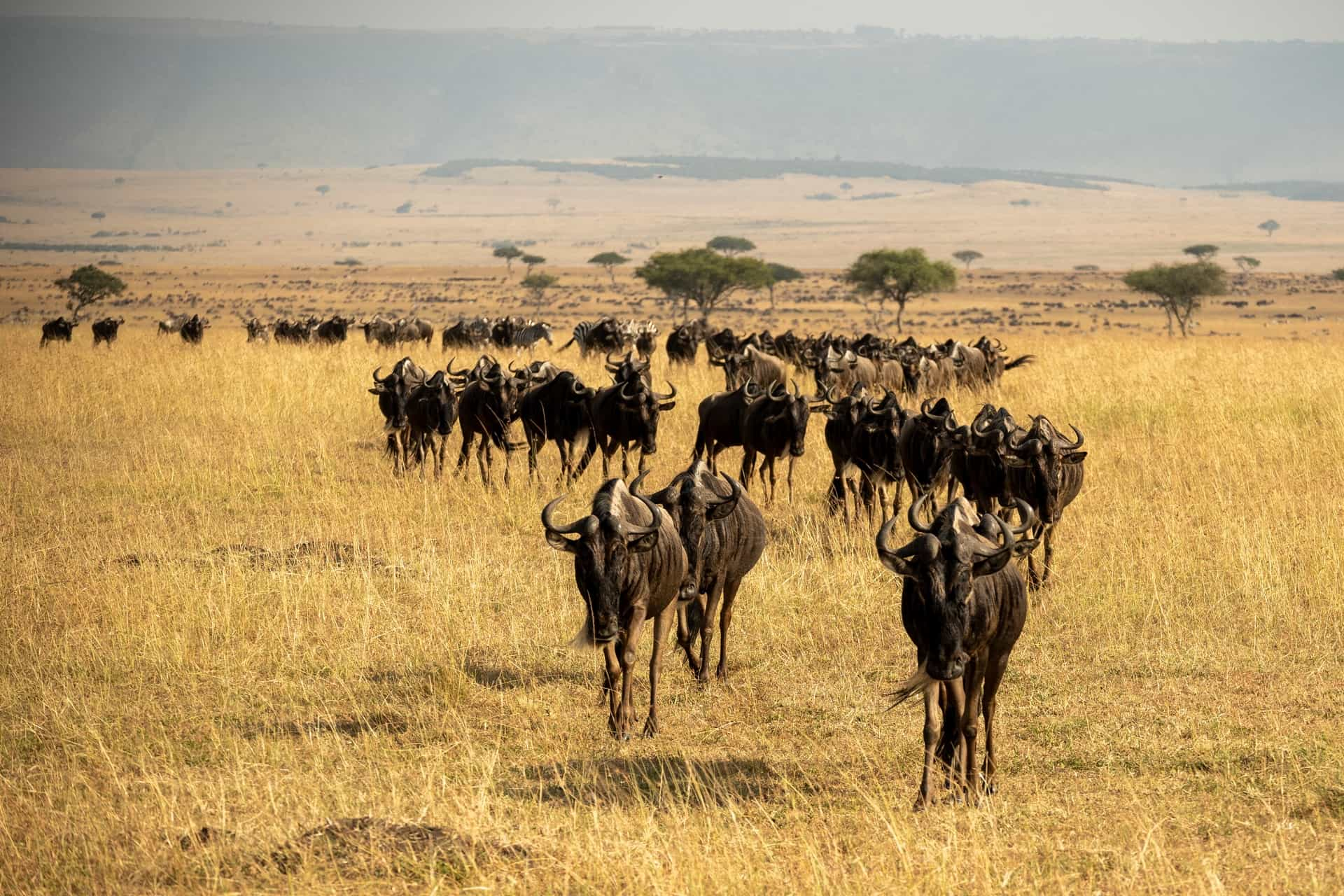
A 9-day safari in Tanzania gives you the perfect window to explore the country's world-renowned landscapes without feeling rushed. Whether you want to witness the Great Migration, focus on predator sightings, combine wildlife with a beach getaway, or get off the beaten path, there is an ideal route for you.
9-day-tanzania-safari-parks-in-northern-circuit-and-serval-wildlife
9-days-perfect-tanzania-wildlife-safari-and-kilimanjaro-climb-combo
9-days-8-nights-midrange-safari-in-tanzania-east-africa-safari
9-days-budget-tanzania-safari-vacation-holiday
9-days-luxury-family-tanzania-safari-in-africa-holiday-vacation
9-Day Classic Northern Circuit is the definitive Tanzanian
The 9-Day Classic Northern Circuit is the definitive Tanzanian odyssey, meticulously crafted for those who refuse to compromise on their first African safari. This journey traverses a diverse gallery of ecosystems, from the prehistoric, baobab-studded corridors of Tarangire to the lush, groundwater forests of Lake Manyara. You will then venture into the soul of the continent: the Serengeti, where the horizon never ends and the "Big Five" roam in unrivaled numbers. The expedition reaches its breathtaking climax at the Ngorongoro Crater, a vibrant "Garden of Eden" contained within the walls of a massive collapsed volcano. This circuit doesn't just offer wildlife sightings; it provides a profound immersion into the rhythm of the natural world. With expert guiding and a pace that allows for deep exploration, you will witness the raw drama of predator-prey interactions and the quiet majesty of ancient landscapes, ensuring your bucket-list expectations are not just met, but exceeded.
Day 1: Arrival in Arusha
Your Tanzanian adventure begins in Arusha, the bustling "Safari Capital" nestled at the foot of Mount Meru. Upon arrival at Kilimanjaro International Airport, you will be greeted by the warm tropical air and transferred to your lodge. This day is designed for decompression and preparation. Arusha serves as a vital transition point, where the urban hum of Tanzania meets the gateway to the wild.
Depending on your arrival time, you can relax by the pool, explore the local coffee plantations, or visit the vibrant Maasai markets to catch a glimpse of local craftsmanship. In the evening, you’ll meet your safari guide for a comprehensive briefing. Over a welcome dinner, you’ll discuss the route and the wildlife you hope to encounter. The anticipation builds as the sun sets over the mountain, marking the final night of "civilization" before you head into the Great Rift Valley at dawn.
Day 2: Transfer to Tarangire
After breakfast, you head southwest to Tarangire National Park, a hidden gem often overshadowed by its neighbors but beloved by safari purists. The drive takes you through scenic Maasai Steppe, arriving in time for an afternoon game drive. Tarangire is defined by its iconic giant baobab trees, some of which are over a thousand years old, creating a landscape that feels like a scene from a prehistoric era.
During the afternoon drive, you will gravitate toward the Tarangire River, the park’s lifeblood. During the drier months, this is the only permanent water source in the region, drawing thousands of animals from the surrounding parched plains. You’ll get your first taste of the park’s famous elephant density as families congregate at the riverbanks to bathe and drink. As the shadows lengthen, you'll head to your lodge, surrounded by the silhouettes of the "Trees of Life."
Day 3: Full Day in Tarangire
A full day in Tarangire allows you to venture far into the park’s southern reaches, away from the main gates. This park is home to the largest concentration of elephants in East Africa, and you may see herds numbering in the hundreds. The sheer scale of these majestic creatures against the backdrop of the silver-barked baobabs provides some of the most striking photographic opportunities in Tanzania.
Beyond the elephants, Tarangire is a sanctuary for unique species like the fringe-eared oryx and the long-necked gerenuk. The swamps are a hive of activity, hosting over 550 bird species, making it a paradise for ornithologists. Keep a sharp eye on the tree limbs; Tarangire’s lions and leopards often retreat to the branches to escape the heat. By spending a full day here, you witness the slow, fascinating movements of the wild, from the midday heat stillness to the vibrant activity of the late afternoon.
Day 4: Lake Manyara National Park
Today you journey to Lake Manyara, a small but incredibly diverse park located at the base of the 600-meter-high Rift Valley escarpment. The park is famous for its tree-climbing lions, a behavioral quirk rare in other parts of Africa. As you enter, you’ll pass through a lush groundwater forest where troops of olive baboons and blue monkeys play in the canopy, and ancient mahogany trees provide shade for forest elephants.
The landscape then opens up into the soda lake’s floodplains, which are often shimmering with a pink carpet of flamingos. You’ll explore the Hippo Pool, where massive pods of hippopotamuses lounge in the mud. Manyara offers a "vertical" safari experience; the proximity of the forest, the plains, and the lake means you see a high variety of wildlife in a very short time. It is a stunning contrast to the dry plains of Tarangire, offering a cooling, green interlude.
Day 5: Enter the Serengeti
The journey now takes you through the Ngorongoro Highlands and down onto the endless plains of the Serengeti. The name comes from the Maasai word Siringet, meaning "the place where the land moves on forever." As you pass through the Naabi Hill Gate, the vistas open up into a sea of grass that seems to touch the sky. This is the Africa of documentaries and dreams.
Your afternoon is spent on a game drive toward the Seronera Valley. This central region is the heart of the park, characterized by winding rivers and "kopjes"—granite outcrops that act as islands of life in the grass. These rocks are the preferred lounging spots for lions and leopards. As you head to your camp, you are likely to encounter vast herds of gazelles and buffalo. The sheer scale of the landscape is humbling, reminding you that you are now in the world’s most famous wildlife sanctuary.
Day 6: Serengeti Savannah Exploration
With a full day to explore the Serengeti, you can follow the rhythm of the wild. If the Great Migration is in the area, your guide will track the thunderous herds of wildebeests and zebras as they graze across the plains. Even outside of migration season, the Serengeti’s "resident" wildlife is spectacular. This is the best place in the world to see large cat populations; prides of lions often number twenty or more, and cheetahs take advantage of the flat terrain for high-speed hunts.
You might opt for a "picnic in the bush," allowing you to stay out all day and reach the more secluded corners of the reserve. You’ll learn about the complex ecosystem, from the dung beetles that clean the plains to the vultures that circle above. Every turn of the trail brings a new encounter, whether it's a leopard draped over a branch or a newborn giraffe taking its first wobbly steps.
Day 7: Serengeti to Ngorongoro Rim
Your final morning in the Serengeti is a chance to catch the "Golden Hour." Predators are most active at dawn, and you may witness a lioness on the hunt or a leopard moving its kill to safety. After a morning of tracking, you begin the scenic drive toward the Ngorongoro Conservation Area. The transition is dramatic as you leave the flat savannah and climb the steep, winding roads of the crater’s outer slopes.
The air turns crisp and cool as you reach the crater rim, which sits at an elevation of about 2,200 meters. You will stop at the main viewpoint to look down into the 600-meter-deep caldera—a sight that truly defies description. Your lodge for the night is perched on the edge of this prehistoric amphitheater. As night falls, the temperature drops, and you’ll fall asleep knowing that the "Eighth Wonder of the World" waits just below your balcony.
Day 8: Ngorongoro Crater Floor
Today you descend the steep walls into the Ngorongoro Crater, a 260-square-kilometer natural zoo. Because of its enclosed nature, the animals here have little reason to leave, resulting in a high density of wildlife. This is your best opportunity to spot the rare black rhino, as they are highly protected within the crater's walls. The floor is home to approximately 25,000 large mammals, including some of the largest "tusker" elephants left in Africa.
You will spend 5 to 6 hours traversing the different habitats: the Lerai Forest, the soda lake (Lake Magadi), and the open grasslands. The lions here are remarkably unfazed by vehicles, often walking right alongside your 4x4. The interaction between species in such a confined space is intense and constant. After a memorable lunch by the hippo pool, you will ascend the crater walls once more, heading to a nearby lodge for your final night in the highlands.
Day 9: Culture and Departure
On your final morning, you have the option for a cultural tour to a Maasai Boma. This is an opportunity to learn about the ancient traditions of the Maasai people, who have coexisted with wildlife in this region for centuries. You’ll see their traditional homes, learn about their cattle-based economy, and perhaps join in a traditional dance. Alternatively, a short game drive in the highlands can be arranged if you’re looking for one last wildlife fix.
Afterward, you begin the 3-hour drive back to Arusha. As the lush highlands give way to the urban outskirts of the city, you’ll have time to reflect on the incredible diversity of the Northern Circuit. You’ll enjoy a final lunch in Arusha before being transferred to the airport for your flight home. You leave Tanzania with a full camera, a dusty pair of boots, and a soul enriched by the timeless beauty of the African wild.
9-Day Great Migration Tracker
The 9-Day Great Migration Tracker is a specialized pilgrimage designed for those who wish to witness the greatest wildlife show on earth. Unlike standard tours, this itinerary is fluid and focused, prioritizing the movement of over 1.5 million wildebeest and zebras as they brave predators and treacherous terrain in a search for green grass. This journey takes you from the nutrient-rich volcanic soils of the southern plains to the perilous crocodile-infested waters of the northern rivers. It is an odyssey of life and death, offering photographers and nature lovers front-row seats to the rawest displays of animal behavior. By traversing the entire length of the Serengeti ecosystem, you immerse yourself in the varying landscapes of Tanzania’s crown jewel. Led by expert guides who specialize in tracking these massive herds, you won't just see the migration—you will live it. This is a deep dive into a timeless cycle that defines the very essence of wild Africa.
Day 1: Arrival in Arusha
Your journey begins in Arusha, a city framed by the towering peak of Mount Meru and the gateway to Tanzania’s northern safari circuit. Upon landing at Kilimanjaro International Airport, you will be met by a private transfer and whisked away to your lodge. This first day is essential for acclimating to the African rhythm and preparing for the intense days of tracking ahead.
The air in Arusha is fresh and filled with the scent of coffee from the surrounding plantations. You can spend the afternoon resting in lush gardens or visiting a local gallery to see Tanzanian Tingatinga art. In the evening, your lead guide will conduct a specialized briefing, checking camera gear and discussing the current location of the herds based on recent rainfall patterns. A quiet dinner under the stars provides the perfect moment to mentally prepare for the vastness of the Serengeti wilderness you are about to enter.
Day 2: Drive to the Ndutu Area
Today, you head toward the Ndutu plains, a region straddling the border between the Southern Serengeti and the Ngorongoro Conservation Area. This area is the epicenter of the migration from December to March. The drive is a spectacular transition from the highland forests of Ngorongoro into the short-grass plains. Ndutu is unique because it allows for off-road driving, a rare privilege that permits you to get incredibly close to the action.
The alkaline lakes of Ndutu attract a variety of wildlife, but the real draw is the nutrient-rich grass. As you arrive, you’ll see the horizon filled with thousands of wildebeest. The area serves as a massive nursery where calving takes place, often resulting in 8,000 births per day. This abundance of vulnerable young makes Ndutu a high-stakes arena for cheetahs and lions. You’ll spend the afternoon navigating the acacia woodland, witnessing the first chapters of the migratory cycle.
Day 3: Tracking the Southern Herds
With a full day in the southern plains, your focus is on the drama of the calving season. The sheer scale of the herds is overwhelming; the landscape is transformed into a moving sea of black and silver. You will witness the incredible "standing start" of newborn wildebeest, who can run with the herd just minutes after birth. This is a critical survival mechanism as predators are never far away.
Your guide will use their expertise to position the vehicle for the best light, capturing the interaction between mothers and calves. The open plains of Ndutu offer unobstructed views of hunts, particularly by cheetahs who prefer this flat terrain for their high-speed pursuits. You’ll enjoy a picnic lunch in the shade of a twisted acacia tree, surrounded by the constant, low-frequency "gnu" calls of the wildebeest. It is a day of intense life, death, and the remarkable resilience of nature’s most famous travelers.
Day 4: Deep Dive into Southern Serengeti
Today is another full day of tracking the southern herds as they begin to shift based on the grass height. The Serengeti’s southern region is characterized by vast, treeless vistas that make for incredible panoramic photography. You’ll explore different sectors of the southern ecosystem, following the "pioneer" zebras who eat the top of the tall grass, followed by the wildebeest who graze the shorter shoots.
This day allows you to observe the complex social structures of the migration. You’ll see how the herds use "safety in numbers" to deter predators like spotted hyenas and lions. Your guide will explain the chemistry of the soil and how the volcanic ash from the nearby highlands makes this grass so vital for the nursing mothers. As the sun sets, casting long shadows across the golden grass, you’ll realize that every mile covered by these animals is a testament to the primal urge for survival.
Day 5: Move to Central and Western Serengeti
As the plains begin to dry, the migration moves toward the Central (Seronera) and Western Corridor. Today’s drive is a transition into a different landscape of riverine forests and "kopjes"—large granite outcrops. The Seronera Valley is a year-round predator hotspot, but during May and June, it becomes a bustling highway for the northward-moving herds.
In the Western Corridor, you’ll encounter the Grumeti River. While not as famous as the Mara River, the Grumeti offers the first major obstacle for the migration. Here, the wildebeest must face the legendary giant Nile crocodiles. The afternoon game drive focuses on the "mbege" (migrating columns) as they funnel through the narrow valleys. The vegetation here is thicker, providing cover for leopards and making every turn of the road a potential surprise. You’ll arrive at your camp in time to hear the nocturnal sounds of the forest replacing the calls of the plains.
Day 6: Western Corridor Exploration
Spend the day exploring the rugged terrain of the Western Corridor. This area is characterized by heavy clay soils and dense thickets, offering a different safari experience than the open south. You will track the herds as they congregate along the banks of the Grumeti River, sensing the danger beneath the water's surface.
This region is also home to the rare Colobus monkeys and massive hippos that inhabit the river pools. Your game drive will take you along the riverbanks, where you can watch the tension build as the wildebeest gather their courage to cross. The predatory pressure here is unique; the thick bush allows lions to ambush from close range. It’s a day of high suspense and dramatic scenery, highlighted by the contrast between the silver-gray river and the deep green of the canopy. Your guide will share stories of the "resident" prides that have claimed this corridor as their own.
Day 7: Journey to Northern Serengeti
Today you travel to the far north of the Serengeti, the remote and stunning Kogatende region. This is the stage for the most iconic part of the migration: the Mara River crossings. From July to October, the herds arrive here, faced with the daunting task of crossing the river to reach the greener pastures of the Masai Mara in Kenya.
The landscape changes again, becoming more hilly and dotted with beautiful "lobo" kopjes. As you approach the river, the air becomes thick with dust and the sound of thousands of hooves. This is a long but rewarding drive, as you pass through some of the most pristine wilderness in Tanzania. Upon arrival, you’ll head straight to the riverbanks to scout the "crossing points." The tension is palpable as thousands of animals wait for a leader to take the plunge into the crocodile-infested waters. You’ll check into your northern camp, nestled among the rocks with views of the hills.
Day 8: Dramatic Mara River Crossings
This is the day many travelers dream of. You will spend the entire day at the Mara River, practicing the "art of waiting." River crossings are unpredictable; the wildebeest may stand at the water's edge for hours, only to be spooked by a bird and retreat. However, when the crossing begins, it is pure chaos—a splashing, dust-filled stampede of animals fighting the current and the crocodiles.
Your guide will use radio communications to stay informed of herd movements across different crossing points. Watching a crossing is an emotional rollercoaster, as you cheer for the animals to make it to the other side. Between crossings, the Northern Serengeti offers exceptional wildlife viewing, including the "Big Five" and large prides of lions that specialize in hunting the passing migrants. It is a day of raw, unfiltered nature that represents the peak of the Great Migration experience, leaving you with memories—and photos—that will last a lifetime.
Day 9: Fly Back to Arusha
After a final sunrise breakfast overlooking the Mara River, you will enjoy a short game drive on your way to a local Serengeti airstrip (such as Kogatende or Lamai). The flight back to Arusha is a spectacular "aerial safari," offering a bird’s-eye view of the very landscapes you have spent the last week traversing. From the air, you can see the vastness of the Serengeti and the winding rivers that dictate the lives of the animals below.
Upon landing in Arusha, you will be met for a farewell lunch at a local garden restaurant. This is a time to exchange contact info with your guide and reflect on the incredible journey from the calving plains to the river crossings. You will then be transferred to Kilimanjaro International Airport for your onward flight. You leave Tanzania not just as a tourist, but as a witness to one of the most profound biological events on our planet.
9-day Tanzanian safari and beach holiday
This 9-day Tanzanian safari and beach holiday offers the ultimate combination of adventure and relaxation, making it a dream getaway for honeymooners and travelers seeking the best of East Africa. Your journey begins in the heart of the legendary Northern Circuit, where you will track immense elephant herds among Tarangire’s ancient baobab trees and descend into the spectacular wildlife haven of the Ngorongoro Crater. From there, you will venture into the endless plains of the Serengeti for thrilling predator encounters. After soaking in the raw energy of the bush, a direct flight whisks you away to the spice-scented Zanzibar Archipelago. Here, the fast-paced adventure transitions into pure coastal bliss. You will wander through the historic, stone-carved alleys of Stone Town before spending your days lounging on pristine, palm-fringed beaches and swimming in crystal-clear turquoise waters. It is a perfectly balanced itinerary that seamlessly blends rugged wilderness exploration with absolute tropical luxury.
Day 1: Arusha to Tarangire National Park
Your East African adventure begins with a morning drive from Arusha to Tarangire National Park, a stunning wilderness dominated by colossal, ancient baobab trees. As you enter the park, you will immediately see why Tarangire is world-renowned for its massive elephant populations, with herds often numbering in the hundreds moving across the red earth. You will embark on extensive game drives along the Tarangire River, a vital permanent water source that draws a dense concentration of wildlife during the dry months. Keep a sharp eye out for lions, leopards, and cheetahs resting in the shade, as well as large numbers of zebras, giraffes, and impalas. In the late afternoon, you will head to your luxury lodge or tented camp, where you can relax with a cold drink and savor a delicious dinner under the star-lit African sky.
Day 2: Tarangire to Ngorongoro Crater
After an early breakfast, you will leave Tarangire behind and drive toward the breathtaking Ngorongoro Conservation Area. The highlight of the day is a descent into the world-famous Ngorongoro Crater, a massive, self-contained volcanic caldera hosting over 25,000 large mammals. This enclosed ecosystem offers an unparalleled density of wildlife, making it one of the best places in Africa to see the entire Big Five in a single day. You will spend hours exploring the crater floor, tracking critically endangered black rhinos, watching massive dark-maned lions hunt, and observing pods of hippos wallowing in the springs. After a scenic picnic lunch near a lake filled with flamingos, you will ascend the steep, forested crater walls to stay at a spectacular lodge perched directly on the rim, offering panoramic views of the sunset.
Day 3: Ngorongoro to Central Serengeti
Today, your journey continues into the boundless expanses of the Serengeti National Park. Leaving the crater highlands, you will drive through the shifting landscapes of the conservation area before entering the Serengeti's iconic, endless grasslands at Naabi Hill Gate. You will spend the afternoon game driving through the central Seronera Valley, a wildlife-rich region famed for its resident big cat populations. The open savannah and granite kopjes provide the ultimate hunting grounds for cheetahs, while leopards favor the branches of large sausage trees lining the rivers. Your expert guide will track moving herds of wildebeest and zebras, sharing insights into the intricate dynamics of this pristine ecosystem. As twilight approaches, you will arrive at your elegant tented camp to enjoy a classic campfire sundowner and a gourmet dinner surrounded by the sounds of the wild.
Day 4: Serengeti to Zanzibar Archipelago
You will wake up at dawn for a final, exhilarating morning game drive in the Serengeti, catching predators like lions and hyenas active on the move before the midday heat sets in. After returning to camp for a hearty breakfast and packing your bags, your guide will drive you to the nearest bush airstrip. You will board a comfortable light aircraft for a scenic flight directly from the Serengeti to the tropical shores of Zanzibar. As the endless savannah transitions into the deep blue of the Indian Ocean, the contrast is truly breathtaking. Upon landing at Zanzibar's airport, a private vehicle will meet you and transfer you directly to your boutique hotel. You will spend your first island evening relaxing, feeling the warm tropical breeze, and dining on fresh seafood overlooking the sea.
Day 5: Discover Historic Stone Town
Today is dedicated to exploring the rich cultural tapestry of Stone Town, the ancient Arabic quarter of Zanzibar’s capital and a UNESCO World Heritage site. Accompanied by a local guide, you will wander through a fascinating labyrinth of narrow, winding alleys lined with historic coral-stone buildings and beautifully carved wooden doors. You will visit key historical landmarks, including the Former Slave Market, the Old Fort, and the Sultan’s Palace, learning about the island’s dark history and royal past. Afterward, an aromatic spice tour will introduce you to the plantations that gave Zanzibar its nickname, "The Spice Island," where you can touch, smell, and taste fresh cloves, nutmeg, and cinnamon. In the evening, head to the lively Forodhani Gardens night market to sample local Swahili street food, like Zanzibari pizzas and freshly grilled skewers.
Day 6: Move to the Northern or Eastern Beaches
After breakfast in Stone Town, you will take a smooth, private cross-island transfer to your luxury beach resort, choosing between the vibrant, sunset-facing shores of Nungwi in the north or the peaceful, tidal paradise of Paje on the east coast. As you arrive, the historic stone streets give way to powdery white sand beaches and dazzling turquoise waters. After checking into your premium beachfront suite, the afternoon is yours to completely unwind. You can lounge on a plush sunbed beneath a thatched umbrella, take a refreshing dip in the warm ocean, or stroll along the endless shoreline. In the evening, enjoy a candlelit dinner directly on the beach, listening to the gentle lapping of the waves and watching the stars appear over the vast Indian Ocean.
Day 7: Snorkeling and Marine Excursions
Wake up to a beautiful island sunrise and prepare for a day of ocean adventure. Today, you can board a traditional wooden dhow boat for an exclusive marine safari. You will sail out to pristine coral reefs, such as the famous Mnemba Atoll conservation area, which offers some of the finest snorkeling and diving in East Africa. As you plunge into the crystal-clear waters, you will swim alongside a vibrant array of tropical fish, green sea turtles, and playful pods of wild dolphins. A sumptuous seafood barbecue lunch, featuring freshly caught lobster, fish, and tropical fruits, will be served on a secluded sandbank. You will return to your resort in the late afternoon, just in time to catch a magnificent African sunset over the water while enjoying a tropical cocktail.
Day 8: Pure Relaxation on the Beach
Your final full day in Zanzibar is completely unscripted, dedicated entirely to ultimate relaxation and personal leisure. You can sleep in and enjoy a long, lazy breakfast on your private veranda overlooking the sea. Spend the day indulging in your resort’s premium amenities, perhaps booking a couples' massage at the overwater spa, where traditional Swahili oils and techniques are used. If you feel active, you can try out water sports like paddleboarding, kayaking, or kite-surfing on the gentle coastal breezes. Alternatively, simply read a book under a swaying palm tree and watch local fishermen sail past in their outrigger canoes. It is the perfect day to slow down, reflect on your incredible safari adventures, and fully absorb the island's relaxed "Hakuna Matata" lifestyle.
Day 9: Zanzibar to International Flight
Your magical 9-day safari and beach escape draws to a close today. You will enjoy a peaceful final morning at your resort, taking a last walk along the white sands or enjoying a refreshing swim in the ocean. After a relaxed lunch and checking out of your hotel, a private transfer vehicle will arrive to pick you up. You will enjoy a comfortable, air-conditioned drive across the island back to Zanzibar International Airport. As you check in for your scheduled international departure flight home, you will carry with you unforgettable memories of tracking the Big Five across the Serengeti plains, standing on the rim of the ancient Ngorongoro Crater, and relaxing on the beautiful, timeless beaches of the Spice Island.
9-day Southern Circuit safari
This 9-day Southern Circuit safari offers the ultimate off-the-beaten-path adventure, taking you deep into Tanzania's largest, most wild, and untouched conservation areas. Specially designed for returning safari-goers or wilderness purists, this journey completely escapes the busier tourist crowds of the north, trading them for raw landscapes and absolute exclusivity. You will begin in Nyerere National Park, where a maze of rivers and lakes hosts incredible boat safaris and rare walking expeditions. From there, a light aircraft whisks you to the rugged, sun-baked terrain of Ruaha National Park, a land dominated by ancient baobabs, super-prides of lions, and endangered African wild dogs. With vast expanses of wilderness to yourself, this itinerary prioritizes authentic tracking and a deep, intimate connection with nature. It is a thrilling exploration of East Africa's best-kept secrets, balancing high-impact predator action with the tranquil, unhurried rhythms of the southern bush.
Day 1: Arrival in Dar es Salaam
Your southern Tanzanian adventure begins upon landing at Julius Nyerere International Airport in Dar es Salaam. After clearing customs and collecting your luggage, you will be met by a private representative who will transfer you to your boutique city hotel. As the coastal breeze settles over this vibrant transit hub, the evening is yours to relax, recover from your international flight, and adjust to the local rhythm. You will enjoy a fresh Swahili-inspired dinner and a restful night's sleep, knowing that tomorrow you leave modern civilization behind for the deep wilderness. Alternatively, depending on your flight arrival time, you can catch an immediate, seamless connection on a scheduled coastal bush plane, flying straight over the rolling canopy of the interior to land at an airstrip inside the park just in time for your first evening camp dinner.
Day 2: Nyerere National Park (Selous)
After an early breakfast, you will board a light aircraft for a scenic flight into Nyerere National Park, a vast, UNESCO-protected wilderness that stands as one of the largest untouched areas on the continent. Upon landing, you will immediately feel the remote, unhurried atmosphere of the south as your guide drives you to your luxury river camp. Following a fresh lunch and time to unpack, your afternoon game drive will explore the dense woodlands and open plains. Nyerere is home to a spectacular abundance of wildlife, and you will spend your first hours tracking large herds of elephants, giraffes, and various antelope species. As the sun begins to dip below the horizon, your guide will find a scenic spot to pour a refreshing sundowner drink, introducing you to the magic of the southern circuit before a candlelit dinner.
Day 3: River Safaris on the Rufiji
Today is dedicated to exploring Nyerere's defining geographical feature: the magnificent Rufiji River system. In the morning, you will step aboard a covered boat for an incredible water safari, drifting quietly through a maze of channels, oxbow lakes, and sandbanks. This unique perspective allows you to get remarkably close to massive pods of snorting hippos and giant Nile crocodiles basking along the muddy shores. The riverbanks are a haven for birdlife, hosting vibrant kingfishers, herons, and colonies of bee-eaters. In the afternoon, you will transition back to a custom 4x4 vehicle to explore the terrestrial habitats. Your guide will navigate the network of tracks around the lakes, where predators like lions and leopards often wait in ambush for thirsty prey coming down to drink, concluding another thrilling day in the wild.
Day 4: Walking Safari and Bush Exploration
You will experience the wilderness at its most intimate this morning during a guided walking safari. Accompanied by an armed, highly trained park ranger and your expert guide, you will step out of the vehicle to explore the bush on foot. Walking slows the pace down, allowing you to learn about the intricate details of the ecosystem, from tracking animal footprints in the sand to identifying medicinal plants and bird calls. After a relaxed midday rest at your camp to escape the heat, the late afternoon brings another extensive game drive. You will explore deeper into the park's palm-fringed grasslands, tracking the park's resident predators. Nyerere is a critical stronghold for the endangered African wild dog, and your guide will check known denning sites and open clearings for a chance to witness these highly social hunters.
Day 5: Fly Deep into Ruaha National Park
After a final morning breakfast overlooking the Rufiji River, you will board a scheduled light aircraft flight, leaving Nyerere behind as you fly deep into the Tanzanian interior. As you look out the window, the landscape shifts dramatically from green river valleys to the rugged, sun-baked, and undulating terrain of Ruaha National Park, Tanzania’s largest national park. Touching down on the dirt airstrip, your new private guide will welcome you and drive you to your exclusive lodge. Ruaha feels incredibly wild and isolated, offering an authentic atmosphere where you will rarely encounter other vehicles. After a warm welcome and lunch, you will set out on an afternoon game drive along the Great Ruaha River, a vital lifeline where hippos struggle for space in the shrinking pools and herds of elephants dig for water in the dry sand.
Day 6: Tracking Ruaha's Super-Prides
Your first full day in Ruaha is dedicated to exploring this semi-arid landscape, which is highly regarded by wildlife experts for its exceptional predator concentrations. Ruaha is home to roughly ten percent of the world's remaining African lions, including famous "super-prides" that have learned to hunt massive prey like buffalo and giraffes. You will head out at dawn, when the cool air keeps these apex predators active and on the move. Your guide will follow the dry riverbeds and rocky kopjes, scanning the shade of giant baobab trees for resting prides. Alongside the lions, Ruaha’s unique geographic location creates an overlapping ecosystem where both lesser and greater kudu thrive, their striking spiraled horns making for magnificent photographs. You will enjoy a scenic picnic lunch in the bush before continuing your search for leopards and cheetahs.
Day 7: Searching for Endangered Wild Dogs
Today, your guide will focus on tracking some of Africa’s rarest and most elusive predators. Ruaha National Park boasts one of the most important and viable populations of endangered African wild dogs on the continent. Because these animals roam across massive territories, finding them requires excellent tracking skills and a bit of luck. Your morning will be spent traversing the park's extensive acacia woodlands and open valleys, listening for the alarm calls of impalas and baboons that indicate a pack is hunting. The open, rugged landscape provides an incredible backdrop for watching these painted wolves interact. In the afternoon, the safari shifts focus to the park's impressive elephant herds. You will watch these gentle giants navigate the rocky terrain and gather around the remaining waterholes, creating classic, powerful images of the wild African interior.
Day 8: Rugged Baobab Landscapes
On your final full day in the southern circuit, you can choose to embark on a full-day game drive with a gourmet picnic lunch, allowing you to venture into the park's most remote and untouched corners. You will drive through spectacular forests of ancient, colossal baobab trees that dominate the horizon, creating a timeless and primordial atmosphere. Ruaha’s diverse habitats also support over 500 bird species, making the drives an absolute delight for birdwatchers. You will explore the dramatic rocky gorges and seasonal sand rivers, which serve as natural highways for wildlife. As the afternoon blends into evening, your guide will set up a final, memorable sundowner station on a scenic ridge. You will toast to your incredible journey as the African sun sets over the vast, silent plains, followed by a celebratory dinner.
Day 9: Ruaha to Dar es Salaam
Your extraordinary off-the-beaten-path safari draws to a close today. You will enjoy a peaceful final breakfast at your lodge, listening to the morning calls of the bush one last time. After checking out, your guide will transport you on a final, short game drive back to the airstrip, giving you a last chance to spot giraffes, zebras, or elephants along the way. You will board your scheduled light aircraft flight, soaring over the vast, rugged landscapes of Ruaha and the plains of the interior back toward the coast. Upon arriving at Dar es Salaam’s international airport, you will connect seamlessly to your onward international flight home. You will depart Tanzania carrying unforgettable memories of wide-open spaces, absolute exclusivity, and the raw, wild spirit of the untamed southern wilderness.
9-day active and cultural Tanzanian
This 9-day active and cultural Tanzanian safari is designed for spirited travelers who want to experience East Africa through movement, history, and authentic human connection. By combining traditional game drives with physical exploration, this itinerary breaks away from the constraints of the safari vehicle. You will canoe alongside hippos, trek through lush volcanic forests, and walk across the untamed savannah. Beyond the wildlife, this journey offers profound cultural immersion. You will share a morning with the ancient Hadzabe hunter-gatherers, meet the skilled Datoga artisans, and explore the archaeological wonders of Olduvai Gorge. From the foothills of Mount Meru to the endless plains of the Serengeti, every day balances high-impact wildlife tracking with deep local interactions. It is the ultimate adventure for those eager to challenge their bodies, enrich their minds, and connect truly with the vibrant communities and timeless landscapes of Tanzania.
Day 1: Arusha and Mto wa Mbu Cultural Tour
Your adventure begins with a morning briefing in Arusha before traveling to the vibrant settlement of Mto wa Mbu, a unique cultural melting pot where over 120 different Tanzanian tribes coexist peacefully. You will stretch your legs on a guided walking and cycling tour through local banana plantations, rice fields, and bustling village markets. This immersive experience allows you to interact directly with residents, visit a traditional woodcarver's workshop, and see local Chagga artisans brewing banana beer. For lunch, you will gather at a community homestead to enjoy a delicious, authentic feast of traditional Swahili dishes prepared by local women. The afternoon concludes with a short drive to your lodge near the Great Rift Valley wall, leaving you energized and culturally enriched for the incredible wildlife tracking and active adventures that lie ahead.
Day 2: Trekking in Arusha National Park
Today, you will explore the diverse ecosystems of Arusha National Park, a hidden gem nestled at the base of Mount Meru. Accompanied by an armed park ranger, you will embark on an exhilarating walking safari through lush montane forests and open glades. Walking allows you to appreciate the smaller details of the bush while safely tracking large mammals on foot, including buffaloes, giraffes, and warthogs. You will trek toward the spectacular Tululusia Waterfall, keeping an eye out for the striking black-and-white colobus monkeys leaping through the canopy. The park's varied landscapes offer a refreshing, active change of pace from standard safaris. In the afternoon, you will head to a beautiful tented camp inside the park boundaries, where you will dine surrounded by the soothing sounds of the forest.
Day 3: Canoeing on the Momella Lakes
You will begin your morning with a unique water-based adventure: a guided canoeing safari on the tranquil Momella Lakes. Drifting quietly in two-person canoes, you will experience wildlife tracking from an entirely new angle. You will paddle remarkably close to waterbucks, giraffes, and buffaloes drinking at the shoreline, while massive pods of hippos huff and wallow in the deeper waters. The lakes are also a paradise for birdwatchers, often fringed by thousands of pink flamingos, pelicans, and herons. After a lakeside picnic lunch, you will transition back to your 4x4 vehicle for an afternoon game drive exploring the dramatic Ngurdoto Crater rim. You will wrap up the day by driving toward the Tarangire region, arriving at your eco-lodge in time for a hearty dinner around a crackling campfire.
Day 4: Game Drive in Tarangire National Park
Today is dedicated to exploring the rugged, beautiful landscapes of Tarangire National Park, an area famous for its immense elephant herds and colossal baobab trees. You will embark on extensive game drives along the Tarangire River circuit, where the shrinking water sources draw thousands of animals from the surrounding Maasai steppe. You will watch family groups of elephants digging for water in the sandy riverbeds, while large herds of zebras, wildebeests, and elands congregate nearby. Tarangire’s varied terrain also provides excellent tracking grounds for predators, with lions and leopards frequently spotted resting in the branches of shady sausage trees. After a full day of wildlife viewing and a scenic picnic lunch in the bush, you will travel toward the wild, dusty shores of Lake Eyasi for a peaceful evening.
Day 5: Hadzabe and Datoga Cultural Immersion
You will wake up before dawn for a truly profound cultural encounter with the Hadzabe bushmen, one of the last remaining hunter-gatherer tribes on Earth. Joining the Hadzabe men on a morning forage, you will witness their incredible tracking skills, survival techniques, and unique click language as they hunt for small game using handmade bows and arrows. Afterward, the women will show you how they gather wild tubers, berries, and honey. In the afternoon, you will visit the neighboring Datoga tribe, a pastoralist group known for their skilled blacksmithing. You will watch artisans melt scrap metal over open fires to forge arrows, spears, and jewelry, and learn about their ancient traditions. This humbling day concludes with a relaxing evening at your camp, reflecting on these ancient ways of life.
Day 6: Olduvai Gorge to the Serengeti
Leaving Lake Eyasi, you will journey toward the iconic Serengeti National Park, stopping en route to explore Olduvai Gorge, famously known as the "Cradle of Mankind." At this world-renowned archaeological site, you will visit the museum and look out over the deep ravine where Louis and Mary Leakey discovered some of the earliest hominid fossils, fundamentally reshaping our understanding of human evolution. After this fascinating historical stop, you will enter the Serengeti via the Naabi Hill Gate. The afternoon is spent game driving through the sweeping, endless grasslands, tracking the park's famous wildlife. You will arrive at your permanent tented camp in the central Seronera region just as the sun sets, casting a magnificent golden glow over the savannah, followed by dinner under the stars.
Day 7: Off-Road and Walking Safaris in the Serengeti
Today, your active adventure intensifies as you venture into an exclusive private concession area within the Serengeti ecosystem. Unlike the main national park sections, these specialized zones legally permit off-road driving and guided walking safaris, offering an unparalleled level of freedom. In the morning, you will set out on foot with an expert tracker, learning to read animal tracks, identify bird calls, and approach wildlife safely without the barrier of a vehicle. In the afternoon, your custom 4x4 will venture off the main tracks to follow elusive predators, allowing you to watch leopards moving through rocky kopjes or cheetahs scanning the open plains for prey. You will enjoy a private bush picnic lunch and return to camp in the evening for a celebratory dinner.
Day 8: Deep Predator Tracking in the Serengeti
Your second full day in the Serengeti focuses on deep wildlife tracking, targeting the park's legendary big cats and massive herbivore herds. You will head out at the first light of dawn, when temperatures are cool and apex predators like lions and hyenas are most active on the plains. Your guide will follow the riverbanks and open valleys, sharing insights into animal behavior and the complex dynamics of the Great Migration if visiting during the seasonal movements. You will spend the afternoon exploring different habitats, from dense acacia woodlands to wide floodplains, capturing striking photographs of giraffes, topis, and ostriches. As the final evening of your safari approaches, you will enjoy a memorable sundowner drink on a scenic ridge, celebrating your journey.
Day 9: Serengeti to Arusha and Departure
On your final morning, you will enjoy a relaxed breakfast at your tented camp, soaking in the panoramic views of the Serengeti plains one last time. After packing your bags, your guide will transport you to the nearest bush airstrip for your scheduled domestic flight back to Arusha. This scenic low-altitude flight offers a spectacular aerial view of the Rift Valley escarpments, volcanic craters, and rolling highlands you explored over the past week. Upon landing in Arusha, a private vehicle will transfer you to a local hotel for a day-room use, allowing you to freshen up, repack, and enjoy a final lunch. In the evening, you will be transferred to Kilimanjaro International Airport for your international departure flight home, concluding your extraordinary adventure.
What to Consider When Choosing a 9-Day Safari in Tanzania
Choosing a 9-day safari in Tanzania requires balancing geography, travel style, and logistics to maximize your wilderness experience. The most critical factor is selecting the right circuit. Tanzania's Northern Circuit (Serengeti, Ngorongoro, Tarangire, Lake Manyara) is world-renowned for its high density of wildlife and ease of accessibility, making it the perfect choice for first-time visitors or dedicated photographers. Conversely, the Southern Circuit (Nyerere and Ruaha) offers remote, rugged landscapes with walking safaris and fewer tourist vehicles, though it requires domestic flights that can impact your overall budget.
Pacing is another vital element for a 9-day timeline. Nine days provides an ideal framework to explore up to three or four distinct ecosystems without rushing. However, you must decide between a fully driving safari or a fly-in safari. A driving itinerary allows you to view changing landscapes and local communities but features long, dusty journeys on bumpy roads. Replacing the final long drive with a domestic bush flight back to Arusha saves an entire day, freeing up premium time for more deep-field game viewing.
Your travel style and budget will dictate the type of vehicle and group dynamics. A private safari offers a fully customized itinerary, exclusive vehicle use, and flexible daily schedules. Group-joining safaris reduce costs but require compromise on timing and seat rotations. Additionally, vehicle comfort is paramount; ensure your tour utilizes a custom 4x4 Land Cruiser with a pop-up roof for unobstructed, 360-degree game viewing and photography. Finally, check park permit inclusions, as fees for the Serengeti and Ngorongoro Crater are significant, and transparent upfront pricing prevents unexpected costs in the field.
What Are the Popular Highlights for Each 9-Day Safari in Tanzania
A 9-day itinerary focused on Tanzania’s Northern Circuit showcases a spectacular line-up of world-class wildlife destinations, each offering entirely unique ecological wonders. The journey typically initiates in Tarangire National Park, celebrated for its dense herds of elephants and monolithic, ancient baobab trees that dominate the horizon. During the dry season, the Tarangire River becomes a magnet for migratory wildlife, providing dramatic predator-prey viewings along the banks. Nearby, the compact Lake Manyara National Park provides a stark contrast with its lush groundwater forest, expansive soda lake teeming with pink flamingos, and its legendary, elusive tree-climbing lions.
The undeniable crown jewel of the journey is the Serengeti National Park, where travelers usually spend three to four days. The ultimate highlight here is tracking the Great Wildebeest Migration, an epic annual loop of two million herbivores moving across the plains. Depending on the exact month, visitors witness either the fragile calving season in the southern Ndutu plains or the perilous Mara River crossings in the north. Beyond the migration, the Serengeti’s central Seronera Valley delivers exceptional, year-round resident predator sightings, including lions, cheetahs, and leopards lounging on rocky kopjes.
The safari reaches a grand finale at the Ngorongoro Crater, the world’s largest intact, unfilled volcanic caldera. Descending 600 meters down into this enclosed ecosystem rewards travelers with a dense, natural sanctuary where roughly 30,000 animals coexist. The crater floor offers one of the absolute highest probabilities in Africa for spotting the critically endangered black rhino, completing the coveted Big Five checklist within a single afternoon. The sheer dramatic beauty of the crater rim, often draped in early morning mist, provides a breathtaking visual climax to the entire wildlife expedition.
What to Pack for a 9-Day Safari in Tanzania
Packing efficiently for a 9-day Tanzanian safari requires a strict focus on utility, environmental conditions, and strict weight restrictions. Because regional bush flights enforce a rigid limit of 15 to 20 kilograms (33 to 44 pounds) in soft-sided duffel bags, heavy, hard-shell suitcases must be left behind. Your wardrobe should embrace the philosophy of layering to combat massive daily temperature shifts. Early morning game drives can be bitterly cold, particularly on the elevated rim of the Ngorongoro Crater, requiring a warm fleece, a windproof windbreaker, a beanie, and a scarf. By midday, equatorial temperatures soar, requiring lightweight, breathable t-shirts and shorts.
Color choice is a matter of safety and comfort. Pack loose-fitting trousers and long-sleeved shirts in neutral, earthy tones like khaki, olive green, tan, and grey to blend seamlessly into the bush. Avoid bright colors that startle wildlife, and strictly avoid dark blue and black, as these specific shades actively attract tsetse flies, which possess a painful bite. Camouflage patterns are legally reserved for the military and should never be worn. For footwear, bring one pair of sturdy, closed-toe walking shoes or light trainers for bush walks, and a casual pair of sandals for relaxing at your camp.
Essential gear includes a high-quality pair of 8x42 or 10x42 binoculars to transform your wildlife viewing, alongside a mirrorless or DSLR camera with a capable zoom lens (200mm to 400mm). Dust is pervasive in the savannas, so bring dry bags or protective covers for your electronics. Pack high-SPF sunscreen, polarized sunglasses, a wide-brimmed sun hat, and a potent DEET-based insect repellent. Finally, include a personal medical kit containing prescription medications, anti-malarial tablets, antihistamines, and hand sanitizer, alongside small-denomination US dollar bills printed after 2009 for tips and local markets.
Best Time for a 9-Day Safari in Tanzania
Timing a 9-day Tanzanian safari depends entirely on what wildlife spectacles you prioritize, though the country offers distinct seasons that dramatically alter the landscape and animal behavior. The long dry season, spanning from late June to October, is widely considered the prime window for classic game viewing. As the landscape dries out, vegetation thins significantly, making animals far easier to spot. Furthermore, water sources shrink, forcing massive concentrations of wildlife to gather predictably around remaining rivers and permanent waterholes. This period is also ideal for witnessing the high-stakes Mara River migration crossings in the northern Serengeti.
The short dry season, running from January to February, marks another spectacular window, particularly in the southern Serengeti and Ndutu regions. This is the peak calving season for the wildebeest herds, where roughly half a million calves are born within a two-week window. The abundance of vulnerable newborns triggers intense, high-speed predator activity from lions, cheetahs, and hyenas, offering unscripted, raw nature experiences for safari-goers.
The green season, encompassing the short rains of November through December and the long rains of March through May, is often underrated. While some seasonal dirt roads become muddy and challenging, the landscape transforms into a stunning, vibrant emerald green, and park crowds drop significantly. This period brings lower accommodation rates, crisp clear air perfect for landscape photography, and the arrival of thousands of migratory bird species, making it an absolute paradise for birdwatchers. However, for a reliable balance of comfortable weather and optimal, dense wildlife viewing across all parks, the dry months of July to September remain unparalleled.
Where to Stay on a 9-Day Safari in Tanzania
Tanzania offers an exceptional array of safari accommodations that range from rustic, close-to-nature bush camps to ultra-exclusive, opulent luxury lodges. The choice of lodging heavily shapes your overall safari ambiance. Luxury tented camps provide the ultimate, iconic African bush experience. Built on raised wooden platforms with canvas walls, these structures feature plush King-sized beds, fine linens, private verandas, and fully equipped en-suite bathrooms with flush toilets and hot running showers. These properties seamlessly blend high-end hospitality with raw nature, allowing you to fall asleep to the distant, nocturnal calls of roaring lions and laughing hyenas.
For those tracking the Great Migration, mobile tented camps are a brilliant choice. These specialized camps move two to three times a year to remain strategically positioned near the shifting herds, ensuring you are always close to the action. If permanent, solid structures are preferred, luxury stone and timber lodges offer expansive amenities, including swimming pools, spas, wine cellars, and fine dining restaurants. Many of these premium properties are perched in spectacular locations, such as directly on the high rim of the Ngorongoro Crater, offering sweeping, panoramic views from your private balcony.
Mid-range options provide exceptional comfort and value without the ultra-premium price tag. These include well-established safari hotels and permanent tented lodges situated just outside or within park borders, featuring comfortable bedding, clean private bathrooms, and excellent buffet-style dining. For the adventurous or budget-conscious traveler, public and private campsites offer a raw, unpretentious immersion in nature, where dome tents are pitched under the stars and fresh meals are prepared daily over an open campfire by a dedicated safari cook.
Booking a 9-Day Safari in Tanzania with Us Roads of Adventure Safaris
Booking your 9-day Tanzanian expedition with Roads of Adventure Safaris guarantees a meticulously crafted, deeply personalized journey led by passionate experts who call East Africa home. We recognize that a safari is a monumental, bucket-list investment, which is why we completely reject cookie-cutter, generic itineraries. From your initial inquiry, our dedicated travel specialists work closely with you to tailor every single detail—aligning the daily pacing, choice of accommodation, and specific park routes with your personal budget, physical comfort, and wildlife aspirations, whether you are seeking the Great Migration or a specialized birding tour.
Our greatest asset is our exceptional team of professional safari guides. Intimate knowledge of animal tracks, bird calls, and complex ecosystem dynamics ensures your game drives are deeply educational, engaging, and highly successful. Our guides are experts in navigating the vast, unmapped networks of the Serengeti and Tarangire, positioning the vehicle flawlessly to capture perfect photographic lighting while always prioritizing the safety and well-being of the wildlife. With Roads of Adventure Safaris, you travel with a trusted companion dedicated to showing you the true heartbeat of the savanna.
Logistical excellence and safety anchor our entire operation. We maintain an elite fleet of customized 4x4 safari Land Cruisers, each rigorously serviced before every departure and equipped with pop-up roofs, integrated fridge-coolers for chilled water, charging ports for your camera gear, and specialized suspension to handle rugged terrain smoothly. We handle all park permits, conservation fees, and domestic bush flight bookings seamlessly, ensuring a stress-free experience from arrival to departure. By booking with Roads of Adventure Safaris, you secure an authentic, seamless, and unforgettable African adventure.
